You just brought home a betta fish - or maybe you're still planning to. Either way, you've probably already heard that bettas are "easy" to keep. And in some ways, that's true. But the truth nobody tells beginners upfront is this: most bettas don't die from neglect. They die from a bad tank setup.
The good news? Getting the setup right isn't complicated once you understand the logic behind it. This guide covers everything - the right tank size, the right equipment, how to cycle your tank, what water parameters to target, and how to catch problems before they become emergencies.
By the end, you'll have a clear, step-by-step picture of exactly what your betta needs to not just survive, but genuinely thrive.
What Does a Betta Fish Actually Need? (Understanding the Biology First)
Betta splendens in the Wild
Betta splendens, the fish you see in pet store cups, originally comes from Southeast Asia — shallow rice paddies, slow streams, and densely vegetated ponds in Thailand and surrounding regions. The water there is warm, heavily planted, and moves very little. That environment shapes everything about how bettas behave and what they need from a tank.
Understanding this matters because every equipment recommendation in this guide connects back to it. A sponge filter instead of a power filter? That's because bettas evolved in near-still water. Live plants? That's because bettas instinctively use vegetation for shelter and resting. When you replicate their natural habitat, keeping bettas becomes much easier.
What "Ideal Tank Conditions" Actually Means
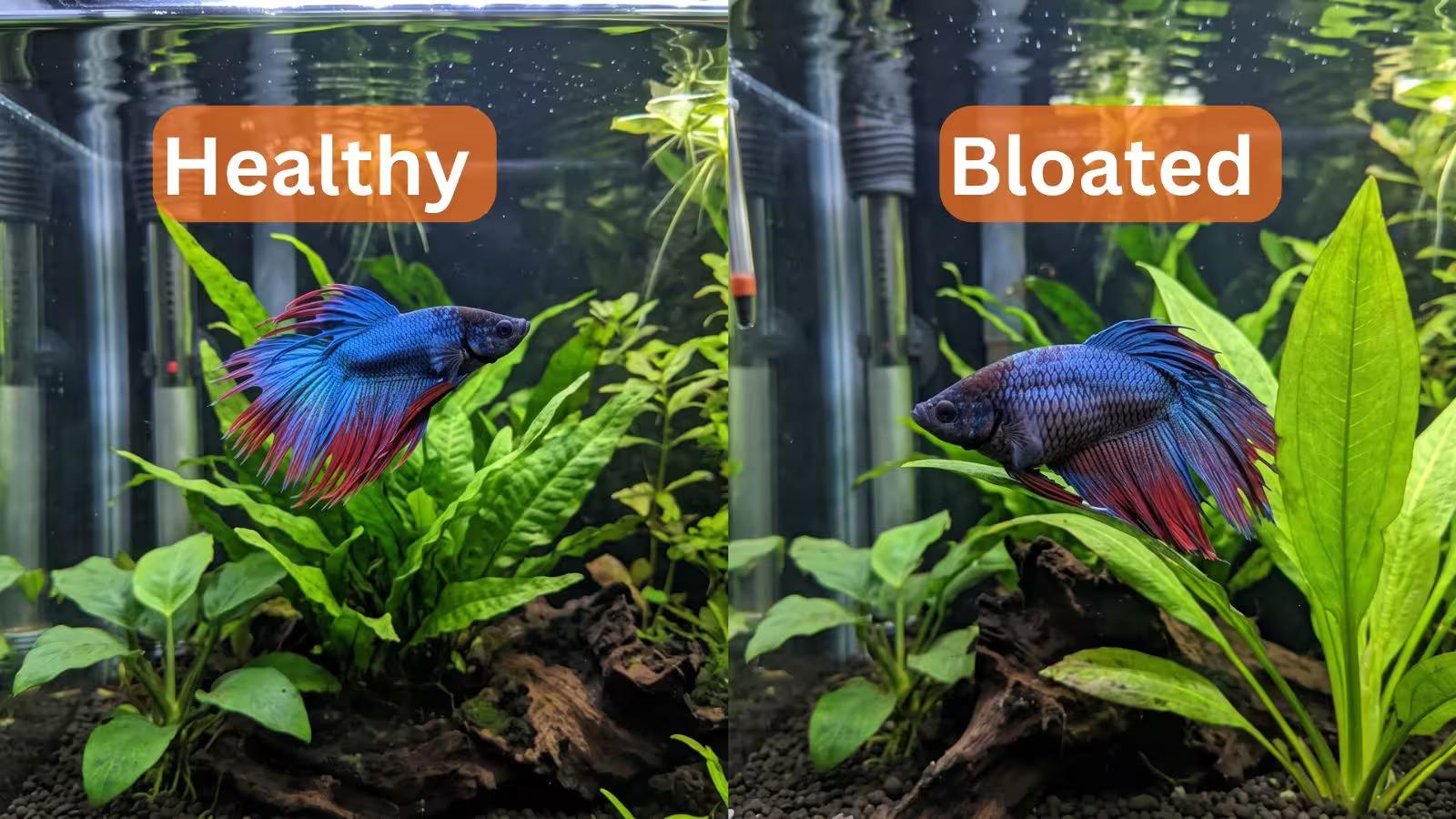
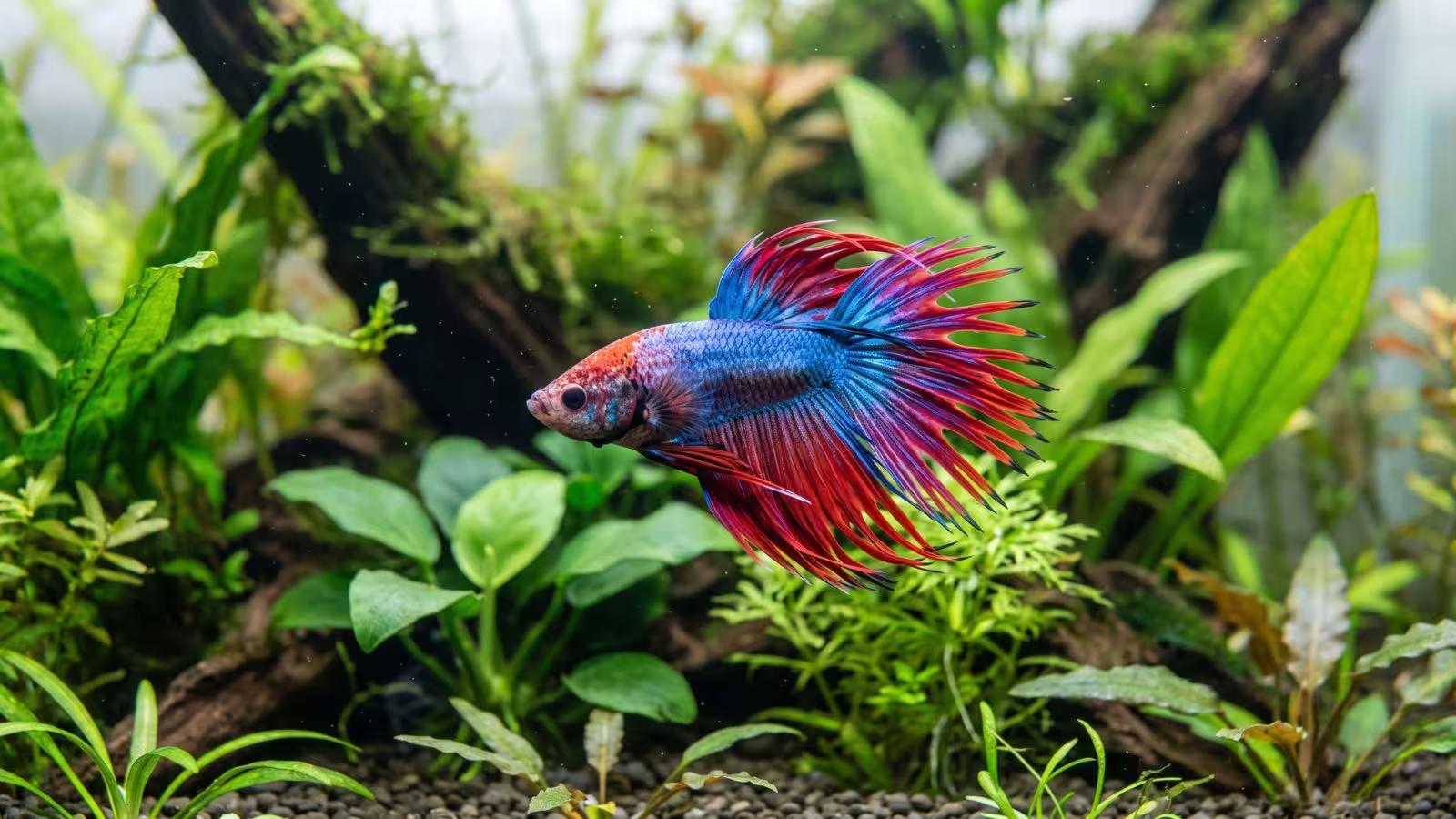
There's a difference between a betta that survives and a betta that thrives. A betta living in poor conditions will often look dull, stay hidden, clamp its fins, or refuse food for no obvious reason. A betta in a properly set up tank will explore actively, display vibrant color, and interact with you at the glass.
Chronic stress from poor setup also suppresses immune function directly. One thing I've noticed is that bettas kept in unstable or stressful environments tend to get sick far more often, even when the owner is trying to do everything else right. [2] Good setup isn't optional — it's the foundation everything else builds on.
Choosing the Right Tank
Minimum Tank Size and Why It Matters
The minimum for a betta fish tank setup is 5 gallons. Not 1 gallon. Not a decorative bowl. Five gallons is the point at which water volume becomes large enough to stay chemically stable between water changes. [1]
In smaller tanks, ammonia builds up terrifyingly fast. A single missed water change in a 1-gallon setup can push ammonia to toxic levels within 24 hours. A 5-gallon tank is far more forgiving, which matters a lot when you're still learning.
If you can manage a 10-gallon, even better. More water volume means more stability, more room for plants, and a much bigger safety margin for beginners. The "bigger is harder" idea is one of the most persistent myths in fishkeeping - in reality, bigger tanks are significantly easier to maintain.
Tank Shape Matters More Than Most People Realize
Bettas are horizontal swimmers. They cruise the length of the tank, not the height. A long, shallow tank is always preferable to a tall, narrow column. Surface area also affects oxygen exchange, and a wider water surface means better gas exchange between the water and air.
For a 5-gallon betta tank, look for something closer to 16 inches long rather than a cube or tower shape. The Fluval Spec V is a popular option specifically because of its proportions — it works well for a single betta.
Where You Place the Tank
Direct sunlight is one of the most common beginner mistakes. It causes two separate problems: uncontrolled algae growth, and temperature swings that are difficult to stabilize even with a good heater. Keep the tank away from windows entirely.
Also avoid air vents, exterior walls in winter, and high-traffic areas where vibrations and movement will stress your fish constantly. Place the tank on a solid, level surface rated for water weight, a full 10-gallon tank weighs over 100 pounds.
The Tank Lid Is Not Optional
Bettas jump. This is not rare behavior, it's a survival instinct from their natural environment. If your tank doesn't have a lid, there's a real chance you'll eventually find your fish on the floor.
A lid also matters because bettas use the labyrinth organ to breathe air directly from the surface. They need clear, unobstructed access to the air just above the waterline. Mesh lids work well because they allow airflow while preventing escapes.
Essential Equipment for a Betta Aquarium Setup
The Aquarium Heater
Bettas are tropical freshwater fish. They need water temperature between 76 and 82°F (24 to 28°C), with 78 to 80°F being the sweet spot. [2] Room temperature in most homes falls short of this, especially at night and in winter.
Temperature fluctuations are just as dangerous as consistently cold water. A drop of even 4 to 5 degrees overnight can suppress your betta's immune system and trigger ich or fin rot within days. This is why an adjustable submersible heater is far better than a preset one, preset heaters often underheat in cooler rooms and give you no control.
The Marina Heater is a solid budget option. For tanks built around a specific design like the Fluval Spec, the integrated heater works well within that system. Whatever you choose, position the heater near your filter's output so warm water circulates evenly throughout the tank.
Always Use a Separate Thermometer
Heater dials are notoriously inaccurate. Many heaters run 2 to 4 degrees off from what the dial says, and you won't know unless you check with a separate thermometer. A simple digital aquarium thermometer costs very little and gives you a real-time reading you can actually trust.
Place it on the opposite side of the tank from the heater to measure the actual ambient water temperature, not just the water right next to the heating element.
The Sponge Filter
For a betta fish tank, a sponge filter is almost always the right choice. It provides two types of filtration at once, mechanical (trapping debris in the sponge) and biological (beneficial bacteria colonizing the sponge surface and processing ammonia). [1]
More importantly, sponge filters produce gentle, diffuse water movement instead of a directed current. Bettas evolved in slow-moving water. A strong filter current forces them to fight the flow constantly, drains their energy, and can physically damage their flowing fins over time. If you've ever seen a betta with tattered fins in an otherwise clean tank, an overpowered filter is often the culprit.
The Aquarium Co-Op Easy Flow Sponge Filter is a reliable choice with adjustable flow, that adjustability matters so you can dial it down to something your betta is comfortable with. Make sure you size the sponge filter to your tank volume; most packages list the gallon rating clearly. You can read more about filtration specifically in the guide on do betta fish need a filter.
Air Pump and Accessories
The sponge filter runs on air from an air pump connected via airline tubing. Add an adjustable air valve between the pump and the filter, this gives you direct control over the bubble rate and therefore the flow strength. A check valve in the tubing prevents water from back-siphoning into the pump if the power goes out.
Noise is a common complaint with air pumps. Placing the pump on a folded cloth or foam pad significantly reduces vibration noise. You can also look for whisper-style pumps specifically marketed for quiet operation.
Aquarium Substrate
Substrate does more than look nice. The surface area of your substrate is one of the primary homes for beneficial bacteria, the organisms that process ammonia and nitrite in your tank. Fine gravel and aquarium sand both work well. For planted tanks, Fluval Stratum is an excellent choice; it's a volcanic substrate that supports plant roots, colonizes beneficial bacteria well, and has a slight pH-buffering effect that suits bettas.
Whatever substrate you choose, avoid anything sharp-edged. Bettas rest on the bottom occasionally and can damage their delicate fins on rough gravel. A good test: drag the material across the back of your hand. If it scratches, it will damage fins.
Aim for about 2 to 3 inches of depth for planted tanks, or 1 inch if you're keeping a bare-bottom setup.
Aquarium Lighting
Bettas need a natural day and night cycle, roughly 8 to 10 hours of light per day. Constant lighting causes chronic stress and fuels algae overgrowth. A simple LED light with a built-in timer is the easiest solution. For low-light plants like Java Fern and Anubias, almost any standard aquarium LED will be sufficient.
| Equipment | Recommended Option | Why It Matters |
|---|---|---|
| Tank | 5 to 10 gallon, long shape | Parameter stability, swimming space |
| Heater | Adjustable submersible (e.g., Marina Heater) | Maintains 78 to 80°F consistently |
| Thermometer | Digital stick thermometer | Verifies actual water temp independently |
| Filter | Sponge filter (e.g., Aquarium Co-Op Easy Flow) | Gentle flow, biological filtration |
| Substrate | Fine gravel, sand, or Fluval Stratum | Bacteria colonization, plant support |
| Water Conditioner | Seachem Prime | Makes tap water safe immediately |
| Test Kit | API Freshwater Master Test Kit | Accurate liquid testing for key parameters |
| Plants | Java Fern, Anubias, Amazon Frogbit | Natural water quality, behavioral enrichment |
Water Conditioner: Making Tap Water Safe
Why Untreated Tap Water Is Dangerous
Municipal tap water contains chlorine and chloramine — chemicals added to make water safe for humans to drink. These chemicals are toxic to fish and will destroy the beneficial bacteria in your filter. Unlike chlorine, which can evaporate if you leave water sitting out, chloramine is chemically stable and won't leave on its own.
Even brief exposure to untreated tap water can cause gill damage in bettas. This isn't a theoretical risk, it's a very real one that catches a lot of beginners off guard.
How to Use Seachem Prime Correctly
Seachem Prime is widely considered the gold standard water conditioner, and for good reason. It neutralizes chlorine and chloramine, detoxifies heavy metals, and at higher doses can temporarily detoxify ammonia and nitrite during emergencies. [3]
The standard dose is 1 ml per 10 gallons of new water. Add it directly to the new water before it goes into the tank, not after. During an ammonia emergency, you can dose up to 5 times the standard amount, Prime will bind ammonia into a form that's non-toxic to fish while still allowing beneficial bacteria to process it.
What Water Conditioner Doesn't Do
This trips up a lot of beginners. Adding water conditioner makes tap water safe to add to your tank. It does not cycle your tank, balance your pH, or remove nitrates. Conditioned water is not the same as cycled water, that's a completely separate process covered in the next section.
Understanding the Nitrogen Cycle
The Most Critical Concept in Betta Tank Setup
If there's one thing that separates successful betta keepers from those who keep losing fish, it's understanding the nitrogen cycle. It sounds technical, but the concept is straightforward.
Fish produce waste. Waste breaks down into ammonia. Ammonia is directly toxic to fish. Certain beneficial bacteria (Nitrosomonas) convert ammonia into nitrite. Nitrite is also toxic. A second group of bacteria (Nitrobacter) then converts nitrite into nitrate, which is far less harmful and removed through regular water changes. [1]
A cycled tank has enough of both bacterial colonies established to process ammonia continuously. An uncycled tank has none, meaning every bit of waste your betta produces sits as toxic ammonia in the water.
New Tank Syndrome: Why It Kills So Many Bettas
New Tank Syndrome is what happens when someone sets up a tank, lets it run for a day or two, then adds a fish. The tank looks fine. The water is clear. But there are no beneficial bacteria yet, so ammonia begins accumulating immediately.
The betta may seem okay at first. Then it starts hiding. Then it stops eating. By the time visible symptoms appear, the damage is often already done. Clear water does not mean safe water, this is probably the most important thing to internalize before you add any fish to a new tank.
How to Cycle a Betta Tank: Step by Step
Fishless cycling is the recommended method. It lets the bacterial colony establish without putting a live fish through the stress of an ammonia spike.
- Set up the tank fully: substrate, filter, heater, plants. Fill with dechlorinated water.
- Add a pure ammonia source. Bottled ammonia drops are easiest (target 2 to 4 ppm on your test kit). You can also use fish food - drop a pinch in and let it decompose.
- Test the water every 2 to 3 days using the API Freshwater Master Test Kit. Log your results.
- When ammonia starts dropping and nitrite appears, Nitrosomonas bacteria are establishing.
- When nitrite starts dropping and nitrate appears, Nitrobacter bacteria are establishing.
- When ammonia reads 0, nitrite reads 0, and nitrate is present, the tank is cycled.
- Do a 50% water change to bring nitrate below 20 ppm.
- Add your betta.
This typically takes 4 to 6 weeks. You can speed it up significantly by seeding the tank with established filter media from a healthy tank, or by adding a bottle of live beneficial bacteria like Seachem Stability. Properly seeded tanks can sometimes cycle in 1 to 2 weeks.
Fish-In Cycling: When You Have No Choice
Sometimes a betta is purchased before the tank is ready — maybe it was an impulse buy, or maybe someone gave you the fish unexpectedly. If you're in this situation, fish-in cycling is possible but requires daily attention.
Test the water every day. Do 25 to 30% water changes any time ammonia or nitrite reads above 0.25 ppm. Use Seachem Prime at the standard dose with every water change to temporarily detoxify ammonia and nitrite between changes. It's stressful for the fish, but manageable with consistent effort. Fishless cycling is always preferable when you have the option.
How to Know Your Tank Is Truly Cycled
The definitive test: add a small amount of ammonia to your cycled tank. If both ammonia and nitrite return to zero within 24 hours, your bacterial colony is established and stable enough to handle a betta's bioload.
| Week | Ammonia | Nitrite | Nitrate | What's Happening |
|---|---|---|---|---|
| 1 to 2 | Rising | 0 | 0 | Ammonia accumulating; no bacteria yet |
| 2 to 3 | Dropping | Rising | 0 | Nitrosomonas bacteria forming |
| 3 to 4 | Near 0 | Dropping | Appearing | Nitrobacter bacteria forming |
| 4 to 6 | 0 | 0 | 5 to 20 ppm | Tank fully cycled — ready for betta |
Water Parameters: The Numbers Every Betta Owner Needs
Complete Betta Water Parameter Guide
Testing your water isn't optional if you want to keep bettas long-term. Most betta health problems trace back to water quality — and water quality problems are invisible without a test kit. The API Freshwater Master Test Kit uses liquid reagents instead of test strips, which makes it significantly more accurate for readings that actually matter. [4]
| Parameter | Ideal Range | Danger Zone | Effect of Imbalance |
|---|---|---|---|
| Temperature | 78 to 80°F (25.5 to 26.7°C) | Below 74°F or above 84°F | Immune suppression, ich, organ stress |
| pH | 6.5 to 7.5 | Below 6.0 or above 8.0 | Gill damage, chemical stress |
| Ammonia | 0 ppm | Any detectable level | Gill damage, death within 24 to 72 hours |
| Nitrite | 0 ppm | Above 0.25 ppm | Oxygen starvation in blood |
| Nitrate | 5 to 20 ppm | Above 40 ppm | Chronic stress, immune decline |
| GH (Hardness) | 3 to 12 dGH | Extremes in either direction | Osmotic stress |
| KH (Alkalinity) | 3 to 8 dKH | Below 2 dKH | pH crash |
What to Do When Parameters Are Off
If ammonia is detectable at all, do a 30 to 50% water change immediately and dose with Seachem Prime. Then identify the cause — overfeeding, a dead plant, a dead snail, or an uncycled tank. Don't just fix the symptom without finding the source.
If nitrate climbs above 40 ppm, increase the frequency of your water changes. This usually means either the tank is overfed, the water change schedule slipped, or the tank is understocked with plants that would otherwise consume nitrate naturally.
pH: Stability Over Perfection
A lot of beginners obsess over hitting a perfect pH number. In reality, a stable pH is far more important than a perfect one. A betta in stable pH of 7.4 will be significantly healthier than one experiencing swings between 6.5 and 7.5 every few days. Sudden pH changes cause far more damage than a consistently "imperfect" reading.
If your pH is swinging, check your KH (carbonate hardness). Low KH means your water has poor buffering capacity, which leads to pH instability. A small amount of crushed coral in your filter can raise and stabilize KH naturally.
Aquarium Substrate: Choosing the Right Foundation
Types of Substrate and What Each Offers
Fine gravel is neutral, easy to clean with a gravel vacuum, and works for most setups. Aquarium sand gives a more natural look and is comfortable for bettas that rest on the bottom, though it needs occasional stirring to prevent anaerobic pockets. Fluval Stratum stands out for planted tanks — it's a volcanic substrate that roots love, colonizes beneficial bacteria well, and has a mild pH-lowering effect that suits bettas nicely.
Bare-bottom tanks are the easiest to clean but have less surface area for beneficial bacteria to colonize, which can affect cycle stability in smaller tanks. They're more common in breeding and hospital setups than in display tanks.
What to Avoid
Sharp-edged gravel or rough decorations are a direct pathway to fin damage. Once fins are compromised, fin rot can set in quickly, especially if water quality dips. Painted gravel is also worth avoiding — the paint degrades over time and leaches into the water. Stick to natural or food-safe coated materials.
Live Plants: Why a Planted Betta Tank Is Superior
What Live Plants Do for Your Tank
Live plants aren't just decoration. They consume nitrate directly from the water, which means they're actively improving water quality every day. During daylight hours, they also produce oxygen through photosynthesis, contributing to dissolved oxygen levels in the tank. [5] A well-planted betta tank can meaningfully reduce how often you need to do water changes compared to a bare setup.
There's also a behavioral dimension. Bettas in planted tanks tend to be less stressed, more exploratory, and display better color. The plants provide visual barriers that reduce stress, resting spots, and surfaces to investigate. You can find a detailed breakdown of the best options in the guide on best plants for betta fish.
Best Live Plants for Betta Tanks
| Plant | Light Needed | Placement | Key Benefit |
|---|---|---|---|
| Java Fern | Low | Midground or background | Extremely hardy, no special substrate |
| Anubias | Low | Attached to driftwood | Slow-growing, nearly indestructible |
| Amazon Frogbit | Low | Floating surface | Shade, resting spots, nitrate absorption |
| Cryptocoryne | Low to moderate | Foreground or midground | Great beginner plant, wide variety |
| Amazon Sword | Moderate | Background | Fast nitrate consumer, impressive size |
| Marimo Moss Ball | Low | Anywhere | Nitrate absorption, very low maintenance |
Floating Plants: Underrated for Betta Health
Amazon Frogbit and Salvinia are two of the most underrated additions to a betta tank. They create shade that reduces light stress, and bettas naturally gravitate toward the surface under floating vegetation — mimicking how they behave in the wild. Many bettas will spend significant time resting just beneath floating plants near the surface, which is completely normal and healthy behavior.
Floating plants also grow fast, which means they consume nitrate aggressively. If algae is an issue in your tank, adding fast-growing floating plants is often more effective than reducing light alone.
Indian Almond Leaves
These dried leaves release tannins when added to the tank, gently lowering pH and creating the slightly amber, blackwater conditions that bettas come from naturally. They also have mild antibacterial and antifungal properties that can support fish health. The water will tint slightly brown — that's normal and harmless. Many experienced betta keepers use them as a preventative health measure.
What About Silk and Plastic Plants?
Silk plants are a safe alternative to live ones — they have no sharp edges and require zero maintenance. Plastic plants can be used, but only if the edges are completely smooth. The test: drag the plant gently across the back of your hand. If it catches your skin, it will shred your betta's fins. When in doubt, use silk.
Hiding Spots and Enrichment
Bettas need places to retreat. Caves, driftwood, PVC tubes, and betta leaf hammocks all serve this purpose. A leaf hammock placed near the surface gives your betta a resting spot close to the air — they love this setup and will use it constantly. A betta with nowhere to hide will display chronic stress behaviors: clamped fins, reduced color, constant hovering near one corner.
Setting Up the Tank: Step by Step
Step 1 — Clean Everything (No Soap)
Rinse the tank, all equipment, and decorations with hot water only. No soap, no cleaning products — even trace residue is toxic to fish. Wipe the inside glass with a clean cloth if needed, then set it in its final location before filling. Moving a full tank risks cracking the seams.
Step 2 — Add Substrate
Rinse substrate in a bucket under running water until it runs completely clear — this prevents a massive cloudy water situation when you fill the tank. Layer it to your target depth (2 to 3 inches for planted tanks, 1 inch for bare-minimum setups). If you're using root-feeding plants like Amazon Swords, press root tabs into the substrate beneath them now.
Step 3 — Add Equipment
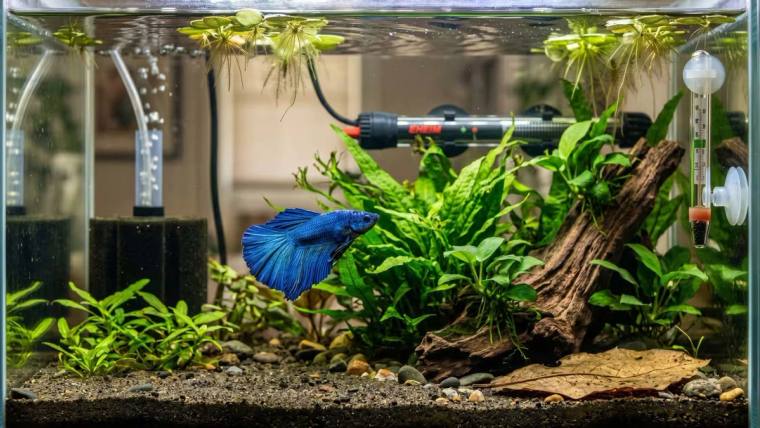
Position the heater near the filter output for even heat distribution throughout the tank. Place the sponge filter in a back corner where it won't block your view but will still circulate water effectively. Mount the thermometer on the opposite side from the heater. Do not plug in the heater until the tank is filled — running a heater dry will crack the glass element instantly.
Step 4 — Fill with Treated Water
Add your water conditioner to the new water before adding it to the tank. Fill slowly to avoid disturbing the substrate — placing a plate or bowl on the substrate and pouring water onto it works well. Fill to 1 to 2 inches below the rim to leave space under the lid for your betta to breathe surface air.
Step 5 — Add Plants and Decorations
Anchor live plants in the substrate (for rooted plants) or tie them to driftwood with thin thread (for Java Fern and Anubias, which attach to surfaces rather than rooting in substrate). Add floating plants last. Arrange decorations to create sightline breaks so your betta has multiple places to feel sheltered.
Step 6 — Run Equipment and Begin Cycling
Plug in the heater, filter, and light. Confirm the temperature reaches 78 to 80°F within 24 hours. Once stable, begin your fishless cycling process. Log every water test result — it's useful for spotting patterns and knowing when the cycle is progressing.
Step 7 — Add Your Betta (Only After Full Cycle)
Once the tank is fully cycled and a 50% water change has brought nitrate below 20 ppm, it's time for the betta. Float the bag in the tank for 20 to 30 minutes to equalize temperature, then gently net the fish into the tank — don't add the store water to your tank. You can read the complete process in the guide on how to acclimate a betta fish.
Dim the lights for the first few hours. Your betta may hide immediately — this is normal for the first 24 to 48 hours. Watch for clamped fins or surface gasping after the first day, which would indicate a water quality issue rather than normal acclimation stress.
- Day 1: Clean tank, add substrate, place equipment
- Day 1: Fill with treated water, plant plants, plug in filter and heater
- Days 1 to 3: Confirm temperature stable at 78 to 80°F
- Day 2 onward: Begin fishless cycling (add ammonia source)
- Week 1 to 2: Test every 2 to 3 days, log results
- Week 3 to 4: Nitrite should be peaking, then dropping
- Week 4 to 6: Ammonia 0, Nitrite 0, Nitrate present — tank cycled
- Day of betta: 50% water change, confirm parameters, acclimate and add betta
- Week 1 with betta: Test daily, observe behavior closely
Aquarium Maintenance: Keeping the Setup Running Long-Term
Weekly Water Changes
In a cycled 5 to 10 gallon tank, a 25 to 30% water change once a week is the standard. This dilutes accumulated nitrate, replenishes trace minerals that deplete over time, and keeps the water fresh without shocking the system with a massive change all at once.
Never do a 100% water change in a cycled tank. This removes the beneficial bacteria living in the water column and can send your parameters into a mini-crash. The goal is maintenance, not a reset. Skipping water changes is the most common cause of chronic low-grade nitrate stress in betta fish.
How to Maintain a Sponge Filter Without Destroying It
When it's time to clean the sponge filter — roughly every 2 to 4 weeks depending on how much your betta eats — squeeze the sponge gently in a bucket of old tank water removed during a water change. Two or three squeezes is plenty. Never rinse filter media under tap water. The chloramine will kill the beneficial bacteria colony living in the sponge, and you'll essentially crash your cycle back to the beginning.
If the sponge is so old that it's physically falling apart, replace only half of it at a time. This preserves some of the established bacterial colony while allowing the new portion to seed from the old.
Testing Water Parameters Over Time
In an established tank, test weekly as a baseline. Test immediately any time you notice a behavior change in your betta — reduced appetite, hiding, fin clamping, or lethargy. These are often the first signs of a water quality shift, and catching it early makes the fix much simpler. Most betta health problems are water quality problems first. Test before treating — never the reverse.
Feeding and Its Impact on Water Quality
Overfeeding is one of the fastest ways to spike ammonia in a small tank. In a 5-gallon betta tank, even a small amount of uneaten food decomposing on the substrate can push ammonia up noticeably within a day. Feed small amounts twice daily — only what your betta can finish in 2 to 4 minutes — and remove any uneaten food with a turkey baster or small net. Fasting your betta one day per week also helps prevent constipation and keeps the tank cleaner.
| Task | Frequency | Why |
|---|---|---|
| Water change (25 to 30%) | Weekly | Dilute nitrate, refresh minerals |
| Gravel vacuum | Weekly | Remove waste from substrate |
| Sponge filter rinse | Every 2 to 4 weeks | Maintain flow, preserve bacteria |
| Water parameter test | Weekly (established tank) | Catch problems before fish show symptoms |
| Algae wipe | As needed | Visibility and aesthetics |
| Plant pruning | As needed | Prevent rot and light blockage |
| Equipment check | Weekly | Heater, pump, tubing function |
Beginner Mistakes That Kill Bettas
Adding a Betta to an Uncycled Tank
This is the single most common cause of betta death in new setups. "The tank has been running for two days" is not cycling. The bacterial colony that processes ammonia takes weeks to establish. Patience here is not optional — it directly determines whether your fish lives or dies in the first month.
Using a Tank That's Too Small
Bowls and "betta starter kits" under 2 gallons are marketed as convenient options. They're not. In a 1-gallon container, ammonia can reach dangerous levels within a single day of a missed water change. The chemistry is simply too unstable to sustain a healthy fish without exhausting, daily intervention.
Rinsing Filter Media Under the Tap
This mistake is so easy to make because it seems logical — the filter is dirty, so you clean it thoroughly. But the beneficial bacteria living in the sponge are your tank's immune system. Rinsing them away with chlorinated tap water essentially crashes your cycle and exposes your betta to ammonia and nitrite all over again.
Using a High-Flow Filter
Hang-on-back filters and internal power filters create currents that are completely incompatible with a betta's physiology. Bettas spend enormous energy fighting strong current, their fins sustain damage from constant agitation, and they become chronically stressed. If you notice your betta struggling to swim comfortably or getting pinned against the glass, filter flow is the first thing to check. You can find more on how bubblers and aeration factor into this.
Decorating with Sharp Plastic Plants
Sharp plastic plants shred betta fins. Once the fin edges are damaged, fin rot can establish quickly, especially in tanks with any water quality fluctuation. If you must use artificial plants, silk is always safer. Apply the pantyhose test — if the plastic snags on thin fabric, it will damage fins.
Placing the Tank Near a Window
Natural light sounds beneficial, but direct sunlight heats tank water unevenly and unpredictably, creates temperature swings even with a heater running, and fuels explosive algae growth. Controlled artificial lighting on a timer is always better for a betta tank than any amount of natural light.
Ignoring Clear-Looking Water
This bears repeating because it's responsible for so many fish losses. Ammonia and nitrite are colorless, odorless, and completely undetectable without a test kit. Many new betta owners assume that clear, odorless water is safe water. It isn't. Test it.
Troubleshooting Common Betta Tank Setup Problems
Cloudy Water After Setup
White or milky cloudiness right after setup is almost always a bacterial bloom — a population explosion of free-floating bacteria as the tank begins to establish. It's harmless and typically clears on its own within a few days without any intervention. Green cloudiness is algae — reduce lighting to 6 to 8 hours daily and add fast-growing floating plants to outcompete the algae for nutrients. Yellow or brown tinting usually means tannins from driftwood or Indian Almond Leaves, which is completely harmless and actually beneficial.
Ammonia Won't Drop During Cycling
If ammonia has been sitting at the same level for more than a week without dropping, check a few things. Is the tank temperature at 78 to 82°F? Beneficial bacteria colonize very slowly below 70°F, which can stall the cycle significantly. Is the filter actually running and circulating water through the sponge? Is there any source of ammonia that might be overwhelming the developing colony — like too much fish food used as an ammonia source?
Betta Seems Stressed Despite Good Parameters
If your water tests clean but your betta is still hiding, flaring constantly, or showing clamped fins, look at the environment rather than the chemistry. Is the filter flow strong enough to push the fish around? Are there enough visual barriers and hiding spots? Is there a reflection in the glass the betta is treating as a rival and flaring at for extended periods? A betta that flares at its own reflection for hours daily will develop genuine chronic stress — covering three sides of the tank with a background resolves this immediately.
Temperature Won't Stabilize
If your heater is running but the temperature keeps dropping overnight, the heater is likely undersized for the tank or for the room conditions. The general guideline is approximately 5 watts per gallon of tank volume, but rooms that get cold at night may need more. A heater rated for a 10-gallon tank may not be adequate in a room that drops to 65°F overnight. Upgrading the wattage is usually the simplest fix.
Algae Overgrowth
Algae is a nutrient and light management problem. Too much light, too long per day, combined with excess nutrients from overfeeding or infrequent water changes creates ideal conditions for algae. The solution is almost always: reduce light duration to 8 hours, reduce feeding slightly, increase water change frequency, and add fast-growing plants like Amazon Frogbit that will outcompete the algae for nutrients.
Betta Refuses to Eat After Setup
A betta refusing food for the first 24 to 72 hours after introduction is completely normal. Moving is stressful, and appetite suppression is a standard stress response. If the refusal continues beyond 3 to 4 days and your betta is also showing clamped fins, bottom-sitting, or unusual swimming patterns, check water parameters first. You can learn more about how long a betta can safely go without eating at the guide on how long can betta fish go without food.
When to Worry: Behavioral Warning Signs Connected to Tank Setup
Reading Your Betta's Behavior
Bettas are expressive fish. Once you've watched yours for a week or two, you'll have a baseline for what normal looks like. Changes from that baseline are your earliest warning system — often appearing days before any physical symptoms become visible. One thing I've noticed consistently is that a betta's appetite is usually the first thing to change when something in the tank is wrong.
| Behavior | Normal? | Potential Problem | Likely Setup Cause |
|---|---|---|---|
| Resting near surface | Yes (labyrinth breathing) | Gasping frantically | Ammonia, low oxygen |
| Hiding at setup | Yes (first 24 to 48 hours) | Hiding for days or weeks | Stress: flow too strong, no hiding spots |
| Occasional flaring | Yes (exercise) | Constant flaring | Reflection, tankmate stress |
| Inactive at night | Yes (sleep) | Inactive during daytime too | Temperature too low, illness |
| Pale color day 1 | Yes (transport stress) | Pale after 1 week | Chronic stress, water quality |
| Brief bottom-sitting | Yes (resting) | Prolonged bottom-sitting | Ammonia spike, temperature crash |
Bettas actually do sleep, and their resting behavior at night can look alarming to new owners. If you're not sure whether your betta is sleeping or sick, the guide on do betta fish sleep at night explains what normal rest looks like and when to be concerned.
Emergency Warning Signs — Act Immediately
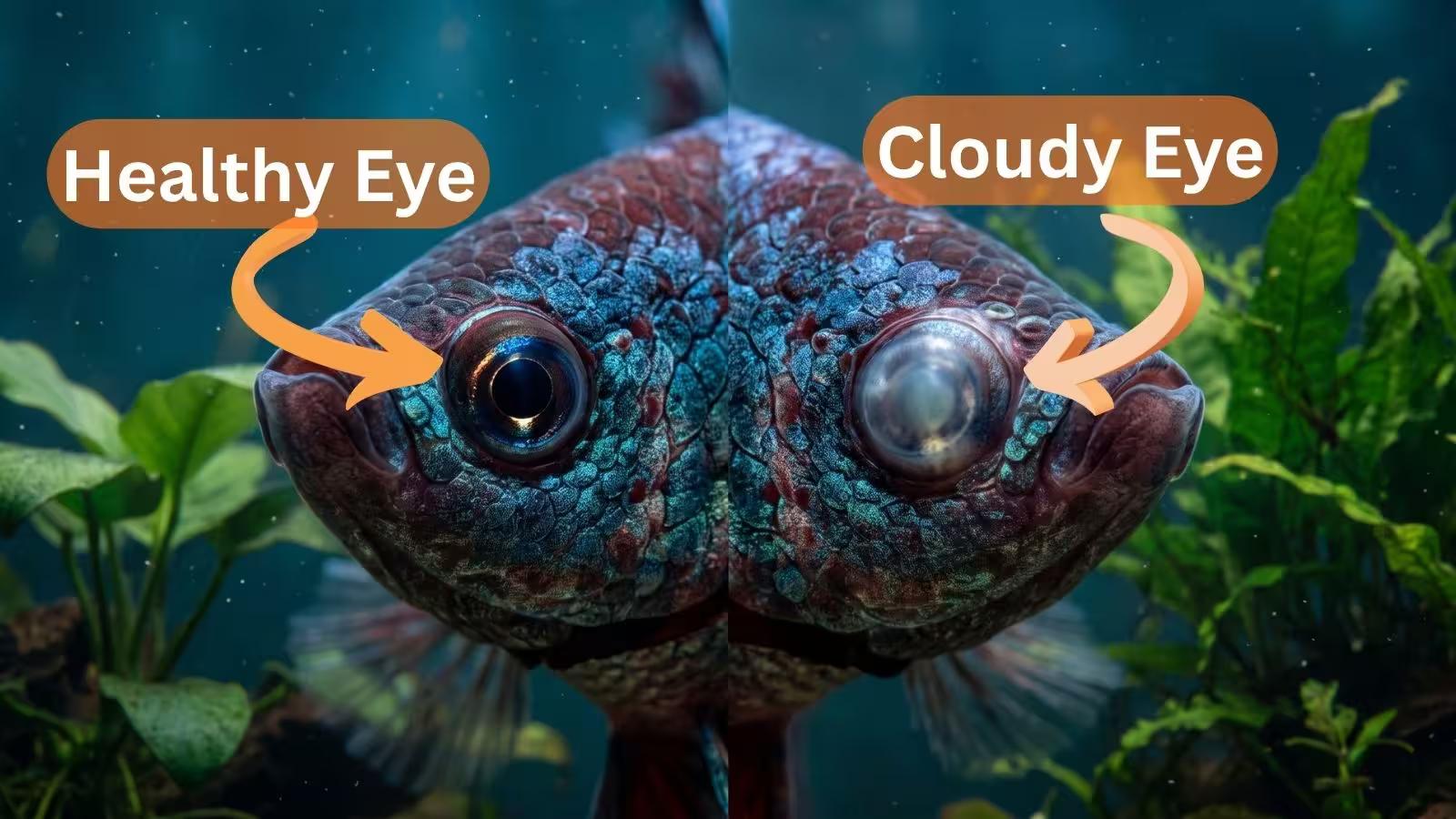
Rapid gill movement, continuous gasping at the surface, red streaks in the fins or body, white cottony patches on the skin, or a pinecone-like scale appearance (dropsy) are all signs requiring immediate action. Test your water first, regardless of what the symptom looks like. Do a 30 to 50% water change while you wait for test results. Don't add medication until you've confirmed whether water quality is the issue — many betta diseases are actually water quality symptoms in disguise. The guide on betta fish diseases and cures covers specific diagnoses and treatments in detail.
If you notice color changes developing alongside stress signs, the guides on why is my betta fish turning white and do betta fish change color can help you determine whether what you're seeing is health-related or a normal part of your fish's coloration.
Myth-Busting: What You've Probably Heard That Isn't True
"Bettas Are Hardy — They Can Live Anywhere"
The labyrinth organ does allow bettas to breathe surface air, which means they can survive in oxygen-depleted water that would kill most fish. That survival ability has been misinterpreted as general hardiness. Bettas can survive a lot of conditions. That doesn't mean those conditions are healthy. A betta in a bowl surviving for months is not a betta thriving — it's a betta enduring.
"Small Tanks Are Easier to Maintain"
This is the opposite of reality. Small water volumes are chemically unstable. A 1-gallon tank can swing from safe to dangerous ammonia levels in under 24 hours. The smaller the tank, the less room for error and the more frequently you have to intervene. Larger tanks dilute problems and give you time to catch issues before they become emergencies.
"You Don't Need a Filter with Frequent Water Changes"
Water changes remove nitrate. They don't replace the biological filtration process. Without a sponge filter and its colony of beneficial bacteria, ammonia spikes between every water change — and in a small tank, ammonia can become dangerous within hours of a feeding. The filter isn't optional.
"Bottled Water Is Safer Than Tap"
Distilled water has zero mineral content, which creates osmotic stress for bettas. Reverse osmosis water needs mineral supplements added back in. Bottled spring water varies wildly in mineral composition depending on the brand. Properly conditioned tap water is almost always the simplest and most reliable choice for a betta tank.
"Gravel Vacuuming Destroys the Cycle"
Beneficial bacteria live primarily on filter media and substrate surfaces, not in the water column in significant quantities. Gentle gravel vacuuming removes waste from the substrate without meaningfully disrupting the bacterial colony. The bacteria on the sponge filter are doing the heavy lifting — the substrate bacteria are supplementary.
Frequently Asked Questions
How long does it take to cycle a betta fish tank?
A fishless cycle typically takes 4 to 6 weeks from start to finish. You can cut this down to 1 to 2 weeks by seeding the tank with established filter media from a healthy, cycled tank, or by using a liquid beneficial bacteria product like Seachem Stability. The tank is ready when ammonia reads 0 ppm, nitrite reads 0 ppm, and nitrate is measurably present.
Can I use tap water for my betta fish tank?
Yes, with a water conditioner. Add Seachem Prime or a similar dechlorinator to tap water before adding it to your tank. This neutralizes chlorine, chloramine, and heavy metals on contact. Don't let water sit out hoping chlorine will evaporate — chloramine is chemically stable and won't leave on its own.
Do betta fish need a heater if my room stays warm?
Most rooms drop several degrees at night, and temperature fluctuations are more damaging than a consistently slightly cool reading. An adjustable submersible heater with a separate thermometer gives you real control and prevents the overnight dips that trigger ich and immune suppression. Don't rely on room temperature alone.
How often should I do water changes in a betta tank?
In a cycled 5 to 10 gallon tank, a 25 to 30% water change once per week is standard. If nitrate climbs quickly between changes, either increase frequency or reduce feeding. A heavily planted tank may need slightly less frequent changes due to plant nitrate uptake. Never do a complete water change in an established tank — this destroys the biological filtration.
Can I put live plants in a betta tank without CO2 injection?
Absolutely. Java Fern, Anubias, Cryptocoryne, and Amazon Frogbit all grow well in betta tanks without CO2 supplementation. These low-light, low-demand plants are ideal for beginners. They'll absorb nitrate, provide behavioral enrichment, and improve water quality without any complicated equipment.
What happens if I add my betta to an uncycled tank?
Your betta will be exposed to rising ammonia with no bacterial colony to process it. This causes progressive gill damage, immune suppression, and eventually death. The fish may look normal for a few days before symptoms appear — by then, the damage is often already significant. New Tank Syndrome is the most preventable cause of early betta death.
Can I keep more than one betta in the same tank?
Male bettas cannot be kept together under any circumstances — they will fight until one (or both) are dead. Female bettas can sometimes be kept in groups called sorority tanks, but this requires careful management, adequate space, and the right conditions. The guide on can you have multiple betta fish in one tank covers this in detail.
How do I know if my water is safe without a test kit?
You don't — and that's the honest answer. Ammonia and nitrite are invisible and odorless at toxic concentrations. Clear water tells you nothing about its chemical content. The API Freshwater Master Test Kit is not an optional purchase. It's the only way to know what's actually happening in your tank before your fish shows you symptoms.
Once you understand how a properly set up betta tank functions, the whole process becomes much less intimidating. The nitrogen cycle, the equipment, the water parameters — they all connect logically once you see how each piece supports the others. Get the foundation right and your betta will reward you with color, personality, and behavior that most people don't realize these fish are capable of showing.
References
- Aquarium Co-Op — "How to Cycle a Fish Tank": https://www.aquariumcoop.com/blogs/aquarium/top-10-easy-beginner-fish
- PetMD — "Betta Fish Care Guide": https://www.petmd.com/fish/betta-fish-care-sheet
- Seachem Laboratories — "Prime Water Conditioner": https://www.seachem.com/prime.php
- API Fishcare — "Freshwater Master Test Kit": https://www.apifishcare.com/product/freshwater-master-test-kit/
- Aquarium Co-Op — "Live Aquarium Plants for Beginners": https://www.aquariumcoop.com/blogs/aquarium/best-aquarium-plants-for-beginners