The truth is simpler than you think. Healthy adult bettas can handle short fasting periods better than most fish. But "can survive" and "should survive" are very different things.
In this guide, you'll learn exactly how long your betta can go without food, when fasting becomes dangerous, and how to prepare before vacations. You'll also discover what factors actually matter, age, temperature, health, and what warning signs mean it's time to worry.
As tropical carnivorous fish with slower metabolisms than most aquarium species, bettas are surprisingly resilient during brief food gaps. But push that limit too far, and stress, weakened immunity, and serious illness follow quickly.
The Short Answer: How Long Can Betta Fish Survive Without Food?
| Situation | Survival Estimate |
|---|---|
| Healthy adult betta | 7–14 days |
| Safe fasting period | 2–4 days |
| Risky period | 5–7 days |
| Dangerous period | 10+ days |
| Fry / baby bettas | 1–3 days only |
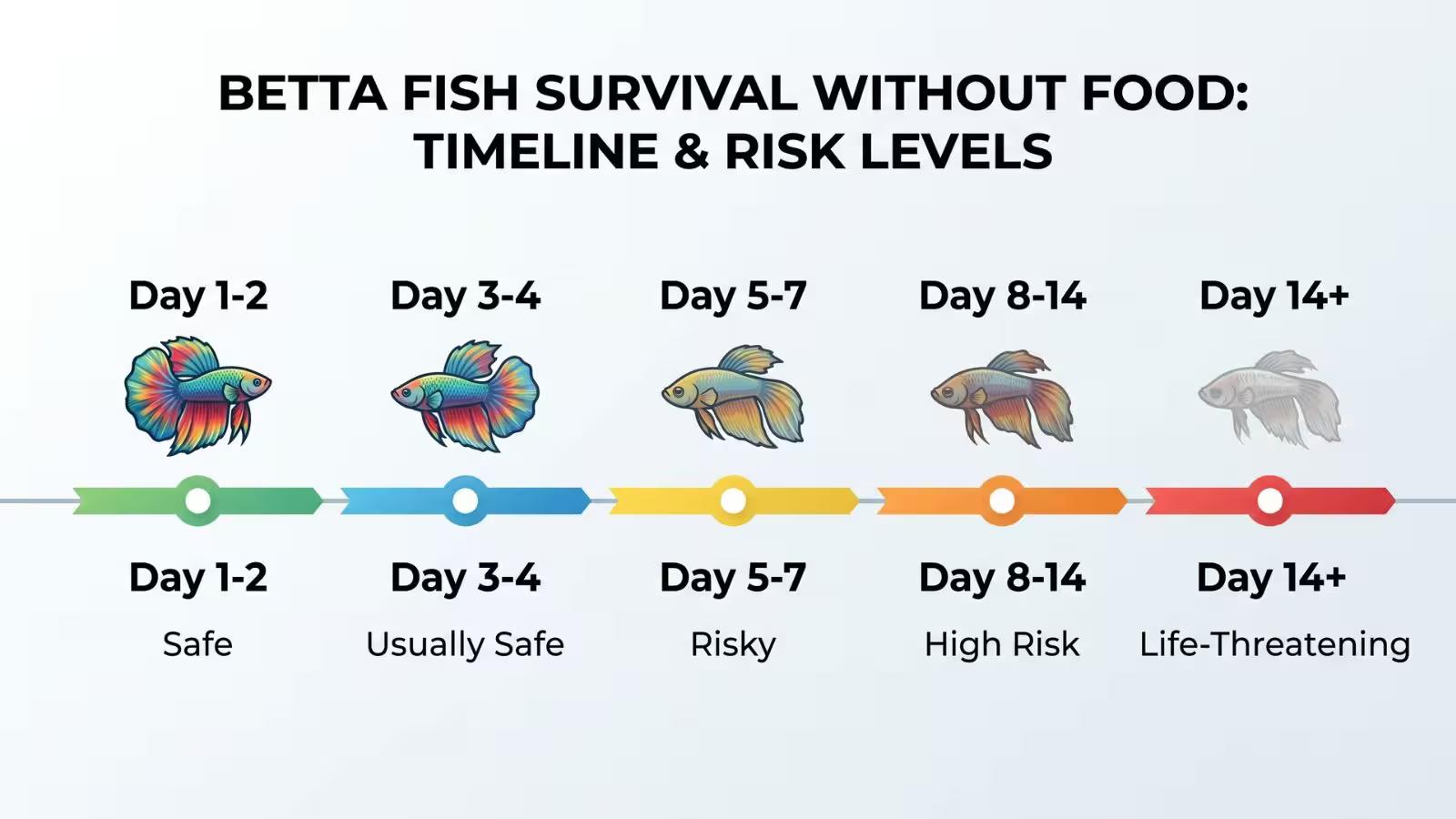
What this really means: Survival and thriving are not the same thing.
Your betta might technically stay alive for two weeks without food. But somewhere around day 5–7, stress hormones spike, immune function drops, and malnutrition sets in. By day 10, you're pushing into serious health risk territory.
The safest window? Two to four days maximum for a healthy adult.
How Long Can Betta Fish Live Without Eating Based on Age?
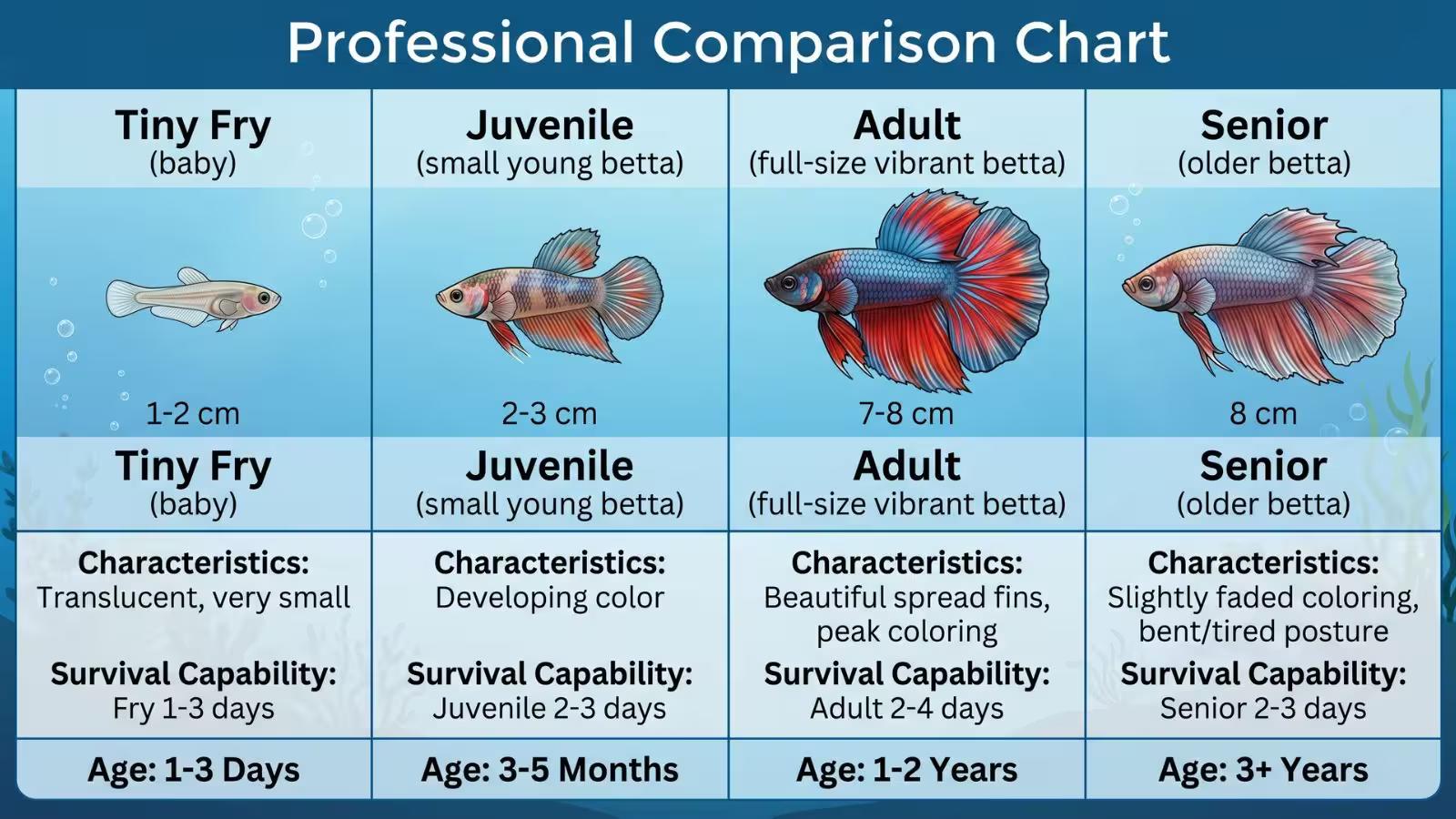
Baby Betta Fish (Fry)
Fry need food every few hours. They can survive only 1–3 days without food.
Juvenile Bettas
They can handle 2–3 days without food but are still vulnerable.
Adult Bettas
Healthy adults can safely go 2–4 days without food.
Senior Bettas
Older bettas should rarely go more than 2–3 days without eating.
What Affects Survival Time?
Water Temperature
| Temperature | Effect |
|---|---|
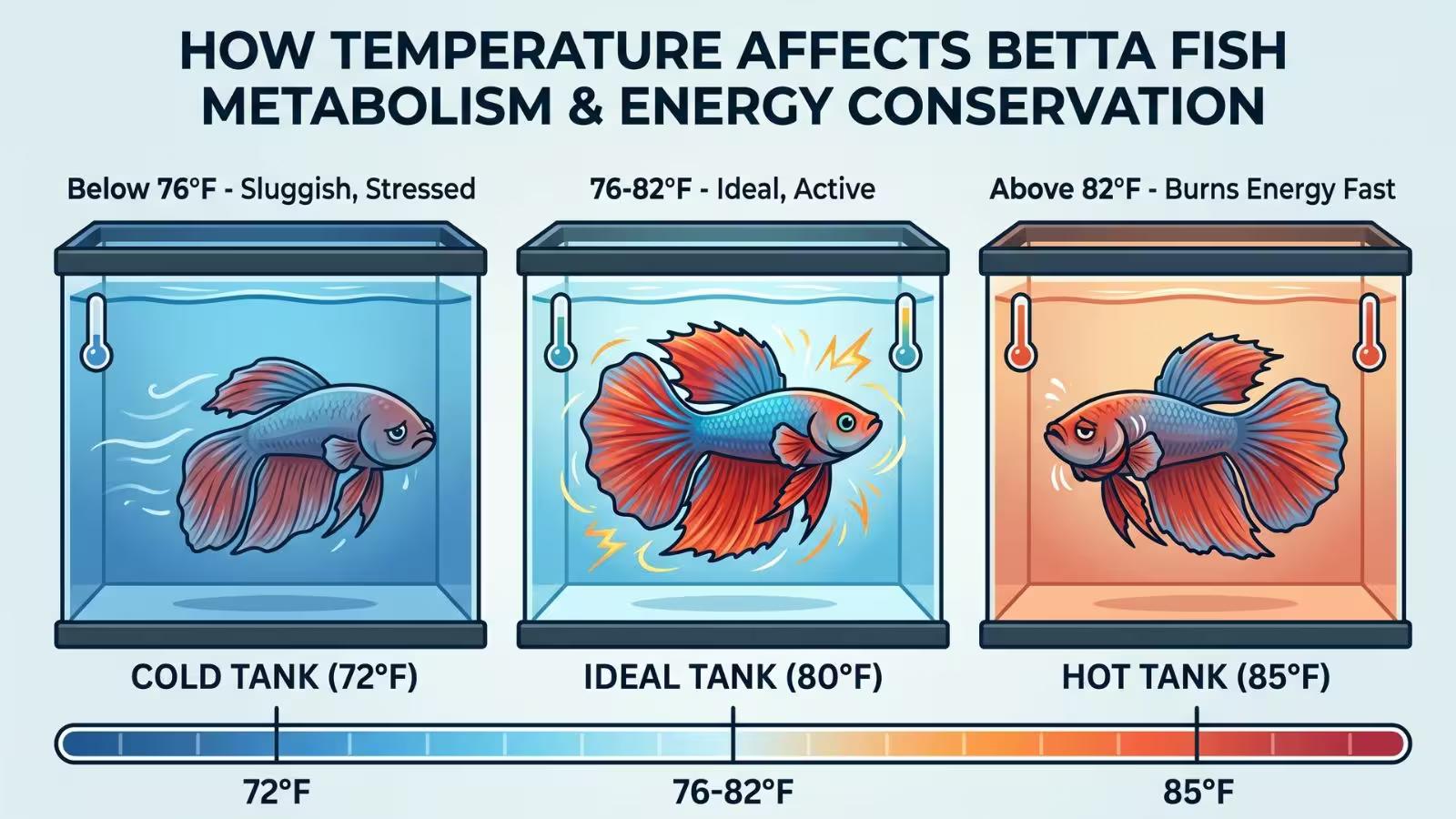
| 76–82°F (24–28°C) | Ideal metabolic rate |
| Above 82°F | Burns energy faster |
| Below 76°F | Stress increases, digestion slows |
Water Quality
| Parameter | Recommended |
|---|---|
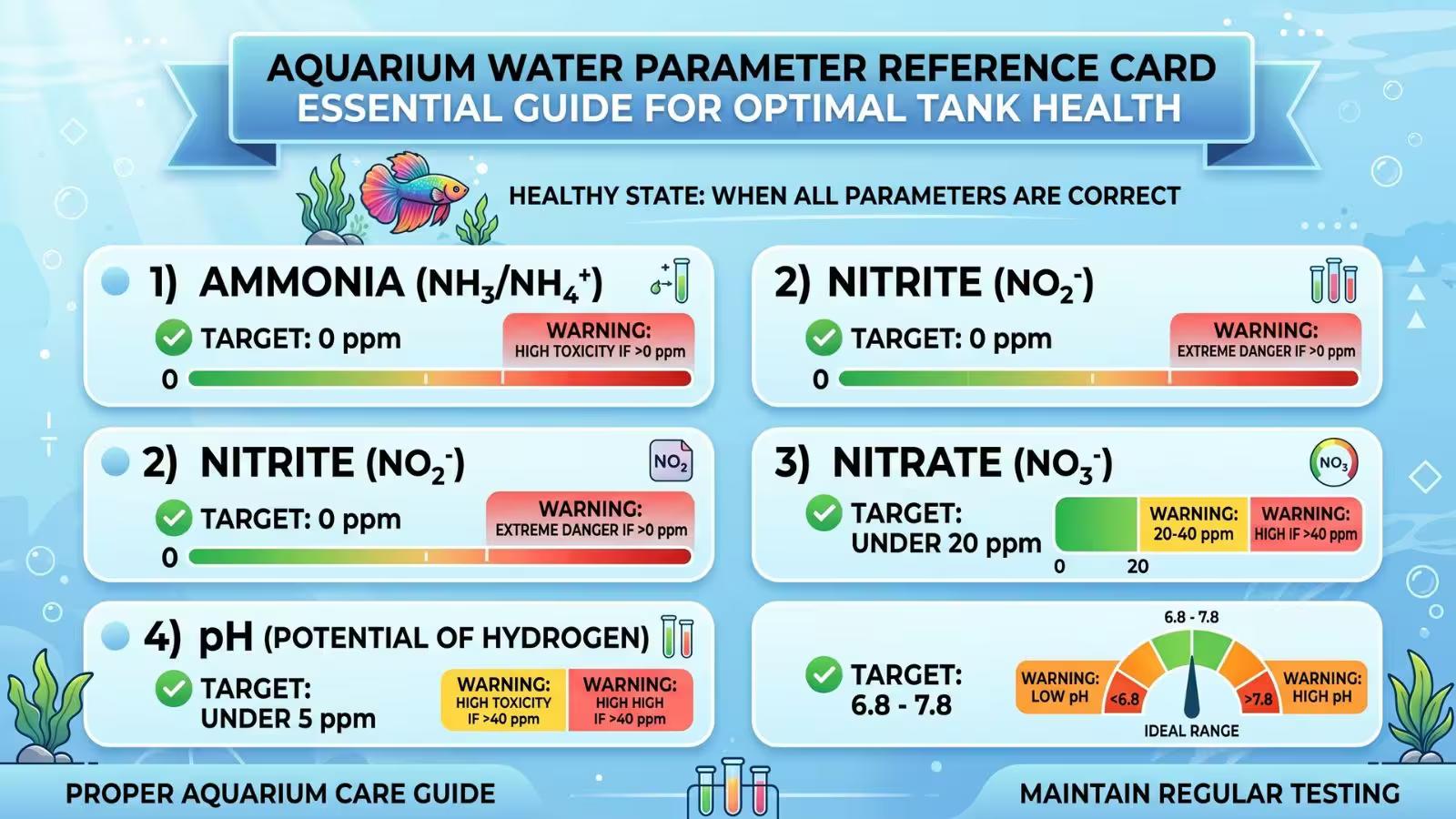
| Ammonia | 0 ppm |
| Nitrite | 0 ppm |
| Nitrate | Under 20 ppm |
| pH | 6.8–7.8 |
Can Betta Fish Go a Day Without Food?
Yes. A healthy betta can easily skip one day of food without any problem.
How Many Days Without Food?
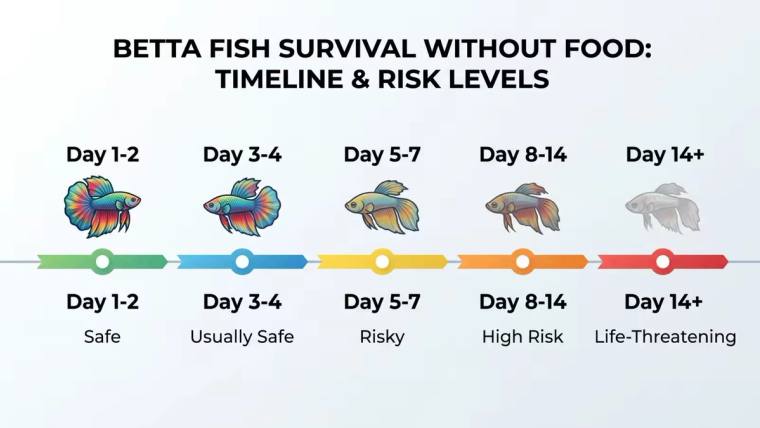
1–2 days: Safe
3–4 days: Usually fine
5–7 days: Risk starts
8–14 days: High risk
14+ days: Life-threatening
Vacation Feeding Guide
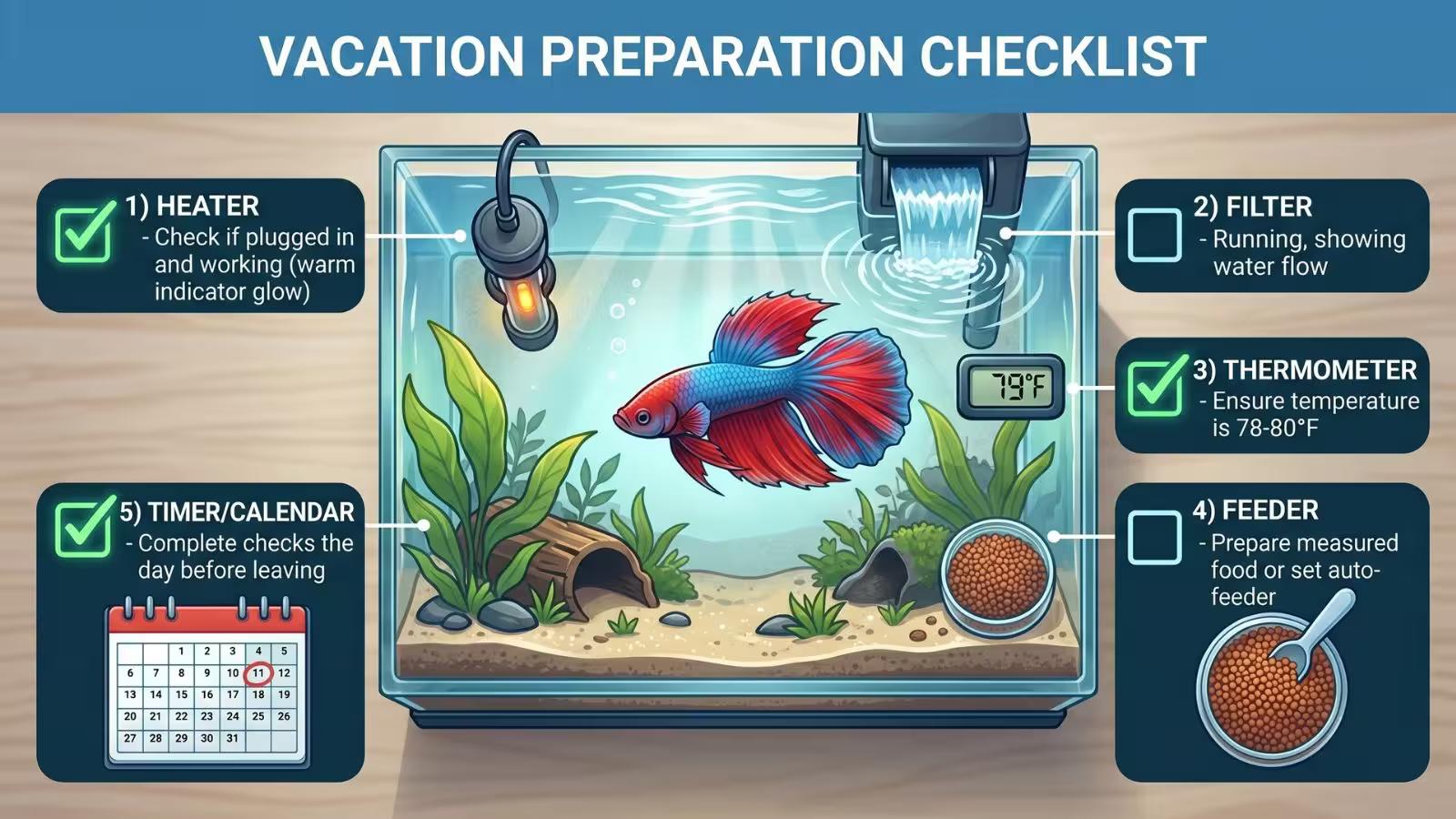
1–3 days: No feeding needed
4–7 days: Trusted person or feeder
7+ days: Human feeding required
Signs of Starvation
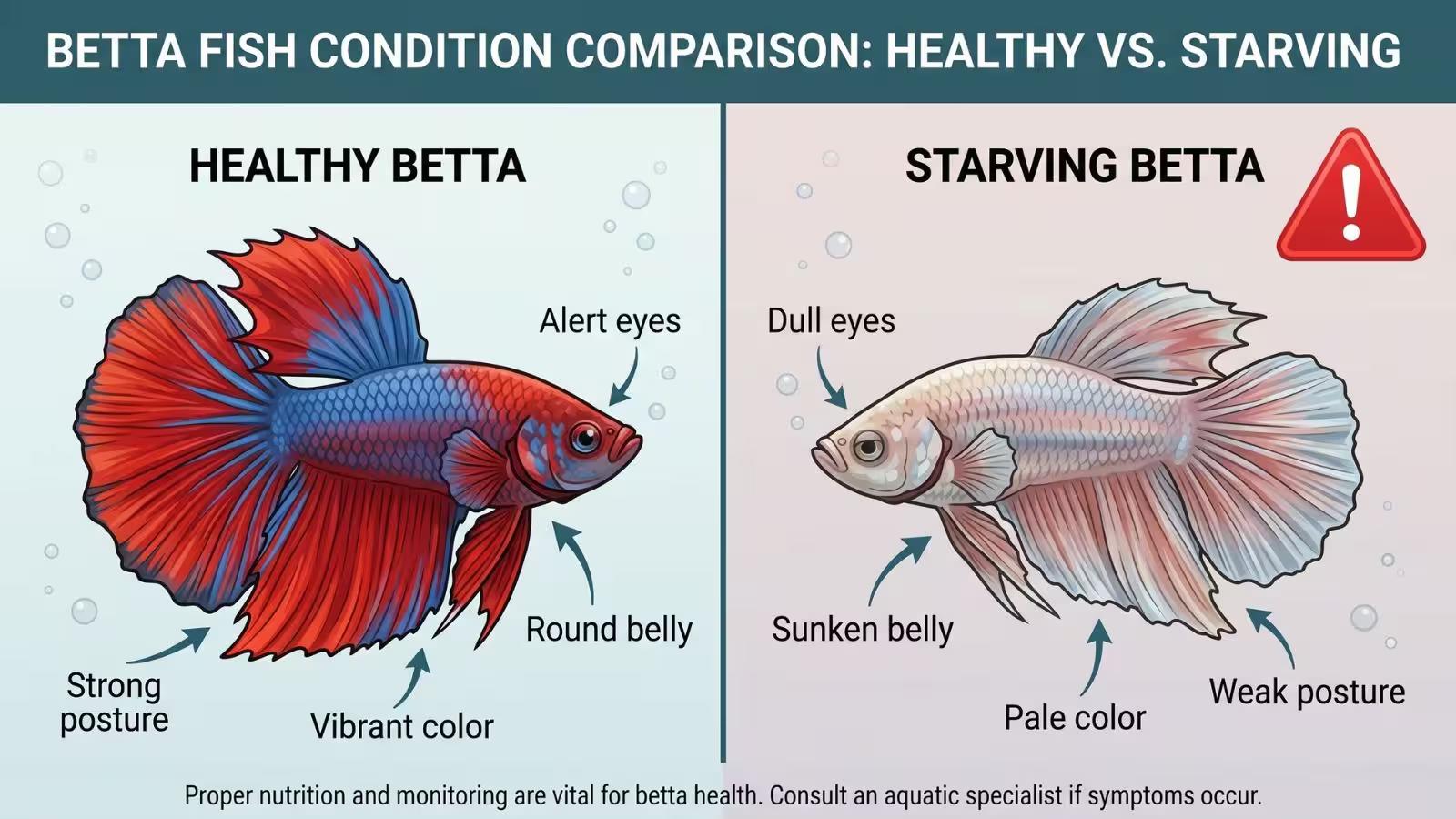
• Weight loss
• Weak swimming
• Lethargy
• Loss of color
What to Do If Your Betta Hasn't Eaten
Step 1: Test water quality
Step 2: Check temperature (76–82°F)
Step 3: Try bloodworms or brine shrimp
Step 4: Check for illness
Step 5: Feed slowly again
Feeding After Fasting
Day 1: 25% normal food
Day 2: 50% food
Day 3: Normal feeding
Final Verdict
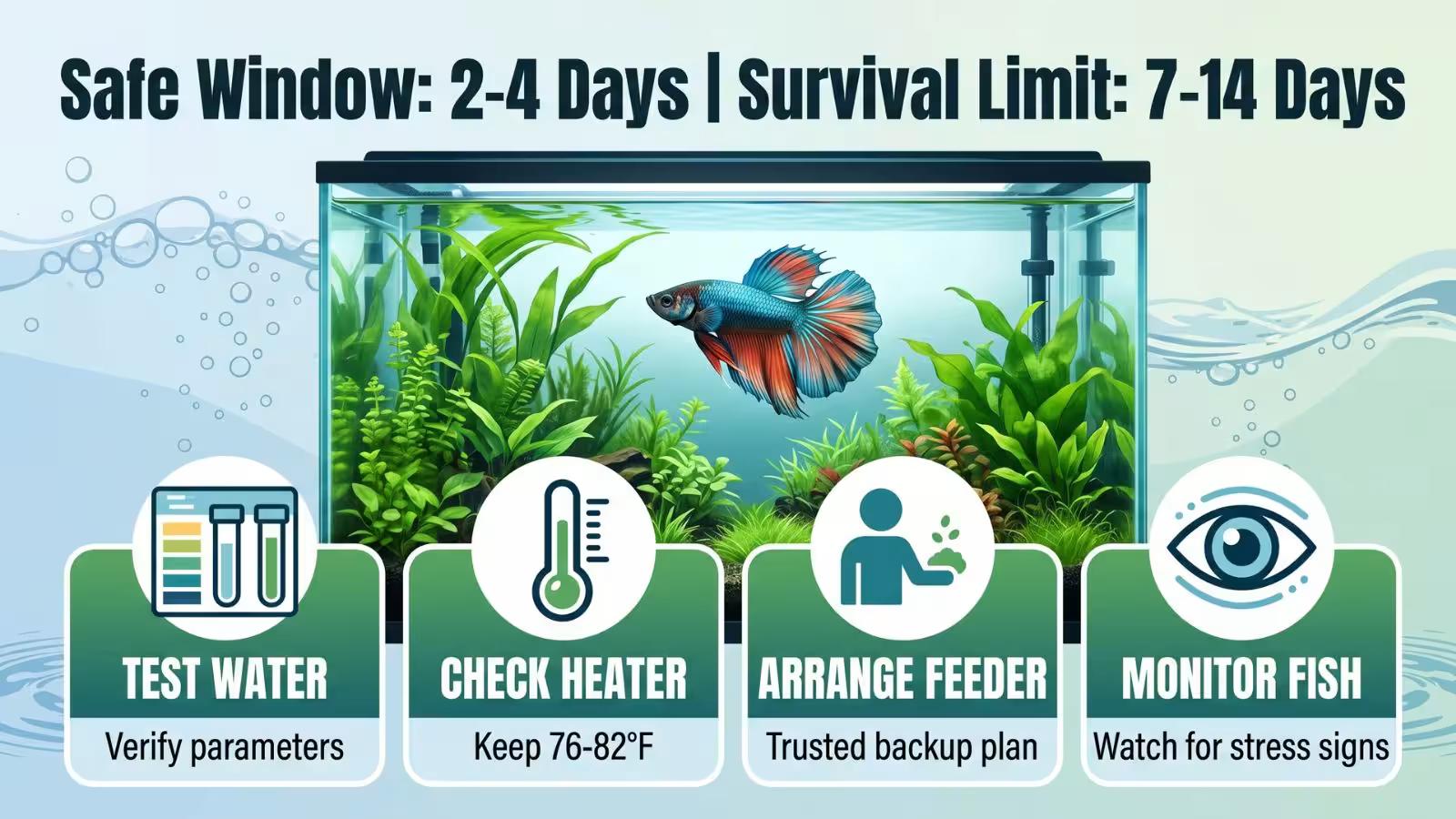
A healthy adult betta can survive 7–14 days without food, but the safe fasting window is only 2–4 days.
Proper preparation before vacations and maintaining water quality is the key to keeping your betta safe and healthy.