This panic is exactly where most new betta owners find themselves. One moment your fish is flaring and exploring. The next, something feels off. The problem? You're not sure if he's sick, stressed, or just being a moody betta.
Here's the truth: Most betta illness is preventable. And when disease does happen, catching it early makes all the difference.
Over my years keeping bettas, I've learned that disease rarely appears out of nowhere. It's almost always a warning sign, usually about water quality, stress, or incorrect tank conditions. Your betta isn't randomly getting sick. His body is telling you something needs to change.
This guide walks you through exactly what healthy looks like, what sick actually means, and how to fix problems before they spiral. Whether your betta is showing early warning signs or you're just trying to prevent disease altogether, this is what you need to know.
Normal vs. Abnormal: What is "Health"?
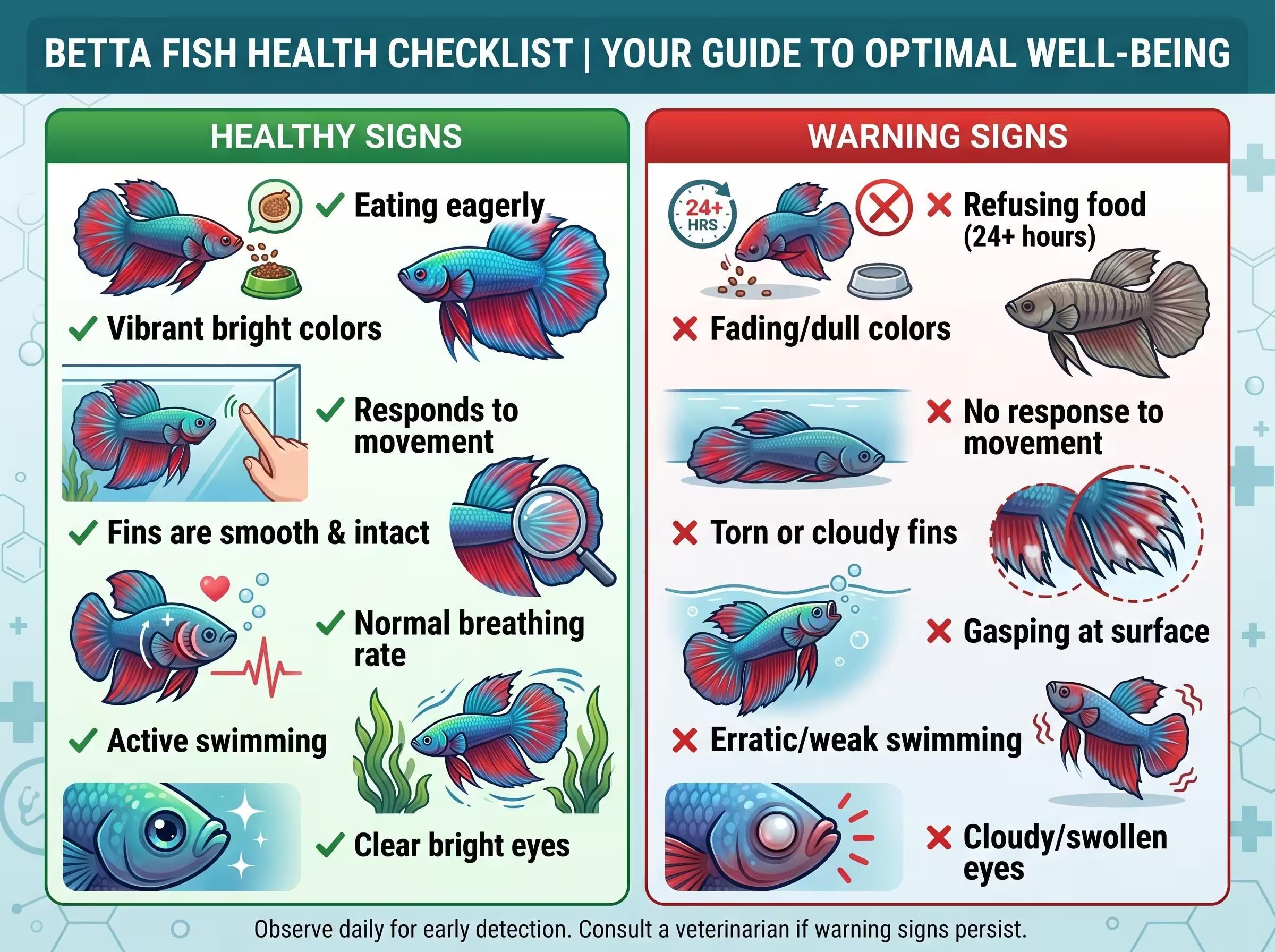
Here's where most beginner betta owners struggle: You don't know what normal even looks like.
A healthy betta isn't always swimming energetically. He has quiet moments. He rests. But there's a massive difference between a betta resting and a betta suffering.
Healthy Betta Behavior
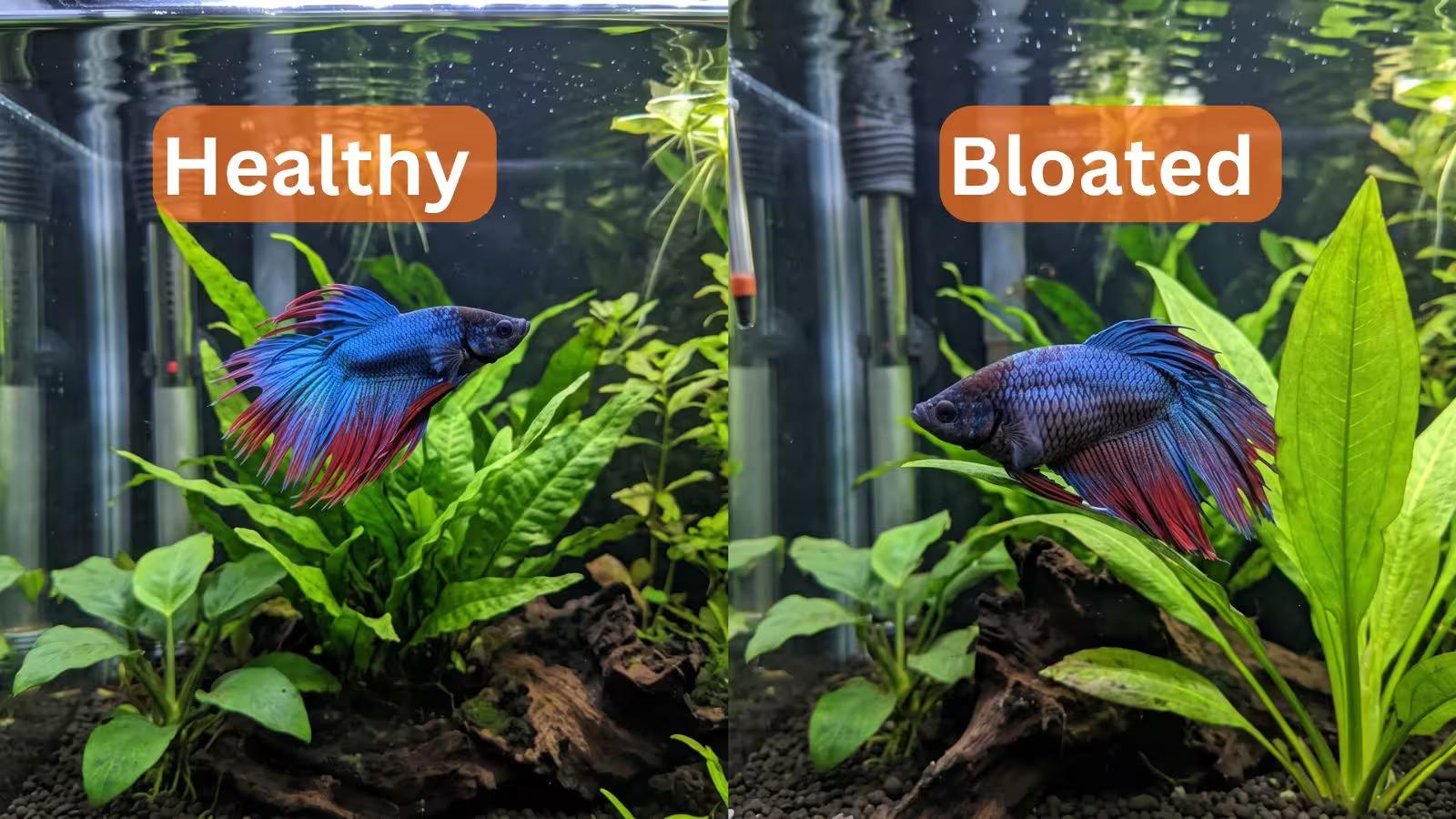
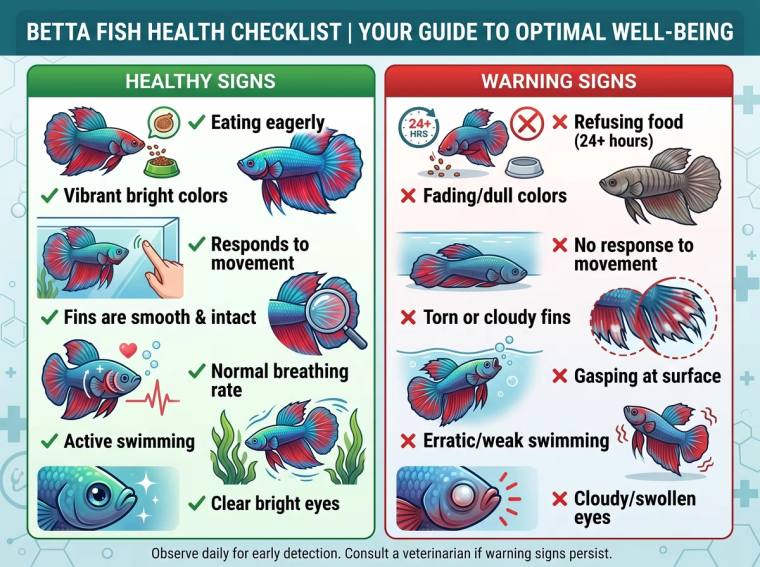
A healthy betta should:
- Eat eagerly when you feed him (or at least within a few hours)
- Respond to movement outside the tank (flaring, following your finger, coming to the glass)
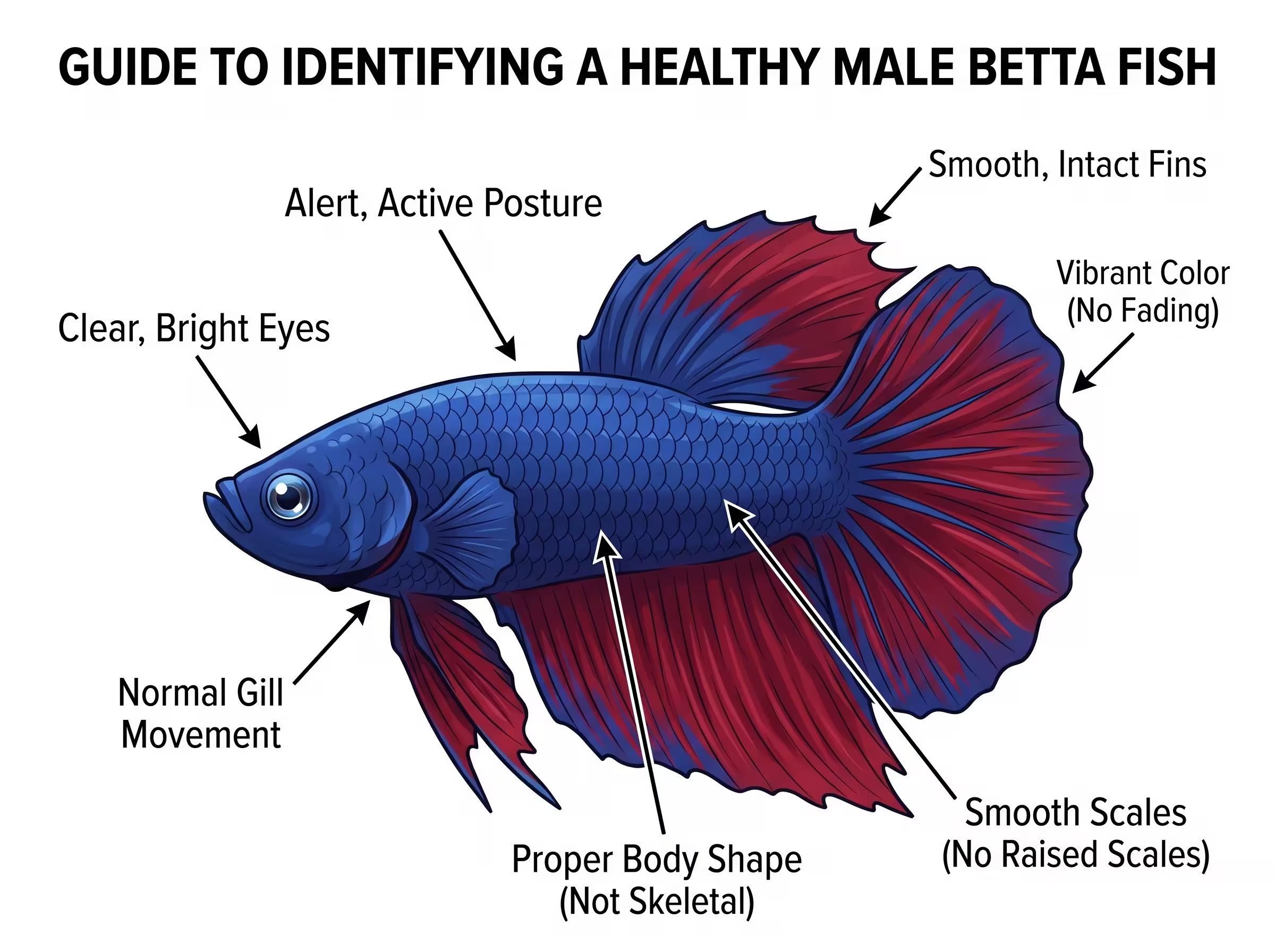
- Have smooth, intact fins with no tears, cloudy edges, or bleeding
- Breathe normally (not gasping or rapid gill movement at rest)
- Display vibrant colors that don't fade throughout the day
- Swim with control and purpose, not erratically or struggling
Healthy bettas also rest. A lot. They nap among plants. They float near the surface. They slow down in the evening. This is completely normal, not a sign of disease.
The Sick Betta Warning Signs
| Behavior | What You'll See | What It Means |
|---|---|---|
| Breathing | Rapid gill movement at rest, or gasping at surface | Poor water quality (ammonia/nitrite) or oxygen depletion |
| Fin Posture | Clamped fins (held tight against body) | Stress, cold water, or early illness |
| Movement | Struggling to swim, sinking, erratic darting | Swim bladder issue, parasites, or bacterial infection |
| Color | Fading, dull appearance (loss of brightness) | Stress or serious illness |
| Appetite | Refusing food for more than 24 hours | Water quality, stress, or disease |
| Surface Activity | Gasping at the surface constantly | Ammonia/nitrite spike or low oxygen |
| Visible Marks | White spots, fuzzy patches, torn fins, redness | Ich, fungus, fin rot, or bacterial infection |
The Myth: Bettas Sleep in Weird Positions
Here's something I see worry new owners constantly: Your betta is lying on the bottom or floating at the surface, barely moving. He must be dying.
Actually? He's probably sleeping.
Bettas don't have eyelids, so they sleep with their eyes open. They also sleep in strange positions—wedged in plants, hanging upside down near the surface, or just lying on the substrate. This looks terrifying the first time you see it. It's completely normal.
The difference: A sleeping betta will respond quickly when you move or tap the glass. He'll perk up, swim around, and return to resting once he's awake. A sick betta stays unresponsive even when disturbed.
If your betta wakes up and acts normal, he was sleeping. If he stays listless and unresponsive? That's when you need to investigate.
The Foundation: Water Chemistry & Tank Conditions
Here's what I've learned after years of betta keeping: Water quality kills bettas far more often than actual disease.
Most beginners think their betta got sick. What actually happened? The tank cycled incorrectly, or water parameters drifted, and the stress suppressed his immune system. Then secondary infections appeared.
It's like a human living in a moldy house—you don't directly die from mold, but your immune system gets hammered, and you catch every cold that comes along.
The Non-Negotiable Parameters
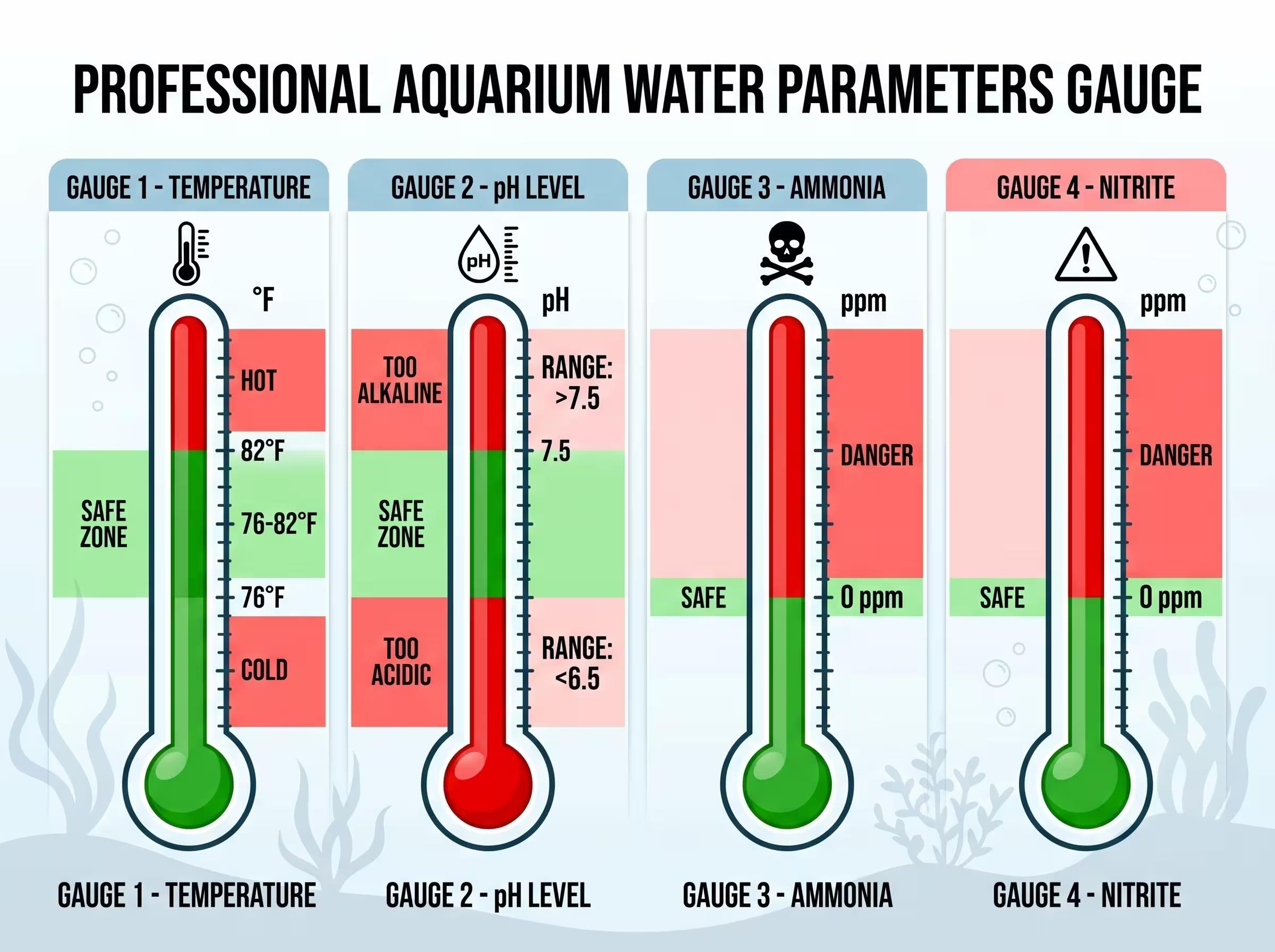
Your betta's immune system depends on stable water. These are the minimums:
| Parameter | Target Range | Notes |
|---|---|---|
| Temperature | 76–82°F (24–28°C) | Below 76°F, immune system tanks. Get an aquarium heater. |
| pH | 6.5–7.5 | Stability matters more than hitting a "perfect" number. Sudden swings crash the immune system. |
| Ammonia | 0 ppm | Zero. Not 0.5. Not "a little is okay." Zero. #1 cause of stress-induced illness. |
| Nitrite | 0 ppm | Zero tolerance. Any nitrite means your tank cycle isn't complete. |
| Nitrate | <20 ppm (ideally <40 ppm) | Some nitrate is normal in a cycled tank. Above 40 ppm, immune system struggles. |
The Nitrogen Cycle: Why It Matters
New aquarium setup? You're about to deal with the nitrogen cycle—or rather, you'll deal with its absence if you're not careful.
Here's what happens:
- Day 1–3: You add fish (or a betta). Ammonia spikes immediately.
- Week 1–2: Ammonia-eating bacteria (Nitrosomonas) start colonizing the filter. Ammonia drops slightly, but nitrite appears.
- Week 2–6: Nitrite-eating bacteria (Nitrobacter) colonize. Nitrite gradually drops.
- Week 6+: Both bacteria populations stabilize. Ammonia and nitrite stay at zero. Nitrate slowly builds up.
The beginner mistake: Adding a betta to an uncycled tank, then watching him get sick in week 2 (when nitrite peaks) and thinking he has a disease. He doesn't. The tank is poisoning him.
How to prevent this: Cycle your tank before adding a betta. Use ammonia from a bottle or let the tank run for 6+ weeks with hardy plants. Test daily with a liquid test kit. When ammonia and nitrite stay at zero, your tank is ready.
Live Plants: Natural Water Quality Control
Here's something most guides skip over: Live plants genuinely improve water quality.
Plants:
- Remove nitrate (a serious problem in small tanks)
- Produce oxygen during the day
- Provide hiding spots (reducing stress)
The best low-maintenance plants for betta tanks:
| Plant | Care Level | Notes |
|---|---|---|
| Marimo Moss Ball | Very Easy | Nearly indestructible. Bettas sometimes rest on them. Roll gently once a week. |
| Java Fern | Easy | Tie to rock or driftwood—don't bury the rhizome. Bettas won't eat it. |
| Philodendron | Easy | Grows above water with roots submerged. Absorbs nitrate like crazy. |
| Amazon Sword | Moderate | Grows tall, provides shade. Bettas sometimes nap under it. |
| Anubias | Easy | Hardy, slow-growing. Tie to rock. Excellent hiding spots. |
Live plants aren't a replacement for water changes. They're a supplement. But tanks with plants see fewer disease problems because water quality stays more stable.
Diagnosing Betta Fish Sickness and Cures
Your betta is showing signs of illness. Now what?
The first step isn't to panic-buy medication. It's to identify the actual problem. Treating the wrong disease is worse than treating nothing.
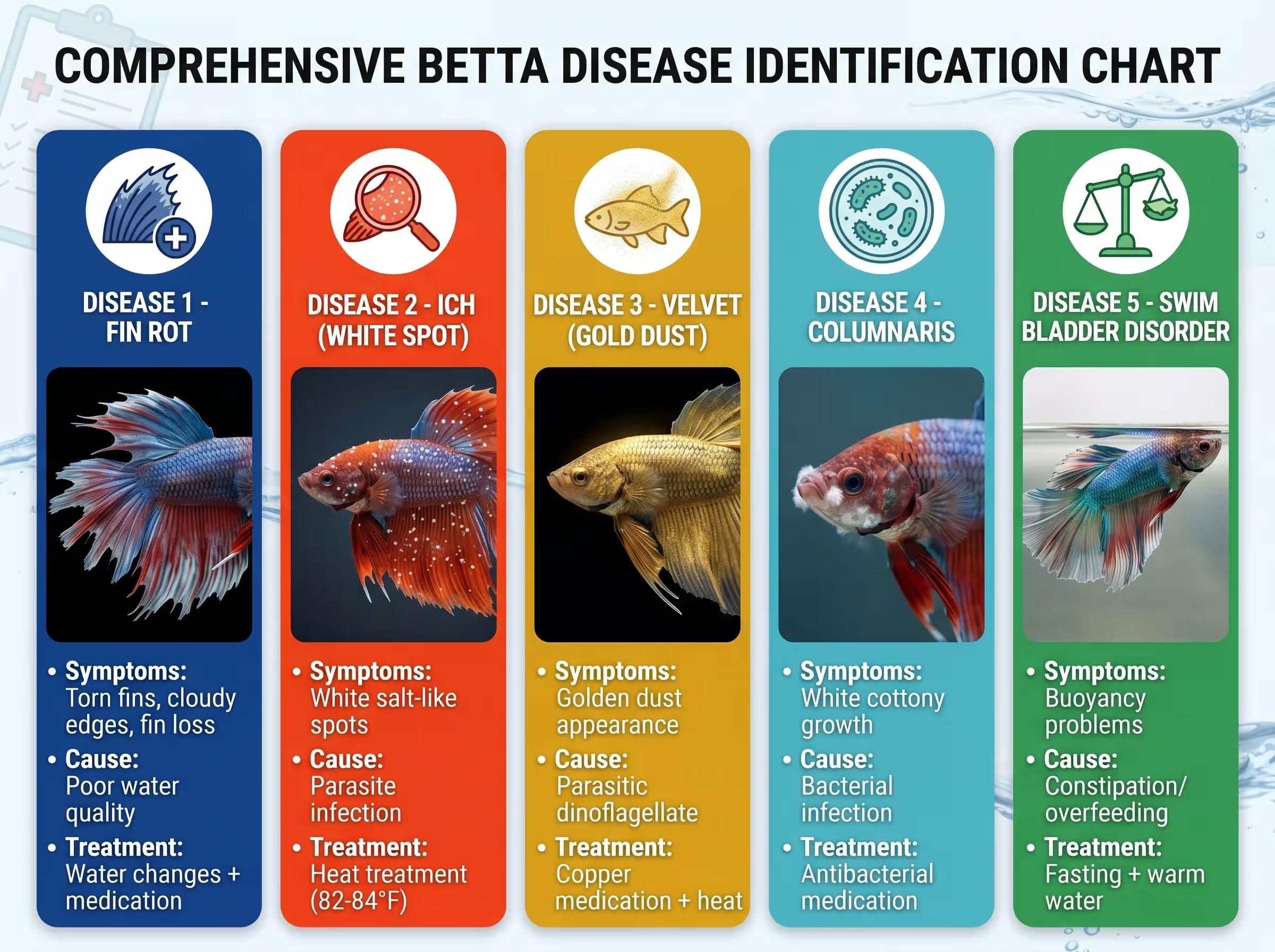
Bacterial Infections: Fin Rot and Columnaris
Fin Rot
Fin Rot is exactly what it sounds like: the fins gradually break down, looking torn or ragged.
What causes it: Poor water quality (ammonia or nitrite), fin damage from sharp decorations, or secondary bacterial infection after stress.
What it looks like:
- Fins appear shorter than normal
- Edges look torn or disintegrating
- Sometimes fin tissue turns white or cloudy at the edges
- The fin may bleed slightly
How to treat it:
- Test water immediately. Ammonia or nitrite present? Do a 50% water change. Wait 24 hours. Change again. This is non-negotiable—you can't medicate your way out of bad water chemistry.
- Remove sharp decorations. Rough castles, sharp plants, or jagged rocks tear fins. Swap for soft plants and smooth hiding spots.
- Isolate the betta if possible. A separate 5–10 gallon quarantine tank is ideal.
- Medicate if water is clean and fin rot persists. Mild cases often heal on their own. Severe cases may need aquarium salt (1 teaspoon per gallon) or a quality antibacterial medication like tetracycline. Follow dosing instructions carefully.
Timeline: Fin rot takes weeks to heal. If the betta is eating and active, he's recovering.
Columnaris (Mouth Rot)
A more serious bacterial infection that progresses fast.
What causes it: Usually water quality stress, though it's contagious between fish.
What it looks like:
- White or cottony growth around the mouth
- Fins deteriorate very quickly (faster than typical fin rot)
- Lethargy and loss of appetite
- Sometimes visible bacterial growth on gill covers
How to treat it:
- Quarantine immediately. Columnaris is contagious. Sterilize any equipment that touched the infected fish.
- Fix water quality. Daily 25% water changes in the quarantine tank.
- Medicate. Sulfur-based medications or tetracycline are common treatments. Follow instructions exactly.
When to worry: Columnaris progresses fast. If you see white growth and lethargy, you have a narrow window to treat. Without intervention, it kills in days.
Parasitic Infections: Ich and Velvet
Ich (White Spot Disease)
What causes it: A parasite called Ichthyophthirius multifiliis. Bettas pick it up from contaminated water, new tank mates, or decorations from other tanks.
What it looks like:
- Tiny white spots covering the body (like salt sprinkled on the fish)
- Usually starts on the fins and body
- Fish scratches against decorations and plants
- Clamped fins, rapid breathing, loss of appetite
Ich has three stages:
- Trophont (parasite on fish) — visible white spots
- Tomont (parasite falls off, encysts in substrate) — invisible, multiplying
- Theront (parasite swims free, seeking a host) — invisible, contagious
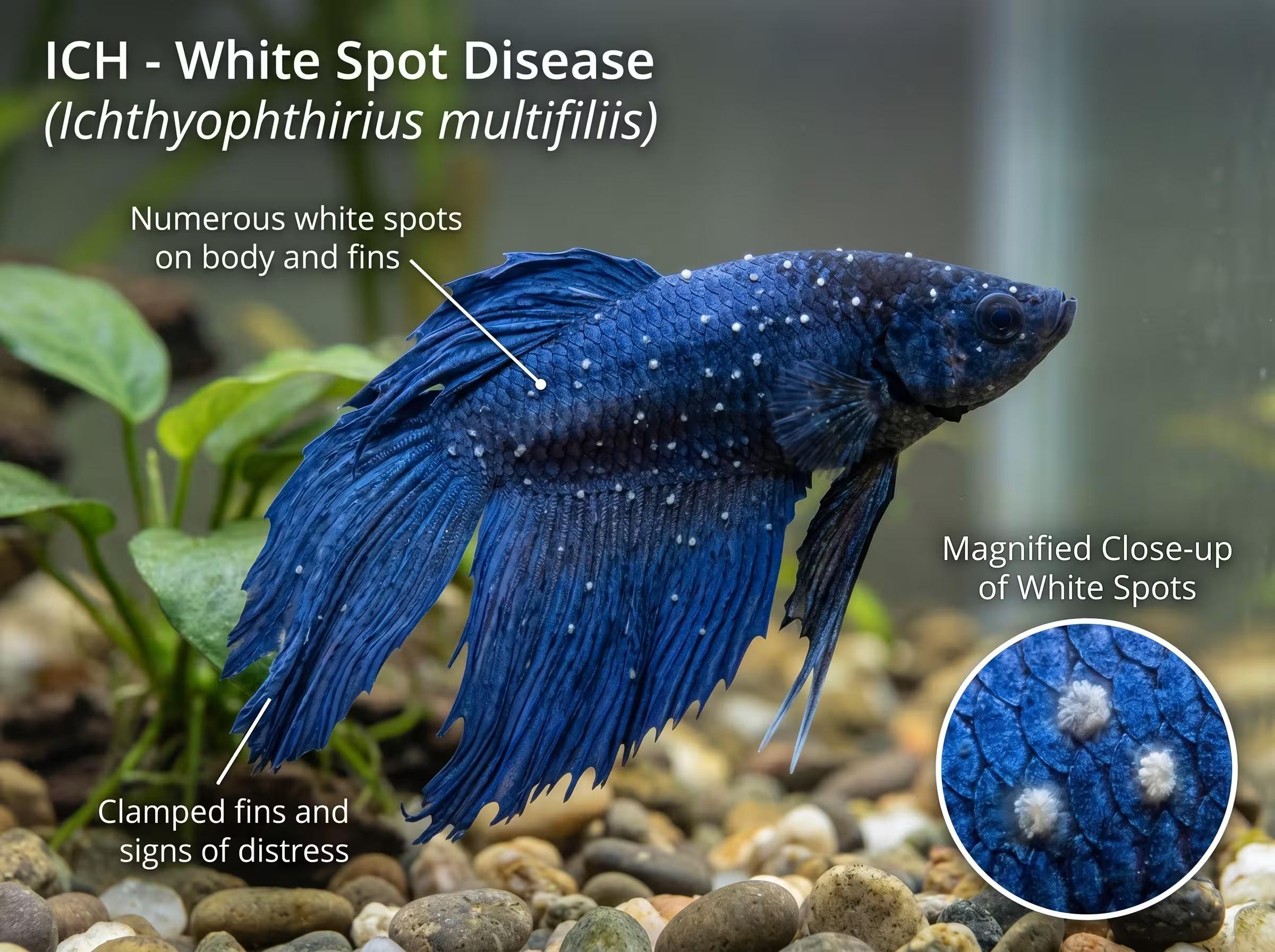
When you see white spots, you're seeing stage 1. But stages 2 and 3 are happening in your substrate and water. That's why ich is sneaky.
| Treatment Option | Method | Notes |
|---|---|---|
| Heat Treatment (recommended) | Raise to 82–84°F over 2 days. Hold for 5–7 days. Daily 25% water changes. Slowly lower back to 78–80°F. | No medication side effects. Bettas tolerate it well. Increase aeration. |
| Medication | Salt treatments or Ich medication (like Ich-X). Continue for 5–7 days minimum. | Don't use salt with live plants—it damages them. Don't combine with other medications without research. |
Velvet Disease
What causes it: A parasitic dinoflagellate (Oodinium). More serious and deadlier than ich.
What it looks like:
- Tiny golden or reddish dust covering the body (not white spots—dust)
- Fish looks "shimmery" or "dusty"
- Rapid breathing, scratching, clamped fins
- Lethargy and refusal to eat
Why it's worse: Velvet kills faster than ich. Without treatment, you'll lose the fish in 5–7 days.
How to treat it:
- Immediate quarantine. Velvet is highly contagious.
- Copper-based medication. Heat alone does not work for velvet. Use Cupramine or specialized velvet treatments. Follow dosing exactly.
- Increase aeration. Velvet damages gills. Bettas struggle to breathe.
Common Mistake: Confusing velvet with ich and using heat alone. If your betta isn't improving in 2–3 days on heat treatment, he probably has velvet, not ich.
Fungal Infections
Fungus appears as a white, fuzzy, or cottony growth on the body, fins, or mouth.
What causes it: Decomposing food, dead plants, poor water quality, or open wounds from fin rot or injury.
How to treat it:
- Remove decomposing matter (dead plants, uneaten food).
- 25% water change. Siphon substrate. Wipe decorations.
- If it persists: fungal treatments (Methylene Blue or Pimafix). Some bettas are sensitive to dyes—watch for stress.
Swim Bladder Disorder
What causes it: Constipation, overfeeding (especially dried foods that expand in the stomach), internal bacterial infection, or genetic issues.
What it looks like:
- Fish struggles to maintain buoyancy
- Sinks uncontrollably or floats at the surface
- Tilted body posture
- Can still eat, but moving is labored
How to treat it:
- Stop feeding immediately. Fast for 2–3 days to let the digestive system clear. This solves many cases.
- Check water temperature. Bring to 78–80°F. Cold water worsens swim bladder issues.
- Resume feeding carefully. High-quality pellets or thawed frozen foods. Feed smaller amounts once daily. Avoid dried foods.
- Wait and observe. Mild cases often resolve in 1–2 weeks.
When to worry: If the fish won't eat for more than 3 days, or shows no improvement after a week, there may be an internal infection. Antibiotics may help, but survival rates are lower. Some bettas with swim bladder issues never fully recover—but many do.
Dropsy (Pinecone Disease)
Dropsy is the most serious diagnosis. It's usually a symptom of kidney failure or severe internal infection, not the primary disease itself.
What causes it: Advanced bacterial infection, parasites, or organ failure.
What it looks like:
- Severe bloating
- Scales stick out like a pinecone (hence the name)
- Lethargy, refusal to eat
- Sometimes pale coloration
Hard truth: Dropsy has a very low survival rate. Once you see pinecone-like scales, the organs are usually failing. Most veterinarians recommend humane euthanasia at this stage.
If caught very early (slight bloating, no scale distension): quarantine, fast 2–3 days, warm water (78–80°F), consider antibiotics.
Prevention: Dropsy almost never appears in well-maintained tanks. It's usually the end result of months of poor conditions.
Compatibility Crisis: Tank Mates and Stress
Here's where stress-induced disease often starts: incompatible tank mates. A betta sharing a tank with aggressive fish or fin-nippers is constantly stressed. Constant stress crashes the immune system. Then secondary infections appear—and the owner blames the disease, not the actual cause.
Safe Tank Mates
| Tank Mate | Verdict | Notes |
|---|---|---|
| Nerite Snails | Safest choice | Hard shell bettas can't easily damage. Good algae eaters. Bettas almost never attack them. |
| Amano Shrimp | Risky | ~50% of bettas ignore them. The other 50% hunt them. No way to predict which yours will do. |
| Cherry Shrimp | Not recommended | Bettas often hunt these. Even docile bettas sometimes stalk them. |
| Ghost Shrimp | Avoid | Transparent and small. Often become betta snacks. |
| Cory Catfish | Larger tanks only | Bottom-dwelling, non-aggressive. Need 3+ to school properly. Requires 15+ gallon tank. |
| Otocinclus Catfish | Risky | Tiny algae eaters. Even more fragile than corys. Bettas sometimes harass them. |
The "No-Go" Zone: Dangerous Tank Mates
| Tank Mate | Why Not |
|---|---|
| Goldfish | Cold-water fish (need 65–70°F). Massive waste producers. Fin-nippers. Incompatible in every way. |
| Angelfish | Aggressive fin-nippers that target bettas specifically because of flowing fins. |
| Guppies and Tetras | Flowing colors and movement trigger the betta's predatory instinct. |
| Common Plecos | Grow to 12+ inches. Territorial. Sometimes suck on fish. Aggressive in small tanks. |
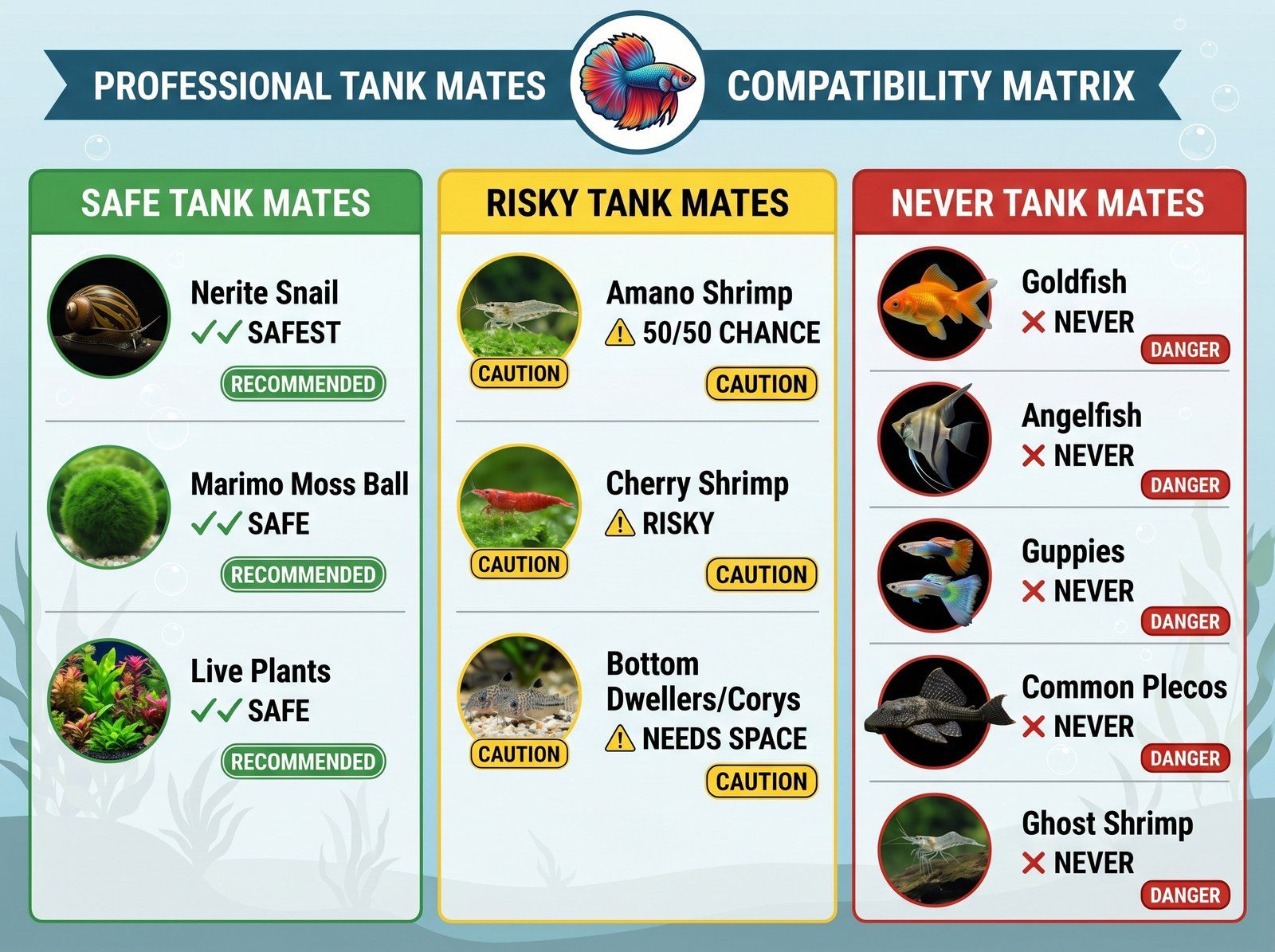
Honest advice: A betta thrives alone. He doesn't need companionship. Keeping him solo guarantees zero compatibility stress. If you do add a tank mate, pick a Nerite snail, watch closely for the first week, and be ready to remove it if aggression appears.
Setting Up for Success: Prevention and Environment
The best disease treatment is prevention. And prevention starts before you even get your betta.
Choosing Your Betta: Types and Quality
| Source | Price Range | What to Expect |
|---|---|---|
| Dedicated Breeder | $20–100+ | Healthier genetics, better coloration, less prone to genetic disease. |
| Pet Store | $5–10 | Often kept in poor conditions before purchase. Higher risk of hidden health problems. Some are fine; others crash within weeks. |
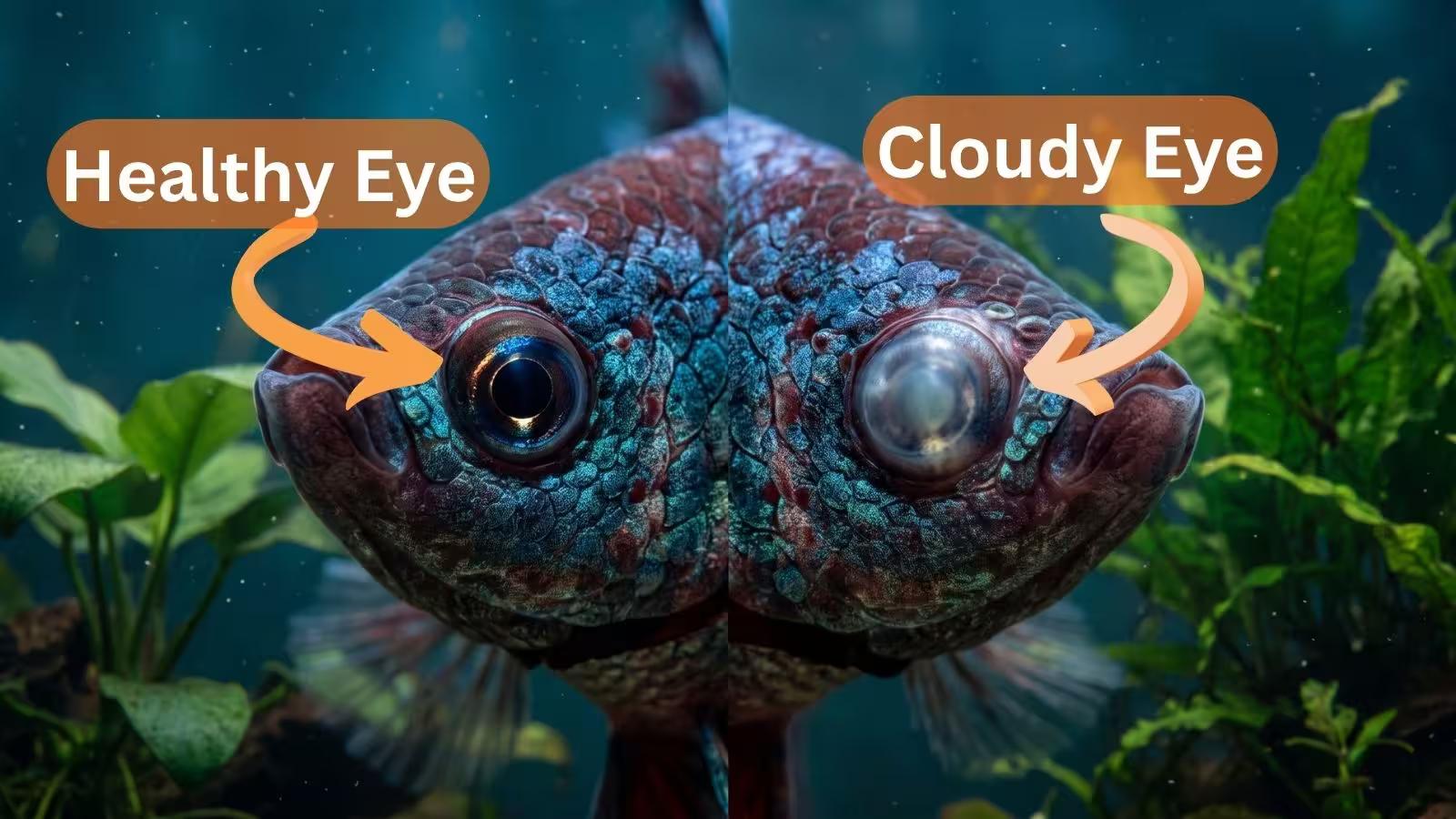
What to look for when buying: Clear eyes, intact fins with no tears, vibrant solid colors, good body weight (not skeletal), active behavior.
A note on fancy bettas: Heavily marbled, metallic, and exotic-pattern bettas from mass breeders are sometimes bred purely for appearance without selecting for health. They can come with weaker immune systems and shorter lifespans. They're not automatically bad—but if buying from an unknown source, plainer bettas are safer.
The Tank Setup That Prevents Disease
| Item | Recommendation | Why It Matters |
|---|---|---|
| Tank Size | 5 gallons minimum (10+ gallons better) | Larger tanks buffer water parameter changes. More room = less stress. |
| Heater | Non-negotiable (50W for 5–10 gal) | 78–80°F is ideal. Cold water destroys immune function. |
| Filter | Strongly recommended (gentle flow) | Maintains beneficial bacteria. Removes waste. Keeps water oxygenated. |
| Substrate | Sand or fine gravel (not sharp) | Helps beneficial bacteria colonize. Easier to siphon. |
| Hiding Spots | Live plants, caves, or PVC pipes | Reduces stress = stronger immune system. |
| Lighting | Optional: 8–10 hours/day | Helps plants photosynthesize. Bettas tolerate it fine. |
Quarantine Protocol: Your Insurance Policy
The single best disease prevention method most beginners skip: quarantine new fish.
When you bring a new tank mate home, it's potentially carrying parasites, bacteria, or viruses. Adding it directly to your betta's tank is gambling.
Proper quarantine:
- Set up a separate 5–10 gallon tank (a storage container works).
- Add the new fish to quarantine for 2–4 weeks.
- Watch for disease signs: white spots, lethargy, fin damage, abnormal behavior.
- After 2–4 weeks with no signs, add it to the main tank.
Does this mean keeping multiple tanks running? Yes. Is it worth it? Absolutely. It's the difference between "my new tank mate gave my betta ich" and "everything went smoothly." Most hobbyists skip this—then call it "bad luck" when ich appears.
Troubleshooting and Emergency Workflow
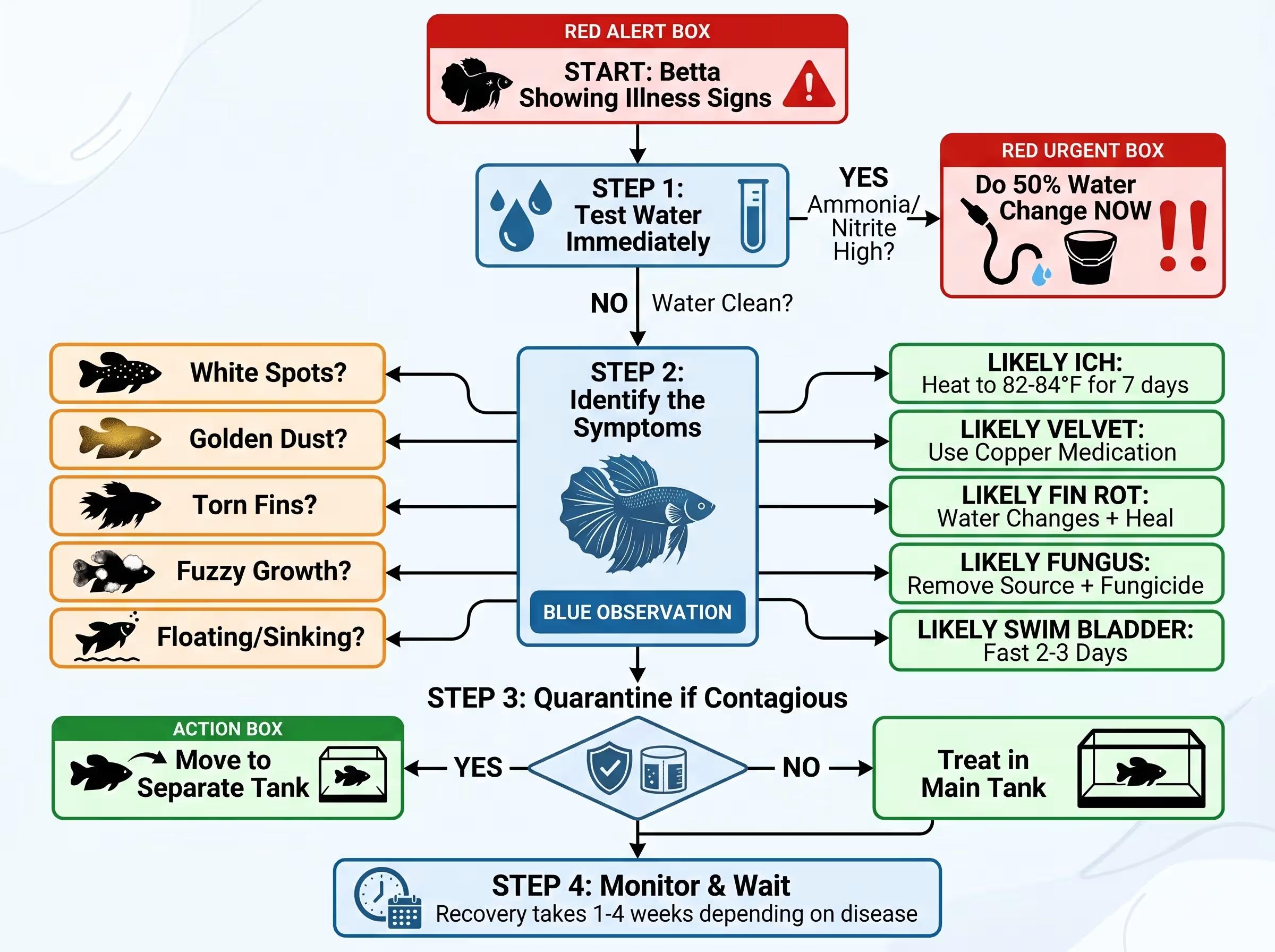
Your betta is sick. You're stressed. You want to fix it now. Here's the step-by-step process that actually works.
Step 1: Identify the Actual Problem
Don't assume. Test and observe first. Ask yourself:
- When did this start?
- What changed? (New tank mate? Water change? Feeding change?)
- What are the visible signs?
- Is the fish eating?
Step 2: Test Water Parameters
This is not optional. Test immediately using a liquid aquarium test kit (API Master Kit is standard, ~$30–40). Results should be: 0 ppm ammonia, 0 ppm nitrite, under 20 ppm nitrate, pH 6.5–7.5. If ammonia or nitrite are high, that's your problem—medications won't help until you fix the water.
Step 3: Do an Emergency Water Change (If Needed)
If ammonia or nitrite are above zero: remove 50% of the water and replace with clean, dechlorinated water. Wait 24 hours. Test again. If still above zero, repeat the 50% change. Continue daily until ammonia and nitrite are zero.
Step 4: Isolate the Fish (If Necessary)
Quarantine the sick fish if you suspect a contagious disease (ich, velvet, columnaris) or if you have multiple fish. If quarantine isn't possible, treat in the main tank with daily water changes.
Step 5: Identify the Specific Disease
| What You See | Likely Diagnosis | Action |
|---|---|---|
| White spots on the body | Ich | Heat treat or medicate |
| Golden dust appearance | Velvet | Medicate immediately |
| Torn fins with white edges | Fin Rot | Clean water + healing time |
| Fuzzy white growth | Fungus | Remove source + fungicide |
| Floating/sinking uncontrollably | Swim Bladder | Fast and wait |
| Severe bloating with pinecone scales | Dropsy | Unlikely to survive |
Step 6: Treat Appropriately
Don't "shotgun" medicate—throwing multiple medications at the problem hoping something works usually hurts more than it helps. One diagnosis = one medication. If you're unsure, treat for the most likely problem and wait 3–5 days before changing approach.
Step 7: Monitor and Wait
| Disease | Expected Recovery Timeline |
|---|---|
| Ich | 7–10 days for spots to disappear; 2–3 more weeks for full recovery |
| Fin Rot | 2–4 weeks to regrow damaged fin tissue |
| Fungus | 3–7 days to clear with treatment |
| Swim Bladder | 1–3 weeks of improvement with fasting and warm water |
Signs of recovery: eating resumes, colors brighten, activity increases, visible wounds healing.
The Long Game: Building a Disease-Resistant Setup
The fishkeepers with the fewest disease problems aren't using fancy medications. They're doing the boring, consistent basics:
- Keep water temperature stable (heater)
- Test water regularly (simple test kit)
- Change water weekly (25–30%)
- Feed quality food appropriately (don't overfeed)
- Avoid stressful tank mates (or keep bettas solo)
- Clean decorations regularly (remove detritus)
- Add live plants (natural filtration)
That's it. That's the formula. Disease happens when one of these basics fails—usually water quality, sometimes stress, sometimes bad luck with genetics.
Your job: Keep the basics solid, and you'll rarely need to treat disease. Your betta will thrive, live 3–5 years (sometimes longer), and you'll avoid the panic and heartbreak of a sick fish.
Once your tank is stable, caring for a betta gets surprisingly easy. Most problems happen in the beginning, when you're still learning. After that? Your fish eats, explores, flares, and rests. No stress. No drama. That's the goal—and it's completely achievable.