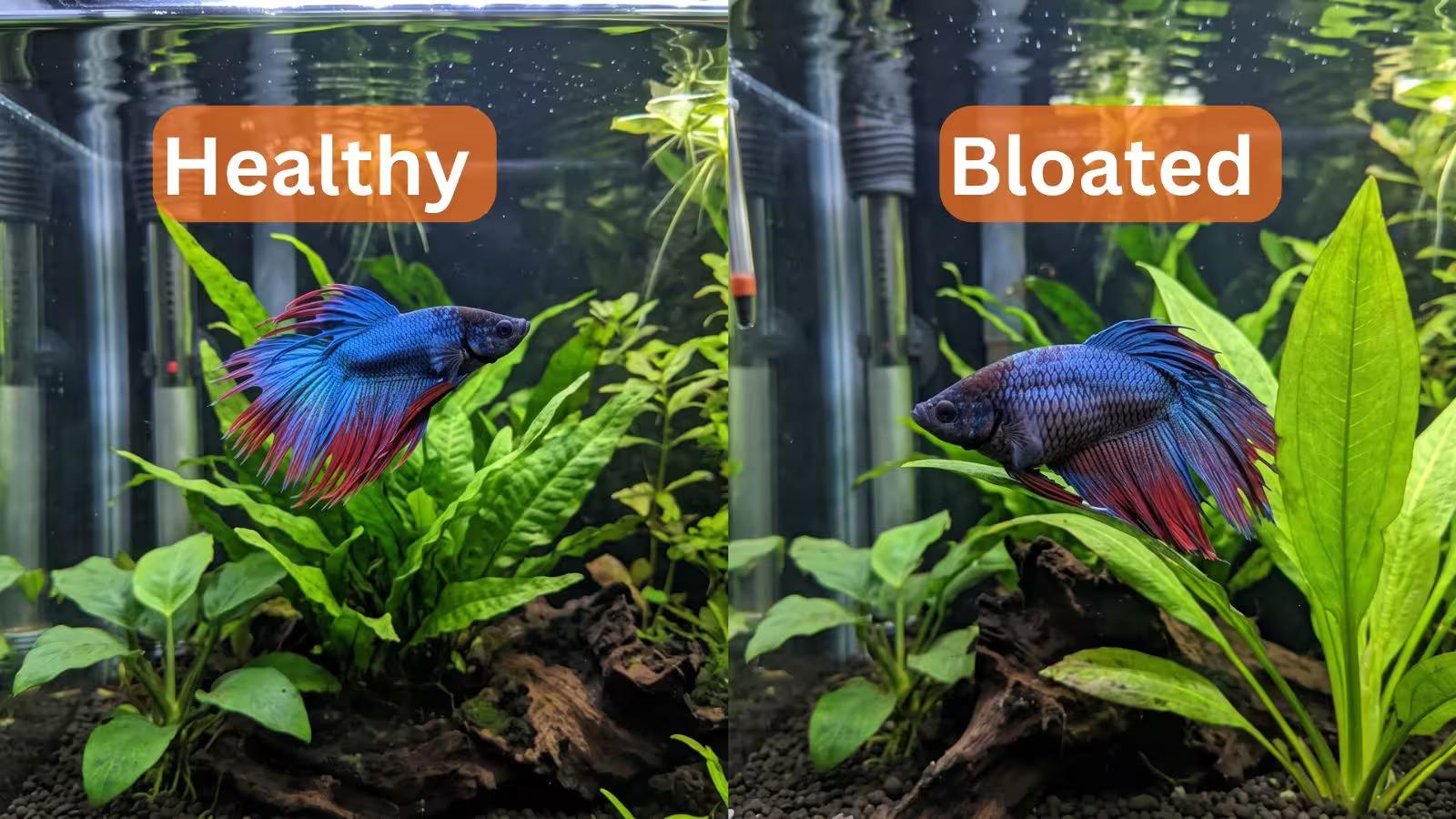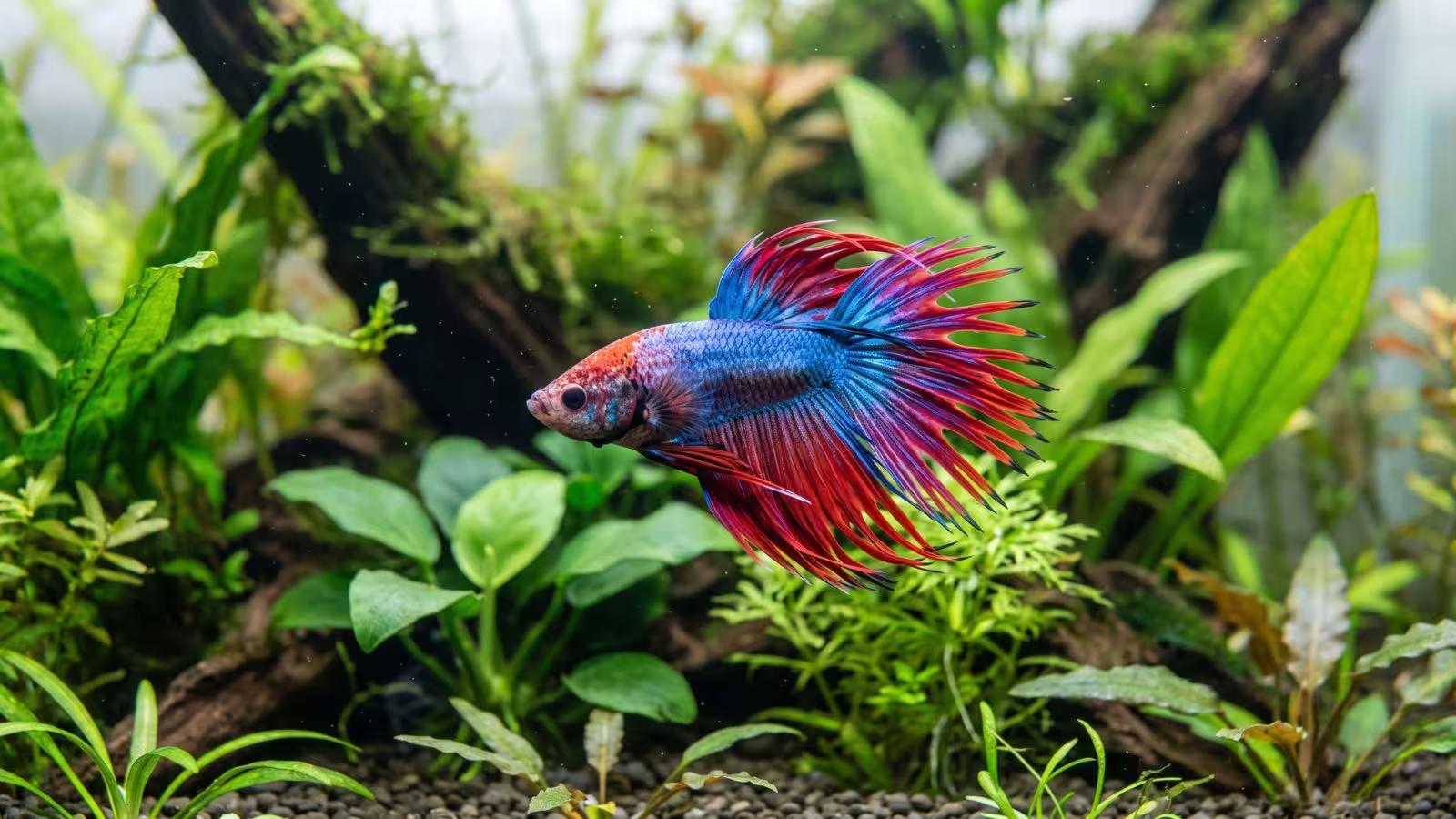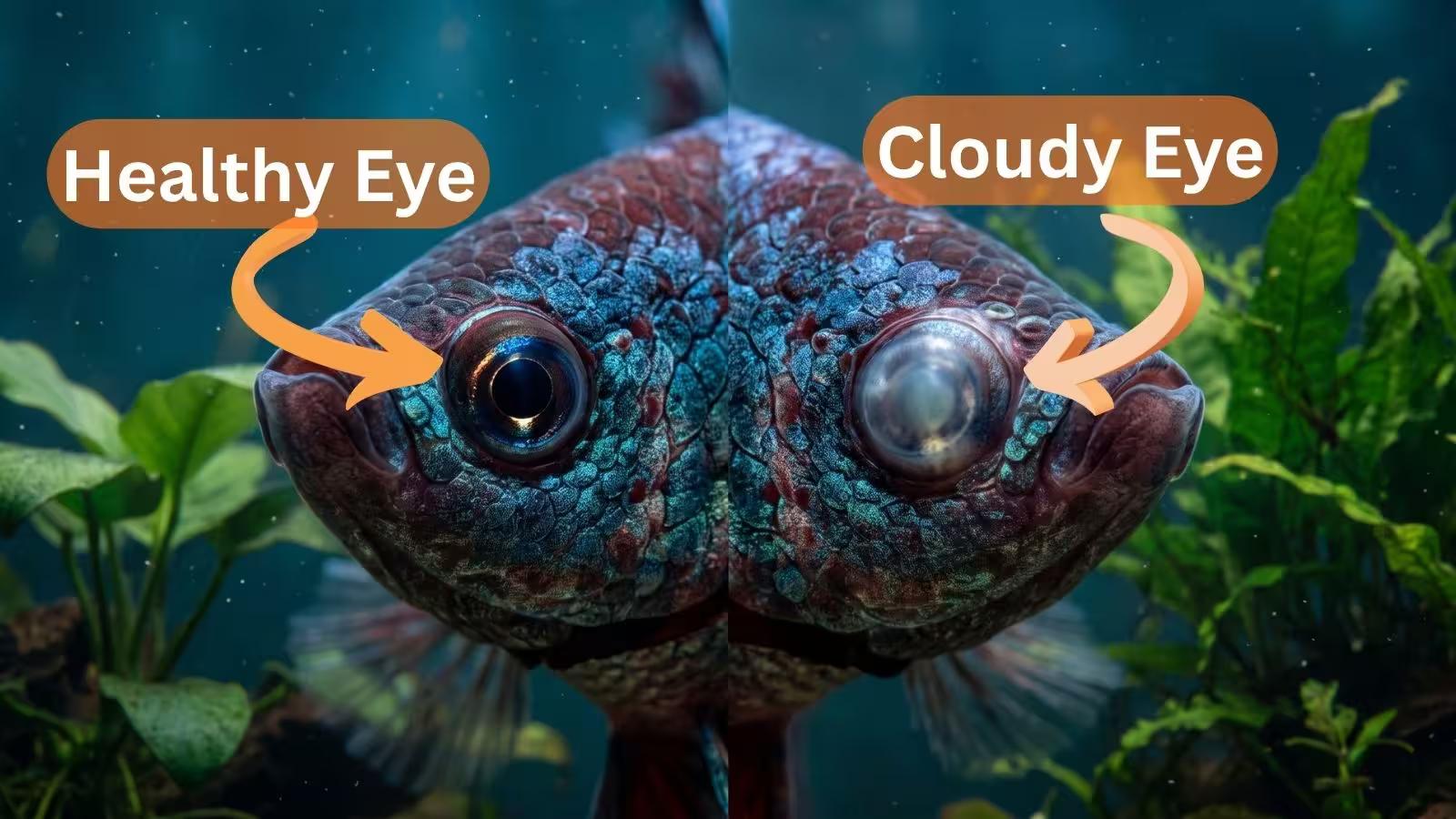
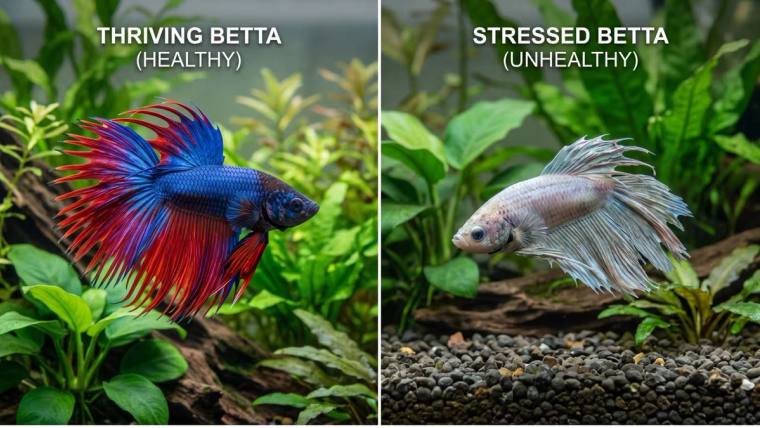
You glance at your tank and suddenly something feels off.
Your betta looks pale. Maybe the colors seem faded. Maybe there are white patches you swear were not there yesterday. If your betta fish is turning white, it can feel scary fast.
Many owners immediately think the worst.
Don’t panic yet.
A betta fish losing color does not always mean something serious. Stress, poor water quality, temperature swings, illness, healing injuries, and even aging can all make a betta turn white. The tricky part is figuring out which one you're dealing with.
Here's the thing most articles skip: where the whitening appears, how quickly it happened, and how your betta is behaving matter a lot.
A pale body after a cold night? Very different from fuzzy white patches or betta fish fins turning white.
You'll learn what causes it, how to tell normal from dangerous changes, what to check first, and when it's time to act quickly.
Is a Betta Turning White Always a Problem?
Not always.
Some bettas fade in color for harmless reasons. Others change shade as they grow or adapt. Marble bettas, for example, can shift colors dramatically over time.
In these cases, you may see slow fading without any signs of illness. The fish still acts normal, eats well, and explores the tank.
That's usually not dangerous.
But sudden whitening is different. When a betta turned white within hours or a day, it usually signals stress or environmental issues that need attention.
Normal vs Abnormal Whitening (Quick Check)
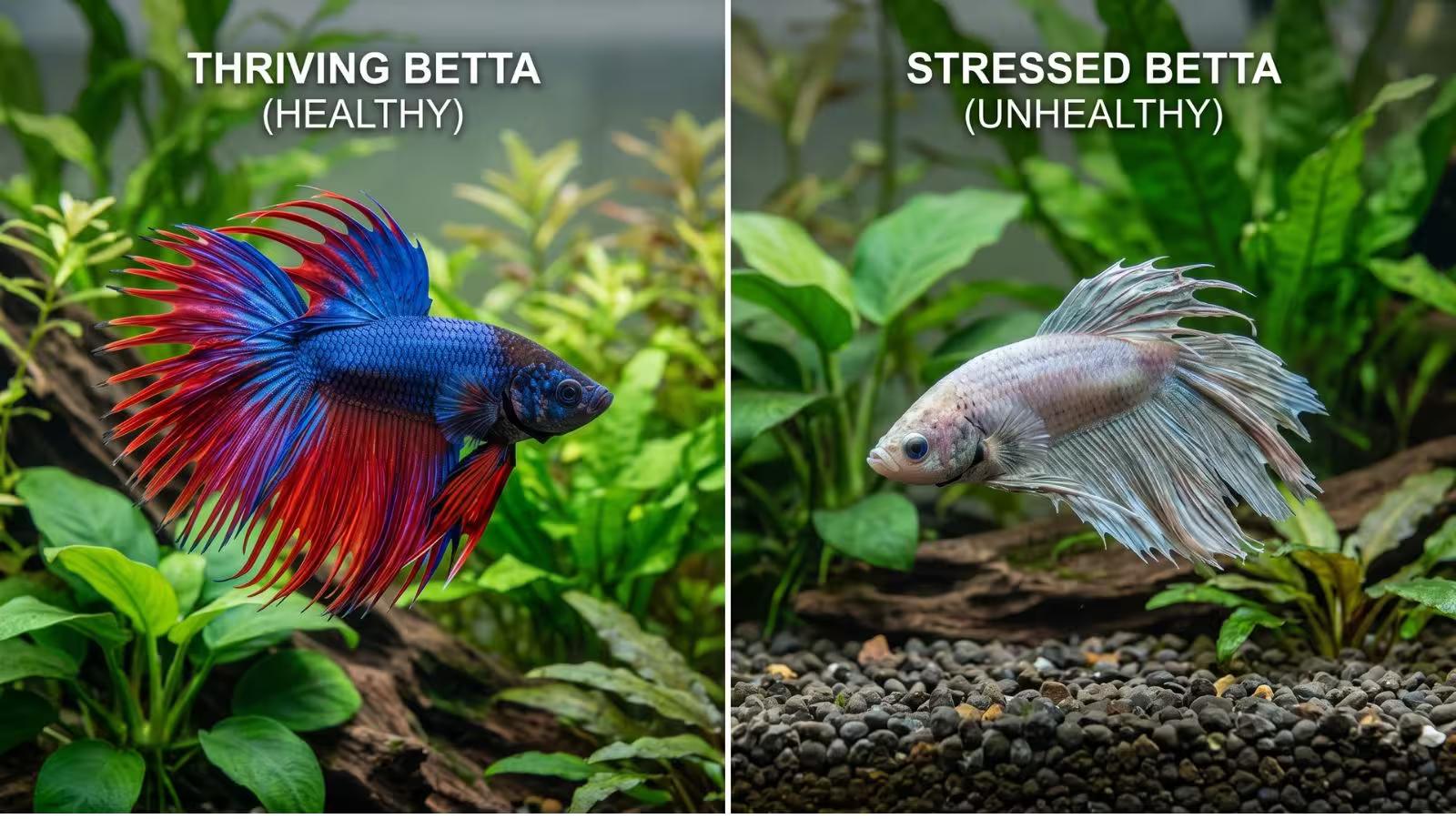
This simple comparison helps avoid panic.
Usually Normal
- Gradual fading over days or weeks
- Color shifts in marble bettas
- Slight dullness after mild stress
- No change in appetite or swimming
- No texture changes on body or fins
These changes often stabilize once conditions improve.
Usually Abnormal
- Sudden whitening overnight
- White fuzzy or cotton-like growth
- Rapid loss of appetite
- Heavy breathing near surface
- Clamped fins or hiding all day
- White spots spreading quickly
When multiple symptoms appear together, it usually points toward water issues or disease.
First Things To Check Before Panicking
Before thinking about medication, always check the environment first.
Most early problems come from water or temperature, not infection.
1. Water Quality (Most Common Cause)
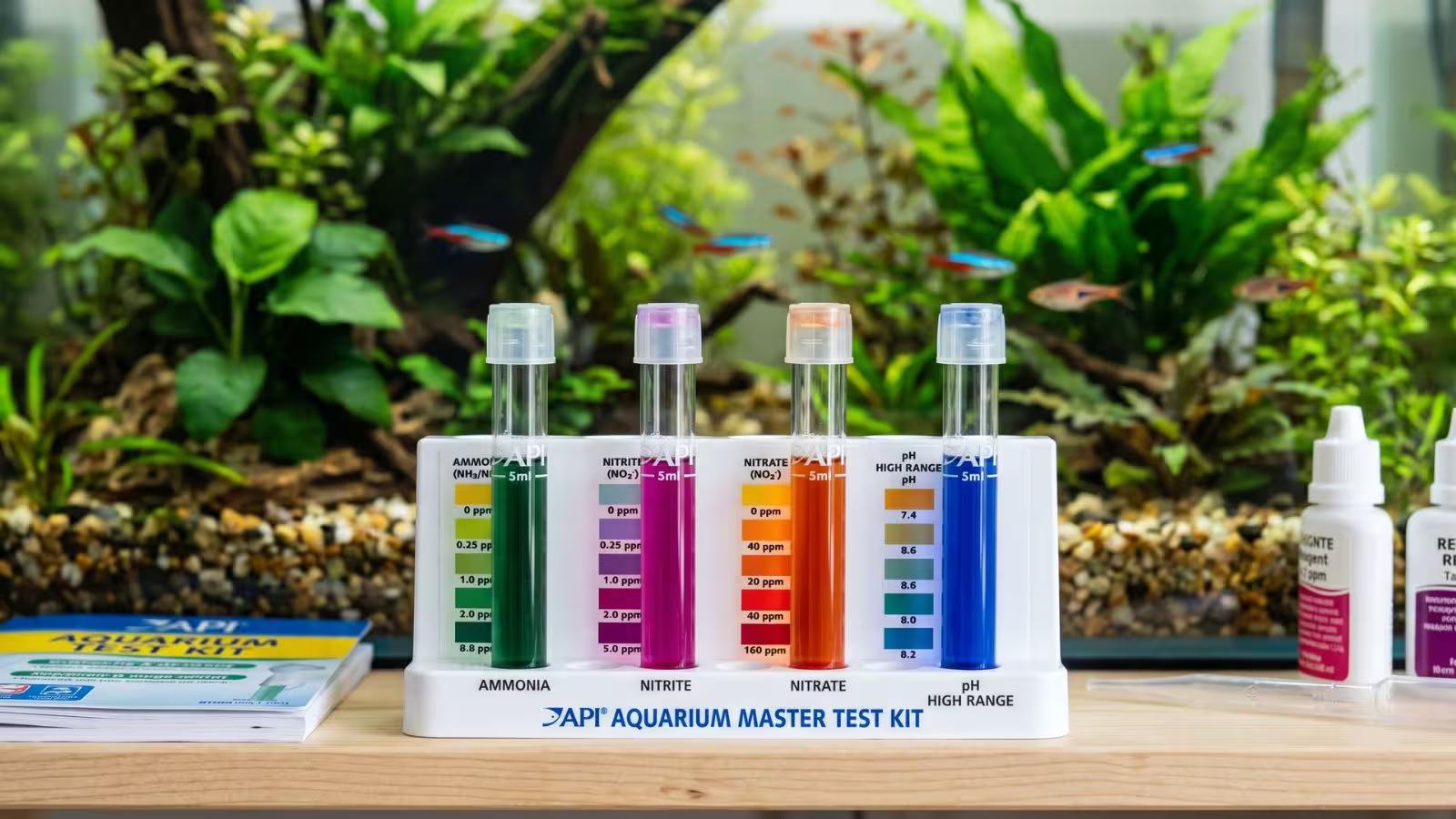
Poor water is the biggest hidden reason behind a betta fish losing color.
Even if the tank looks clean, ammonia or nitrite can still build up.
Ideal conditions:
- Ammonia: 0 ppm
- Nitrite: 0 ppm
- Nitrate: under 20 ppm
- pH: 6.5–7.5
A small imbalance can stress a fish enough to lose color.
One thing experienced keepers notice is that appetite changes often come before visible illness. If your betta suddenly eats less, always check water first.
A simple 20–30% water change often helps if maintenance has slipped.
2. Temperature Stability
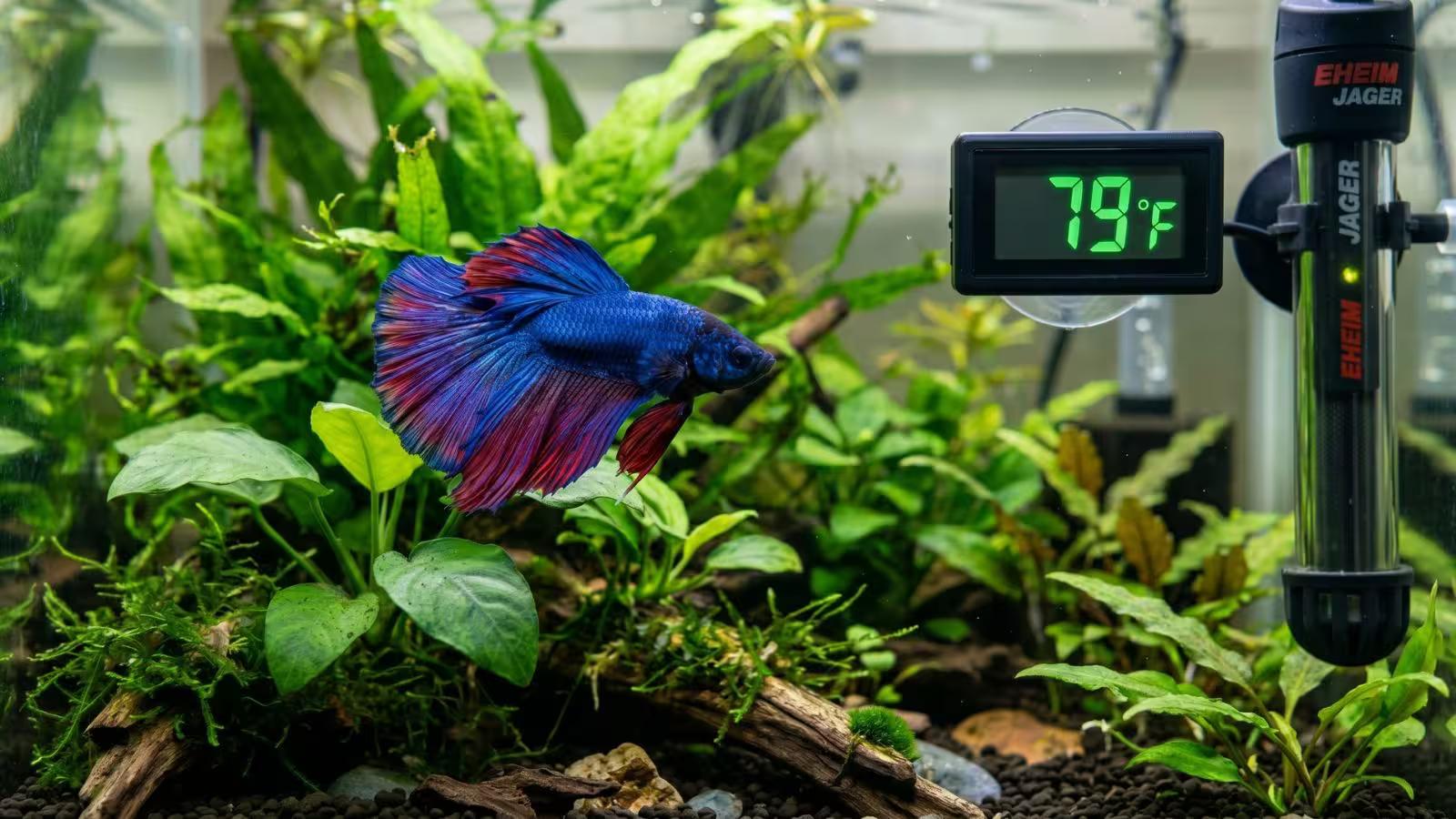
Bettas are tropical fish, and temperature swings affect them quickly.
Water below 76°F (24°C) can start stressing them. When that happens, colors often fade and activity drops.
Stable range: 76–82°F (24–28°C)
Cold water doesn't just slow them down. It weakens immunity and affects pigmentation too.
A heater makes a big difference here. Room temperature alone is not reliable.
3. Behavior Changes
Behavior tells you more than color alone.
Watch your fish for a few minutes.
Healthy behavior looks like:
- Normal swimming
- Reacting to movement
- Occasional resting
- Steady appetite
Stress behavior looks different:
- Hiding more than usual
- Clamped fins
- Low activity
- Floating or sitting at bottom
Resting is normal for bettas. Constant inactivity is not.
4. Speed of Change
Timing is important.
Slow changes usually point toward:
- Aging
- Natural color shift
- Mild stress
Fast changes often point toward:
- Water quality issues
- Temperature shock
- Illness beginning
A fish that changes overnight needs more attention than one changing over weeks.
Stress and Water Quality (Most Common Combined Cause)
In most real cases, stress and water issues are connected.
Dirty water, sudden changes, or unstable conditions trigger stress, and stress causes color loss.
You may notice:
- Fading body color
- Reduced appetite
- Less activity
- Increased hiding
This is very common in new tanks or poorly cycled setups.
One thing many beginners miss is that clear water does not always mean safe water. Harmful ammonia is invisible.
A stable, cycled tank is far more important than appearance.
Natural Color Change and Marble Genetics
Not every pale betta is sick.
Some bettas, especially marble types, change color naturally over time. This can look dramatic and sudden, even though it's genetic.
In these cases:
- Behavior stays normal
- Appetite remains strong
- No physical damage appears
- Color shifts gradually after initial change
This is one of the most misunderstood causes of a betta turning white.
If everything else looks normal, genetics may be the reason.
Injury and Early Healing Can Look White
White areas are not always bad.
Sometimes, healing tissue appears pale or slightly translucent. This can happen after:
- Torn fins
- Minor scrapes
- Decoration injuries
- Tank aggression
Healing tissue often looks soft and light in color before regaining pigment.
The key difference is behavior.
If your fish is active and eating, and the area is smooth (not fuzzy), it may just be healing.
When Whitening Becomes a Concern
You should pay closer attention if whitening is combined with:
- Rapid spread
- Fuzzy texture
- Loss of appetite
- Heavy breathing
- Clamped fins
- Strong behavior changes
These signs suggest something more than normal color change.
At that point, water testing and closer observation become important before any treatment decisions.
A betta doesn't usually turn white for no reason. There is always a trigger. The goal is finding it early and fixing the environment first.
NB: If you're seeing early changes, don't rush into treatment. Most cases improve once water, temperature, and stress factors are corrected properly.
Why Betta Fish Fins Are Turning White (Merged Diagnosis)
Fin whitening is one of the most confusing signs for beginners.
You might notice the edges look pale. Sometimes the whole fin loses color. Other times it looks uneven, almost like it's slowly changing texture.
A betta fish fins turning white issue can come from several very different causes, so reading the pattern is important.
In many cases, it is not instantly dangerous. But it should never be ignored either.
Normal Fin Changes (Not Always Disease)
Not all fin whitening is bad.
Some bettas develop pale or translucent fin edges during healing or regrowth. This often happens after:
- Small fin tears
- Stress recovery
- Minor injuries
- Past fin rot healing
New fin growth usually starts soft and slightly white or clear before it regains full color.
If your betta is active, eating normally, and the fins look smooth, this is often part of recovery rather than disease.
One thing experienced keepers notice is that fin regrowth rarely looks "perfect" at first. It slowly strengthens over time.
Stress-Related Fin Fading
Stress is one of the most common reasons fins lose color.
In this case, fins may look:
- Washed out
- Slightly clamped
- Less vibrant than the body
- Reduced in movement
This usually happens when something in the environment is unstable.
Common triggers include:
- Poor water quality
- Sudden temperature changes
- Strong filter flow
- Aggressive tank mates
- Small or uncycled tanks
Stress doesn't always show up as illness immediately. Fin color is often one of the first visible signs.
Fin Rot and White Edges (Early Warning Stage)
Fin rot is one of the more serious causes of fin discoloration.
Early stages often begin subtly, with:
- Pale or white fin edges
- Slight fraying
- Uneven fin shape
- Slow deterioration over days
As it progresses, fins may start to look ragged or shortened.
Poor water conditions are usually the root cause. Dirty water allows bacteria to affect weakened fin tissue.
One mistake beginners make is waiting too long because the fish still "looks okay otherwise." Fin rot often starts quietly before becoming obvious.
Fungal or Bacterial Infection Patterns
Sometimes fin whitening is part of a broader infection.
Look closely at texture.
Fungal-related issues may appear:
- Cotton-like
- Soft and fuzzy
- Spreading unevenly
Bacterial infections often show:
- Redness at edges
- Rapid fin damage
- Spreading deterioration
The difference between healing tissue and infection is texture and speed.
Smooth pale edges are usually less serious than fuzzy or rapidly spreading changes.
Disease Causes Behind Whitening (Core Conditions)
When a betta fish turns white or loses color beyond the fins, several common diseases may be involved.
Each condition looks slightly different, and misreading them is one of the biggest beginner mistakes.
Ich (White Spot Disease)
Ich is one of the most recognizable aquarium diseases.
It appears as:
- Tiny white dots like salt grains
- Scattered across body and fins
- Rubbing or scratching behavior
Fish often become irritated and may flash against objects in the tank.
Ich spreads quickly in unstable conditions, especially when fish are stressed or newly introduced to a tank.
Early detection matters because it can escalate fast.
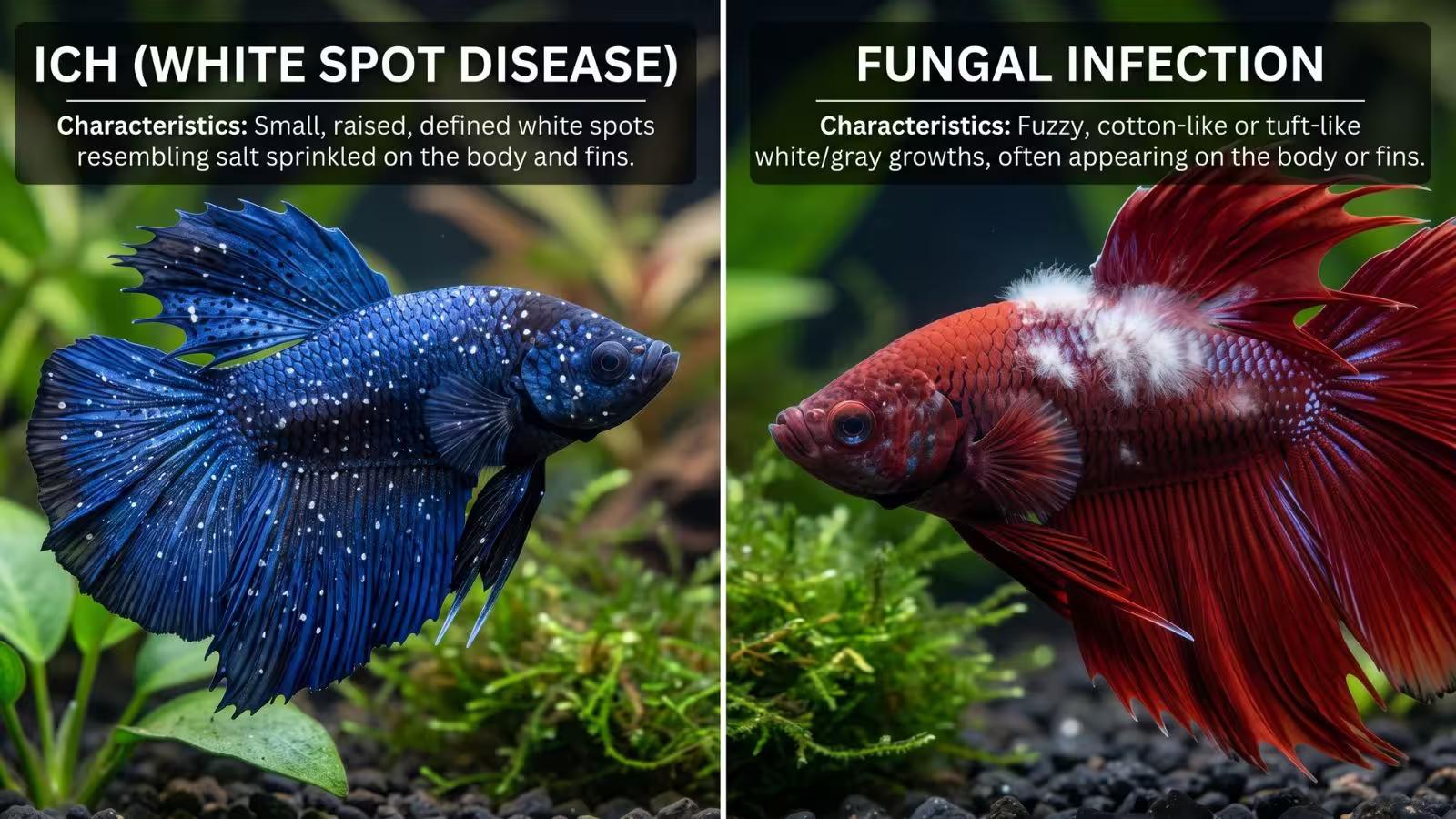
Fungal Infection
Fungal infections usually develop after injury or stress weakens the fish.
It typically looks like:
- White fluffy patches
- Cotton-like growth
- Slow spreading areas on body or fins
This is not a primary infection in most cases. It often follows damage, poor water quality, or untreated injuries.
Clean, stable water plays a big role in recovery.
Columnaris (Fast-Moving Bacterial Infection)
Columnaris is often misunderstood because it can look like fungus at first.
But it behaves very differently.
It may appear as:
- Pale or white saddle-shaped patches
- Rapid spreading discoloration
- Mouth or head whitening
- Sudden weakness
Unlike slow conditions, Columnaris can worsen quickly within days.
One key warning sign is speed. If whitening spreads rapidly alongside lethargy, it becomes more serious.
Stress vs Disease: The Key Difference
This is where most confusion happens.
Stress-related whitening often shows:
- Normal or slightly reduced appetite
- Stable but dull behavior
- No texture changes
- Slow or mild color fading
Disease-related cases usually show:
- Visible texture changes (fuzzy, spots, lesions)
- Rapid worsening
- Appetite loss
- Abnormal breathing or movement
A healthy betta under stress can still eat and swim normally. A sick fish usually shows multiple symptoms together.
Simple Diagnostic Flow (What To Check First)
Before assuming disease, go step by step.
Step 1: Test Water First
Check:
- Ammonia (must be 0 ppm)
- Nitrite (must be 0 ppm)
- Nitrate (below 20 ppm)
- Temperature stability
Water issues explain more cases than anything else.
Step 2: Observe Behavior
Look for:
- Eating habits
- Swimming pattern
- Surface breathing
- Hiding behavior
Behavior changes often appear before physical symptoms.
Step 3: Check Texture Carefully
Ask:
- Smooth or fuzzy?
- Stable or spreading?
- Localized or widespread?
This helps separate healing, stress, and infection.
Step 4: Review Recent Changes
Think back:
- New tank setup
- Water change size
- Temperature shifts
- New tank mates
- Feeding changes
Most problems start from recent environmental changes.
Common Beginner Mistakes That Worsen Fin Whitening
A few mistakes make things worse without people realizing.
Overreacting With Medication
Using medication too early or without diagnosis can stress the fish more.
Not every white fin means infection.
Ignoring Water Quality
Clean-looking water is not always safe water.
Ammonia and nitrite cannot be seen.
Sudden Large Water Changes
Big water swings can shock an already stressed fish.
Smaller, controlled changes are safer.
Confusing Healing With Disease
New fin growth often looks pale or transparent.
Many beginners mistake recovery for illness and over-treat.
When Fin Whitening Becomes Serious
Fin whitening should be taken seriously if:
- It spreads quickly
- Fins begin to rot or shorten
- Fuzzy growth appears
- Appetite drops significantly
- Fish becomes inactive or weak
At that point, environmental fixes alone may not be enough.
Early action always gives better outcomes than waiting too long.
A betta fish can recover well when caught early, especially if water conditions are corrected quickly and stress is reduced.
Sudden Whitening Overnight: What It Usually Means
This is the moment most betta owners panic.
You go to bed, everything looks fine. Next morning, your betta fish turning white looks completely different. Color is gone, or pale patches appeared out of nowhere.
That speed matters.
Sudden changes usually point to environment stress or fast-developing illness rather than slow genetic change.
But not every overnight change is equally dangerous.
Acute Stress Reactions
Stress can hit fast.
A betta may lose color within hours if something in the tank changes suddenly.
Common triggers include:
- Temperature shock
- Large water changes
- Strong water parameter swings
- Aggressive tank mates
- Loud disturbance or tapping
- Moving or rearranging the tank
In these cases, whitening often looks smooth and overall, not patchy.
One thing I've seen many times is that stressed bettas also stop exploring the tank. They just hover or hide.
That behavior shift is a strong clue.
Water Chemistry Spikes (Hidden Emergency)
Water problems are one of the fastest causes of a betta fish losing color.
Ammonia or nitrite spikes can happen quickly in:
- Uncycled tanks
- Overfed setups
- Dirty filter media
- Sudden bacteria crash
Even small spikes irritate gills and skin.
The result can be:
- Pale body color
- Heavy breathing
- Reduced movement
- Loss of appetite
Clear water does not guarantee safe water.
That mistake catches many beginners off guard.
Temperature Shock Events
Temperature shifts can happen overnight more often than people think.
A heater failure or room temperature drop can push a tank below safe levels.
When this happens, bettas may:
- Lose color quickly
- Become sluggish
- Stay near the heater
- Stop responding normally
Cold stress doesn't always look dramatic at first. Sometimes the only early sign is fading color.
Fast-Moving Disease Possibilities
Some illnesses progress quickly and can appear suddenly.
The most important ones include:
Columnaris
This bacterial infection can cause:
- Pale or white patches
- Saddle-like discoloration
- Rapid decline in energy
- Mouth or head whitening
It spreads fast and is often mistaken for fungus early on.
Speed is the warning sign here.
Severe Stress-Triggered Infection
Stress weakens immunity. Once that happens, minor bacteria or fungus already present in the tank can take advantage quickly.
That's why a fish can look fine one day and worse the next.
How To Tell If Overnight Whitening Is Serious
Not all sudden changes mean emergency.
The key is combining symptoms.
Mild Concern (Monitor Closely)
- Slight fading only
- Fish still active
- Normal appetite
- No texture changes
This often resolves after stabilizing water or temperature.
Moderate Concern (Take Action Soon)
- Spreading pale areas
- Reduced appetite
- Hiding more than usual
- Clamped fins
At this stage, water testing becomes important.
High Concern (Possible Emergency)
- Rapid lethargy
- Heavy surface breathing
- Fuzzy or cotton-like growth
- Inability to swim properly
- Severe appetite loss
- Visible lesions or ulcers
When multiple signs stack together, waiting usually makes things worse.
Immediate Troubleshooting Steps
If your fish suddenly turns white, avoid rushing into treatment.
Start simple and systematic.
Step 1: Test Water Immediately
Check:
- Ammonia (must be 0 ppm)
- Nitrite (must be 0 ppm)
- Nitrate (under 20 ppm)
- Temperature stability
This step often reveals the real cause.
Step 2: Observe Without Interference
Spend a few minutes just watching.
Look for:
- Breathing speed
- Activity level
- Hiding behavior
- Feeding response
Behavior often explains more than appearance alone.
Step 3: Stabilize Environment
If anything is off:
- Adjust temperature slowly
- Perform a 20–30% water change if needed
- Reduce stress factors
- Avoid sudden lighting changes
Stability matters more than aggressive action.
Step 4: Check Texture Before Treating
This step prevents wrong treatment.
Ask:
- Is it smooth fading?
- Fuzzy growth?
- Dot-like pattern?
- Spreading lesion?
Each pattern points to a different cause.
Beginner Mistakes That Make Sudden Whitening Worse
A lot of well-intentioned actions can actually stress the fish more.
Panic Medication Use
Many owners start treatment immediately without identifying the cause.
That often adds chemical stress on top of existing problems.
Massive Water Changes
Large sudden water changes can shock a weakened fish.
Controlled changes are safer unless ammonia is dangerously high.
Temperature Overcorrection
Raising or lowering temperature too quickly can worsen stress.
Stability matters more than speed.
Ignoring the Real Trigger
Treating symptoms without fixing the cause leads to temporary improvement only.
If water or temperature stays unstable, whitening often returns.
What Recovery Looks Like After Sudden Whitening
Recovery is usually gradual, not instant.
You'll often see:
- Appetite returning first
- Swimming activity improving
- Breathing stabilizing
- Color slowly coming back
Color is usually the last thing to fully recover.
That surprises many beginners.
A fish may look "half fine" for a while before full color returns.
When You Should Be More Concerned
Take sudden whitening seriously if:
- It spreads within hours
- Appetite stops completely
- Fish becomes unresponsive
- Breathing becomes rapid
- Fuzzy or lesion-like texture appears
At that point, environmental fixes alone may not be enough.
Fast changes always deserve closer attention.
But in many cases, once the tank is stabilized and stress is reduced, a betta can recover better than expected.
Recovery, Prevention & Long-Term Betta Health (Final Part)
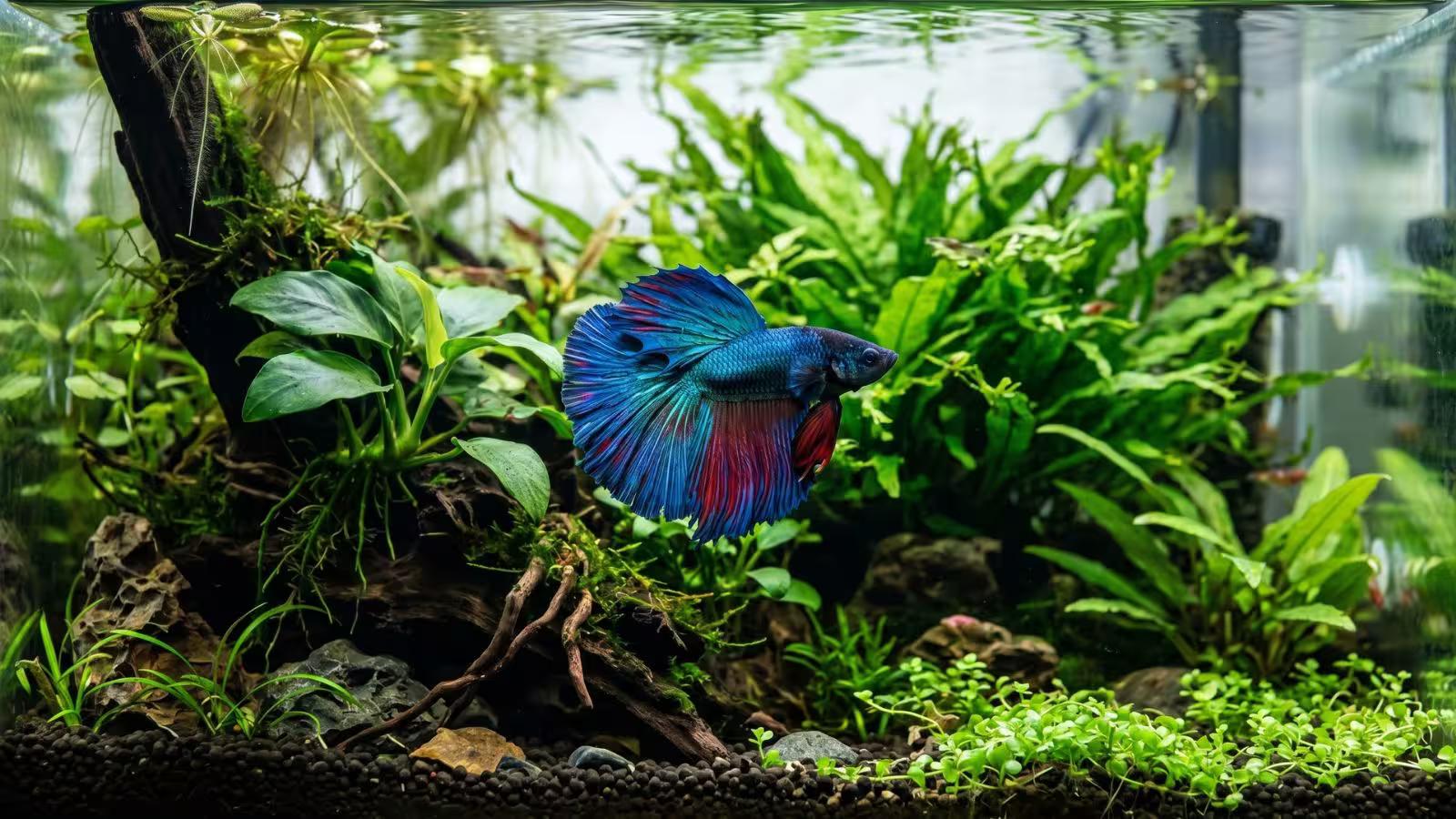
Once you've identified why your betta fish is turning white, the next step is not panic—it's consistency.
Most bettas don't need complicated treatment plans. They need stable water, steady temperature, and less stress. Recovery often starts the moment the environment becomes stable again.
Let's bring everything together in a practical way.
How To Help a Betta Recover From Whitening
Recovery depends on the cause, but the first steps are usually the same.
Start simple. Fix the environment before anything else.
Step 1: Stabilize Water Conditions
Water quality is the foundation of recovery.
Even a slightly off tank can slow healing.
Aim for:
- Ammonia: 0 ppm
- Nitrite: 0 ppm
- Nitrate: below 20 ppm
- Temperature: 76–82°F (24–28°C)
A gentle 20–30% water change often helps if things have been neglected.
Avoid large changes unless absolutely necessary. Sudden swings can stress an already weak fish.
One thing I've noticed over time is that bettas often start improving within 24–72 hours once ammonia is removed.
Reduce Stress Factors
Stress is one of the biggest hidden causes of a betta fish losing color.
Small environmental adjustments can make a big difference.
Try to:
- Keep lighting soft and consistent
- Reduce tank disturbances
- Avoid tapping or sudden movements near tank
- Slow down strong filter flow
- Provide hiding spots like plants or caves
A calmer environment helps the immune system recover naturally.
Improve Diet for Recovery
Food plays a bigger role than many beginners realize.
Weak fish recover better with protein-rich nutrition.
Good options include:
- Quality betta pellets
- Frozen brine shrimp
- Frozen bloodworms (occasional treat)
- Daphnia for digestion support
Feed small portions once or twice daily.
Overfeeding slows water quality recovery, so keep it controlled.
If appetite is slow, don't force feed. Focus on stability first.
When Medication Is Actually Needed
Not every white patch needs medicine.
But in specific cases, targeted treatment becomes necessary.
Match treatment to symptoms:
- Fuzzy growth → possible fungal treatment
- White grain-like dots → Ich treatment
- Fast spreading lesions → bacterial infection support
The key is not guessing. Misdiagnosis often makes recovery harder.
If unsure, stabilize water first and observe 24–48 hours before treatment decisions.
How To Prevent Betta Fish Turning White Again
Prevention is where long-term success happens.
Most repeat issues come from unstable environments, not random disease.
Keep Water Stable
Consistency matters more than perfection.
Do:
- Weekly water testing
- Regular 20–30% water changes
- Filter maintenance (without killing bacteria)
- Avoid sudden parameter swings
Clear water is not enough—stable chemistry matters.
Maintain Proper Temperature
Temperature stability is non-negotiable for bettas.
Keep:
- 76–82°F steady range
- Reliable adjustable heater
- Thermometer for monitoring
Sudden cold drops are one of the fastest stress triggers.
Avoid Overcrowded or Aggressive Tanks
Not all fish are suitable tank mates.
Stress from aggression often shows up as fading color before visible injury.
A calm, low-stress environment helps maintain strong coloration.
Feed Quality Food, Not Just Quantity
A poor diet slowly weakens immunity.
Better approach:
- High-protein staple pellets
- Occasional frozen/live food
- Small controlled portions
Healthy fish show brighter, more stable color.
Normal vs Abnormal Behavior (Quick Reference)
Understanding behavior helps you catch problems early.
Normal Behavior
- Resting during the day
- Sleeping at night or on leaves
- Exploring tank occasionally
- Responding to food
- Calm swimming patterns
Bettas are naturally low-energy fish at times.
Resting does not mean illness.
Abnormal Behavior
- Constant hiding
- Refusal to eat
- Heavy surface breathing
- Sitting motionless all day
- Clamped fins for long periods
- Swimming difficulty
Behavior changes combined with whitening usually indicate stress or disease.
When To Worry About a Betta Turning White
Monitor at Home
- Slight fading only
- Normal appetite
- Active swimming
- No texture changes
Take Action Soon
- Spreading white areas
- Reduced feeding
- Clamped fins
- Increased hiding
Possible Emergency
- Rapid whitening
- Fuzzy or cotton-like growth
- Ulcers or lesions
- Severe lethargy
- Gasping or rapid breathing
- Sudden collapse
Fast changes combined with multiple symptoms need immediate attention.
Common Myths That Mislead Beginners
A few misunderstandings cause unnecessary panic.
"White color always means fungus"
Not true.
Stress and water issues are far more common causes.
"Clear water means safe water"
Clear water can still contain ammonia or nitrite.
Testing is the only way to know.
"Small bowls are fine for bettas"
Small containers become unstable quickly.
Temperature and waste buildup cause long-term stress.
A 5-gallon heated, filtered tank is the safest baseline.
Final Thoughts From Experience
A betta turning white looks scary at first.
Most owners assume the worst immediately. But in many cases, it comes down to simple environmental stress—water quality, temperature, or sudden changes.
Once those basics are corrected, recovery is often surprisingly fast.
The key is not rushing treatments. Watch the fish, test the water, and stabilize conditions first.
Color usually follows health. When the environment is right, bettas often bounce back better than expected.