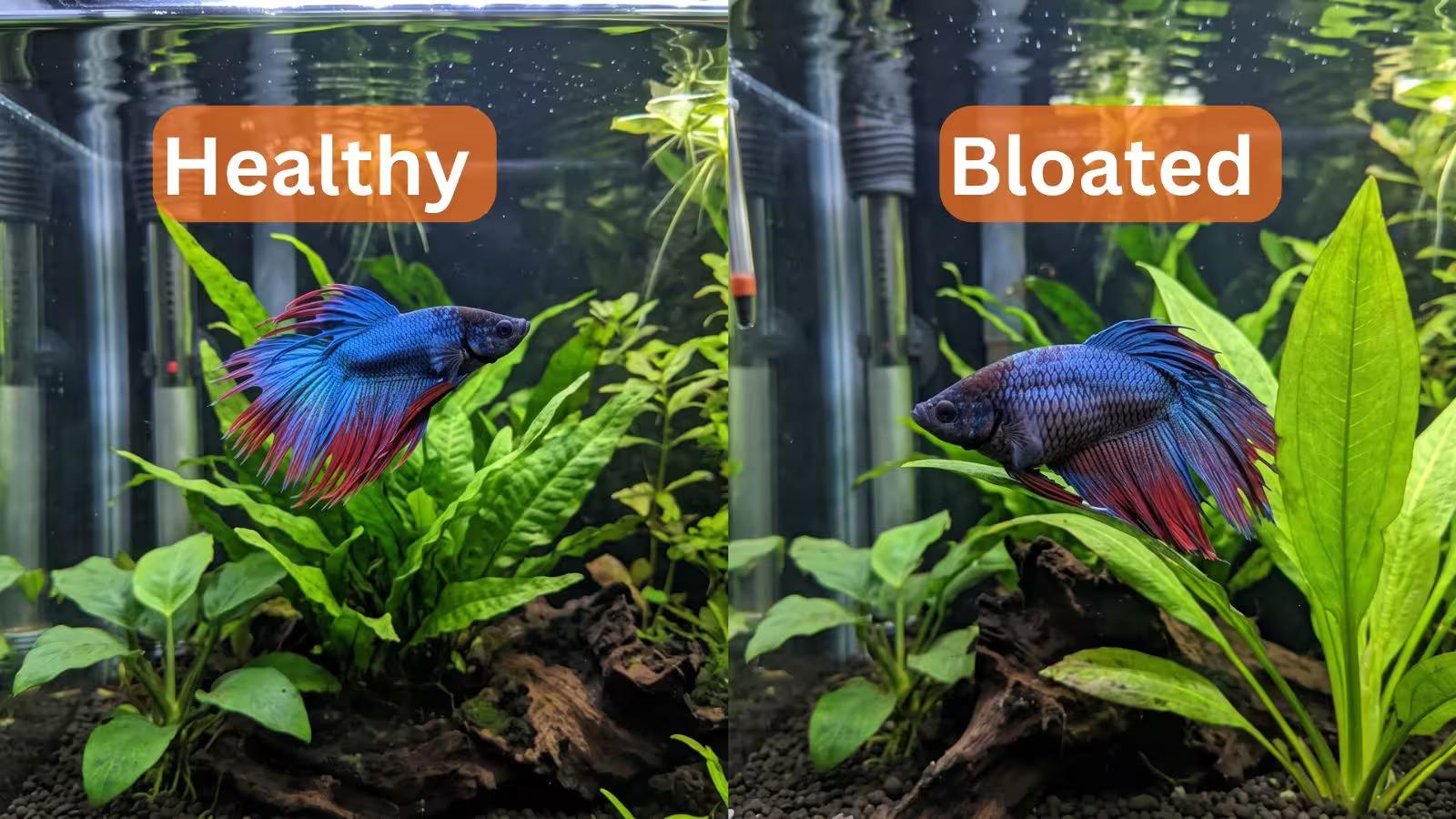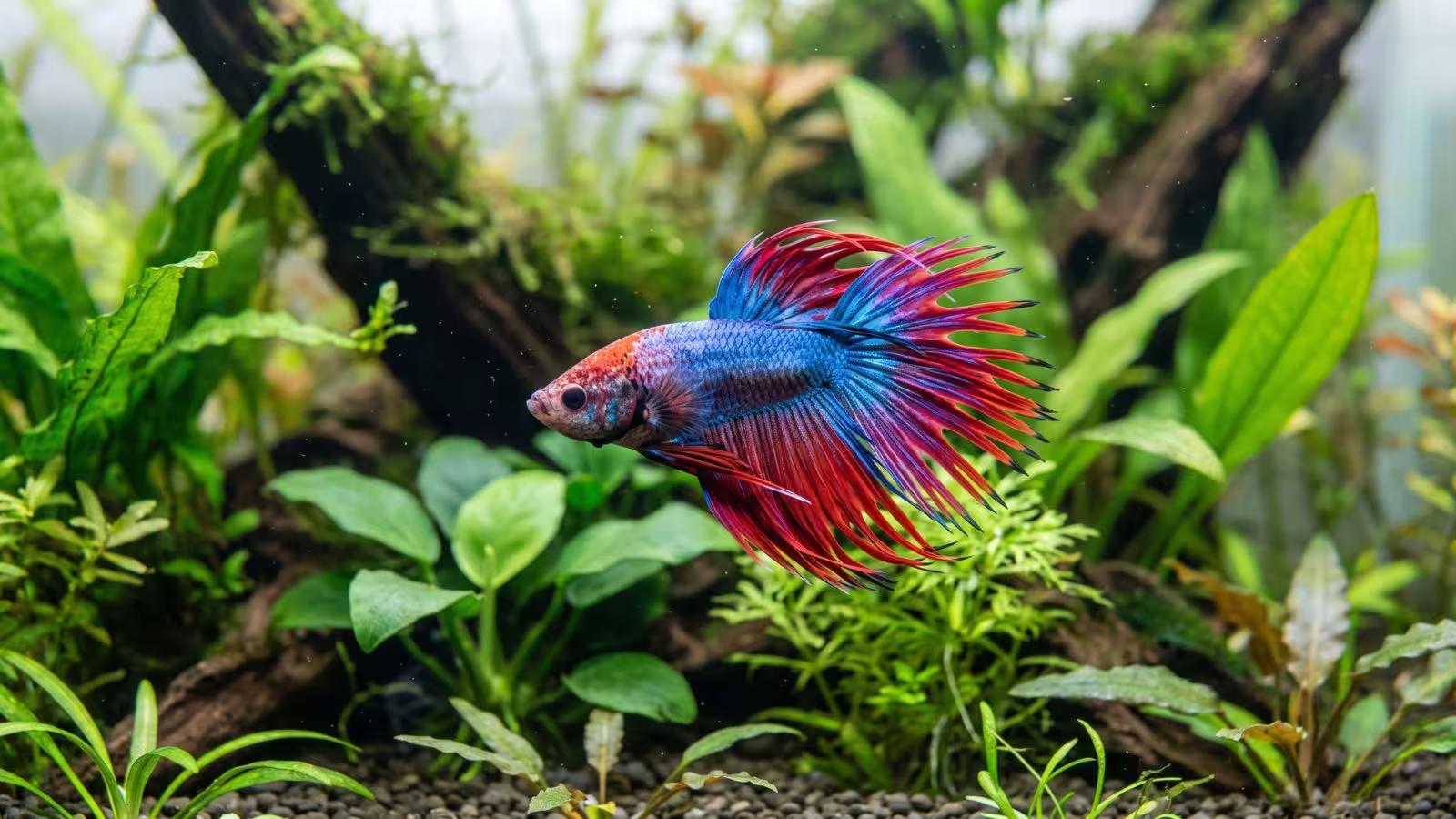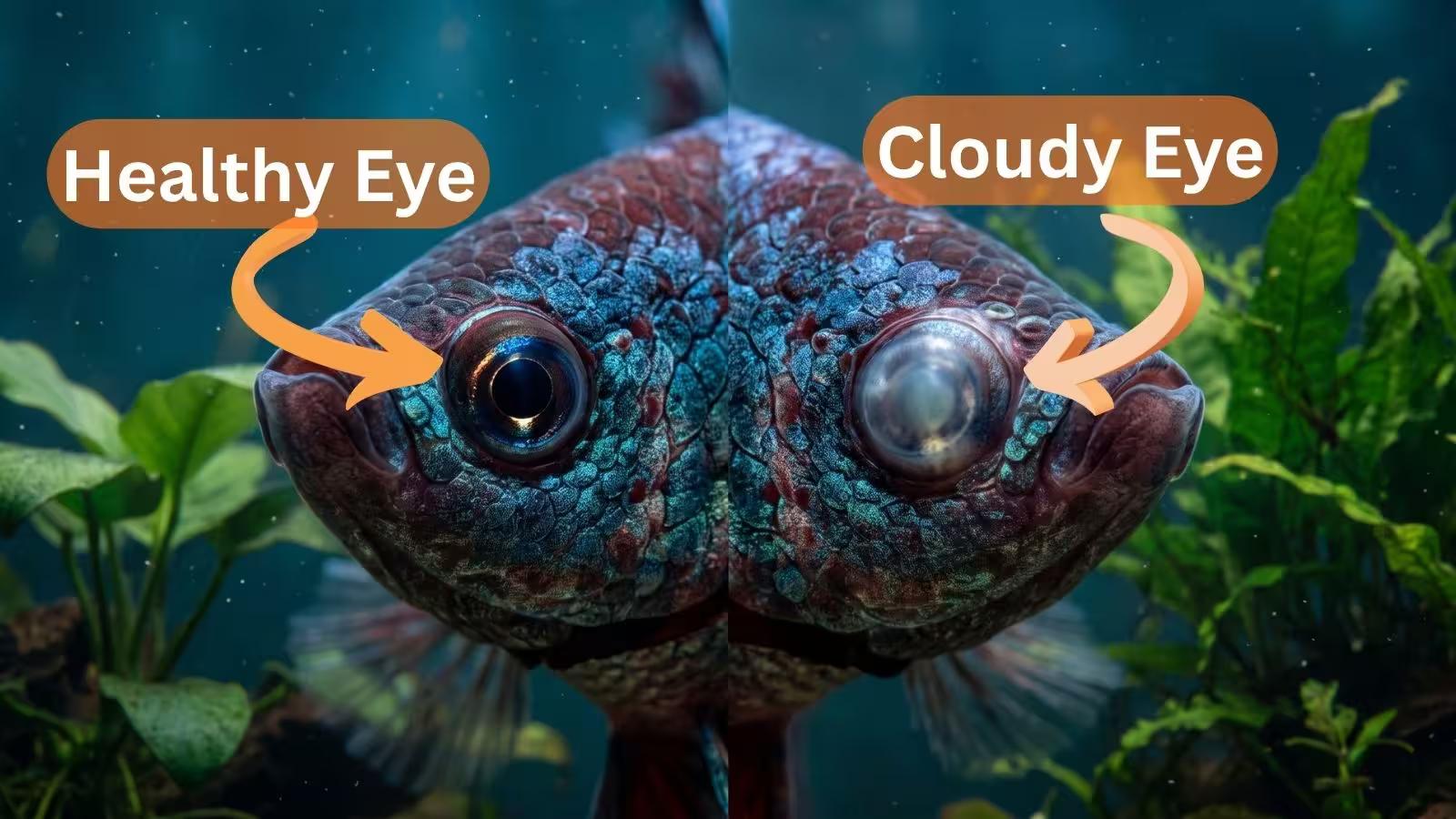
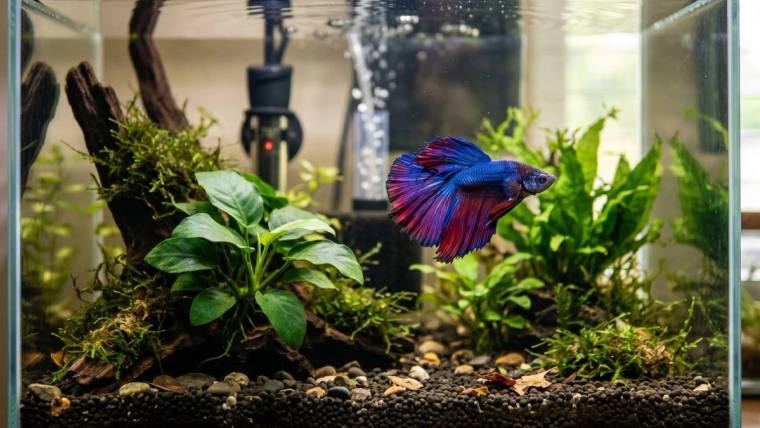
If you're wondering, "Do betta fish change color?", the short answer is yes. In many cases, color changes are completely normal. Bettas naturally shift shades because of genetics, age, stress, lighting, or changes in their environment. Sometimes, though, a sudden color change can signal a problem that needs attention.
The tricky part is knowing the difference between a harmless color shift and something more serious. A betta turning brighter may be thriving, while sudden fading or white patches could point to stress, poor water quality, or betta fish diseases.
You'll learn exactly why betta fish change color, when it's normal, when to worry, and what practical steps actually help.
What Normal Betta Fish Color Changes Look Like
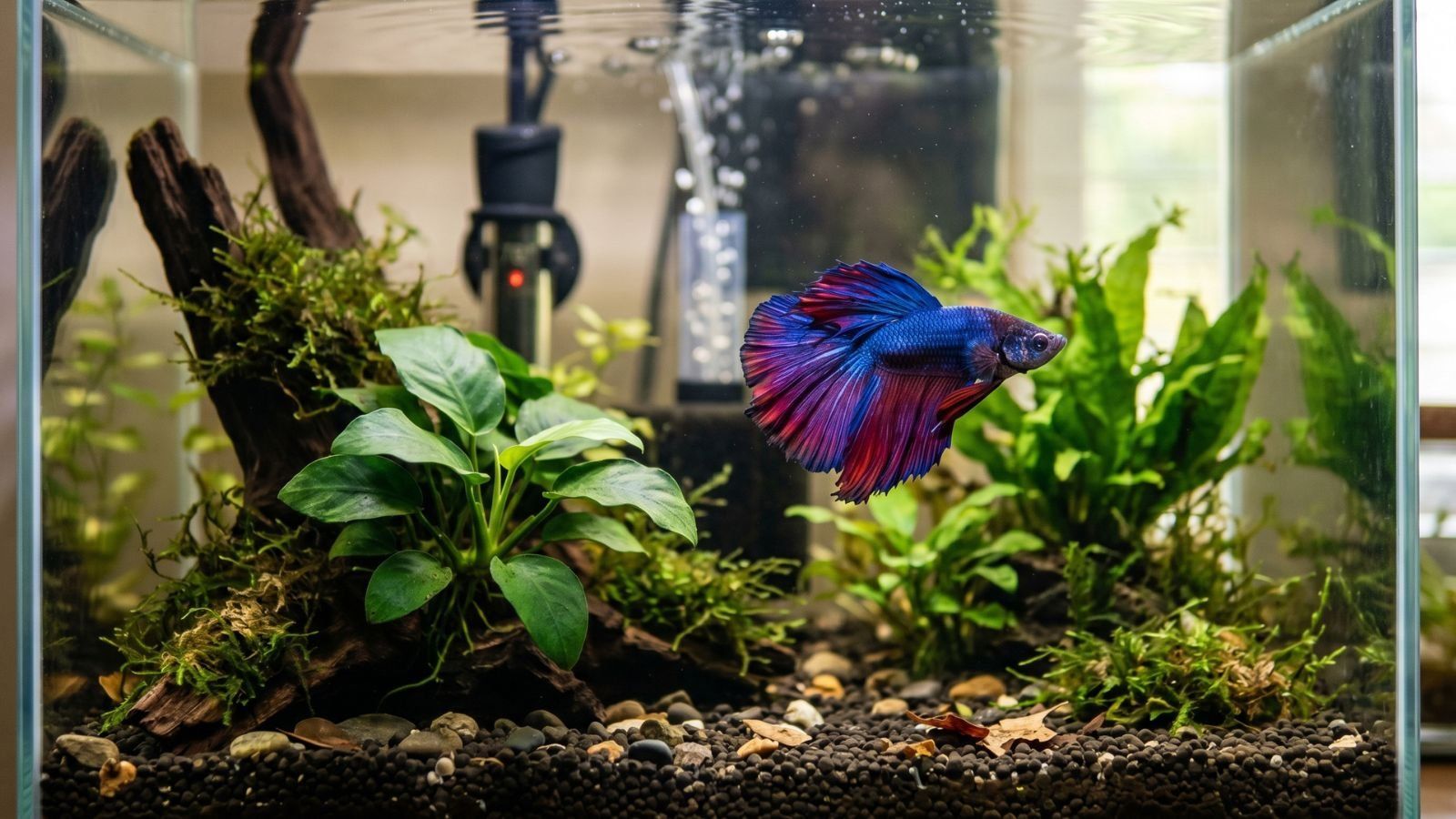
Many bettas naturally change appearance over time. Some become brighter after settling into a healthy tank, while others slowly darken or develop metallic tones as they mature.
A few bettas, especially marble and koi varieties, can even change patterns dramatically. Genetics plays a huge role here, which is why one fish may stay mostly the same while another looks completely different months later.
One thing many beginners notice is that a stressed betta bought from a pet store often looks dull at first. Poor rest and constant disturbances can sometimes add to stress, especially if you're unsure whether betta fish sleep at night. After a few weeks in warm, clean water with proper food, those colors can become much richer.
Why Betta Fish Naturally Change Color
A betta's body contains special pigment cells called chromatophores. These cells affect how colors appear and can shift depending on genetics, health, mood, and surroundings.
Think of it this way: your fish is not always going to look exactly the same every day. Small color changes often happen gradually and can be completely harmless.
For example, a young blue betta may develop darker shades as he matures. Some red bettas gain iridescent hints of turquoise under better lighting conditions.
When Color Changes Are Completely Harmless
Certain color changes are actually signs that your fish feels comfortable.
If your betta becomes more vibrant after moving into a heated, filtered tank, that usually points toward reduced stress. Healthy water parameters and a stable feeding routine often bring out stronger coloration.
Many owners also notice their fish changing slightly throughout the day. Lighting can make blue, purple, or metallic scales look completely different from one angle to another.
A healthy betta that still eats, swims normally, and behaves like himself usually isn't giving you a reason to panic.
Why Some Bettas Get Darker Over Time
Bettas often darken naturally as they mature. Younger fish, especially juveniles, may start with lighter colors before developing deeper shades as adults.
Good care can also make a visible difference. Warm water between 76–82°F (24–28°C), stable pH around 6.5–7.5, and a nutritious diet help pigmentation develop properly.
One thing I've noticed is that bettas recovering from poor store conditions often surprise owners. A fish that looked washed out at purchase may become dramatically darker within a month.
Bettas With the Biggest Color Changes
Not all bettas change color equally.
Marble bettas are famous for dramatic transformations. Thanks to the marble gene, their colors and patterns can shift unexpectedly throughout life. A fish that starts mostly white may slowly develop black, blue, or red patches months later.
Koi bettas behave similarly because they often carry marble genetics. Owners sometimes joke that they "never stop repainting themselves."
Dragon scale bettas and cellophane bettas may also shift slightly, though usually less dramatically.
Why Do Betta Fish Change Color? (Complete Causes Explained)
If your betta suddenly looks different, there's usually a reason behind it. Some causes are completely normal, while others deserve closer attention.
The key is looking at the speed of the change, your fish's behavior, and what's happening inside the tank.
The Marble Gene (The Most Common Natural Cause)
If you own a marble or koi betta, unexpected color changes are practically part of the package.
The marble gene affects pigmentation in unpredictable ways. A betta might develop darker patches, lose certain colors, or suddenly appear brighter without any health problem at all.
Sometimes these changes happen slowly over months. Other times, owners swear their fish looked different overnight.
This type of change usually isn't dangerous if your fish remains active, eats normally, and shows no signs of illness.
Aging and Natural Development
Young bettas rarely stay exactly the same color forever.
As they mature, pigments develop more fully. Juvenile fish often become darker, brighter, or more vibrant during adulthood. This is especially common in red, blue, and multicolor bettas.
Older fish can experience the opposite effect. As bettas age, colors may slowly fade, especially if activity levels decrease.
Gradual fading in an older fish usually isn't alarming on its own. Sudden color loss is a different story.
Stress-Related Color Changes
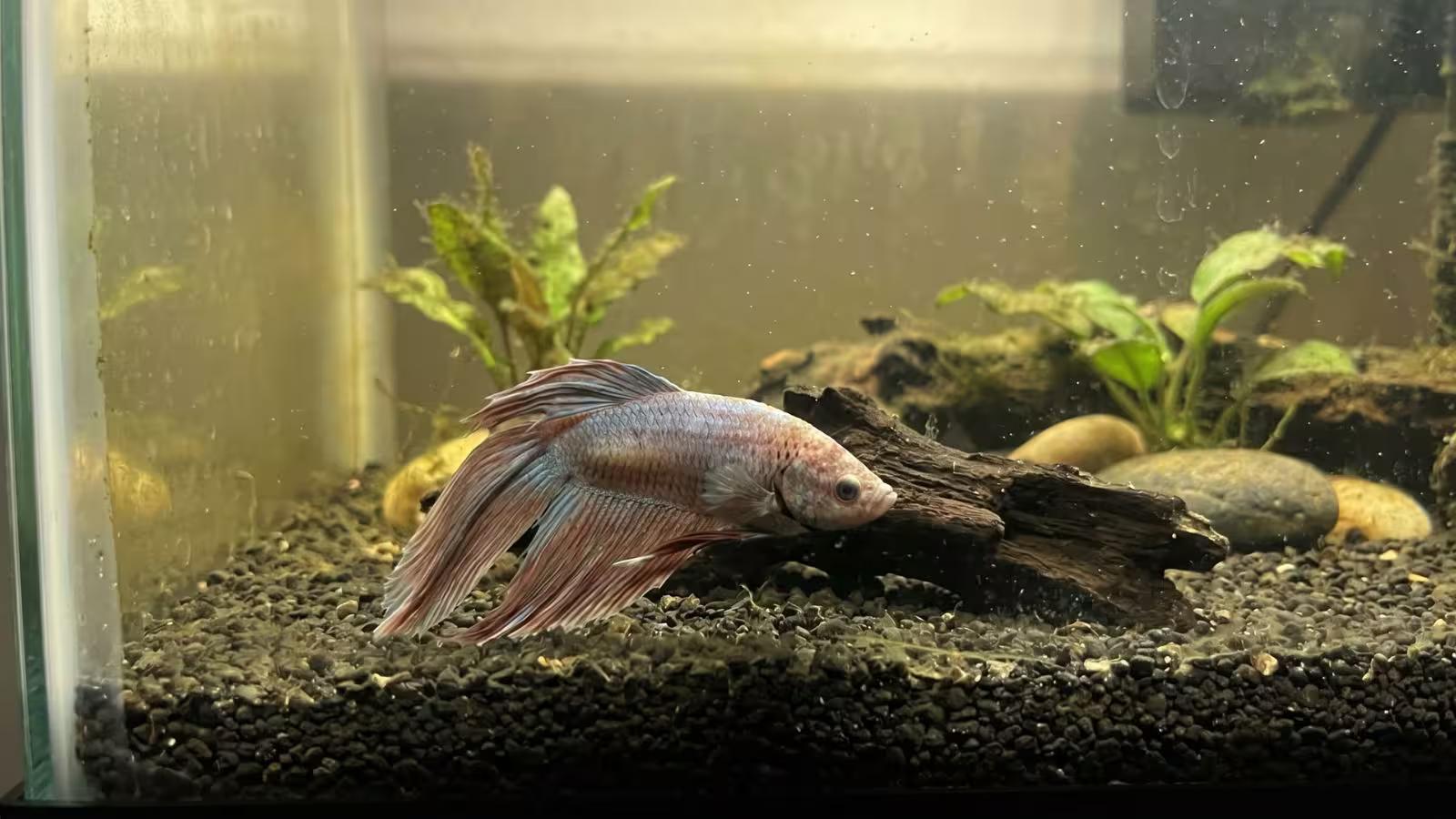
Stress is one of the biggest reasons bettas suddenly lose color.
A move to a new tank, loud surroundings, aggressive tank mates, or unstable water conditions can all trigger color fading. Some bettas even develop visible stress stripes or appear unusually pale.
Many beginners accidentally overlook subtle signs. Appetite changes often appear before obvious illness does.
A stressed betta may:
- Hide more often
- Swim less
- Stop flaring
- Eat less than usual
Cold water is another common issue. Temperatures below 76°F (24°C) can slow metabolism and leave a betta looking dull and inactive.
Water Quality Problems
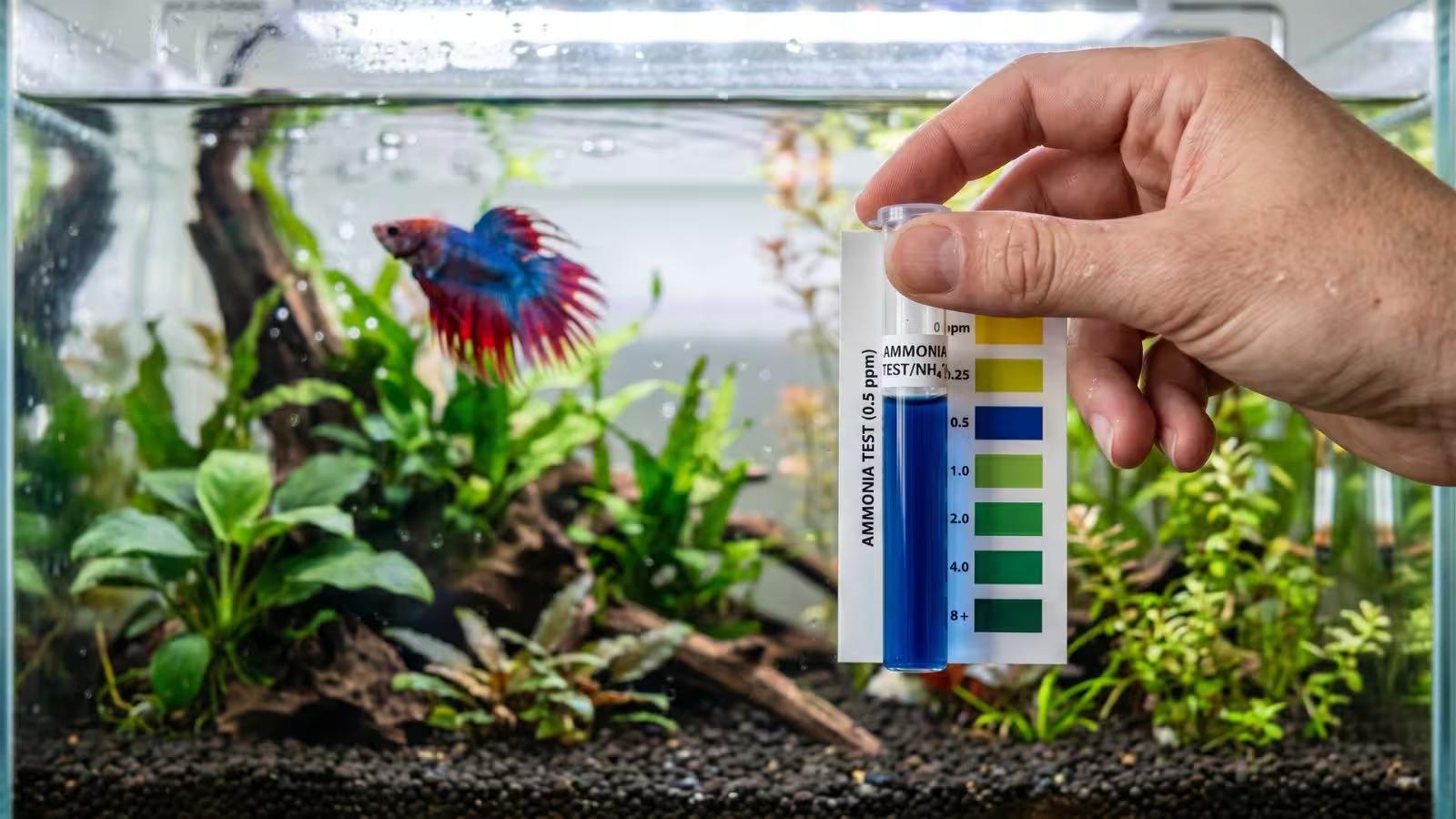
Poor water quality causes more betta problems than most owners expect.
Even beautiful tanks can hide invisible trouble. Rising ammonia or nitrite levels stress fish quickly and may cause sudden color loss.
Healthy water parameters matter more than decorations or expensive gear:
- Ammonia: 0 ppm
- Nitrite: 0 ppm
- Nitrate: Below 20 ppm
- Temperature: 76–82°F (24–28°C)
- pH: 6.5–7.5, stable
A simple water test kit can tell you more than guessing ever will. Many experienced keepers test water immediately if a betta suddenly turns pale.
One mistake that causes problems fast is overcleaning. Replacing too much water at once can stress your fish and destabilize the tank.
Around 20–30% weekly water changes usually work much better in a properly cycled aquarium.
Diet and Nutrition
Food affects coloration more than many people realize.
A healthy betta diet should include high-protein pellets, along with occasional frozen or live foods like bloodworms or brine shrimp.
Poor-quality food sometimes leads to dull coloration over time. Fish that lack balanced nutrition may lose some vibrancy, especially reds and blues.
Still, food alone rarely causes dramatic overnight color loss. If the change happened suddenly, look at stress or water quality first.
Lighting Changes
Sometimes your betta hasn't changed color at all.
Different aquarium lights can completely alter how scales look. Metallic bettas especially may appear blue in the morning, purple at night, or green from certain angles.
LED lighting tends to highlight iridescence more strongly than dim lighting.
If your fish behaves normally and only looks different under certain lights, there may be nothing wrong.
Illness and Infection
Not every color change is harmless.
When fading appears alongside unusual behavior, illness becomes more likely. Velvet disease, fungal infections, parasites, and fin rot can all affect coloration.
A white fuzzy texture usually means something very different from smooth fading. Texture matters just as much as color.
Watch for warning signs like:
- Refusing food
- Clamped fins
- Fast breathing
- White spots
- Fuzzy growth
- Damaged fins
Many owners focus only on color and miss the bigger picture. Your betta's behavior often tells the real story.
Is Your Betta's Color Change Normal or a Warning Sign?
This is usually the point where owners start worrying.
Your betta looks different, and now you're wondering if he's sick, stressed, or simply changing naturally. The good news is that color alone rarely tells the full story. Behavior matters just as much.
A healthy fish that suddenly becomes brighter is very different from a fish that turns pale and stops eating.
Quick Comparison: Normal vs Dangerous Betta Color Changes
| Color Change | Likely Meaning | Concern Level |
|---|---|---|
| Colors becoming brighter | Better care, reduced stress, maturity | Low |
| Slight darkening over time | Normal aging or comfort | Low |
| Slow pattern changes | Marble gene or koi genetics | Low |
| Sudden pale appearance | Stress, cold water, poor water quality | Medium |
| White patches or fuzzy spots | Possible fungal infection or parasites | High |
| Gold or dusty shimmer | Possible velvet disease | High |
| Overnight fading + lethargy | Water problem or illness | High |
One thing many beginners miss is how quickly the color changed. A gradual shift over weeks often points to normal development. A dramatic overnight change deserves a closer look.
Signs the Color Change Is Probably Harmless
A betta can change color and still be perfectly healthy.
If your fish is active, curious, and eager to eat, chances are you're dealing with a normal shift rather than a health emergency.
Healthy signs include:
- Strong appetite
- Normal swimming behavior
- Regular flaring response
- Smooth scales and fins
- No rapid breathing
- No unusual spots or texture
Many bettas become more colorful after moving into a proper setup. Warm water, low stress, and stable water parameters often reveal colors hidden during stressful store conditions.
Some owners panic when their fish darkens slightly. In reality, a darker betta often means he feels more secure.
Signs Something Might Be Wrong
Color changes become more concerning when behavior changes too.
A pale fish hiding all day, refusing food, or breathing rapidly deserves attention. Bettas are usually expressive fish. When they suddenly act "off," there's often a reason.
Watch for warning signs like:
- Loss of appetite
- Staying near the bottom
- Clamped fins
- Labored breathing
- White fuzz or cotton-like growth
- Torn fins or fin rot
- Flashing against objects
One thing I've noticed is that appetite often changes before obvious illness appears. If your betta stops eating and changes color at the same time, test the water immediately.
Why Texture Matters More Than Color Alone
Many owners focus only on the shade change and accidentally ignore texture.
Smooth fading usually points toward stress, genetics, aging, or lighting. Fuzzy, raised, dusty, or patchy areas are much more likely to signal disease.
For example:
- Smooth pale body: stress or poor water conditions
- White fuzzy patches: fungal issue
- Salt-like white spots: ich
- Golden dust appearance: velvet disease
A quick close-up look can tell you far more than color alone.
My Betta Turned Pale or White: How to Figure Out What's Wrong
When a betta suddenly loses color, it can feel alarming. The good news is that color changes often leave clues behind. Instead of guessing, start by looking at how the color changed and what other symptoms came with it.
Sudden Pale Color + Still Active → Likely Stress
If your betta suddenly looks pale but is still swimming normally, eating, and acting curious, stress is often the most likely cause. A recent water change, loud surroundings, tank cleaning, or even a new decoration can sometimes trigger temporary fading.
The good news is that stress-related color loss often improves once conditions settle down. Keep the tank calm, avoid sudden changes, and check that the water temperature stays stable.
Pale Color + Cold Tank → Temperature Problem
Bettas slow down quickly when water gets too cold. If your fish looks pale, sluggish, or spends more time resting, check the heater before assuming illness.
A healthy betta tank should stay between 76–82°F (24–28°C). Even a few degrees below that can affect metabolism and dull their color surprisingly fast.
White or Fuzzy Texture → Possible Infection
Texture matters here. If the pale or white area looks fuzzy, cotton-like, or raised instead of smooth, there may be an infection involved.
Fungal infections and some bacterial problems often start as small white patches before spreading. Watch closely for clamped fins, rubbing against objects, or worsening spots over a day or two.
Gradual Fading in an Older Betta → Aging
Sometimes color fading happens slowly over months, especially in older fish. If your betta still eats normally and behaves the same, gentle fading can simply be part of aging.
This is more common in senior bettas and usually happens without other worrying symptoms. Think of it like graying hair — noticeable, but not always dangerous.
Pale Color + Not Eating → Test Water Immediately
This combination deserves quick attention. A pale betta that suddenly refuses food often signals something wrong with water quality or developing illness.
Start by testing ammonia, nitrite, and temperature as soon as possible. In many cases, poor water conditions trigger stress before visible disease appears, so catching problems early makes a big difference.
How to Stop Abnormal Betta Color Loss (Step-by-Step)
If your betta suddenly looks faded, don't rush to buy random medications.
Many color problems improve once the real cause is fixed. The goal is figuring out why your fish changed color before trying treatments.
A healthy betta in stable water often recovers surprisingly well.
Step 1 — Test the Water Immediately
Start here before anything else.
Poor water quality causes color fading far more often than most owners expect. Even if the tank looks clean, harmful compounds may still be present.
Use an aquarium test kit and check:
- Ammonia: 0 ppm
- Nitrite: 0 ppm
- Nitrate: Below 20 ppm
- pH: 6.5–7.5 and stable
- Temperature: 76–82°F (24–28°C)
One beginner mistake I see often is assuming clear water means healthy water. Unfortunately, ammonia is invisible.
If ammonia or nitrite shows up, do a gentle water change of around 20–30% rather than replacing everything at once.
Step 2 — Reduce Environmental Stress
Bettas like calm, predictable environments.
A tank near loud speakers, bright flashing lights, or constant tapping can slowly stress them out. Aggressive tank mates can do the same.
Try to improve comfort by:
- Keeping lighting consistent
- Avoiding sudden temperature swings
- Adding hiding spots or live plants
- Reducing strong water flow from filters
Many stressed bettas regain color after a few calm days.
One thing I've noticed is that fish often improve faster once owners stop making constant changes. Stability matters more than perfection.
Step 3 — Improve Nutrition
Food affects health and coloration over time.
A betta fed low-quality flakes every day may slowly lose some vibrancy. High-protein nutrition supports better pigmentation and overall health.
A good feeding routine usually includes:
- Quality betta pellets as the staple food
- Frozen or live bloodworms occasionally
- Brine shrimp for variety
- Small portions once or twice daily
Overfeeding causes problems too. Uneaten food damages water quality quickly.
Your fish's stomach is tiny. Feeding a little less is often safer than feeding too much.
Step 4 — Watch for Illness Signs
Not all color loss comes from stress.
If fading appears alongside strange behavior, disease becomes more likely. Watch your fish closely over the next few days.
Pay attention to:
- White fuzzy growth
- Torn fins
- Tiny white spots
- Heavy breathing
- Staying near the bottom
- Refusing food
Many owners accidentally treat the wrong issue. Adding medicine for stress-related fading may create even more problems if water quality was the real cause.
This is why observation matters.
Step 5 — Give Recovery Time
Some bettas bounce back quickly. Others need patience.
A fish stressed from transport or poor water conditions may take days or even weeks to fully regain color.
Try not to overreact if improvement isn't immediate. Constantly changing food, decorations, or treatments can make recovery slower.
Healthy fish usually show small improvements first:
- Better appetite
- More activity
- Curious behavior
- Brighter coloration over time
Tiny positive changes are often a good sign.
Quick Troubleshooting Workflow
If your betta suddenly changes color, follow this order:
Betta changed color → Check behavior → Test water → Examine texture → Rule out disease → Improve environment → Monitor recovery
Simple steps prevent a lot of unnecessary stress.
Betta Types Most Likely to Change Color
Some bettas are famous for dramatic color shifts.
Others barely change at all. Genetics plays a huge role here, which is why two healthy bettas may behave completely differently.
Knowing your fish type helps avoid unnecessary panic.
Marble Bettas
Marble bettas change color more than almost any other variety.
Their unstable pigmentation comes from the marble gene, which can switch colors and patterns throughout life.
A mostly white fish may suddenly develop black patches. Blue scales might disappear and return later.
Many owners think something is wrong the first time this happens. Usually, it's completely normal.
Koi Bettas
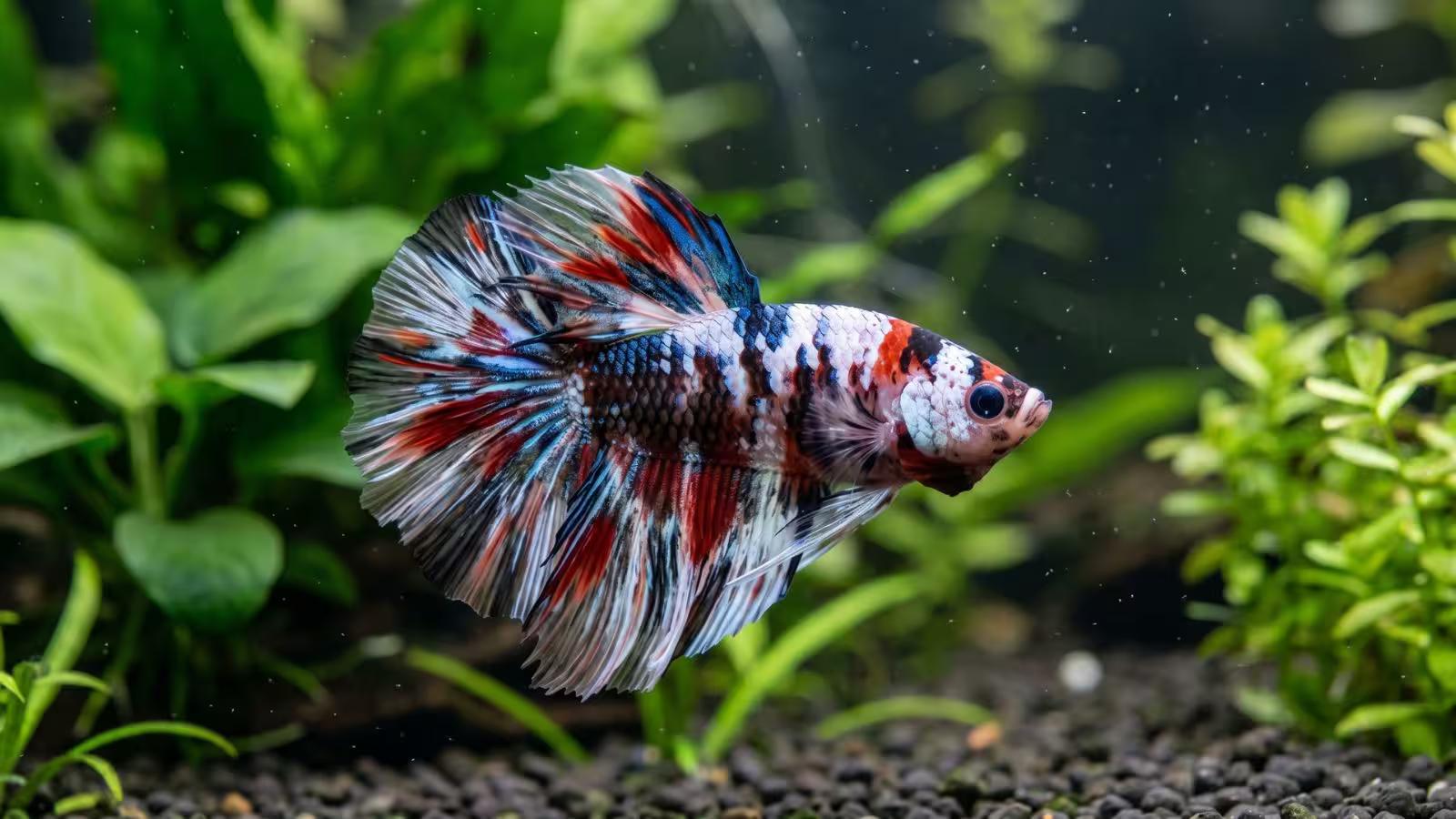
Koi bettas often inherit marble genetics.
This means their colors can shift in surprising ways. Red, orange, blue, black, and white patches may appear or fade over time.
Some koi bettas look like entirely different fish after a few months.
As long as behavior stays normal, dramatic pattern shifts usually aren't a health issue.
Dragon Scale Bettas
Dragon scale bettas may experience subtle changes as they mature.
Their thick metallic scales can appear brighter or darker depending on lighting, age, and health.
These shifts tend to be slower and less dramatic than marble bettas.
One thing owners often notice is stronger metallic shine after improving water quality and diet.
Cellophane Bettas
Cellophane bettas are naturally pale or translucent-looking.
Because of this, slight environmental changes sometimes appear more dramatic than they actually are.
Lighting especially affects how these fish look. A healthy cellophane betta may seem brighter one day and nearly transparent the next.
This usually isn't a reason to worry.
Common Mistakes Owners Make When a Betta Changes Color
Many color-change problems get worse because of panic.
That sounds harsh, but it happens all the time. A worried owner sees fading and starts changing everything overnight.
Ironically, that often stresses the fish more.
Panicking Over Normal Genetic Changes
Not every color shift means sickness.
Owners of marble and koi bettas often mistake natural pigmentation changes for disease.
If your fish acts healthy, eats normally, and shows no physical symptoms, genetics may be the explanation.
Ignoring Water Quality
This mistake causes more problems than people expect.
Many people treat symptoms without checking ammonia, nitrite, or temperature first.
Testing water usually tells a clearer story than guessing.
Using Medication Too Quickly
Medication sounds helpful, but unnecessary treatment creates stress.
Adding random medicines "just in case" can sometimes worsen water quality or irritate already stressed fish.
Diagnosis should come before treatment.
Doing Massive Water Changes
Large emergency water changes feel productive, but they can shock your fish.
Sudden temperature swings or drastic chemistry shifts sometimes make fading worse.
Smaller, controlled water changes are usually much safer.
Mistaking Lighting for Illness
LED lights change appearances dramatically.
Blue, metallic, and iridescent bettas especially look different under various lighting conditions.
Sometimes the fish hasn't changed color at all. The light simply changed how scales reflect.
Long-Term Habits That Help Bettas Keep Their Color
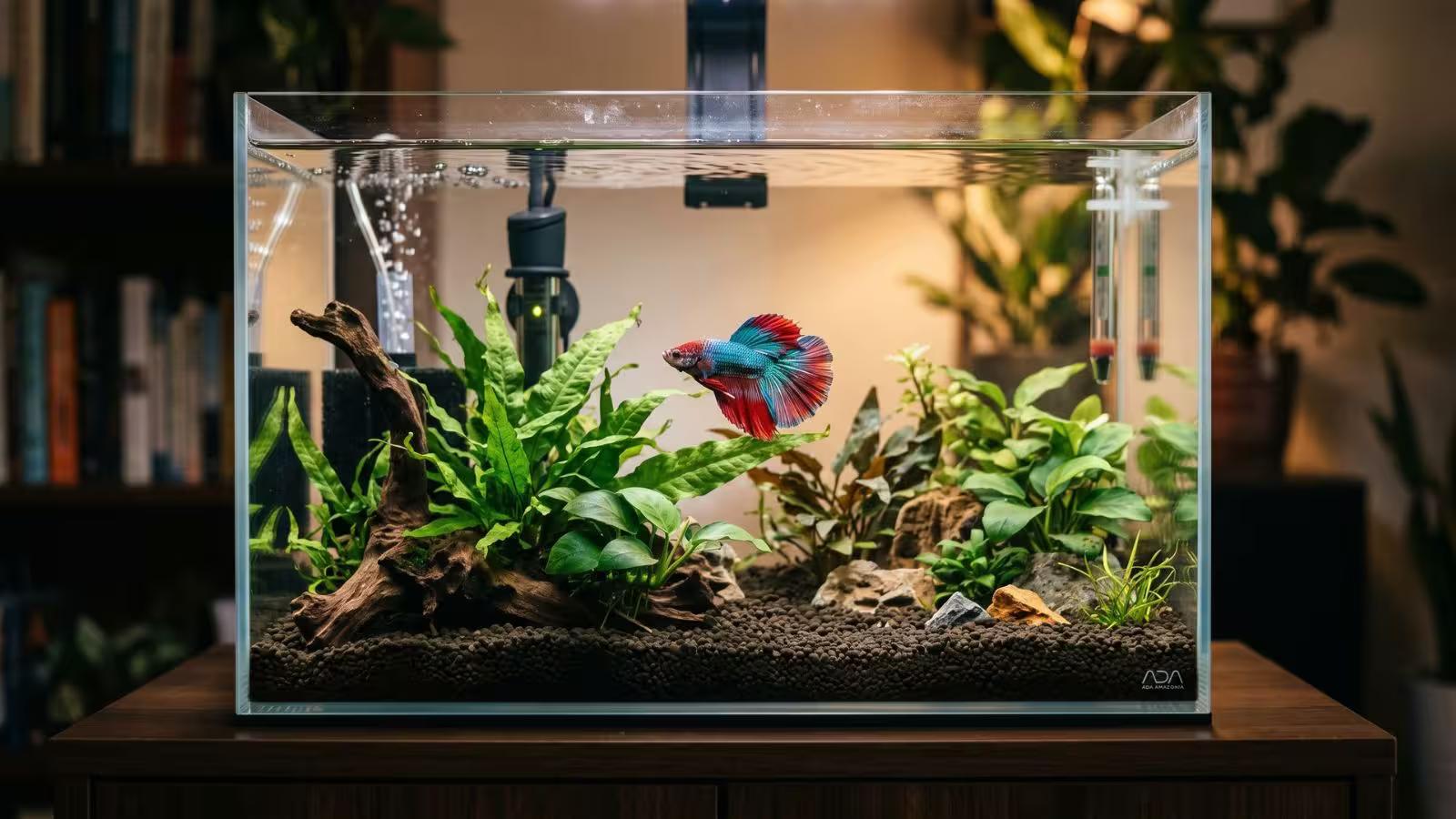
Healthy color usually reflects healthy care.
You can't control genetics, but you can create an environment where your betta looks his best. Small daily habits make a bigger difference than expensive equipment.
Maintain Stable Water Parameters
Stability matters more than chasing "perfect" numbers.
A betta kept in steady, clean water usually looks brighter and behaves more confidently. Sudden swings in temperature or pH often stress fish and dull coloration.
Aim for:
- Temperature: 76–82°F (24–28°C)
- pH: 6.5–7.5
- Ammonia: 0 ppm
- Nitrite: 0 ppm
- Nitrate: Under 20 ppm
A heated, filtered, and cycled tank makes these conditions much easier to maintain.
One thing many beginners underestimate is tank size. A 5-gallon minimum setup tends to stay far more stable than tiny containers.
Feed a Better Diet
Color starts with nutrition.
High-quality betta pellets should be the foundation of your fish's diet. Adding frozen or live foods a few times weekly helps support stronger coloration and better overall health.
Good options include:
- Bloodworms
- Brine shrimp
- Daphnia
Variety helps, but moderation matters too.
Overfeeding often causes bloating and poor water quality. A slightly hungry betta is usually healthier than an overfed one.
Reduce Long-Term Stress
A constantly stressed fish rarely shows its best colors.
Strong filter flow, aggressive tank mates, loud environments, or constant handling can slowly wear a betta down.
Most bettas thrive in calm environments with:
- Gentle filtration
- Hiding places
- Consistent lighting schedule
- Minimal disturbances
One thing I've noticed is that shy bettas often brighten noticeably once floating plants or hiding spots are added.
Feeling secure changes behavior.
Use Lighting the Right Way
Lighting changes how your fish looks more than people expect.
A strong LED light often enhances iridescence, especially in blue, metallic, and dragon scale bettas.
Still, brighter isn't always better.
Leaving aquarium lights on too long can stress fish and encourage algae growth. Around 8–10 hours of light daily usually works well.
Keep the Tank Mentally Enriching
Bettas are curious fish.
A boring tank sometimes leads to stress-related behaviors like glass surfing or inactivity. Adding silk plants, caves, driftwood, or safe decorations gives them places to explore.
You don't need to overcrowd the aquarium. A few thoughtful additions usually work best.
Healthy behavior and healthy color often go hand in hand.
Final Thoughts
So, do betta fish change color? Yes, they absolutely can.
Sometimes it's completely normal. Genetics, maturity, improved care, and even lighting can all change how your fish looks over time. Marble and koi bettas especially love keeping owners guessing.
At the same time, sudden fading, white patches, or behavior changes deserve attention. Your betta's appetite, activity, and overall behavior often reveal more than color alone.
Once you learn what's normal for your fish, these changes become much less stressful. Most of the time, your betta is simply responding to life in the tank. The key is knowing when a harmless shift turns into a warning sign.