You notice your rabbit has a runny nose. She sneezes frequently. Her eyes are watery. You worry about pasteurella in rabbits. Pasteurella is a common bacterial infection that affects the respiratory system of rabbits. It can cause mild symptoms or become a chronic, life-threatening disease.
According to the RSPCA, pasteurella is one of the most common infectious diseases in pet rabbits. The House Rabbit Society emphasizes that early detection and treatment are essential for managing this bacterial infection. Without treatment, pasteurella can lead to serious complications like pneumonia.
This guide covers everything about pasteurella in rabbits: what it is, how rabbits get it, signs to watch for, treatment options, and prevention strategies. For general illness signs, see sick bunny. For respiratory symptoms, see rabbit sneezing.
Pasteurella in rabbits is a common bacterial infection affecting the respiratory system. It can cause snuffles, runny nose, and sneezing. Without treatment, it can lead to pneumonia and become chronic.
What Is Pasteurella in Rabbits
Pasteurella in rabbits is a bacterial infection caused by Pasteurella multocida. This bacterium is commonly found in the respiratory tract of rabbits. According to veterinary sources, many rabbits carry the bacteria without showing symptoms. The disease can be triggered by stress, poor diet, or other illnesses.
Pasteurella multocida is a gram-negative bacterium. Pasteurella multocida can spread between rabbits, particularly through close contact and respiratory secretions, although many healthy rabbits carry the bacteria without developing disease.
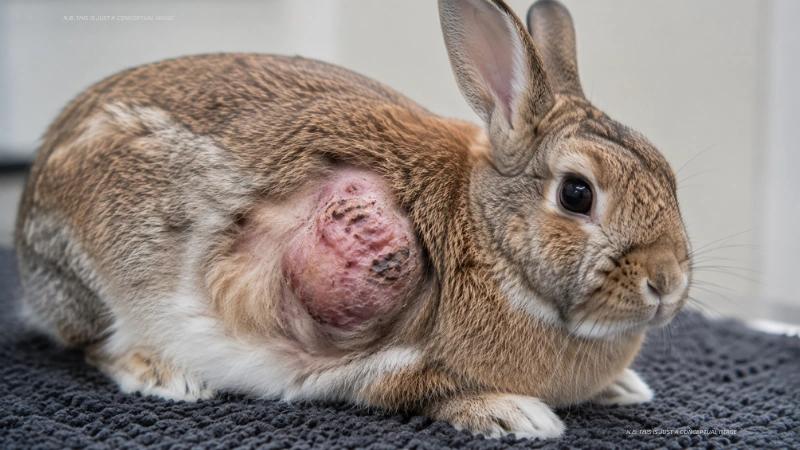
Pasteurella infection in rabbits can affect the respiratory system, causing snuffles, pneumonia, and other complications. It can also spread to other parts of the body, causing abscesses and systemic infections.
The severity of pasteurella in rabbits varies. Some rabbits have mild symptoms that come and go. Others develop chronic respiratory disease that affects their quality of life. Early detection and treatment are essential.
Pasteurella in rabbits is caused by the bacterium Pasteurella multocida. Many rabbits carry the bacteria without showing symptoms. The disease can be triggered by stress or other illnesses.
How Rabbits Get Pasteurella
Understanding how rabbits get pasteurella helps you prevent infection. The bacteria are spread through several routes.
Rabbit to rabbit transmission: Pasteurella multocida can spread between rabbits, particularly through close contact and respiratory secretions, although many healthy rabbits carry the bacteria without developing disease.
Respiratory droplets and nasal discharge: The bacteria spread primarily through respiratory droplets, nasal discharge, and close contact, rather than true long-distance airborne transmission. Sneezing and coughing release bacteria into the immediate environment.
Stress and disease: Stress weakens the immune system. A stressed rabbit is more susceptible to pasteurella. Changes in environment, poor diet, and other illnesses can trigger the disease.
Contaminated environments: The bacteria can survive on surfaces for a short time. Contaminated bedding, food bowls, and water bottles can spread the infection.
Mother to baby: Young rabbits may acquire the bacteria from close contact with infected mothers shortly after birth.
For more on preventing disease transmission, see disease bunnies.
Pasteurella spreads through close contact, respiratory droplets, nasal discharge, and contaminated surfaces. Stress and a weakened immune system increase the risk of infection.
Snuffles and Pasteurella
Snuffles is the most common manifestation of pasteurella in rabbits. Understanding snuffles helps you recognize the disease early.
Rabbit snuffles: Snuffles is a respiratory infection. Pasteurella multocida is the most common cause of snuffles, although other bacteria may also be involved. According to the Cornell University College of Veterinary Medicine, snuffles is one of the most common infectious diseases in pet rabbits.
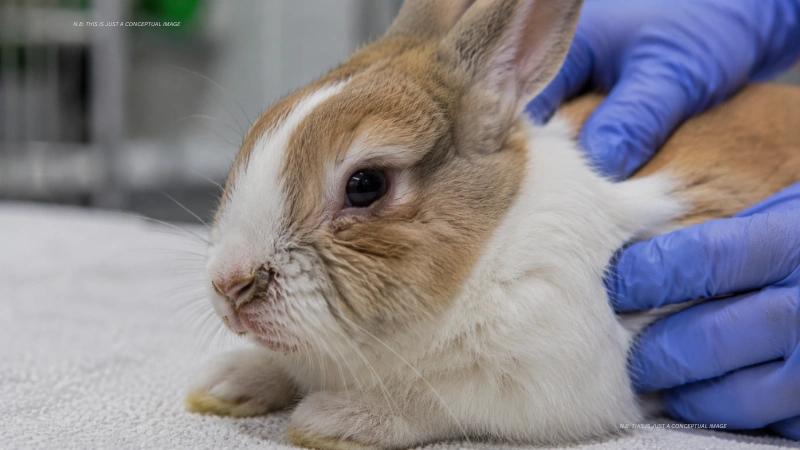
Bunny nose discharge: Nasal discharge is a classic sign of snuffles. The discharge may be clear, white, or yellow. It can cause crusting around the nostrils.
Rabbit runny nose: A runny nose is often the first sign of pasteurella. The rabbit may sneeze frequently and have difficulty breathing.
Rabbit sneezing: Sneezing is a common symptom. The rabbit may sneeze repeatedly and have a wet nose.
Chronic respiratory disease: Pasteurella can become chronic. A rabbit with chronic snuffles may have intermittent symptoms for months or years.
Upper respiratory infection: Snuffles is an upper respiratory infection. It affects the nasal passages, sinuses, and throat.
For more on respiratory symptoms, see rabbit sneezing.
Snuffles is the most common manifestation of pasteurella. Pasteurella multocida is the most common cause, although other bacteria may also be involved. Symptoms include nasal discharge, sneezing, and runny nose.
Signs and Symptoms of Pasteurella
Recognizing the signs of pasteurella helps you seek treatment early. Symptoms can vary depending on the severity of the infection.
Bunny nose discharge: Nasal discharge is the most common sign. It may be clear, white, or yellow. Discharge can cause crusting around the nostrils.
Rabbit sneezing: Sneezing is a frequent symptom. The rabbit may sneeze repeatedly and have a wet nose.
Rabbit breathing problems: A rabbit with pasteurella may have difficulty breathing. The rabbit may breathe through its mouth or make wheezing sounds.
Rabbit eye discharge: Eye discharge is common. The eyes may be watery or have a white discharge. The rabbit may squint or have red eyes.
Rabbit lethargy: A rabbit with pasteurella may be lethargic. They may sleep more than usual and be less active.
Rabbit appetite loss: A rabbit with pasteurella may stop eating. Loss of appetite with other symptoms requires veterinary attention.
Rabbit illness symptoms: Other signs include weight loss, hunched posture, and fever. If you notice any of these signs, contact your veterinarian immediately.
For more on recognizing a sick bunny, see sick bunny.
Signs of pasteurella include nasal discharge, sneezing, breathing problems, eye discharge, lethargy, and appetite loss. Early detection is essential for effective treatment.
Rabbit Respiratory Disease
Pasteurella is a common cause of respiratory disease in rabbits. Understanding respiratory disease helps you recognize the severity of the infection.
Rabbit respiratory infection: Pasteurella causes respiratory infections. The infection can affect the upper respiratory tract (snuffles) or the lower respiratory tract (pneumonia).
Rabbit breathing difficulty: A rabbit with respiratory disease may have difficulty breathing. The rabbit may breathe through its mouth, make wheezing sounds, or have labored breathing.
Rabbit nasal discharge: Nasal discharge is a hallmark of respiratory disease. The discharge may be clear, white, or yellow.
Rabbit upper respiratory tract infection: Upper respiratory infections affect the nasal passages, sinuses, and throat. Symptoms include sneezing, runny nose, and eye discharge.
Chronic rabbit illness: Pasteurella can become chronic. A rabbit with chronic respiratory disease may have intermittent symptoms for months or years.
Rabbit lung infection: In severe cases, pasteurella can cause pneumonia. Pneumonia is a life-threatening infection of the lungs.
Pasteurella causes respiratory disease in rabbits, ranging from mild snuffles to severe pneumonia. Chronic infections can affect a rabbit's quality of life.
Rabbit Lung Disease
Advanced pasteurella infection can lead to lung disease. Recognizing the signs of lung disease helps you seek emergency care.
Rabbit pneumonia: Pneumonia is a serious lung infection caused by pasteurella. Symptoms include labored breathing, coughing, lethargy, and appetite loss. Pneumonia can be fatal without treatment.
Advanced respiratory infections: Severe pasteurella infections can cause pneumonia. The infection can spread to the lungs, causing breathing difficulty.
Lung complications in rabbits: Lung complications can include pneumonia, abscesses, and pleurisy. These conditions are life-threatening.
Severe pasteurella infection: A severe infection can cause systemic illness. The rabbit may be lethargic, stop eating, and have difficulty breathing.
Rabbit chest infections: Chest infections can cause breathing difficulty. The rabbit may wheeze or have labored breathing.
Breathing distress in rabbits: Breathing distress is an emergency. A rabbit with labored breathing needs immediate veterinary care.
Rabbit health emergencies: Respiratory distress is a health emergency. If your rabbit has difficulty breathing, seek emergency care immediately.
For more on emergency signs, see how to know if your rabbit is dying.
Advanced pasteurella can cause lung disease, including pneumonia. Breathing distress is a health emergency. Immediate veterinary care is essential.
Diagnosis of Pasteurella
Diagnosing pasteurella requires a veterinary examination. Accurate diagnosis ensures appropriate treatment.
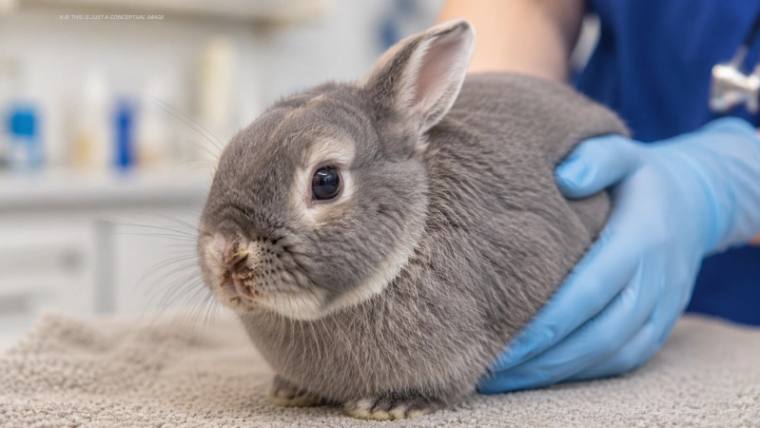
Rabbit veterinary examination: A veterinarian will examine your rabbit for signs of infection. They will check for nasal discharge, eye discharge, and breathing difficulty.
Bacterial culture testing: A bacterial culture can confirm pasteurella. A sample from the nose or throat is taken and cultured to identify the bacteria. False negatives can occur, so PCR testing may also be used.
Rabbit nasal swabs: A nasal swab collects a sample from the nasal passages. The sample is tested for bacteria.
Respiratory disease diagnosis: Diagnosis is based on clinical signs and laboratory testing. Your vet will recommend the appropriate tests.
Rabbit health assessment: Your vet will assess your rabbit's overall health. They will check for other conditions that may be causing similar symptoms.
Exotic pet veterinarian: Not all veterinarians are experienced with rabbit diseases. Find a vet who specializes in exotic pets or has experience with rabbits.
Diagnosis of pasteurella requires a veterinary examination and bacterial culture. PCR testing may also be used. A nasal swab can confirm the presence of Pasteurella multocida.
Antibiotics for Pasteurella
Antibiotics are the primary treatment for pasteurella in rabbits. Treatment requires veterinary supervision.
Antibiotics for pasteurella in rabbits: Common antibiotics include enrofloxacin, azithromycin, and trimethoprim-sulfa. Antibiotic choice should ideally be culture-guided and based on sensitivity testing. Your vet will prescribe the appropriate antibiotic based on the severity of the infection.
Antibiotics for rabbits respiratory infection: Respiratory infections require antibiotics. Your vet will prescribe the correct medication and dosage.
Antibiotics for rabbits snuffles: Snuffles is treated with antibiotics. Treatment typically lasts 2-4 weeks. Follow your veterinarian's instructions carefully.
Rabbit infection treatment: Treatment may include antibiotics, pain medication, and supportive care. Your vet will develop a treatment plan.
Veterinary prescribed antibiotics: Never give over-the-counter antibiotics to rabbits. Some antibiotics commonly used in other species can severely disrupt a rabbit's gut bacteria. Your vet will prescribe the correct medication.
Rabbit medication: Medication may be given orally, by injection, or topically. Follow your vet's instructions carefully.
Bacterial disease management: Managing pasteurella requires consistent treatment. Follow your vet's recommendations.
For more on veterinary care, see poorly rabbit.
Antibiotics are the primary treatment for pasteurella. Antibiotic choice should ideally be culture-guided and based on sensitivity testing. Some antibiotics can disrupt rabbit gut bacteria, so veterinary supervision is essential.
Long Term Management
Pasteurella can become chronic. Managing the condition long-term is essential for your rabbit's quality of life.
Chronic pasteurella infection: Some rabbits become chronic carriers. Some rabbits remain symptom-free carriers throughout their lives. Others may have intermittent symptoms for months or years. Management focuses on reducing flare-ups.
Rabbit respiratory care: Supportive care is essential. Keep the environment clean and stress-free. Provide a healthy diet.
Managing rabbit snuffles: Snuffles may require ongoing treatment. Your vet may recommend intermittent antibiotics for flare-ups.
Reducing disease flare-ups: Reduce stress and maintain a clean environment. A healthy rabbit is less susceptible to flare-ups.
Rabbit immune support: A healthy diet supports the immune system. Unlimited hay, fresh vegetables, and clean water are essential.
Environmental management: Clean the cage regularly. Ensure good ventilation. Reduce dust and irritants.
Ongoing veterinary care: Regular checkups are essential. Your vet can monitor your rabbit's condition and adjust treatment.
For more on rabbit care, see ideal rabbit cage and rabbit in cages.
Chronic pasteurella requires long-term management. Some rabbits remain symptom-free carriers throughout their lives. Focus on reducing stress, maintaining a clean environment, and supporting the immune system.
Prevention of Pasteurella
Preventing pasteurella is easier than treating it. Good care reduces the risk of infection.
Preventing pasteurella in rabbits: Maintain clean housing. Reduce stress. Quarantine new rabbits. Practice good hygiene.
Clean rabbit housing: Clean cages regularly. Remove soiled bedding promptly. A clean environment prevents disease.
Good ventilation: Ensure good airflow in the rabbit's room. Good ventilation reduces the concentration of bacteria.
Stress reduction: Provide a calm environment. Handle gently. Give hiding places. Keep other pets away.
Quarantine new rabbits: Quarantine new rabbits for 2-4 weeks before introducing them to existing rabbits. This prevents the spread of disease.
Routine health checks: Check your rabbit daily for signs of illness. Early detection prevents complications.
Healthy rabbit diet: Unlimited hay, fresh vegetables, and clean water support a strong immune system.
For more on prevention, see disease bunnies.
Prevent pasteurella with clean housing, good ventilation, stress reduction, quarantine of new rabbits, routine health checks, and a healthy diet.
Final Thoughts
Pasteurella in rabbits is a common bacterial infection that affects the respiratory system. It can cause snuffles, runny nose, and sneezing. Without treatment, it can lead to pneumonia and become chronic.
Pasteurella multocida can spread between rabbits, particularly through close contact and respiratory secretions, although many healthy rabbits carry the bacteria without developing disease. Early detection and treatment are essential for managing the disease.
Treatment includes antibiotics prescribed by a veterinarian. Antibiotic choice should ideally be culture-guided and based on sensitivity testing. Some rabbits become chronic carriers and may have intermittent symptoms. Managing the condition long-term is essential for quality of life.
Prevention is the best approach. Maintain clean housing, good ventilation, and reduce stress. Quarantine new rabbits. Routine health checks detect problems early.
For more information on rabbit health, see our guides on sick bunny, rabbit sneezing, and disease bunnies.
Trusted Resources for Rabbit Respiratory Health
- RSPCA Rabbit Health Guide – Expert advice on rabbit health and respiratory infections
- House Rabbit Society Health – Comprehensive health information for pet rabbits
- PDSA Rabbit Health – UK veterinary charity guidance on rabbit health
- Cornell University Rabbit Health – Veterinary research-based health information
- Humane Society Rabbit Care – General rabbit care and health guidance