Your betta is sitting at the bottom again. His fins look duller than usual, and now you've spotted a strange white patch near his side. Your stomach drops a little.
Is this a bacterial infection? And if it is, can he actually recover?
The good news is that most bacterial infections in betta fish are treatable, especially if you catch them early. This guide walks you through exactly what causes these infections, how to recognize them, and what to do right now to give your fish the best shot at healing.
What Is a Bacterial Infection in Betta Fish?
A bacterial infection in betta fish happens when harmful bacteria overwhelm the fish's natural defenses. Every aquarium already contains bacteria, even the clean ones. The problem starts when your betta's immune system can't keep up anymore.[1]
Bettas have a protective layer called the slime coat covering their skin. Think of it as a built-in raincoat against disease.
When that coat gets damaged by poor water, stress, or injury, bacteria get an easy way in. Most fish bacterial pathogens fall into two broad groups, gram-negative and gram-positive, and the type involved often determines which treatment actually works.
What Causes Bacterial Infections in Bettas?
In my experience, water quality is behind most bacterial outbreaks. Ammonia and nitrite spikes quietly stress a fish long before you notice any visible symptoms.
Overcrowded tanks make things worse too. So does keeping a betta without a heater, since cold, fluctuating temperatures wear down his immune defenses over time.
Injuries from sharp decorations or fin nipping create an easy entry point for bacteria. New fish brought home without a proper acclimation process are also at higher risk, since transport stress alone can suppress immunity for days.
Many beginners don't realize that fish bought from crowded store tanks sometimes arrive already carrying low-grade infections. The stress of a new home is often what tips things over the edge.
Is a Bacterial Infection in Betta Fish Contagious?
It depends on the type of bacteria and your other tank mates' health. Some infections, like columnaris, spread fast and aggressively between fish.
Others stay fairly localized, especially in a single-betta tank with no other fish around. If you're keeping a betta with tank mates, it's safest to assume any bacterial issue could spread and isolate the sick fish right away.
Early Symptoms of Bacterial Infection in Betta Fish
Lethargy is usually the first sign, often before anything visible shows up. A healthy betta that suddenly sits still at the bottom for hours is telling you something.
Watch for clamped fins, where the fins stay pressed close to the body instead of flowing naturally. Loss of color and faded vibrance are common too, especially in deep red or blue bettas.
You might also notice your fish skipping meals or showing far less interest in food than usual. If this continues for more than a day or two, it's worth checking on how long a betta fish can safely go without food while you investigate further.
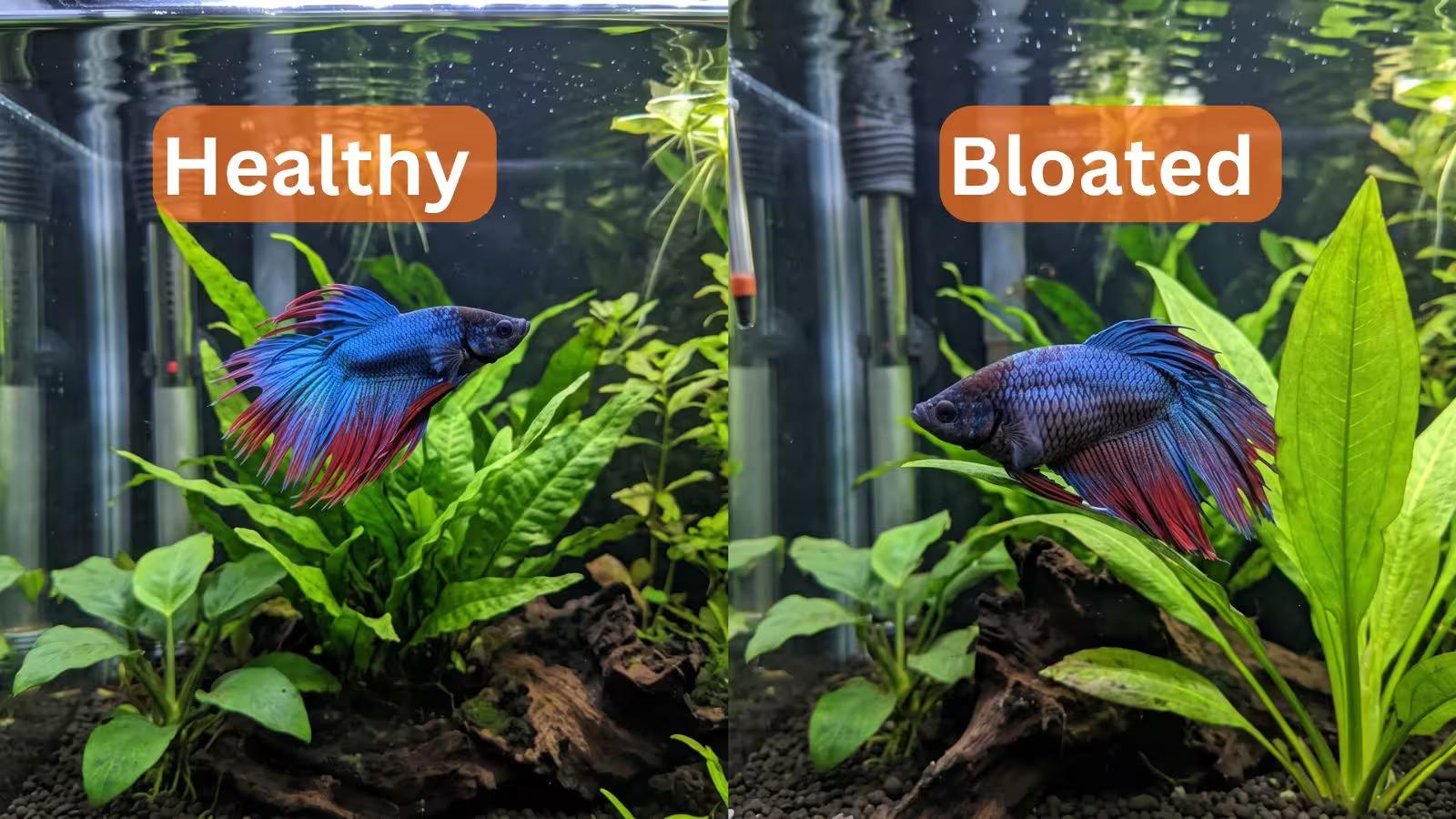
More advanced cases show physical changes. These include white or red patches, cloudy slime trailing off the body, blotchy sores, or a swollen belly.
Common Types of Bacterial Infections in Betta Fish
Bacterial disease in bettas doesn't show up as just one condition. It usually presents as one of several recognizable patterns, each with its own warning signs.
Fin Rot
Fin rot is probably the most common bacterial issue betta owners run into. The fin edges look frayed, ragged, or discolored, often with a black or red tinge along the damage.
It usually starts small and spreads if ignored. Catching it early means your betta has a real chance at regrowing those fins fully.
Columnaris (Cotton Disease)
Columnaris is caused by the bacterium Flavobacterium columnare and gets mistaken for a fungal infection constantly. The patches look fluffy and cotton-like, but the cause is bacterial, not fungal.[2]
This one moves fast. Don't wait a few days to see if it clears up on its own, because by then it may have already spread to the gills.
Dropsy and Pineconing
Dropsy causes extreme bloating and scales that stick out like a pinecone. It's one of the harder conditions to treat, and honestly, the outlook isn't great even with fast action.
This is different from a female betta carrying eggs, which also causes a swollen belly but without the pinecone scale pattern. If you're unsure, it helps to compare the signs against a normal pregnant betta fish before assuming the worst.
Popeye
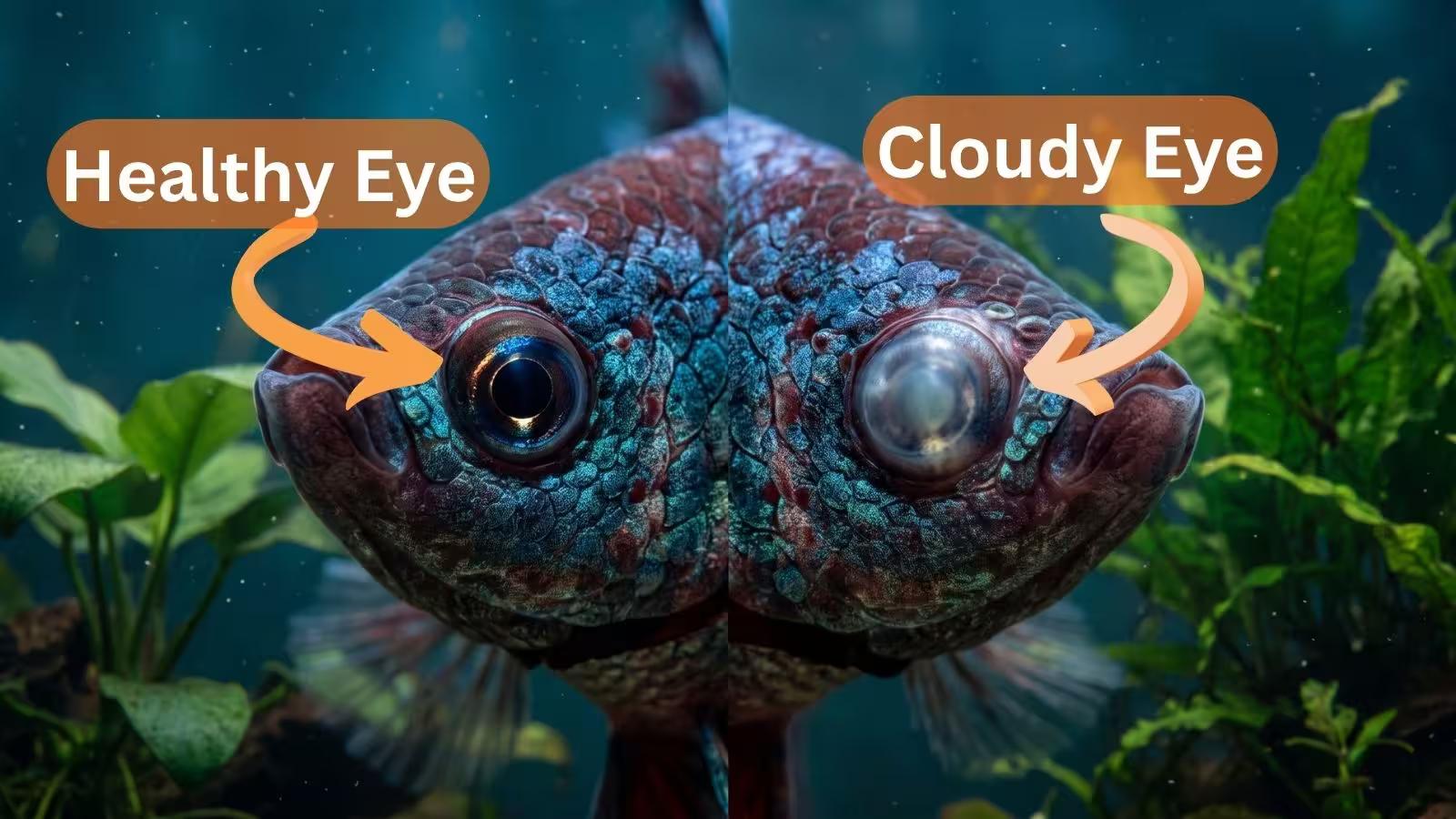
Popeye shows up as one or both eyes bulging outward, sometimes with redness around the eye itself. It can come from infection, injury, or poor water conditions building up over time.
Hemorrhagic Septicemia
This shows up as reddening under the scales, sometimes localized, sometimes spread across the whole body. It's harder to spot on darker colored bettas, so check carefully under good lighting.
By the time this appears, the infection is usually fairly advanced already.
Mouth Rot
Despite the name "mouth fungus," this is actually bacterial in most cases. You'll see an off-white or grey tuft around the mouth, jaw, or gills.
It can be confused with fin rot if it spreads to the body, so location matters when diagnosing it.
Ulcers and Sores
Open red sores or pus-filled lumps point toward a bacterial cause most of the time. Fish dealing with this often stop eating and become noticeably listless.
How to Tell If It's Really Bacterial
This is where a lot of beginners get stuck. Visual symptoms alone don't always confirm the cause, since fungal and parasitic issues can look similar at a glance.
One helpful clue is texture. Bacterial growths, like columnaris, tend to look flatter and almost woven, while true fungal infections look like loose, fluffy threads.
Before assuming infection, test your water. Ammonia, nitrite, and nitrate spikes alone can cause stress symptoms that mimic early infection, and treating water quality first sometimes resolves mild cases without any medication at all.
If your betta shows tiny white spots resembling sugar grains rather than patches, that's more likely ich than a bacterial issue. It's worth comparing against betta fish white spots on fins before starting antibiotic treatment.
How to Treat a Bacterial Infection in Betta Fish
Once you're fairly confident it's bacterial, here's the process that actually gives your betta a fighting chance.
Step 1: Set Up a Quarantine Tank
If your betta shares space with other fish, move him to a separate hospital tank right away. This protects tank mates and makes medicating much easier to manage.
A bare 2 to 5 gallon tank with a heater and gentle filtration works fine for short-term treatment. Keep it simple, since decorations just make cleaning harder during medication.
Step 2: Do a Big Water Change
Start with a large water change, around 50 to 80 percent, removing any uneaten food or waste sitting at the bottom. Clean water alone reduces the bacterial load your fish is fighting against.
During treatment, plan on repeating a similarly large water change every two days. This keeps medication concentrations accurate and prevents waste from building back up.
Step 3: Choose the Right Antibiotic
Different bacteria respond to different medications, which is why a single "cure-all" rarely works as well as people hope. Kanamycin and erythromycin tend to cover a broad range of gram-negative infections like fin rot and columnaris.[3]
Ampicillin is commonly used for popeye and certain gram-positive infections. Always follow the dosage printed on the medication packaging exactly, since fish medications are formulated for aquarium use, not guesswork.
If you're running carbon in your filter, remove it before medicating. Carbon actively strips medication out of the water, which means it's quietly undoing your treatment without you realizing it.
Step 4: Support Recovery With Temperature and Stress Reduction
Keep the tank steady between 78 and 82°F during treatment. Stable warmth supports immune function without pushing your fish into additional stress.
Dim lighting and minimal handling also help. A stressed fish heals slower, even with the right medication on board.
Good aeration matters here too, since some medications lower available oxygen in the water. A gentle source of surface movement, like a bubbler, can support oxygen levels without creating too much current for a recovering fish.
Preventing Bacterial Infections Before They Start
Most bacterial problems trace back to the same root causes, which means prevention really does work. A properly cycled tank with stable ammonia and nitrite readings near zero removes most of the risk on its own.
Getting the basics right from day one matters more than people expect. A solid betta fish tank setup with a working filter and heater prevents the slow water quality decline that invites bacteria in.
Weekly water changes of 20 to 30 percent keep waste from accumulating between cleanings. Avoid overfeeding too, since leftover food breaks down and feeds the exact bacteria you're trying to avoid.
A balanced diet also plays a bigger role than most beginners assume. Feeding quality fish food made for bettas supports a stronger immune system that resists infection in the first place.
Quarantine new fish and plants for two weeks before adding them to your main tank. This single habit prevents a huge number of outbreaks that otherwise catch owners completely off guard.
When to Get Professional Help
I'll be honest with you here, since most articles gloss over this part. Some bacterial conditions, especially advanced dropsy or fish tuberculosis, have a genuinely low recovery rate even with proper treatment.
That doesn't mean treatment isn't worth trying. Catching things early dramatically improves the odds, and many fin rot or early columnaris cases recover fully with consistent care.
If symptoms keep worsening after a full course of antibiotics, or your fish stops eating entirely, it's time to consult a vet experienced with fish. Aquatic vets can run cultures to identify the exact bacteria involved, which leads to far more targeted treatment than guessing at home.
Bacterial infections sound scary, especially the first time you spot one. But most cases, especially fin rot, popeye, and early columnaris, respond well to a clean tank, the right antibiotic, and a bit of patience.
Keep an eye on your water parameters, feed a balanced diet, and quarantine anything new before it joins the main tank. Those three habits alone prevent the vast majority of bacterial problems before they ever start.
Sources
[1] PetMD – Bacterial Infections (Aeromonas) in Fish
https://www.petmd.com/fish/conditions/skin/c_fi_aeromonas
[2] Tropicflow – 11 Common Betta Fish Diseases and How to Treat Them
https://www.tropicflow.com/blogs/guide-knowledge/common-betta-fish-diseases
[3] Hepper Pet Resources – Common Betta Fish Diseases: Prevention, Signs, and Treatment
https://articles.hepper.com/betta-fish-diseases/
[4] PetMD – Flavobacteria Infection (Bacterial Gill Disease) in Fish
https://www.petmd.com/fish/infectious-parasitic/c_fi_bacterial_gill_disease