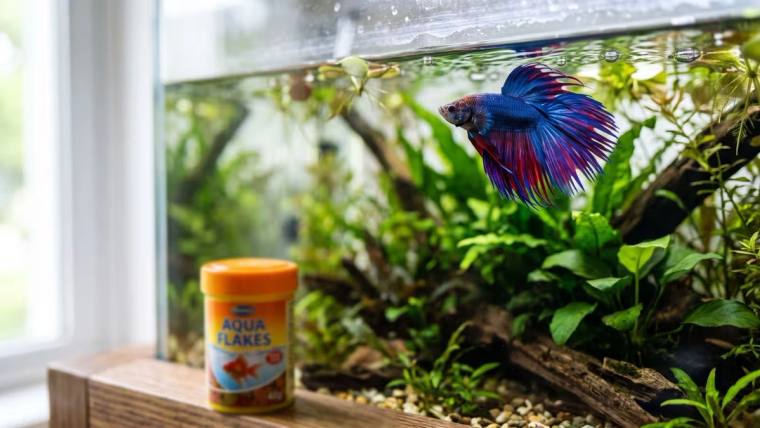
You just got home, grabbed the fish food, and realized it's goldfish flakes, not betta pellets. Your betta is already swimming at the surface, ready to eat. So you wonder: can he just have a pinch of these for now?
It's a question more betta owners run into than you'd think. And the answer isn't a simple yes or no. Bettas can technically eat goldfish flakes without dying on the spot, but there's a real nutritional mismatch happening every time you feed the wrong food.
In this article, you'll learn exactly what goldfish flakes do to a betta, why their dietary needs are so different, what safer emergency options exist, and what a proper betta diet actually looks like. By the end, you won't have to guess anymore.
What Do Betta Fish Actually Eat in the Wild?
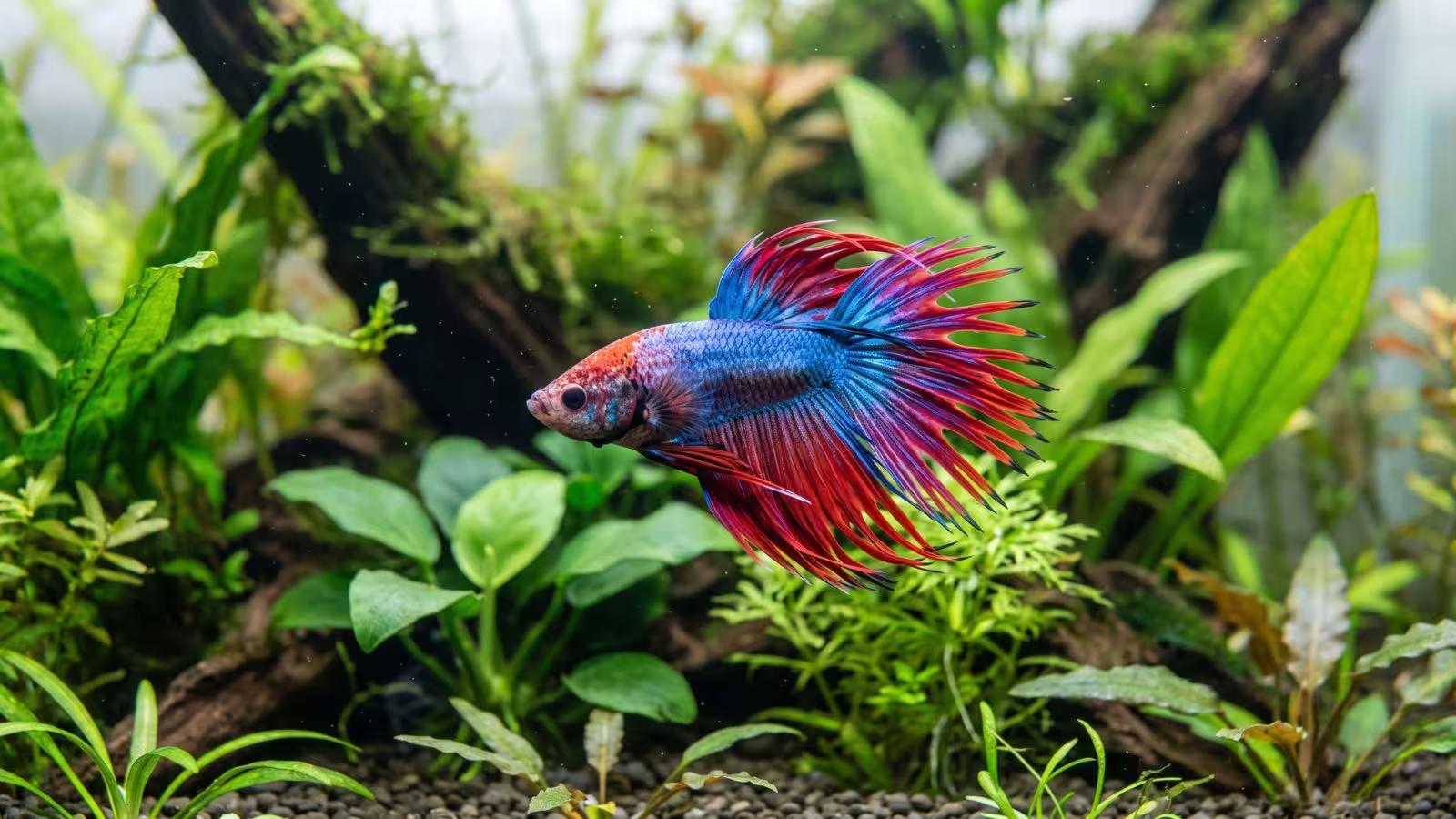
To understand why goldfish flakes fall short, it helps to know where bettas come from. In the wild, Betta splendens lives in shallow, slow-moving waters across Thailand, Cambodia, and Vietnam, including rice paddies, ponds, and streams.[1]
Their natural diet is almost entirely animal-based. They hunt aquatic insects, mosquito larvae, small invertebrates, and zooplankton near the water's surface. Plant matter barely enters the picture.
That hunting lifestyle shaped their entire biology. A betta's upward-pointing mouth is designed to snatch prey from the surface film, not graze on plant-based flakes drifting through the water column.
Why Betta Fish Are Carnivores, Not Omnivores
Betta fish have a short, simple digestive tract built for breaking down animal protein efficiently. They don't process plant starches, grain fillers, or high-fiber ingredients the way omnivorous fish do.
Goldfish, on the other hand, are true omnivores. They thrive on a mix of plant material, algae, carbohydrates, and protein. Their digestive system is longer and better equipped to extract nutrients from plant-based ingredients.
Feeding betta food designed for goldfish is like giving a cat food made for rabbits. The animal can swallow it, but the nutritional foundation is completely wrong for their biology.
| Feature | Betta Fish | Goldfish |
|---|---|---|
| Diet Type | Carnivore | Omnivore |
| Protein Need | 40-45%+ | 25-30% |
| Plant Matter Need | Minimal | Significant |
| Natural Food | Insects, larvae, invertebrates | Algae, plants, insects, detritus |
| Digestive System | Short gut, protein-focused | Longer gut, broader processing |
Can a Betta Fish Eat Goldfish Flakes?
Yes, a betta can physically eat goldfish flakes and digest them to a degree. You won't see your fish drop dead after one feeding. But that doesn't make it a safe or appropriate food choice.
The problem is nutritional, not immediate. Goldfish flakes are typically loaded with plant proteins, wheat, soy, and vegetable matter. The crude protein content usually sits around 28-32%, and much of that protein comes from plant sources rather than fish or insect meal.
Bettas need 40-45% or higher crude protein from animal-based sources. That gap adds up fast when goldfish flakes become a regular meal.
What Happens If a Betta Eats Goldfish Flakes Regularly?
In the short term, you might not notice anything alarming. Your betta will eat the flakes, swim around, and seem fine for the first week or two. That's actually what makes this situation tricky.
As weeks pass, the deficiencies start showing up quietly. The first signs are usually behavioral: reduced activity, less interest in exploring the tank, slower response to your presence near the glass.
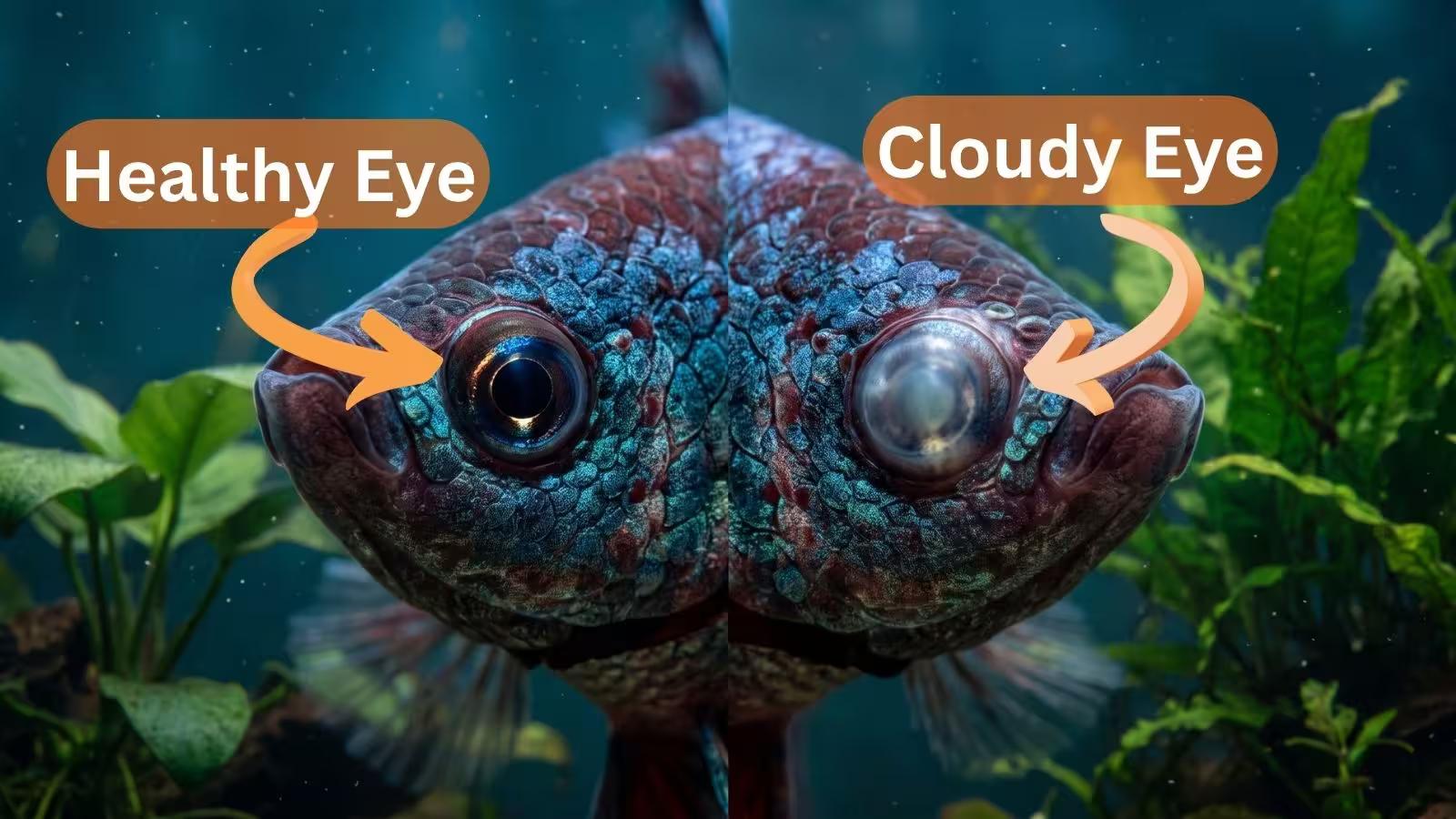
After a month or two on an improper diet, more visible symptoms tend to appear. Color fading is common because vibrant betta coloration depends on carotenoids and proper nutrition.[2] Fin quality can deteriorate, and the immune system weakens, leaving the fish more vulnerable to infections like fin rot or parasites like ich. If you've ever noticed a betta looking dull and sluggish without any obvious illness, poor diet is often the overlooked cause.
Long-term, a betta kept exclusively on goldfish flakes will almost certainly live a shorter, lower-quality life than one fed a proper high-protein diet.
Goldfish Flakes vs. Betta Pellets: Nutritional Comparison
The ingredient list tells the real story. Flip over a container of quality betta pellets and the first few ingredients should be things like salmon meal, shrimp meal, herring, or black soldier fly larvae. Those are animal-based proteins that match what a betta actually needs.
Goldfish flakes typically list wheat flour, soy protein, or spirulina near the top. Those might be perfectly fine for goldfish, but they don't deliver the amino acid profile a betta's carnivorous system is built around.
| Nutrient | Goldfish Flakes (avg) | Quality Betta Pellets (avg) |
|---|---|---|
| Crude Protein | 28-32% | 40-48% |
| Crude Fat | 4-6% | 6-10% |
| Crude Fiber | 4-6% | 2-4% |
| Main Protein Source | Plant/grain-based mix | Insect, shrimp, or fish meal |
| Designed Buoyancy | Varies | Floating, surface-oriented |
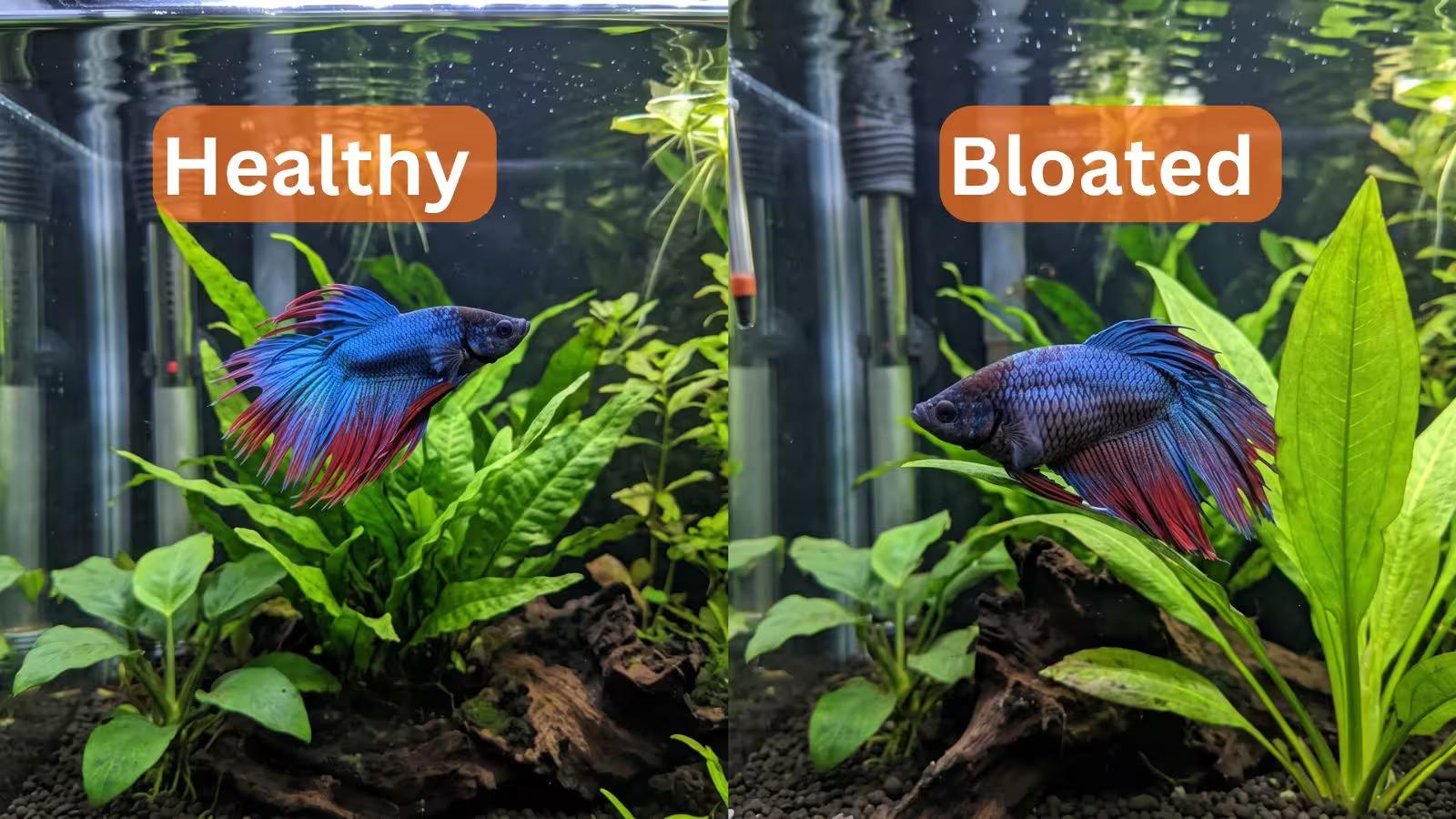
One more thing worth mentioning: flakes in general aren't the ideal format for bettas, even betta-specific flakes. They break apart quickly, sink fast, and often cause bloating issues. Pellets sized to your betta's mouth are almost always the better daily option.
Emergency Situation: What If You Have No Betta Food?
If you're completely out of betta food, don't panic. A healthy betta can actually go without food for up to 14 days before serious harm occurs, though that's obviously not a situation you want to let drag on. You can learn more about that in this guide on how long betta fish can go without food.
For a one or two day gap, skipping feeding is genuinely the safest option. Uneaten or undigested food causes more immediate problems, like ammonia spikes, than a brief fast does.
If you feel you need to feed something, goldfish flakes are acceptable for one or two days at most. Tropical flakes are a slightly better emergency choice because they tend to have a higher protein content, though they still fall short of betta-specific nutrition. Neither should become a routine substitute.
Can Betta Fish Eat Human Food?
This comes up a lot, especially in emergency situations. The short answer is: a few specific human foods are acceptable in very small amounts for a day or two, but none of them should become regular meals.
Things that are acceptable as rare emergency options include a tiny piece of raw or cooked unseasoned shrimp, which is actually one of the better options because it's high in protein and close to what bettas eat naturally. A tiny pinch of boiled egg yolk can also work in a genuine pinch.
What you should never feed a betta includes bread, crackers, any seasoned or processed meat, dairy products, or anything canned with salt or preservatives. These cause more harm than skipping a meal entirely. The rule is simple: if it has seasoning, salt, or sauce on it, keep it out of the tank.
Can Betta Fish Eat Tropical Flakes?
Tropical flakes are a step above goldfish flakes as an emergency substitute. They're formulated for omnivorous community fish, so the protein content and ingredient profile are generally closer to what bettas need than goldfish-specific food.
That said, they still don't hit the 40-45% animal protein threshold a betta actually needs. And flakes of any kind carry a bloating risk because they absorb water and expand in the stomach. If you're using tropical flakes as a short-term bridge, keep portions very small and only do it for a couple of days while you restock on proper betta pellets.
What Can Betta Fish Safely Eat?
Now for the good news: bettas actually have a pretty exciting range of foods they can eat, and a varied diet keeps them healthier and more active than pellets alone.
Can Betta Fish Eat Brine Shrimp?
Brine shrimp are one of the best supplemental foods you can offer a betta. They're high in protein, easy to digest, and trigger the betta's natural hunting instinct in a way that dry food never does. Watching a betta chase live brine shrimp around the tank is genuinely entertaining, and it provides real behavioral enrichment too.
You can offer brine shrimp live, frozen, or freeze-dried. Live and frozen are nutritionally superior. If you're using freeze-dried brine shrimp, soak them in a small amount of tank water for a few minutes before feeding. Freeze-dried foods expand after being eaten and can contribute to bloating if fed dry.
Two to three times per week as a supplement works well. They shouldn't replace pellets entirely, but as part of a varied diet, brine shrimp are excellent. For a more detailed look at the best foods overall, check out this guide on the best fish food for bettas.
Can Betta Fish Eat Shrimp?
Brine shrimp and mysis shrimp are both excellent treats. Mysis shrimp in particular are nutritionally rich, with a good fat and protein profile that supports betta health well.
As for larger tank shrimp like ghost shrimp or cherry shrimp, the situation is different. Those are potential tank mates, not food sources, and whether a betta bothers them depends a lot on the individual fish's temperament. More on that below.
If you have raw, unseasoned shrimp from the kitchen (the kind humans eat), a tiny sliver is fine as a very occasional treat or genuine emergency meal. Make sure it's completely plain with no added salt, seasoning, or preservatives.
Can Betta Fish Eat Snails?
In the wild, bettas do occasionally eat small snails as part of their natural diet. In captivity, small pest snails like bladder snails that appear in tanks are fair game and some bettas will actively hunt them.
Larger snails kept as tank mates, like nerite snails or mystery snails, are generally left alone by most bettas. Some more aggressive bettas will nip at them, but it's not typical predatory feeding behavior. Snails aren't a food source you'd deliberately cultivate for a betta, but if your tank has a small snail population and your betta picks at them occasionally, that's completely natural behavior.
Can Betta Fish Eat Ants?
This one surprises people, but yes, bettas can eat ants. In their natural habitat, surface-dwelling insects including ants that fall onto the water are part of what bettas eat. An ant dropping into a betta tank is just an insect to them.
In practice, feeding captive-caught ants carries a real risk. Garden ants or household ants may have been exposed to pesticides or insecticides, which can harm or kill a betta. If you want to offer insects, commercially bred insect-based foods like Fluval Bug Bites are the safe, reliable alternative. They deliver the same insect-protein nutrition without the chemical exposure risk.
Do Betta Fish Eat Goldfish? The Tank Compatibility Reality
This is a different kind of question than the food ones above, but it comes up often enough to address clearly. Betta fish do not eat goldfish in the way a predator consumes prey. But that doesn't mean they can safely share a tank.
Bettas are territorial and will fin-nip at goldfish, especially the flowing-tailed fancy varieties. Goldfish, meanwhile, are active, fast-moving fish that can stress a betta simply by their presence and movement patterns.
The bigger issue is temperature. Bettas need water between 76-82°F (24-28°C) to thrive. Goldfish are coldwater fish that do best between 65-72°F (18-22°C). There's no temperature that works well for both species simultaneously.[3] Keeping them together means one fish is always in water that's too warm or too cold for their health. They should never share a tank. If you're thinking about compatible tank mates for your betta, this guide on multiple betta fish in one tank covers the compatibility topic in more depth.
Do Betta Fish Eat Ghost Shrimp?
Ghost shrimp are semi-transparent small shrimp that some hobbyists keep as tank mates or use as live food. Whether a betta treats them as a snack or a tank mate depends almost entirely on the individual betta's personality.
Some bettas completely ignore ghost shrimp. Others will hunt and eat them, especially smaller juveniles. If you're keeping ghost shrimp as tank mates, add them to a well-planted tank with plenty of hiding spots and observe the betta's behavior carefully in the first few days. If you're offering them as intentional live food, they're a fine occasional treat, just make sure they come from a reputable source to avoid introducing parasites.
The Right Diet for a Betta Fish
Knowing what not to feed is only half the picture. Here's what a genuinely good betta diet looks like in practice.
Best Betta Pellets: How to Read the Label
The ingredient list is your most reliable guide. The first three ingredients should be animal-derived: fish meal, shrimp meal, salmon, herring, krill meal, or insect meal like black soldier fly larvae. If wheat flour, soy, or corn appears in the first few spots, it's not an ideal betta food regardless of what the packaging says.
Aim for crude protein at or above 40%. Pellet size matters too. A betta's stomach is roughly the size of its eye, so small, appropriately-sized pellets reduce the risk of overfeeding and bloating significantly.
Some reliable options that tick these boxes include Hikari Betta Bio-Gold, Fluval Bug Bites Betta Formula, NorthFin Betta Bits, New Life Spectrum Betta, and Omega One Betta Buffet Pellets. Each of these uses high-quality animal protein as the primary ingredient base. For a detailed breakdown of how these compare, see the full guide on the best fish food for bettas.
Ideal Betta Feeding Schedule
Overfeeding is one of the most common betta mistakes. The general rule: feed only what your betta can consume in about two minutes. Anything left floating after that should be removed with a net or turkey baster to prevent it from decomposing and spiking ammonia levels.
A routine that works well for most adult bettas:
- Morning and evening: 2-3 appropriately-sized betta pellets per feeding
- 2-3 times per week: supplement with frozen or freeze-dried treats like bloodworms, brine shrimp, daphnia, or mysis shrimp
- One day per week: a full fasting day to support digestive health and prevent constipation
- Remove uneaten food within 5 minutes to protect water quality
Fasting once a week sounds counterintuitive, but it genuinely helps bettas. Their digestive systems benefit from the break, and it reduces the risk of bloating and constipation that can lead to swim bladder problems.
Foods to Always Avoid for Bettas
Some foods show up in well-meaning advice but consistently cause problems. Goldfish flakes used long-term are the obvious one given everything above. Generic tropical flakes as a daily staple miss the protein mark and cause bloating. Bread and crackers have zero place in a betta's diet.
Feeder fish, sometimes sold as live food, carry a significant disease risk. They're often kept in poor conditions and can introduce parasites or bacterial infections directly into your tank. The temporary enrichment isn't worth the health risk. Stick to commercially processed frozen or freeze-dried live foods from reputable brands instead.
Poor diet doesn't just affect energy and color. A nutritionally deficient betta becomes more vulnerable to infections and diseases over time. If your betta has been showing signs of illness alongside a diet that wasn't quite right, this guide on betta fish diseases and cures is a helpful next read.
Getting betta nutrition right doesn't require a complicated routine. A quality pellet as the daily base, a varied supplement of frozen or live foods a few times a week, one fasting day, and a healthy tank with clean water covers the essentials. Goldfish flakes in a genuine emergency for a day or two won't cause lasting damage. But as a regular food, they simply don't give a carnivorous fish what it needs to stay healthy and vibrant long-term.
Sources
[1] Froese, R. and D. Pauly. Editors. FishBase - Betta splendens species profile. https://www.fishbase.se/summary/Betta-splendens.html
[2] Aquarium Co-Op - Fish Food and Nutrition Guide. https://www.aquariumcoop.com/blogs/aquarium/fish-food
[3] The Aquarium Guide - Betta Fish Care Sheet: Water Parameters and Tank Requirements. https://theaquariumguide.com/articles/betta-fish-care