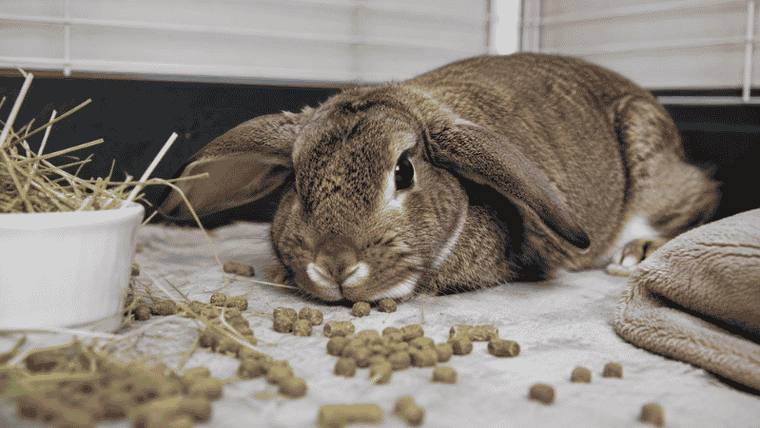
You offer your rabbit her favorite treat. She does not move. She does not sniff it. She does not even look at it. Your heart sinks. You ask yourself: why is my rabbit not eating?
A rabbit that stops eating is a medical emergency. According to the RSPCA, rabbits must eat continuously to keep their digestive system moving. If a rabbit stops eating for 6-12 hours, they are at risk of GI stasis, a life-threatening condition. The House Rabbit Society emphasizes that any rabbit refusing food needs immediate veterinary attention.
This guide covers everything about why rabbits stop eating: common causes, warning signs, emergency steps, and prevention. For general illness signs, see sick bunny. For dental problems, see malocclusion in rabbits. For end-of-life signs, see how to know if your rabbit is dying.
A rabbit not eating is a medical emergency. Rabbits must eat continuously to keep their digestive system moving. GI stasis can develop within 6-12 hours of not eating and can be fatal within 24-48 hours if untreated.
Why Is My Rabbit Not Eating
Why is my rabbit not eating? There are several possible causes. Understanding them helps you identify the problem and seek appropriate treatment.
Gastrointestinal stasis (GI stasis): This is the most common and dangerous cause. The digestive system slows or stops. A rabbit with GI stasis stops eating, produces few or no droppings, and sits hunched. According to veterinary sources, GI stasis is one of the most common and serious medical emergencies in pet rabbits.
Dental problems: Overgrown teeth or molar spurs cause mouth pain. A rabbit with dental pain cannot eat without discomfort. They may drop food, drool, or refuse hay.
Pain or injury: Arthritis, injury, or internal pain can cause appetite loss. A rabbit in pain may not want to move or eat.
Stress: Changes in environment, loud noises, new pets, or loss of a bonded partner can cause stress-related appetite loss.
Respiratory infection: A rabbit with a runny nose or difficulty breathing may stop eating. They cannot smell food properly or breathing is too difficult while eating.
Other illnesses: Fever, organ disease, or infections can cause appetite loss.
The table below summarizes common causes of appetite loss:
| Cause | Key Signs | Emergency Level | Action Needed |
|---|---|---|---|
| GI Stasis | No droppings, hunched, teeth grinding | Emergency | Vet immediately |
| Dental problems | Drooling, dropping food, weight loss | Urgent | Vet within hours |
| Pain/Injury | Limping, hunched, not moving | Urgent | Vet within hours |
| Stress | Hiding, changes in behavior | Non-urgent | Monitor, reduce stress |
| Respiratory infection | Runny nose, sneezing, labored breathing | Urgent | Vet within hours |
Common causes of appetite loss include GI stasis (life-threatening), dental problems, pain, stress, and respiratory infections. GI stasis requires immediate veterinary care.
Rabbit Not Eating Just Laying Down
A rabbit not eating just laying down is in critical condition. This combination of symptoms indicates severe illness. A rabbit that is too weak to sit up or move is in immediate danger.
Lethargic rabbit: A lethargic rabbit is inactive and unresponsive. They may be lying on their side or in a hunched position. They do not respond to you or their surroundings.
Rabbit weakness: A weak rabbit cannot stand or hop. They may stagger if they try to move. They may collapse when attempting to stand.
Rabbit not moving: A rabbit that does not move for hours is critically ill. They may be in too much pain to move. They may be too weak to shift position.
Rabbit sleeping excessively: A rabbit that sleeps constantly and does not wake to eat is very sick. Rabbits are crepuscular and active at dawn and dusk. Sleeping all day is abnormal.
Rabbit collapse symptoms: If your rabbit has collapsed or cannot stand, this is an emergency. They need immediate veterinary care. According to veterinary sources, collapse indicates severe organ failure or shock.
Sick rabbit behavior: A sick rabbit may sit hunched with their belly pressed to the floor. They may have their eyes partially closed. They may grind their teeth loudly (pain).
Emergency rabbit condition: A rabbit that is not eating and lying down is in a life-threatening emergency. Contact your vet immediately. Do not wait.
For more on emergency signs, see how to know if your rabbit is dying.
A rabbit not eating and lying down is in critical condition. This indicates severe weakness, pain, or organ failure. Immediate veterinary care is essential.
Gastrointestinal Stasis
GI stasis is the most common and dangerous cause of appetite loss in rabbits. Understanding this condition saves lives.
What is GI stasis? Gastrointestinal stasis occurs when the digestive system slows or stops completely. According to the Cornell University College of Veterinary Medicine, GI stasis is one of the most common and serious conditions in pet rabbits.
Causes: Low fiber diet, stress, pain from dental disease, dehydration, lack of exercise, and underlying illness. Rabbits must eat continuously to keep their digestive system moving.
Symptoms: A rabbit with GI stasis stops eating, produces few or no droppings, sits hunched, grinds teeth (pain), has a hard or bloated abdomen, and is lethargic.
Why GI stasis is dangerous: When the digestive system stops, gas builds up in the intestines. Bacteria imbalance occurs. The rabbit deteriorates rapidly. According to veterinary sources, GI stasis can be fatal within 24-48 hours if untreated.
What to do if you suspect GI stasis: Contact your veterinarian immediately. This is an emergency. Do not wait to "see if they improve." A rabbit with GI stasis needs immediate veterinary treatment including pain relief, fluid therapy, and gut motility drugs.
For more on GI stasis and digestive health, see poorly rabbit.
GI stasis is a life-threatening emergency where the rabbit's digestive system stops. Symptoms include not eating, no droppings, hunched posture, and teeth grinding. Immediate veterinary care is essential.
Dental Problems
Dental problems are a common cause of appetite loss in rabbits. A rabbit with mouth pain cannot eat without discomfort.
Rabbit dental disease: Dental disease is one of the most common health problems in pet rabbits. According to the PDSA, dental disease is a leading cause of appetite loss in rabbits.
Overgrown rabbit teeth: Overgrown incisors or molars cause pain. The rabbit cannot chew properly. They may drop food, drool, or refuse hay.
Malocclusion in rabbits: Malocclusion is the misalignment of teeth. It prevents normal wear and causes overgrowth. For detailed information, see our guide on malocclusion in rabbits.
Rabbit mouth pain: A rabbit with mouth pain may grind teeth loudly, paw at the mouth, or avoid eating. They may eat slowly or drop food.
Difficulty chewing: A rabbit with dental problems chews slowly or awkwardly. They may tilt their head while eating. They may prefer soft foods over hay.
Rabbit dropping food: A rabbit that drops food while eating has mouth pain. They may pick up food and drop it repeatedly.
For more on rabbit teeth, see rabbit teeth.
Dental problems cause mouth pain and appetite loss. Signs include drooling, dropping food, and preferring soft foods. Dental disease requires veterinary treatment.
Pain and Injury
Pain or injury can cause a rabbit to stop eating. A rabbit in pain may not want to move or eat.
Rabbit pain symptoms: Signs of pain include loud teeth grinding, hunched posture, unwillingness to move, and flinching when touched. A rabbit in pain may also hide more than usual.
Rabbit injury signs: Visible wounds, limping, swelling, or difficulty moving indicate injury. A rabbit with an injury may not eat.
Rabbit arthritis: Arthritis causes joint pain. An arthritic rabbit may have difficulty reaching food or water. They may also be in too much pain to eat.
Rabbit trauma: A fall, fight, or accident can cause injury. Trauma causes pain and stress, leading to appetite loss.
Rabbit limping: A rabbit that limps may be in pain. Pain causes stress, which can lead to appetite loss.
Rabbit discomfort: A rabbit in discomfort may shift position frequently, stretch out uncomfortably, or press their belly against the ground.
Rabbit stress response: Pain triggers a stress response. Stress weakens the immune system and can cause appetite loss.
Pain or injury causes appetite loss. Signs include teeth grinding, hunched posture, limping, and hiding. A rabbit in pain needs veterinary evaluation.
Stress and Environmental Causes
Stress can cause a rabbit to stop eating. Understanding environmental triggers helps you identify and reduce stress.
Stressed rabbit: A stressed rabbit may hide, thump, or show changes in behavior. Stress can cause appetite loss.
Rabbit anxiety: Loud noises, new pets, unfamiliar people, or changes in routine can cause anxiety. An anxious rabbit may not eat.
New home stress: Moving to a new home is stressful. A rabbit may stop eating for a day or two after a move. If they do not eat within 24 hours, contact a vet.
Loud noises and rabbits: Rabbits are sensitive to loud noises. Vacuum cleaners, construction, or barking dogs can stress rabbits. A stressed rabbit may stop eating.
Rabbit routine changes: Rabbits are creatures of habit. Changes in feeding time, cage location, or daily routine can cause stress.
Bonded rabbit loss: Losing a bonded partner is traumatic. A grieving rabbit may stop eating. This requires veterinary attention and supportive care.
Environmental stressors: Dirty cages, poor ventilation, and extreme temperatures can stress rabbits. A stressed rabbit is more susceptible to illness and appetite loss.
Stress from loud noises, routine changes, new environments, or loss of a bonded partner can cause appetite loss. Identify and reduce stressors.
Respiratory and Other Illnesses
Respiratory infections and other illnesses can cause appetite loss. A rabbit that cannot breathe or smell properly may stop eating.
Rabbit respiratory infection: A rabbit with a respiratory infection has a runny nose, sneezing, and labored breathing. They may stop eating because they cannot smell food or breathing is difficult while eating.
Rabbit runny nose: A runny nose with discharge indicates infection. A rabbit with a runny nose may have reduced appetite.
Rabbit sneezing: Sneezing with discharge indicates respiratory infection. For detailed information, see rabbit sneezing.
Rabbit breathing problems: Labored breathing or open-mouth breathing is an emergency. A rabbit with breathing problems may stop eating.
Rabbit fever symptoms: Fever causes lethargy and appetite loss. A rabbit with a fever may have warm ears and be unresponsive.
Infectious rabbit diseases: Other infections can cause appetite loss. A sick bunny may stop eating and show other signs of illness.
Rabbit illness symptoms: Any sign of illness can cause appetite loss. If your rabbit shows any signs of illness, contact a vet.
Respiratory infections and other illnesses cause appetite loss. Signs include runny nose, sneezing, labored breathing, and fever. Seek veterinary care.
Dangerous Symptoms That Need a Vet
Some symptoms indicate a life-threatening emergency. Knowing when to seek veterinary care saves your rabbit's life.
Rabbit not eating for 12 hours: A rabbit that has not eaten for 12 hours is in danger. GI stasis can develop quickly. This is an emergency.
Rabbit not eating for 24 hours: A rabbit that has not eaten for 24 hours is critically ill. Organ failure can occur. Immediate veterinary care is essential.
Rabbit not drinking water: A rabbit that is not eating and not drinking is severely dehydrated. Dehydration worsens organ failure.
Rabbit severe lethargy: A lethargic rabbit is unresponsive and weak. They may not respond to you or their surroundings.
Rabbit low body temperature: A rabbit with cold ears has a low body temperature. This indicates shock or organ failure.
Rabbit emergency symptoms: Emergency signs include collapse, labored breathing, open-mouth breathing, unresponsiveness, and no droppings for 12 hours.
Critical rabbit illness: A critically ill rabbit needs immediate veterinary care. Do not wait. According to the RSPCA, rabbits can deteriorate rapidly.
For more on emergency signs, see how to know if your rabbit is dying.
Emergency signs include not eating for 12+ hours, no droppings, severe lethargy, low body temperature, collapse, and labored breathing. Seek immediate veterinary care.
What to Do If Your Rabbit Stops Eating
If your rabbit stops eating, act quickly. Here are the steps to take.
Step 1: Call your vet immediately. Contact a rabbit-savvy veterinarian. Describe the symptoms. Ask if you should bring the rabbit in. For a rabbit not eating, this is an emergency.
Step 2: Check for droppings. Check the cage for droppings. A rabbit that is not eating and not producing droppings is in GI stasis. This is a life-threatening emergency.
Step 3: Offer favorite foods. Offer fresh hay, water, and favorite greens. Some rabbits will eat if offered something appealing. Do not force-feed.
Step 4: Keep the rabbit warm. A sick rabbit often has a low body temperature. Wrap them in a soft towel. Place a warm (not hot) water bottle nearby.
Step 5: Monitor symptoms. Note when the rabbit stopped eating, what they have eaten, and if there are any droppings. This information helps your vet.
Step 6: Do not give human medication. Never give human pain relievers or other medications to a rabbit. Many are toxic to rabbits.
Step 7: Follow veterinary advice. If the vet recommends treatment, follow their instructions carefully. If they recommend bringing the rabbit in, do so immediately.
For more on emergency care, see sick bunny.
If your rabbit stops eating, call your vet immediately, check for droppings, offer favorite foods, keep the rabbit warm, and monitor symptoms. Do not give human medications. A rabbit not eating is an emergency.
How to Prevent Appetite Problems
Prevention is the best approach. Good care reduces the risk of appetite problems.
Healthy rabbit diet: Unlimited hay is essential. Hay keeps the digestive system moving. Provide fresh water daily. Offer 1-2 tbsp pellets daily and 2 cups fresh leafy greens.
High fiber rabbit food: A high-fiber diet prevents GI stasis. Hay is the best source of fiber. According to the Humane Society, a hay-based diet prevents most digestive problems.
Unlimited hay for rabbits: Hay should be available at all times. Timothy hay is best for adults. Alfalfa hay is for young rabbits.
Routine health checks: Check your rabbit daily. Look at their teeth, nose, eyes, and bottom. Feel their body for lumps or weight loss. Observe their behavior and droppings.
Rabbit dental care: Annual dental checks by a rabbit-savvy vet are essential. Dental problems cause appetite loss. For more, see rabbit teeth.
Stress reduction: Provide a calm environment. Handle gently. Give hiding places. Keep other pets away.
Rabbit wellness monitoring: Weigh your rabbit weekly. Weight loss is a sign of inadequate eating. Early detection saves lives.
For more on rabbit care, see ideal rabbit cage and rabbit in cages.
Prevent appetite problems with unlimited hay, a balanced diet, routine health checks, dental care, stress reduction, and weekly weight monitoring. A hay-based diet prevents most digestive problems.
Final Thoughts
Why is my rabbit not eating? This is one of the most important questions a rabbit owner can ask. A rabbit that stops eating is in danger. GI stasis can develop within 6-12 hours and be fatal within 24-48 hours if untreated.
Common causes include GI stasis, dental problems, pain, stress, and respiratory infections. If your rabbit stops eating, act quickly. Call your vet immediately. Check for droppings. Offer favorite foods. Keep the rabbit warm. Do not give human medications.
Prevention is the best approach. Provide unlimited hay, a balanced diet, routine health checks, dental care, and stress reduction. A healthy rabbit is less susceptible to appetite problems.
For more information on rabbit health, see our guides on sick bunny, poorly rabbit, and rabbit teeth.
Trusted Resources for Rabbit Health
- RSPCA Rabbit Health Guide – Expert advice on rabbit illness and emergency care
- House Rabbit Society Health – Comprehensive health information for pet rabbits
- PDSA Rabbit Health – UK veterinary charity guidance on rabbit health
- Cornell University Rabbit Health – Veterinary research-based health information
- Humane Society Rabbit Care – General rabbit care and health guidance