Poorly Rabbit
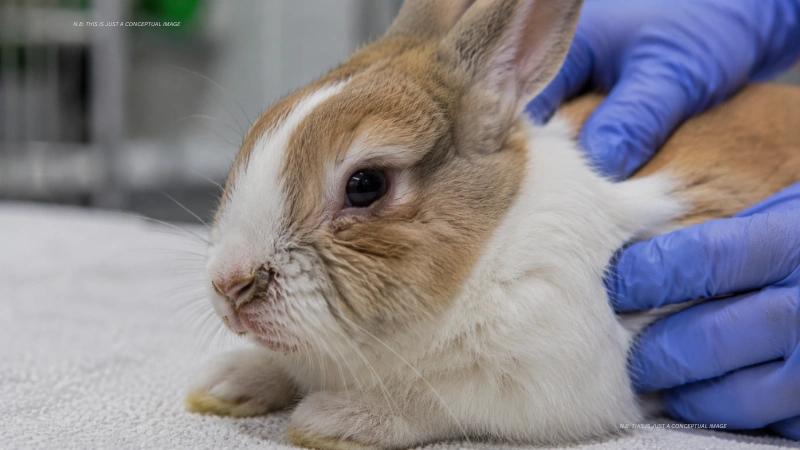
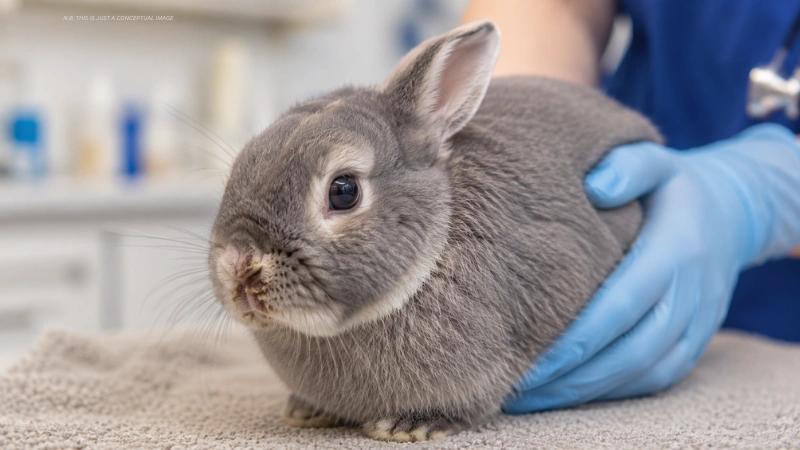
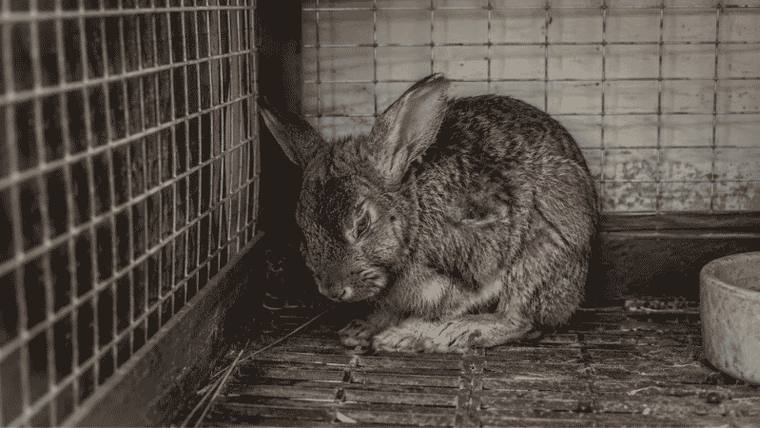
Your rabbit usually runs to the front of the cage when you approach. Today she is sitting in a corner. She does not move. She does not eat her favorite treat. You realize something is wrong. You have a poorly rabbit.
According to the RSPCA, rabbits are prey animals that instinctively hide signs of illness. In the wild, showing weakness attracts predators. This means your rabbit may appear fine until she is very sick. By the time you notice a poorly rabbit, the condition may already be advanced. Rabbit owners must learn to recognize subtle signs of illness.
This guide covers everything about poorly rabbits: early warning signs, common health conditions, when to seek emergency care, and how to prevent illness. For a complete overview of rabbit breeds and their general health characteristics, see our main guide on types of rabbits. For information on rabbit anatomy and how it affects health, see anatomy of a rabbit. If you are concerned about your rabbit's behavior, our guide on do rabbits bite can help distinguish pain-related aggression from normal behavior.
A poorly rabbit often hides signs of illness due to prey animal instincts. By the time symptoms are visible, the condition may be advanced. Learn to recognize subtle warning signs: changes in eating, behavior, posture, and droppings.
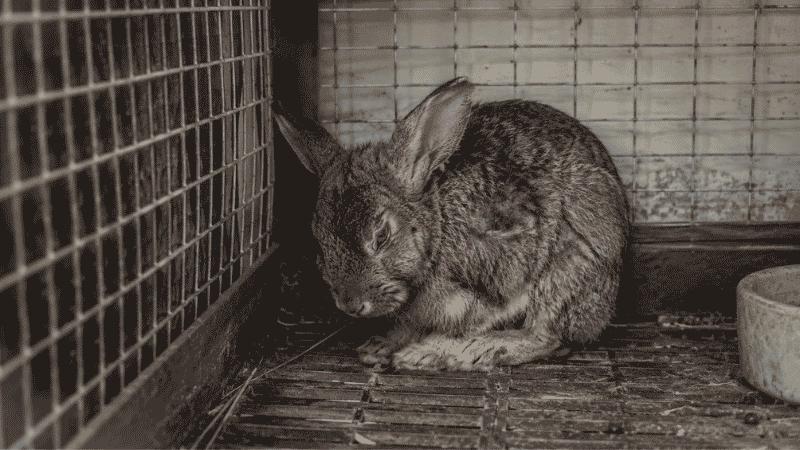
Can Rabbits Get Sick
Yes, rabbits can get sick. Like all animals, rabbits are susceptible to various health problems. Understanding rabbit health problems symptoms helps you catch issues early.
Can bunnies get sick from common causes? Yes. According to PDSA, rabbits can develop dental disease, respiratory infections, digestive problems, parasites, and other conditions. Some are preventable with proper care. Others require prompt veterinary treatment.
Rabbit health problems symptoms vary by condition. However, many illnesses share common warning signs. A poorly rabbit often shows changes in eating habits, behavior, droppings, or posture. Learning these signs helps you act quickly.
Why rabbits hide illness: According to veterinary research, rabbits are "prey species" that evolved to mask pain and weakness. In the wild, a rabbit showing signs of illness would be targeted by predators. This instinct persists in domestic rabbits. A poorly rabbit may eat, move, and behave normally until the condition is advanced.
Common causes of illness: The Humane Society identifies poor diet, dental problems, stress, unclean housing, and lack of exercise as primary contributors to rabbit illness. Many health problems are preventable with proper care.
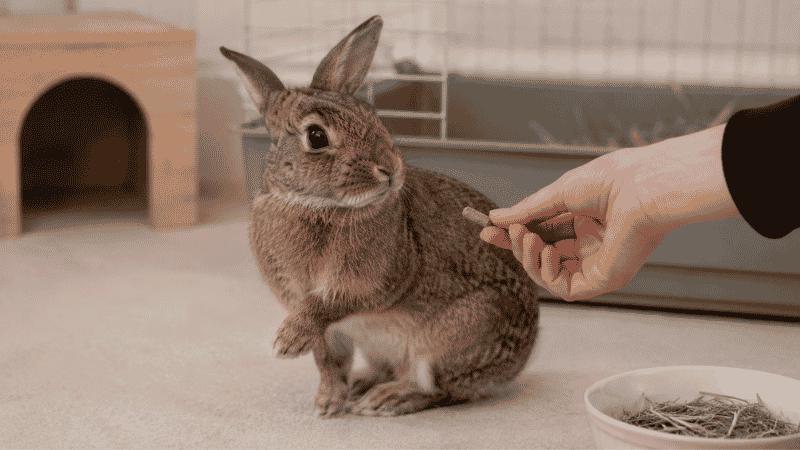
Rabbits can get sick from dental disease, respiratory infections, digestive problems, and parasites. Because they hide illness, owners must watch for subtle changes in eating, behavior, and droppings.
Signs of a Sick Rabbit: Quick Summary Chart
The table below summarizes the key warning signs of a poorly rabbit. Use this as a quick reference when checking your rabbit's health.
| Warning Sign | What to Look For | Possible Cause | Action Needed |
|---|---|---|---|
| Not eating | Refuses food, loses interest in treats | GI stasis, dental, stress | Emergency vet |
| No droppings | No or very small droppings | GI stasis | Emergency vet |
| Lethargy | Sitting hunched, not moving | Pain, fever, infection | Vet within hours |
| Hiding | Retreating to corner, not coming out | Pain, illness, stress | Monitor closely |
| Teeth grinding | Loud, persistent grinding | Pain, dental disease | Vet within hours |
| Runny nose/eyes | Discharge from nose or eyes | Respiratory infection | Vet within hours |
| Breathing changes | Fast breathing, mouth breathing | Respiratory distress | Emergency vet |
| Weight loss | Ribs/spine prominent | Dental, parasite, disease | Vet within days |
Use this quick reference chart to identify warning signs in a poorly rabbit. Any sign of not eating or no droppings requires immediate emergency veterinary care.
Detailed Signs of a Sick Rabbit
How to tell if your rabbit is sick? Watch for these detailed warning signs. A poorly rabbit may show one or more of these symptoms.
Changes in eating habits: A sick rabbit often stops eating or eats much less than usual. They may refuse favorite treats. They may also stop drinking water. This is a serious sign that requires immediate attention. According to the House Rabbit Society, a rabbit that stops eating for 6-12 hours is at risk of GI stasis, a life-threatening condition.
Changes in droppings: A poorly rabbit produces fewer droppings, smaller droppings, or no droppings at all. Droppings may also be soft, runny, or misshapen. Normal rabbit droppings are round, dry, and uniform in size. Any deviation is a warning sign.
Lethargy in rabbits: A sick rabbit becomes less active. They may sit hunched in a corner. They may not respond to you or their surroundings. They may sleep more than usual. A healthy rabbit is alert and curious. A poorly rabbit is withdrawn and unresponsive.
Rabbit hiding behavior: Rabbits hide when they feel unwell. A poorly rabbit may retreat to a corner of the cage and not come out. They may avoid interaction with you or other rabbits. While rabbits do hide normally, excessive hiding with other symptoms indicates illness.
Rabbit breathing problems: Rapid breathing, labored breathing, or mouth breathing are emergency signs. Rabbits normally breathe through their nose. Mouth breathing indicates severe distress. Normal rabbit breathing rate is 30-60 breaths per minute. More than 60 is concerning.
Rabbit discharge from eyes or nose: Runny eyes, discharge from the nose, or sneezing indicate respiratory infection. Dental disease can also cause eye discharge. Clear discharge may be early infection. White or yellow discharge indicates bacterial infection requiring antibiotics.
Rabbit weight loss: A poorly rabbit loses weight over time. You may feel the spine and ribs more prominently. Weight loss often accompanies dental disease or digestive problems. Monthly weight checks help detect problems early.
Rabbit posture changes: A sick rabbit may sit hunched with its belly pressed to the floor. They may grind their teeth loudly (a sign of pain). They may tilt their head to one side (ear infection). A rabbit that cannot sit upright or lies on its side is in critical condition.
Rabbit fur changes: A poorly rabbit may have a dull, messy coat. They may stop grooming themselves. Fur loss, dandruff, or bald patches indicate skin problems or parasites.
Rabbit temperature changes: Normal rabbit temperature is 101-103°F (38-39°C). A poorly rabbit with a fever has warm ears. A rabbit with low body temperature has cold ears and is in critical condition.
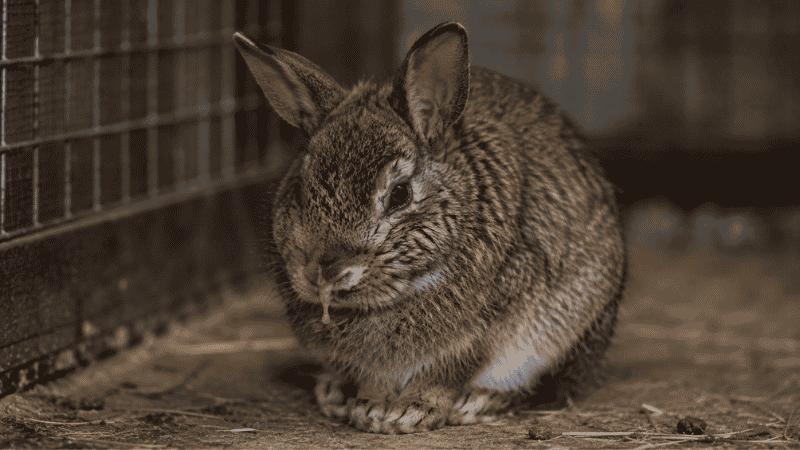
Detailed signs of a sick rabbit include not eating, changes in droppings, lethargy, hiding, breathing problems, discharge, weight loss, hunched posture, fur changes, and temperature changes. Any of these signs warrants veterinary attention.
Common Rabbit Health Conditions Comparison Chart
The table below compares common rabbit health conditions, their causes, symptoms, and treatment options.
| Condition | Primary Cause | Key Symptoms | Treatment | Prevention |
|---|---|---|---|---|
| GI Stasis | Low fiber diet, stress | Not eating, no droppings | Emergency vet treatment | Unlimited hay |
| Dental Disease | Lack of hay, genetics | Drooling, weight loss | Vet teeth trimming | Unlimited hay |
| Respiratory Infection | Bacteria (Pasteurella) | Sneezing, runny nose | Vet antibiotics | Clean environment |
| Ear Mites | Parasites | Head shaking, scratching | Vet medication | Regular ear checks |
| Flystrike | Flies on dirty fur | Maggots, lethargy | Emergency vet | Clean bottom area |
| Urinary Stones | High calcium diet | Straining to urinate | Vet treatment | Balanced diet, water |
Common rabbit health conditions include GI stasis (life-threatening), dental disease, respiratory infections, ear mites, flystrike, and urinary stones. Each has specific causes, symptoms, and prevention strategies.
How to Tell If Your Rabbit Is Dying
How to tell if your rabbit is dying? A poorly rabbit approaching the end of life shows severe symptoms. These signs indicate a critical emergency.
Severe lethargy: The rabbit is unresponsive. They cannot stand or move. They lie on their side or cannot sit up. They do not respond to your voice or touch. This is a sign of critical illness.
Refusing food and water: The rabbit has not eaten or drunk anything for 12 hours or more. They are losing weight rapidly. This leads to organ failure.
Rabbit low body temperature: A normal rabbit temperature is 101-103°F (38-39°C). A poorly rabbit with low temperature feels cold to the touch, especially the ears. This is a sign of severe illness and impending organ failure.
Rabbit collapse symptoms: The rabbit has collapsed or cannot stand. They may be limp or unresponsive. This is a medical emergency requiring immediate veterinary care.
Labored breathing: The rabbit is breathing with visible effort. They may be breathing through their mouth. Their breathing may be very shallow or irregular. This indicates respiratory distress.
Pain signs: The rabbit is grinding teeth loudly, hunched, or crying out in pain. Rabbits are silent animals; vocalization is a sign of extreme distress. According to veterinary sources, loud teeth grinding is a definitive sign of pain in rabbits.
Severe dehydration: The rabbit's skin does not snap back when gently pinched. Eyes are sunken. Gums are pale or sticky. This indicates severe dehydration and organ failure.
If you see any of these signs, your rabbit needs immediate veterinary care. Do not wait. Call your vet or go to an emergency animal hospital.
For more on end-of-life signs and care, consult your rabbit-savvy veterinarian. They can provide guidance on quality of life and humane options.
Signs that a rabbit is dying include severe lethargy, refusing food and water, low body temperature, collapse, labored breathing, signs of extreme pain, and severe dehydration. These symptoms require immediate veterinary care.
What to Do If Your Rabbit Is Sick
What to do if your rabbit is sick? Follow these steps to help your poorly rabbit and get appropriate care.
Step 1: Observe and assess. Note all symptoms. When did they start? Is the rabbit eating, drinking, pooping? Note any changes in behavior, posture, or droppings. This information helps your vet make a diagnosis.
Step 2: Call your vet. Call a rabbit-savvy veterinarian immediately. Describe the symptoms. Ask if you should bring the rabbit in. For a poorly rabbit that is not eating or pooping, this is an emergency.
Step 3: Keep the rabbit warm. A sick rabbit often has a low body temperature. Wrap them in a soft towel. Place a warm (not hot) water bottle nearby. Keep them in a quiet, warm room away from drafts.
Step 4: Offer food and water. If the rabbit is still eating, offer fresh hay, water, and favorite greens. Do not force-feed unless directed by a vet. Syringe feeding without guidance can cause aspiration pneumonia.
Step 5: Reduce stress. Keep the rabbit in a quiet environment. Minimize handling. Avoid loud noises, other pets, and children. Stress can worsen a poorly rabbit's condition.
Step 6: Monitor droppings. Check for droppings every few hours. If the rabbit produces no droppings for 12 hours, it is an emergency. Normal droppings indicate the digestive system is working.
Step 7: Do not give human medication. Never give human pain relievers, antibiotics, or other medications to a rabbit. Many human medications are toxic to rabbits. Ibuprofen and acetaminophen are deadly to rabbits.
Step 8: Follow veterinary advice. Administer any prescribed medications as directed. Follow up with the vet as recommended. Continue monitoring your rabbit's symptoms. Keep a log of eating, drinking, and droppings.
For more on rabbit care and housing that prevents illness, see rabbit in cages and ideal rabbit cage. For information on rabbit body structure and common health issues related to anatomy, see anatomy of a rabbit.
If your rabbit is sick, observe symptoms, call a rabbit-savvy vet immediately, keep the rabbit warm, offer food and water, reduce stress, monitor droppings, and never give human medications. Follow veterinary advice closely.
Preventing Illness in Rabbits
Prevention is the best way to avoid a poorly rabbit. Good care reduces the risk of common health problems.
Healthy rabbit diet: Unlimited hay (timothy or orchard grass) is essential. Hay wears down teeth and keeps the digestive system moving. Provide fresh water daily. Offer 1-2 tbsp pellets daily and 2 cups fresh leafy greens. Avoid sugary treats. According to the Humane Society, a hay-based diet prevents the most common health problems in rabbits.
Rabbit housing cleanliness: A clean environment prevents disease. Spot clean the litter box daily. Full clean weekly. Remove soiled bedding. Ensure good ventilation. Dirty cages cause respiratory infections and flystrike.
Rabbit health checks: Check your rabbit daily. Look at their eyes, nose, ears, and bottom. Feel their body for lumps or weight loss. Check their teeth for overgrowth. Observe their behavior and droppings. Monthly weight checks help detect problems early.
Rabbit vaccination: In some countries, vaccines are available for rabbit diseases like myxomatosis and RHDV. According to the PDSA, vaccination is essential in areas where these diseases are present. Ask your vet about vaccination recommendations in your area.
Stress reduction: Stress weakens the immune system. Provide a calm environment. Handle rabbits gently. Give them hiding places. Keep other pets away. Rabbits that feel safe are healthier.
Routine veterinary care: Annual checkups with a rabbit-savvy vet prevent problems. Dental checks, weight monitoring, and health assessments catch issues early. Senior rabbits need checkups twice yearly. Find a rabbit-experienced vet before you need one.
Exercise: Daily exercise prevents obesity and digestive problems. Allow 3-4 hours of free-roam time daily. Provide tunnels, toys, and climbing opportunities. Exercise keeps the digestive system moving.
For more on rabbit paw health and how it affects overall wellbeing, see rabbit paw anatomy. For housing guidance, see rabbit in cages.
Prevent illness with unlimited hay, clean housing, daily health checks, vaccination where available, stress reduction, routine veterinary care, and daily exercise. Most health problems are preventable with proper care.
Final Thoughts
A poorly rabbit requires immediate attention. Rabbits are prey animals that hide illness instinctively. By the time you notice symptoms, your rabbit may already be seriously ill. Learning to recognize early warning signs—changes in eating, behavior, droppings, and posture—saves lives.
The most common causes of illness in rabbits are preventable. Unlimited hay prevents dental disease and GI stasis. Clean housing prevents respiratory infections and flystrike. Daily health checks catch problems early. Annual veterinary care ensures ongoing health. Vaccination protects against deadly diseases where available.
If your rabbit shows any signs of illness, do not wait. Contact a rabbit-savvy veterinarian immediately. A poorly rabbit that receives prompt care has a much better chance of recovery. Keep your vet's contact information handy, including emergency clinic numbers. Know the signs of a sick rabbit. Monitor your rabbit's eating, drinking, and droppings daily. Trust your instincts. You know your rabbit best.
For more information on rabbit health and care, see our guides on types of rabbits, rabbit in cages, and anatomy of a rabbit.
Trusted Resources for Rabbit Health
- RSPCA Rabbit Health Guide – Expert advice on rabbit illness and care
- PDSA Rabbit Health – UK veterinary charity guidance
- House Rabbit Society Health – Comprehensive health information for pet rabbits
- Humane Society Rabbit Care – General rabbit care guidance
- Cornell University Rabbit Health – Veterinary research-based health information