Malocclusion in Rabbits
You notice your rabbit is drooling. Her chin is wet and matted. She drops food while eating. She has lost weight. You suspect something is wrong with her teeth. This could be malocclusion in rabbits.
According to the House Rabbit Society, malocclusion is one of the most common dental problems in pet rabbits. The term means "bad bite" or misalignment of the teeth. Because rabbit teeth grow continuously, malocclusion causes overgrowth that can lead to pain, infection, and starvation. The RSPCA notes that dental disease is one of the most common health problems in pet rabbits.
This guide covers everything about malocclusion in rabbits: what it is, why it happens, signs to watch for, treatment options, and prevention. For general illness signs, see sick bunny. For respiratory symptoms, see rabbit sneezing. For end-of-life signs, see how to know if your rabbit is dying.
Malocclusion in rabbits is a dental condition where teeth misalign and overgrow. Because rabbit teeth grow continuously, malocclusion causes overgrowth that leads to pain, infection, and starvation. Early detection and treatment are essential.
What Is Malocclusion in Rabbits
Malocclusion in rabbits refers to the misalignment of teeth. In a healthy rabbit, the upper and lower teeth meet properly, allowing them to wear down naturally through chewing. When teeth are misaligned, they do not meet correctly, so they overgrow.
Rabbit tooth misalignment: Misalignment occurs when the upper and lower teeth do not align properly. This can affect the incisors (front teeth), the molars (cheek teeth), or both. According to veterinary sources, malocclusion can be congenital (present at birth) or acquired (developing later).
Overgrown rabbit teeth: When teeth do not wear down, they continue to grow. Overgrown incisors can curl into the mouth or lips, causing pain and difficulty eating. Overgrown molars can form sharp spurs that cut the tongue and cheeks.
Rabbit dental abnormalities: Rabbits have six incisors (four upper, two lower) and up to 22 cheek teeth (premolars and molars). All of these teeth grow continuously. Any misalignment in any of these teeth can cause malocclusion.
Rabbit incisors: The incisors are the front teeth. They are the most visible and easiest to check. Overgrown incisors are the most common form of malocclusion.
Rabbit molars: The molars are the cheek teeth. Molar malocclusion is harder to detect because it is not visible without an oral examination. Molar spurs can cause severe pain.
Rabbit jaw alignment: Jaw misalignment is a common cause of malocclusion. A rabbit with a crooked jaw cannot wear teeth down evenly. This leads to overgrowth.
Rabbit chewing problems: A rabbit with malocclusion cannot chew properly. They may drop food, eat slowly, or refuse to eat altogether. This leads to weight loss and starvation.
The table below summarizes the key facts about malocclusion in rabbits:
| Fact | Details |
|---|---|
| Definition | Misalignment of teeth causing overgrowth |
| Affected teeth | Incisors (front teeth) and molars (cheek teeth) |
| Causes | Genetics, injury, poor diet, lack of hay |
| Key symptoms | Drooling, not eating, weight loss, dropping food |
| Treatment | Tooth trimming, extraction, surgery |
| Prevention | Unlimited hay, regular dental checks |
Malocclusion in rabbits is the misalignment of teeth causing overgrowth. It affects incisors and molars. Causes include genetics, injury, and poor diet. Key symptoms include drooling, not eating, weight loss, and dropping food.
Why Rabbits Develop Malocclusion
Understanding why malocclusion develops helps you prevent it. There are several causes, some preventable and some not.
Genetic dental defects: Some rabbits are born with malocclusion. This is common in certain breeds with shorter faces (brachycephalic breeds). According to the PDSA, genetic malocclusion is common in dwarf breeds like Netherland Dwarfs and Holland Lops.
Rabbit jaw deformities: Jaw deformities cause misalignment. A rabbit with a crooked jaw cannot wear teeth down evenly. This leads to overgrowth.
Hereditary rabbit conditions: Malocclusion can be inherited. Responsible breeders screen for dental problems and do not breed rabbits with malocclusion.
Injury related tooth problems: Trauma to the jaw or teeth can cause malocclusion. A rabbit that breaks a tooth or injures its jaw may develop dental problems.
Rabbit skull structure: Short-faced breeds (brachycephalic) are more prone to malocclusion. Their compressed skulls cause teeth to crowd and misalign.
Dental disease causes: Poor diet is a major cause. A diet lacking in hay does not provide enough chewing to wear teeth down. According to the Humane Society, a hay-based diet prevents most dental problems.
Poor tooth wear: Rabbits need to chew to wear down their teeth. Without adequate chewing, teeth overgrow. Hay provides the abrasive action needed for natural wear.
Rabbit growth abnormalities: Some rabbits develop malocclusion as they grow. The jaw may not develop symmetrically, causing misalignment.
Causes of malocclusion include genetics (common in dwarf breeds), jaw deformities, injury, poor diet (lack of hay), and skull structure. A hay-based diet prevents most dental problems.
Signs of Malocclusion
Recognizing the signs of malocclusion helps you seek treatment early. A rabbit with dental problems may show subtle signs at first.
Rabbit drooling: Drooling is one of the most common signs. A rabbit with dental pain drools excessively. The chin becomes wet and matted. This is called "wet chin" or "slobbers."
Rabbit not eating: A rabbit with dental pain stops eating or eats much less. They may be interested in food but cannot eat without pain. This leads to weight loss and GI stasis.
Rabbit weight loss: Weight loss is a common sign of dental disease. A rabbit that cannot eat enough loses weight. The spine and ribs become prominent.
Difficulty chewing: A rabbit with malocclusion chews slowly or awkwardly. They may tilt their head to one side while eating. They may drop food from their mouth.
Rabbit dropping food: A rabbit with dental problems often drops food while eating. They may pick up food and drop it repeatedly. This indicates mouth pain.
Wet chin in rabbits: A wet, matted chin is a classic sign of dental disease. The rabbit drools because mouth pain prevents swallowing.
Facial swelling in rabbits: Swelling around the jaw or face indicates dental abscess. An abscess is a collection of pus caused by infection. A rabbit with facial swelling needs immediate veterinary care.
Rabbit mouth pain: A rabbit in mouth pain may grind teeth loudly, paw at the mouth, or avoid eating. They may also become aggressive when handled near the face.
The table below summarizes the signs of malocclusion:
| Sign | What It Looks Like | Why It Happens | Action Needed |
|---|---|---|---|
| Drooling | Wet chin, matted fur | Pain prevents swallowing | See vet |
| Not eating | Refuses food, loses weight | Pain when chewing | Emergency vet |
| Dropping food | Picks up and drops food | Pain in mouth | See vet |
| Facial swelling | Swollen jaw or face | Abscess infection | Emergency vet |
| Teeth grinding | Loud grinding sound | Pain | See vet |
| Weight loss | Ribs prominent | Not eating enough | See vet |
Signs of malocclusion include drooling (wet chin), not eating, weight loss, dropping food, facial swelling, and teeth grinding. These signs indicate dental pain and require veterinary attention. Not eating is an emergency.
Overgrown Incisors
Overgrown incisors are the most visible form of malocclusion in rabbits. They are easy to spot and can cause significant problems.
Rabbit front teeth problems: Overgrown incisors are the most common dental problem in rabbits. The incisors (front teeth) grow continuously and can overgrow if not worn down properly.
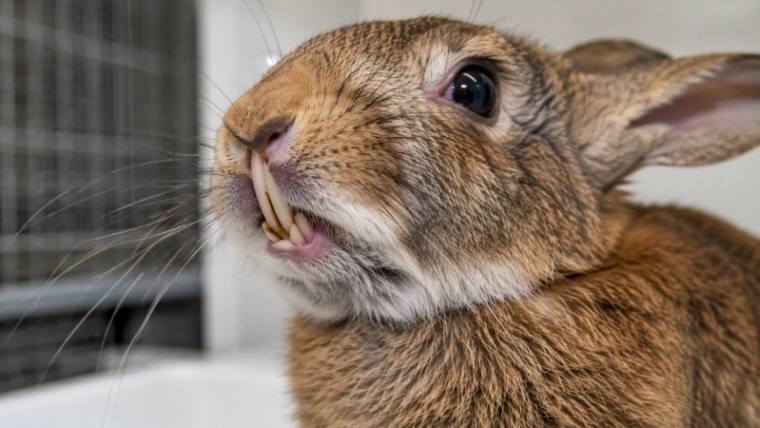
Overgrown rabbit incisors: Overgrown incisors can curl into the mouth or lips. They can grow so long that the rabbit cannot close its mouth. This makes eating impossible.
Crooked rabbit teeth: Some rabbits have crooked incisors. The teeth grow at an angle, causing them to wear unevenly. This leads to overgrowth.
Rabbit tooth trimming: Overgrown incisors need regular trimming. A veterinarian trims the teeth using a dental burr. Never trim teeth at home. You can split or break the tooth, causing pain and infection.
Rabbit eating difficulties: Overgrown incisors make eating difficult. The rabbit cannot pick up food or chew properly. They may drop food or refuse to eat.
Visible dental abnormalities: Overgrown incisors are visible. You can see them when the rabbit opens its mouth. They may be curved, crooked, or very long.
Rabbit oral discomfort: Overgrown incisors cause discomfort. The teeth may dig into the lips or gums. The rabbit may paw at its mouth.
Incisor malocclusion: Incisor malocclusion is the misalignment of the front teeth. It can be genetic or acquired. According to the Cornell University College of Veterinary Medicine, incisor malocclusion is common in dwarf breeds.
Overgrown incisors are the most visible form of malocclusion. They cause eating difficulties, oral discomfort, and can curl into the lips. Incisor malocclusion requires regular veterinary tooth trimming. Never trim teeth at home.
Molar Malocclusion
Molar malocclusion is harder to detect but often more painful than incisor malocclusion. It affects the cheek teeth.
Rabbit molar disease: Molar disease is common in rabbits. The molars (cheek teeth) can develop sharp spurs that cut the tongue and cheeks. According to the PDSA, molar disease is a leading cause of pain in rabbits.
Molar spurs in rabbits: Molar spurs are sharp points that develop on the edges of molars. They cut the tongue and cheeks, causing severe pain. A rabbit with molar spurs may drool, refuse food, and lose weight.
Rabbit tongue injuries: Molar spurs can cut the tongue. The rabbit may have ulcers or wounds on the tongue. This is very painful.
Rabbit cheek ulcers: Molar spurs can also cut the cheeks. The rabbit may have ulcers inside the mouth. These ulcers can become infected.
Hidden dental disease: Molar malocclusion is hidden. You cannot see it without a veterinary examination. A rabbit with molar disease may show signs of pain but appear normal otherwise.
Rabbit mouth examination: A veterinarian examines the mouth using a special scope called an otoscope. They can see the molars and check for spurs.
Molar overgrowth: Overgrown molars can form hooks that grow over the tongue. This makes eating very difficult.
Chronic rabbit pain: Molar disease causes chronic pain. A rabbit with molar spurs may be in constant discomfort. This leads to decreased appetite, weight loss, and depression.
Molar malocclusion is harder to detect but more painful. Molar spurs cut the tongue and cheeks, causing severe pain. A rabbit with molar disease may drool, refuse food, and lose weight. Molar spurs require veterinary treatment.
Diagnosing Dental Disease
Diagnosing dental disease requires a veterinary examination. A rabbit-savvy veterinarian can identify malocclusion and develop a treatment plan.
Rabbit dental examination: A veterinarian examines the rabbit's mouth. They check the incisors and molars. They look for overgrowth, spurs, and injuries.
Rabbit oral checkup: An oral checkup includes examining the teeth, gums, and tongue. The vet looks for ulcers, swelling, and signs of infection.
Rabbit dental x-rays: X-rays are essential for diagnosing molar disease. They show the roots of the teeth and the jawbone. According to veterinary sources, dental x-rays are the most reliable way to diagnose molar malocclusion.
Veterinary dental care: A rabbit-savvy vet provides dental care. They have the training and equipment to treat rabbit dental problems safely.
Rabbit health assessment: The vet assesses the rabbit's overall health. They check weight, body condition, and other symptoms.
Dental disease diagnosis: Diagnosis is based on physical examination and x-rays. The vet identifies the type and severity of malocclusion.
Exotic pet veterinarian: Not all vets treat rabbits. Find a vet with experience in rabbit dentistry. Ask about their rabbit experience when scheduling.
Rabbit dental imaging: Dental x-rays show the teeth roots and jawbone. They help the vet plan treatment.
Diagnosing dental disease requires a veterinary examination and dental x-rays. X-rays are essential for diagnosing molar malocclusion. Find a rabbit-savvy veterinarian for dental care.
Treatment Options
Treatment for malocclusion depends on the severity and type of misalignment. Options range from tooth trimming to extraction.
Rabbit tooth trimming: Tooth trimming is the most common treatment. A veterinarian trims overgrown teeth using a dental burr. The rabbit may need regular trims every 2-8 weeks.
Rabbit dental burring: Burring is the process of grinding down teeth. It is done under sedation or anesthesia. The vet smoothes the teeth to remove spurs and overgrowth.
Rabbit dental surgery: Surgery may be necessary for severe malocclusion. The vet may extract affected teeth. In some cases, they may remove incisors or molars.
Treatment for malocclusion: Treatment depends on the cause. Genetic malocclusion may require lifelong management. Acquired malocclusion may be treatable with diet changes.
Ongoing dental care: A rabbit with malocclusion needs ongoing care. Regular dental trims may be necessary. The vet will recommend a schedule.
Rabbit pain management: Pain medication may be prescribed. A rabbit with dental pain needs pain relief to eat and recover.
Corrective dental procedures: Some rabbits need corrective procedures. The vet may realign teeth or remove damaged teeth.
Long term rabbit treatment: Malocclusion is often a chronic condition. The rabbit may need lifelong dental care. According to the Humane Society, regular dental checkups are essential for rabbits with malocclusion.
Treatment for malocclusion includes tooth trimming, burring, and surgery. Genetic malocclusion often requires lifelong management. Regular dental trims may be necessary every 2-8 weeks. Pain management is essential.
What Do You Call a Rabbit With No Teeth
What do you call a rabbit with no teeth? There is no specific name. They are simply a rabbit that has had teeth extracted. Some rabbits live without front teeth after extraction.
Toothless rabbit: A toothless rabbit is one that has had teeth removed. This is often necessary for severe malocclusion. Removing the teeth eliminates the need for repeated trims.
Rabbit tooth extraction: Tooth extraction is a surgical procedure. A veterinarian removes the affected teeth under anesthesia. The rabbit recovers with soft food.
Living without rabbit incisors: Rabbits can live without front teeth. They cannot pick up hay or chew hard foods. They need a soft food diet.
Special care for toothless rabbits: A toothless rabbit needs special care. They need soft foods and supportive feeding. They may need help maintaining weight.
Rabbit soft food diet: A toothless rabbit eats soft foods. Critical Care (a powdered recovery food), mashed pellets, and softened vegetables are good options.
Dental extraction recovery: Recovery from extraction takes time. The rabbit needs soft food and pain medication. The vet will provide post-operative care instructions.
Quality of life after extraction: Rabbits can have good quality of life without teeth. They need supportive care and a soft food diet. According to veterinary sources, many rabbits thrive after dental extraction.
What do you call a rabbit with no teeth? A rabbit that has had teeth extracted. Rabbits can live without front teeth with a soft food diet and supportive care. Tooth extraction may be necessary for severe malocclusion.
Feeding a Rabbit with Dental Problems
Feeding a rabbit with dental problems requires adjustments. A rabbit in pain may not eat enough.
Rabbit soft food diet: Soft foods are easier to eat. Offer softened pellets, mashed vegetables, and Critical Care (powdered recovery food).
Critical Care rabbit food: Critical Care is a powdered recovery food. Mix it with water to form a paste. It provides nutrition for rabbits that cannot eat.
High fiber rabbit nutrition: Fiber is essential. Offer soft hay, hay pellets, or hay-based recovery foods.
Rabbit feeding assistance: A rabbit with dental problems may need hand-feeding. Offer small amounts of soft food frequently. Syringe feeding may be necessary.
Hay and dental health: Hay is essential for dental health. Rabbits need hay to wear down their teeth. For a rabbit with dental problems, offer soft hay options.
Pellet feeding adjustments: Soak pellets in water to soften them. This makes them easier to eat.
Supportive rabbit care: Monitor weight and eating. A rabbit that stops eating needs veterinary attention. GI stasis can develop quickly.
Maintaining rabbit weight: Weight loss is a sign of inadequate eating. Weigh your rabbit weekly. If weight drops, increase soft food offerings.
For more on rabbit nutrition, see types of rabbits.
Feeding a rabbit with dental problems requires soft foods, Critical Care, and supportive feeding. Hay is essential for dental health, but soft hay options may be needed. Monitor weight and eating closely.
Preventing Dental Problems
Prevention is the best way to avoid malocclusion. Good care reduces the risk of dental disease.
Rabbit hay diet: Unlimited hay is essential. Hay provides the abrasive action needed to wear teeth down. According to the Humane Society, a hay-based diet prevents most dental problems.
Proper rabbit nutrition: A balanced diet supports dental health. Unlimited hay, limited pellets, and fresh greens.
Preventing overgrown teeth: Chewing hay prevents overgrowth. Provide plenty of chew toys for additional wear.
Rabbit dental checkups: Annual dental checks by a rabbit-savvy vet are essential. Early detection prevents serious problems.
Healthy tooth wear: Hay and chew toys promote natural tooth wear. A rabbit that chews enough does not develop overgrown teeth.
Fiber rich rabbit diet: High fiber diet supports dental health. Hay is the best source of fiber.
Routine rabbit health care: Include dental checks in routine care. Check your rabbit's teeth regularly.
Early dental detection: Early detection saves teeth. A rabbit with early malocclusion can be treated with diet changes before surgery is needed.
For more on rabbit health and wellness, see anatomy of a rabbit and ideal rabbit cage.
Prevent dental problems with unlimited hay, a balanced diet, regular dental checkups, and chew toys. A hay-based diet prevents most dental problems. Early detection saves teeth.
Complications of Untreated Malocclusion
Untreated malocclusion leads to serious complications. A rabbit with untreated dental disease suffers unnecessarily.
Rabbit starvation risk: A rabbit that cannot eat starves. Malocclusion causes pain that prevents eating. Starvation is a common cause of death in rabbits with untreated dental disease.
Severe weight loss: Weight loss is a sign of starvation. A rabbit that loses weight rapidly is in danger.
Rabbit abscesses: Dental abscesses are common complications. Infection spreads from the tooth root to the jawbone. Abscesses are painful and difficult to treat.
Chronic pain in rabbits: Untreated malocclusion causes chronic pain. A rabbit in pain suffers constantly. This leads to depression and reduced quality of life.
Jaw infections: Infection can spread from the teeth to the jawbone. Jaw infections are serious and require aggressive treatment.
Rabbit digestive problems: A rabbit that does not eat develops GI stasis. GI stasis is life-threatening.
Reduced quality of life: Untreated malocclusion reduces quality of life. A rabbit in pain cannot enjoy normal activities.
Advanced dental disease: Advanced disease is harder to treat. Early intervention prevents progression.
For more on emergency signs, see how to know if your rabbit is dying.
Untreated malocclusion leads to starvation, severe weight loss, abscesses, chronic pain, jaw infections, GI stasis, and reduced quality of life. Early treatment prevents complications.
Final Thoughts
Malocclusion in rabbits is a serious dental condition that requires prompt attention. Signs include drooling, not eating, weight loss, dropping food, and facial swelling. If you notice any of these signs, contact a rabbit-savvy veterinarian immediately.
Treatment options include tooth trimming, burring, and extraction. Genetic malocclusion often requires lifelong management with regular dental trims. Rabbits can live without front teeth with a soft food diet and supportive care.
Prevention is the best approach. Provide unlimited hay, a balanced diet, and regular dental checkups. A hay-based diet prevents most dental problems. Early detection and treatment save teeth and prevent suffering.
For more information on rabbit health, see our guides on sick bunny, poorly rabbit, and anatomy of a rabbit.
Trusted Resources for Rabbit Dental Health
- House Rabbit Society Health – Comprehensive health information including dental care
- RSPCA Rabbit Health Guide – Expert advice on rabbit health and dental problems
- PDSA Rabbit Health – UK veterinary charity guidance on rabbit dental health
- Cornell University Rabbit Health – Veterinary research-based health information
- Humane Society Rabbit Care – General rabbit care and dental health guidance