How to Know If Your Rabbit Is Dying
You find your rabbit lying on her side. She does not respond to your voice. Her ears are cold. She has not eaten all day. Your heart sinks. You need to know: how to know if your rabbit is dying.
According to the RSPCA, rabbits are prey animals that hide signs of illness until they are critically ill. A rabbit that shows obvious symptoms is often in the final stages of illness. The House Rabbit Society emphasizes that rabbits can deteriorate rapidly. Knowing the signs that your rabbit is dying helps you act quickly and make informed decisions.
This guide covers the critical signs that your rabbit is dying, what to do in an emergency, common fatal conditions, and when euthanasia may be considered. For general illness signs, see our guide on sick bunny. For respiratory symptoms, see rabbit sneezing. For overall health monitoring, see poorly rabbit.
How to know if your rabbit is dying? Critical signs include not eating, no droppings, collapse, labored breathing, cold ears, extreme lethargy, and unresponsiveness. These signs require immediate veterinary attention. Rabbits deteriorate rapidly, so do not wait.
Signs That Your Rabbit Is Dying
How do you know if your bunny is dying? Recognizing the signs that your rabbit is dying helps you act quickly. These symptoms indicate critical illness requiring immediate veterinary care.
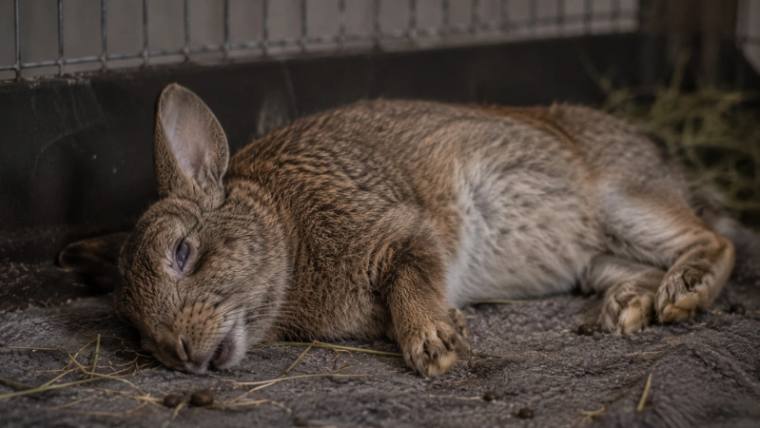
Rabbit collapse symptoms: A rabbit that collapses or cannot stand is in critical condition. They may lie on their side and be unable to get up. This is a medical emergency. According to veterinary sources, collapse indicates severe organ failure or shock.
Rabbit severe weakness: A dying rabbit is extremely weak. They cannot hold their head up. They may be limp when handled. They do not respond to gentle touch or voice.
Rabbit inability to move: A rabbit that cannot move, hop, or shift position is critically ill. They may lie in one spot for hours without moving. This is a sign of severe weakness or paralysis.
Rabbit unresponsive behavior: A dying rabbit does not respond to their owner's voice, touch, or presence. They may be conscious but unaware. This indicates severe neurological depression or organ failure.
Rabbit critical condition: A rabbit in critical condition shows multiple severe symptoms simultaneously: collapse, labored breathing, cold ears, and unresponsiveness. This is a life-threatening emergency.
Rabbit poor body condition: A dying rabbit often has a gaunt appearance. The spine and ribs are prominent. The rabbit looks thin and frail. This indicates long-term illness or rapid deterioration.
The table below summarizes the critical signs that your rabbit is dying:
| Critical Sign | What It Looks Like | What It Means | Action Needed |
|---|---|---|---|
| Collapse | Lying on side, cannot stand | Severe organ failure, shock | Emergency vet immediately |
| Not eating/drinking | Refuses all food and water for 12+ hours | GI stasis, organ failure | Emergency vet immediately |
| Labored breathing | Open-mouth breathing, gasping | Respiratory failure, distress | Emergency vet immediately |
| Cold ears | Ears feel cold to the touch | Low body temperature, shock | Emergency vet immediately |
| Unresponsive | Does not respond to voice or touch | Severe neurological depression | Emergency vet immediately |
| Extreme lethargy | Cannot move, lies in one position | Critical illness, organ failure | Emergency vet immediately |
Critical signs that your rabbit is dying include collapse, not eating or drinking for 12+ hours, labored breathing, cold ears, unresponsiveness, and extreme lethargy. These symptoms require immediate emergency veterinary care. Do not wait.
Refusing Food and Water
One of the most important signs that your rabbit is dying is refusal to eat or drink. Understanding why this happens helps you recognize the emergency.
Rabbit not eating: A rabbit that stops eating is in critical danger. Rabbits must eat continuously to keep their digestive system moving. According to the PDSA, a rabbit that stops eating for 6-12 hours is at risk of GI stasis, which can be fatal.
Rabbit stopped drinking: A dying rabbit often stops drinking water. Dehydration worsens organ failure. A rabbit that refuses water for 12+ hours is critically ill.
Rabbit anorexia symptoms: A rabbit with anorexia refuses all food, even favorite treats. They may show interest in food but cannot eat due to pain or weakness. This is a sign of serious illness.
Rabbit refusing treats: A rabbit that refuses treats is very ill. Healthy rabbits rarely refuse treats. This is one of the earliest signs that your rabbit is dying.
Gastrointestinal stasis: GI stasis occurs when the digestive system stops moving. This is often caused by not eating. A rabbit in GI stasis has a bloated abdomen and produces no droppings. According to the Cornell University College of Veterinary Medicine, GI stasis is one of the most common and serious conditions in pet rabbits.
Rabbit digestive shutdown: When the digestive system shuts down, the rabbit cannot process food. This leads to bloating, pain, and eventually death. A rabbit with digestive shutdown needs immediate veterinary care.
Loss of appetite in rabbits: Loss of appetite is a symptom of many serious conditions. It can indicate dental disease, GI stasis, organ failure, or severe pain. Any loss of appetite lasting more than 6 hours is an emergency.
Rabbit emergency symptoms: A rabbit that refuses food and water is in a life-threatening emergency. Contact your vet immediately.
A rabbit that stops eating or drinking is in critical danger. GI stasis can develop within 6-12 hours of not eating. Refusing treats is one of the earliest warning signs. This is an emergency requiring immediate veterinary care.
Extreme Lethargy
Extreme lethargy is a common sign that your rabbit is dying. A rabbit that cannot move or respond is critically ill.
Lethargic rabbit: A lethargic rabbit is inactive and unresponsive. They sit hunched in one spot and do not move. They do not groom themselves. They may not even lift their head.
Rabbit lying down all day: A dying rabbit often lies down all day. They do not get up to eat, drink, or use the litter box. They may lie on their side or in a hunched position.
Rabbit weakness: A weak rabbit cannot stand or hop. They may stagger if they try to move. They may collapse when attempting to stand.
Rabbit not moving: A rabbit that does not move for hours is critically ill. They may be in too much pain to move. They may be too weak to shift position.
Rabbit low energy: A dying rabbit has extremely low energy. They sleep constantly. They do not respond to their environment. They do not show interest in anything.
Rabbit fatigue symptoms: Signs of fatigue include drooping ears, half-closed eyes, slow breathing, and lack of response to stimulation. A rabbit with extreme fatigue is critically ill.
Severely sick rabbit: A severely sick rabbit shows multiple signs of critical illness: lethargy, not eating, and abnormal posture. These signs indicate advanced disease.
Rabbit hiding constantly: A dying rabbit may hide constantly. They may retreat to a corner and not come out. While hiding is normal, hiding with lethargy and not eating is a sign of critical illness.
For more on recognizing lethargy as a symptom, see sick bunny.
Extreme lethargy is a critical sign. A rabbit that cannot move, lies down all day, or is unresponsive is critically ill. Lethargy with not eating or hiding indicates advanced disease. Seek emergency veterinary care.
Breathing Changes
Breathing changes are one of the most urgent signs that your rabbit is dying. Recognizing breathing problems helps you act quickly.
Rabbit breathing problems: Any difficulty breathing is an emergency. A rabbit that struggles to breathe needs immediate veterinary care. According to the RSPCA, respiratory distress in rabbits is life-threatening.
Rabbit gasping for air: Gasping indicates severe respiratory distress. The rabbit is struggling to get enough oxygen. This is a sign of impending respiratory failure.
Rabbit open mouth breathing: Rabbits normally breathe through their nose. Open-mouth breathing is a sign of severe distress. It indicates the rabbit cannot get enough air through the nose. This is a life-threatening emergency.
Rabbit respiratory distress: Signs of respiratory distress include rapid breathing, open-mouth breathing, wheezing, and blue-tinged gums. The rabbit may extend their head and neck to breathe more easily.
Rabbit fast breathing: Normal rabbit breathing rate is 30-60 breaths per minute. A rabbit breathing over 60 breaths per minute is in distress. Rapid breathing can indicate pain, fever, or respiratory infection.
Rabbit slow breathing: Slow, shallow breathing is also dangerous. It indicates the rabbit is too weak to breathe normally. This can be a sign of organ failure.
Rabbit struggling to breathe: A rabbit that struggles to breathe uses their whole body. They may rock back and forth. Their sides may heave with each breath. This is a medical emergency.
Rabbit oxygen deprivation: When a rabbit cannot breathe properly, oxygen levels drop. This leads to organ failure and death. Immediate veterinary care is essential.
For detailed information on respiratory symptoms, see rabbit sneezing.
Breathing changes are life-threatening emergencies. Signs include open-mouth breathing, gasping, rapid breathing over 60 breaths per minute, and struggling to breathe. These symptoms require immediate veterinary care.
Body Temperature and Physical Changes
Physical changes, especially body temperature changes, are critical signs that your rabbit is dying.
Cold rabbit ears: A rabbit's ears regulate body temperature. Cold ears indicate low body temperature (hypothermia). Normal rabbit temperature is 101-103°F (38-39°C). Cold ears are a sign of shock or organ failure.
Low body temperature in rabbits: A rabbit with low body temperature feels cold to the touch. The ears, feet, and body may be cold. This is a sign of critical illness. A rabbit with hypothermia may not survive without immediate care.
Rabbit hypothermia: Hypothermia occurs when the rabbit's body temperature drops dangerously low. Causes include shock, severe illness, and blood loss. Hypothermia is life-threatening.
Rabbit weight loss: A dying rabbit often loses weight rapidly. The spine and ribs become prominent. The rabbit looks gaunt and frail. Weight loss indicates long-term illness or rapid deterioration.
Rabbit dehydration: A dehydrated rabbit has sunken eyes, sticky gums, and skin that does not snap back when gently pinched. Dehydration worsens organ failure. A rabbit that is not drinking is critically ill.
Sunken eyes in rabbits: Sunken eyes indicate severe dehydration or weight loss. The eyes appear recessed into the sockets. This is a sign of critical illness.
Rabbit poor body condition: A dying rabbit has poor body condition. The fur may be dull and messy. The rabbit may stop grooming. The body may feel thin and bony.
Rabbit circulation problems: A rabbit with poor circulation has cold extremities. The ears, feet, and paws may feel cold. Circulation problems indicate shock or organ failure.
For more on rabbit anatomy and how it relates to health, see anatomy of a rabbit.
Cold ears indicate hypothermia, a critical sign of shock or organ failure. Normal rabbit temperature is 101-103°F. Other physical changes include weight loss, dehydration, sunken eyes, and poor body condition. These signs require immediate veterinary care.
Pain and Distress Signs
Recognizing pain and distress signs helps you know if your rabbit is suffering and dying.
Rabbit grinding teeth in pain: Loud, persistent teeth grinding is a definitive sign of pain in rabbits. According to veterinary sources, teeth grinding indicates significant discomfort. Soft, gentle teeth grinding (like a cat's purr) is normal and indicates contentment. Loud grinding indicates pain.
Rabbit hunched posture: A rabbit in pain sits hunched with their belly pressed to the floor. They may have their eyes partially closed. They may not want to move. Hunched posture indicates abdominal pain or general discomfort.
Rabbit unwilling to move: A rabbit in pain often refuses to move. Movement increases pain. A rabbit that stays in one spot for hours may be in severe pain.
Rabbit pain symptoms: Other pain signs include flinching when touched, aggression when handled, rapid breathing, and dilated pupils. A rabbit in pain may also hide more than usual.
Rabbit discomfort signs: A rabbit in discomfort may shift position frequently, stretch out uncomfortably, or press their belly against the ground. They may also have a tense, rigid body posture.
Rabbit distress behavior: A rabbit in distress may thump their feet, vocalize (squeal), or display frantic behavior. Vocalization is rare and indicates extreme distress.
Rabbit abnormal posture: Any abnormal posture is a concern. A rabbit lying on their side, with legs extended, may be in critical condition. A rabbit with a head tilt may have an ear infection or neurological problem.
Rabbit suffering indicators: Signs of suffering include persistent pain, inability to eat or drink, difficulty breathing, and unresponsiveness. A rabbit showing these signs is likely dying.
Pain signs in rabbits include loud teeth grinding, hunched posture, unwillingness to move, and flinching when touched. Vocalization (squealing) indicates extreme distress. Persistent pain with other critical signs indicates a rabbit is dying.
Common Conditions That Can Become Fatal
Understanding common fatal conditions helps you recognize when a sick rabbit is dying.
Gastrointestinal stasis in rabbits: GI stasis is the most common cause of death in pet rabbits. The digestive system stops moving, leading to bloating, pain, and organ failure. Symptoms include not eating, no droppings, and hunched posture. GI stasis can be fatal within 24-48 hours if untreated. According to Cornell University, GI stasis is one of the most serious conditions in rabbits.
Rabbit respiratory infection: Severe respiratory infections can become fatal. Pneumonia causes labored breathing and oxygen deprivation. A rabbit with respiratory distress needs immediate care. For detailed respiratory information, see rabbit sneezing.
Rabbit flystrike: Flystrike is a life-threatening emergency. Flies lay eggs on dirty fur, especially around the bottom. The eggs hatch into maggots that eat the rabbit's flesh. Flystrike can be fatal within hours. Prevention: keep the rabbit's bottom clean and dry.
Rabbit heatstroke: Rabbits cannot sweat. They overheat easily. Signs of heatstroke include panting, lethargy, and collapse. Heatstroke can be fatal. Keep rabbits in temperatures below 75°F (24°C).
Rabbit severe dehydration: Severe dehydration leads to organ failure. A rabbit that stops drinking for 12+ hours is at risk. Dehydration worsens all other conditions.
Rabbit organ failure: When multiple organs fail, the rabbit cannot survive. Signs include collapse, labored breathing, and unresponsiveness. Organ failure is often irreversible.
Rabbit neurological disease: Neurological conditions cause head tilt, seizures, and paralysis. These can be fatal. Neurological signs indicate serious underlying disease.
Rabbit advanced illness: A rabbit with advanced illness shows multiple critical signs. They may have stopped eating, be lethargic, and have difficulty breathing. Advanced illness is often terminal.
The table below compares fatal conditions in rabbits:
| Condition | Key Symptoms | Time Frame | Action Needed |
|---|---|---|---|
| GI Stasis | Not eating, no droppings, hunched | 24-48 hours | Emergency vet |
| Pneumonia | Labored breathing, coughing | Hours to days | Emergency vet |
| Flystrike | Maggots, foul odor, lethargy | Hours | Emergency vet |
| Heatstroke | Panting, lethargy, collapse | Hours | Emergency vet |
| Organ Failure | Collapse, unresponsiveness | Hours | Emergency vet |
Fatal conditions in rabbits include GI stasis (most common), pneumonia, flystrike, heatstroke, and organ failure. GI stasis and flystrike can be fatal within hours. All require immediate emergency veterinary care.
What to Do If You Think Your Rabbit Is Dying
If you think your rabbit is dying, act quickly. Here are the steps to take.
Step 1: Call your vet immediately. Contact a rabbit-savvy veterinarian or emergency animal hospital. Describe the symptoms. Tell them you think your rabbit is dying. Ask if you should bring the rabbit in. For a rabbit in critical condition, this is an emergency.
Step 2: Keep the rabbit warm. A dying rabbit often has a low body temperature. Wrap them in a soft towel or blanket. Place a warm (not hot) water bottle nearby. Keep them in a quiet, warm room away from drafts.
Step 3: Transport the rabbit safely. Place the rabbit in a carrier lined with soft bedding. Drive carefully to the vet. Keep the carrier warm and quiet. Do not handle the rabbit unnecessarily.
Step 4: Offer food and water. If the rabbit is still conscious and able to swallow, offer water and favorite greens. Do not force-feed. Syringe feeding without guidance can cause aspiration pneumonia.
Step 5: Monitor symptoms. Note all symptoms. When did they start? Is the rabbit eating, drinking, pooping? This information helps the vet make a diagnosis.
Step 6: Do not give human medication. Never give human pain relievers or other medications to a rabbit. Many are toxic to rabbits.
Step 7: Follow veterinary advice. If the vet recommends treatment, follow their instructions carefully. If they recommend euthanasia, ask questions to understand the decision.
For more on emergency care, see poorly rabbit and sick bunny.
If you think your rabbit is dying, call your vet immediately, keep the rabbit warm, transport safely, and follow veterinary advice. Do not give human medications. Act quickly; rabbits deteriorate rapidly.
When Euthanasia May Be Discussed
Euthanasia is a difficult decision. Understanding when it may be discussed helps you make compassionate choices for your dying rabbit.
Rabbit quality of life: Quality of life is the most important factor. Is your rabbit in severe pain? Can they eat, drink, and move? Do they show interest in anything? According to veterinary sources, quality of life assessment helps determine if euthanasia is appropriate.
End of life care for rabbits: Some rabbits receive hospice care at home. This includes pain management, supportive feeding, and comfort measures. Discuss this option with your vet.
Veterinary euthanasia: Euthanasia is a humane way to end suffering. It is performed by a veterinarian. The rabbit is given an injection that causes a peaceful death. The RSPCA recommends euthanasia when a rabbit's suffering cannot be relieved.
Rabbit pain management: Even with treatment, some rabbits remain in severe pain. If pain cannot be managed, euthanasia may be the kindest option.
Terminal rabbit illness: Some illnesses are terminal. The rabbit cannot recover. In these cases, euthanasia prevents prolonged suffering.
Compassionate rabbit care: Making the decision to euthanize is an act of love. It prevents unnecessary suffering. Discuss your rabbit's condition with your vet. Ask about prognosis and treatment options.
Making difficult pet decisions: It is normal to feel grief and guilt. Talk to your vet, friends, or a pet loss support group. Remember that ending suffering is a compassionate choice.
Euthanasia may be discussed when a rabbit has poor quality of life, severe pain that cannot be managed, or a terminal illness. It is a compassionate choice to end suffering. Discuss options with your veterinarian.
How to Prevent Health Crises
Prevention is the best way to avoid a health crisis. Good care reduces the risk of fatal illness.
Rabbit health checks: Check your rabbit daily. Look at their eyes, nose, ears, bottom, and teeth. Feel their body for lumps or weight loss. Observe their behavior and droppings. Monthly weight checks detect problems early.
Preventive veterinary care: Annual checkups with a rabbit-savvy vet prevent problems. Dental checks, weight monitoring, and health assessments catch issues early. Senior rabbits need checkups twice yearly.
Healthy rabbit diet: Unlimited hay (timothy or orchard grass) is essential. Hay prevents GI stasis and dental disease. Provide fresh water daily. Offer 1-2 tbsp pellets daily and 2 cups fresh leafy greens. Avoid sugary treats.
Rabbit vaccination: In some countries, vaccines are available for rabbit diseases like myxomatosis and RHDV. According to the PDSA, vaccination is essential in areas where these diseases are present. Ask your vet about vaccination recommendations.
Monitoring rabbit behavior: Watch for changes in eating, drinking, activity, and droppings. A healthy rabbit is alert, active, and curious. Any deviation from normal behavior is a warning sign.
Early illness detection: Early detection saves lives. A sick rabbit treated early has a better prognosis. Do not wait to see if symptoms improve. Contact your vet if you notice any signs of illness.
Rabbit wellness routine: Establish a daily wellness routine. Check your rabbit at the same time each day. This helps you notice changes quickly.
For more on prevention, see ideal rabbit cage and rabbit in cages.
Prevent health crises with daily health checks, preventive veterinary care, unlimited hay, vaccination, and monitoring behavior. Early detection saves lives. A healthy rabbit is less susceptible to fatal illness.
Final Thoughts
How to know if your rabbit is dying is one of the most important things a rabbit owner can learn. Critical signs include not eating for 12+ hours, no droppings, collapse, labored breathing, cold ears, extreme lethargy, and unresponsiveness. If you see any of these signs, your rabbit is in a life-threatening emergency.
Rabbits deteriorate rapidly. Do not wait to see if they improve. Contact your veterinarian immediately. Early intervention can save lives. However, some conditions are terminal. In these cases, euthanasia is a compassionate choice to end suffering.
Prevention is the best approach. Provide unlimited hay, clean housing, daily health checks, and routine veterinary care. A healthy rabbit is less susceptible to fatal illness. For more information on rabbit health, see our guides on sick bunny, rabbit sneezing, and poorly rabbit.
Trusted Resources for Rabbit End of Life Care
- RSPCA Rabbit Health Guide – Expert advice on rabbit illness and end of life care
- House Rabbit Society Health – Comprehensive health information for pet rabbits
- PDSA Rabbit Health – UK veterinary charity guidance on rabbit health
- Cornell University Rabbit Health – Veterinary research-based health information
- Humane Society Rabbit Care – General rabbit care and health guidance