You hear a small "achoo" from across the room. Your rabbit sneezes once, twice, then goes back to eating hay. You wonder: is this normal? Rabbit sneezing can be harmless or a sign of something serious. Understanding the difference is essential for every rabbit owner.
According to the RSPCA, rabbits can sneeze for various reasons. Occasional sneezing from dust or hay is normal. However, persistent rabbit sneezing with discharge, especially from the nose, can indicate a respiratory infection such as snuffles. The House Rabbit Society notes that sneezing accompanied by nasal discharge is one of the most common signs of illness in rabbits.
This guide covers everything about rabbit sneezing: when it is normal, common causes, signs of respiratory infection, and when to seek veterinary care. For a complete overview of rabbit health and common conditions, see our guide on poorly rabbit.
Rabbit sneezing can be harmless from dust or a sign of serious respiratory infection. Persistent sneezing with nasal discharge, especially white or yellow mucus, requires veterinary attention. Snuffles is the most common infectious cause of rabbit sneezing.
Is It Normal for Rabbits to Sneeze
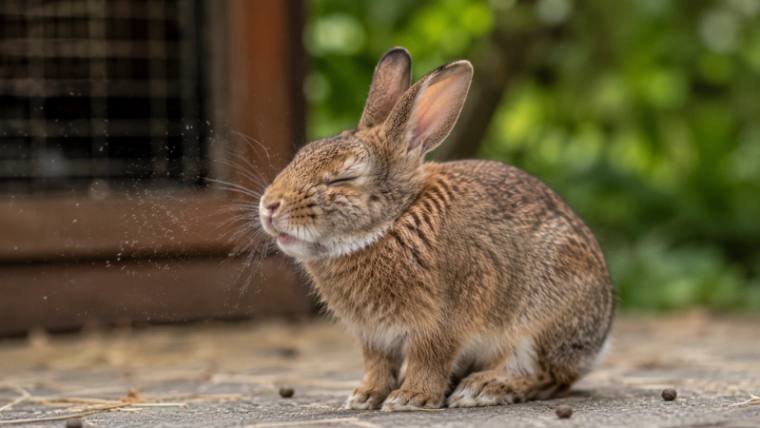
Can rabbits sneeze? Yes, rabbits can sneeze. Occasional sneezing is normal and often harmless. Just like humans, rabbits sneeze to clear their nasal passages of irritants.
Can bunnies sneeze from dust? Yes. Hay dust, bedding dust, and airborne particles can trigger rabbit sneezing. This is usually a temporary reaction. The rabbit sneezes a few times and then stops.
Rabbit sneezing but acting normal is generally not a concern. If your rabbit sneezes occasionally, has a normal appetite, and is active, the sneezing is likely environmental. Monitor for other symptoms.
Occasional rabbit sneezing is common. According to PDSA, a rabbit that sneezes once or twice a day with no other symptoms is probably reacting to normal environmental irritants.
When sneezing becomes a problem: Persistent sneezing, especially with discharge, indicates illness. A poorly rabbit with respiratory symptoms needs veterinary evaluation.
Occasional rabbit sneezing is normal and usually caused by dust or hay. Rabbit sneezing with discharge, especially white or yellow mucus, is not normal and requires veterinary attention. Monitor for other symptoms.
Common Causes of Rabbit Sneezing
Understanding why your rabbit is sneezing helps you determine whether it is harmless or serious. Here are the most common causes of rabbit sneezing.
1. Dusty hay and bedding. Hay dust is the most common cause of rabbit sneezing. Poor quality hay with high dust content can irritate your rabbit's nasal passages. Switching to higher quality, dust-extracted hay often resolves the issue.
2. Environmental irritants. Strong odors from cleaning products, perfumes, air fresheners, and smoke can trigger rabbit sneezing. Poor ventilation can also cause respiratory irritation.
3. Allergies. Rabbits can have allergies to pollen, mold, dust mites, and certain foods. Allergic rabbit sneezing is often seasonal and may be accompanied by eye discharge.
4. Respiratory infections. Bacterial infections cause persistent rabbit sneezing with nasal discharge. The most common is snuffles, caused by Pasteurella multocida. Other bacteria include Bordetella and Staphylococcus.
5. Dental problems. Tooth root abscesses can cause nasal discharge and sneezing. The roots of a rabbit's upper teeth grow close to the nasal passages. Infected tooth roots can irritate the nasal cavity.
6. Foreign bodies. Hay seeds or other small particles lodged in the nasal passages can cause rabbit sneezing. This is rare but possible.
7. Stress. Stress weakens the immune system, making rabbits more susceptible to respiratory infections. A stressed rabbit may sneeze more frequently.
Common causes of rabbit sneezing include dusty hay, environmental irritants, allergies, respiratory infections, dental problems, foreign bodies, and stress. Persistent sneezing with discharge indicates infection.
Dust, Hay, and Environmental Triggers
Environmental factors are the most common cause of rabbit sneezing. Improving your rabbit's environment can often resolve the issue.
Dusty hay for rabbits: Hay is essential for rabbit health, but it can be a source of dust. Poor quality hay contains more dust and particles. Choosing high-quality, dust-extracted hay reduces rabbit sneezing. Look for hay labeled as "dust-free" or "low dust."
Rabbit bedding dust: Wood shavings, especially cedar and pine, release aromatic oils and dust that can irritate rabbit airways. Switch to dust-free bedding options like paper-based bedding, aspen shavings, or fleece blankets.
Airborne irritants: Strong household odors can trigger rabbit sneezing. Avoid using air fresheners, scented candles, and strong cleaning products near your rabbit. Smoke from cigarettes, fireplaces, and cooking can also cause respiratory irritation.
Rabbit allergies: Rabbits can develop allergies to pollen, mold, dust mites, and certain foods. Allergic rabbit sneezing is often seasonal. Symptoms include sneezing, runny nose, and watery eyes.
Poor ventilation: Stale air with high ammonia levels from urine can irritate rabbit respiratory systems. Ensure good ventilation in the rabbit's room. Clean the litter box daily to reduce ammonia buildup.
Indoor rabbit air quality: Use air purifiers with HEPA filters to reduce airborne particles. Avoid keeping rabbits in basements or rooms with poor air circulation.
For more on setting up a healthy rabbit environment, see ideal rabbit cage and rabbit in cages.
Environmental triggers are the most common cause of rabbit sneezing. Dusty hay, wood shavings, strong odors, and poor ventilation can all cause respiratory irritation. Switching to dust-free products and improving ventilation often resolves the issue.
Nasal Discharge and Wet Nose
Nasal discharge is the most important sign to watch for in a sneezing rabbit. The type and color of discharge indicate the severity of the problem.
Clear nasal discharge: Clear, watery discharge is often normal. It can occur from dust, hay, or mild irritation. A rabbit with clear discharge and occasional sneezing but acting normal is likely fine.
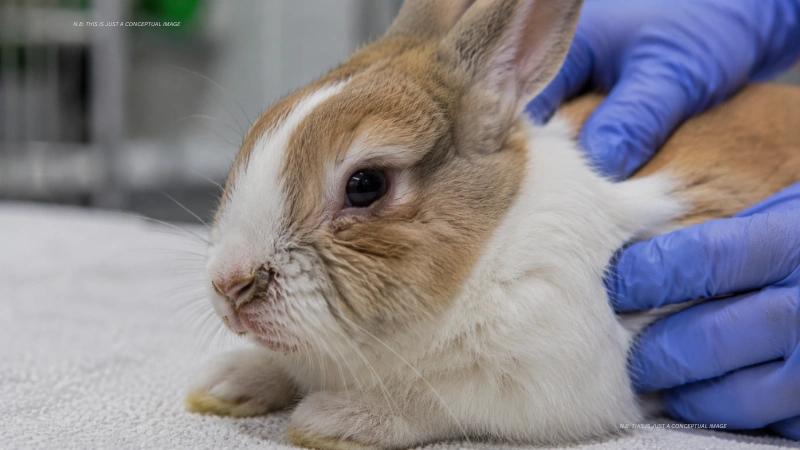
White nasal discharge in rabbits: White, milky discharge indicates a bacterial infection. According to the Humane Society, white nasal discharge is a sign of snuffles and requires veterinary treatment.
Yellow or green nasal discharge: Yellow or green discharge indicates a severe bacterial infection. This requires immediate veterinary attention. The infection has likely progressed significantly.
Bunny wet nose: A rabbit's nose should be clean and dry. A wet nose with discharge is not normal. Moisture around the nostrils indicates a problem.
Rabbit mucus discharge: Thick, stringy mucus is a sign of infection. It may be white, yellow, or green. This indicates the rabbit is fighting a respiratory illness.
Dried crust around the nose: Dried discharge crusting around the nostrils indicates chronic or long-term nasal discharge. This is common in rabbits with snuffles.
Nasal discharge rabbit with sneezing: The combination of sneezing and nasal discharge is the classic sign of respiratory infection. If your rabbit has both, schedule a veterinary appointment.
Nasal discharge in rabbits ranges from clear (normal) to white, yellow, or green (infection). White or yellow discharge requires veterinary attention. A wet nose with discharge is not normal. Dried crust indicates chronic discharge.
Respiratory Infections: Snuffles and Pasteurella
Respiratory infections are the most serious cause of rabbit sneezing. The most common is snuffles, caused by the bacterium Pasteurella multocida.
Snuffles in rabbits: Snuffles is a respiratory infection that causes rabbit sneezing, nasal discharge, and eye discharge. According to the Cornell University College of Veterinary Medicine, snuffles is one of the most common infectious diseases in pet rabbits.
Symptoms of snuffles: Sneezing, nasal discharge (white or yellow), eye discharge, runny eyes, pawing at the nose, loss of appetite, lethargy, and noisy breathing. In severe cases, rabbits develop pneumonia.
Pasteurella infection: Pasteurella multocida is the primary cause of snuffles. It is highly contagious between rabbits. Stress, poor housing, and weakened immune systems increase susceptibility.
Rabbit upper respiratory infection: Upper respiratory infections affect the nasal passages, sinuses, and throat. Symptoms include rabbit sneezing, nasal discharge, and eye discharge. Without treatment, infections can spread to the lungs.
Chronic rabbit sneezing: Chronic sneezing that lasts for weeks or months indicates a persistent infection. Pasteurella can become chronic, with rabbits showing intermittent symptoms over their lifetime.
Infectious rabbit diseases: Snuffles is contagious. Infected rabbits should be isolated from healthy rabbits. Good hygiene and quarantine prevent spread.
Rabbit bacterial infections: Bacteria other than Pasteurella can cause respiratory infections. These include Bordetella bronchiseptica and Staphylococcus aureus. Diagnosis requires veterinary testing.
For more on respiratory health in rabbits and how it relates to overall wellbeing, see anatomy of a rabbit.
Snuffles is the most common respiratory infection in rabbits, caused by Pasteurella multocida. Symptoms include rabbit sneezing, nasal discharge, and eye discharge. Snuffles is contagious and requires veterinary treatment. Chronic infections can persist for life.
Rabbit Sneezing but Acting Normal
Rabbit sneezing but acting normal is common. Many rabbits sneeze occasionally due to environmental irritants. However, sneezing can be an early sign of illness.
Mild respiratory irritation: Occasional sneezing with no other symptoms is usually harmless. Dusty hay, bedding, or environmental irritants cause mild irritation. The rabbit sneezes, clears the irritant, and continues normally.
Early rabbit illness symptoms: Sneezing can be the first sign of a developing respiratory infection. A rabbit may sneeze once or twice a day with no discharge initially. Over days or weeks, the infection progresses, and discharge appears.
Monitoring rabbit behavior: Watch for changes in appetite, activity level, droppings, and discharge. A rabbit that sneezes but continues eating, drinking, and acting normally is likely fine. Monitor closely for any changes.
Healthy appetite despite sneezing: A rabbit with a good appetite and normal droppings is usually not seriously ill. Respiratory infections often cause decreased appetite. If the rabbit is eating well, the sneezing is likely environmental.
When to worry about sneezing: Worry if the sneezing is frequent, accompanied by discharge, or if the rabbit shows other signs of illness. A rabbit that sneezes multiple times per hour needs veterinary evaluation.
Rabbit symptom progression: Sneezing may progress to nasal discharge, then to difficulty breathing, and then to loss of appetite. Early intervention prevents progression.
Rabbit sneezing but acting normal is often harmless. Monitor for changes in appetite, activity, and droppings. Sneezing with discharge, loss of appetite, or lethargy requires veterinary attention.
Other Symptoms to Watch For
Sneezing is often accompanied by other symptoms. Recognizing these helps you assess the severity of your rabbit's condition.
Rabbit breathing noises: Noisy breathing, wheezing, or clicking sounds indicate respiratory congestion. These sounds are a sign of infection. A rabbit with noisy breathing needs veterinary evaluation.
Rabbit eye discharge: Runny eyes with clear or white discharge often accompany respiratory infections. Eye discharge alone can also indicate dental disease.
Loss of appetite in rabbits: A poorly rabbit often stops eating. Loss of appetite combined with sneezing indicates serious illness. Rabbits must eat continuously to maintain digestive health.
Lethargy in rabbits: A lethargic rabbit is inactive and unresponsive. Lethargy combined with sneezing indicates significant illness. The rabbit is fighting an infection.
Rabbit coughing sounds: Coughing is less common than sneezing but can occur. Coughing indicates lower respiratory involvement. This is more serious than sneezing alone.
Rabbit facial swelling: Swelling around the face, especially under the eyes, indicates dental abscess or severe infection. Facial swelling requires immediate veterinary attention.
Head tilt in rabbits: Head tilt indicates ear infection or neurological involvement. It is a sign of serious illness. Head tilt combined with sneezing requires urgent veterinary care.
For more on recognizing signs of illness in rabbits, see our guide on poorly rabbit.
Symptoms accompanying rabbit sneezing include noisy breathing, eye discharge, loss of appetite, lethargy, coughing, facial swelling, and head tilt. Any of these signs with sneezing indicates serious illness requiring veterinary care.
How to Treat Rabbit Sneezing
Treatment for rabbit sneezing depends on the cause. Environmental causes can be addressed at home. Infections require veterinary treatment.
Improving rabbit environment: Switch to dust-extracted hay and dust-free bedding. Improve ventilation. Remove strong odors. Use an air purifier with HEPA filter. These changes often resolve environmental rabbit sneezing.
Dust-free bedding: Use paper-based bedding, aspen shavings, or fleece blankets. Avoid cedar and pine shavings. Cedar and pine release aromatic oils that irritate rabbit airways.
High quality hay: Choose dust-extracted hay from reputable suppliers. Store hay in a dry, well-ventilated area. Shake hay outside to remove loose dust before offering to your rabbit.
Veterinary treatment for rabbits: Bacterial infections require antibiotics prescribed by a rabbit-savvy veterinarian. Never give human antibiotics to rabbits. Some antibiotics are toxic to rabbits.
Rabbit antibiotics: Common antibiotics for rabbit respiratory infections include enrofloxacin, azithromycin, and trimethoprim-sulfa. Treatment duration is typically 2-4 weeks. Follow the vet's instructions carefully.
Supportive rabbit care: Keep the rabbit warm and hydrated. Offer favorite greens and hay to encourage eating. Reduce stress. Administer prescribed medications as directed.
Preventing respiratory issues: Maintain a clean environment. Provide unlimited hay. Reduce stress. Regular veterinary checkups catch problems early.
For more on rabbit care that prevents respiratory issues, see ideal rabbit cage and rabbit in cages.
Treat rabbit sneezing by improving the environment (dust-free hay, bedding, ventilation) and seeking veterinary care for infections. Respiratory infections require antibiotics prescribed by a rabbit-savvy vet. Never give human medications to rabbits.
When to See a Vet
Knowing when to seek veterinary care for rabbit sneezing is essential. Early intervention improves outcomes.
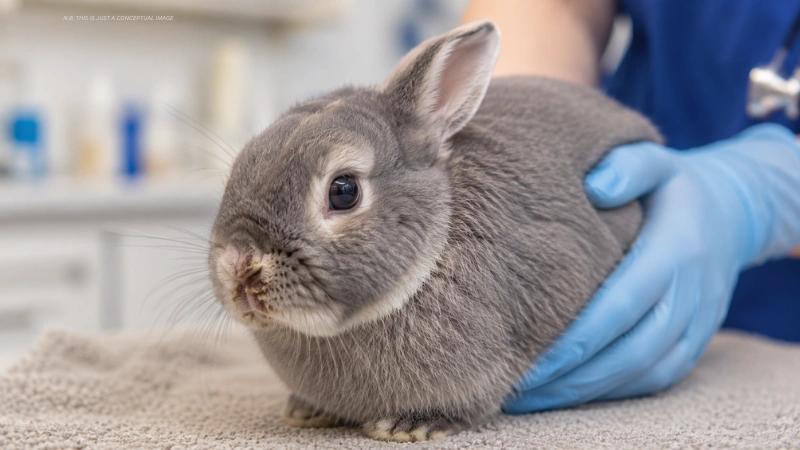
Persistent rabbit sneezing: Sneezing that lasts more than a few days or occurs frequently (multiple times per hour) requires veterinary evaluation. A rabbit that sneezes constantly needs medical attention.
Severe nasal discharge: White, yellow, or green discharge indicates infection. This requires veterinary treatment. Clear discharge without other symptoms is less concerning but still warrants monitoring.
Rabbit breathing difficulty: Labored breathing, mouth breathing, or noisy breathing is an emergency. These signs indicate severe respiratory distress.
Rabbit refusing food: A rabbit that stops eating with sneezing needs immediate veterinary care. Rabbits cannot go without food for long. GI stasis can develop quickly.
Chronic respiratory infection: Chronic sneezing that recurs or persists indicates ongoing infection. Chronic infections require veterinary management.
Emergency rabbit symptoms: Seek emergency care if your rabbit has difficulty breathing, blue-tinged gums, collapse, or is unresponsive. These are life-threatening signs.
Exotic pet veterinarian: Find a veterinarian with experience treating rabbits. Not all vets are trained in rabbit medicine. Ask about rabbit experience when scheduling.
The PDSA recommends seeking veterinary advice if your rabbit's sneezing is accompanied by discharge, loss of appetite, or lethargy. Early treatment prevents complications.
Seek veterinary care for rabbit sneezing if it is persistent, accompanied by discharge (white/yellow/green), breathing difficulty, loss of appetite, or lethargy. A rabbit-savvy vet should evaluate any respiratory symptoms.
Prevention Tips
Preventing rabbit sneezing is easier than treating it. Good care reduces the risk of respiratory problems.
Clean rabbit housing: Spot clean the litter box daily. Full clean weekly. Remove soiled bedding. Dirty cages cause ammonia buildup, which irritates the respiratory system.
Proper rabbit ventilation: Ensure good airflow in the rabbit's room. Open windows when weather permits. Use fans to circulate air. Avoid drafts, which can cause illness.
Low dust rabbit bedding: Use dust-free bedding. Paper-based bedding, aspen shavings, and fleece are good options. Avoid cedar and pine shavings.
Healthy rabbit immune system: A healthy diet and stress-free environment support a strong immune system. Unlimited hay provides essential fiber. Fresh vegetables provide vitamins. Clean water is essential.
Routine health checks: Check your rabbit's nose, eyes, and ears weekly. Monitor for any discharge, redness, or swelling. Regular checks catch problems early.
Quality rabbit nutrition: Provide unlimited hay, fresh vegetables, and limited pellets. Good nutrition supports overall health. Poor nutrition weakens the immune system.
Stress reduction in rabbits: Handle rabbits gently. Provide hiding places. Keep other pets away. A calm rabbit is healthier. Stress increases susceptibility to infections.
For more on rabbit health and wellness, see our guides on types of rabbits and anatomy of a rabbit.
Prevent rabbit sneezing with clean housing, good ventilation, dust-free bedding, a healthy diet, routine health checks, and stress reduction. Most respiratory problems are preventable with proper care.
Final Thoughts
Rabbit sneezing is common and often harmless. Occasional sneezing from dust or hay is normal. However, persistent sneezing with nasal discharge is a sign of respiratory infection. Snuffles, caused by Pasteurella multocida, is the most common infectious cause of rabbit sneezing.
Monitor your rabbit's sneezing. Check for nasal discharge, eye discharge, changes in appetite, and activity level. A rabbit that sneezes occasionally with no other symptoms is likely fine. A rabbit that sneezes frequently with discharge needs veterinary attention.
Prevention is the best approach. Provide dust-free hay and bedding. Maintain good ventilation. Keep the environment clean. Reduce stress. A healthy rabbit is less susceptible to respiratory infections.
If your rabbit shows signs of respiratory infection, do not wait. Contact a rabbit-savvy veterinarian. Early treatment prevents complications. For more information on rabbit health, see our guides on poorly rabbit, rabbit in cages, and anatomy of a rabbit.
Trusted Resources for Rabbit Respiratory Health
- RSPCA Rabbit Health Guide – Expert advice on rabbit illness and respiratory health
- House Rabbit Society Health – Comprehensive health information for pet rabbits
- PDSA Rabbit Health – UK veterinary charity guidance on rabbit respiratory issues
- Cornell University Rabbit Health – Veterinary research-based health information
- Humane Society Rabbit Care – General rabbit care and respiratory health guidance