Rabbit Teeth
You look at your rabbit's mouth and see long front teeth. They look sharp. You wonder: is this normal? Rabbit teeth are fascinating and essential for survival, but they can also cause serious health problems.
According to the House Rabbit Society, rabbit teeth are unique because they grow continuously throughout life. This condition is called elodontia. Unlike humans, whose teeth stop growing, rabbits must wear their teeth down through constant chewing. The RSPCA notes that dental disease is one of the most common health problems in pet rabbits.
This guide covers everything about rabbit teeth: how many teeth rabbits have, why they keep growing, what healthy teeth look like, common dental problems, and how to care for your rabbit's teeth. For detailed information on malocclusion, see our guide on malocclusion in rabbits. For general illness signs, see sick bunny.
Rabbit teeth grow continuously throughout life. Rabbits have 28 teeth: 6 incisors, 10 premolars, and 12 molars. Dental problems are common in pet rabbits. Understanding rabbit teeth anatomy helps you prevent and detect dental disease early.
How Many Teeth Does a Rabbit Have
How many teeth does a rabbit have? An adult rabbit has 28 teeth. This includes incisors, premolars, and molars. The breakdown is: 6 incisors, 10 premolars, and 12 molars.
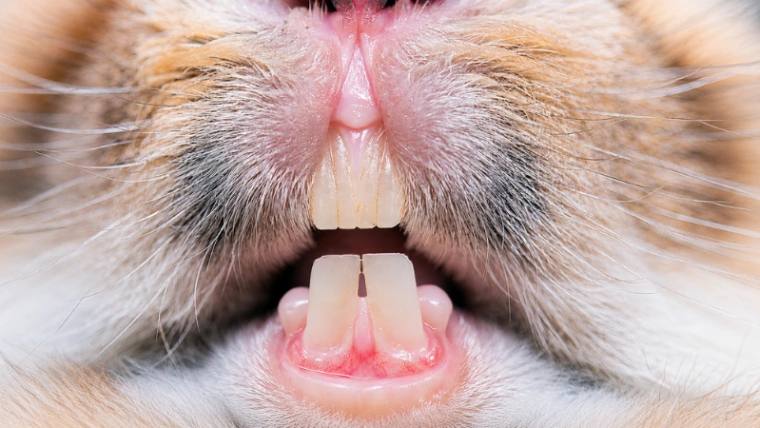
The incisors are the front teeth used for biting and cutting. Rabbits have 4 upper incisors (2 large visible ones and 2 smaller "peg teeth" behind them) and 2 lower incisors. The premolars and molars are the cheek teeth used for grinding food. They are not visible without opening the mouth.
Unlike humans, rabbits have a gap called a diastema between the incisors and cheek teeth. This gap has no teeth and allows the rabbit to manipulate food with its lips. All rabbits have the same dental formula: 2/1 incisors, 3/2 premolars, and 3/3 molars on each side.
The table below shows the rabbit dental formula:
| Tooth Type | Upper Jaw (per side) | Lower Jaw (per side) | Total |
|---|---|---|---|
| Incisors | 4 (2 large + 2 peg teeth) | 2 | 6 |
| Premolars | 3 | 2 | 10 |
| Molars | 3 | 3 | 12 |
| Total | 28 |
Rabbits have 28 teeth: 6 incisors (4 upper, 2 lower), 10 premolars, and 12 molars. The incisors are visible front teeth; the cheek teeth are hidden and used for grinding.
Why Rabbit Teeth Never Stop Growing
Rabbit teeth grow continuously throughout life. This is called elodontia. The incisors grow about 2-3 mm per week. The cheek teeth also grow continuously but at a slower rate.
This constant growth is an adaptation for eating tough plant material. In the wild, rabbits eat grass, hay, and bark. These foods are abrasive and wear teeth down. The continuous growth matches the continuous wear.
A rabbit must chew constantly to keep teeth at the right length. According to the Humane Society, a hay-based diet is essential for natural tooth wear. Without enough chewing, teeth overgrow.
Baby rabbits are born with deciduous teeth already present. These baby teeth are replaced by adult teeth by 3-4 months of age. From then on, the teeth continue growing for the rest of the rabbit's life.
Hay is the most important factor in dental health. The abrasive action of hay wears teeth down naturally. A rabbit that does not eat enough hay develops overgrown teeth.
Rabbit teeth grow continuously throughout life. Incisors grow 2-3 mm per week. Rabbits must chew constantly to wear teeth down naturally. Baby rabbits are born with deciduous teeth already present.
What Healthy Rabbit Teeth Look Like
Healthy rabbit incisors are white or cream-colored. They are chisel-shaped with a sharp edge. The upper incisors overlap the lower incisors slightly. The teeth should be straight and aligned.
Normal incisors are about 1-2 cm long. They are smooth and even. The enamel should be intact. There should be no chips, cracks, or discoloration.
Healthy teeth allow normal eating. The rabbit can chew hay, pellets, and vegetables easily. There is no drooling or dropping of food.
The molars are not visible without an oral examination. A veterinarian uses an otoscope to examine them. Healthy molars are smooth and free of spurs.
For more on dental anatomy, see anatomy of a rabbit.
Healthy rabbit teeth are white, straight, and aligned. The upper incisors overlap the lower incisors. Healthy teeth allow normal eating without drooling or dropping food.
Do Rabbits Have Sharp Teeth
Yes, rabbits have sharp incisors. The sharp teeth are designed for cutting through tough plant material. A rabbit can bite if frightened or in pain.
Rabbit bites are rare but can break skin. According to veterinary sources, bites usually happen when a rabbit is scared, in pain, or mishandled. Handle rabbits gently to avoid bites.
The incisors are used for biting, cutting, grooming, and defense. Rabbits also use their teeth to grip food and pull it toward their mouth.
For more on rabbit behavior, see do rabbits bite.
Rabbits have sharp incisors designed for cutting plant material. They can bite if frightened or in pain. Handle rabbits gently to avoid bites.
Common Rabbit Dental Problems
Dental problems are common in pet rabbits. According to the RSPCA, dental disease is one of the most common health problems in pet rabbits.
Common issues include malocclusion (misalignment), overgrown teeth, molar spurs, and dental abscesses. These can cause pain, difficulty eating, and weight loss.
Overgrown incisors are the most visible problem. Molar spurs are harder to detect but more painful. They cut the tongue and cheeks, causing severe pain.
Dental disease can progress to serious complications. Untreated dental disease leads to abscesses, jaw infections, and starvation.
For detailed information on malocclusion, see our guide on malocclusion in rabbits.
Common rabbit dental problems include malocclusion, overgrown teeth, molar spurs, and dental abscesses. Dental disease is one of the most common health problems in pet rabbits.
How to Check Your Rabbit's Teeth at Home
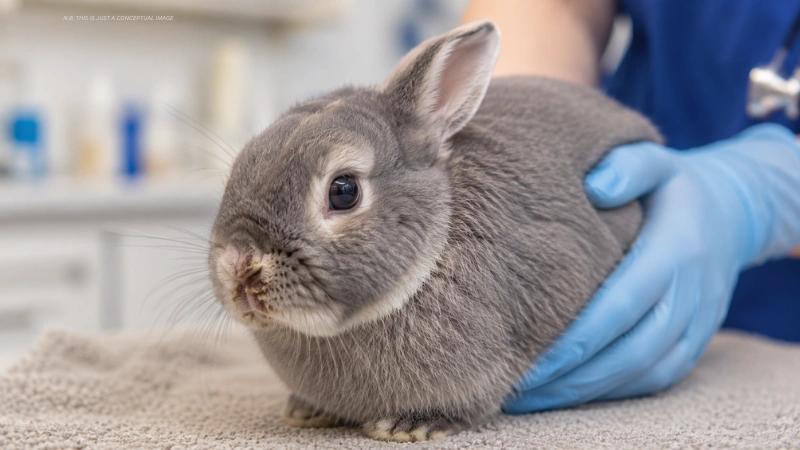
Regular home checks help you catch dental problems early. Here is how to check your rabbit's teeth safely.
Step 1: Restrain gently. Place your rabbit on a non-slip surface. Hold the rabbit securely but gently. Some owners wrap the rabbit in a towel (burrito-style) to keep them calm.
Step 2: Lift the lips. Gently lift the upper and lower lips to expose the incisors. Check for overgrowth, discoloration, chips, or cracks.
Step 3: Check alignment. The upper incisors should overlap the lower incisors. If they do not, the teeth may be misaligned.
Step 4: Look for drooling. Check the chin and front paws for wetness. Drooling is a sign of dental pain.
Step 5: Watch eating behavior. Observe your rabbit eating. Do they drop food? Do they eat slowly? Do they show interest in food but struggle to eat?
Step 6: Check for weight loss. Weigh your rabbit weekly. Weight loss is a sign of inadequate eating.
Step 7: Look for facial swelling. Swelling around the jaw indicates a dental abscess. This requires immediate veterinary care.
If you notice any abnormalities, contact a rabbit-savvy veterinarian.
Check your rabbit's teeth weekly by lifting the lips, checking alignment, looking for drooling, and watching eating behavior. Weight loss or facial swelling requires immediate veterinary care.
What Does a Rabbit With Tooth Pain Look Like
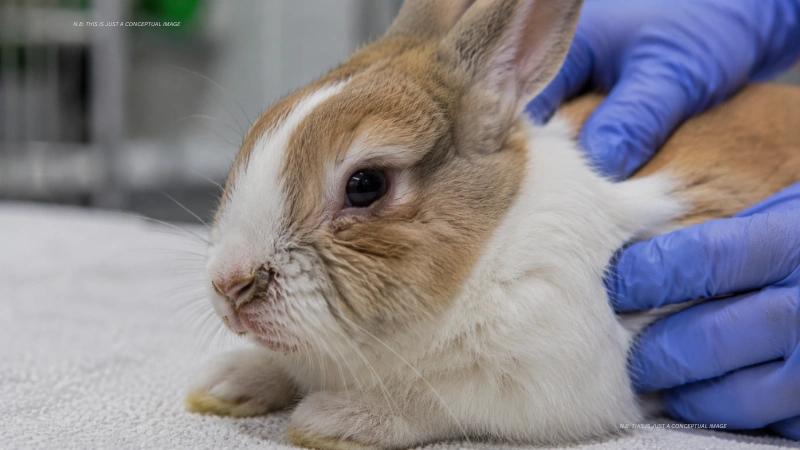
A rabbit with tooth pain shows specific signs. Recognizing these signs helps you seek treatment early.
Sitting hunched: A rabbit in pain sits hunched with its belly pressed to the floor. They may have their eyes partially closed.
Refusing hay: Hay requires the most chewing. A rabbit with dental pain often stops eating hay first. They may still eat soft pellets or treats but avoid hay.
Dropping food: A rabbit with mouth pain picks up food and drops it repeatedly. They cannot chew properly.
Reduced grooming: A rabbit in pain stops grooming. The fur becomes messy and dull.
Drooling: A wet, matted chin is a classic sign of dental pain. The rabbit drools because mouth pain prevents swallowing.
Teeth grinding: Loud, persistent teeth grinding is a sign of pain. Soft, gentle grinding is normal and indicates contentment.
Weight loss: A rabbit that cannot eat loses weight. The spine and ribs become prominent.
If your rabbit shows any of these signs, contact a veterinarian.
A rabbit with tooth pain sits hunched, refuses hay, drops food, stops grooming, drools, grinds teeth loudly, and loses weight. These signs require veterinary attention.
When Is Rabbit Dental Disease an Emergency
Some signs of dental disease are emergencies. Knowing when to act quickly saves your rabbit's life.
Not eating for 12+ hours: A rabbit that stops eating is in danger. GI stasis can develop quickly. This is an emergency.
Facial swelling: Swelling around the jaw indicates a dental abscess. Abscesses are painful and require immediate treatment.
Severe drooling: Excessive drooling with a wet, matted chin indicates severe mouth pain. The rabbit cannot swallow properly.
Rapid weight loss: A rabbit that loses weight rapidly is not eating enough. This is a sign of serious dental disease.
Visible overgrown teeth: If incisors are curled into the mouth or lips, the rabbit cannot eat. This requires urgent trimming.
Signs of pain: Loud teeth grinding, hunched posture, and unresponsiveness indicate severe pain. This is an emergency.
If you see any of these signs, contact your veterinarian immediately. For more on emergency signs, see how to know if your rabbit is dying.
Dental disease is an emergency if your rabbit stops eating for 12+ hours, has facial swelling, severe drooling, rapid weight loss, visible overgrown teeth, or signs of pain. Contact a vet immediately.
Overgrown Teeth: What to Do
Overgrown teeth require veterinary trimming. A veterinarian trims the teeth using a dental burr. Never trim teeth at home.
Home trimming can split or break the tooth. This causes pain and infection. It can also damage the tooth root.
A rabbit with overgrown teeth needs regular trims. Some rabbits need trims every 2-4 weeks. Others may need trims every 2-3 months. The vet determines the schedule based on the rate of tooth growth.
Overgrown teeth can curl into the mouth or lips. This makes eating impossible. If you notice overgrown teeth, contact your vet immediately.
Overgrown teeth require veterinary trimming. Never trim rabbit teeth at home. Home trimming can cause pain and infection. Contact your vet for professional trimming.
Molar Problems: The Hidden Danger
Molar problems are harder to detect but often more serious than incisor problems. Molar spurs are sharp points that develop on the edges of cheek teeth.
Molar spurs cut the tongue and cheeks, causing severe pain. A rabbit with molar spurs may drool, refuse food, and lose weight. They may eat slowly or drop food.
A veterinarian examines the molars using an otoscope. They can see the spurs and plan treatment. Treatment involves burring (grinding) the spurs under anesthesia.
Molar disease requires regular monitoring. Some rabbits need regular burring every 2-6 months.
Molar spurs are sharp points on cheek teeth that cut the tongue and cheeks. They cause severe pain. A veterinarian can diagnose and treat molar spurs. Treatment requires anesthesia.
Dental Treatment Options
Treatment for dental problems depends on the severity. Options range from tooth trimming to surgery.
Tooth trimming: A veterinarian trims overgrown teeth using a dental burr. This is done under sedation or anesthesia.
Burring: Grinding down teeth to remove spurs and overgrowth. The vet smoothes the teeth to prevent injury to the mouth.
Extraction: Severe malocclusion or abscesses may require tooth extraction. This is a surgical procedure under anesthesia.
A rabbit-savvy vet should perform all dental procedures. They have the training and equipment to treat rabbit dental problems safely.
Treatment options include tooth trimming, burring, and extraction. A rabbit-savvy vet should perform all dental procedures. Most procedures require anesthesia.
Preventing Dental Problems
Prevention is the best approach to dental health. Good care reduces the risk of dental disease.
Unlimited hay: Hay is essential. It provides the abrasive action needed to wear teeth down. Timothy hay is best for adults.
Balanced diet: Unlimited hay, limited pellets, and fresh greens. Avoid sugary treats.
Regular dental checks: Annual dental exams by a rabbit-savvy vet are essential. Early detection prevents serious problems.
Home checks: Check your rabbit's teeth weekly. Look for overgrowth, discoloration, or damage. Check for drooling or weight loss.
Chew toys: Provide chew toys for additional wear. Apple sticks, willow balls, and untreated wood blocks are good options.
Stress reduction: Stress weakens the immune system. A calm rabbit is healthier.
For more on rabbit care, see ideal rabbit cage and rabbit in cages.
Prevent dental problems with unlimited hay, a balanced diet, regular dental checks, home checks, chew toys, and stress reduction. A hay-based diet prevents most dental problems.
Final Thoughts
Rabbit teeth are unique and essential for survival. They grow continuously throughout life. Understanding rabbit teeth anatomy helps you prevent and detect dental disease early.
Rabbits have 28 teeth: 6 incisors, 10 premolars, and 12 molars. Dental problems are common in pet rabbits. Signs include not eating, dropping food, wet chin, and weight loss.
Prevention is the best approach. Provide unlimited hay, a balanced diet, and regular dental checkups. Check your rabbit's teeth weekly at home. If you notice any signs of dental disease, contact a rabbit-savvy veterinarian immediately.
For more information on rabbit health, see our guides on malocclusion in rabbits, sick bunny, and anatomy of a rabbit.
Trusted Resources for Rabbit Dental Health
- House Rabbit Society Health – Comprehensive health information including dental care
- RSPCA Rabbit Health Guide – Expert advice on rabbit health and dental problems
- PDSA Rabbit Health – UK veterinary charity guidance on rabbit dental health
- Cornell University Rabbit Health – Veterinary research-based health information
- Humane Society Rabbit Care – General rabbit care and dental health guidance