Sick Bunny
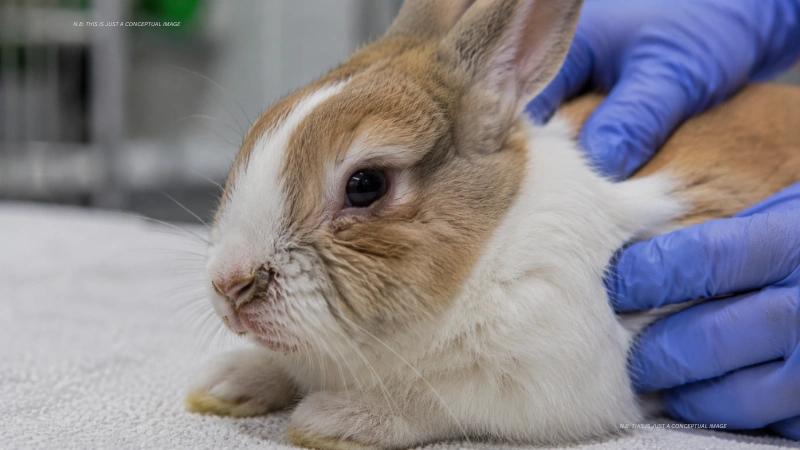
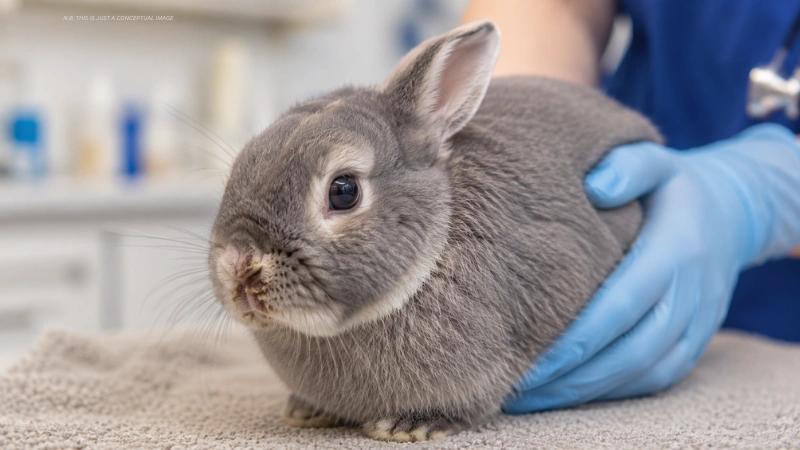
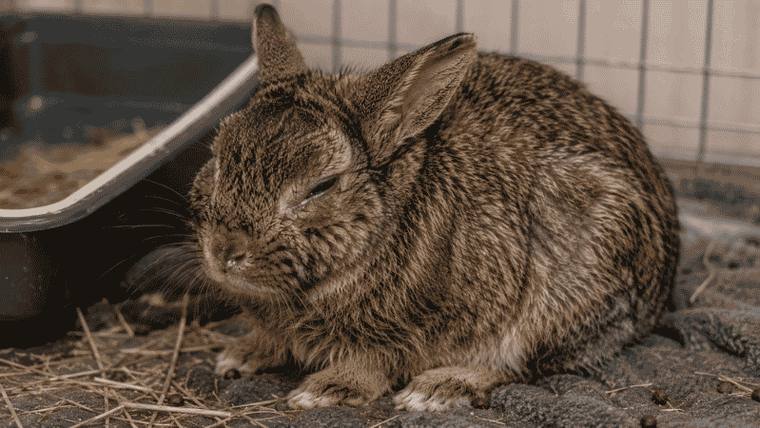
Your bunny usually greets you at the cage door. Today she sits hunched in a corner. She ignores her favorite treat. Her droppings are small and misshapen. You realize you have a sick bunny on your hands.
According to the RSPCA, rabbits are prey animals that instinctively hide signs of illness. A sick bunny may appear fine until the condition is advanced. The House Rabbit Society notes that early recognition of sick rabbit symptoms is essential for successful treatment.
This guide covers all major rabbit illnesses: GI stasis, dental disease, respiratory infections (snuffles), parasites, urinary problems, and flystrike. For detailed information on respiratory symptoms like sneezing and runny nose, see our dedicated guide on rabbit sneezing. For general illness signs, continue reading below.
A sick bunny often hides signs of illness. Major rabbit illnesses include GI stasis, dental disease, respiratory infections, parasites, urinary problems, and flystrike. Prompt recognition and veterinary care save lives.
Signs of a Sick Bunny: Quick Summary
How can I tell if my rabbit is sick? Watch for these warning signs. A sick bunny may show one or more of these symptoms.
Rabbit not eating: A sick bunny often stops eating or eats much less. They refuse favorite treats. This is a serious sign requiring immediate attention. According to veterinary sources, a rabbit that stops eating for 6-12 hours is at risk of GI stasis.
Changes in droppings: A sick bunny produces fewer droppings, smaller droppings, or no droppings at all. Droppings may be soft, runny, or misshapen. Normal droppings are round, dry, and uniform. Any deviation is a warning sign.
Rabbit lethargy: A sick bunny becomes less active. They sit hunched in a corner. They do not respond to you or their surroundings. A healthy rabbit is alert and curious. A lethargic rabbit is unwell.
Rabbit hiding behavior: Rabbits hide when they feel unwell. A sick bunny retreats to a corner and does not come out. They avoid interaction. Excessive hiding with other symptoms indicates illness.
Rabbit pain signs: A sick bunny in pain grinds teeth loudly, sits hunched with eyes partially closed, resists handling, or becomes aggressive. Vocalization (squealing) is rare and indicates severe pain.
Rabbit posture changes: A sick bunny may sit hunched with its belly pressed to the floor. They may tilt their head to one side (ear infection). A rabbit that cannot sit upright or lies on its side is in critical condition.
Rabbit weight loss: A sick bunny loses weight over time. You may feel the spine and ribs more prominently. Monthly weight checks help detect problems early.
Rabbit breathing changes: Rapid breathing, labored breathing, or mouth breathing are emergency signs. Normal rabbit breathing rate is 30-60 breaths per minute. More than 60 is concerning. For detailed respiratory symptoms, see rabbit sneezing.
The table below summarizes the key warning signs of a sick bunny:
| Warning Sign | What to Look For | Possible Cause | Action Needed |
|---|---|---|---|
| Not eating | Refuses food, loses interest in treats | GI stasis, dental, infection | Emergency vet |
| No droppings | No or very small droppings | GI stasis | Emergency vet |
| Lethargy | Sitting hunched, not moving | Pain, fever, infection | Vet within hours |
| Teeth grinding | Loud, persistent grinding | Pain, dental disease | Vet within hours |
| Weight loss | Ribs/spine prominent | Dental, parasite, disease | Vet within days |
| Drooling | Wet chin, matted fur | Dental disease | Vet within days |
| Runny nose/eyes | Discharge from nose or eyes | Snuffles, respiratory infection | Vet within hours |
Signs of a sick bunny include not eating, changes in droppings, lethargy, hiding, teeth grinding, weight loss, drooling, and runny nose/eyes. Any of these signs warrants veterinary attention. Not eating for 6+ hours is an emergency.
Do Bunnies Get Sick
Do bunnies get sick? Yes, rabbits can get sick like any other pet. Understanding common rabbit illnesses helps you recognize a sick bunny early.
Do bunnies get colds? Yes, rabbits can develop upper respiratory infections that resemble colds. These are caused by bacteria like Pasteurella multocida. A sick bunny with a "cold" may sneeze and have a runny nose. However, what appears as a cold is often a bacterial infection requiring antibiotics. For detailed respiratory information, see rabbit sneezing.
Can rabbits get the flu? Rabbits do not get the human flu. They can develop respiratory infections that cause similar symptoms. According to the PDSA, rabbits cannot catch influenza from humans.
Rabbit immune system: Stress, poor diet, and unclean housing weaken a rabbit's immune system. A healthy rabbit with a strong immune system is less susceptible to illness. According to the Humane Society, proper care prevents most common rabbit illnesses.
Rabbit disease transmission: Respiratory infections spread through direct contact with infected rabbits, contaminated surfaces, and airborne particles. Parasites spread through contaminated food, bedding, and environment. Quarantine new rabbits for 30 days before introducing them to existing rabbits.
For more on general rabbit health and wellness, see our guide on poorly rabbit.
Rabbits can get sick from bacterial infections, parasites, dental disease, and digestive problems. They cannot catch human flu. Proper care and hygiene prevent most illnesses.
Major Rabbit Illnesses Comparison Chart
The table below compares the major rabbit illnesses covered in this guide. Use it to quickly identify which condition your sick bunny may have.
| Condition | Primary Cause | Key Symptoms | Emergency Level | Treatment |
|---|---|---|---|---|
| GI Stasis | Low fiber, stress, pain | Not eating, no droppings, lethargy | Emergency | Vet immediately |
| Dental Disease | Lack of hay, genetics | Drooling, weight loss, not eating | Urgent | Vet teeth trimming |
| Snuffles (Respiratory) | Pasteurella multocida | Sneezing, runny nose, eye discharge | Urgent | Vet antibiotics |
| Ear Mites | Parasites | Head shaking, scratching ears | Non-urgent | Vet medication |
| Flystrike | Flies on dirty fur | Maggots, lethargy, foul odor | Emergency | Emergency vet |
| Urinary Stones | High calcium diet | Straining to urinate, blood in urine | Urgent | Vet treatment |
Major rabbit illnesses include GI stasis (emergency), dental disease, snuffles, ear mites, flystrike, and urinary stones. Each has specific symptoms and treatment. GI stasis and flystrike are life-threatening emergencies.
GI Stasis: The Silent Killer
GI stasis is the most common cause of death in pet rabbits. Understanding this condition is essential for every rabbit owner.
What is GI stasis? Gastrointestinal stasis occurs when the digestive system slows or stops completely. According to the Cornell University College of Veterinary Medicine, GI stasis is one of the most common and serious conditions in pet rabbits.
Causes: Low fiber diet, stress, pain from dental disease, dehydration, lack of exercise, and underlying illness. Rabbits must eat continuously to keep their digestive system moving.
Symptoms of GI stasis: A sick bunny with GI stasis stops eating, produces few or no droppings, sits hunched, grinds teeth (pain), has a hard or bloated abdomen, and is lethargic. These symptoms are an emergency.
Why GI stasis is dangerous: When the digestive system stops, gas builds up in the intestines. Bacteria imbalance occurs. The rabbit deteriorates rapidly. According to veterinary sources, GI stasis can be fatal within 24-48 hours if untreated.
What to do if you suspect GI stasis: Contact your veterinarian immediately. This is an emergency. Do not wait to "see if they improve." A sick bunny with GI stasis needs immediate veterinary treatment including pain relief, fluid therapy, and gut motility drugs.
Prevention: Unlimited hay (timothy or orchard grass) is essential. Hay provides the fiber needed to keep the digestive system moving. Fresh water daily. Regular exercise. Reduce stress. Daily health checks.
For more on recognizing and treating GI stasis, see our guide on poorly rabbit.
GI stasis is a life-threatening emergency where the rabbit's digestive system stops. Symptoms include not eating, no droppings, hunched posture, and teeth grinding. Immediate veterinary care is essential. Prevention: unlimited hay, fresh water, and exercise.
Rabbit Dental Disease
Dental disease is one of the most common health problems in pet rabbits. A sick bunny with dental disease may show subtle signs that owners often miss.
Why rabbits get dental disease: Rabbits' teeth grow continuously throughout their lives. Without proper wear from chewing hay, teeth develop spurs and overgrowth. According to the PDSA, dental disease is one of the most common health problems in pet rabbits.
Symptoms of dental disease: A sick bunny with dental problems shows drooling (wet chin), reduced appetite, weight loss, runny eyes, and messy fur around the mouth. They may eat slowly or drop food. They may prefer soft foods over hay. Dental spurs can cut the tongue and cheeks, causing pain.
Treatment: Veterinary teeth trimming under anesthesia. In severe cases, tooth extraction may be necessary. Annual dental checks by a rabbit-savvy vet are essential.
Prevention: Unlimited hay is the best prevention. Hay wears down teeth naturally. Limit pellets and sugary treats. Regular veterinary dental checks.
Why dental disease is serious: Untreated dental disease causes chronic pain, weight loss, and can lead to GI stasis. A sick bunny in pain from dental disease may stop eating entirely.
For more on rabbit anatomy related to dental health, see anatomy of a rabbit.
Dental disease is common in rabbits due to continuously growing teeth. Symptoms include drooling, weight loss, reduced appetite, and runny eyes. Prevention: unlimited hay and regular veterinary dental checks.
Respiratory Infections: Snuffles
Snuffles is the most common respiratory infection in rabbits. While this article covers it briefly, detailed information on sneezing and respiratory symptoms is available in our dedicated guide.
Snuffles in rabbits: Snuffles is a respiratory infection caused by the bacterium Pasteurella multocida. It is one of the most common infectious diseases in pet rabbits.
Symptoms: Sneezing, nasal discharge (white or yellow), runny eyes, pawing at the nose, loss of appetite, and lethargy. A sick bunny with snuffles may also have noisy breathing.
Treatment: Snuffles requires antibiotics prescribed by a rabbit-savvy veterinarian. Never give human antibiotics to rabbits.
Prevention: Clean housing, good ventilation, dust-free hay and bedding, stress reduction, and good hygiene.
When to see a vet: Any sick bunny with sneezing and nasal discharge needs veterinary evaluation. Respiratory infections do not resolve on their own.
For complete details on sneezing, nasal discharge, and respiratory infections, see our dedicated guide on rabbit sneezing.
Snuffles is a respiratory infection caused by Pasteurella. Symptoms include sneezing, runny nose, and eye discharge. Treatment requires veterinary antibiotics. For detailed respiratory information, see rabbit sneezing.
Parasites and Skin Problems
Parasites are another common cause of a sick bunny. Recognizing parasite symptoms helps you seek appropriate treatment.
Rabbit ear mites: Ear mites cause intense itching and ear infections. Signs: head shaking, scratching at ears, ear discharge, crusty ears. Treatment requires veterinary medication.
Rabbit fur mites: Fur mites cause dandruff, fur loss, and itching. Affected areas often appear scaly or crusty. A sick bunny with mites may groom excessively.
Rabbit abscesses: Abscesses are pus-filled lumps that can form anywhere on the body. They are often caused by dental disease or wounds. Signs: visible lump, swelling, pain. Treatment requires veterinary drainage and antibiotics.
Rabbit flystrike: Flies lay eggs on dirty fur, especially around the bottom. The eggs hatch into maggots that eat the rabbit's flesh. This is a life-threatening emergency. Signs: flies around the rabbit, visible maggots, foul odor, lethargy. Prevention: keep the rabbit's bottom clean and dry.
Treatment: Parasite infections require veterinary medication. Do not use over-the-counter treatments without veterinary guidance.
Prevention: Regular health checks, clean housing, and proper hygiene prevent most parasite infections.
Common parasites in rabbits include ear mites, fur mites, and flystrike. Flystrike is a life-threatening emergency. Regular health checks and clean housing prevent parasite infections.
Urinary Problems
Urinary problems are common in rabbits and can cause a sick bunny to show signs of pain and distress.
Rabbit urinary stones: Calcium stones can form in the bladder or kidneys. Signs: straining to urinate, blood in urine, reduced appetite, hunched posture. Urinary stones are painful and require veterinary treatment.
Rabbit urinary tract infections: UTIs cause frequent urination, straining, and blood in urine. A sick bunny with a UTI may also have a dirty bottom.
Treatment: Veterinary examination, urine analysis, and appropriate medication. Urinary stones may require surgery.
Prevention: Provide fresh water at all times. Avoid high-calcium foods like alfalfa hay and excessive calcium-rich vegetables. A healthy diet prevents most urinary problems.
Urinary problems in rabbits include bladder stones and UTIs. Signs: straining to urinate, blood in urine, hunched posture. Prevention: fresh water and a balanced diet low in excess calcium.
When to See a Vet
Knowing when to seek veterinary care for a sick bunny is essential. Early intervention improves outcomes.
Emergency signs: Not eating for 6+ hours, no droppings, difficulty breathing, open-mouth breathing, collapse, unresponsiveness, or visible maggots. These are life-threatening emergencies.
Urgent signs: Lethargy, hunched posture, teeth grinding, weight loss, drooling, runny nose or eyes, head tilt, straining to urinate, or blood in urine. These require veterinary attention within hours.
Non-urgent signs: Mild weight loss, minor fur loss, or occasional soft droppings. These still require veterinary evaluation but are not emergencies.
Find a rabbit-savvy vet: Not all vets are trained in rabbit medicine. Ask about rabbit experience when scheduling. The Humane Society recommends finding a rabbit-savvy vet before you need one.
For more on emergency signs, see our guide on poorly rabbit. For respiratory-specific emergencies, see rabbit sneezing.
Seek emergency veterinary care if your rabbit stops eating, has no droppings, has difficulty breathing, collapses, or has visible maggots. Early intervention saves lives. Find a rabbit-savvy vet before you need one.
Preventing Illness in Rabbits
Prevention is the best way to avoid a sick bunny. Good care reduces the risk of common health problems.
Healthy rabbit diet: Unlimited hay (timothy or orchard grass) is essential. Hay prevents dental disease and GI stasis. Provide fresh water daily. Offer 1-2 tbsp pellets daily and 2 cups fresh leafy greens. Avoid sugary treats.
Rabbit housing cleanliness: A clean environment prevents disease. Spot clean the litter box daily. Full clean weekly. Remove soiled bedding. Ensure good ventilation.
Rabbit health checks: Check your rabbit daily. Look at their eyes, nose, ears, bottom, and teeth. Feel their body for lumps or weight loss. Observe their behavior and droppings. Monthly weight checks help detect problems early.
Stress reduction: Stress weakens the immune system. Provide a calm environment. Handle gently. Give hiding places. Keep other pets away.
Routine veterinary care: Annual checkups with a rabbit-savvy vet prevent problems. Dental checks, weight monitoring, and health assessments catch issues early. Senior rabbits need checkups twice yearly.
Vaccination: In some countries, vaccines are available for rabbit diseases like myxomatosis and RHDV. Ask your vet about vaccination recommendations.
For more on housing and care that prevents illness, see ideal rabbit cage and rabbit in cages.
Prevent illness with unlimited hay, clean housing, daily health checks, stress reduction, routine veterinary care, and vaccination where available. Most health problems are preventable with proper care.
Final Thoughts
A sick bunny requires immediate attention. Rabbits are prey animals that hide illness instinctively. By the time you notice symptoms, your rabbit may already be seriously ill. Learning to recognize early warning signs; not eating, changes in droppings, lethargy, and hiding; saves lives.
The most common rabbit illnesses include GI stasis (life-threatening), dental disease, respiratory infections (snuffles), parasites, urinary problems, and flystrike. Each has specific symptoms and treatment. GI stasis and flystrike are emergencies requiring immediate veterinary care.
Prevention is the best approach. Provide unlimited hay, clean housing, daily health checks, stress reduction, and routine veterinary care. A healthy rabbit is less susceptible to illness. If you notice any signs of illness, do not wait. Contact a rabbit-savvy veterinarian immediately.
For more information on rabbit health, see our guides on poorly rabbit, rabbit sneezing, and anatomy of a rabbit.
Trusted Resources for Rabbit Health
- RSPCA Rabbit Health Guide – Expert advice on rabbit illness and respiratory health
- House Rabbit Society Health – Comprehensive health information for pet rabbits
- PDSA Rabbit Health – UK veterinary charity guidance on rabbit health
- Cornell University Rabbit Health – Veterinary research-based health information
- Humane Society Rabbit Care – General rabbit care and health guidance