
Types of Rabbits
You walk into a pet store or browse online. You see tiny fluffy bunnies, giant gentle giants, rabbits with floppy ears, and others with woolly coats. You start wondering: how many types of rabbits actually exist? The answer might surprise you.
According to Wikipedia's list of rabbit breeds, as of 2017 there were at least 305 breeds of domestic rabbits across 70 countries worldwide. These breeds have been developed through selective breeding for specific characteristics including size, fur type, body shape, and color. Organizations like the American Rabbit Breeders Association (ARBA) and the British Rabbit Council (BRC) maintain breed standards and recognize different varieties.
The American Rabbit Breeders Association currently recognizes 53 distinct rabbit breeds. Each has its own unique appearance, temperament, and care requirements. From the tiny Netherland Dwarf to the massive Flemish Giant, there is a rabbit breed for almost every lifestyle. However, before choosing a breed, you should understand what it takes to house any rabbit properly. Different rabbit breeds have different housing needs, especially when it comes to cage size. Some large breeds, like the Flemish Giant, require an ideal rabbit cage that is significantly larger than what a small Netherland Dwarf needs.
This guide covers the most popular types of rabbits for pet owners, including small breeds, giant breeds, fluffy varieties, and rare rabbits. You will also learn how to identify your rabbit's breed and choose the best bunny for your home.
There are over 300 types of domestic rabbits worldwide. The American Rabbit Breeders Association recognizes 53 breeds, each with unique size, fur, ear type, and personality. Choosing the right breed for your lifestyle is essential for a happy rabbit-owner relationship.
How Many Rabbit Breeds Exist
How many breeds of rabbits are there? The answer depends on which organization you ask. The American Rabbit Breeders Association (ARBA) recognizes 53 breeds of domestic rabbits as of their 2026-2030 Standard of Perfection. The British Rabbit Council (BRC) recognizes many more, with over 100 distinct breeds and varieties recognized in the UK.
How many kinds of bunnies are there in total worldwide? Wikipedia's list notes at least 305 breeds across 70 countries. The difference comes from how organizations classify varieties within breeds and which regional breeds they recognize. For example, the Silver rabbit breed has several color varieties that some registries count separately while others count as a single breed.
All domestic rabbits belong to the same species, Oryctolagus cuniculus. Breeds are variations within this single species, created through selective breeding for specific traits like size, fur type, and ear shape. Some rabbit breeds, like the Lionhead with its distinctive mane of fur, have very different grooming needs compared to short-haired breeds. For owners interested in fluffy breeds, understanding rabbit paw anatomy is also important because long-haired rabbits need extra attention to foot health as fur can mat between their toes.
The diversity of rabbit breeds reflects their long history of domestication and the many purposes rabbits serve: meat, fur, wool, laboratory use, exhibition, and companionship. While hundreds of breeds exist, only about 20-30 are commonly kept as pets. Some breeds, like the Silver rabbit, are now critically endangered and rarely seen outside of specialized breeding programs.
How many rabbit breeds exist? ARBA recognizes 53 breeds, while worldwide there are over 300 distinct types. All domestic rabbits belong to the same species but have been selectively bred for different sizes, fur types, ear shapes, and colors.
Most Popular Pet Rabbit Breeds
Finding the best rabbit breeds for pets depends on your experience level, available space, and lifestyle. Some breeds are calm and easy for beginners. Others have special grooming needs or require more space.
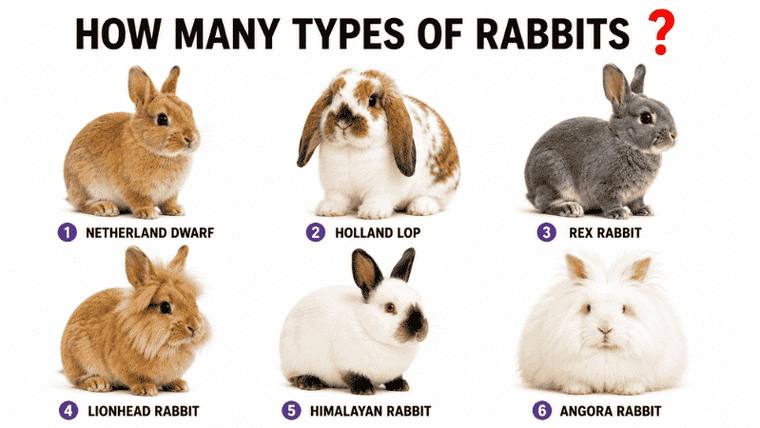
The Holland Lop is one of the most popular rabbit breeds in the United States. Known for its long, floppy ears and compact body, this small breed weighs 2 to 4 pounds. According to HowStuffWorks, it has chubby cheeks, a calm temperament, and a sweet personality, making it ideal for first-time rabbit owners and families with children.
The Mini Rex is another favorite. According to HowStuffWorks, the Mini Rex has plush fur that feels like velvet, requiring minimal grooming. Its small size (3 to 4.5 pounds) and docile nature make it a favorite in pet stores. The breed is known for its variety of colors, including blue, chocolate, and lilac.
The Netherland Dwarf is a popular choice for those just starting their rabbit-owning journey. These tiny rabbits weigh only 1.5 to 2.5 pounds but have big personalities. They can be energetic and sometimes skittish, so they need gentle handling. Their small size means they are often kept indoors, but owners must ensure their rabbit in cages setup is still spacious despite the rabbit's small stature.
Lionhead rabbits have a distinctive mane of fur around their heads, resembling a lion. According to PetsRadar, they are incredibly friendly and enjoy playing with toys. Their woolly coat requires regular grooming to prevent matting, which is an important consideration for potential owners who may not have time for daily brushing.
According to veterinarian Dr. Rebecca MacMillan writing for PetsRadar, first-time owners should avoid breeds with extreme features, including giant rabbit breeds and those with flattened faces. These bunnies have specific needs and may be more prone to developing health issues like dental disease. Additionally, some breeds are more prone to biting when stressed or mishandled. Understanding why rabbits bite can help new owners choose a breed known for a calmer temperament.
Best rabbit breeds for pets include Holland Lop (calm, floppy ears), Mini Rex (velvet fur, low grooming), Netherland Dwarf (tiny but energetic), and Lionhead (friendly, needs grooming). Beginners should avoid giant breeds and flat-faced rabbits.
Small & Cute Bunny Breeds
Small rabbit breeds are popular for apartment living and families with limited space. However, remember that even small rabbits need large enclosures.
The Netherland Dwarf is one of the smallest bunny breeds, weighing only 1.5 to 2.5 pounds. They have small, compact bodies, short ears, and round faces. Their personality can be energetic and sometimes feisty.
The Holland Lop weighs 2 to 4 pounds and is known for its floppy ears that hang down on either side of its head. It has chubby cheeks, a calm temperament, and a sweet personality, making it ideal for first-time owners and families with kids.
The Mini Lop is not the same as the Holland Lop. According to PetsRadar, the Mini Lop is a larger rabbit breed, typically weighing 3 to 6 pounds, but still incredibly affectionate. With the right exercise, leafy greens, and a balanced diet, Mini Lops thrive in family settings.
The Mini Rex weighs 3 to 4.5 pounds and has plush, velvety fur that requires minimal grooming. Their docile nature makes them good pets for calm, older children who handle them gently.
The American Fuzzy Lop weighs 3.5 to 4 pounds and has a round face, short nose, and woolly coat. According to PetsRadar, it was originally bred from the Holland Lop, combining the cute factor of lops with angora-like fur. Regular grooming is a must. Owners of woolly breeds should also understand how to properly care for their rabbit's living space, as fur can become matted in a poorly maintained ideal rabbit cage setup.
Small bunny breeds include Netherland Dwarf (1.5-2.5 lbs), Holland Lop (2-4 lbs), Mini Lop (3-6 lbs), Mini Rex (3-4.5 lbs), and American Fuzzy Lop (3.5-4 lbs). Small breeds need just as much space as larger rabbits.
Large & Giant Rabbit Breeds
Large rabbit breeds need significantly more space than small breeds. However, many giant breeds are known for their calm, gentle temperaments.
The Flemish Giant is the largest breed of domestic rabbit, weighing 15 pounds on average, though the largest individuals can weigh up to 49 pounds. Known as the "Gentle Giant," this breed is surprisingly docile and great with older children. The Flemish Giant originated in Flanders, Belgium, as early as the 16th century.
The Continental Giant is another massive breed, similar to the Flemish Giant but often even larger. These rabbits need enormous enclosures, dedicated rabbit-proofed rooms, and substantial food budgets. Owners of giant breeds must pay special attention to rabbit paw anatomy because the extra weight puts significant pressure on their feet, making sore hocks a common problem.
The British Giant is recognized by the British Rabbit Council and weighs 12.5 to 25 pounds. Colors include black, blue, brown grey, dark steel grey, opal, and white.
According to veterinarian Dr. Rebecca MacMillan, new rabbit owners should be cautious about giant breeds. "These bunnies will have specific needs and may be more prone to developing certain health issues," she explains. Giant breeds are also prone to joint problems and sore hocks due to their weight. If you are considering a giant breed, you must ensure your rabbit in cages setup is appropriate for a rabbit of that size, which typically means a dedicated room or a very large x-pen, not a standard hutch.
Large rabbit breeds include the Flemish Giant (15+ lbs), Continental Giant, and British Giant. Known as "gentle giants," they are docile but need massive enclosures, more food, and are prone to joint issues. Not recommended for beginners.
Fluffy & Unique Rabbit Breeds
Fluffy bunny breeds have long, woolly coats that require regular grooming. These rabbits are stunning but need dedicated owners.
The Angora rabbit is one of the oldest fluffy breeds, originating in Turkey. Angoras weigh 4.4 to 12.1 pounds and have long, erect ears. They are raised for their luxurious wool, which must be harvested regularly through grooming or shearing. Angoras come in both albino and colored varieties.
The Lionhead rabbit has a distinctive mane of long fur around its head, resembling a lion's mane. According to PetsRadar, they are incredibly friendly and enjoy playing with toys. Their mane requires regular brushing to prevent matting. Without proper grooming, the fur can become so matted that it pulls on the skin, causing pain and potential skin infections.
The American Fuzzy Lop combines the floppy ears of a lop with angora-like woolly fur. Weighing 3.5 to 4 pounds, this breed needs regular grooming to prevent matting but has an affectionate personality.
The Jersey Wooly is a small wool breed developed in New Jersey. Weighing only 2.5 to 3.5 pounds, they have a dense, woolly coat that requires regular grooming but are known for being gentle and easy to handle.
The Rex rabbit is not fluffy but has unique plush fur. The Rex breed has fur that feels like velvet and stands upright rather than lying flat. The Mini Rex is a smaller version of the standard Rex and is popular for its easy-care coat. However, even with easy-care coats, all rabbits need a clean living environment, and owners should learn how to properly set up an ideal rabbit cage to prevent urine scald and other hygiene issues.
Fluffy rabbit breeds include Angora (wool production), Lionhead (mane of fur), American Fuzzy Lop (woolly lop), and Jersey Wooly (small wool breed). Rex rabbits have unique velvety fur. All need regular grooming to prevent matting.
How to Identify Your Rabbit
What type of bunny do I have? Many rabbit owners adopt mixed-breed rabbits and wonder about their heritage. Here are clues to help identify your rabbit.
What type of rabbit do I have based on size? Measure your rabbit's weight. Netherland Dwarfs weigh 1.5-2.5 lbs. Holland Lops weigh 2-4 lbs. Flemish Giants weigh 12-20+ lbs. Medium breeds fall in between.
What breed of bunny do I have based on ear type? Lop ears (hanging down) indicate a lop breed such as Holland Lop, Mini Lop, or French Lop. Erect ears (standing up) are found in most other breeds. The length and thickness of erect ears also vary by breed.
What breed of rabbit do I have based on fur? Short, plush, velvety fur indicates a Rex or Mini Rex. Long, woolly fur indicates Angora, Lionhead, or Jersey Wooly. Normal flyback fur is found in most other breeds. Understanding your rabbit's coat type is essential for proper care; for example, a Lionhead's woolly coat needs daily brushing to prevent painful matting, as discussed in our guide on rabbit in cages setup.
Brown bunny breed with dot: If your rabbit is brown with a distinct dot marking, it may be an English Spot. This breed has a characteristic chain of spots running from the neck to the hind legs.
Rabbit breed identification can be challenging because many pet rabbits are mixed breeds. Even within recognized breeds, variations exist. The Mini Satin, for example, is a smaller version of the standard Satin rabbit, developed by crossing with Netherland Dwarf lines. If you cannot identify your rabbit's breed, a rabbit-savvy veterinarian can often help. Additionally, understanding general rabbit health, such as how long a bunny rabbit lives, is more important than knowing the exact breed.
How to identify your rabbit: check weight (small, medium, giant), ear type (lop or erect), fur texture (velvety, woolly, or normal flyback), and color patterns. Many pet rabbits are mixed breeds, making exact identification challenging.
Choosing the Best Pet Rabbit
Good rabbit breeds for pets vary by owner experience. Here is what to consider before choosing.
What type of rabbit makes the best pet for beginners? According to PetsRadar, the Holland Lop, Dutch rabbit, Lionhead, and English Spot are excellent options for first-time owners. These breeds tend to be calm, friendly, and manageable.
What is the best bunny to have as a pet for families with children? Holland Lops and Mini Rex are gentle and tolerate handling well. However, always supervise young children with any rabbit. Rabbits have delicate bones and can be injured by rough handling. A frightened rabbit may bite in self-defense, so teaching children how to interact safely is crucial. Understanding do rabbits bite can help parents choose a breed known for patience.
What type of rabbit makes the best pet for apartment living? Small breeds like Netherland Dwarfs, Holland Lops, and Mini Rex adapt well to indoor living. However, even small rabbits need large enclosures (minimum 6ft x 3ft) and daily exercise time outside the cage. Apartment owners should also consider noise levels; some rabbits are more active at night and may thump, which could disturb neighbors. Regardless of breed, every rabbit needs a proper ideal rabbit cage setup that provides enough space for exercise and enrichment.
Calm rabbit breeds include Holland Lops, Flemish Giants (despite their size), and English Spots. According to PetsRadar, the Harlequin rabbit is also intelligent and very calm in nature, making it an excellent addition to any family.
What breed of rabbit makes the best pet for someone with limited time? Low-maintenance breeds include the Mini Rex (minimal grooming) and Dutch rabbits (easygoing, calm). However, all rabbits need daily social interaction, exercise, and cage cleaning. No rabbit is truly low-maintenance. Even a low-grooming breed still needs daily attention and a clean living space, which means regularly cleaning the rabbit in cages environment.
According to veterinarian Dr. Rebecca MacMillan, avoid breeds with extreme features as a first-time owner. Breeds with flattened faces (brachycephalic breeds) have specific needs and may be more prone to developing health issues like dental disease.
Best beginner rabbit breeds: Holland Lop, Mini Rex, Dutch, Lionhead, and English Spot. These are calm, friendly, and manageable. Avoid giant breeds and flat-faced breeds as first-time owners. All rabbits need significant space, time, and social interaction.
Final Thoughts
The world of rabbit breeds is incredibly diverse. From the tiny Netherland Dwarf weighing just over a pound to the massive Flemish Giant tipping the scales at 20+ pounds, there is a type of rabbit for almost every lifestyle. The American Rabbit Breeders Association recognizes 53 breeds, while worldwide over 300 distinct types exist.
Choosing the right breed for your home requires honest assessment of your space, time, and experience level. Holland Lops and Mini Rex are excellent for beginners, while Flemish Giants need experienced owners with ample space. Fluffy breeds like Angoras and Lionheads need regular grooming but reward owners with stunning appearance. No matter which breed you choose, understanding basic rabbit care is essential. Learning about how long a bunny rabbit lives helps you prepare for the long-term commitment.
Remember that all rabbits, regardless of breed, need a large enclosure (minimum 6ft x 3ft), daily exercise time outside the cage, a proper diet of unlimited hay, fresh water, and social interaction. A rabbit's breed influences its appearance and general temperament, but individual personality varies within every breed. For more detailed guidance on housing your rabbit, read our comprehensive guide on rabbit in cages and learn how to create the ideal rabbit cage for your chosen breed.
Trusted Resources for Rabbit Breeds
- RSPCA Rabbit Care – Welfare guidelines for all rabbit breeds
- House Rabbit Society – Rabbit care and breed information for pet owners