That beauty also creates questions. Are double tail bettas healthy? Do they need special care? Why do some seem to struggle with swimming while others thrive for years?
The good news is that a healthy double tail male betta can live a long and comfortable life in the right environment. The key is understanding how its genetics affect its body structure and what that means for everyday care.
If you're thinking about buying one or already have one in your aquarium, this guide will help you avoid common mistakes and keep your fish in excellent condition.
What Is a Double Tail Male Betta Fish?
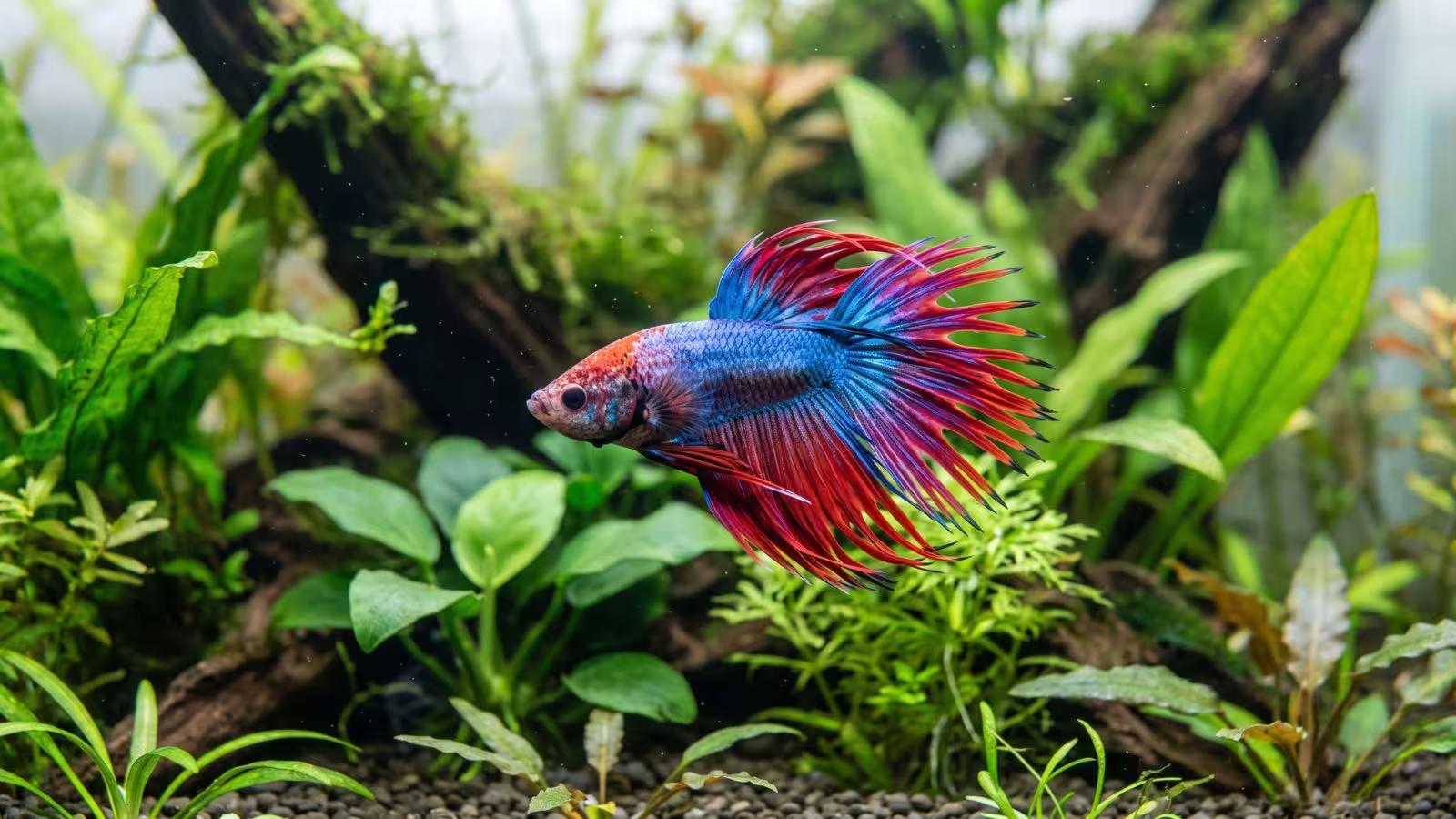
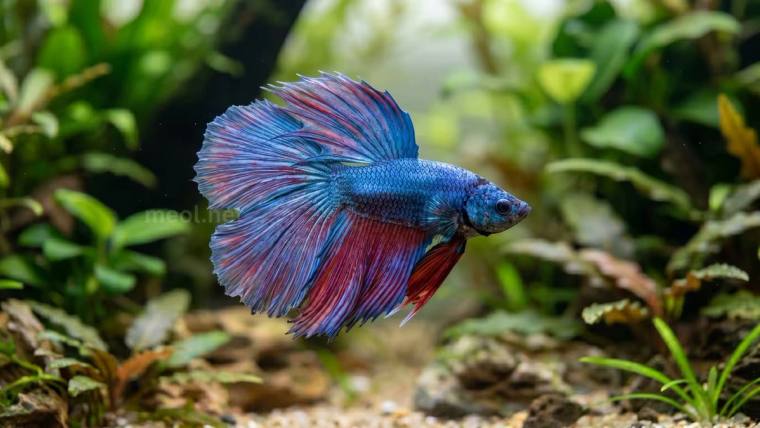
A double tail male betta fish is a selectively bred form of Betta splendens that carries a genetic trait causing the caudal fin to split into two distinct lobes.
Unlike a traditional single-tail betta, the tail appears divided down the middle. This creates a more symmetrical and often more dramatic appearance.
Many hobbyists first notice the tail, but the double tail gene affects more than just the caudal fin. One of the most recognizable features is the unusually large dorsal fin that often balances the fish visually from top to bottom.
Definition of the Double Tail Trait
The double tail trait comes from a specific genetic mutation passed through selective breeding.
Instead of developing one continuous tail, the fin separates into two sections. Depending on genetics and breeding quality, the split may be subtle or extremely pronounced.
How the Double Tail Gene Changes Appearance
The gene influences overall body structure.
Many double tail bettas develop a shorter, stockier body shape compared to other long-finned varieties. The dorsal fin also tends to become much larger, creating a fuller appearance from every angle.
Why Double Tail Bettas Look Different From Standard Bettas
The split caudal fin changes the fish's proportions.
Because the dorsal fin often expands as well, double tails can appear wider and more balanced than standard bettas. This is one reason they remain popular among collectors and show breeders.
Key Characteristics of a Male Double Tail Betta
Split Caudal Fin
The most obvious feature is the divided tail. Each lobe should appear reasonably symmetrical in a healthy specimen.
Enlarged Dorsal Fin
Many double tail males develop a dorsal fin that is noticeably larger than average.
Body Proportions
A slightly shorter body is common. Minor variation is normal.
Fin Ray Structure
Healthy fin rays should be straight and evenly distributed throughout the fins.
Double Tail Male Betta Fish Appearance and Color Variations
One reason people fall in love with double tails is the incredible variety of colors available.
You'll find them in solid colors, marble patterns, butterfly patterns, and metallic varieties. The tail structure remains the defining characteristic regardless of coloration.
Common Color Morphs
Popular color varieties include:
- Red
- Blue
- Turquoise
- White
- Black
- Mustard gas
- Marble
- Koi
- Copper
- Dragon scale
Many owners notice that some fish gradually change coloration over time. If you've ever wondered why this happens, our guide on Do Betta Fish Change Color explains the genetics and environmental factors behind those changes.
Body Shape and Fin Structure
A quality double tail should have balanced finnage and smooth body lines.
Extreme body deformities should not be considered normal, even in highly bred fish. Good structure generally indicates better long-term health.
How Size Changes From Juvenile to Adult
Young fish often look surprisingly ordinary.
As they mature, the split tail becomes more defined and the dorsal fin develops greater volume. Most males reach their full finnage several months after purchase.
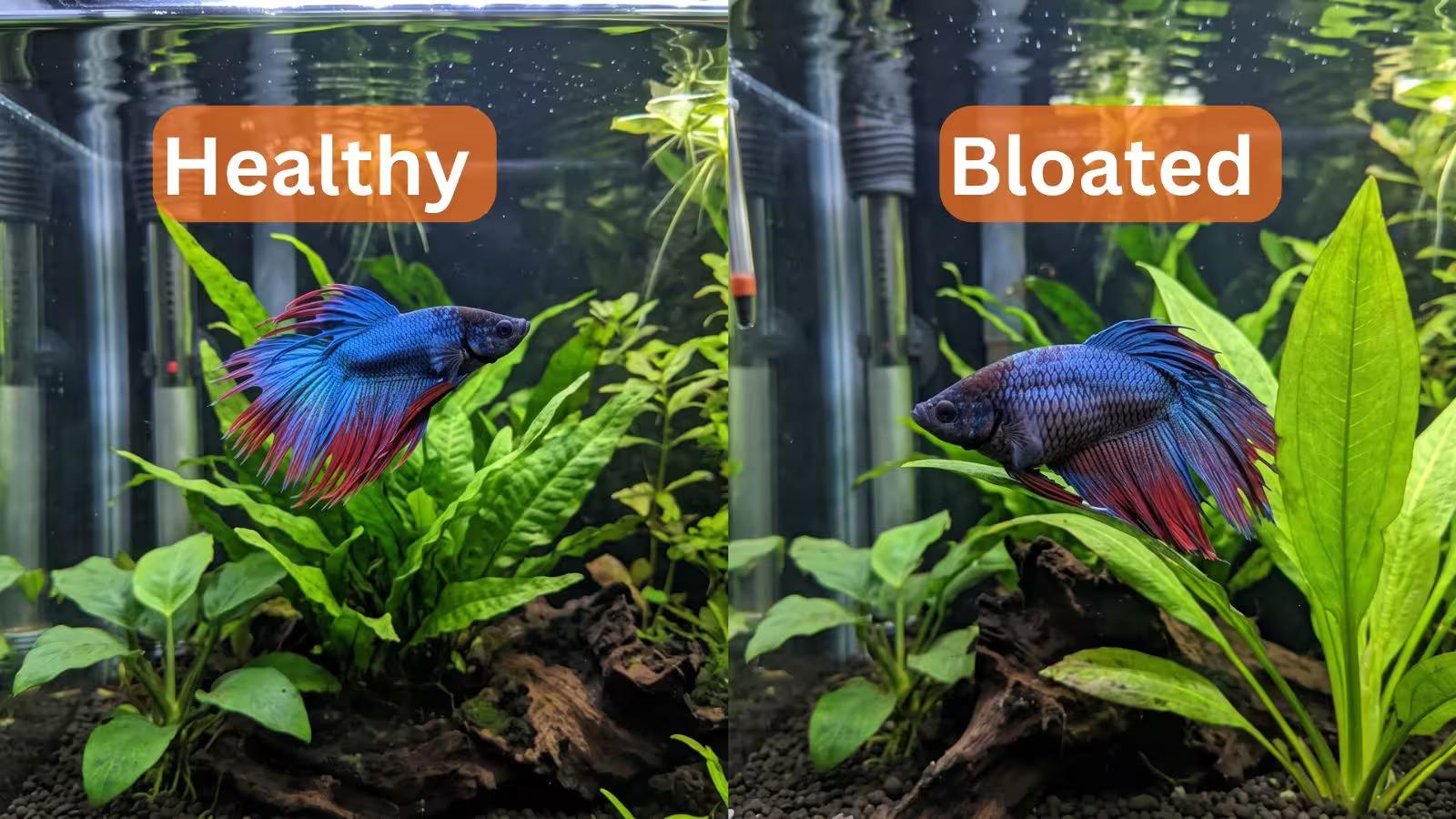
What a Healthy Double Tail Male Should Look Like
A healthy fish typically displays:
- Smooth swimming movement
- Fully open fins
- Strong feeding response
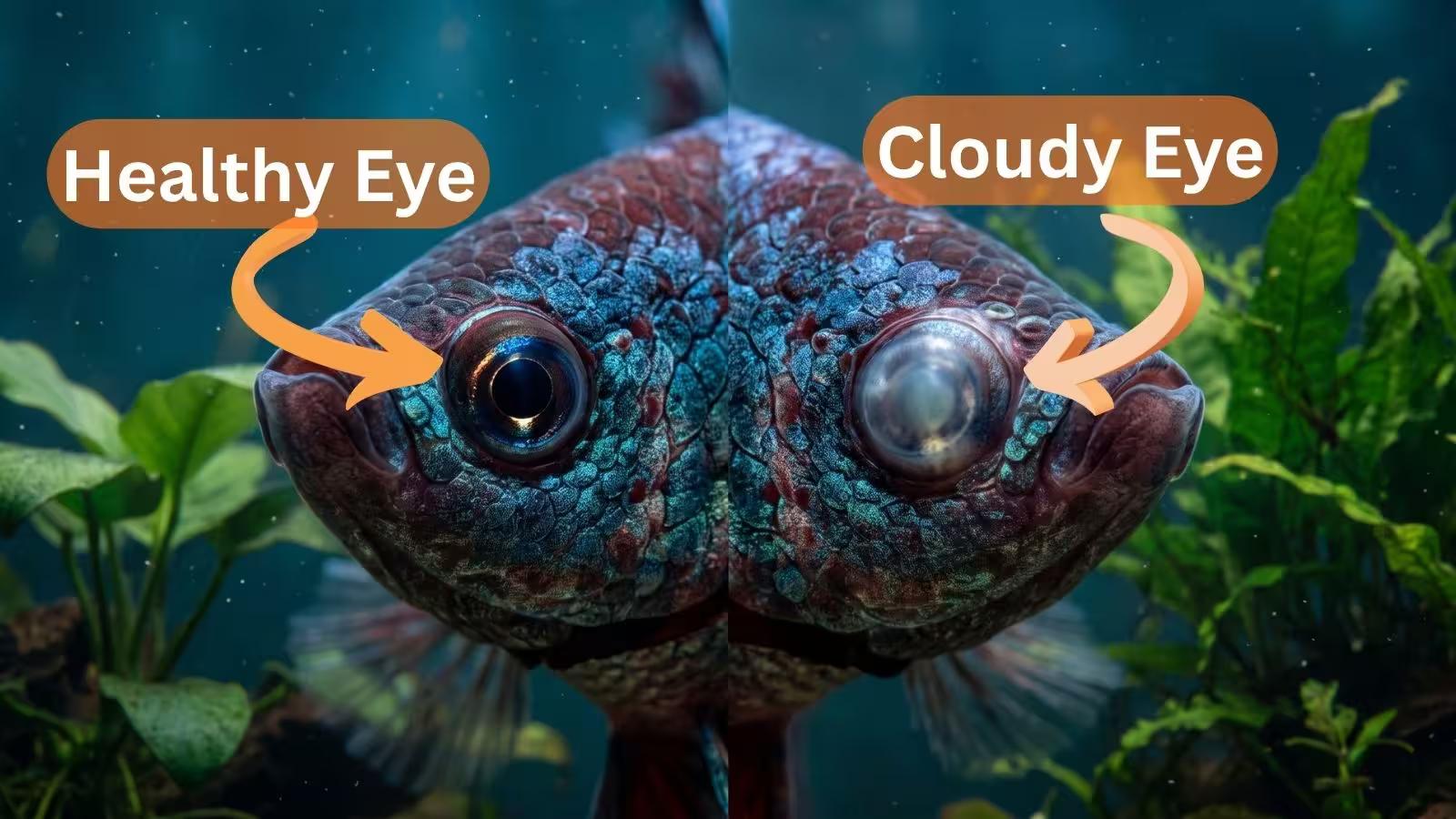
- Clear eyes
- Bright coloration
- Good body symmetry
Healthy Fins
The fin edges should look clean and intact. Small tears can happen occasionally, but extensive fraying may indicate injury or disease.
Proper Body Symmetry
Minor differences are normal. Severe curvature or twisting may suggest genetic problems.
Normal Swimming Posture
The fish should swim upright and maintain balance without constant effort.
Halfmoon Double Tail Betta Fish vs Standard Double Tail Betta
Many hobbyists confuse these two varieties.
A halfmoon double tail male betta fish carries both the double tail trait and the halfmoon fin trait. This combination creates an even more dramatic display.
What Is a Halfmoon Double Tail Betta Fish?
A halfmoon double tail betta expands its tail spread much further than a standard double tail.
When flaring, the tail can create a stunning semicircular appearance.
How Halfmoon Double Tail Genetics Affect Tail Shape
Combining multiple finnage traits increases visual appeal.
It can also increase the amount of fin tissue the fish must carry while swimming.
Appearance Differences
Standard double tails generally have less finnage.
Halfmoon double tails often appear larger and more extravagant despite having similar body sizes.
Swimming Ability Differences
Extra fin mass creates additional resistance in the water.
One thing I've noticed is that heavily finned bettas often take more frequent resting breaks than shorter-finned varieties.
Care Differences
Both need similar water conditions.
The heavily finned fish simply benefit from lower water flow and more resting locations.
Which Variety Is Better for Beginners?
A standard double tail is often slightly easier to manage.
The reduced fin load can make movement easier and lower the risk of fin damage.
Double Tail Male Betta vs Double Tail Betta Fish Female
Many new owners struggle to identify the sex of younger fish.
The differences become clearer as the fish mature.
Physical Differences
Males usually develop larger fins and more intense coloration.
Females often remain smaller and less elaborate.
Fin Length Differences
Male double tails typically have significantly longer finnage.
Female fins remain shorter and more practical for movement.
Coloration Differences
Males generally display brighter colors.
Females can still be beautiful but often appear less dramatic.
Behavior Differences
Males tend to be more territorial.
If you're comparing female behavior patterns, our article on are female betta fish aggressive provides additional insight.
Breeding Differences
Females produce eggs while males build bubble nests.
For a deeper explanation of reproductive behavior, see Can Betta Fish Lay Eggs Without a Male.
Identification Guide for Beginners
Look for:
- Fin length
- Body shape
- Color intensity
- Presence of an egg spot in females
Using several clues together is more reliable than relying on a single trait.
Understanding Double Tail Betta Genetics
The beauty of a double tail comes directly from its genetics.
Unfortunately, the same gene responsible for the striking appearance can also increase the likelihood of structural issues.
The Double Tail Gene Explained
The double tail trait is inherited genetically.
When breeders selectively reinforce the characteristic over many generations, the tail split becomes more pronounced.
Selective Breeding and Trait Development
Selective breeding created many of today's ornamental betta varieties.
The goal is often visual perfection, though health should never be sacrificed for appearance.
Why Larger Dorsal Fins Occur
The same genetic influence that divides the tail often affects the dorsal fin.
As a result, many double tails develop unusually broad dorsal fins.
Common Genetic Challenges
Not every double tail experiences health issues.
Still, understanding the risks helps you identify problems early.
Spinal Curvature
Some fish develop curved spines. Mild curvature may have little impact, while severe cases can affect mobility.
Deformed Caudal Peduncle
The area connecting the body to the tail can occasionally develop abnormally. This may reduce swimming efficiency.
Swim Bladder Complications
Body structure sometimes contributes to buoyancy problems. Poor water quality can make these issues worse.
Body Asymmetry
Noticeable imbalance between body sides may indicate genetic weakness.
How Genetics Influences Long-Term Health
Genetics set the foundation, but husbandry determines much of the outcome.
Stable water conditions, quality nutrition, and low stress often allow these fish to thrive despite minor imperfections.
Observations From Experienced Breeders
Many breeders prioritize structural quality over extreme finnage.
That approach generally produces stronger fish capable of living longer and moving more comfortably.
Temperament and Behavior of Double Tail Male Bettas
A double tail male betta usually behaves much like other male bettas. You'll often see curiosity, territorial displays, and a surprising amount of interaction with people outside the tank.
Some quickly learn feeding routines and may swim to the front glass whenever they see you approach.
Typical Personality Traits
Most double tail males are confident and inquisitive.
They often patrol their territory, inspect decorations, and investigate movement outside the aquarium. Some are bold from day one, while others need time to settle in.
Territorial Behavior
Territorial instincts remain strong regardless of tail type.
Males generally do not tolerate other male bettas in the same aquarium. Even reflections can trigger flaring behavior.
If you're considering multiple bettas in a shared setup, read Can You Have Multiple Betta Fish in One Tank before making that decision.
Interaction With Owners
One of the most enjoyable aspects of keeping bettas is their responsiveness.
Many recognize feeding times and learn to associate certain movements with food. Some even follow fingers across the glass.
Normal vs Abnormal Behavior
Understanding what's normal can prevent unnecessary panic.
Many new owners mistake resting, sleeping, or slow swimming for illness.
Resting Behavior
Double tail males often rest more frequently than short-finned varieties. The extra finnage creates additional drag in the water, making occasional breaks perfectly normal.
Surface Breathing
You'll occasionally see your betta visit the surface for air. This behavior is completely normal because bettas possess a labyrinth organ that allows them to breathe atmospheric oxygen.
Exploration Patterns
Healthy fish remain interested in their surroundings. A curious betta may investigate plants, caves, and feeding areas throughout the day.
Stress Indicators
Watch for:
- Clamped fins
- Constant hiding
- Loss of appetite
- Color fading
- Erratic swimming
These signs usually suggest stress, illness, or poor water conditions.
Understanding the Labyrinth Organ
The labyrinth organ gives bettas a unique advantage.
It allows them to breathe air directly from the surface when necessary. This adaptation helps them survive in oxygen-poor environments but does not replace proper filtration or good water quality.
You may also notice distinct sleep patterns. If you're curious about nighttime behavior, our article on Do Betta Fish Sleep at Night explains what normal betta sleep looks like.
Ideal Tank Setup for a Double Tail Male Betta Fish
A proper setup makes a bigger difference than most owners realize.
Many health and behavior problems trace back to aquarium conditions rather than genetics.
Recommended Aquarium Size
A minimum of 5 gallons is strongly recommended.
Larger tanks provide more stable water parameters and give your betta additional room to explore. A 10-gallon aquarium often makes maintenance easier.
Filtration Requirements
Gentle filtration works best.
Strong current can exhaust long-finned fish and make swimming unnecessarily difficult.
Why Sponge Filters Work Well
Sponge filters are popular among experienced betta keepers for good reason.
They provide biological filtration without creating excessive water movement. They also support beneficial bacteria that help process waste.
Choosing Safe Decorations
Avoid sharp decorations whenever possible.
Long fins tear surprisingly easily. Smooth driftwood, rounded stones, and soft decorations are much safer options.
Live Plants vs Artificial Plants
Live plants offer several advantages.
They provide natural shelter, absorb some waste compounds, and create a more natural environment.
Popular choices include:
- Anubias
- Java Fern
- Java Moss
- Amazon Frogbit
- Water Sprite
Silk plants are generally safer than hard plastic alternatives if live plants aren't practical.
Creating Resting Areas
Long-finned bettas appreciate convenient resting locations.
Broad plant leaves, floating plants, and betta hammocks allow fish to rest near the surface without excessive effort.
Tank Layout for Long-Finned Bettas
Open swimming areas should balance with sheltered spaces.
Too much clutter can restrict movement, while an empty tank may leave the fish feeling exposed.
Common Tank Setup Mistakes
Several mistakes appear repeatedly among beginners.
These include:
- Using bowls
- Skipping heaters
- Overcrowding tanks
- Using strong filters
- Adding fish before cycling the aquarium
This mistake causes more problems than people expect. An uncycled tank often develops ammonia and nitrite spikes that stress fish long before visible symptoms appear.
Water Parameters for Long-Term Health
Stable water conditions often matter more than chasing perfect numbers.
Many healthy bettas live successfully in slightly different water chemistry as long as conditions remain consistent.
Recommended Temperature Range
Keep water between 76°F and 82°F (24°C–28°C).
Most experienced keepers aim for 78°F to 80°F. Consistent warmth supports digestion, immunity, and activity levels.
Recommended pH Range
A pH between 6.5 and 7.5 works well for most double tail bettas.
Sudden pH swings are generally more harmful than slightly imperfect values.
Ammonia Requirements
Ammonia should always remain at 0 ppm.
Even small amounts can damage gills and increase stress.
One thing I've noticed is that appetite changes are often among the first signs of ammonia exposure.
Nitrite Requirements
Nitrite should also remain at 0 ppm.
Like ammonia, nitrite becomes dangerous even at low concentrations.
Nitrate Targets
Nitrate is less toxic but should still be controlled.
Keeping nitrate under 20 ppm is a practical goal for most home aquariums.
Water Hardness Considerations
Moderate hardness works well for most captive-bred bettas.
Extreme hardness or softness can create stability issues.
Importance of the Nitrogen Cycle
A cycled aquarium contains beneficial bacteria that convert toxic waste into safer compounds.
Without these bacteria, ammonia can rise quickly and create serious health problems.
Water Stability vs Chasing Perfect Numbers
Many beginners constantly adjust water chemistry.
That approach often creates more stress than the original issue. Consistency is usually the better goal.
Feeding and Nutrition
Nutrition influences growth, coloration, immunity, and overall health.
A poor diet may not cause immediate problems, but long-term deficiencies eventually show up.
Best Diet for Double Tail Male Bettas
High-quality protein should form the foundation of the diet.
Bettas are carnivorous fish and thrive on protein-rich foods rather than plant-heavy formulas.
High-Protein Feeding Strategy
A varied feeding routine often produces the best results.
Combining quality pellets with occasional frozen foods provides excellent nutritional coverage.
Pellet Selection
Choose pellets designed specifically for bettas.
The first ingredients should ideally include fish, shrimp, krill, or other animal-based proteins.
Frozen and Live Food Options
Occasional treats can enhance nutrition and enrichment.
Good choices include:
- Bloodworms
- Daphnia
- Brine shrimp
- Mosquito larvae
These foods should supplement, not replace, a balanced pellet diet.
Feeding Schedule by Age
Young fish generally require more frequent meals.
Healthy adults usually do well with one or two small feedings daily.
Overfeeding Risks
Overfeeding remains one of the most common mistakes in fishkeeping.
Excess food contributes to:
- Obesity
- Constipation
- Water quality problems
- Swim bladder issues
A betta's stomach is smaller than many people expect.
Signs of Proper Nutrition
A well-fed betta typically shows:
- Strong appetite
- Good coloration
- Active behavior
- Healthy body condition
- Consistent growth
Feeding During Special Situations
Occasionally owners worry when a fish misses meals.
If you're dealing with temporary fasting concerns, How Long Can Betta Fish Go Without Food explains what is normal and when intervention may be necessary.
Common Health Problems in Double Tail Male Bettas
Most double tail bettas remain healthy when kept in appropriate conditions.
Still, understanding common issues helps you respond quickly when something changes.
Fin Rot
Fin rot is one of the most frequently encountered betta diseases.
The condition often begins as fraying, discoloration, or gradual fin deterioration.
Poor water quality commonly contributes to outbreaks.
Swim Bladder Disorder
Swim bladder problems affect buoyancy control.
Affected fish may:
- Float unexpectedly
- Sink excessively
- Swim awkwardly
- Struggle to maintain balance
Overfeeding is a common trigger.
Ammonia Stress
Ammonia exposure damages delicate tissues.
Early symptoms often include:
- Reduced appetite
- Lethargy
- Rapid gill movement
- Surface gasping
Physical Injuries
Long fins increase injury risk.
Decorations, aggressive tank mates, and strong currents can all contribute to torn fins.
Genetic Deformities
Some double tails inherit structural weaknesses.
These may include:
- Curved spines
- Body asymmetry
- Abnormal tail development
- Reduced swimming efficiency
Early Warning Signs of Illness
Many illnesses start with subtle changes.
Watch closely if you notice:
- Appetite reduction
- Hiding
- Color loss
- Reduced activity
- Unusual swimming
Emergency Symptoms That Require Immediate Action
Seek solutions quickly if your fish shows:
- Severe bloating
- Open wounds
- Rapid breathing
- Inability to remain upright
- Complete refusal of food for extended periods
When to Contact an Aquatic Veterinarian
Persistent symptoms deserve professional evaluation.
This becomes especially important if water parameters are already within normal ranges.
For broader disease identification and treatment guidance, see Betta Fish Diseases and Cures.
Common Health Patterns Observed by Breeders
Many breeders report that preventive care solves more problems than medication.
Stable water quality, quality nutrition, and stress reduction remain the strongest defenses against disease.
Lifespan and Long-Term Care Expectations
A healthy double tail male betta often lives between 3 and 5 years.
Some exceed that range when genetics and husbandry align well.
Average Lifespan
Life expectancy depends on several factors.
Genetics matter, but daily care usually has a larger impact than most owners realize.
Factors That Influence Longevity
Key influences include:
- Water quality
- Diet
- Temperature stability
- Stress levels
- Disease prevention
- Genetic quality
How Genetics Affects Lifespan
Well-bred fish generally start with advantages.
Poorly bred specimens may face structural challenges that shorten lifespan.
Preventive Care Habits
Simple routines often produce the best results.
Weekly maintenance, regular observation, and prompt correction of water issues go a long way.
Maintaining Quality of Life as Bettas Age
Older fish often become less active.
Providing easy access to food, resting locations, and stable conditions helps aging bettas remain comfortable.
How to Choose a Healthy Double Tail Male Betta
Buying the right fish from the beginning prevents many future problems.
A few minutes of careful observation can reveal a lot.
Buying From Local Fish Stores
Observe the fish before purchasing.
Avoid making decisions based solely on coloration.
Buying From Specialized Breeders
Responsible breeders often focus on health alongside appearance.
They may also provide valuable information about lineage and genetics.
Health Inspection Checklist
Fin Condition
Look for intact fins without excessive tearing.
Body Shape
Avoid severe deformities or noticeable spinal curvature.
Swimming Ability
Healthy fish should move comfortably and maintain balance.
Eye Clarity
Cloudy or damaged eyes can indicate health concerns.
Feeding Response
Fish that eagerly investigate food often arrive in better condition.
Red Flags to Avoid
Consider walking away if you observe:
- Severe lethargy
- Visible wounds
- Extreme bloating
- Severe fin deterioration
- Major skeletal abnormalities
What Experienced Keepers Look For Before Purchasing
Many experienced hobbyists prioritize structure and behavior over color.
A slightly less flashy fish with strong genetics often proves to be the better long-term choice.
Breeding Double Tail Bettas
Breeding double tail bettas can be rewarding, but it requires more planning than many beginners expect.
The goal should never be producing as many fish as possible. Healthy genetics should always come first.
Breeding Basics
A breeding pair needs excellent health, mature age, and proper conditioning.
Most breeders increase protein-rich foods before introducing a compatible pair. Stable water temperature and a quiet environment also improve breeding success.
Genetic Considerations
The double tail trait is inherited genetically.
That sounds simple, but the genetics behind finnage and body structure can become complicated very quickly. Responsible breeders pay close attention to structural quality, not just appearance.
Risks of Breeding Double Tail to Double Tail
This is where caution becomes important.
Breeding two double tail fish together may increase the chance of physical deformities, spinal issues, body asymmetry, and other structural weaknesses. Many experienced breeders prefer carefully planned outcrosses to maintain stronger genetics.
Fry Health Considerations
Young fry should be monitored closely as they grow.
Developmental issues often become visible during the early growth stages. Removing unhealthy fish from breeding programs helps maintain healthier future generations.
Ethical Breeding Practices
Good breeding focuses on fish welfare.
Producing fish with severe deformities simply to achieve dramatic finnage benefits nobody, including the fish themselves.
Myths About Double Tail Male Bettas
Double tail bettas are surrounded by plenty of misinformation.
Some myths discourage potential owners, while others create unrealistic expectations.
Myth: Double Tail Bettas Are Always Unhealthy
This isn't true.
While the double tail gene can increase certain risks, many well-bred fish live healthy lives when kept in proper conditions.
Myth: Bigger Fins Mean Better Genetics
Large fins attract attention, but they don't automatically indicate quality.
Strong body structure, good swimming ability, and overall health matter much more.
Myth: Double Tails Need Tiny Tanks
Some people assume long-finned bettas need less swimming space.
In reality, a minimum 5-gallon aquarium remains the preferred standard.
Myth: All Double Tails Have Short Lifespans
Genetics play a role, but daily care often has a greater impact.
Proper water quality, stable temperatures, and good nutrition can significantly improve longevity.
Troubleshooting Common Problems
Even experienced fishkeepers occasionally encounter issues.
The key is identifying the cause before guessing at treatments.
My Double Tail Betta Has Trouble Swimming
Start by observing the environment.
Strong filter flow, excessive finnage, swim bladder problems, or poor water quality can all contribute to swimming difficulties.
Test ammonia, nitrite, and nitrate before assuming disease.
My Betta's Tail Looks Uneven
Not every uneven tail is a problem.
Some asymmetry naturally occurs in double tail bettas. Sudden changes, torn tissue, or progressive deterioration deserve closer investigation.
My Betta Is Lethargic
Lethargy often has multiple possible causes.
Check the temperature first. Water that is too cold commonly reduces activity levels. Poor water quality and illness are also common contributors.
My Betta Refuses Food
Don't panic immediately.
A healthy betta occasionally skips a meal. Persistent refusal lasting several days should prompt water testing and a closer health inspection.
My Betta Has Clamped Fins
Clamped fins are usually a stress signal.
Common causes include:
- Poor water quality
- Illness
- Sudden environmental changes
- Aggressive tank mates
- Excessive current
Step-by-Step Health Assessment Workflow
When something seems wrong:
Step 1
Check the temperature.
Step 2
Test ammonia, nitrite, and nitrate.
Step 3
Observe breathing rate.
Step 4
Assess appetite.
Step 5
Inspect fins, eyes, and body condition.
Step 6
Review recent changes to the aquarium.
Many problems become much easier to identify when approached systematically.
When Should You Worry About Your Double Tail Betta?
Minor behavior changes happen occasionally.
The challenge is knowing when normal becomes abnormal.
Warning Signs That Require Immediate Investigation
Pay attention if you notice:
- Sudden appetite loss
- Rapid breathing
- Severe lethargy
- Loss of balance
- Major color changes
These symptoms often indicate an underlying problem.
If unusual discoloration develops, our guide on Why Is My Betta Fish Turning White may help identify possible causes.
Signs of Serious Water Quality Problems
Water quality issues often produce predictable symptoms.
Watch for:
- Surface gasping
- Red or irritated gills
- Clamped fins
- Reduced activity
- Loss of appetite
Testing the water should be the first response.
Signs of Genetic Health Issues
Genetic concerns typically develop gradually.
Examples include:
- Progressive spinal curvature
- Persistent swimming difficulty
- Abnormal body proportions
- Chronic buoyancy problems
Signs of Disease Progression
Illness becomes more concerning when symptoms worsen over time.
A fish that continues declining despite corrected water parameters may require more advanced treatment.
Veterinary Red Flags
Professional help is worth considering if you observe:
- Open sores
- Severe swelling
- Tumor-like growths
- Persistent breathing difficulty
- Extended inability to eat
Final Thoughts
A double tail male betta fish combines beauty, personality, and unique genetics in a way few freshwater fish can match.
Understanding the double tail trait helps you make better decisions from the start. Good water quality, proper nutrition, a heated and cycled aquarium, and careful fish selection will usually have a bigger impact than any specific color or finnage pattern.
Many owners focus entirely on appearance and overlook structure, behavior, and overall health. Those details often determine how well a fish thrives over the years.
Spend a few minutes each day simply observing your betta. Appetite, swimming behavior, coloration, and activity levels often reveal problems long before serious symptoms appear. Once you learn your fish's normal habits, caring for a double tail betta becomes far less complicated and much more enjoyable.