Are female betta fish aggressive? Are they fighting? Is this normal behavior or something dangerous?
Many new owners assume aggression is only a male betta problem. The truth is a little more complicated. Female bettas are often less aggressive than males, but they are still territorial fish with strong personalities.
One female may peacefully ignore her tank mates for months. Another may claim half the aquarium as her personal territory within hours.
Understanding the difference between normal social behavior and genuine aggression can save your fish from stress, injury, and long-term health problems. It also helps you make better decisions about tank mates, sororities, and aquarium setup.
Are Female Betta Fish Aggressive?
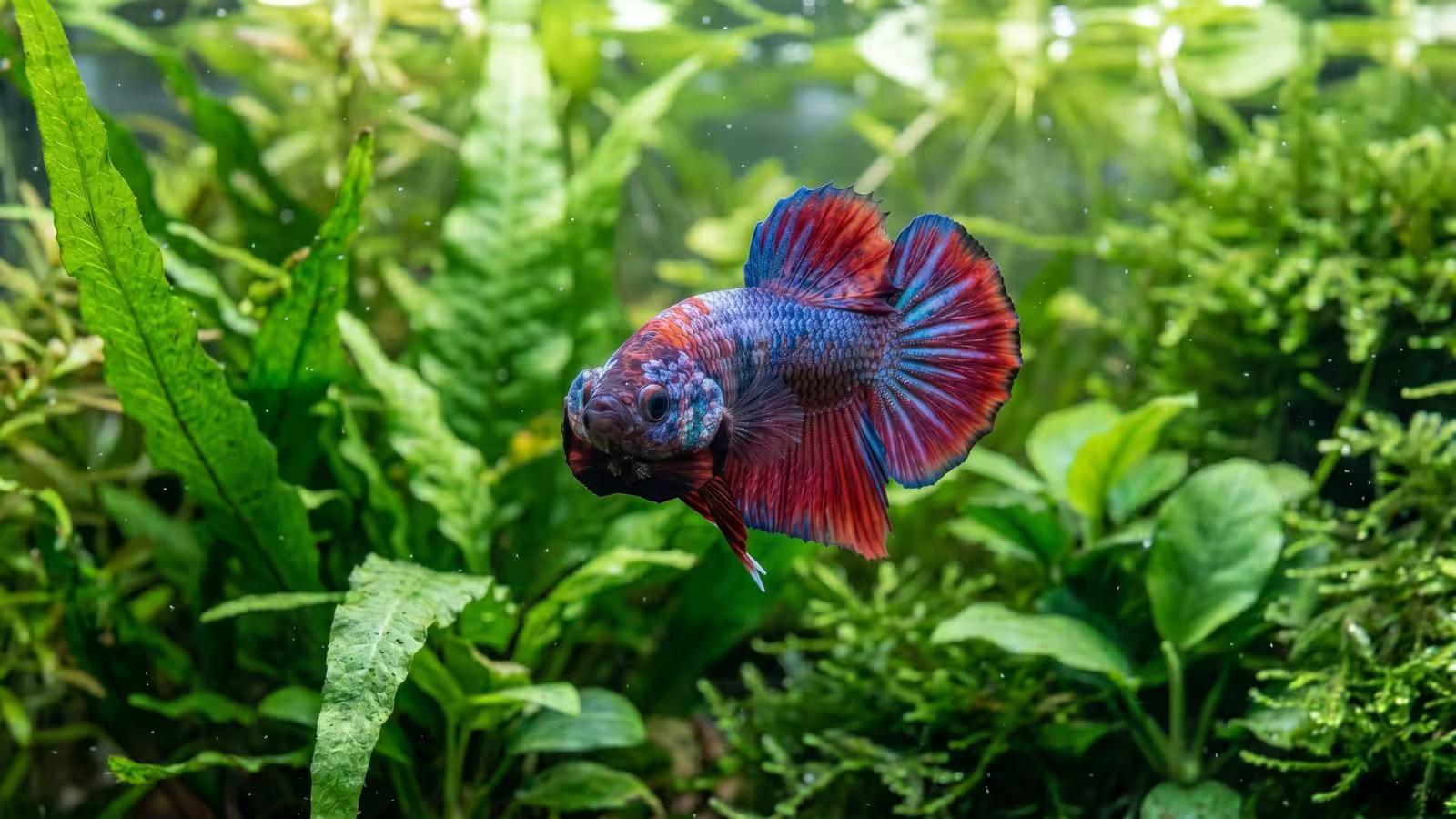
Yes, female betta fish can be aggressive.
The species, Betta splendens, was selectively bred from fish that naturally defend territory. While males are famous for fighting, females still retain many of those territorial instincts.
That doesn't mean every female betta is constantly looking for a fight.
Personality plays a surprisingly large role. Some females are relatively calm and tolerate community aquariums well. Others become dominant fish that challenge nearly anything entering their space.
One thing many beginners notice is that aggression often appears strongest during the first few days after introducing a fish to a new environment. During this period, the fish is establishing territory and learning the aquarium hierarchy.
Short displays of dominance are common.
Persistent harassment is not.
Knowing the difference is important because unnecessary intervention can cause stress, while ignoring real aggression can lead to injured fins and chronic fish stress.
Female Betta Temperament Compared to Male Bettas
Male bettas usually defend territory alone.
Female bettas are different. They still establish territory, but they often show more complex social dynamics when housed with other females.
This is why female betta sororities are possible while male groups almost never work.
Even so, "less aggressive" doesn't mean "peaceful."
A female betta can still chase intruders, flare at rivals, guard favorite resting spots, and compete for food. In some cases, an aggressive female may actually behave more aggressively than a calm male.
I've seen hobbyists successfully keep multiple females together while struggling with a single unusually dominant female that attacked everything in sight.
Temperament matters.
Why Aggression Levels Vary Between Individual Fish
Not all female bettas behave the same way.
Several factors influence aggression:
- Genetics
- Age
- Previous housing conditions
- Stress history
- Tank layout
- Competition for resources
Fish raised in crowded conditions sometimes become more defensive after moving into a home aquarium.
Others arrive stressed from transport and react aggressively until they settle.
The aquarium itself also influences behavior. A densely planted tank with visual barriers often reduces conflict. An open aquarium with nowhere to retreat tends to increase territorial disputes.
This is one reason many owners researching can you have multiple betta fish in one tank discover that tank design matters almost as much as the fish themselves.
Why Do Fighting Fish Fight?
Betta fish earned the nickname "fighting fish" for a reason.
Aggression isn't random. Most conflicts happen because the fish perceives a threat, competitor, or territorial challenge.
Understanding the cause helps you solve the problem instead of simply reacting to the symptoms.
Territorial Instincts in Betta Fish
Territory is the biggest reason bettas fight.
In the wild, bettas occupy areas that provide food, shelter, and access to the water surface. Even though aquarium fish live very different lives, those instincts remain.
A female may claim a favorite plant, cave, driftwood structure, or feeding zone.
When another fish enters that area, conflict often follows.
This behavior becomes more obvious in smaller tanks where personal space is limited.
A properly heated and filtered aquarium of at least 5 gallons gives a betta far more opportunity to establish territory without constant confrontation.
Competition for Resources
Aggression often increases when fish compete for something valuable.
Food is a common trigger.
A dominant female may patrol feeding areas and chase away weaker fish before meals. This behavior can become more noticeable if fish are underfed or if food is delivered to the same location every day.
Surface access can also become a source of conflict.
Because bettas are labyrinth fish, they regularly visit the surface to breathe air. Competition around these areas sometimes creates tension between fish sharing a tank.
Establishing Dominance Hierarchies
Not every aggressive interaction is a true fight.
Many are simply attempts to establish social ranking.
A dominant female may chase another fish briefly, display flared fins, and then move on once the hierarchy is understood.
This behavior is particularly common in sorority setups.
The challenge for owners is determining whether fish are establishing a stable hierarchy or engaging in harmful bullying.
Short interactions usually decrease over time.
Constant aggression usually does not.
Breeding and Reproductive Triggers
Hormonal changes can affect behavior.
Female bettas carrying eggs may become more territorial than usual. This doesn't mean they're sick or dangerous, but it can change how they interact with other fish.
Some females become protective of preferred resting areas during these periods.
If you've ever wondered can betta fish lay eggs without a male, the answer is yes. Egg production can occur without a male present, and hormonal shifts sometimes influence behavior.
Stress-Induced Aggression
Stress doesn't always make a fish hide.
Sometimes it does the opposite.
Poor water quality, unstable temperatures, overcrowding, and constant disturbances can increase defensive behavior.
A healthy betta generally thrives between 76°F and 82°F (24°C–28°C) with stable conditions and a cycled aquarium.
When ammonia or nitrite rises, behavior often changes before visible illness appears.
In my experience, unusual aggression and reduced appetite frequently appear before obvious physical symptoms.
That is why behavioral changes should never be ignored.
How Do Betta Fish Fight?
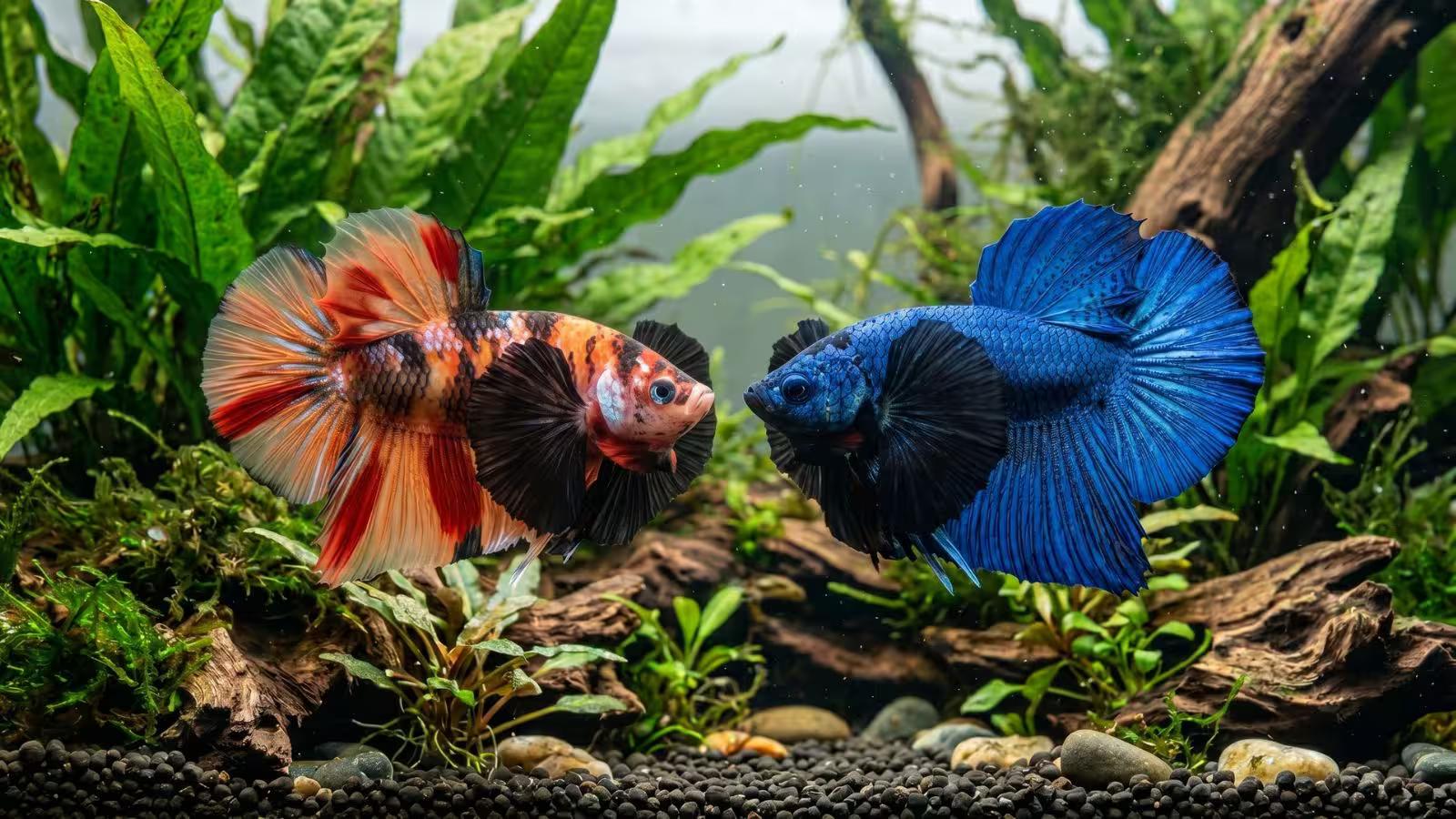
Many owners assume every chase means a fight.
That's not always true.
Betta fish communicate through body language long before physical contact occurs. Learning these signals helps you identify problems early and avoid injuries.
Early Warning Signs Before Fighting Starts
Most fights begin with subtle behavior.
The fish may:
- Follow another fish repeatedly
- Patrol a specific area
- Block access to food
- Hover near a rival
- Display increased territorial behavior
These early signs often appear days before actual fighting.
Owners who catch them early have a much better chance of preventing escalation.
Threat Displays
Betta fish prefer intimidation over injury.
Before attacking, they often attempt to scare rivals away.
Common displays include:
- Gill flaring
- Fin spreading
- Side-by-side posturing
- Slow approaches
- Body arching
These displays make the fish appear larger and more threatening.
Interestingly, some bettas perform these behaviors without ever engaging in physical contact.
Active Fighting Behaviors
Once displays fail, actual fighting may begin.
This usually includes:
- Rapid chasing
- Fin nipping
- Body slamming
- Repeated attacks
- Cornering behavior
Unlike simple territorial displays, real fights often involve physical contact.
The target fish may struggle to eat, rest, or move freely around the aquarium.
At this stage, intervention becomes much more important.
Signs a Fight Has Become Dangerous
Dangerous aggression leaves evidence behind.
Watch for:
- Torn fins
- Missing scales
- Open wounds
- Constant hiding
- Refusal to eat
- Rapid breathing
- Weight loss
Stress from continuous bullying can weaken the immune system over time.
Fish dealing with long-term harassment often become more vulnerable to illnesses. If you begin noticing unusual physical symptoms alongside aggression, it's worth reviewing common betta fish diseases and cures to rule out health-related problems.
What a Real Betta Fight Looks Like vs Normal Interaction
This is where many beginners get confused.
Normal interaction tends to be brief.
A fish may chase another for a few seconds, establish boundaries, and then resume normal behavior.
A real fight is different.
The aggressive fish repeatedly targets the same individual. The victim struggles to access food, spends excessive time hiding, or shows visible injuries.
One simple question helps separate the two:
Can the weaker fish still eat, rest, and move around the aquarium comfortably?
If the answer is yes, you're likely seeing manageable social behavior.
If the answer is no, you're dealing with a serious aggression problem that requires action.
Do Bettas Attack Other Fish?
Yes, they can.
Female bettas are often marketed as community fish, but that description can be misleading. Some females live peacefully alongside other species for years. Others become surprisingly intolerant of certain tank mates.
The challenge is that aggression isn't always predictable.
A fish that ignores its neighbors today may become territorial weeks later after settling into the aquarium.
Fish Most Commonly Targeted by Female Bettas
Certain fish tend to attract unwanted attention.
Long-finned species often become targets because their flowing fins resemble another betta. Slow swimmers can also struggle because they cannot easily escape persistent chasing.
Common examples include:
- Guppies
- Fancy mollies
- Male endlers
- Angelfish juveniles
- Slow-moving gouramis
Bright colors sometimes increase the risk as well.
Many female bettas react more strongly to fish displaying vivid reds, blues, or large fins.
Why Slow-Moving Fish Become Targets
A slow fish spends more time within a betta's territory.
That increases encounters and gives a dominant female more opportunities to chase or intimidate it.
I've noticed that active schooling fish often avoid problems simply because they move constantly and rarely linger in one place.
Slow species don't always have that advantage.
Over time, repeated harassment can create chronic stress even if visible injuries never occur.
Why Brightly Colored Fish Trigger Aggression
Bettas rely heavily on visual cues.
Another fish displaying bold colors, large fins, or similar body shapes may be interpreted as a competitor.
The female doesn't consciously think another fish is a betta.
She simply reacts to traits that resemble a territorial rival.
This is why two aquariums with identical water conditions can produce completely different outcomes depending on the species involved.
Situations Where Female Bettas Ignore Other Fish Completely
Not every community setup ends badly.
Female bettas often coexist successfully when:
- The tank is large enough
- Multiple hiding places exist
- Tank mates occupy different zones
- Competition for food remains low
- The aquarium is heavily planted
A well-structured environment breaks lines of sight and reduces constant territorial monitoring.
That small detail makes a bigger difference than many beginners realize.
Community Tank Success Factors
Success usually depends on the environment rather than luck.
A cycled aquarium with stable water quality, temperatures between 76–82°F (24–28°C), and plenty of visual barriers helps reduce stress across all species.
Tank mate selection matters too.
Peaceful fish that neither challenge nor resemble bettas generally have better outcomes.
Many hobbyists researching can you have multiple betta fish in one tank discover that compatibility is often less about numbers and more about territory management.
Female Betta Sororities — Peaceful Community or Constant Conflict?
Sororities are one of the most debated topics in fishkeeping.
Some aquarists maintain stable groups for years. Others experience nonstop aggression within days.
Both experiences are real.
A sorority can work, but it requires careful planning and constant observation.
What Is a Betta Sorority?
A sorority is a group of female betta fish housed together in the same aquarium.
Unlike males, females have a greater ability to establish social hierarchies without constant lethal fighting.
That doesn't mean aggression disappears.
It simply becomes more manageable under the right conditions.
Why Some Sororities Succeed
Successful sororities usually share several characteristics.
The aquarium provides:
- Abundant hiding places
- Dense plant coverage
- Multiple territories
- Stable water parameters
- Careful fish selection
The fish rarely see each other continuously.
Visual barriers interrupt territorial behavior and reduce confrontation.
When every fish has a place to retreat, tension often decreases dramatically.
Why Many Sororities Fail
Most failures stem from preventable mistakes.
Common causes include:
- Tanks that are too small
- Sparse decorations
- Introducing incompatible fish
- Adding too few females
- Ignoring early aggression signs
Many beginners focus only on fish numbers.
In reality, tank layout often determines success or failure.
An open aquarium creates constant visibility, which encourages dominance displays and territorial disputes.
The Role of Tank Size and Layout
Space changes behavior.
A larger aquarium provides more territory, more escape routes, and fewer forced interactions.
Plants, driftwood, caves, and decorations help divide the tank into smaller visual zones.
This creates natural boundaries.
Instead of competing over one shared space, fish spread out and establish separate territories.
Importance of Dense Plant Coverage
Plants do more than make a tank attractive.
They create security.
A stressed or submissive fish can quickly disappear into vegetation, reducing direct confrontation with dominant individuals.
Live plants often work best, though silk plants can also provide useful cover.
One thing I've noticed is that aggression frequently increases after hobbyists remove large amounts of plant cover during deep cleanings.
The fish suddenly lose the visual barriers they had become accustomed to.
Managing Dominant and Submissive Females
Every sorority tends to develop a dominant female.
That alone isn't a problem.
Problems begin when one fish relentlessly targets another.
Watch for individuals that:
- Control feeding areas
- Chase constantly
- Prevent resting
- Guard large sections of the tank
A healthy hierarchy allows weaker fish to eat, explore, and rest.
A dysfunctional hierarchy does not.
When one fish becomes excessively aggressive, separation may become necessary.
Common Triggers That Make Female Bettas More Aggressive
Aggression rarely appears without a reason.
In many cases, the fish is reacting to environmental conditions rather than simply having a "bad personality."
Understanding the trigger often solves the problem faster than treating the symptoms.
Small Aquariums
Limited space creates constant territorial pressure.
Fish cannot escape each other easily, so minor disagreements happen more often.
A female that appears aggressive in a cramped setup may become noticeably calmer after moving to a larger environment.
Overcrowding
Too many fish competing for the same resources creates tension.
Food, shelter, and territory suddenly become limited.
The result is often increased chasing, dominance displays, and competition.
Even peaceful fish can become defensive under crowded conditions.
Lack of Hiding Places
Without cover, submissive fish remain visible at all times.
That means dominant individuals can continuously monitor and challenge them.
Plants, caves, driftwood, and decorations help break this cycle.
A fish that can disappear from view often experiences significantly less harassment.
Poor Water Quality
Water quality affects behavior more than many people realize.
Elevated ammonia, nitrite, or chronic nitrate issues increase fish stress and reduce overall well-being.
Behavioral changes often appear before physical symptoms.
A normally calm betta may become unusually defensive or reactive when water conditions deteriorate.
If you notice aggression alongside color changes, it may be worth reading why is my betta fish turning white or do betta fish change color since stress frequently affects both behavior and appearance.
Inconsistent Feeding
Hunger can increase competition.
Fish that anticipate food shortages often become more defensive around feeding times.
Maintaining a predictable feeding schedule helps reduce unnecessary conflict.
High-quality protein-rich pellets combined with occasional frozen foods generally work well for female bettas.
Introducing New Fish Improperly
Adding a new fish changes the social dynamics immediately.
Existing residents often view newcomers as intruders.
Introducing fish without proper acclimation or environmental preparation frequently leads to aggression spikes.
Rearranging decorations before introductions can sometimes reduce territorial disputes by forcing all fish to re-establish boundaries simultaneously.
Mirror Exposure and Reflection Stress
Many owners use mirrors to encourage exercise and natural displays.
Used occasionally, this can be harmless.
Excessive exposure is different.
Repeatedly triggering aggressive behavior may increase stress and keep the fish in a heightened territorial state.
Reflections from aquarium glass can create similar issues in certain setups.
How to Reduce Female Betta Aggression
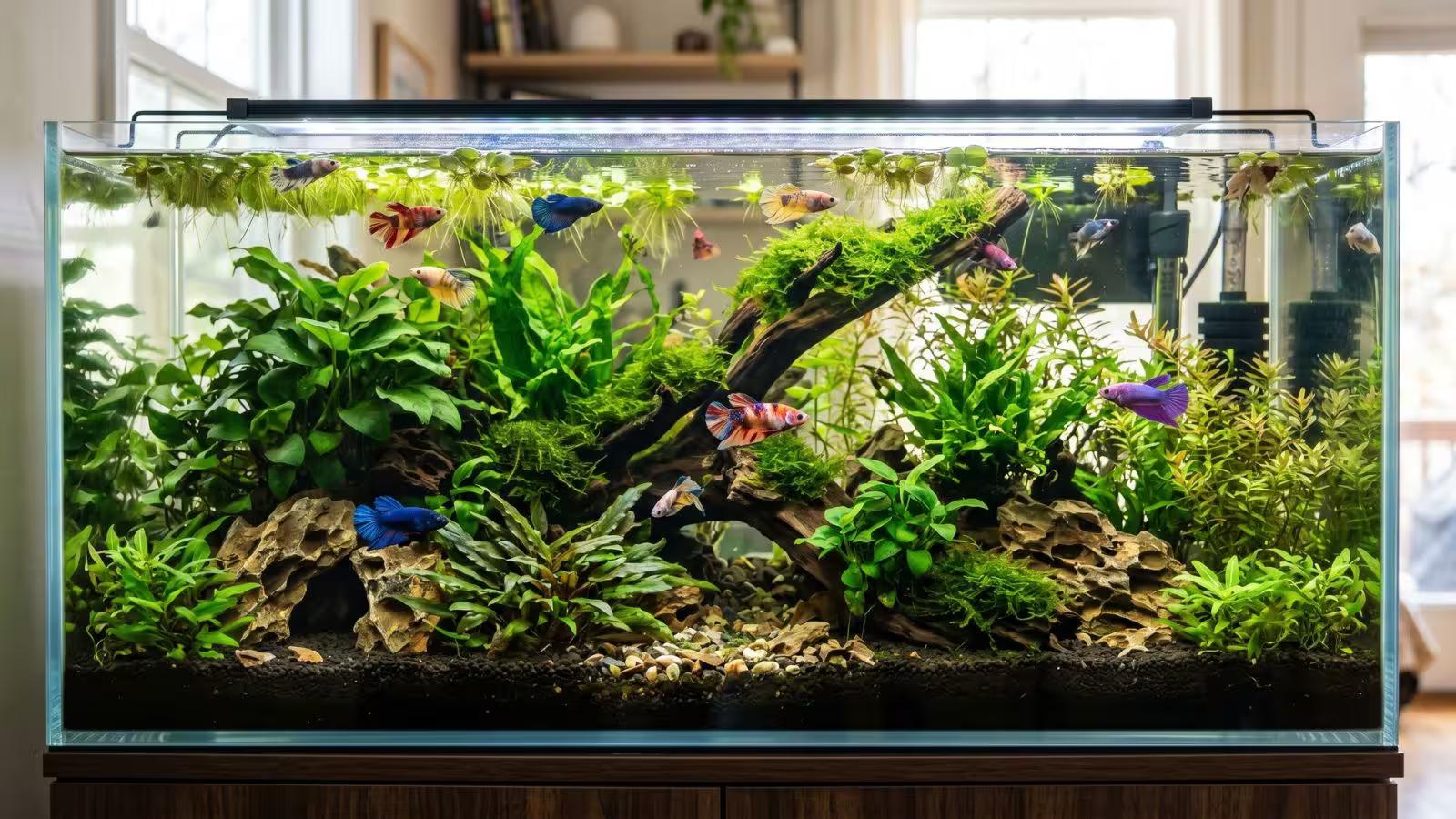
Aggression management isn't about eliminating natural behavior.
It's about preventing that behavior from becoming harmful.
Most successful solutions focus on reducing stress and territorial pressure.
Increase Available Territory
More usable space gives fish room to avoid each other.
This doesn't always require a larger tank.
Strategic decoration placement can create multiple territories within the same aquarium.
The goal is simple.
Reduce direct competition.
Rearrange Aquarium Decorations
Territories develop around familiar landmarks.
Changing the layout disrupts existing claims.
This technique often works surprisingly well after aggression begins because every fish must establish new boundaries from scratch.
Many aquarists use this approach before introducing new tank mates.
Add Visual Barriers
A fish cannot chase what it cannot constantly see.
Tall plants, driftwood, and dense decorations interrupt lines of sight and reduce territorial monitoring.
This is one of the most effective long-term solutions for persistent aggression.
Improve Feeding Distribution
Dropping all food into one location encourages competition.
Spreading food across multiple areas allows weaker fish to eat without immediately attracting dominant individuals.
Simple adjustments like this often reduce feeding-time conflicts dramatically.
Reduce Environmental Stressors
Stress amplifies aggression.
Check:
- Temperature stability
- Filtration performance
- Water quality
- Lighting intensity
- Tank traffic and disturbances
One thing many beginners overlook is nighttime rest.
Fish experiencing poor sleep may remain stressed for extended periods. If you're curious about normal sleeping behavior, see do betta fish sleep at night.
Separate Aggressive Individuals When Necessary
Some fish simply refuse to coexist peacefully.
No amount of environmental adjustment can completely change an exceptionally aggressive personality.
If one fish repeatedly causes injuries, prevents feeding, or creates constant stress, separation is often the safest solution.
Waiting too long usually makes the situation worse.
Most aggression problems are easier to solve early than after visible injuries begin to appear.
When Should You Separate Fighting Bettas?
Not every disagreement requires intervention.
Female bettas often establish boundaries through brief chasing, flaring, and dominance displays. Those behaviors can look alarming at first, especially if you're new to fishkeeping.
The key is watching the outcome.
If all fish can still eat, rest, and move freely around the aquarium, the hierarchy may simply be settling.
Once injuries or chronic stress appear, the situation changes.
Emergency Separation Signs
Some behaviors should never be ignored.
Separate the fish immediately if you notice:
- Torn or shredded fins
- Missing scales
- Open wounds
- Continuous chasing throughout the day
- A fish hiding constantly
- Refusal to eat
- Severe weight loss
- Labored breathing
One mistake I see frequently is waiting for "one more day" to see if things improve.
Sometimes they do.
Often they don't.
A stressed fish can deteriorate surprisingly fast when it cannot escape an aggressive tank mate.
Recovery Process for Injured Fish
After separation, focus on recovery instead of rushing a reintroduction.
Provide:
- Stable water conditions
- Gentle filtration
- Consistent temperature between 76–82°F (24–28°C)
- High-quality food
- Low-stress surroundings
Clean water plays a major role in healing.
Minor fin damage often improves on its own when water quality remains excellent.
Keep an eye on appetite as well. Fish that continue eating generally recover more effectively than those that stop feeding.
Reintroduction Considerations
Reintroducing fish too soon can restart the problem.
Before attempting it, ask yourself:
- Has the injured fish fully recovered?
- Was the original cause identified?
- Have environmental changes been made?
- Are additional hiding places available?
Sometimes reintroduction works.
Sometimes the aggressive fish immediately resumes the same behavior.
If aggression returns quickly, permanent separation may be the better choice.
Long-Term Housing Alternatives
Not every female betta belongs in a sorority or community aquarium.
Some fish thrive when housed alone.
Others coexist peacefully with carefully selected tank mates.
There is no prize for forcing incompatible fish to live together.
The safest setup is the one where your fish remain healthy and stress-free.
Mistakes That Accidentally Increase Aggression
Many aggression problems begin with good intentions.
Owners try to improve the aquarium but unknowingly create conditions that increase territorial behavior.
Choosing the Wrong Tank Mates
Compatibility issues are one of the most common causes of conflict.
Fish with long fins, bright colors, or slow swimming habits often attract unwanted attention.
A peaceful fish is not automatically a suitable betta companion.
Behavior matters more than appearance.
Overstocking the Aquarium
More fish does not always mean a more balanced environment.
As stocking density increases, competition increases too.
Food, territory, and hiding places suddenly become limited resources.
This creates tension even among fish that previously coexisted peacefully.
Ignoring Early Warning Signs
Aggression rarely starts with severe injuries.
It usually begins with subtle behavioral changes.
Repeated chasing.
Territorial guarding.
Persistent following.
Many hobbyists dismiss these early signs because no physical damage is visible yet.
By the time injuries appear, the problem has often been developing for weeks.
Assuming All Female Bettas Can Live Together
This myth causes countless sorority failures.
Female bettas are individuals.
Some tolerate group living well.
Others do not.
Success depends on temperament, environment, and social dynamics rather than gender alone.
Using Inadequate Tank Decorations
A few decorations scattered around an aquarium may look attractive to the owner but provide little functional value for the fish.
Effective layouts create:
- Visual barriers
- Escape routes
- Resting locations
- Territory boundaries
Without these features, fish remain exposed to each other constantly.
That often fuels aggression.
Expert Checklist for Maintaining Peaceful Female Bettas
Use this checklist regularly to reduce conflict and support long-term stability.
Aquarium Environment
✔ Tank is at least 5 gallons
✔ Water temperature stays between 76–82°F (24–28°C)
✔ pH remains around 6.5–7.5
✔ Tank is fully cycled
✔ Filtration is functioning properly
Territory Management
✔ Multiple hiding places available
✔ Dense plants create visual barriers
✔ Open areas and sheltered areas both exist
✔ No single fish controls most of the aquarium
Feeding Practices
✔ Food is distributed evenly
✔ Fish receive a high-protein diet
✔ Feeding schedule remains consistent
✔ No fish is being excluded from meals
If you're unsure whether a fish is eating enough, you may find how long can betta fish go without food helpful for understanding normal fasting tolerance.
Behavioral Monitoring
✔ No visible injuries
✔ Chasing remains brief and occasional
✔ Fish are not hiding excessively
✔ Appetite remains normal
✔ Activity levels remain consistent
Maintenance Routine
✔ Weekly water changes performed
✔ Water parameters tested regularly
✔ New fish quarantined before introduction
✔ Changes in behavior investigated early
Final Thoughts
Female betta fish can absolutely be aggressive, but aggression isn't always a sign that something is wrong.
Territorial behavior, dominance displays, and short chasing episodes are part of how these fish interact with their environment. The real concern is when those behaviors become constant and start affecting health, feeding, or overall well-being.
Most aggression problems can be traced back to territory, stress, compatibility issues, or aquarium design.
A well-planted, properly maintained tank gives female bettas the best chance of living peacefully. At the same time, it's worth remembering that some individuals simply have stronger personalities than others.
The more closely you observe your fish, the easier it becomes to spot the difference between normal social behavior and a situation that needs intervention.
Understanding that difference is what separates a stressful aquarium from a successful one.
Sources
Aquarium Co-Op – Betta Fish Care & Behavior Guide
FishLab – Freshwater Aquarium Water Parameters
The Spruce Pets – Betta Fish Care and Behavior Resources
PetMD – Fish Health and Aquarium Care
Cornell University College of Veterinary Medicine – Fish Health Resources