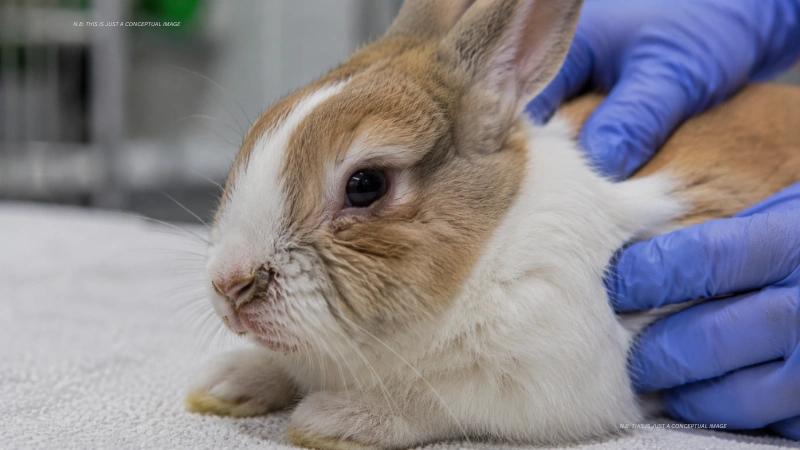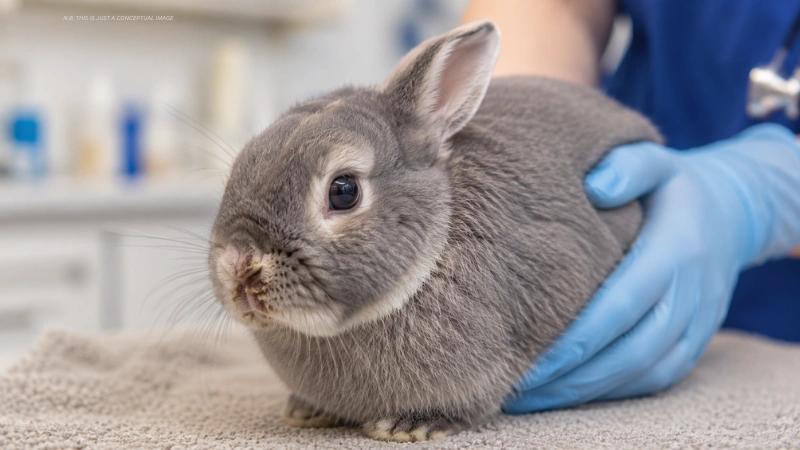
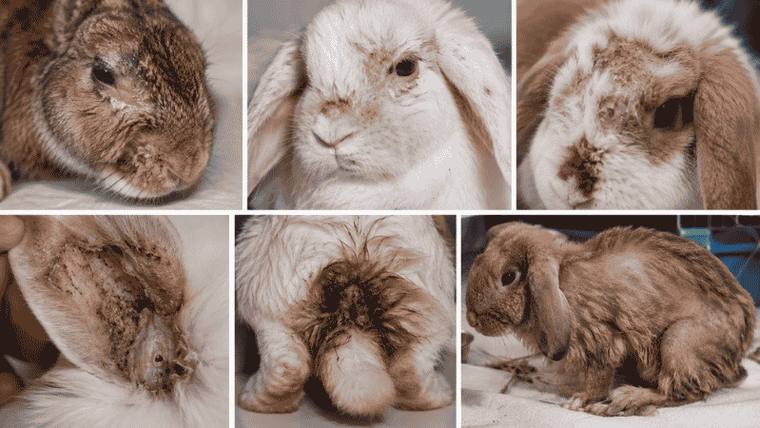
You notice your rabbit is sneezing. Her nose is runny. She seems less active. You start to worry about disease bunnies and what might be wrong. Understanding rabbit illnesses helps you recognize problems early and seek appropriate care.
According to the RSPCA, rabbits can suffer from various diseases including viral infections, bacterial infections, and parasites. Some of these diseases are zoonotic, meaning they can spread from rabbits to humans. The House Rabbit Society emphasizes that understanding common rabbit illnesses is essential for every rabbit owner. Recognizing the warning signs covered in sick bunny can help you catch problems early and save your rabbit's life.
This guide covers the most common diseases in rabbits: viral infections, bacterial respiratory diseases, parasites, skin conditions, and zoonotic diseases. For detailed information on respiratory symptoms like sneezing and runny nose, see rabbit sneezing.
Disease bunnies can suffer from viral, bacterial, and parasitic infections. Some diseases are zoonotic and can spread to humans. Early recognition and veterinary care are essential for treatment and prevention.
Do Bunnies Have Diseases
Yes, rabbits can suffer from various diseases. Understanding rabbit health risks helps you protect your pet.
Rabbits can develop viral diseases, bacterial infections, parasitic infestations, and fungal infections. Some are highly contagious between rabbits. Others are zoonotic, meaning they can spread to humans.
Common rabbit diseases include snuffles (respiratory infection), GI stasis (digestive emergency), myxomatosis (viral disease), and rabbit hemorrhagic disease (viral disease). Parasites like mites, fleas, and worms can also affect rabbits.
According to veterinary sources, early detection is key. A sick rabbit shows signs like appetite loss, lethargy, sneezing, runny nose, changes in droppings, or hiding. If you notice any of these signs, contact a rabbit-savvy veterinarian.
Rabbits can suffer from viral, bacterial, parasitic, and fungal diseases. Early detection and veterinary care are essential. Some rabbit diseases are zoonotic and can spread to humans.
Common Rabbit Illnesses
Understanding common rabbit illnesses helps you recognize symptoms and seek appropriate care. The table below summarizes the most common diseases in rabbits.
| Disease Type | Example | Key Symptoms | Zoonotic | Emergency Level |
|---|---|---|---|---|
| Viral | Myxomatosis | Swollen eyes, fever, skin lumps | No | Emergency |
| Viral | RHDV | Sudden death, bleeding | No | Emergency |
| Bacterial | Snuffles (Pasteurella) | Sneezing, runny nose, eye discharge | Rare | Urgent |
| GI Syndrome | GI Stasis | Not eating, no droppings, hunched | No | Emergency |
| Parasitic | Ear Mites | Head shaking, scratching ears | No | Non-urgent |
| Fungal | Ringworm | Circular bald patches, crusty skin | Yes | Urgent |
| Neurological | E. cuniculi | Head tilt, balance issues, kidney problems | Rare | Urgent |
Common rabbit diseases include viral (myxomatosis, RHDV), bacterial (snuffles), gastrointestinal (GI stasis), parasitic (ear mites), fungal (ringworm), and neurological (E. cuniculi). Some are zoonotic.
Viral Diseases in Rabbits
Viral diseases are among the most dangerous and contagious illnesses in rabbits. Vaccination is available for some.
Myxomatosis: This is a severe viral disease transmitted by insects (fleas, mosquitoes) and direct contact. According to veterinary sources, myxomatosis is often fatal. Symptoms include swollen eyes, fever, skin lumps, and difficulty breathing. Vaccination is available in some countries. Prevention includes insect control and vaccination.
Rabbit Hemorrhagic Disease (RHDV): RHDV is a highly contagious and often fatal viral disease. It causes internal bleeding and sudden death. According to the PDSA, vaccination is essential in areas where RHDV is present. Symptoms include fever, lethargy, and bleeding from the nose. Prevention includes vaccination and strict hygiene.
Other viral infections can affect rabbits, though they are less common. Viral diseases are highly contagious, so quarantine new rabbits and practice good hygiene. Recognizing the early warning signs covered in poorly rabbit can help you catch these diseases before they become life-threatening.
Viral diseases like myxomatosis and RHDV are often fatal. Vaccination is available for both in some countries. Prevention: insect control, strict hygiene, and quarantine.
Bacterial and Respiratory Infections
Bacterial infections are common in rabbits. Respiratory infections are among the most frequent health problems.
Snuffles (Pasteurella): Snuffles is a respiratory infection caused by the bacterium Pasteurella multocida. Symptoms include sneezing, runny nose (white or yellow discharge), eye discharge, and loss of appetite. According to the Cornell University College of Veterinary Medicine, snuffles is one of the most common infectious diseases in pet rabbits. Treatment requires antibiotics. For detailed information on sneezing and respiratory symptoms, rabbit sneezing covers this condition in depth.
Other bacterial infections in rabbits include abscesses (pus-filled lumps), pneumonia, and urinary tract infections. These require veterinary treatment with antibiotics.
Bacterial infections include snuffles (respiratory), abscesses, and urinary infections. Treatment requires veterinary antibiotics. Snuffles is one of the most common infectious diseases in pet rabbits.
Gastrointestinal Stasis (GI Stasis)
GI stasis is a life-threatening digestive emergency. It is not a bacterial disease but a gastrointestinal syndrome where the digestive system slows or stops. According to veterinary sources, GI stasis is one of the most common and serious conditions in pet rabbits.
Causes: Low fiber diet, stress, pain from dental disease, dehydration, lack of exercise, and underlying illness. Rabbits must eat continuously to keep their digestive system moving.
Symptoms: A rabbit with GI stasis stops eating, produces few or no droppings, sits hunched, grinds teeth (pain), has a hard or bloated abdomen, and is lethargic.
Why GI stasis is dangerous: When the digestive system stops, gas builds up in the intestines. Bacteria imbalance occurs. The rabbit deteriorates rapidly. GI stasis can be fatal within 24-48 hours if untreated.
Treatment: GI stasis requires immediate veterinary care including pain relief, fluid therapy, and gut motility drugs. Do not wait to "see if they improve."
GI stasis is a life-threatening digestive emergency, not a bacterial disease. Symptoms include not eating, no droppings, hunched posture, and teeth grinding. Immediate veterinary care is essential.
Dental Disease in Rabbits
Dental disease is one of the most common health problems in pet rabbits. According to the PDSA, dental disease affects a significant number of pet rabbits and can lead to serious complications if left untreated.
Causes: Rabbits' teeth grow continuously. Without proper wear from chewing hay, teeth develop spurs and overgrowth. Genetic malocclusion can also cause dental problems.
Symptoms: A rabbit with dental disease shows drooling (wet chin), reduced appetite, weight loss, runny eyes, and messy fur around the mouth. They may eat slowly or drop food. They may prefer soft foods over hay. Dental spurs can cut the tongue and cheeks, causing pain.
Treatment: Veterinary teeth trimming under anesthesia. In severe cases, tooth extraction may be necessary. Annual dental checks by a rabbit-savvy vet are essential.
Prevention: Unlimited hay is the best prevention. Hay wears down teeth naturally. Limit pellets and sugary treats. Regular veterinary dental checks catch problems early.
For detailed information on rabbit teeth and dental care, see rabbit teeth and malocclusion in rabbits.
Dental disease is one of the most common health problems in pet rabbits. Symptoms include drooling, reduced appetite, weight loss, and runny eyes. Prevention: unlimited hay and regular dental checks.
Encephalitozoon cuniculi (E. cuniculi)
Encephalitozoon cuniculi is a common parasitic infection in rabbits that affects the nervous system and kidneys. It is one of the most important rabbit diseases that every owner should know about.
Causes: E. cuniculi is caused by a microscopic parasite. It spreads through urine and contaminated food or water. Many rabbits carry the parasite without showing symptoms. Stress or a weakened immune system can trigger the disease.
Symptoms: The most recognizable symptom is head tilt (torticollis). Other signs include balance issues, circling, rolling, weakness in the hind legs, and kidney problems (weight loss, increased thirst, increased urination). Symptoms can appear suddenly or develop gradually.
Treatment: E. cuniculi requires veterinary treatment. Antiparasitic drugs like fenbendazole are commonly used. Treatment may also include anti-inflammatory medication and supportive care.
Prevention: Good hygiene is essential. Clean cages regularly. Remove urine-soaked bedding promptly. Quarantine new rabbits. Reduce stress.
E. cuniculi is a common parasitic infection causing head tilt, balance issues, and kidney problems. It requires veterinary treatment. Prevention: good hygiene and stress reduction.
Flystrike
Flystrike is a life-threatening emergency that every rabbit owner should know about. It occurs when flies lay eggs on a rabbit, especially around the bottom. The eggs hatch into maggots that eat the rabbit's flesh.
Causes: Flies are attracted to dirty fur, especially around the bottom. Urine scald, diarrhea, or obesity can make a rabbit more susceptible. Warmer months increase the risk.
Symptoms: Visible maggots on the rabbit, foul odor, lethargy, and flies around the rabbit. The rabbit may also show signs of pain or distress.
Why flystrike is dangerous: Flystrike can be fatal within hours. The maggots cause tissue damage, infection, and shock. Immediate veterinary care is essential.
Prevention: Keep your rabbit's bottom clean and dry. Check daily during warm weather. Ensure good hygiene in the cage. For overweight rabbits, weight management reduces the risk.
Flystrike is a life-threatening emergency where maggots eat the rabbit's flesh. It can be fatal within hours. Prevention: keep your rabbit's bottom clean and dry, especially in warm weather.
Parasites and Skin Conditions
Parasites and fungal infections are common in rabbits. They can cause discomfort and secondary infections.
Rabbit mites: Ear mites cause head shaking, scratching, and crusty ears. Fur mites cause dandruff, itching, and hair loss. Treatment requires veterinary medication.
Rabbit ringworm: Ringworm is a fungal infection causing circular bald patches and crusty skin. It is zoonotic, meaning it can spread to humans. According to veterinary sources, ringworm requires antifungal treatment. If you notice circular bald patches on your rabbit, ringworm in rabbits provides detailed guidance on treatment and prevention.
Skin infections can result from wounds, mites, or ringworm. Signs include hair loss, redness, crusty skin, and itching. Hair loss can also indicate parasites, ringworm, or stress. A veterinarian can diagnose the cause.
Parasites include ear mites, fur mites, and fleas. Ringworm is a fungal infection that is zoonotic. Treatment requires veterinary medication.
Wild Rabbit Diseases
Wild rabbits can carry diseases that may affect domestic rabbits and potentially humans. Understanding wild rabbit disease risks is important for pet owners.
Wild rabbits can carry diseases including myxomatosis, RHDV, and parasites. They can transmit these diseases to domestic rabbits through direct contact, fleas, and contaminated environments. Wild rabbits can also carry zoonotic diseases like tularemia (rabbit fever) and ringworm.
To protect your domestic rabbit, keep them away from wild rabbits. Avoid areas where wild rabbits are present. Practice good hygiene when handling wild rabbits. If you find a sick or injured wild rabbit, contact a wildlife rehabilitator rather than handling it yourself.
Wild rabbits can carry myxomatosis, RHDV, parasites, and zoonotic diseases. Keep domestic rabbits away from wild rabbits. Practice good hygiene when handling wild rabbits.
Can Rabbits Transmit Diseases to Humans
Some rabbit diseases are zoonotic. Understanding transmission helps you protect yourself and your family.
The main zoonotic diseases from rabbits are ringworm, tularemia (rabbit fever), and pasteurellosis (rare in humans). According to veterinary sources, transmission is usually through direct contact with infected animals or contaminated surfaces.
Ringworm is a fungal infection that causes circular, itchy skin lesions in humans. It is easily transmissible from rabbits to humans through direct contact. Wear gloves when handling infected rabbits and wash hands thoroughly.
Other potential hazards include bites and scratches, which can become infected. Wash any wound immediately. Healthy rabbits pose minimal risk to humans. Practice good hygiene, wear gloves when handling sick rabbits, and wash hands after handling any rabbit.
Zoonotic diseases from rabbits include ringworm (fungal), tularemia (bacterial, rare), and pasteurellosis (rare). Wash hands after handling rabbits and wear gloves when handling sick rabbits.
Preventing Disease in Rabbits
Prevention is the best approach to disease bunnies. Good care reduces the risk of illness.
Rabbit vaccination: Vaccination is available for myxomatosis and RHDV in some countries. According to the PDSA, vaccination is essential in areas where these diseases are present. Consult your vet about vaccination.
Clean rabbit housing: Clean cages regularly. Remove soiled bedding promptly. Ensure good ventilation. A clean environment prevents disease.
Healthy rabbit diet: Unlimited hay, fresh vegetables, and clean water support a strong immune system. A healthy diet prevents illness.
Quarantine new rabbits: Quarantine new rabbits for 2-4 weeks before introducing them to existing rabbits. This prevents the spread of diseases.
Routine health checks: Check your rabbit daily for signs of illness. Monthly weight checks detect problems early. Understanding what a sick bunny looks like helps you catch issues before they become serious.
Parasite prevention: Regular health checks and clean housing prevent parasite infestations.
Good housing also plays a crucial role in disease prevention. A ideal rabbit cage with proper ventilation and cleanliness reduces the risk of respiratory infections and other diseases. Similarly, understanding how to properly house a rabbit in cages ensures your pet has a clean, stress-free environment that supports good health.
Prevent disease with vaccination, clean housing, a healthy diet, quarantine, routine health checks, and parasite prevention. Good care reduces the risk of illness.
Final Thoughts
Disease bunnies can suffer from viral, bacterial, parasitic, neurological, and fungal infections. Some diseases are zoonotic and can spread to humans. Understanding common rabbit illnesses helps you recognize symptoms early and seek appropriate care.
Viral diseases like myxomatosis and RHDV are often fatal. Vaccination is available in some countries. Bacterial infections like snuffles require antibiotics. GI stasis is a life-threatening emergency. Parasites like ear mites, E. cuniculi, and ringworm are treatable. Dental disease and flystrike are also serious conditions requiring prompt attention.
Prevention is the best approach. Vaccinate your rabbit, maintain clean housing, provide a healthy diet, quarantine new rabbits, and practice good hygiene. Routine health checks catch problems early.
For more information on rabbit health, see our guides on sick bunny, rabbit sneezing, and ringworm in rabbits.
Trusted Resources for Rabbit Disease Information
- RSPCA Rabbit Health Guide – Expert advice on rabbit illness and disease prevention
- House Rabbit Society Health – Comprehensive health information for pet rabbits
- PDSA Rabbit Health – UK veterinary charity guidance on rabbit diseases
- Cornell University Rabbit Health – Veterinary research-based health information
- Humane Society Rabbit Care – General rabbit care and health guidance