Ringworm in Rabbits
You notice a circular bald patch on your rabbit's nose. The skin looks flaky and crusty. You wonder: is this ringworm? Ringworm in rabbits is a common fungal infection that causes hair loss and skin lesions. It is highly contagious and can spread to humans.
Ringworm in rabbits is not caused by a worm. It is a fungal infection caused by dermatophytes, fungi that infect the skin, hair, and nails. According to veterinary sources, the most common cause is the fungus Trichophyton mentagrophytes. It is zoonotic, meaning it can spread from rabbits to humans. The RSPCA notes that ringworm is one of the most common skin infections in rabbits.
This guide covers everything about ringworm in rabbits: what it is, how to recognize it, treatment options, and how to prevent it from spreading. For general illness signs, see sick bunny. For overall health monitoring, see poorly rabbit. For rabbit anatomy, see anatomy of a rabbit.
Ringworm in rabbits is a fungal infection causing circular bald patches, flaky skin, and crusty lesions. It can spread to other rabbits and humans. Prompt treatment is essential.
What Is Ringworm in Rabbits
Ringworm in rabbits is a fungal skin infection caused by dermatophytes. Despite the name, it is not caused by a worm. The infection affects the skin, hair, and nails.
The most common fungus causing ringworm in rabbits is Trichophyton mentagrophytes. Other fungi include Microsporum canis and Microsporum gypseum. These fungi feed on keratin, the protein found in skin, hair, and nails.
Young rabbits, elderly rabbits, and those with weakened immune systems are most susceptible. Stress, poor nutrition, and overcrowded housing increase the risk.
For more on rabbit anatomy and how skin infections develop, see anatomy of a rabbit.
Ringworm is a fungal infection caused by dermatophytes. It is not a worm. Trichophyton mentagrophytes is the most common cause. Young and immunocompromised rabbits are most susceptible.
Can Rabbits Get Ringworm
Yes, rabbits can get ringworm. It is one of the most common skin infections in rabbits. According to veterinary sources, ringworm is common in young rabbits, rabbits kept in groups, and those with compromised immune systems.
Rabbits can carry the fungus without showing symptoms. These asymptomatic carriers can spread the infection to other rabbits and humans. Fungal spores can survive in the environment for months, making ringworm difficult to eliminate.
Rabbits can get ringworm, especially young rabbits and those with weakened immune systems. Asymptomatic carriers can spread the fungus without showing signs. Spores survive in the environment for months.
Signs and Symptoms of Ringworm
Recognizing the signs of ringworm in rabbits helps you seek treatment early. Symptoms typically appear 1-2 weeks after exposure.
Rabbit hair loss: Circular bald patches are the most common sign. The patches may appear on the nose, ears, face, or paws.
Circular bald patches: The patches are usually round and well-defined. The skin in the center may appear normal or red and irritated.
Rabbit flaky skin: The affected skin becomes flaky and scaly. It may have a crusty appearance.
Rabbit crusty skin: Crusty lesions develop on the skin. The crust may be white or yellow.
Rabbit skin irritation: The skin may be red, itchy, and irritated. The rabbit may scratch or groom excessively.
Rabbit scratching: Affected rabbits may scratch or bite at the lesions. This can cause further skin damage.
Rabbit dandruff: Excessive dandruff or flaking skin is a sign of fungal infection.
The table below summarizes the signs of ringworm:
| Sign | What It Looks Like | Action Needed |
|---|---|---|
| Hair loss | Circular bald patches | See vet |
| Flaky skin | Scaly, crusty patches | See vet |
| Itching | Scratching, grooming excessively | See vet |
| Red skin | Inflamed, irritated skin | See vet |
Signs of ringworm include circular bald patches, flaky crusty skin, itching, and red irritated skin. Lesions commonly appear on the nose, ears, face, and paws. Early treatment is essential.
What Does Ringworm Look Like
Ringworm lesions have a distinctive appearance that helps with identification.
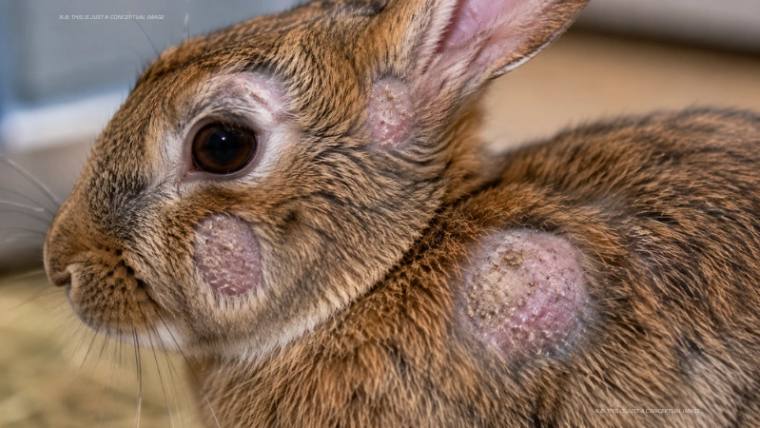
Ring shaped lesions: The classic ringworm lesion is a circular, ring-shaped patch. The center may be clear or scaly, with a red, raised border. The "ring" appearance is where the name comes from.
Hairless patches in rabbits: Bald patches are the most visible sign. The hair breaks off at the skin surface, leaving bald areas.
Red irritated skin: The skin under the bald patches may be red and inflamed. In some cases, the skin may appear normal.
Rabbit skin abnormalities: Lesions may be crusty, scaly, or have a powdery appearance. The crust may be white, yellow, or gray.
Early stage ringworm: Early lesions are small, red patches with slight hair loss. The ring shape may not be visible yet.
Advanced ringworm infection: In severe cases, lesions spread across the body. The rabbit may have multiple bald patches and extensive crusty lesions.
If you notice any of these signs, contact a veterinarian for diagnosis.
Ringworm lesions are circular, ring-shaped bald patches. The skin may be red, crusty, or scaly. Early lesions are small red patches. Advanced cases have multiple lesions.
How Rabbits Get Ringworm
Understanding how rabbits get ringworm helps you prevent infection. The fungus spreads through direct contact with infected animals or contaminated environments.
Contaminated bedding: Fungal spores can live in bedding, hay, and straw. Infected bedding is a common source of infection.
Infected rabbits: Direct contact with an infected rabbit spreads the fungus. Rabbits can spread ringworm through grooming, fighting, or sharing space.
Fungal spores in environment: Spores survive in the environment for months. They can live on carpets, floors, and cages.
Poor rabbit hygiene: Dirty cages and unsanitary conditions promote fungal growth. Regular cleaning prevents ringworm.
Stress and illness: Stress weakens the immune system. A stressed rabbit is more susceptible to ringworm.
Overcrowded rabbit housing: Overcrowding increases contact between rabbits. This promotes the spread of ringworm.
Shared grooming tools: Brushes, combs, and other tools can spread fungal spores. Do not share grooming tools between rabbits.
New rabbits: New rabbits can introduce ringworm to an existing group. Many rabbit rescue organizations recommend quarantining new rabbits for 2-4 weeks before introduction.
Ringworm spreads through contaminated bedding, direct contact with infected rabbits, fungal spores in the environment, poor hygiene, and shared grooming tools. Quarantine new rabbits for 2-4 weeks.
Rabbit Ringworm Treatment
Rabbit ringworm treatment requires veterinary care. Do not treat ringworm at home without veterinary guidance.
Veterinary diagnosis: A veterinarian diagnoses ringworm through examination and testing. They may use a Wood's lamp as a screening tool. However, many rabbit ringworm infections, especially Trichophyton mentagrophytes, do not fluoresce. Fungal culture or microscopic examination is usually needed for confirmation.
Antifungal medication for rabbits: Topical antifungal creams are applied to the lesions. Oral antifungal drugs may be prescribed for severe cases.
Topical antifungal creams: Common creams include miconazole, clotrimazole, and terbinafine. Apply to the lesions as directed by your vet.
Oral antifungal drugs: For severe or widespread infections, oral medications like itraconazole or griseofulvin may be prescribed.
Treating fungal infections: Treatment typically lasts 2-4 weeks. Continue treatment as directed, even if symptoms improve. Improper treatment can prolong the infection and increase the risk of spreading it to other animals or people.
Rabbit skin care: Keep the affected area clean and dry. Clip fur around the lesions to allow better medication penetration.
Isolation: Infected rabbits should be isolated to prevent spread. Do not allow contact with other rabbits until cleared by a vet.
Treatment requires veterinary care. Antifungal creams and oral medications are used. Treatment often lasts several weeks and may continue longer in severe cases. Improper treatment can prolong infection and increase spread.
When Should You Call a Vet
Knowing when to call a vet for ringworm in rabbits is essential. Early treatment prevents complications and spread.
Lesions are spreading rapidly: If the bald patches are growing or new lesions appear daily, the infection is progressing. Call your vet.
Rabbit stops eating: A rabbit that stops eating is in danger. GI stasis can develop quickly. This is an emergency.
Rabbit becomes lethargic: Lethargy indicates the rabbit is unwell. A lethargic rabbit with skin lesions needs veterinary attention.
Eyes are affected: If lesions appear near the eyes, seek veterinary care immediately. Eye infections can lead to serious complications.
Multiple rabbits are infected: If ringworm spreads to other rabbits, contact your vet. Treating multiple rabbits may require different protocols.
Rabbit shows signs of pain: If the rabbit is scratching excessively, in pain, or has open wounds, call your vet.
Human family members develop symptoms: If you or family members develop skin lesions, consult a doctor. Ringworm is zoonotic.
For more on emergency signs, see how to know if your rabbit is dying.
Call a vet if lesions are spreading rapidly, the rabbit stops eating, becomes lethargic, eyes are affected, multiple rabbits are infected, or humans develop symptoms. Early treatment is essential.
Can Humans Catch Ringworm from Rabbits
Yes, ringworm is zoonotic. Humans can catch ringworm from rabbits. Understanding transmission helps you protect yourself and your family.
Ringworm spreads through direct contact with an infected rabbit or contaminated surfaces. In humans, ringworm causes circular, itchy, red lesions on the skin. It can affect the scalp, body, or nails.
Protective hygiene measures: Wear gloves when handling infected rabbits. Wash hands thoroughly after any contact. Wear long sleeves and change clothes after handling infected rabbits.
Family safety: Keep children and immunocompromised individuals away from infected rabbits. If you develop skin lesions, consult a doctor. Human ringworm is treatable with antifungal creams.
Ringworm is zoonotic. Humans can catch ringworm from infected rabbits. Wear gloves, wash hands, and clean the environment. Consult a doctor if you develop symptoms.
Home Cleaning and Disinfection
Cleaning the environment is essential to prevent reinfection and spread. Fungal spores can survive for months.
Cleaning rabbit cages: Remove all bedding and debris. Clean the cage thoroughly with soap and water.
Removing fungal spores: Use a diluted bleach solution (1:10 bleach to water) to disinfect surfaces. Allow the solution to sit for 10 minutes before rinsing.
Disinfecting rabbit equipment: Wash food bowls, water bottles, and toys in hot, soapy water. Rinse with a bleach solution.
Washing rabbit bedding: Wash bedding in hot water with detergent. Add bleach if safe for the material. Dry on high heat.
Environmental treatment: Vacuum carpets and floors thoroughly. Dispose of vacuum bags immediately.
Preventing reinfection: Clean the environment multiple times during treatment. Continue cleaning after treatment ends to prevent recurrence.
Clean cages and bedding thoroughly. Use a diluted bleach solution to disinfect surfaces. Wash bedding in hot water. Vacuum carpets. Fungal spores can survive for months.
Prevention Tips
Preventing ringworm in rabbits is easier than treating it. Good care reduces the risk of infection.
Routine rabbit health checks: Check your rabbit's skin weekly. Look for bald patches, flaky skin, or redness.
Proper rabbit housing: Keep cages clean and dry. Remove soiled bedding promptly. Ensure good ventilation.
Stress reduction: Stress weakens the immune system. Provide a calm environment. Handle gently.
Healthy diet: A healthy diet supports the immune system. Unlimited hay, fresh vegetables, and clean water are essential.
Quarantine new rabbits: Quarantine new rabbits for 2-4 weeks before introducing them to existing rabbits.
Clean environment: Clean cages weekly. Disinfect food bowls and water bottles regularly.
Routine veterinary care: Annual checkups catch problems early.
For more on rabbit health, see ideal rabbit cage and rabbit in cages.
Prevent ringworm with routine health checks, clean housing, stress reduction, a healthy diet, quarantining new rabbits, and regular veterinary care.
Final Thoughts
Ringworm in rabbits is a common fungal infection that causes hair loss, crusty skin, and discomfort. It is highly contagious and can spread to other rabbits and humans. Early recognition and treatment are essential.
Signs of ringworm include circular bald patches, flaky crusty skin, and itching. Lesions commonly appear on the nose, ears, face, and paws. If you notice any of these signs, contact a veterinarian for diagnosis and treatment.
Treatment involves antifungal medications prescribed by a vet. Clean the environment thoroughly to prevent reinfection. Isolate infected rabbits. Wash your hands after handling infected rabbits.
Prevention is the best approach. Maintain clean housing, provide a balanced diet, reduce stress, and quarantine new rabbits. Good care reduces the risk of ringworm infection.
For more information on rabbit health, see our guides on sick bunny, poorly rabbit, and anatomy of a rabbit.
Trusted Resources for Rabbit Skin Health
- RSPCA Rabbit Health Guide – Expert advice on rabbit health and skin conditions
- House Rabbit Society Health – Comprehensive health information for pet rabbits
- PDSA Rabbit Health – UK veterinary charity guidance on rabbit health
- Cornell University Rabbit Health – Veterinary research-based health information
- Humane Society Rabbit Care – General rabbit care and health guidance