

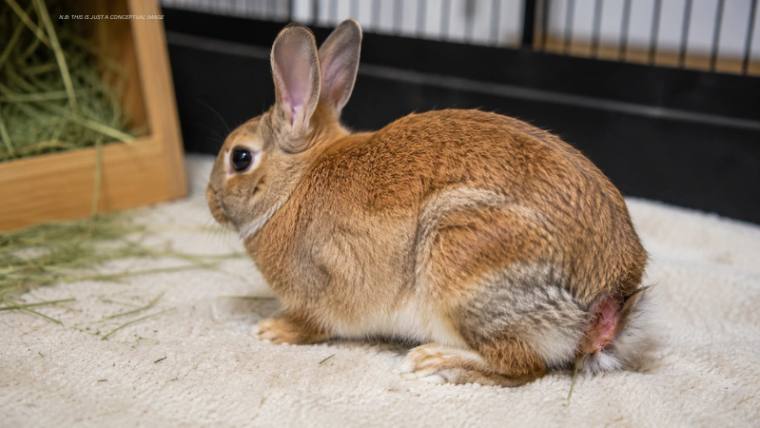
You notice your rabbit's tail looks different. There is a bald patch. Or the tail seems shorter. You wonder: why do rabbits lose their tails? While rabbits do not normally lose their tails, injuries and infections can cause tail loss.
According to veterinary sources, a rabbit's tail has important functions. The white underside of the tail, known as the scut, helps confuse predators when a rabbit runs. The RSPCA notes that any injury to a rabbit's tail requires prompt veterinary attention. The House Rabbit Society emphasizes that rabbits can survive without a tail, but tail injuries should never be ignored.
This guide covers everything about rabbit tail loss: what a healthy tail looks like, common causes of injury, infections, when to see a vet, and prevention. For general illness signs, see sick bunny. For wound care and infections, see ringworm in rabbits.
Rabbits do not normally lose their tails. Tail loss is usually associated with injury, trauma, or infection. A rabbit's tail has important functions including predator confusion. Any tail injury requires veterinary attention.
Do Rabbits Normally Lose Their Tails
Do rabbits normally lose their tails? No. A healthy rabbit does not lose its tail naturally. Unlike some lizards that can shed their tails, rabbits cannot regrow their tails.
Rabbits are born with a short, fluffy tail called a scut. This tail is part of their anatomy and serves important functions, particularly the white underside that helps confuse predators. A rabbit that appears to have lost its tail has experienced some form of trauma or injury.
If you see a wild rabbit with a missing or damaged tail, it likely survived a predator attack. Domestic rabbits can also lose their tails through accidents, fights, or infections.
Rabbits do not normally lose their tails. Tail loss is usually the result of injury, trauma, or infection. Rabbits cannot regrow their tails.
What a Healthy Rabbit Tail Looks Like
Understanding what a healthy rabbit tail looks like helps you identify problems early.
A healthy rabbit tail is covered in fur and matches the rabbit's coat color. The underside of the tail is white in most breeds. This white underside is called the scut and helps confuse predators when the rabbit runs.
The tail is short and fluffy. It sits at the base of the spine. The fur around the tail should be clean and dry. There should be no bald patches, redness, swelling, or discharge.
You should be able to gently touch your rabbit's tail without causing pain. A rabbit that flinches or pulls away may have a tail injury.
A healthy rabbit tail is covered in fur, clean, and dry. The white underside of the tail is called the scut. There should be no bald patches, redness, or swelling.
Tail Injuries in Rabbits
Tail injuries are a common cause of tail loss in rabbits. Understanding how these injuries occur helps you prevent them.
Tail caught in cage: A rabbit's tail can get caught in cage wire or gaps in the enclosure. The rabbit may panic and pull, causing injury or amputation. Use solid flooring and ensure there are no gaps where a tail could get trapped.
Rabbit bite wounds: Fights with other rabbits can cause tail injuries. Rabbits may bite each other's tails during territorial disputes. Bonded rabbits rarely fight, but introductions should be supervised.
Predator attacks: A predator attack can cause severe tail injuries. Predators often grab a rabbit by the tail or rear end. Even a successful escape can leave the tail damaged.
Rabbit accident injuries: Rabbits can injure their tails by getting caught in doors, being stepped on, or falling. Tail injuries from accidents may include fractures, dislocations, or amputation.
According to veterinary sources, any tail injury requires prompt evaluation. A rabbit with a damaged tail may be in pain and at risk of infection. For more on rabbit anatomy, see anatomy of a rabbit.
Tail injuries can result from cage accidents, fights with other rabbits, predator attacks, and household accidents. Any tail injury requires veterinary attention.
Can a Rabbit's Tail Fall Off
Can a rabbit's tail fall off? Yes, in severe cases of injury or infection, a rabbit's tail can fall off or require amputation.
Tail tissue damage: Severe trauma can damage the blood supply to the tail. Without adequate blood flow, the tail tissue dies and may fall off. This is called necrosis.
Severe rabbit injuries: A predator attack or accident can sever the tail completely. A rabbit may escape with a partial or complete tail loss.
Rabbit tail amputation: In some cases, a veterinarian may need to amputate the tail. This is done when the tail is severely injured, infected, or necrotic. Amputation is a surgical procedure performed under anesthesia.
Partial tail loss: Some rabbits may lose only part of their tail. The remaining stump may heal with proper veterinary care.
According to veterinary sources, rabbits can survive without a tail. However, tail loss is traumatic and requires immediate veterinary care. A rabbit with a tail injury needs pain management, wound care, and antibiotics to prevent infection.
A rabbit's tail can fall off due to severe injury or infection. Tail amputation may be necessary in some cases. Rabbits can survive without a tail, but injuries require prompt veterinary care.
Infections and Diseases Affecting the Tail
Infections and diseases can also cause tail loss in rabbits. Understanding these conditions helps you recognize problems early.
Rabbit skin infections: Bacterial infections can affect the skin on and around the tail. Infections cause redness, swelling, pain, and discharge. Untreated infections can lead to tissue death and tail loss.
Rabbit abscesses: An abscess is a pus-filled lump caused by infection. Abscesses can form on the tail from bite wounds, scratches, or foreign bodies. Abscesses require veterinary drainage and antibiotics.
Flystrike in rabbits: Flystrike is a life-threatening emergency. Flies lay eggs on dirty fur, especially around the bottom and tail. The eggs hatch into maggots that eat the rabbit's flesh. Flystrike can cause severe tissue damage and tail loss. Prevention: keep your rabbit's bottom clean and dry. For more on flystrike, see disease bunnies.
Rabbit wounds: Any open wound on the tail can become infected. Wounds from bites, scratches, or abrasions need prompt cleaning and veterinary care.
Rabbit fur loss: Fur loss around the tail can indicate skin problems, parasites, or stress. Hair loss itself does not cause tail loss but may indicate underlying issues.
Infections such as abscesses, skin infections, and flystrike can cause tail loss. Any wound on the tail requires prompt veterinary attention. Flystrike is a life-threatening emergency.
Fur Loss Around the Tail
Fur loss around the tail is a common concern. Understanding the causes helps you identify problems early.
Rabbit shedding: Rabbits shed their coat seasonally. Fur loss around the tail during shedding is normal. The new fur grows back within a few weeks.
Rabbit grooming issues: A rabbit that cannot groom properly may develop matted fur around the tail. Obesity, arthritis, or dental problems can prevent grooming.
Rabbit mites: Mites cause itching, dandruff, and hair loss. Fur mites can affect the tail and rear end. Treatment requires veterinary medication.
Rabbit ringworm: Ringworm is a fungal infection causing circular bald patches and crusty skin. It can affect the tail area. Ringworm is zoonotic and requires antifungal treatment. For more on ringworm, see ringworm in rabbits.
Rabbit skin irritation: Urine scald can cause fur loss and skin irritation around the tail. Keep the bottom area clean and dry.
If fur loss is accompanied by redness, swelling, or discharge, seek veterinary care.
Fur loss around the tail can be caused by shedding, grooming issues, mites, ringworm, or skin irritation. Persistent fur loss with other signs requires veterinary attention.
Wild Rabbits and Tail Loss
Wild rabbits can also lose their tails. Understanding wild rabbit tail loss provides context for domestic rabbit care.
Wild rabbit injuries: Wild rabbits face constant threats from predators. Tail injuries are common in wild rabbits that escape predator attacks. A wild rabbit may lose part or all of its tail in an attack.
Surviving after tail loss: When a predator grabs a rabbit by the tail, the rabbit may escape with a missing tail. This is not a deliberate adaptation. It is simply a case of the tail being injured or severed during an attack. The rabbit survives despite the injury, not because of it.
Tail damage in wild rabbits: Wild rabbits with tail damage may heal naturally. However, infections can develop and cause further health problems.
Rabbit survival and the scut: The scut (white underside of the tail) helps rabbits escape predators. When a rabbit runs, the white flash confuses the predator's focus. This allows the rabbit to escape. The scut is an adaptation for survival, but tail loss itself is not an adaptation.
Wild rabbits can lose their tails in predator attacks. The white underside of the tail (scut) helps confuse predators. Tail loss is not a deliberate adaptation but an injury that rabbits may survive.
When to See a Vet
Knowing when to seek veterinary care for a tail injury is essential. Early intervention prevents complications.
Rabbit bleeding tail: If your rabbit's tail is bleeding, apply gentle pressure with a clean cloth and contact your vet immediately. Bleeding can be serious in rabbits.
Rabbit swollen tail: Swelling indicates injury or infection. A swollen tail needs veterinary evaluation.
Infected rabbit tail: Signs of infection include redness, heat, pain, discharge, and foul odor. An infected tail requires antibiotics and wound care.
Rabbit pain symptoms: A rabbit in pain may grind teeth, sit hunched, or refuse food. Pain with a tail injury indicates a serious problem.
Tail injury treatment: Treatment depends on the severity of the injury. Your vet may prescribe pain medication, antibiotics, wound care, or surgery. In severe cases, tail amputation may be necessary.
Emergency rabbit care: If your rabbit has a severe tail injury, go to an emergency vet immediately. Severe bleeding, tissue loss, or signs of shock require urgent care.
For more on emergency signs, see how to know if your rabbit is dying.
Seek veterinary care for a bleeding, swollen, or infected tail. Signs of pain require immediate attention. Severe tail injuries may require amputation.
How to Prevent Tail Injuries
Prevention is the best approach to tail injuries. Good care reduces the risk of trauma.
Safe rabbit housing: Ensure the cage has solid flooring. Remove any sharp edges or gaps where a tail could get caught. Provide a spacious, clean environment.
Rabbit-proof environment: Rabbit-proof your home. Cover electrical cords. Remove dangerous objects. Block access to areas where the rabbit could get trapped.
Proper rabbit handling: Handle rabbits gently. Support the full body when lifting. Never pick up a rabbit by the tail. Teach children proper handling.
Preventing rabbit fights: Bond rabbits carefully. Supervise introductions. Spay or neuter to reduce aggression. Separate rabbits that fight.
Rabbit grooming checks: Check your rabbit's tail weekly. Look for fur loss, redness, swelling, or discharge. Keep the bottom area clean and dry.
Routine health inspections: Check your rabbit's entire body regularly. Look for wounds, lumps, or changes in behavior. Early detection prevents complications.
For more on rabbit care, see ideal rabbit cage and rabbit in cages.
Prevent tail injuries with safe housing, rabbit-proofing, gentle handling, and routine health checks. Check your rabbit's tail weekly for signs of problems.
Frequently Asked Questions
Final Thoughts
Why do rabbits lose their tails? Rabbits do not normally lose their tails. Tail loss is usually associated with injury, trauma, or infection. Common causes include cage accidents, fights, predator attacks, infections like flystrike, and household accidents.
A healthy rabbit tail is covered in fur with a white underside (scut). It should be clean and dry with no bald patches, redness, or swelling. Any tail injury requires veterinary attention. Rabbits can survive without a tail, but the injury needs prompt treatment.
Prevention is the best approach. Provide safe housing, rabbit-proof your home, handle gently, and perform routine health checks. Check your rabbit's tail weekly for signs of problems. Early detection prevents complications.
For more information on rabbit health, see our guides on sick bunny, ringworm in rabbits, and anatomy of a rabbit.
Trusted Resources for Rabbit Health
- RSPCA Rabbit Health Guide – Expert advice on rabbit health and injuries
- House Rabbit Society Health – Comprehensive health information for pet rabbits
- PDSA Rabbit Health – UK veterinary charity guidance on rabbit health
- Cornell University Rabbit Health – Veterinary research-based health information
- Humane Society Rabbit Care – General rabbit care and health guidance