Do Rabbits Bite
You reach into your rabbit's cage. Instead of a soft nuzzle, you feel a sharp pinch. Your bunny just bit you. The question "do rabbits bite" suddenly feels very real. The short answer is yes. Rabbits can bite, and most pet rabbits will bite at some point. But understanding why is more important than the bite itself.
Do rabbits bite out of meanness? Almost never. Rabbit biting behavior is usually communication, fear, pain, territoriality, or misunderstanding. Wild rabbits bite to defend themselves. Domestic rabbits retain these instincts, even when living in a safe home with people who love them.
This guide covers everything about rabbit biting: why rabbits bite, the difference between soft nibbles and aggressive bites, how to stop biting behavior, and when to worry. You will learn what your rabbit is trying to tell you and how to build a trusting relationship.
Understanding rabbit body language is the first step. Most bites happen because humans miss warning signs. By learning what your rabbit is communicating, you can avoid being bitten and help your bunny feel safe. For a deeper look at rabbit communication, see our guide on rabbit sounds and what they mean.
Rabbits can bite, and most pet rabbits will bite at some point. However, biting is almost never out of meanness. Rabbits bite from fear, pain, stress, territorial instincts, or miscommunication. Understanding why your rabbit bites is the first step to stopping the behavior.
Why Do Rabbits Bite
Understanding why rabbits bite requires looking at their natural instincts. Rabbits are prey animals. Their first defense is running away. But when cornered or frightened, biting becomes a last resort.
Fear is the most common reason for rabbit biting. A scared rabbit may bite to protect itself. This happens when a rabbit is handled roughly, approached too quickly, or feels trapped. Loud noises, unfamiliar people, or sudden movements can trigger fear aggression.
Pain is another major cause. Rabbits cannot tell you when something hurts. They hide pain as a survival instinct. A rabbit with dental problems, arthritis, or an internal illness may bite when touched in a painful area. This is often mistaken for aggression when it is actually a cry for help.
Territorial behavior causes rabbits to bite around their living space. A rabbit may lunge and bite when you reach into her cage. This is not personal. She is defending what she sees as her territory. This behavior often worsens in unspayed or unneutered rabbits.
Hormones play a significant role. Unfixed rabbits, both male and female, are more aggressive. They are driven to defend territory and compete for mates. Spaying or neutering reduces this type of biting dramatically.
Some rabbits bite as a warning. A nip says "back off" before a more serious bite. This is communication, not aggression. Learning to read your rabbit's body language prevents these warning nips from escalating.
Veterinarians from the RSPCA explain that most rabbit biting is defensive, not offensive. Rabbits do not hunt or attack. They bite only when they feel they have no other option.
Rabbits bite from fear, pain, territorial instincts, or hormonal drives. Fear is the most common cause. Pain-related biting often occurs when a rabbit is touched in a sore area. Unspayed or unneutered rabbits are more territorial and prone to biting.
Do Pet Rabbits Bite People
Do pet rabbits bite their owners? Yes, they can. But a rabbit that bites is not necessarily a "bad" rabbit. Most pet rabbits bite because of something the owner did, not because the rabbit is aggressive.
Trust is the foundation of a good rabbit-human relationship. A rabbit who trusts you rarely bites. Building trust takes time, patience, and consistency. Rabbits learn that your hands bring food, gentle pets, and safety. They also learn your scent and the sound of your voice.
Do rabbits bite people they know? Sometimes, even bonded rabbits bite. The bite may be a warning nip, a territorial reaction, or a response to pain. If your rabbit suddenly bites you after months of gentle behavior, look for underlying causes.
Most pet rabbit bites happen when owners reach into cages without warning, pick up rabbits incorrectly, or ignore warning signs. A rabbit who flattens her ears, growls, or thumps is telling you to back off. Ignoring these signs leads to a bite.
According to the House Rabbit Society, most rabbit aggression toward humans resolves with proper handling, spaying or neutering, and environmental enrichment. A biting rabbit is not hopeless. With the right approach, even aggressive rabbits become gentle pets.
Pet rabbits can bite their owners, but usually from fear, territoriality, or pain, not meanness. Trust-building, proper handling, and spaying or neutering reduce biting significantly. Most rabbit aggression resolves with patience and environmental changes.
Why Does My Rabbit Bite Me
"Why does my rabbit bite me?" is one of the most common questions rabbit owners ask. The answer depends on the context of the bite.
If your rabbit bites you when you reach into her cage, she is being territorial. This is common in unspayed females. Spaying often resolves this behavior. Until then, open the cage door and let her come out on her own. Do not reach in to grab her.
If your rabbit bites you when you pick her up, she may be afraid or in pain. Many rabbits dislike being picked up. Their natural instinct tells them that being lifted off the ground means a predator has caught them. Support the entire body when holding a rabbit. Never pick up a rabbit by the ears or scruff.
If your rabbit bites you suddenly when you are petting her, she may be overstimulated. Some rabbits enjoy being petted for a few strokes, then suddenly bite. This is called petting-induced aggression. Watch for warning signs like teeth grinding, tensing, or turning the head toward your hand. Stop petting before the bite happens.
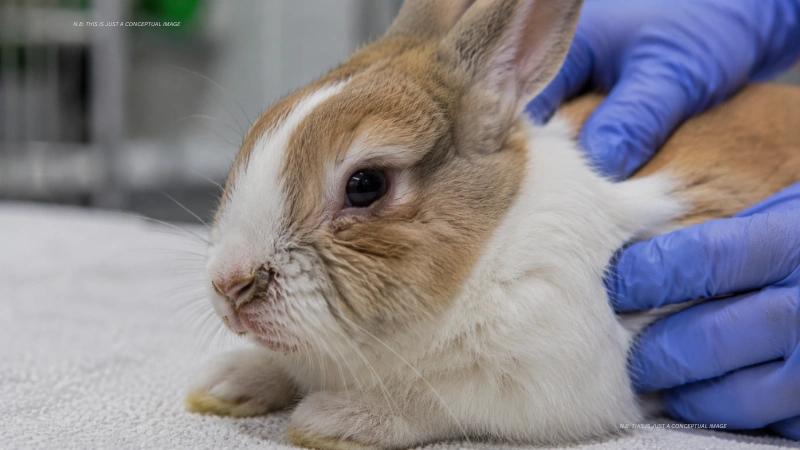
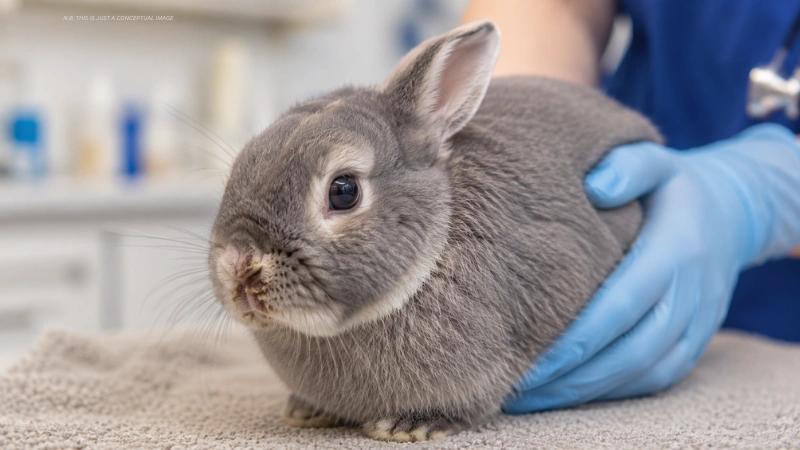
Why is my rabbit biting me all of a sudden? A sudden change in behavior often signals a health problem. Dental pain, ear infections, arthritis, or internal illness can make a normally gentle rabbit bite. If your rabbit has never bitten before and suddenly starts, schedule a veterinary checkup.
Veterinarians recommend ruling out medical causes before treating biting as a behavioral problem. Pain is a powerful trigger. Once pain is treated, the biting often stops immediately.
Rabbits bite for different reasons depending on the situation. Territorial biting happens when reaching into the cage. Handling bites occur when rabbits are picked up incorrectly. Sudden biting may indicate pain or illness. A veterinary checkup is essential for sudden behavior changes.
Soft Rabbit Nibbles vs Aggressive Rabbit Bites
Not all rabbit bites are the same. A soft nibble is very different from an aggressive bite. Learning the difference helps you respond appropriately.
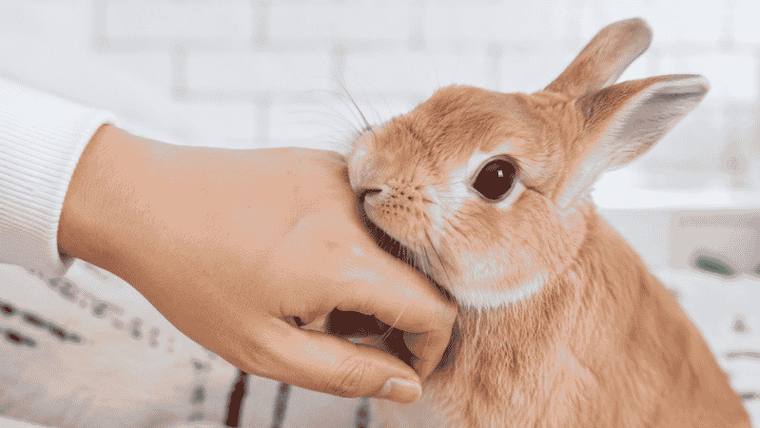
Soft nibbles are often love bites or grooming behavior. Rabbits groom each other by nibbling gently. Your rabbit may nibble your hand, clothing, or hair to bond with you. These nibbles do not break skin and are not meant to hurt. They are a sign of affection.
Gentle rabbit nibbling can also be exploratory. Rabbits investigate new things with their mouths. A soft nibble on your finger may simply mean your rabbit is curious. She is trying to understand what you are.
Warning bites are firmer. They break the skin slightly or leave a mark. These bites mean "back off." Your rabbit is giving you a clear signal. If you ignore warning bites, the next bite will be harder.
Aggressive rabbit bites are hard, fast, and intended to cause pain. They may draw blood or leave a bruise. The rabbit may also growl, lunge, or thump before biting. These bites are serious and require intervention.
The following table helps distinguish between soft nibbles and aggressive bites:
| Sign | Soft Nibble | Aggressive Bite |
|---|---|---|
| Purpose | Grooming, bonding, exploration | Defense, fear, pain, territory |
| Pressure | Light, does not break skin | Hard, may draw blood |
| Body language | Relaxed ears, soft eyes | Flattened ears, lunging, growling, thumping |
| After behavior | Rabbit continues normal activity | Rabbit retreats or prepares to bite again |
Reading rabbit body language prevents bites. A rabbit with ears pinned flat against the back, wide eyes, and tense body is telling you she is scared or angry. Give her space.
For more on rabbit body language, including ear positions and tail movements, read our article on rabbit anatomy.
Soft nibbles are usually love bites or grooming behavior. They do not break skin. Aggressive bites are hard, fast, and intended to cause pain. Reading rabbit body language helps distinguish between the two and prevents escalation.
Do Rabbit Bites Hurt
Do rabbit bites hurt? Yes, they can. Rabbit teeth are sharp and designed for cutting vegetation. A rabbit bite can break skin and cause bleeding.
Rabbits have incisors that are naturally sharp. An aggressive bite from an adult rabbit can leave puncture wounds. The bite may bruise and be sore for several days. However, rabbit bites are rarely severe enough to require medical attention unless infected.
Will a rabbit bite break skin? It depends on the force. A warning nip may leave a red mark but not break skin. A full defensive bite can easily break skin, especially on fingers or hands where skin is thin.
Do bunnies bite hard enough to cause injury to children? Adult rabbits can bite hard enough to hurt a child. Small children have thinner skin and less pain tolerance. Rabbit bites on children should be cleaned thoroughly. If the bite is deep or shows signs of infection, seek medical care.
The CDC notes that rabbit bites can become infected if not cleaned properly. Wash any rabbit bite immediately with soap and warm water. Apply an antibiotic ointment and cover with a clean bandage.
Signs of infection include redness, swelling, warmth, pus, or fever. If you notice any of these signs after a rabbit bite, see a doctor. Also seek medical care if the bite is on the face, hands, or near a joint, as these areas are more prone to serious infection.
Remember that the risk of rabies from a domestic rabbit is extremely low. The CDC states that small rodents and lagomorphs (rabbits) are almost never found to be rabid. However, any bite from a wild rabbit should be evaluated by a doctor.
Rabbit bites can hurt and may break skin. Clean any bite immediately with soap and water. Watch for signs of infection like redness, swelling, or pus. Seek medical care for deep bites, bites on the face or hands, or any sign of infection.
How to Stop a Bunny From Biting
Stopping rabbit biting requires patience, consistency, and understanding. Punishment does not work. Rabbits do not understand punishment. It only increases fear and makes biting worse.
The first step is identifying the cause. Is your rabbit biting from fear? Pain? Territoriality? Hormones? Once you know why, you can address the root problem.
Spaying or neutering is the single most effective way to reduce biting. Unfixed rabbits are more territorial and aggressive. According to the PDSA, neutering reduces aggression, prevents unwanted litters, and protects against reproductive cancers. Wait at least one month after surgery to see behavioral changes.
Build trust through gentle handling. Sit on the floor at your rabbit's level. Let her come to you. Offer treats from your open palm. Never chase or grab your rabbit. Let her control the interaction.
Respect your rabbit's space. Do not reach into her cage to grab her. Open the door and let her come out. If you need to pick her up, train her to hop into a carrier or a box first. This reduces territorial biting.
Provide enrichment. A bored rabbit may bite out of frustration. Provide tunnels, chew toys, cardboard boxes, and foraging opportunities. Rotate toys weekly to maintain interest.
Learn your rabbit's warning signs. If her ears flatten, her body tenses, or she turns her head toward your hand, stop what you are doing. Back off. Give her space.
Never punish a rabbit for biting. Do not hit, yell, or spray water. Punishment destroys trust and increases aggression. Instead, calmly remove yourself from the situation. End the interaction. Try again later with a different approach.
If your rabbit bites during handling, change how you handle her. Support the full body. Keep her close to your chest. Never pick her up by the scruff or ears. Some rabbits prefer to be petted on the floor rather than held. Respect this preference.
Veterinary behaviorists recommend positive reinforcement training. Reward gentle behavior with treats. When your rabbit remains calm during handling, give her a small piece of her favorite vegetable. Over time, she learns that calm behavior brings rewards.
Spaying or neutering is the most effective way to reduce biting. Build trust through gentle handling and respect for your rabbit's space. Never punish biting. Use positive reinforcement to reward calm behavior. Identify the cause before trying to stop the behavior.
When Rabbit Biting Signals a Bigger Problem
Sometimes rabbit biting is a symptom of a serious issue. Do not dismiss biting as "just bad behavior" without investigating underlying causes.
Sudden aggression in a previously gentle rabbit often indicates pain or illness. Rabbits hide pain very well. Biting may be the only sign that something is wrong. Schedule a veterinary checkup if your rabbit starts biting without an obvious trigger.
Dental problems are a common hidden cause. Overgrown teeth or sharp spurs can cut the inside of the mouth. The rabbit bites because being touched near the mouth is painful. A rabbit-savvy vet can check the teeth and file down sharp points under anesthesia.
Arthritis causes pain when handled. An older rabbit may bite when you pick her up because her joints hurt. Weight loss, reduced activity, and difficulty grooming are other signs of arthritis. Your vet can recommend pain medication and joint supplements.
Ear infections cause head tilt, scratching at the ears, and irritability. A rabbit with an ear infection may bite when you touch her head or ears. This requires veterinary treatment with antibiotics.
Hormonal aggression is most common in unspayed females and unneutered males. They are driven to defend territory and may attack hands that enter their space. Spaying or neutering usually resolves this type of aggression within weeks.
Severe territorial behavior that does not improve with spaying or neutering may require environmental changes. Add hiding spots, multiple food bowls, and more space. Some rabbits need a larger enclosure or free-roam access to feel secure.
Consult a veterinarian or a rabbit behavior specialist if you have tried everything and your rabbit still bites aggressively. Some rabbits have underlying medical conditions or trauma histories that require professional intervention.
Sudden biting often signals pain or illness. Dental problems, arthritis, and ear infections are common medical causes. Hormonal aggression in unspayed or unneutered rabbits resolves with surgery. Consult a vet if biting appears suddenly or does not improve with behavior changes.
Common Myths About Rabbit Biting
Several myths about rabbit biting cause unnecessary fear and misunderstanding. Let us correct them with facts from rabbit behavior science.
Myth: Rabbits are naturally aggressive. Truth: Rabbits are prey animals, not predators. They bite only as a last resort when frightened, in pain, or defending territory. A well-cared-for rabbit with proper socialization is rarely aggressive.
Myth: Biting means a rabbit hates you. Truth: A rabbit who bites you does not hate you. She is communicating fear, pain, or a need for space. Addressing the underlying cause improves the relationship. Many rabbits stop biting entirely once their needs are met.
Myth: Punishment stops biting. Truth: Punishment increases fear and makes biting worse. Rabbits do not understand physical discipline. They learn that hands are dangerous and may bite harder to defend themselves. Positive reinforcement is the only effective training method.
Myth: Friendly rabbits never bite. Truth: Even the friendliest rabbit may bite if she is in pain, frightened, or overstimulated. Biting does not mean the rabbit is "bad." It means the rabbit is trying to communicate something important. Listen to her.
Rabbits are not naturally aggressive. Biting does not mean your rabbit hates you. Punishment makes biting worse. Even friendly rabbits may bite if they are in pain or frightened. Understanding rabbit behavior corrects these common misconceptions.
Final Thoughts
Do rabbits bite? Yes. But most rabbit bites are not acts of aggression. They are communication. A rabbit who bites is trying to tell you something: she is scared, she is in pain, she needs space, or she is defending her territory.
Understanding why rabbits bite transforms a frustrating behavior into useful information. You stop seeing your rabbit as "mean" and start seeing her as a sensitive prey animal with specific needs. With patience, proper handling, spaying or neutering, and attention to health, most rabbits become gentle, trusting companions.
If your rabbit bites, do not punish her. Instead, ask yourself why. Look at her environment. Consider her health. Evaluate your handling. The answer is almost never "my rabbit is bad." The answer is usually that something in her life needs to change. When you make those changes, the biting stops.
Trusted Resources for Rabbit Behavior and Health
- RSPCA Rabbit Behavior Guide – Veterinary-reviewed advice on rabbit aggression and biting
- House Rabbit Society Aggression FAQ – Detailed guidance on stopping biting
- PDSA Rabbit Neutering Guide – Information on spaying and castration
- CDC Rabbit Bite Information – First aid and infection prevention
You may also find these related guides helpful: rabbit anatomy covers body language signals, and rabbit in cages explains how housing affects rabbit stress and aggression.