Tumors on Rabbits: Types, Signs, and Treatment Guide
You find a lump on your rabbit during a routine petting session. Your heart sinks. You worry about tumors on rabbits. Tumors are abnormal growths that can occur anywhere on a rabbit's body. Some are benign and harmless. Others are malignant and require immediate attention.
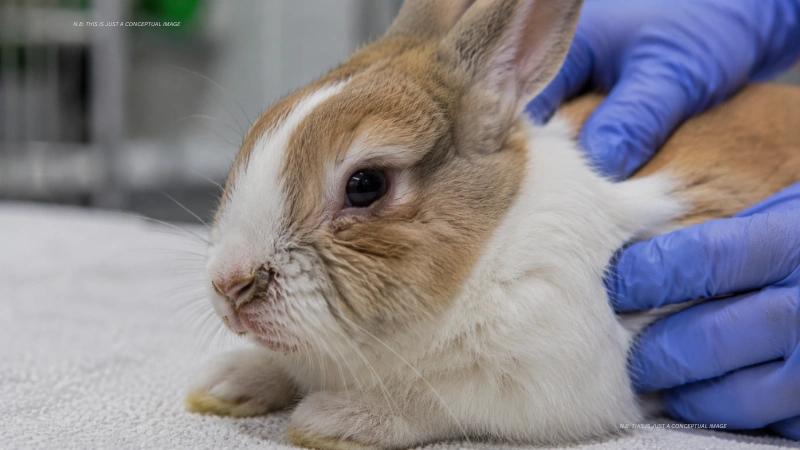
According to veterinary sources, tumors are common in older rabbits. The RSPCA notes that any new lump should be examined by a veterinarian. The House Rabbit Society emphasizes that early detection improves outcomes. Regular health checks are essential for catching tumors early.
This guide covers everything about tumors on rabbits: what they are, common types, signs of cancer, diagnosis, treatment options, and prevention. For general illness signs, see sick bunny. For skin conditions, see ringworm in rabbits.
Tumors on rabbits are abnormal growths that can be benign or malignant. Common types include skin tumors, uterine cancer, and mammary tumors. Early detection and veterinary care are essential.
What Are Tumors in Rabbits
Tumors are abnormal growths of tissue that occur when cells divide uncontrollably. They can develop anywhere on a rabbit's body, including the skin, reproductive organs, and internal organs. Benign tumors are non-cancerous growths that grow slowly and do not spread to other parts of the body. They may still require removal if they cause discomfort or interfere with function. Malignant tumors are cancerous and grow quickly, with the potential to spread to other parts of the body. Malignant tumors are more serious and require prompt treatment.
Not all lumps are tumors. Some lumps are abscesses, cysts, or inflammatory masses. A veterinarian can determine the type of growth through examination and testing.
Tumors in rabbits can be benign (non-cancerous) or malignant (cancerous). Any new lump should be examined by a veterinarian.
Types of Rabbit Tumors
Several types of tumors occur in rabbits. Skin tumors are the most visible type, appearing as lumps or growths on the skin. Papillomas and fibromas are common benign skin tumors, while squamous cell carcinoma is a malignant skin tumor.
Uterine cancer is one of the most common cancers in female rabbits. According to veterinary sources, unspayed female rabbits have a very high risk of developing uterine cancer by age 5. Spaying prevents this cancer. Mammary tumors can occur in the breast tissue of rabbits and may be benign or malignant. Testicular tumors occur in male rabbits and are less common than uterine tumors. Neutering prevents testicular tumors.
Fibromas are skin tumors associated with the Shope fibroma virus. Papillomas are benign skin tumors caused by the rabbit papillomavirus, appearing as wart-like growths. Internal tumors can affect organs such as the liver, kidneys, and lungs and are often detected through imaging.
Common types of rabbit tumors include skin tumors, uterine cancer, mammary tumors, testicular tumors, fibromas, and papillomas. Uterine cancer is one of the most common cancers in unspayed female rabbits.
Growths, Lumps, and Abnormal Swellings
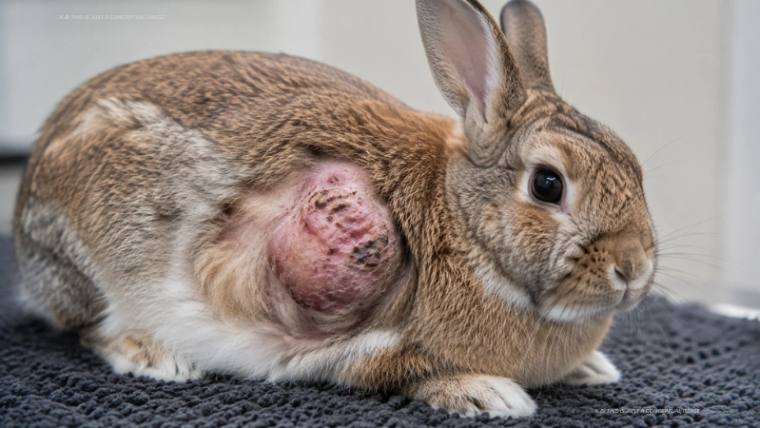
A growth on a rabbit can be alarming. Skin lumps can be tumors, abscesses, cysts, or inflammatory masses. A veterinarian can determine the type. Masses may feel soft, firm, or hard. They may be movable or fixed to underlying tissue. The texture and mobility provide clues about the type of growth.
Any new growth on a rabbit should be examined. Even benign growths can cause problems if they grow large or become irritated. Swelling can indicate a tumor, abscess, or inflammation. Swelling that persists or grows should be evaluated. Only a veterinarian can identify a lump definitively. Do not assume a lump is harmless.
A pink lump on a rabbit may be a papilloma, an inflammatory mass, or another type of growth. Papillomas are benign growths caused by the rabbit papillomavirus. They appear as pink or fleshy warts. Papillomas are often benign but should still be assessed by a veterinarian. Any skin abnormality should be examined. Changes in color, size, or texture are concerning.
For more on skin conditions, see ringworm in rabbits.
A growth on a rabbit can be a tumor, abscess, or cyst. Any new growth should be examined by a veterinarian. Do not assume a lump is harmless. A pink lump may be a papilloma and should be assessed.
Rabbit Papillomavirus
Rabbit papillomavirus causes wart-like growths on rabbits. This virus causes benign skin tumors called papillomas, which appear as pink or fleshy warts on the skin. The virus is transmitted through direct contact with infected rabbits.
Some papillomas may remain stable or regress over time, while others require veterinary assessment or removal if they become problematic. Papillomas are often benign but should still be assessed by a veterinarian. Viral fibromas are associated with the Shope fibroma virus and appear as firm, round lumps on the skin.
Rabbit papillomavirus causes benign wart-like growths. Some papillomas may remain stable or regress over time, while others require veterinary assessment. Viral fibromas are associated with the Shope fibroma virus.
Signs of Cancer in Rabbits
Recognizing the signs of cancer in rabbits helps you seek treatment early. Cancer can cause a variety of symptoms including lumps, weight loss, and lethargy. Unexplained weight loss without a clear cause can indicate cancer. A rabbit that loses weight despite eating normally should be examined.
Lethargy is a common sign of illness. A rabbit that is less active or sleeps more than usual may have cancer. Loss of appetite, persistent lumps that do not go away or grow over time, pain symptoms such as teeth grinding or hunched posture, and behavior changes such as hiding or aggression can all indicate cancer. Early detection improves outcomes. For more on recognizing illness, see sick bunny.
In male rabbits, reproductive cancers can occur. Testicular tumors are the most common reproductive cancer in male rabbits, appearing as swelling or lumps in the testicles. Neutering prevents testicular tumors. Swelling in the testicles or abdomen should be examined. Urinary problems such as straining to urinate or blood in the urine should also be evaluated.
Signs of cancer in rabbits include lumps, weight loss, lethargy, loss of appetite, pain symptoms, and behavior changes. In male rabbits, testicular swelling and urinary changes may indicate cancer. Early detection improves outcomes.
How Vets Diagnose Tumors
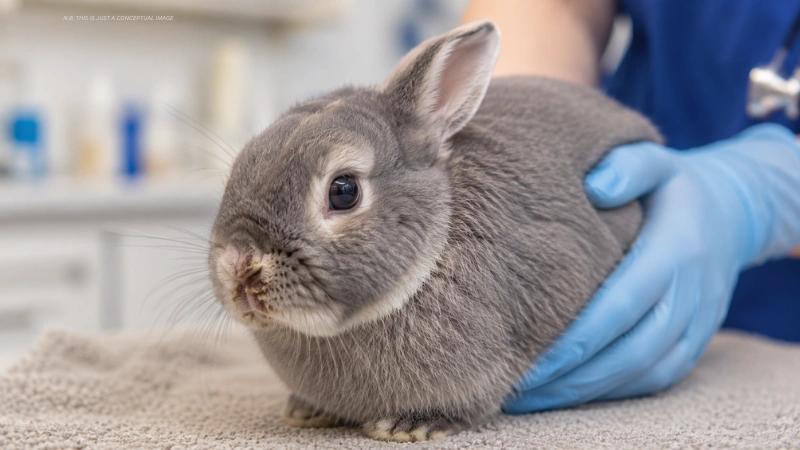
Diagnosing tumors requires veterinary examination and testing. Your vet will examine your rabbit and feel the lump, assessing its size, texture, and mobility. A fine needle aspiration collects cells from the lump for microscopic examination to help determine if the lump is benign or malignant. A biopsy removes a small piece of tissue for examination and provides a definitive diagnosis.
Diagnosis is based on examination, imaging, and laboratory testing. X-rays can detect internal tumors and show if cancer has spread. Ultrasound can image internal organs and help detect tumors in the abdomen or chest. Testing may include blood work, imaging, and biopsy.
Vets diagnose tumors through examination, fine needle aspiration, biopsy, x-rays, and ultrasound. A biopsy provides a definitive diagnosis.
Treatment Options
Treatment for tumors depends on the type, location, and whether the tumor is benign or malignant. Surgery is the most common treatment for tumors. The tumor is removed under anesthesia. Surgery can be curative for benign tumors and some malignant tumors. In selected cases, referral centres may consider chemotherapy or radiation therapy.
Pain management is essential after surgery. Supportive care includes pain management, wound care, and nutrition. Your vet will provide instructions. For more on veterinary care, see poorly rabbit.
Treatment options for tumors include surgery, chemotherapy, and radiation. Surgery is the most common treatment. In selected cases, referral centres may consider chemotherapy or radiation therapy. Pain management and supportive care are essential.
Prognosis and Quality of Life
The prognosis for a rabbit with a tumor depends on several factors. Some rabbits live with benign tumors for years without problems. Malignant tumors require more aggressive treatment. Recovery rates depend on the type and stage of the tumor. Early detection improves outcomes. Benign tumors have a good prognosis. Malignant tumors have a variable prognosis depending on the type and spread.
Your vet can help assess your rabbit's quality of life. Factors include appetite, mobility, and pain. Some rabbits need long-term care after treatment, including medication, monitoring, and follow-up visits. Cancer management focuses on treating the tumor and maintaining quality of life. If treatment is not possible, focus on comfort care. Discuss options with your vet.
Prognosis depends on the type and stage of the tumor. Benign tumors have a good prognosis. Quality of life is an important consideration. Focus on comfort care if treatment is not possible.
Prevention and Early Detection
Preventing tumors is not always possible, but early detection improves outcomes. Check your rabbit daily for lumps. Monthly weight checks detect problems early. Spaying prevents uterine cancer. According to veterinary sources, unspayed female rabbits have a very high risk of uterine cancer by age 5. Spaying at a young age eliminates this risk.
Early detection improves outcomes. Any new lump should be examined. Monitor lumps for changes in size, color, or texture. Annual checkups detect problems early. Your vet can examine your rabbit for lumps. A healthy diet and environment support overall health. For more on rabbit care, see ideal rabbit cage and rabbit in cages.
Prevent tumors by spaying female rabbits and performing routine health checks. Early detection improves outcomes. Any new lump should be examined by a veterinarian.
Final Thoughts
Tumors on rabbits are common, especially in older rabbits. They can be benign or malignant. Early detection improves outcomes. Any new lump should be examined by a veterinarian.
Common types include skin tumors, uterine cancer, mammary tumors, testicular tumors, fibromas, and papillomas. Uterine cancer is one of the most common cancers in unspayed female rabbits. Spaying prevents this cancer.
Treatment options include surgery, chemotherapy, and radiation. Surgery is the most common treatment. Prognosis depends on the type and stage of the tumor.
Prevention is the best approach. Spay female rabbits before 1 year of age. Perform routine health checks. Monitor for lumps. Annual veterinary checkups detect problems early.
For more information on rabbit health, see our guides on sick bunny, ringworm in rabbits, and rabbit in cages.
Trusted Resources for Rabbit Cancer Information
- RSPCA Rabbit Health Guide – Expert advice on rabbit health and cancer
- House Rabbit Society Health – Comprehensive health information for pet rabbits
- PDSA Rabbit Health – UK veterinary charity guidance on rabbit health
- MSD Veterinary Manual – Rabbit Cancer – Veterinary reference for rabbit oncology
- BSAVA (British Small Animal Veterinary Association) – Professional veterinary guidance