Long Haired Bunny Rabbit
You see a rabbit that looks like a floating cloud. Its fur is long, soft, and impossibly fluffy. You want to touch it. You want to own one. But a long haired bunny rabbit is not like other rabbits. Their stunning appearance comes with significant grooming responsibilities.
Long haired rabbit breeds have been selectively bred for their luxurious coats. According to the American Rabbit Breeders Association (ARBA), several recognized breeds have long or woolly fur. These include Angora varieties (English, French, Giant, Satin), Lionhead, Jersey Wooly, and American Fuzzy Lop. Each has unique coat characteristics and grooming needs.
This guide covers the 7 most popular long haired bunny rabbit breeds, their grooming requirements, health considerations, and personalities. For a complete overview of all rabbit breeds, see our main guide on types of rabbits.
Long haired bunny rabbits include 7 main breeds: English Angora, French Angora, Giant Angora, Lionhead, Jersey Wooly, American Fuzzy Lop, and Cashmere Lop. Their stunning fluffy coats require daily grooming to prevent painful matting, wool block, and skin infections.
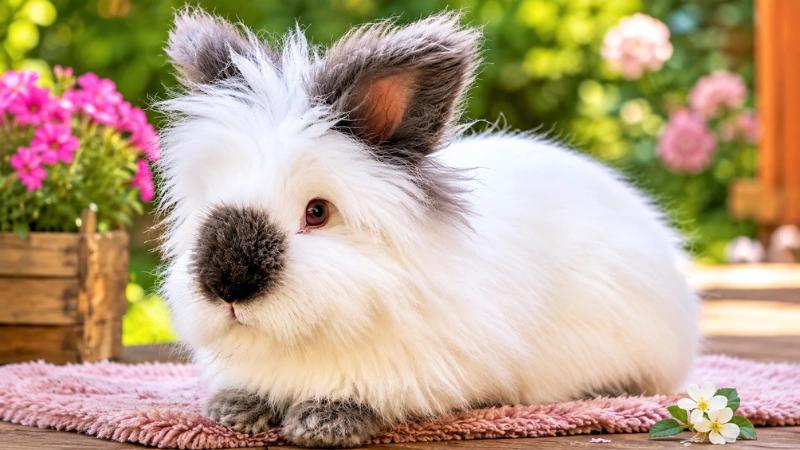
7 Most Popular Long Haired Rabbit Breeds
Long haired bunny breeds come in various sizes, coat types, and temperaments. Here are the 7 most popular fluffy rabbit breeds kept as pets.
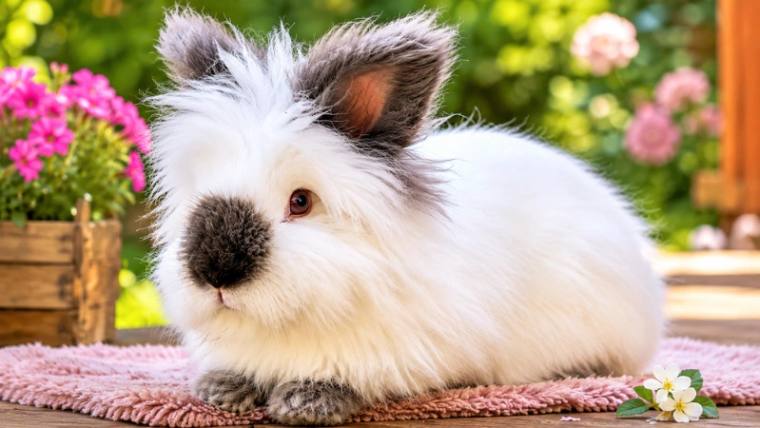
1. English Angora: The English Angora is the fluffiest of all long haired rabbit breeds. It is covered in long, dense wool that obscures its body shape. Only the face and ears are clearly visible. Ears have wool tufts. Weighs 5 to 7.5 pounds. Needs daily grooming. This long haired bunny rabbit looks like a living cloud.
2. French Angora: The French Angora has long wool but less on the face and ears than the English variety. Its face and front feet are free of wool, making it slightly easier to groom. Weighs 7.5 to 10.5 pounds. Developed for wool production but makes a good pet for committed owners.
3. Giant Angora: The Giant Angora is the largest Angora variety, weighing 9 to 12 pounds. Produces the most wool of any Angora breed. Needs extensive grooming. This long haired bunny rabbit is not recommended for beginners due to its high maintenance needs. For more on giant breeds, see our Flemish Giant rabbit guide.
4. Lionhead Rabbit: The Lionhead has a distinctive woolly mane around its head, resembling a lion's mane. The rest of the body has normal short fur. Weighs 2.5 to 3.75 pounds. This smaller long haired bunny rabbit is popular for its unique appearance and friendly personality. Some Lionheads have a single mane (only around the head), while double manes have thicker wool extending down the sides.
5. Jersey Wooly: The Jersey Wooly is a small wool breed developed in New Jersey. Weighs only 2.5 to 3.5 pounds. Has a dense, woolly coat that requires regular grooming. Known for being gentle and easy to handle. This long haired bunny rabbit is good for first-time owners who are committed to grooming.
6. American Fuzzy Lop: The American Fuzzy Lop combines floppy ears with a woolly coat. Weighs 3.5 to 4 pounds. Has a round face, short nose, and dense wool. Requires regular grooming. This long haired bunny rabbit is affectionate and good with families. For more on lop breeds, see our best bunny for kids guide.
7. Cashmere Lop: The Cashmere Lop is a woolly lop breed similar to the American Fuzzy Lop but recognized in the UK. Has floppy ears and a dense, soft wool coat. Weighs 4 to 5 pounds. Needs daily grooming. This long haired bunny rabbit is less common in North America.
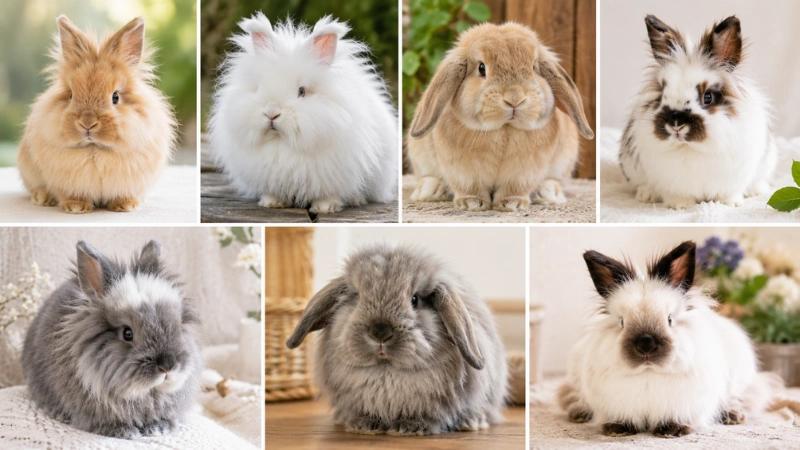
The 7 long haired rabbit breeds are English Angora, French Angora, Giant Angora, Lionhead, Jersey Wooly, American Fuzzy Lop, and Cashmere Lop. Each has unique grooming needs and temperament.
How to Care for a Long Haired Bunny Rabbit
Caring for a long haired bunny rabbit requires daily commitment. Their fluffy coats are beautiful but high-maintenance. Without proper care, matting leads to pain, skin infections, and wool block.
Daily grooming is essential. A long haired bunny rabbit must be brushed every day. Use a stainless steel comb and a slicker brush. Work through the coat section by section. Pay special attention to the belly, armpits, and behind the ears where mats form most easily. Daily brushing prevents painful mats and reduces hair ingestion.
Seasonal shedding requires extra attention. Long haired rabbit breeds shed their coats twice a year. During these times, grooming twice daily may be necessary. The old wool comes out in clumps. If not removed, it mats against the new growth.
Bathing is not recommended. Rabbits should not be bathed unless absolutely necessary. Bathing stresses rabbits and can lead to hypothermia. Instead, spot-clean dirty areas with a damp cloth. For a long haired bunny rabbit, keeping the fur clean prevents urine scald and skin infections.
Trimming fur around sensitive areas. Trim the fur around the rabbit's bottom and genital area. This prevents urine and feces from matting into the fur. Use blunt-tipped scissors and be extremely careful. For help with handling, see do rabbits bite for safe handling techniques.
Check for mats daily. Mats are tight balls of tangled fur that pull on the skin. They are painful and can lead to skin infections. If you find a mat, try to gently tease it apart with your fingers. If impossible, carefully cut it out with scissors. For severe matting, seek professional grooming help.
Safe grooming tools for long haired rabbits: Stainless steel comb (fine and wide teeth), slicker brush (soft bristles), blunt-tipped scissors, mat splitter (for severe mats), and a grooming table or non-slip mat.
Daily grooming is essential for long haired bunny rabbits. Brush daily with a stainless steel comb and slicker brush. Trim fur around the bottom to prevent urine scald. Never bathe rabbits unless absolutely necessary. Check for mats daily.
Common Health Problems in Long Haired Rabbits
Long haired bunny rabbits are prone to specific health problems related to their coat. Understanding these issues helps you prevent them.
Wool block in rabbits: This is the most dangerous health problem for long haired rabbit breeds. Rabbits ingest fur while grooming. The fur can accumulate in the stomach, forming a blockage. Signs include reduced appetite, small or misshapen droppings, lethargy, and weight loss. Wool block can be fatal without treatment. Prevention: daily brushing to remove loose fur, unlimited hay to keep the digestive system moving, and regular exercise.
Matted rabbit fur: Mats are tight balls of tangled fur. They pull on the skin, causing pain and irritation. Mats can also hide skin infections. Prevention: daily brushing. Treatment: carefully cut out mats with blunt-tipped scissors.
Overheating in fluffy rabbits: Long haired bunny rabbits overheat easily. Their dense coats trap heat. In summer, they are at risk of heat stroke. Signs include panting, lethargy, and red ears. Prevention: keep indoor temperatures below 75°F (24°C), provide frozen water bottles, ceramic tiles, and ensure good air circulation. Never leave a long haired rabbit in a hot car.
Rabbit skin infections: Moisture trapped under long fur can cause bacterial or fungal skin infections. Urine scald is common in rabbits with dirty fur around the bottom. Prevention: keep the fur around the genital area trimmed short. Check daily for wetness. Clean with a damp cloth as needed.
Eye irritation from fur: Some long haired rabbit breeds, especially Lionheads and Angoras, have fur that grows into their eyes. This causes irritation, tearing, and eye infections. Prevention: trim the fur around the eyes regularly. Use blunt-tipped scissors and be extremely careful.
For more on rabbit health and anatomy, see anatomy of a rabbit.
Common health problems in long haired rabbits include wool block (fur ingestion), matted fur, overheating, skin infections, and eye irritation. Daily grooming and regular health checks prevent most of these issues.
Best Environment for Fluffy Rabbits
A long haired bunny rabbit needs a specific environment to stay healthy and comfortable. Their thick coats require cool temperatures and clean housing.
Indoor housing for fluffy rabbits: Long haired rabbits should live indoors. Outdoor housing exposes them to temperature extremes, parasites, and predators. Their dense coats make them overheat in summer but do not protect them from wet, cold conditions in winter. Indoor housing allows you to control temperature and humidity.
Cool environment for rabbits: Keep the indoor temperature between 60°F and 70°F (15°C to 21°C). Above 75°F (24°C), long haired rabbits are at risk of heat stroke. Use fans (not blowing directly on the rabbit), air conditioning, or frozen water bottles placed in the enclosure.
Clean bedding for long haired rabbits: Use dust-free bedding. Wood shavings (pine and cedar) are not recommended as they can cause respiratory issues. Use paper-based bedding, aspen shavings, or fleece blankets. Change bedding frequently to keep the rabbit's coat clean. For housing guidance, see ideal rabbit cage.
Safe flooring for fluffy rabbits: Never use wire flooring. Wire floors cause sore hocks, which are especially painful for heavy rabbits. Use solid flooring covered with fleece, foam mats, or thick hay. For more on foot health, see rabbit paw anatomy.
Grooming station setup: Create a dedicated grooming area with a non-slip mat, good lighting, and all tools within reach. Grooming a long haired bunny rabbit takes 10-15 minutes daily. Having a consistent routine reduces stress for both you and the rabbit.

Long haired rabbits should live indoors with temperatures between 60-70°F. Use dust-free bedding, solid flooring (never wire), and create a dedicated grooming station. Keep the environment cool to prevent overheating.
Personality and Temperament
Long haired bunny rabbit breeds are known for their gentle, friendly personalities. However, their temperament varies by breed.
English Angora: Gentle, calm, and tolerant of handling. Good for experienced owners. Needs daily grooming.
French Angora: Calm and friendly. Slightly more independent than English Angora. Good with families.
Giant Angora: Docile and gentle. Needs experienced handling due to large size. Not for beginners.
Lionhead: Friendly, playful, and outgoing. Enjoys human interaction. Good for families. One of the most popular long haired bunny rabbit breeds for first-time owners.
Jersey Wooly: Gentle, calm, and easy to handle. Good for beginners and families with older children.
American Fuzzy Lop: Affectionate, playful, and good with families. Loves attention. Good for children who are gentle.
Cashmere Lop: Similar to American Fuzzy Lop. Calm and friendly. Good with families.
For more on friendly rabbit breeds, see our friendliest rabbit breeds guide. For choosing a rabbit for a child, see best bunny for kids.
Most long haired rabbit breeds have gentle, friendly personalities. Lionheads and Jersey Woolys are good for beginners. Angoras need experienced owners due to their high grooming needs.
Fluffy Rabbits vs Short Haired Breeds
Choosing between a long haired bunny rabbit and a short-haired breed depends on your lifestyle, time commitment, and experience level.
| Aspect | Long Haired Rabbit | Short Haired Rabbit |
|---|---|---|
| Grooming time | Daily (10-15 min) | Weekly (5 min) |
| Shedding | High, seasonal | Moderate, seasonal |
| Heat sensitivity | Very high | Moderate |
| Wool block risk | High | Low |
| Matting risk | Very high | None |
| Beginner friendly | Some breeds | Yes |
Low maintenance rabbit breeds are all short-haired. High maintenance bunny breeds are long-haired. A long haired bunny rabbit requires significantly more time, effort, and expense than a short-haired breed. First-time owners should carefully consider whether they can commit to daily grooming.
Long haired rabbits require daily grooming (10-15 min), while short-haired breeds need weekly grooming (5 min). Long-haired breeds are more prone to wool block, matting, and overheating. They are higher maintenance than short-haired breeds.
Final Thoughts
A long haired bunny rabbit is one of the most stunning pets you can own. Their fluffy coats are beautiful and unique. English Angoras look like living clouds. Lionheads have adorable manes. Jersey Woolys are tiny and gentle. Each of the 7 long haired rabbit breeds has its own charm.
However, beauty comes at a cost. Long haired rabbits require daily grooming. Without it, their fur mats painfully. Mats lead to skin infections. Ingested fur leads to wool block, which can be fatal. They overheat easily and need cool indoor environments. They are not low-maintenance pets.
If you are willing to commit to daily grooming, a long haired bunny rabbit can be a wonderful companion. They are gentle, friendly, and affectionate. Choose a breed that matches your experience level. Lionheads and Jersey Woolys are good for beginners. Angoras are for experienced owners. For more on rabbit breeds, see our types of rabbits guide. For housing guidance, see ideal rabbit cage.
Trusted Resources for Long Haired Rabbits
- American Rabbit Breeders Association (ARBA) – Official breed standards for Angora, Lionhead, and other long-haired breeds
- RSPCA Rabbit Care Guide – Welfare guidelines for all rabbit breeds
- House Rabbit Society Angora Care – Grooming and health information for woolly rabbits
- PDSA Rabbit Care – UK veterinary charity guidance