Flemish Giant Rabbit
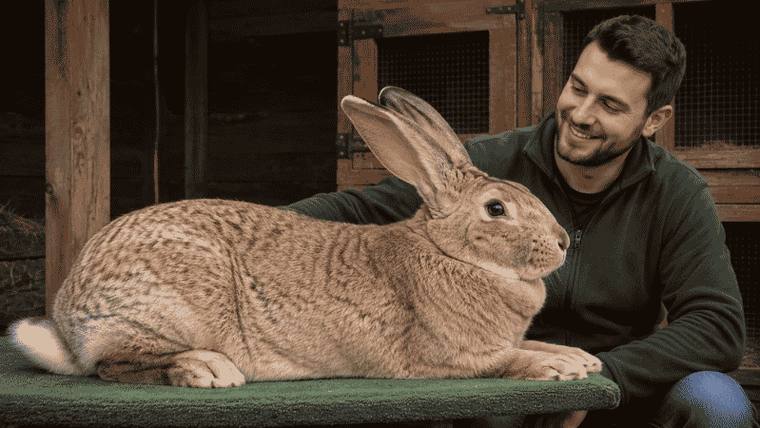
You see a rabbit the size of a small dog. Its ears are long and upright. Its body is massive but calm. You wonder: what kind of rabbit is that? It is likely a Flemish Giant rabbit, the largest domestic rabbit breed in the world.
According to The Livestock Conservancy, the Flemish Giant rabbit originated in Flanders, Belgium, as early as the 16th century. Brought to England and America in the 1800s, this breed was developed for its fur and meat. Today, it is prized as a gentle giant companion animal. Despite its massive size, the Flemish Giant rabbit is known for its calm, patient, and docile temperament.
This guide covers everything about the Flemish Giant rabbit: how big they get, lifespan, colors, temperament, care requirements, and health issues. For a complete overview of all rabbit breeds, see our main guide on types of rabbits. If you are comparing giant breeds, see our rarest rabbit breed guide for other large heritage breeds.
The Flemish Giant rabbit is the largest domestic rabbit breed, weighing 12 to 20+ pounds. Known as the "gentle giant," it has a calm, patient temperament. With proper care, Flemish Giants live 5 to 8 years and require significantly more space and food than smaller breeds.
How Big Do Flemish Giant Rabbits Get
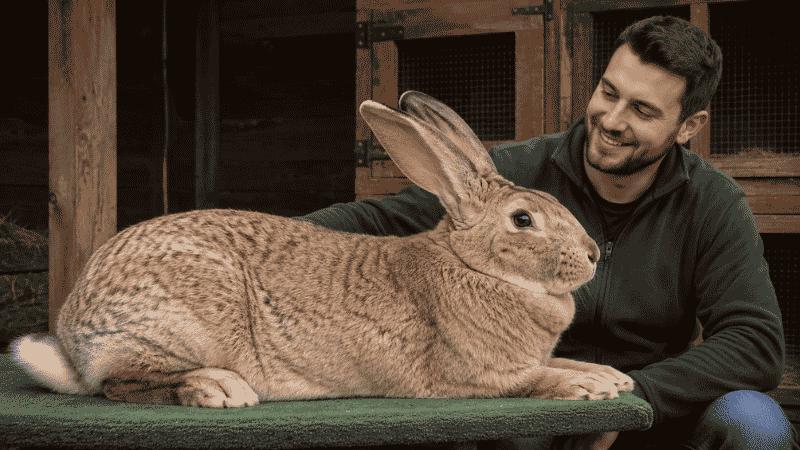
The Flemish Giant rabbit is the largest domestic rabbit breed. How big can a Flemish Giant rabbit get? Adult Flemish Giants typically weigh 12 to 20 pounds, with some individuals reaching 22 pounds or more.
According to Wikipedia, the largest recorded Flemish Giant weighed 49 pounds. This is exceptional. Most pet Flemish Giants weigh between 14 and 18 pounds. How big do Flemish rabbits get compared to other breeds? A Netherland Dwarf weighs 1.5 to 2.5 pounds. A Flemish Giant is about 10 times larger.
How big does a Flemish Giant get in terms of length? From nose to tail tip, an adult Flemish Giant measures 2.5 to 3 feet long. Their ears alone are 6 to 8 inches long. When standing on hind legs, they can reach counter height (about 3 feet).
How big can a rabbit get? The Flemish Giant is the largest. The Continental Giant is similar in size but less common. The Checkered Giant and British Giant are also large but smaller than the Flemish. If you are looking for the largest bunny breed, the Flemish Giant holds the title.
How much do Flemish Giant rabbits weigh? Males (bucks) typically weigh 13 to 18 pounds. Females (does) are slightly heavier, weighing 14 to 20 pounds. This is unusual among mammals; female rabbits are often larger than males. For size comparison, see the rabbit body types guide, which explains the semi-arch body shape of giant breeds.
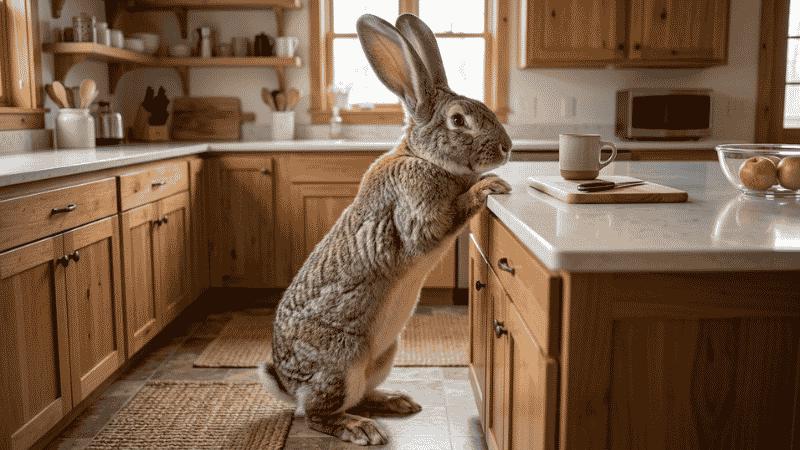
Flemish Giant rabbits weigh 12-20+ lbs and measure 2.5-3 feet long. Males weigh 13-18 lbs; females weigh 14-20 lbs. They are the largest domestic rabbit breed, about 10 times heavier than a Netherland Dwarf.
Flemish Giant Rabbit Size and Weight Chart
The table below shows the typical growth stages and weight ranges for Flemish Giant rabbits.
| Age | Typical Weight | Notes |
|---|---|---|
| Birth | 2-4 oz (60-120g) | Litter size 4-12 kits |
| 8 weeks | 4-6 lbs | Weaned, eating solid food |
| 3 months | 6-9 lbs | Rapid growth phase |
| 6 months | 10-14 lbs | Sexually mature |
| 1 year | 14-18 lbs | Near adult size |
| 18 months | 15-20+ lbs | Full adult size |
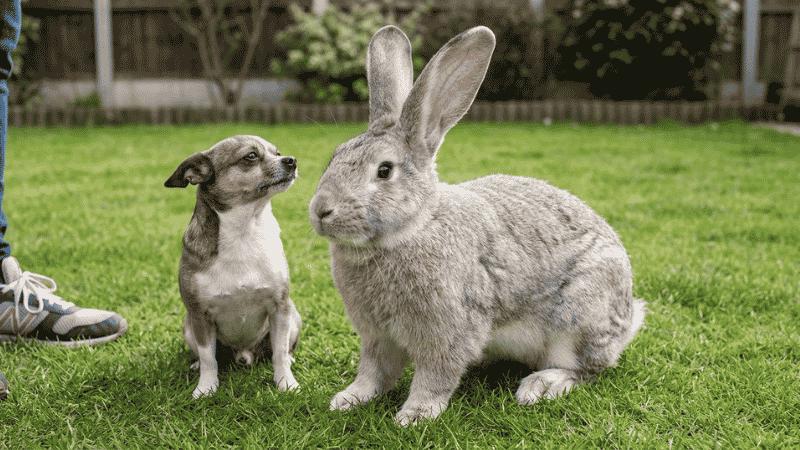
Flemish Giants grow rapidly in the first year, reaching 14-18 lbs by 12 months. Full adult size is reached at 18 months. Females are typically larger than males.
Flemish Giant Rabbit Lifespan
How long do Flemish Giant rabbits live? The average Flemish Giant rabbit lifespan is 5 to 8 years. This is shorter than smaller rabbit breeds, which often live 8 to 12 years. How long do Flemish Giants live compared to other rabbits? Giant breeds have shorter lifespans due to their large size. The heart and joints of giant rabbits experience more strain.
How long does a Flemish Giant rabbit live with proper care? With excellent nutrition, housing, and veterinary care, some Flemish Giants reach 9 or 10 years. However, 5 to 8 years is typical. Factors affecting Flemish Giant life expectancy include genetics, diet, exercise, housing, and veterinary care.
How long do giant rabbits live generally? Most giant breeds (Continental Giant, Checkered Giant, British Giant) have similar lifespans of 5 to 8 years. The Flemish Giant life expectancy is comparable to other large dog breeds. For more on rabbit aging signs, see how long does a bunny rabbit live.
How long do Flemish rabbits live when kept indoors? Indoor rabbits generally live longer than outdoor rabbits. Indoor Flemish Giants are protected from predators, extreme weather, and parasites. They also receive more social interaction and closer monitoring of health issues.
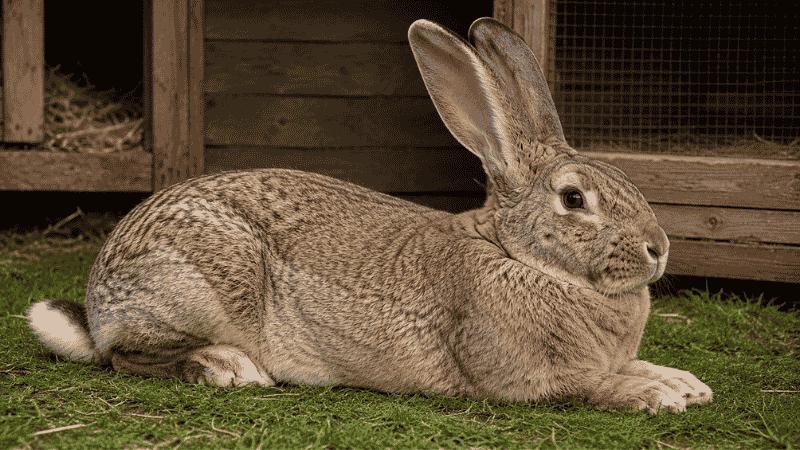
Flemish Giant rabbits live 5 to 8 years on average. This is shorter than smaller breeds due to the strain their large size places on their heart and joints. Indoor rabbits generally live longer than outdoor rabbits.
Flemish Giant Rabbit Colors
The American Rabbit Breeders Association (ARBA) recognizes seven Flemish Giant rabbit colors. Each has specific breed standard requirements.
Black Flemish Giant rabbit: Deep, glossy black throughout. No white or brown tint. Undercolor is dark slate blue. Eyes are dark brown. The black Flemish Giant is one of the most striking color varieties.
Blue Flemish Giant rabbit: A medium blue-gray color, sometimes described as slate. Undercolor is slightly lighter. Eyes are blue-gray. This is a popular color variety.
Fawn Flemish Giant rabbit: Rich golden fawn color, lighter on the belly and under the tail. Eyes are brown. The fawn Flemish Giant has a warm, reddish-gold appearance.
Light Gray Flemish Giant rabbit: Light gray body with black ticking. The head is darker. Eyes are brown. This is sometimes called "steel gray" and is the most common color in show rabbits.
Sandy Flemish Giant rabbit: Reddish-sand color with a lighter belly. Eyes are brown. The sandy Flemish Giant has a uniform light reddish-brown coat.
Steel Gray Flemish Giant rabbit: Dark steel gray with black ticking. The undercolor is slate blue. Eyes are brown. This variety is very similar to light gray but darker.
White Flemish Giant rabbit: Pure white with no cream tint. Eyes are pink (albino). The white Flemish Giant has red eyes due to albinism.
ARBA recognizes seven Flemish Giant colors: black, blue, fawn, light gray, sandy, steel gray, and white. Each has specific breed standards for coat color and eye color.
Flemish Giant Temperament and Personality
The Flemish Giant is known as the "gentle giant" for good reason. Despite its massive size, this breed has a calm, patient, and docile temperament. Friendly giant rabbits are rare; the Flemish Giant is the most reliable among large breeds.
Flemish Giant temperament is ideal for families. They tolerate handling well and rarely show aggression. They are good with children who are gentle and understand rabbit handling. However, due to their large size, young children should never carry a Flemish Giant. A dropped rabbit can suffer spinal injuries.
Flemish Giants are intelligent and can be trained. They learn their names, come when called, and can be litter trained. They enjoy human interaction and will often nuzzle their owners for attention. They are less skittish than smaller breeds.
Calm rabbit breeds like the Flemish Giant are excellent for first-time owners who have adequate space. They are forgiving of minor handling mistakes. However, their size means they need significantly larger enclosures than smaller breeds.
For more on friendly rabbit breeds, see our friendliest rabbit breeds guide. The Flemish Giant is consistently ranked as one of the most gentle and affectionate rabbits.
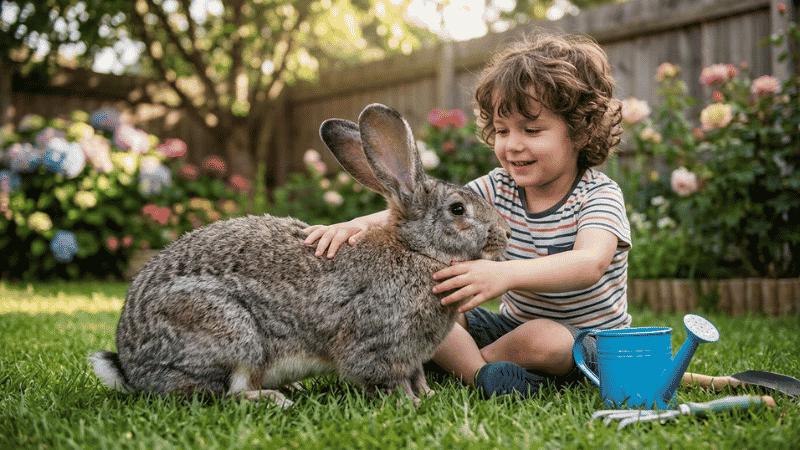
Flemish Giants are known as "gentle giants" for their calm, patient, and docile temperament. They are good with families and children, but young children should not carry them due to their large size. They are intelligent and can be trained.
Flemish Giant Rabbit Care
Giant rabbit care is different from caring for smaller breeds. Flemish Giants need more space, more food, and specialized housing. They are also prone to specific health issues.
Housing: A Flemish Giant rabbit needs a very large enclosure. Minimum size is 8 feet by 4 feet of continuous floor space. A standard pet store cage is far too small. Most Flemish Giant owners use x-pens, dog crates, or dedicate a room to the rabbit. For detailed housing guidance, see ideal rabbit cage.
Flooring: Never use wire flooring. Wire floors cause sore hocks, which are especially painful for heavy rabbits. Use solid flooring covered with fleece, foam mats, or thick hay. For more on foot health, see rabbit paw anatomy.
Diet: Flemish Giants eat significantly more than smaller rabbits. Unlimited hay (timothy or orchard grass) is essential. Pellets: 1/2 to 1 cup per day. Fresh vegetables: 2 to 4 cups per day. Fresh water always available. Avoid obesity by measuring food portions.
Exercise: Flemish Giants need 3-4 hours of daily exercise outside their enclosure. They need space to hop, run, and explore. Rabbit-proof a room or use an x-pen play area.
Grooming: Flemish Giants have short, dense fur that requires minimal grooming. Brush weekly to remove loose hair. Check nails monthly; trim as needed. Check ears weekly for wax buildup.
Flemish Giant care requires a large enclosure (minimum 8x4 ft), solid flooring, unlimited hay, daily exercise, and regular health checks. They eat more and need more space than smaller breeds. Never use wire flooring.
Can You Own a Flemish Giant Rabbit
Can you own a Flemish Giant rabbit? Yes, they make excellent pets for the right owners. However, they are not for everyone. Consider these factors before getting a Flemish Giant.
Space requirements: Flemish Giants need a large enclosure (8x4 ft minimum) and a rabbit-proofed room for daily exercise. Apartment living with giant rabbits is possible if you have enough space. A studio apartment is likely too small. A two-bedroom apartment or house with a dedicated rabbit room works well.
Cost: Flemish Giants cost more to own than smaller rabbits. They eat more food (hay, pellets, vegetables). They need larger cages and supplies. Veterinary care may be more expensive because some medications are dosed by weight.
Best home for giant rabbits: A calm household with older children (8+ years) is ideal. Young children may be too rough or accidentally drop the rabbit. The home should have space for a large enclosure and daily exercise area.
Beginner giant rabbit care: Flemish Giants are good for first-time rabbit owners who have done their research. Their calm temperament is forgiving. However, their large size and specific housing needs require preparation.
For more on choosing the right rabbit for your family, see our best bunny for kids guide. Flemish Giants are suitable for families with older children and adequate space.
Yes, you can own a Flemish Giant rabbit. They make excellent pets for owners with adequate space, budget, and time. They are good for first-time owners who have researched their needs. They are best suited for homes with older children and a large enclosure.
Flemish Giant Health and Common Problems
Flemish Giants are generally healthy, but their large size creates specific health risks. Understanding Flemish Giant health issues helps you prevent problems.
Sore hocks: This is the most common problem in giant rabbits. The pressure of their weight on their feet causes fur loss and skin sores. Prevention: soft flooring, fleece blankets, foam mats. Avoid wire floors and hard surfaces. For more information, see rabbit paw anatomy.
Arthritis in rabbits: Large rabbits are prone to joint problems as they age. Signs include stiffness, difficulty jumping, and reduced activity. Provide soft bedding, low-sided litter boxes, and ramps instead of stairs. Consult a vet for pain management.
Obesity in giant rabbits: Flemish Giants can easily become overweight. Excess weight worsens joint problems and shortens lifespan. Prevention: measure food portions, limit pellets, encourage daily exercise.
Rabbit digestive problems: Flemish Giants are prone to GI stasis, like all rabbits. Signs: reduced appetite, small or no droppings, lethargy. Prevention: unlimited hay, fresh water, daily exercise. Immediate veterinary care is essential if GI stasis is suspected.
Veterinary care for giant rabbits: Find a vet experienced with rabbits, especially large breeds. Some medications are dosed by weight, so treatment may be more expensive. Annual checkups are essential.
Common health problems in Flemish Giants include sore hocks, arthritis, obesity, and GI stasis. Prevention includes soft flooring, proper diet, daily exercise, and regular veterinary care. Their large size makes them prone to joint issues.
Flemish Giant vs Other Giant Rabbit Breeds
What are giant rabbits called? Several breeds fall into the "giant" category. The table below compares the Flemish Giant to other large breeds.
| Breed | Weight (lbs) | Body Type | Temperament | Rarity |
|---|---|---|---|---|
| Flemish Giant | 12-20+ | Semi-arch | Gentle, patient | Common |
| Continental Giant | 12-20+ | Semi-arch | Gentle | Rare |
| Checkered Giant | 11-13 | Full arch | Active | Uncommon |
| British Giant | 12.5-25 | Semi-arch | Gentle | Rare |
| French Lop | 10-15 | Commercial | Calm | Uncommon |
The Flemish Giant vs Continental Giant debate often arises. Both are similar in size, but Continental Giants are rarer. Flemish Giants are more common and easier to find. The Flemish Giant vs Rex rabbit comparison shows that Rex rabbits are much smaller (7.5-10.5 lbs) and have different fur texture.
For more on rare giant breeds, see our rarest rabbit breed guide.
Flemish Giants are the most common giant breed. Continental Giants are similar but rarer. Checkered Giants are smaller and more active. All giant breeds need significant space and careful attention to joint health.
Final Thoughts
The Flemish Giant rabbit is a remarkable breed. As the largest domestic rabbit, it commands attention. But its gentle temperament is what makes it truly special. Known as the "gentle giant," the Flemish Giant is calm, patient, and affectionate. It can be a wonderful companion for the right owner.
However, Flemish Giants are not for everyone. They need significantly more space, more food, and more time than smaller breeds. Their large size makes them prone to joint issues and sore hocks. Potential owners must be prepared for these challenges. A Flemish Giant is not a rabbit for a small apartment or a first-time owner without research.
If you have the space, budget, and commitment, a Flemish Giant can be a rewarding pet. Their calm nature and gentle personality make them a joy to interact with. For more information on rabbit breeds, see our types of rabbits guide. For housing guidance, see ideal rabbit cage. For health information, see rabbit paw anatomy.
Trusted Resources for Flemish Giant Rabbits
- The Livestock Conservancy Flemish Giant – Breed history and conservation status
- American Rabbit Breeders Association (ARBA) – Official breed standards
- RSPCA Rabbit Care Guide – Welfare guidelines for all rabbit breeds
- PDSA Rabbit Care – UK veterinary charity guidance
- House Rabbit Society – Rabbit care information for pet owners