Friendliest Rabbit Breeds
You want a rabbit that will hop into your lap, nuzzle your hand, and sit calmly while being petted. Not all rabbits are naturally like this. Some breeds are more aloof. Others are nervous. A few are downright territorial. But certain breeds have been selectively bred for generations to be calm, gentle, and human-oriented.
According to the American Rabbit Breeders Association (ARBA), breed characteristics include not just appearance but also typical temperament. The friendliest rabbit breeds share common traits: they are less easily startled, more tolerant of handling, and often seek out human interaction. These breeds make excellent companions for families, first-time owners, and anyone wanting a cuddly pet.
This guide covers the friendliest rabbit breeds, what makes a rabbit friendly, how to choose the best rabbit for your family, and how to socialize any rabbit to become more affectionate. For a complete overview of all rabbit breeds and their characteristics, see our main guide on types of rabbits. If you already have a rabbit and are unsure of its breed, the what rabbit breed do I have guide can help you identify it through ear shape, fur type, and size.
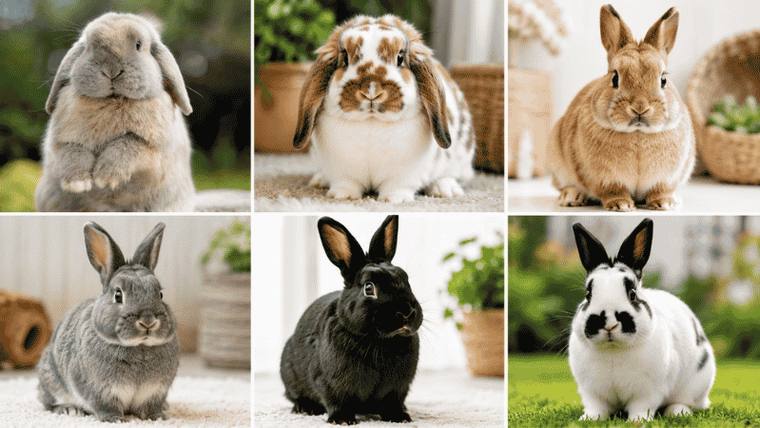
The friendliest rabbit breeds are Holland Lop (calm, gentle), Mini Rex (docile, likes petting), Lionhead (friendly, playful), Flemish Giant (gentle giant), and English Lop (laid-back). These breeds are known for tolerating handling well and often seeking human attention.
What Makes a Rabbit Friendly
Friendliness in rabbits is a combination of genetics and environment. Some breeds are naturally more tolerant of human interaction, but individual personality also matters. Understanding rabbit temperament helps you choose a breed that matches your lifestyle.
According to RSPCA guidelines, friendly rabbits show specific behaviors: they approach humans willingly, accept gentle handling without struggling, may nuzzle or lick their owners, sit calmly when petted, and do not bite or scratch without cause. These behaviors are more common in certain breeds but can be encouraged in any rabbit with proper socialization.
Rabbit personality traits vary by breed. Some breeds are naturally curious and outgoing. Others are more reserved and need time to warm up. The friendliest rabbit breeds tend to be those developed originally as pets rather than for meat or fur. Breeds like the Holland Lop and Mini Rex were bred specifically for companionship, not production. Interestingly, even some larger breeds originally developed for meat, like the Flemish Giant and Californian, have surprisingly gentle temperaments, as discussed in our meat rabbit breeds guide.
Rabbit social behavior also depends on early handling. A rabbit that was handled gently from a young age is more likely to be friendly as an adult. This is why rabbits from responsible breeders who handle kits daily are often more social than rabbits from other sources.
Affectionate rabbit behavior includes licking (rabbit kisses), nuzzling, flopping down next to you, and asking for head rubs by lowering the head. Some rabbits will even groom their owners. Understanding why rabbits bite helps distinguish between playful nibbles and genuine aggression, which is rare in friendly breeds.
Friendliness in rabbits comes from a combination of breed genetics and early socialization. Friendly rabbits approach humans willingly, tolerate handling, and may nuzzle or lick their owners. Breeds developed for companionship tend to be more naturally affectionate.
Friendliest Rabbit Breeds
The following breeds are consistently ranked as the most affectionate and easygoing. If you want a rabbit that will enjoy cuddles and human company, these are your best choices.
Holland Lop: According to The Spruce Pets, the Holland Lop is widely considered the friendliest rabbit breed. Weighing 2 to 4 pounds, these small rabbits have floppy ears and a compact, rounded body. They are calm, gentle, and tolerant of handling, making them excellent pets for families with children. Holland Lops often seek out attention and will nuzzle their owners for pets. Their small size also makes them easier to handle than larger breeds. When trying to identify your rabbit breed, floppy ears combined with a compact body and small size strongly suggest a Holland Lop.
Mini Rex: The Mini Rex is known for its plush, velvety fur and docile temperament. Weighing 3 to 4.5 pounds, these rabbits are calm, friendly, and enjoy being petted. Their soft fur makes them irresistible to stroke, and they typically tolerate handling very well. Mini Rex rabbits are also relatively low-maintenance in terms of grooming, as their short fur does not mat easily. They are one of the most affectionate rabbit breeds and bond strongly with their owners.
Lionhead Rabbit: Lionheads are friendly, playful, and curious. Weighing 2.5 to 3.75 pounds, they have a distinctive woolly mane around the head. According to The Spruce Pets, Lionheads are known for being outgoing and enjoying human interaction. They are active and enjoy playing with toys but also appreciate quiet lap time. Their friendly nature makes them excellent family pets, though their woolly coat requires regular grooming.
Flemish Giant: Despite their massive size (12 to 20+ pounds), Flemish Giants are known as "gentle giants." They are calm, patient, and very tolerant of handling. These large rabbits are surprisingly docile and often enjoy being petted. They are good with children who are gentle and understand rabbit handling. Interestingly, the Flemish Giant is also one of the breeds covered in our meat rabbit breeds guide, showing that meat rabbits can also make wonderful pets. Because of their size, they need significantly more space than smaller breeds, as discussed in ideal rabbit cage requirements for giant breeds.
English Lop: English Lops have extremely long ears that drag the ground. They weigh 9 to 12 pounds and have a laid-back, gentle personality. They are among the calmest rabbit breeds and tolerate handling very well. Their friendly nature makes them good pets for families willing to accommodate their large size and ear care needs.
Californian: Californian rabbits have white bodies with dark points on the nose, ears, feet, and tail. They weigh 8 to 10 pounds and are known for being calm and gentle. They are good with children and adapt well to indoor living. Their friendly, easygoing nature makes them a good choice for first-time owners who want a medium-sized rabbit. Like the Flemish Giant, Californians are also mentioned in the meat rabbit breeds guide, demonstrating that many production breeds have excellent temperaments for pets.
The table below compares the friendliest rabbit breeds side by side:
| Breed | Weight (lbs) | Temperament | Grooming Needs | Good for Families |
|---|---|---|---|---|
| Holland Lop | 2-4 | Calm, gentle, affectionate | Low | Excellent |
| Mini Rex | 3-4.5 | Docile, friendly, calm | Very Low | Excellent |
| Lionhead | 2.5-3.75 | Playful, friendly, curious | Moderate | Very Good |
| Flemish Giant | 12-20+ | Gentle, patient, docile | Low | Good (with space) |
| English Lop | 9-12 | Laid-back, gentle | Moderate (ears) | Good |
| Californian | 8-10 | Calm, gentle | Low | Very Good |
The friendliest rabbit breeds include Holland Lop (best for families), Mini Rex (docile, velvety fur), Lionhead (playful, outgoing), Flemish Giant (gentle despite size), and English Lop (laid-back). Even some meat rabbit breeds like Flemish Giant and Californian have excellent temperaments for pets.
Best Rabbits for Beginners
If you are new to rabbit ownership, choosing a forgiving, easy-going breed is essential. The best pet rabbit for beginners are those that are calm, tolerant of minor handling mistakes, and have predictable temperaments.
Holland Lops are widely recommended for beginners. Their small size makes them easy to handle. Their calm temperament means they are less likely to bite or scratch when frightened. They are also forgiving of new owners who are still learning proper handling techniques. A Holland Lop's friendly nature makes the bonding process smoother for first-time owners.
Mini Rex rabbits are also excellent for beginners. Their plush fur is irresistible, and they generally enjoy being petted. They are docile and rarely show aggression. Their low grooming needs (the velvety fur does not mat easily) make them easier to care for than woolly breeds. When considering housing for your first rabbit, the rabbit in cages guide explains how to set up an appropriate enclosure for a small to medium breed.
Lionheads are good for beginners who are willing to commit to regular grooming. Their friendly, outgoing personality makes them enjoyable companions. However, their woolly mane requires brushing several times a week to prevent matting. First-time owners should be prepared for this commitment.
Calm rabbits for families include Holland Lops, Mini Rex, and Californians. These breeds tolerate gentle handling from children better than more skittish breeds. However, always supervise young children with any rabbit. Rabbits have delicate bones and can be injured by rough handling.
Good rabbits for children are those that are patient and not easily startled. Holland Lops and Mini Rex top this list. Flemish Giants, despite their size, are also very gentle with calm children. For families with older children who understand gentle handling, these breeds work well.
Low maintenance rabbit breeds in terms of grooming are Mini Rex (velvety fur that does not mat) and Holland Lop (normal short coat). In terms of temperament, all the breeds listed above are low maintenance because they are naturally calm and less likely to develop stress-related behavioral problems when provided with proper care. If you are trying to identify your rabbit, knowing that friendly breeds often have distinctive physical traits like floppy ears (Holland Lop) or velvety fur (Mini Rex) can help.
Best rabbits for beginners are Holland Lop (small, calm), Mini Rex (docile, low grooming), and Lionhead (friendly, needs grooming). These breeds are forgiving of minor handling mistakes and have predictable temperaments, making the learning curve easier for new owners.
Most Affectionate Rabbits
Some rabbits are not just friendly but genuinely affectionate. They seek out human attention, enjoy being held, and may even groom their owners.
The Holland Lop is often described as a lap rabbit. They enjoy sitting on laps and being petted for extended periods. They will nuzzle their owners and may even fall asleep while being held. Their small size makes them easy to cuddle.
Mini Rex rabbits are also very affectionate. They love being petted because of their sensitive velvety fur. They often close their eyes in enjoyment when stroked. While they may not sit on laps as long as Holland Lops, they enjoy close contact and will seek out attention.
Flemish Giants are surprisingly cuddly for their size. They enjoy being petted and will often lean into their owners for more attention. They can be lap rabbits too, though they take up the entire lap. Their gentle nature makes them wonderful companions for those with enough space. Interestingly, despite being listed in the meat rabbit breeds guide, Flemish Giants are among the most affectionate pet rabbits you can own.
Rabbits that enjoy attention often show specific behaviors. They may run to the front of the cage when you approach, nuzzle your hand, lower their head for pets, and make soft purring sounds (gentle teeth grinding). These are signs of a bonded, affectionate rabbit regardless of breed.
Human friendly rabbits are not born that way. Even the friendliest breeds need proper socialization to develop their affectionate potential. Rabbits that are handled gently from a young age, spoken to softly, and given positive experiences with humans are much more likely to be affectionate adults. The do rabbits bite article explains that biting is usually a fear response, not aggression, and proper handling prevents it.
For more information on rabbit body language and how to tell when your rabbit is happy, see rabbit paw anatomy to understand how rabbits express comfort and relaxation through their feet and posture.
The most affectionate rabbit breeds are Holland Lop (lap rabbit, enjoys cuddles), Mini Rex (loves being petted, velvety fur), and Flemish Giant (gentle giant, leans into pets). Affectionate rabbits seek out human attention and show clear signs of enjoyment when handled.
Small vs Large Friendly Breeds
Size influences not just housing needs but also handling and interaction styles. Small friendly rabbits and large gentle breeds offer different experiences.
Small friendly rabbits include Holland Lop (2-4 lbs), Mini Rex (3-4.5 lbs), and Lionhead (2.5-3.75 lbs). Their small size makes them easier to lift, carry, and cuddle. They are ideal for apartment living because they need less floor space (though they still need large enclosures). Their lightweight bodies mean less strain when holding them for extended periods. For apartment dwellers, the ideal rabbit cage guide provides specific recommendations for small breeds in limited spaces.
Large gentle rabbit breeds include Flemish Giant (12-20+ lbs) and English Lop (9-12 lbs). Their large size can be intimidating, but their temperament is remarkably gentle. They are often described as "gentle giants." They enjoy being petted and are very tolerant of handling. However, they require significantly more space, more food, and stronger enclosures. Their large size also means they can accidentally injure themselves if dropped, so proper handling technique is essential. As noted in the meat rabbit breeds guide, many large breeds were originally developed for production but have become beloved pets due to their calm nature.
Dwarf rabbit personalities vary. Netherland Dwarfs, while tiny, are often more energetic and skittish than Holland Lops. They may not enjoy being held as much and can be nippy if frightened. Not all dwarf breeds are friendly. The Netherland Dwarf is not typically recommended for families with young children because of their tendency to be nervous. This contrasts with the Holland Lop, which is both small and friendly.
Flemish Giant friendliness is well-documented. They are calm, patient, and very tolerant of handling. Many owners report that their Flemish Giants enjoy being petted and will seek out attention. However, their large size means they need a dedicated space. For guidance on housing a Flemish Giant, see the rabbit housing recommendations in rabbit in cages.
Best indoor rabbit breeds include all small friendly breeds and medium breeds like Californian. Large breeds can also live indoors if you have sufficient space. A Flemish Giant needs a room-sized enclosure or a very large x-pen, not a standard cage.
Rabbit size and personality are not directly correlated. A small rabbit can be aggressive. A large rabbit can be timid. However, the breeds listed above have been selectively bred for friendly temperaments regardless of size. When trying to identify your rabbit breed, remember that friendliness is a characteristic that can help distinguish between similar-looking breeds.
Small friendly breeds (Holland Lop, Mini Rex, Lionhead) are easier to handle and ideal for apartments. Large gentle breeds (Flemish Giant, English Lop) are calm but need more space. Size does not determine friendliness; breed temperament and individual personality matter more.
How to Make Rabbits Friendlier
Even the friendliest rabbit breeds need proper socialization to reach their full potential. A rabbit that is not handled regularly may become shy or fearful regardless of breed.
Socializing rabbits starts with respecting their boundaries. Let the rabbit come to you. Sit on the floor near the rabbit's enclosure and allow the rabbit to approach on its own terms. Offer treats from your hand. Speak softly. Move slowly. Never chase or grab the rabbit.
Building trust with rabbits takes time. Some rabbits warm up in days; others take weeks or months. Be patient. Consistent positive interactions build confidence. Each time the rabbit chooses to approach you, reward with a small treat like a piece of herb or a tiny piece of apple.
Positive rabbit handling involves supporting the full body. Never pick up a rabbit by the ears or scruff. Place one hand under the chest and the other under the hindquarters. Lift gently and hold against your body. For rabbits that dislike being picked up, use a carrier or box to move them instead.
Rabbit enrichment ideas help prevent boredom, which can lead to behavioral problems. Provide tunnels, chew toys, a digging box, and puzzle feeders. A happy, stimulated rabbit is more likely to be friendly than a bored, frustrated one. Enrichment also reduces stress, which is a major factor in rabbit aggression.
Understanding rabbit body language is essential for building a friendly relationship. A rabbit with flattened ears and a tense body is scared. A rabbit with relaxed ears, soft eyes, and a loafed body is comfortable. Learning these signs helps you interact when your rabbit is receptive and back off when she is not.
For rabbits that are already fearful or aggressive, consult resources on do rabbits bite to understand the underlying causes and solutions. In most cases, fear-based biting resolves with patient, gentle socialization and respect for the rabbit's boundaries.
To make any rabbit friendlier, socialize gradually by sitting at their level and letting them approach you. Offer treats, speak softly, and never chase. Support the full body when handling. Provide enrichment to reduce stress. Building trust takes time and consistency.
Breeds That May Be Less Friendly
Not all rabbit breeds are equally friendly. Some breeds are naturally more independent, territorial, or nervous. Understanding these tendencies helps you make an informed choice.
The Netherland Dwarf, while tiny and cute, is often more energetic and skittish than other small breeds. They may not enjoy being held and can be nippy when frightened. They are not typically recommended for families with young children. Their small size also makes them more fragile.
The Belgian Hare is known for being high-strung and nervous. They are not recommended for beginners or families. They need experienced handlers who understand their sensitive nature. They are more active and less likely to enjoy cuddling.
The Checkered Giant is a large breed that can be territorial. They are not as reliably gentle as Flemish Giants. They need firm, confident handling and may not be suitable for homes with young children.
Rabbit aggression signs include growling, lunging, boxing with front paws, and biting. These behaviors are often caused by fear, territoriality, hormones (in unspayed/unneutered rabbits), or pain. Spaying or neutering significantly reduces hormonal aggression in most rabbits.
Shy rabbit breeds may never become lap rabbits even with socialization. However, they can still be wonderful companions for owners who appreciate their independent nature. A shy rabbit may prefer to sit near you rather than on you, which is still a form of bonding.
If you already have a rabbit that is not friendly, do not despair. Many rabbits become more social with patience and proper handling. The breed tendencies are just that: tendencies, not guarantees. Individual personality varies within every breed. If you are unsure what breed you have, the what rabbit breed do I have guide can help you identify it, and then you can research breed-specific temperament tendencies.
Breeds that may be less friendly include Netherland Dwarf (skittish, may nip), Belgian Hare (high-strung), and Checkered Giant (can be territorial). However, individual personality varies within every breed. Spaying/neutering reduces hormonal aggression.
Final Thoughts
The friendliest rabbit breeds are those that have been selectively bred for calm, gentle temperaments. Holland Lop, Mini Rex, Lionhead, and Flemish Giant top the list. These rabbits are more likely to enjoy human attention, tolerate handling, and make affectionate companions. Interestingly, even some breeds originally developed for meat production, like the Flemish Giant and Californian, have surprisingly gentle temperaments, as detailed in our meat rabbit breeds guide.
However, breed is not the only factor. Individual personality, early socialization, and ongoing handling all influence how friendly a rabbit becomes. Even the friendliest breed can become fearful without proper care. Conversely, a rabbit from a less friendly breed can become a loving pet with patience and gentle handling.
When choosing a rabbit, spend time with the individual animal before deciding. A rabbit that approaches you, does not run away, and tolerates gentle petting is likely to be friendly regardless of breed. If you already have a rabbit and are unsure of its breed, the what rabbit breed do I have guide can help you identify it through ear shape, fur type, and size.
For a complete overview of all rabbit breeds, including detailed personality profiles, see the types of rabbits guide. For housing guidance for your new friendly rabbit, read ideal rabbit cage and rabbit in cages.
Trusted Resources for Rabbit Breeds
- American Rabbit Breeders Association (ARBA) Breed List – Official breed standards and classifications
- RSPCA Rabbit Behaviour Guide – Understanding rabbit temperament and social behavior
- The Spruce Pets Rabbit Breeds – Detailed profiles of common pet rabbit breeds
- House Rabbit Society – Rabbit care information, including breed temperament