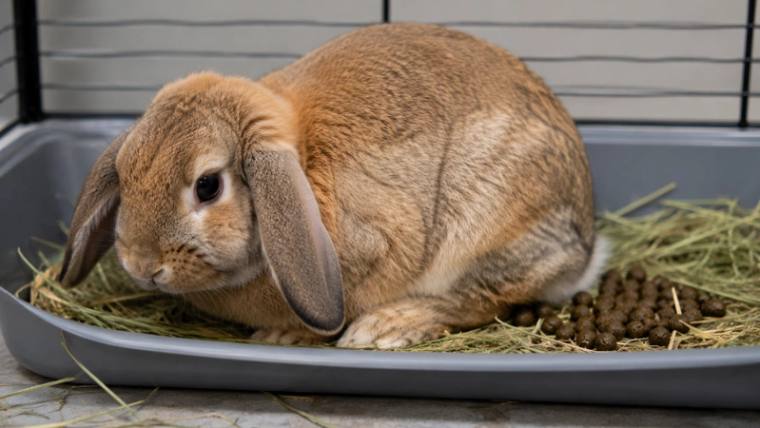
You check your rabbit's litter box and notice fewer droppings than usual. The droppings that are there look small and hard. You worry about rabbit constipation. Constipation in rabbits is a serious digestive issue that requires prompt attention.
According to veterinary sources, rabbits produce a consistent amount of droppings daily. A noticeable decrease in droppings is a warning sign. The RSPCA emphasizes that changes in fecal output indicate digestive problems. The House Rabbit Society notes that any reduction in droppings should be taken seriously.
This guide covers everything about rabbit constipation: what it is, signs to watch for, causes, treatment options, and prevention strategies. For general illness signs, see sick bunny. For appetite loss and digestive issues, see why is my rabbit not eating.
Rabbit constipation is a serious digestive issue where the rabbit produces fewer, smaller, or harder droppings. It can indicate underlying health problems and requires prompt veterinary attention.
What Is Rabbit Constipation
Rabbit constipation occurs when the digestive system slows down. A constipated bunny produces fewer droppings than normal. The droppings may be small, hard, or misshapen. In some cases, the rabbit may produce no droppings at all.
Rabbits have a unique digestive system that requires constant movement. Food must pass through the digestive tract continuously. When the system slows, food sits in the gut for too long, leading to constipation.
A healthy rabbit produces a consistent amount of droppings daily. The droppings should be round, dry, and uniform in size. Any change in frequency, size, or consistency is a warning sign.
Rabbit constipation is a slowdown of the digestive system. A constipated bunny produces fewer, smaller, or harder droppings. It can be a sign of underlying health problems.
Signs of Constipation
Recognizing the signs of constipation helps you seek treatment early. A constipated bunny may show several symptoms.
Rabbit not pooping: The most obvious sign is a decrease in droppings. A rabbit that produces noticeably fewer droppings than normal is constipated. A rabbit producing very few or no droppings, especially alongside reduced appetite, should be assessed urgently.
Small rabbit droppings: The droppings may be smaller than usual. They may be irregular in shape or size. Small droppings indicate reduced food intake or slowed digestion.
Hard rabbit poop: Healthy droppings are firm but not hard. Very hard, dry droppings indicate constipation. The rabbit may be dehydrated or not eating enough hay.
Rabbit straining: A constipated bunny may strain to produce droppings. The rabbit may sit hunched and push without producing anything. This is a sign of discomfort.
Rabbit bloating: A rabbit with constipation may have a visibly enlarged abdomen. The rabbit may show signs of discomfort and reluctance to move. Bloating is a sign of gas buildup in the intestines.
Rabbit appetite loss: A constipated bunny often stops eating. The rabbit may refuse hay, pellets, or favorite treats. Appetite loss with constipation is a serious sign.
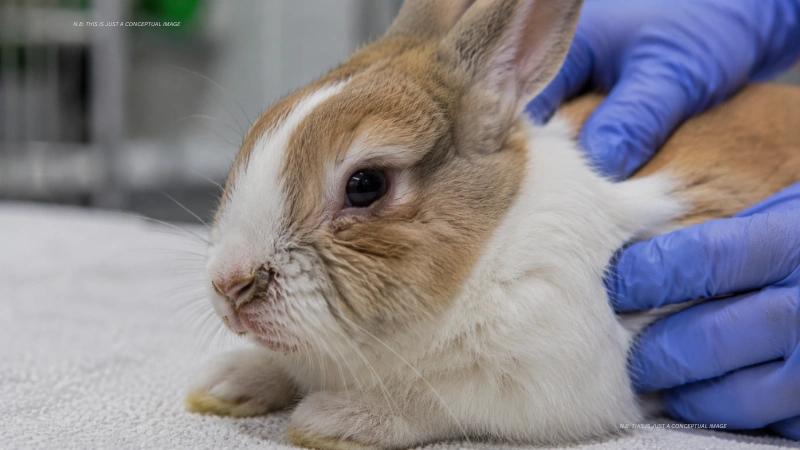
Rabbit discomfort: The rabbit may show signs of pain or discomfort. They may grind their teeth, sit hunched, or be reluctant to move. If you notice any of these signs, contact your veterinarian immediately. For more on recognizing a sick bunny, see sick bunny.
Signs of constipation include fewer droppings, small or hard droppings, straining, bloating, appetite loss, and discomfort. Any reduction in droppings requires attention.
Causes of Constipation
Understanding the causes of constipation helps you prevent it. Several factors can contribute to digestive slowdown in rabbits.
Low fiber diet: The most common cause of constipation is a diet low in fiber. Hay is essential for digestive health. Without enough hay, the digestive system slows down. According to the Humane Society, a hay-based diet prevents most digestive problems.
Dehydration in rabbits: A rabbit that is not drinking enough water can become constipated. Dehydration makes droppings hard and dry. Fresh water must be available at all times.
Lack of exercise: Exercise stimulates the digestive system. A rabbit that does not get enough exercise may develop constipation. Several hours of daily exercise are recommended for digestive health.
Rabbit stress: Stress can slow digestion. Changes in environment, loud noises, or new pets can cause stress-related constipation.
Dental disease: Dental pain can prevent a rabbit from eating enough hay. Without enough hay, the digestive system slows down. For more on dental issues, see malocclusion in rabbits.
Pain in rabbits: Any pain, from injury or illness, can affect digestion. A rabbit in pain may not eat or move enough to keep the digestive system working.
Common causes of constipation include low fiber diet, dehydration, lack of exercise, stress, dental disease, and pain. A hay-based diet prevents most digestive problems.
Constipation and GI Stasis
Constipation and GI stasis are related conditions that exist on a spectrum of digestive motility problems. Understanding the relationship helps you know when to seek care.
Constipation is a slowdown of the digestive system. The rabbit produces fewer droppings but still produces some. The droppings may be small, hard, or irregular. GI stasis is a more severe condition where the digestive system slows significantly or stops producing droppings. The rabbit stops eating, sits hunched, and may grind teeth in pain. According to the Cornell University College of Veterinary Medicine, GI stasis is a life-threatening emergency.
In practice, rabbit medicine often treats reduced fecal output as a GI motility problem. Constipation may occur alongside gut slowdown, and the two conditions are often managed similarly. A rabbit producing very few or no droppings, especially with reduced appetite, should be assessed urgently. For more on emergency signs, see how to know if your rabbit is dying.
Constipation and GI stasis exist on a spectrum of digestive motility problems. A rabbit producing very few or no droppings, especially with reduced appetite, should be assessed urgently. GI stasis is a life-threatening emergency.
Treatment and Home Care
If your rabbit is constipated, take action immediately. Early treatment prevents progression to more serious conditions.
Rabbit constipation treatment: Treatment depends on the severity. Mild constipation may respond to home care. Severe constipation requires veterinary treatment.
Hydrating a rabbit: Offer fresh water. Encourage drinking by offering water in a bowl. Some rabbits prefer bowls over bottles. You can also offer wet vegetables like romaine lettuce to increase water intake.
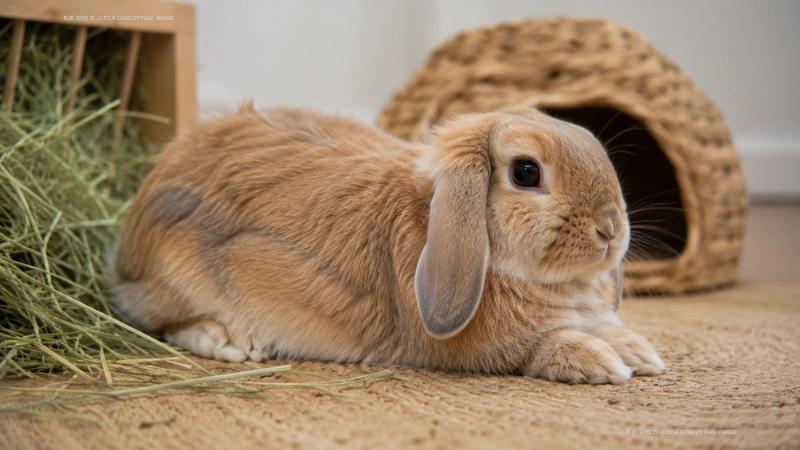
High fiber rabbit diet: Offer unlimited hay. Hay provides the fiber needed to stimulate digestion. Timothy hay is best for adults, and orchard grass is another good option. Remove pellets and treats temporarily to encourage hay eating.
Encouraging movement: Gentle exercise stimulates the digestive system. Allow your rabbit to hop and move freely. Several hours of daily exercise are beneficial for digestive health.
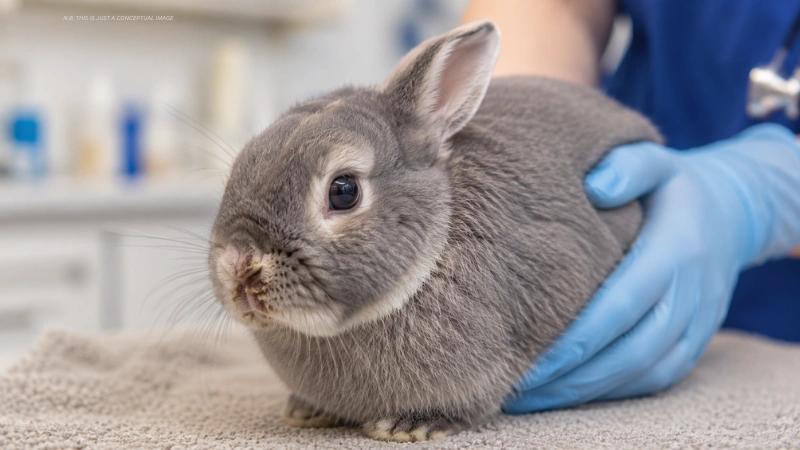
Rabbit recovery care: Monitor your rabbit closely. Check for eating, drinking, and droppings. If the rabbit does not produce droppings within a few hours or shows signs of discomfort, contact your veterinarian.
Veterinary treatment: If home care does not work, your vet may prescribe medication. Treatment may include pain relief, gut motility drugs, and fluid therapy. In severe cases, hospitalization may be necessary.
For more on emergency care, see why is my rabbit not eating.
Treat constipation with hydration, high-fiber hay, and gentle exercise. If home care does not work, seek veterinary treatment. A rabbit producing very few or no droppings needs urgent assessment.
Prevention and FAQs
Preventing constipation is easier than treating it. Good care reduces the risk of digestive problems.
Preventing constipation in rabbits: Provide unlimited hay, fresh water, and daily exercise. A healthy diet and active lifestyle prevent most digestive problems.
Unlimited hay: Hay should be 80-90% of the diet. Timothy hay is best for adults, and orchard grass is another good option. Hay provides the fiber needed for healthy digestion.
Healthy rabbit diet: Unlimited hay, fresh greens, and limited pellets. Avoid sugary treats. Introduce new foods gradually.
Fresh water for rabbits: Fresh water must be available at all times. Dehydration causes constipation.
Exercise for rabbits: Several hours of daily exercise help maintain digestive health. A rabbit that moves freely is less likely to develop constipation.
When to see a vet: See a vet if your rabbit produces very few or no droppings, has a reduced appetite, or shows signs of discomfort. According to the RSPCA, rabbits can deteriorate rapidly, so do not wait.
For more on rabbit care, see ideal rabbit cage and rabbit in cages.
Prevent constipation with unlimited hay, fresh water, daily exercise, and a healthy diet. See a vet if your rabbit produces very few or no droppings or stops eating.
Final Thoughts
Rabbit constipation is a serious digestive issue that requires prompt attention. A constipated bunny produces fewer, smaller, or harder droppings. Recognizing the signs early helps you seek treatment before the condition worsens.
Common causes include low fiber diet, dehydration, lack of exercise, stress, dental disease, and pain. Prevention is the best approach. Provide unlimited hay, fresh water, and daily exercise. A hay-based diet prevents most digestive problems.
If your rabbit shows signs of constipation, act quickly. Offer fresh water, unlimited hay, and gentle exercise. If the rabbit does not improve within a few hours or stops eating, contact your veterinarian immediately. A rabbit producing very few or no droppings needs urgent assessment.
For more information on rabbit health, see our guides on sick bunny, why is my rabbit not eating, and rabbit in cages.
Trusted Resources for Rabbit Digestive Health
- RSPCA Rabbit Health Guide – Expert advice on rabbit health and digestive issues
- House Rabbit Society Health – Comprehensive health information for pet rabbits
- PDSA Rabbit Health – UK veterinary charity guidance on rabbit health
- Cornell University Rabbit Health – Veterinary research-based health information
- Humane Society Rabbit Care – General rabbit care and health guidance