
What Rabbit Breed Do I Have
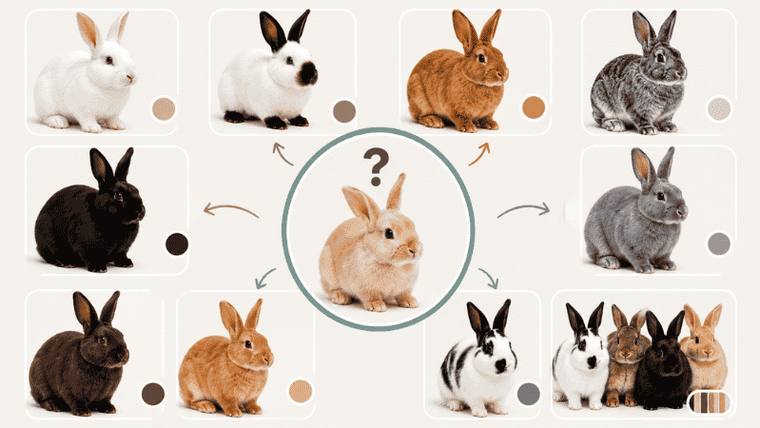
You adopted a rabbit from a shelter. Or you found one in your backyard. Or your child brought home a bunny from a friend. Now you are staring at your rabbit, wondering: what rabbit breed do I have? The ears flop. The fur is plush. The size is tiny. But which breed actually matches?
Identifying rabbit breeds can be challenging. According to the American Rabbit Breeders Association (ARBA), there are 53 recognized domestic rabbit breeds worldwide. Each has specific characteristics for size, ear type, fur texture, body shape, and color patterns. Many pet rabbits are mixed breeds, making identification even more complex.
This guide walks you through the key features that distinguish rabbit breeds: ear shape, fur type, size and weight, body shape, and color patterns. You will learn how to examine your rabbit, compare traits, and narrow down the possibilities. For a complete overview of all recognized rabbit breeds, including detailed profiles of each, see our main guide on types of rabbits.
Identifying your rabbit's breed involves examining ear type (lop or erect), fur texture (normal, rex, or woolly), body size (small, medium, giant), and color patterns. Many pet rabbits are mixed breeds, making exact identification challenging but possible using key physical traits.
How to Identify a Rabbit Breed
Knowing how to tell what breed your rabbit is requires looking at several physical features together. No single trait determines a breed. You need to consider the combination of ear shape, fur type, size, body shape, and color.
Step 1: Check the ears. Are they upright or floppy? Lop-eared rabbits have ears that hang down. Upright-eared rabbits have ears that stand up. Among upright-eared breeds, ear length and thickness vary significantly. The English Lop has extremely long ears that drag the ground, while the Netherland Dwarf has tiny, upright ears.
Step 2: Feel the fur. Does the fur feel plush like velvet? That suggests a Rex or Mini Rex. Is the fur long and woolly? That suggests an Angora, Lionhead, or Jersey Wooly. Is the fur short and flyback (returns to position when stroked)? That is the normal coat type found in most breeds.
Step 3: Weigh your rabbit. Weight is one of the most reliable indicators. Netherland Dwarfs weigh 1.5 to 2.5 pounds. Holland Lops weigh 2 to 4 pounds. Flemish Giants weigh 12 to 20+ pounds. Medium breeds fall in between. A small scale gives you a clear starting point.
Step 4: Examine body shape. According to ARBA's classification system, rabbit breeds fall into body types: commercial (medium, well-rounded), compact (small, round), dwarf (tiny, short ears), and giant (large, long body). A Holland Lop has a compact, rounded body. A Flemish Giant has a long, arched body.
Step 5: Note color patterns. Some breeds have distinctive color patterns. The Californian has white body with dark points on nose, ears, feet, and tail. The English Spot has a characteristic chain of spots along the spine. The Dutch has a white blaze on the face and a colored saddle.
If your rabbit does not perfectly match any breed description, it is likely a mixed breed. According to RSPCA guidelines, most shelter rabbits are mixed breeds, combining traits from multiple ancestors. For a deeper understanding of how rabbit breeds are classified and which physical traits define each group, explore the full breakdown in types of rabbits.
How to identify a rabbit breed: check ears (lop or erect), feel fur (normal, rex, or woolly), weigh your rabbit, examine body shape, and note color patterns. Compare against known breed standards. Mixed breeds are common, especially in shelters.
Rabbit Breed Identification Chart
The table below summarizes key traits for common pet rabbit breeds. Use it as a reference when examining your rabbit.
| Breed | Ear Type | Fur Type | Weight (lbs) | Body Shape | Distinctive Markings |
|---|---|---|---|---|---|
| Netherland Dwarf | Upright | Normal | 1.5-2.5 | Compact | Small, round face |
| Holland Lop | Lop | Normal | 2-4 | Compact | Short, broad head |
| Mini Rex | Upright | Rex (velvety) | 3-4.5 | Compact | Plush, dense fur |
| Lionhead | Upright | Woolly (mane) | 2.5-3.75 | Compact | Wool mane around head |
| Flemish Giant | Upright | Normal | 12-20+ | Large, arched | Massive size |
| Californian | Upright | Normal | 8-10 | Commercial | Dark points on white body |
| English Angora | Upright | Woolly | 5-7.5 | Compact | Long, woolly coat |
This chart covers only the most common pet rabbit breeds. For a complete list of all 53 recognized breeds, including rare and heritage varieties, see the full breed profiles in types of rabbits.
The rabbit breed identification chart above compares common pet breeds by ear type, fur, weight, body shape, and distinctive markings. Use it as a quick reference when examining your rabbit's physical traits.
Identifying by Ear Type
Ear shape is one of the most visible rabbit breed characteristics. The two main categories are lop-eared (hanging down) and upright-eared (standing up).
Lop-eared rabbit breeds have ears that hang down on either side of the head. According to The Spruce Pets, common lop breeds include Holland Lop (small, 2-4 lbs), Mini Lop (medium, 3-6 lbs), French Lop (large, 10-15 lbs), and English Lop (extra-long ears, 9-12 lbs). If your rabbit has floppy ears, you likely have a lop breed. Size helps narrow down which one.
Upright ear rabbit breeds have ears that stand up. Most rabbit breeds fall into this category. The Netherland Dwarf has short, tiny upright ears. The Flemish Giant has long, broad upright ears. The Lionhead has medium-length upright ears with tufts of wool on the sides.
Holland Lop identification: If your rabbit weighs 2 to 4 pounds, has floppy ears that fit close to the head, a short, broad head with a rounded profile, and a compact, muscular body, you likely have a Holland Lop. They are one of the most popular pet rabbit breeds.
English Lop vs Mini Lop: English Lops have extremely long ears that drag the ground and weigh 9 to 12 pounds. Mini Lops have shorter, wider ears and weigh 3 to 6 pounds. If your rabbit's ears touch the floor, you have an English Lop.
To understand how ear shape relates to other physical traits, including how lop ears affect a rabbit's overall body structure, see the detailed breed profiles in types of rabbits.
Lop-eared rabbits include Holland Lop (2-4 lbs), Mini Lop (3-6 lbs), and English Lop (9-12 lbs). Upright-eared rabbits include Netherland Dwarf (tiny ears) and Flemish Giant (long ears). Ear type combined with size helps narrow down breeds.
Identifying by Fur Type
Fur texture is another key identifier. According to ARBA breed standards, rabbits have distinct coat types that are breed-specific.
Rex rabbit fur is short, dense, and plush, standing upright rather than lying flat. It feels like velvet or plush velour. The Rex and Mini Rex breeds have this distinctive coat. If your rabbit's fur feels like velvet, you likely have a Rex or Mini Rex. Standard Rex weighs 7.5 to 10.5 pounds. Mini Rex weighs 3 to 4.5 pounds.
Angora rabbit wool is long, dense, and woolly. English Angoras weigh 5 to 7.5 pounds. French Angoras weigh 7.5 to 10.5 pounds. Giant Angoras weigh over 9.5 pounds. If your rabbit has long, fluffy fur that requires regular grooming, it may be an Angora or Angora mix. Long-haired breeds need careful coat maintenance to prevent painful matting.
Lionhead rabbit mane is a distinctive woolly mane around the head, resembling a lion's mane. The rest of the body has normal-length fur. Lionheads weigh 2.5 to 3.75 pounds. Some Lionheads have a single mane (only around the head), while double manes have thicker, more extensive wool.
Normal flyback fur is short, dense, and lies flat. When stroked from tail to head, it springs back into place. This is the most common coat type, found in Holland Lops, Netherland Dwarfs, Flemish Giants, and many other breeds.
If your rabbit's fur type does not match any pure breed, it may be a mixed breed. Shelter rabbits commonly have normal flyback fur with unknown ancestry. For a complete guide to rabbit coat types and how to care for each, see types of rabbits.
Fur types help identify rabbit breeds: Rex fur (velvety, upright), Angora wool (long, fluffy), Lionhead mane (wool around head), and normal flyback fur (short, lies flat). Each type points to specific breed groups.
Identifying by Size & Body
Size is one of the most reliable clues. A small scale gives you your rabbit's weight, which immediately narrows the possibilities.
Small rabbit breeds weigh under 4 pounds. Netherland Dwarfs weigh 1.5 to 2.5 pounds. Holland Lops weigh 2 to 4 pounds. Lionheads weigh 2.5 to 3.75 pounds. Mini Rex weighs 3 to 4.5 pounds. If your rabbit fits in one hand and feels light, it is likely one of these small breeds.
Medium rabbit breeds weigh 4 to 10 pounds. This category includes Mini Lop (3-6 lbs), Rex (7.5-10.5 lbs), Californian (8-10 lbs), and English Spot (5-8 lbs). Most pet rabbits fall into this medium range.
Giant rabbit breeds weigh over 10 pounds. Flemish Giants weigh 12 to 20+ pounds. Checkered Giants weigh 11 to 13 pounds. Continental Giants weigh 12 to 16 pounds. If your rabbit is as large as a small dog, you likely have a giant breed. These rabbits need significantly larger enclosures, as discussed in our guide on ideal rabbit cage requirements for large breeds.
Body shape also matters. According to ARBA classification, body types include commercial (medium, well-rounded, meaty), compact (small, round, short), dwarf (tiny, short ears, round head), and giant (large, long, arched). A Flemish Giant has a long, arched back. A Holland Lop has a compact, round body. A Netherland Dwarf has a tiny, round body with a short face.
For a complete overview of rabbit body types and how they correspond to breed families, see the classification system explained in types of rabbits.
Small rabbit breeds weigh under 4 lbs (Netherland Dwarf, Holland Lop, Lionhead). Medium breeds weigh 4-10 lbs (Mini Lop, Rex, Californian). Giant breeds weigh over 10 lbs (Flemish Giant, Continental Giant). Size combined with ear type and fur narrows down possibilities.
Most Common Pet Rabbit Breeds
If you adopted a rabbit from a shelter or pet store, it is likely one of these common breeds or a mix.
Holland Lop rabbits are the most popular pet rabbit breed in the United States. They have floppy ears, a compact body, and weigh 2 to 4 pounds. Their calm, friendly temperament makes them excellent family pets. If your rabbit has floppy ears and feels small but sturdy, you likely have a Holland Lop.
Lionhead rabbits are known for their distinctive woolly mane. They have upright ears and weigh 2.5 to 3.75 pounds. They are friendly and enjoy playing with toys. If your rabbit has a fluffy mane around its head but normal fur on the body, you likely have a Lionhead.
Mini Rex rabbits have velvety, plush fur that feels like velvet. They have upright ears and weigh 3 to 4.5 pounds. Their docile nature makes them good pets for calm households. If your rabbit's fur is extremely soft and dense, you likely have a Mini Rex.
Netherland Dwarf rabbits are tiny, weighing only 1.5 to 2.5 pounds. They have tiny upright ears, a round face with a short nose, and a compact body. They can be energetic and sometimes skittish. If your rabbit is extremely small with baby-like features, you likely have a Netherland Dwarf.
Flemish Giant rabbits are massive, weighing 12 to 20+ pounds. They have long upright ears and a docile "gentle giant" temperament. If your rabbit is larger than a cat, you likely have a Flemish Giant or giant mix. Their large size means they need extra space and special flooring to prevent sore hocks, as explained in rabbit paw anatomy.
Californian rabbits have white bodies with dark points (nose, ears, feet, tail). They have upright ears and weigh 8 to 10 pounds. They are calm and good with children. If your rabbit has this distinctive color pattern, you likely have a Californian.
English Angora rabbits are covered in long, woolly fur. They have upright ears with wool tufts and weigh 5 to 7.5 pounds. If your rabbit looks like a fluffy cloud and requires daily grooming, you likely have an Angora or Angora mix. For a complete comparison of these breeds and their care needs, see the breed profiles in types of rabbits.
The most common pet rabbit breeds are Holland Lop (floppy ears, 2-4 lbs), Lionhead (woolly mane), Mini Rex (velvety fur, 3-4.5 lbs), Netherland Dwarf (tiny, 1.5-2.5 lbs), and Flemish Giant (massive, gentle).
Mixed Breed Rabbits
Most rabbits in shelters are mixed breeds. According to the RSPCA, mixed breed rabbits are common and make wonderful pets. Identifying a mixed breed is often about recognizing the dominant traits rather than finding an exact purebred match.
If your rabbit has floppy ears but is larger than a Holland Lop, it may be a Mini Lop or French Lop mix. If your rabbit has normal fur but a woolly mane, it may be a Lionhead mix. If your rabbit is tiny with upright ears but normal fur, it may be a Netherland Dwarf mix.
Mixed breed rabbits can have unexpected combinations of traits. A rabbit might have the body size of a Mini Rex but the fur of a normal-coated breed. A rabbit might have the ear length of an English Lop but the body size of a medium breed.
Genetic testing is available for rabbits if you need definitive identification. However, for most pet owners, knowing the dominant breed traits is enough to understand your rabbit's temperament, grooming needs, and health predispositions. For example, a rabbit with Rex fur needs extra soft flooring to prevent sore hocks. A rabbit with Angora wool needs daily grooming. A giant breed mix needs a larger cage.
For guidance on housing mixed breed rabbits of varying sizes, see rabbit in cages for appropriate enclosure sizing based on weight rather than breed.
Mixed breed rabbits are common, especially in shelters. Identify them by recognizing dominant traits rather than expecting a perfect purebred match. Genetic testing is available for definitive identification, but most owners find knowing key traits sufficient for care.
What Breed Makes the Best Pet
The best rabbit breed for you depends on your lifestyle, experience, and preferences. Different breeds have different temperaments and care needs.
Best beginner rabbit breeds are Holland Lops, Mini Rex, and Lionheads. According to The Spruce Pets, these breeds are calm, friendly, and forgiving of minor handling mistakes. They are widely available and have predictable temperaments.
Calm rabbit breeds include Holland Lops, Flemish Giants (despite their size), English Lops, and Himalayan rabbits. These breeds are known for being patient and gentle, making them good choices for families with calm, older children.
Friendly rabbit breeds that enjoy human interaction include Lionheads, Mini Rex, and Holland Lops. These breeds often seek out attention and enjoy being petted. However, individual personality varies within every breed.
Best rabbit breeds for children are Holland Lops and Mini Rex. They tolerate gentle handling well. However, always supervise young children with any rabbit. Rabbits have delicate bones and can be injured by rough handling. Understanding why rabbits bite can help parents teach children appropriate interaction.
Indoor rabbit breeds include all small and medium breeds. Netherland Dwarfs, Holland Lops, Lionheads, and Mini Rex adapt well to indoor living. Giant breeds need more space and are better suited for homes with large rabbit-proofed areas. For indoor housing guidance, see ideal rabbit cage setup for apartment rabbits.
Easy care rabbit breeds in terms of grooming include Mini Rex (short, dense fur that does not mat) and Holland Lop (normal coat, minimal grooming). High-maintenance breeds like Angoras and Lionheads need daily grooming to prevent painful matting. For a complete guide to rabbit breeds by grooming requirement, see types of rabbits.
The best beginner rabbit breeds are Holland Lop, Mini Rex, and Lionhead. Calm breeds include Flemish Giant and English Lop. Family-friendly breeds tolerant of handling include Holland Lop and Mini Rex. Low-grooming breeds include Mini Rex and Holland Lop.
Final Thoughts
Identifying your rabbit's breed involves careful observation of ear type, fur texture, size, body shape, and color patterns. The breed identification chart above provides a quick reference for common pet breeds. If your rabbit does not perfectly match any breed, it is likely a mixed breed, which is common and perfectly fine.
Remember that breed identification is not necessary for providing excellent care. All rabbits need a large enclosure (minimum 6ft x 3ft), daily exercise time outside the cage, a proper diet of unlimited hay, fresh water, and social interaction. The housing and care requirements for a Holland Lop and a Netherland Dwarf are essentially the same: both need space, enrichment, and proper nutrition.
If you are curious about specific breeds, the types of rabbits guide provides complete profiles of all recognized rabbit breeds, including rare and heritage varieties. For housing guidance, see rabbit in cages and ideal rabbit cage. To understand rabbit anatomy and how it varies by breed, read anatomy of a rabbit.
Trusted Resources for Rabbit Breed Identification
- American Rabbit Breeders Association (ARBA) Breed List – Official breed standards and classifications for 53 recognized breeds
- RSPCA Rabbit Care Guide – Welfare guidelines for all rabbit breeds, including mixed breeds
- The Spruce Pets Rabbit Breeds – Detailed profiles of common pet rabbit breeds
- House Rabbit Society – Rabbit care information for pet owners, including breed identification tips