
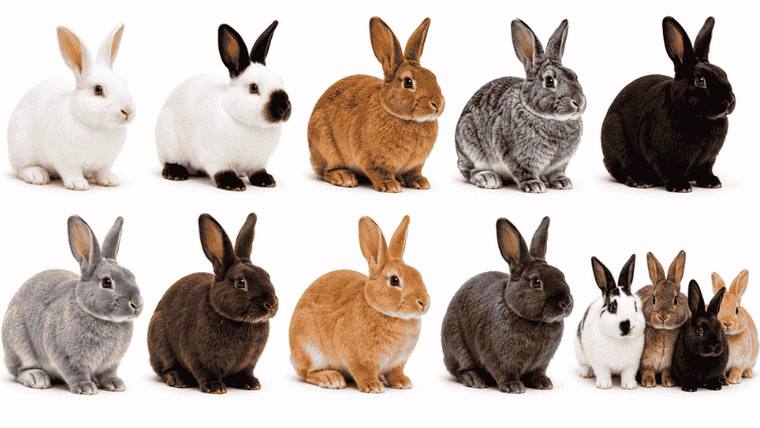
Meat Rabbit Breeds
You are considering raising rabbits for meat. You want animals that grow fast, convert feed efficiently, and produce quality carcasses. But with dozens of rabbit breeds available, how do you choose the right one? Not all rabbits are suitable for meat production. While many domestic rabbits can be eaten, only a few breeds have been specifically developed for meat production. Understanding which breeds work best saves you time, money, and frustration.
Rabbits have been raised for meat for centuries. According to the RSPCA, rabbits are efficient meat producers, converting feed to protein more effectively than cattle or pigs. A doe can produce over 300 pounds of meat per year under ideal conditions. This efficiency has made rabbit farming increasingly popular among homesteaders and small farmers.
According to the American Rabbit Breeders Association (ARBA), there are 53 recognized rabbit breeds, but only a handful are considered top-tier meat producers. The best meat rabbit breeds share common characteristics: fast growth, good feed conversion, large litters, calm temperament, and a high meat-to-bone ratio. For a complete overview of all rabbit breeds, including pet and show varieties, you can explore our main types of rabbits guide, which covers every recognized breed and its primary use.
Meat rabbit breeds are specifically developed for fast growth, feed efficiency, large litters, and high meat-to-bone ratio. The most popular meat rabbit breeds include New Zealand, Californian, Flemish Giant, and Champagne d'Argent. Choosing the right breed is the first step to successful rabbit meat production.
Best Meat Rabbit Breeds
The best meat rabbit breeds have been refined over generations for production traits. While many rabbits can be eaten, these breeds consistently outperform others in growth rate, litter size, and carcass quality.
New Zealand rabbit. According to The Spruce Pets, the New Zealand is the most popular meat rabbit breed in North America. Developed in the early 1900s from rabbits imported from New Zealand, these rabbits are known for their rapid growth, calm temperament, and excellent feed conversion. New Zealands typically reach market weight of 4.5 to 5.5 pounds in 8 to 10 weeks. They come in white, red, and black varieties, with white being the most common for meat production because white fur does not show on the carcass.
Californian rabbit. Developed in California in the 1920s, Californians are a cross between New Zealand whites and Himalayan rabbits. According to The Prairie Homestead, Californians have distinct markings: white bodies with dark noses, ears, feet, and tails. They grow nearly as fast as New Zealands, reaching market weight in 8 to 10 weeks. Their calm temperament makes them easy to handle, even for beginners.
Flemish Giant rabbit. According to ARBA's breed guide, Flemish Giants weigh 14 to 20 pounds or more. However, they grow more slowly than New Zealands and Californians, often taking 5 to 6 months to reach slaughter weight. Their slower growth means higher feed costs per pound of meat. Some farmers use Flemish Giants as terminal sires to add size to other meat rabbit lines. To understand how a rabbit's large body size affects its housing needs, look at our guide on ideal rabbit cage requirements for giant breeds.
Champagne d'Argent. According to The Livestock Conservancy, this French heritage breed is known for its silver fur and excellent meat quality. Champagnes weigh 9 to 12 pounds and have a fine bone structure, which means more meat per carcass. They grow at a moderate pace and are less common in commercial production but prized by homesteaders who value heritage genetics.
Silver Fox rabbit. According to The Livestock Conservancy, the Silver Fox is one of the best dual-purpose breeds, producing both quality meat and dense, silver-tipped fur that resembles fox fur. They weigh 9 to 12 pounds and reach market weight in 10 to 12 weeks, slightly slower than New Zealands but offering additional income from pelts.
The table below compares the top meat rabbit breeds side by side:
| Breed | Adult Weight | Market Age | Litter Size | Temperament | Notes |
|---|---|---|---|---|---|
| New Zealand | 9-12 lbs | 8-10 weeks | 6-10 kits | Calm | Most popular, white fur preferred |
| Californian | 8-10 lbs | 8-10 weeks | 6-10 kits | Very calm | Dark points, excellent temperament |
| Flemish Giant | 14-20 lbs | 5-6 months | 6-12 kits | Docile | Slow growth, used as terminal sires |
| Champagne d'Argent | 9-12 lbs | 10-12 weeks | 6-8 kits | Gentle | Heritage breed, fine bone structure |
| Silver Fox | 9-12 lbs | 10-12 weeks | 6-8 kits | Calm | Dual-purpose, high-quality fur |
The top meat rabbit breeds are New Zealand (fastest growth, most popular), Californian (calm, good growth), Flemish Giant (largest but slower), Champagne d'Argent (heritage, fine bone structure), and Silver Fox (dual-purpose, valuable fur).
How Meat Rabbit Size and Growth Affect Your Choice
Meat rabbit size and growth rate directly affect profitability. Faster growth means less feed consumed before slaughter, which lowers production costs. Larger final weight means more meat per animal. Balancing these two factors is key to efficient production.
According to The Prairie Homestead, market weight for meat rabbits is typically 4.5 to 5.5 pounds. At this weight, rabbits are young enough that the meat is tender and mild-flavored. Older rabbits produce tougher, stronger-tasting meat. New Zealand kits typically reach this weight in 8 to 10 weeks, while Flemish Giants take 5 to 6 months.
Feed conversion in rabbits is measured as pounds of feed per pound of weight gain. Efficient meat rabbit breeds convert 3 to 3.5 pounds of feed into 1 pound of body weight. By comparison, beef cattle require 6 to 7 pounds of feed per pound of gain. This efficiency is one reason rabbit meat is considered environmentally sustainable.
The table below compares growth rates and feed efficiency across breeds:
| Breed | Market Age | Market Weight | Feed Conversion (lbs feed/lb gain) | Annual Litters | Meat per Doe/Year (lbs) |
|---|---|---|---|---|---|
| New Zealand | 8-10 weeks | 4.5-5.5 lbs | 3.0-3.5 | 4-6 | 200-300 |
| Californian | 8-10 weeks | 4.5-5.5 lbs | 3.0-3.5 | 4-6 | 200-300 |
| Flemish Giant | 5-6 months | 10-15 lbs | 4.0-4.5 | 3-4 | 100-150 |
| Silver Fox | 10-12 weeks | 5-6 lbs | 3.5-4.0 | 4-5 | 150-200 + pelts |
To understand how a rabbit's anatomy affects meat yield, including bone structure and muscle placement, see anatomy of a rabbit. Knowing which cuts come from which parts of the carcass helps you maximize processing efficiency.
Market weight for meat rabbits is 4.5 to 5.5 pounds, typically reached at 8 to 10 weeks for New Zealands and Californians. Flemish Giants take 5 to 6 months. Efficient breeds convert 3 to 3.5 pounds of feed per pound of gain.
Rabbits for Meat and Fur
Some rabbit breeds serve dual purposes, providing both quality meat and valuable pelts. This adds a second income stream from each animal.
According to The Livestock Conservancy, heritage breeds like Silver Fox, American, and Palomino are prized for both their meat and fur. Silver Fox rabbits have dense, silver-tipped fur that stands up when stroked from tail to head, making their pelts highly desirable. They weigh 9 to 12 pounds and reach market weight in 10 to 12 weeks.
White meat rabbit breeds like New Zealand Whites are preferred for commercial meat production because white fur does not show on the carcass. However, white fur has less market value than colored fur for pelt sales. If you plan to sell pelts, consider colored breeds like Silver Fox or Palomino.
Dual-purpose rabbits often have slower growth rates than specialized meat breeds. This is the trade-off for having higher-quality fur. The Silver Fox reaches market weight in 10 to 12 weeks, slightly slower than New Zealands, but the additional income from pelts can offset the higher feed costs.
The table below compares dual-purpose rabbit breeds:
| Breed | Adult Weight | Market Age | Fur Quality | Fur Color | Pelt Value |
|---|---|---|---|---|---|
| Silver Fox | 9-12 lbs | 10-12 weeks | Dense, silver-tipped | Black/Silver | High |
| Palomino | 8-10 lbs | 10-12 weeks | Medium, glossy | Golden/Lynx | Moderate |
| American | 9-12 lbs | 10-12 weeks | Fine, dense | Blue/White | Moderate |
For more information on rabbit coat types and how fur quality varies by breed, see our comprehensive guide on types of rabbits, which covers fur characteristics across all recognized breeds.
Dual-purpose rabbit breeds like Silver Fox, Palomino, and American provide both high-quality meat and valuable pelts. Silver Fox fur is particularly prized for its dense, silver-tipped quality. These breeds grow slightly slower than specialized meat breeds but offer additional income from pelt sales.
How to Choose the Best Meat Rabbit for Your Farm
Choosing the best meat rabbit for your situation requires evaluating several factors beyond just growth rate. Your climate, experience level, available space, and production goals all influence which breed is right for you.
Best beginner meat rabbits are New Zealands and Californians. According to The Prairie Homestead, these breeds are forgiving of minor mistakes, have calm temperaments, and are widely available. Their consistent performance makes them ideal for first-time rabbit farmers.
Climate hardy rabbit breeds perform well in extreme conditions. Flemish Giants are cold-hardy and thrive in northern climates. Their large size helps them retain body heat in winter. Conversely, New Zealands and Californians have short, dense fur that insulates well but may require additional protection in very cold climates. For guidance on housing rabbits in different weather conditions, see ideal rabbit cage setup recommendations.
Rabbit temperament for farming matters for ease of handling. Aggressive rabbits are difficult to manage and may injure each other or their handlers. New Zealands and Californians are known for calm temperaments. Flemish Giants are docile despite their large size. Heritage breeds like American and Silver Fox are also known for being gentle. If you are concerned about handling, understanding why rabbits bite can help you choose a breed with a calmer disposition.
Easy care meat rabbits are those that thrive in your specific environment. Consider the climate, available housing, and your management style. If you plan to raise rabbits in a colony setting rather than individual cages, select breeds that get along well in groups. New Zealands and Californians adapt well to both cage and colony systems. For detailed guidance on setting up rabbit housing, read rabbit in cages for proper cage design and spacing.
Rabbit breeding for meat requires selecting breeding stock with good conformation. Look for rabbits with broad shoulders, well-rounded hindquarters, and thick loins. These traits indicate good meat yield. Avoid rabbits with narrow frames, sharp spines, or protruding hip bones.
Best beginner meat rabbits are New Zealands and Californians. Flemish Giants are cold-hardy. New Zealands and Californians have calm temperaments. Choose breeding stock with broad shoulders and well-rounded hindquarters for good meat yield.
Final Thoughts
Choosing the right meat rabbit breed is the foundation of successful rabbit meat production. New Zealand and Californian rabbits dominate the industry for good reason: they grow fast, convert feed efficiently, have calm temperaments, and produce large litters. For homesteaders seeking dual-purpose animals, Silver Fox and Palomino offer both quality meat and valuable pelts.
Before selecting a breed, evaluate your production goals, climate, available space, and experience level. Beginners should start with New Zealands or Californians because of their reliable performance and forgiving nature. If you are interested in preserving rare genetics, consider heritage breeds like American or Champagne d'Argent, but be prepared for slower growth rates.
Remember that breed selection is just one part of successful rabbit farming. Proper housing, nutrition, disease prevention, and breeding management all affect your results. To understand how rabbit anatomy affects meat yield, see anatomy of a rabbit. For housing guidance, read rabbit in cages and ideal rabbit cage. And for a complete overview of all rabbit breeds, including pet and show varieties, refer to our pillar guide on types of rabbits.
Trusted Resources for Meat Rabbit Breeds
- RSPCA Rabbit Welfare Guide – Welfare guidelines for all rabbit breeds
- American Rabbit Breeders Association (ARBA) – Official breed standards and classifications
- The Prairie Homestead Meat Rabbits – Practical advice for homestead rabbit farmers
- The Livestock Conservancy – Heritage breed information and conservation status