

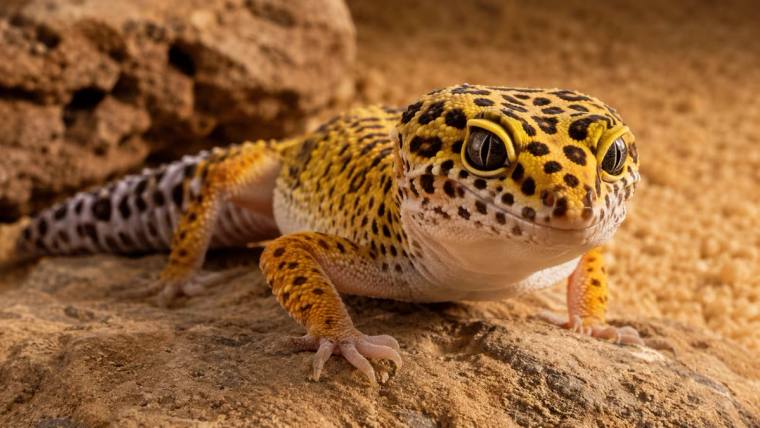
Getting the diet right is one of the most important things you can do for a leopard gecko. Feeding mistakes, specifically calcium deficiencies, obesity, and nutritional gaps from poor feeder variety, are behind many of the most common health problems vets see in captive geckos. The good news is that once the routine is in place, it is genuinely simple to maintain.
Best Feeder Insects for Leopard Geckos
The foundation of a healthy captive diet is live insects. Not all feeder insects are equal. Some are excellent staples you can rely on at every feeding. Others are best used in rotation to add variety. A few should only appear occasionally as treats.
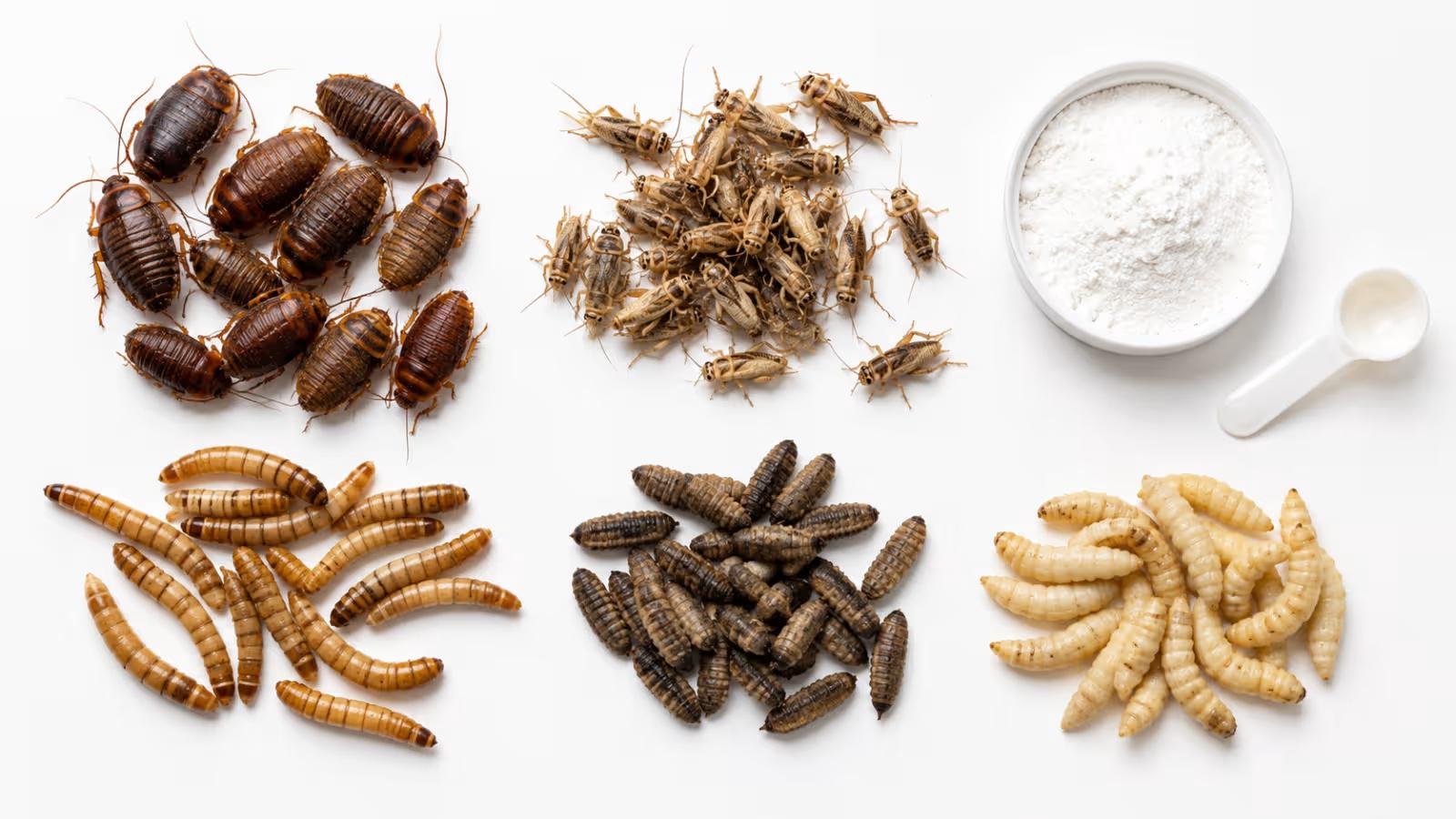
Dubia Roaches
Dubia roaches are widely considered the best all-around feeder insect for leopard geckos. They have an excellent protein-to-fat ratio, a calcium-to-phosphorus balance that is more favourable than most worms, and a soft body that is easy for geckos to digest. They also cannot climb smooth tank walls and produce almost no smell, which makes them far easier to keep at home than crickets.
Tip: If you can only source one insect consistently, make it dubia roaches.
Crickets
Crickets are the most widely available feeder insect and a solid nutritional choice. They move quickly and erratically, which triggers natural hunting behaviour and provides genuine mental enrichment for your gecko during feeding time. Crickets can be gut loaded easily, which improves their nutritional quality significantly.
The main downsides are practical. Crickets escape constantly. They die faster than roaches. And if left in the enclosure too long, they can actually bite your gecko. Remove uneaten crickets after 20 to 30 minutes.
Mealworms
Mealworms are cheap, easy to store in the refrigerator, and accepted readily by most leopard geckos. They are a perfectly reasonable part of a rotating diet. The issue is that their exoskeleton is harder than other feeders, and they have a higher fat content, so they should not be the exclusive staple.
Many keepers use mealworms as part of a rotation rather than as the primary insect. That is the right approach.
Black Soldier Fly Larvae
Sold under brand names like Nutrigrubs or CalciWorms, black soldier fly larvae are one of the most nutritionally complete feeders available. They are naturally high in calcium without supplementation, soft-bodied, and easy to digest. They are particularly valuable for juveniles in rapid growth phases.
Availability varies by region, but if you can source them, they deserve a regular spot in your feeding rotation.
Silkworms
Silkworms are soft, high in protein, and low in fat. They are excellent for geckos that need a nutritional boost during breeding, recovery, or a growth phase. They also have a high moisture content, which supports hydration. The main limitation is availability and cost. They tend to be more expensive than other feeders and have a short shelf life.
Treat Feeders
Some insects should appear only occasionally. Waxworms are very high in fat and extremely palatable. Most geckos love them intensely, which is precisely why they should stay as a rare treat. Regular waxworm feeding often leads to a gecko that refuses their normal staple insects because nothing else tastes as good.
Hornworms have high moisture content and make an excellent feeding response booster for a gecko that has gone off food temporarily. Superworms can be offered to larger adults in moderation.
As a rule, treat feeders should make up no more than 10 to 15 percent of the total diet.
The Importance of Gut Loading
One of the most consistent mistakes I see from new owners is feeding insects directly from the store without gut loading them first. Store crickets and roaches are often living on cardboard with no nutrition left in their systems. Feeding an empty insect to your gecko is like serving an empty shell.
Gut loading means feeding your feeder insects nutritious foods for 24 to 48 hours before offering them to your gecko. Whatever is in the insect's gut at feeding time goes directly into your gecko.
Good Gut-Load Foods
- Collard greens, mustard greens, and dandelion greens
- Carrot, butternut squash, and sweet potato
- Commercial gut-load formulas designed for feeder insects
Avoid citrus, onion, avocado, and any brassicas with strong oils when gut loading. These can pass compounds to your gecko that are not beneficial.
Properly gut-loaded feeders are one of the simplest ways to dramatically improve the nutritional quality of every meal your gecko eats. It takes minutes and makes a real difference over the months and years of a gecko's life.
Calcium and Vitamin Supplementation
Calcium deficiency is one of the most common causes of serious illness in captive leopard geckos. Metabolic bone disease, which develops when calcium is chronically low, causes bone softening, limb deformities, tremors, and in severe cases, death. The tragic part is that it is almost entirely preventable.
Dust your feeder insects with calcium powder before every feeding for juveniles. For adults, every other feeding is a reliable schedule. The easiest method is placing a few insects in a small bag or container with a pinch of calcium powder and giving it a light shake before feeding.
Many keepers also place a small shallow dish of calcium powder inside the enclosure. Leopard geckos will sometimes self-regulate and lick at it when they sense a need.
Vitamin D3
Calcium alone is not enough. Vitamin D3 allows the body to actually absorb and use the calcium you are providing. Without adequate D3, consistent supplementation still produces deficiency.
Most pet leopard geckos get their D3 through supplements rather than UVB exposure, particularly if they are kept without UVB lighting. Many keepers use a combined calcium with D3 product for simplicity. Avoid using multiple supplement products at the same time without tracking dosage. Fat-soluble vitamins including D3 can accumulate to toxic levels with over-supplementation.
Commonly Used Products
Repashy Calcium Plus, Zoo Med Repti Calcium with D3, and Arcadia EarthPro-A are all used successfully by experienced keepers. The specific brand matters less than consistent application on the right schedule.
Leopard Gecko Feeding Schedule by Age
Feeding frequency changes significantly as your gecko grows. Getting this right matters more than most owners realise.
Hatchlings and Babies: 0 to 3 Months
Feed daily. Young geckos are in rapid development and need consistent nutrition. Offer appropriately sized insects, meaning nothing wider than the space between the gecko's eyes.
Juveniles: 3 to 12 Months
Feed daily or every other day. Monitor body condition and growth rate closely. A gecko that looks thin needs more frequent feeding. A gecko gaining visible fat deposits too quickly can ease back to every other day.
Adults: 12 Months and Older
Two to three times per week is the standard schedule for most healthy adults. Overfeeding adults is one of the most common causes of obesity in captive leopard geckos.
Senior Geckos: 5 Years and Older
Adjust based on individual body condition and activity level. Some older geckos naturally eat less. This is normal, but regular monitoring ensures you catch unexpected weight loss before it becomes a serious problem.
Tip: A healthy adult leopard gecko that is fed three times per week with properly gut-loaded, calcium-dusted feeders will maintain excellent condition across many years.
How Much Should a Leopard Gecko Eat?
There is no universal number of insects that applies to every gecko at every age. Body condition, temperature, shedding cycles, breeding status, and seasonal shifts all affect appetite.
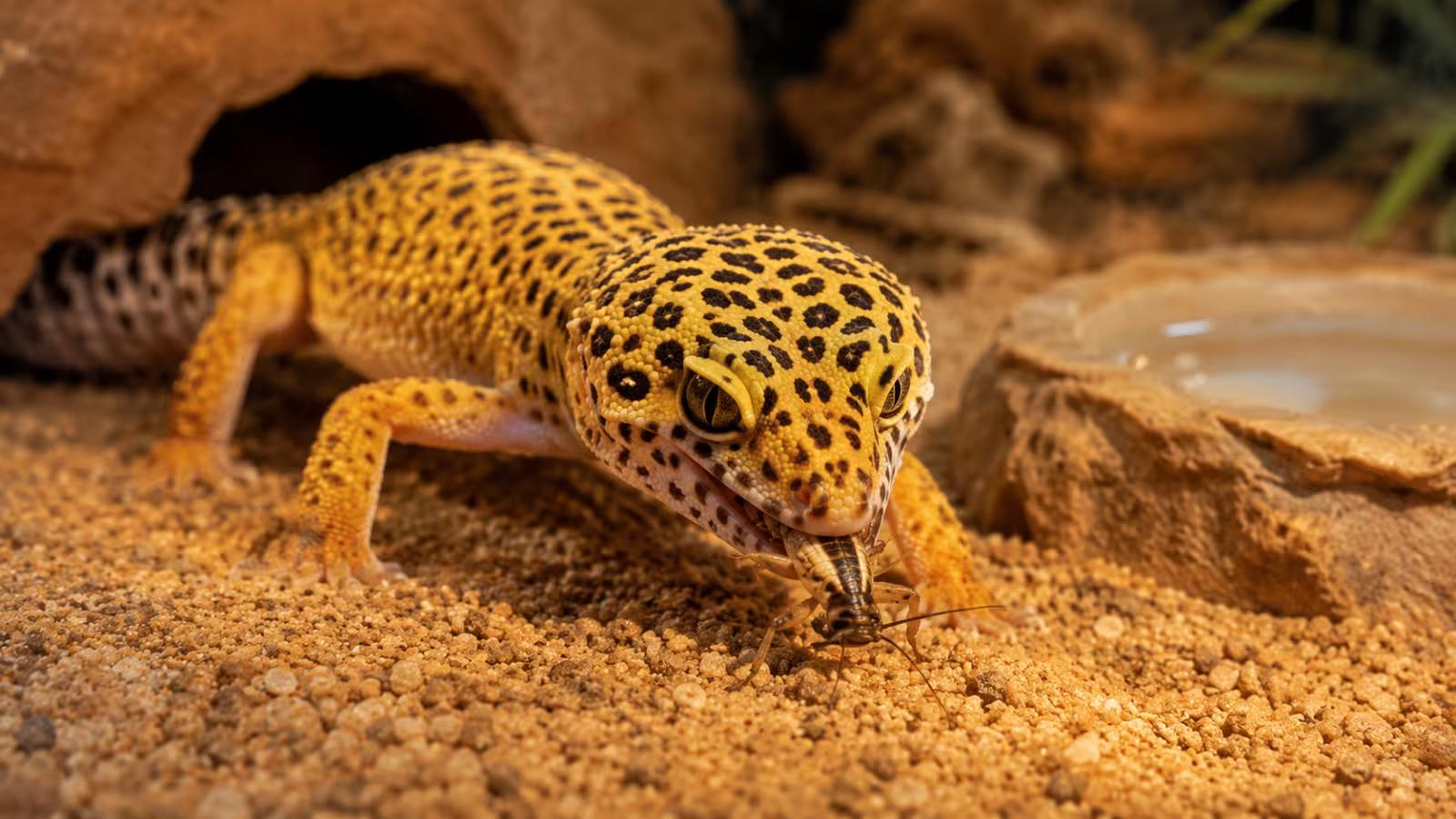
A practical approach is to allow your gecko to eat until they lose interest during a session. Most keepers offer a set number of appropriately sized insects and then remove whatever remains after 20 to 30 minutes.
The best way to assess whether your gecko is eating correctly is to watch the tail. The tail stores fat reserves. A thick, well-rounded tail suggests excellent nutritional status. A thin or flat tail is an early warning sign worth taking seriously, even before other symptoms appear.
Weighing your gecko monthly using a digital kitchen scale gives you objective data. A gradual, consistent weight loss over several weeks warrants a review of the feeding routine and possibly a veterinary check.
Signs Your Leopard Gecko Is Eating Well
Healthy feeding habits show up in visible, trackable ways. These are the signs to look for:
- A thick, well-rounded tail with visible fat reserves
- Bright, clear eyes and alert behaviour during active hours
- Regular, complete shedding
- A strong feeding response at meal times
- Steady weight over time
If all of these are present, the feeding routine is almost certainly on track.
When Appetite Loss Is a Concern
Short periods of reduced eating are not always emergencies. Leopard geckos commonly eat less during shedding, minor environmental changes, and seasonal shifts that mimic brumation in the wild. These temporary pauses are normal.
The situation changes when appetite loss is accompanied by tail thinning, visible weight loss, lethargy, sunken eyes, difficulty moving, or diarrhea. These signs together suggest something beyond a natural pause.
If your gecko has not eaten for more than two weeks and is also losing weight or showing other symptoms, a veterinary evaluation is the right step. Our full guide on how long a leopard gecko can go without eating covers this in much more detail.
What Leopard Geckos Should Never Eat
The list of foods to avoid is shorter than the safe foods list, but it matters a great deal.
Never offer fruit of any kind. Leopard geckos are obligate insectivores. Their digestive system is designed for animal protein and fat, not plant sugars or fiber. Even occasional fruit feeding can disrupt gut bacteria, cause loose stool, and create food preferences that make getting a gecko back on insects genuinely difficult. We cover this in full in our article on whether leopard geckos can eat fruit.
Vegetables and leafy greens are equally inappropriate. Unlike omnivorous reptiles, leopard geckos lack the digestive equipment to process plant matter meaningfully. They offer no real nutritional value and may cause digestive distress.
Wild-caught insects are a risk worth highlighting specifically. Insects collected from outdoors may carry pesticide residues, parasites, or pathogens not present in captive-bred feeders. Only use feeder insects from reputable suppliers.
Fireflies are toxic to leopard geckos and can cause rapid death. This is not a risk most owners will encounter, but it is worth knowing.
Dog food, cat food, dairy, bread, and processed human foods all fall into the same category: not appropriate, not beneficial, and potentially harmful.
Expert Feeding Tips
- Rotate your feeder insects across several species rather than relying on a single type. A diet of only crickets or only mealworms will always have nutritional gaps that variety fills.
- Match prey size to your gecko. The no wider than the space between the eyes rule applies especially to juveniles. Oversized prey can cause stress and impaction.
- Maintain correct enclosure temperatures. Leopard geckos need a warm side of around 88 to 92 degrees Fahrenheit and a cool side around 70 to 75 degrees Fahrenheit to digest food properly. A gecko that is too cold will have poor digestion and reduced appetite regardless of what you feed.
- Remove uneaten insects after each feeding session. Crickets especially can bite a resting gecko overnight if left in the enclosure.
- Always provide fresh, clean water in a shallow dish. Change it daily.
- Weigh your gecko monthly. Body weight is one of the most objective health indicators available to owners at home.
Leopard Gecko Feeding at a Glance
| Age | Frequency | Insect Size |
|---|---|---|
| Hatchling: 0 to 3 months | Daily | Very small, no wider than the space between the eyes |
| Juvenile: 3 to 12 months | Daily or every other day | Small to medium |
| Adult: 12 months and older | 2 to 3 times per week | Medium to large |
| Senior: 5 years and older | 2 to 3 times per week, adjusted as needed | Medium |
How Diet Affects Long-Term Health
The link between diet and lifespan is direct. Leopard geckos fed a varied, properly supplemented diet of gut-loaded insects regularly live 15 to 20 years in captivity. Geckos that experience chronic nutritional deficiencies rarely reach that potential.
Our article on leopard gecko lifespan covers the full picture of what influences how long these animals live, including how nutrition fits into the broader picture of environmental conditions, stress, and healthcare.
Diet also affects shedding quality, immune function, reproductive health in breeding females, and the ability to recover from illness. Metabolic bone disease, fatty liver disease, and gut impaction are all conditions with strong dietary components. Getting the food right is not optional maintenance. It is the foundation.
Conclusion
Leopard geckos are not complicated animals to feed once you understand what they actually need. Live insects, properly gut loaded, appropriately sized, and dusted with calcium on a consistent schedule. Juveniles eat every day. Adults eat a few times a week. Treats are kept occasional. Everything else stays off the menu.
The most common feeding mistakes are ones of misguided kindness: offering fruit to add variety, over-using waxworms because the gecko loves them, skipping supplement dusting because it feels fussy. These habits create the nutritional deficiencies that shorten lives.
Once the routine is established, it becomes second nature. Most experienced keepers spend five minutes on feeding and consider it one of the easiest parts of leopard gecko care.