Leopard geckos are often recommended as beginner reptiles, but many new owners are surprised to learn that they can remain part of the family for decades. Owning one is not a short-term commitment. With the right care, a leopard gecko may be with you through major life changes, moves, careers, and even multiple stages of adulthood.
Like any long-lived pet, their lifespan is heavily influenced by husbandry. Nutrition, enclosure setup, temperature management, supplementation, hydration, and preventive healthcare all play a role in determining how well a gecko ages. Small mistakes repeated over many years can have a significant impact on both lifespan and quality of life.
This guide explains how long leopard geckos typically live, why captive geckos outlive their wild counterparts, what factors affect longevity, signs of aging to watch for, and the practical steps you can take to help your gecko live a long, healthy life.
How Long Do Leopard Geckos Live?
Leopard geckos are one of the longest-lived pet reptiles you can own. A well-cared-for pet gecko commonly reaches 15 to 20 years of age. Some individuals raised under excellent conditions have lived beyond 25 years.
Wild leopard geckos tell a very different story. In their natural habitat across Pakistan, Afghanistan, and northwestern India, most survive only 5 to 10 years. Predators, food shortages, drought, and parasites take a serious toll.
The gap between wild and captive lifespan is one of the biggest in the reptile hobby. It shows just how much husbandry quality matters for these animals.
Leopard Gecko Lifespan at a Glance
- Captive leopard gecko: 15 to 20 years on average
- Well-cared-for captive gecko: 20 to 25 years or more
- Wild leopard gecko: 5 to 10 years
- Exceptional individuals: 25 to 30 years reported
What Is a Leopard Gecko?
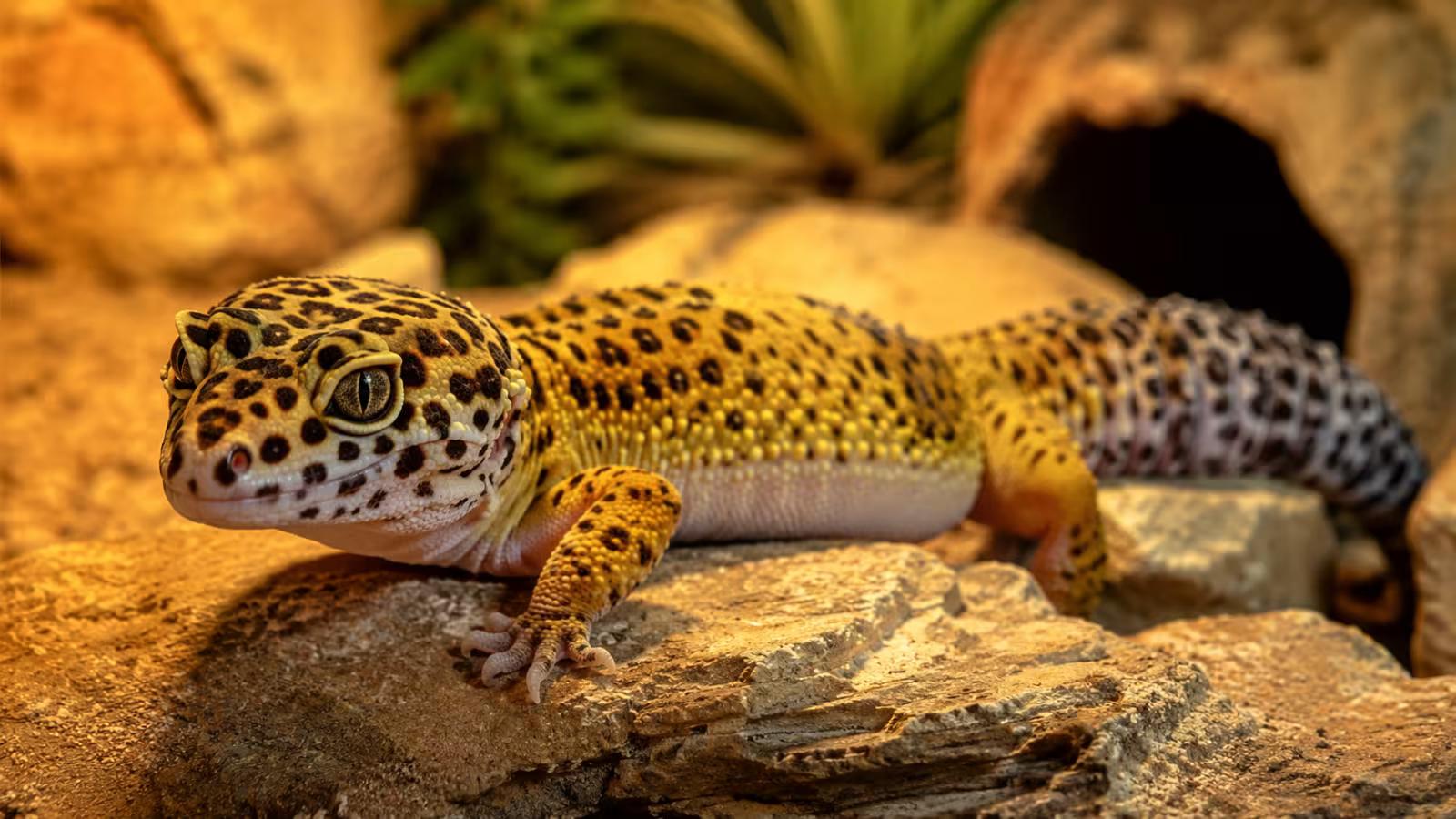
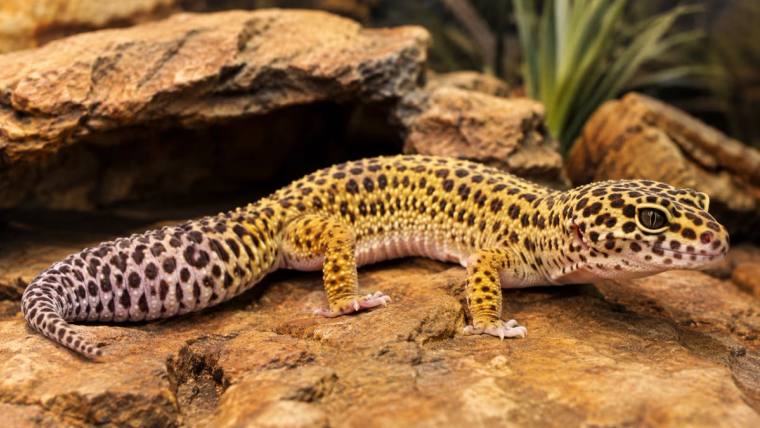
The leopard gecko (Eublepharis macularius) is a ground-dwelling lizard native to semi-arid regions of Pakistan, Afghanistan, India, and surrounding areas. Unlike most gecko species, leopard geckos have movable eyelids, which makes them look almost expressive compared to other reptiles. They also lack the sticky toe pads that wall-climbing geckos have, so they stay on the ground.
One of their most useful survival features is their fat-storing tail. When food is plentiful, they build up reserves in the tail. When food becomes scarce, they draw from those reserves. This adaptation helps explain why a plump tail is one of the first things experienced keepers check when assessing a gecko's health.
Their calm temperament and forgiving care requirements make them one of the most popular beginner reptiles worldwide. They are easy to handle, do not need large enclosures, and adapt well to a consistent routine.
Leopard Gecko Lifespan in Captivity
Captive leopard geckos live dramatically longer than their wild relatives, and the reasons are straightforward. In captivity, a gecko receives consistent food, stable temperatures, protection from predators, access to veterinary care, and proper supplementation. Every major threat to wild survival is removed or controlled.
Most healthy adult geckos raised from juveniles under proper conditions reach their mid-teens without major health issues. Geckos reaching 18 to 20 years are genuinely common among experienced keepers. Twenty-five years is exceptional but well-documented.
The quality of care during the first year of life has a significant influence on long-term outcomes. Geckos that receive correct nutrition, appropriate temperatures, and proper calcium supplementation from the start tend to age better than those raised under suboptimal conditions.
Leopard Gecko Lifespan in the Wild
Wild leopard geckos face constant pressure that keeps their lifespan short. Predatory birds, snakes, and small mammals hunt them. Seasonal droughts shrink their food supply. Parasitic infections go untreated. Injuries from territorial disputes or failed escapes rarely heal properly.
A wild gecko that reaches 8 to 10 years has genuinely beaten the odds. Many never see their third or fourth year. Even in ideal wild habitat, survival depends on luck as much as fitness.
This is why captive care makes such a profound difference. It is not just about adding years to a gecko's life. It is about removing the daily threats that cut that life short.
What Factors Affect Leopard Gecko Lifespan?
Diet and Nutrition
What you feed your leopard gecko directly determines how long it lives. Nutrition affects organ health, immune function, bone strength, and energy levels across every life stage.
A healthy leopard gecko diet is built around live feeder insects. Crickets, dubia roaches, mealworms, and black soldier fly larvae are the most common and nutritious options. Hornworms make an excellent occasional treat because of their high moisture content.
Leopard geckos are strict insectivores. If you have ever wondered whether fruit or other plant foods are appropriate, the answer is no. Can Leopard Geckos Eat Fruit? explains exactly why their digestive system is not built for plant sugars and what genuinely healthy alternatives look like.
The key detail most beginners miss is gut-loading. Before you offer insects to your gecko, the insects need to eat nutritious food themselves. What the insects eat goes directly into your gecko. Dry, empty feeder insects offer poor nutritional value no matter how many you feed.
Variety matters too. Feeding only mealworms for years is one of the most common long-term mistakes in leopard gecko care. Mealworms alone are high in fat and low in some essential nutrients. Rotating between insect species helps cover nutritional gaps naturally.
Calcium and Vitamin D3 Supplementation
Calcium deficiency is responsible for more preventable deaths in captive leopard geckos than almost any other cause. Without adequate calcium, geckos develop metabolic bone disease, a painful and progressive condition that weakens the skeleton and causes muscle tremors, deformities, and eventually organ failure.
Every leopard gecko needs access to a calcium powder supplement. Most keepers dust feeder insects with calcium before each feeding. Vitamin D3 should be included several times per week, especially for geckos without UVB lighting. A reptile multivitamin rounds out the supplementation schedule.
Tip: If you are new to leopard gecko care, establishing a consistent supplement routine early is one of the highest-impact habits you can build.
Enclosure Setup and Temperature
Temperature is not just about comfort. It directly controls your gecko's digestion, metabolism, and immune response. A gecko kept too cool cannot properly digest its food, absorbs nutrients poorly, and becomes more vulnerable to infection.
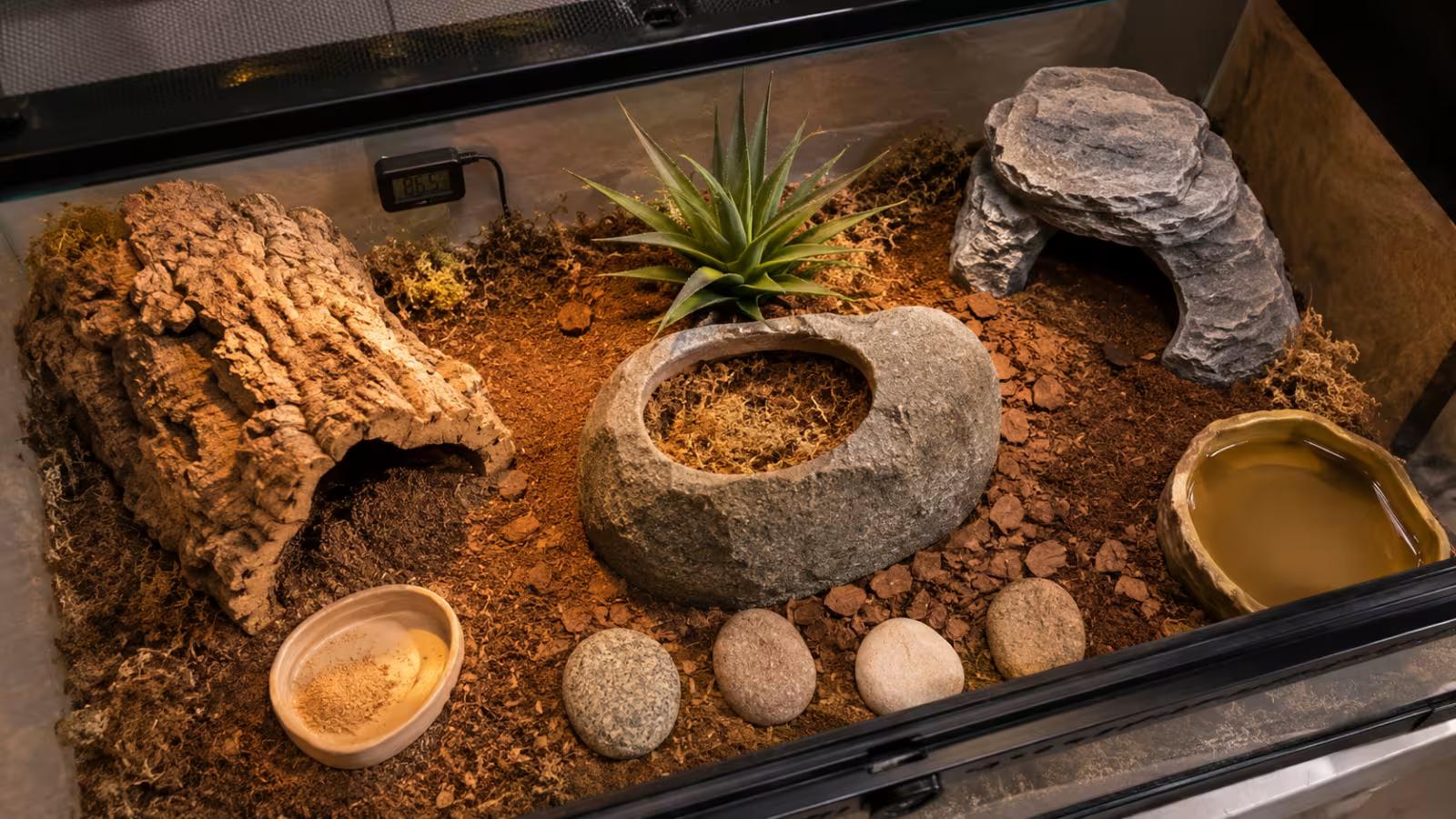
The warm side of the enclosure should sit between 88 and 92 degrees Fahrenheit. The cool side should stay between 72 and 78 degrees. A moist hide on the warm side should maintain 70 to 80 percent humidity to support shedding. General enclosure humidity should stay between 30 and 40 percent.
Adult leopard geckos need a minimum of a 20-gallon long enclosure. Cramped setups cause chronic stress, which weakens the immune system over time. Using a thermostat to control your heat source is strongly recommended. Relying on guesswork or touch-testing the substrate is not accurate enough for long-term health.
UVB Lighting
For years, leopard geckos were considered strictly nocturnal animals that had no need for UVB light. More recent research has shifted that understanding. Leopard geckos are actually crepuscular, meaning they are most active at dawn and dusk when natural UVB levels are low but still present.
Studies and keeper experience increasingly suggest that low-level UVB exposure supports calcium metabolism, bone health, and natural behavior patterns in captive geckos. A low-output UVB bulb, used on a natural light cycle, appears to contribute to long-term health without overwhelming a gecko adapted to dim conditions.
This is an area where care recommendations have improved meaningfully in recent years, and providing appropriate UVB is now considered beneficial rather than optional by many reptile veterinarians.
Hydration
Dehydration is a slow and often invisible problem in captive leopard geckos. Many owners focus on feeding and temperature but underestimate how much consistent access to clean water matters.
Signs of dehydration include sunken eyes, wrinkled or loose-looking skin, difficult shedding, and unexplained lethargy. A fresh water dish should be available at all times. The dish needs to be cleaned regularly because stagnant water quickly becomes a bacteria source.
A moist hide also plays a critical role in hydration and shedding support. When a gecko retreats to a humid environment periodically, it helps the skin stay pliable and reduces the risk of stuck shed, which can cut off circulation to toes if left unchecked.
Veterinary Care
Routine veterinary care can significantly extend your gecko's life. Most gecko owners never see a reptile vet until something goes wrong. That reactive approach means problems that were detectable early become serious before anyone notices.
An annual wellness exam with an experienced reptile veterinarian can catch parasites, nutritional deficiencies, early signs of infection, and reproductive issues before they reach a critical stage. Reptile medicine has advanced significantly, and a good reptile vet can genuinely add years to your gecko's life through early detection and intervention.
If you do not have a reptile vet in your area, the Association of Reptilian and Amphibian Veterinarians maintains a directory to help you locate one.
Common Health Problems That Shorten Lifespan
Metabolic Bone Disease
Metabolic bone disease is the most serious preventable condition in captive leopard geckos. It develops when a gecko does not receive adequate calcium or vitamin D3 over an extended period. The bones weaken progressively, and the condition becomes visible through tremors, soft or rubbery jawbones, limb deformities, and an unsteady gait.
Early-stage MBD is treatable with corrected supplementation and veterinary intervention. Advanced cases are much harder to reverse and often result in permanent damage. The good news is that MBD is almost entirely preventable through consistent calcium and D3 supplementation.
Note: This is one of those conditions where prevention is so simple that seeing it in a gecko always means something in the care routine has been missed or ignored.
Impaction
Impaction occurs when the digestive tract becomes blocked by material the gecko cannot pass. Loose particulate substrates like calcium sand, fine play sand, or soil mixes are common culprits. Low temperatures that slow digestion and dehydration that reduces gut motility also increase the risk.
Signs of impaction include constipation, a visibly swollen or distended abdomen, appetite loss, and reduced activity. Geckos with suspected impaction need veterinary attention promptly. Waiting to see if it resolves on its own often makes the situation worse.
Using solid, non-particulate substrate such as reptile carpet, slate tile, or paper towels eliminates this risk entirely for juvenile geckos. Adults on loose substrate should be monitored carefully.
Obesity
Overfeeding is one of the most overlooked problems in pet gecko care. Captive leopard geckos have constant, easy food access and no need to hunt or travel for meals. Without portion control, they can accumulate fat rapidly.
An obese leopard gecko develops excess fat deposits not just in the tail but also around internal organs. This puts stress on the liver and reduces overall metabolic efficiency. Long-term obesity shortens lifespan and reduces quality of life.
Feeding appropriately sized insects two to three times per week for adults, rather than daily, helps maintain healthy body condition. A healthy gecko should have a tail roughly as wide as its neck at the base, not dramatically wider.
Chronic Dehydration
Long-term mild dehydration can damage kidney function over months or years without producing dramatic symptoms early on. By the time obvious signs appear, the damage is often significant.
Kidney disease is relatively common in older captive leopard geckos and is frequently linked to inadequate hydration over a long period. Ensuring fresh water is always available and maintaining an accessible moist hide throughout the gecko's life is the simplest preventive measure.
Parasites
Internal parasites including pinworms and cryptosporidium are more common in captive leopard geckos than most owners realize. Cryptosporidiosis in particular is serious, progressive, and difficult to treat. It causes persistent weight loss, regurgitation, and a distinctive stick tail appearance where the tail becomes abnormally thin.
Routine fecal examinations at your reptile vet can detect parasites early. Purchasing geckos from reputable breeders rather than large chain pet stores also significantly reduces the risk of bringing home an already-infected animal.
Leopard Gecko Life Stages
Understanding which life stage your gecko is in helps you adjust care appropriately and recognize what is normal versus concerning.
Baby leopard gecko: 0 to 6 months. Baby leopard geckos grow rapidly and need more frequent feeding than adults. Nutritional demands are high, and calcium supplementation is especially important during this period of skeletal development. Getting these early months right strongly influences the gecko's health for the rest of its life.
Juvenile leopard gecko: 6 to 12 months. Juvenile leopard geckos continue growing and remain highly active. Body condition starts to stabilize, but growth is still ongoing. Nutritional balance during this stage shapes the adult the gecko becomes.
Adult leopard gecko: 1 to 10 years. Adult leopard geckos represent the longest and most stable period of a gecko's life. Growth has stopped, feeding frequency can be reduced, and care requirements settle into a consistent routine. Most of your time as an owner will be spent caring for a gecko in this stage.
Senior leopard gecko: 10 years and older. Senior leopard geckos may show reduced activity, a slower metabolism, and occasional changes in appetite. These are normal parts of aging and not automatically a cause for alarm. However, older geckos do benefit from more attentive health monitoring and regular veterinary checkups.
Signs of Aging in Leopard Geckos
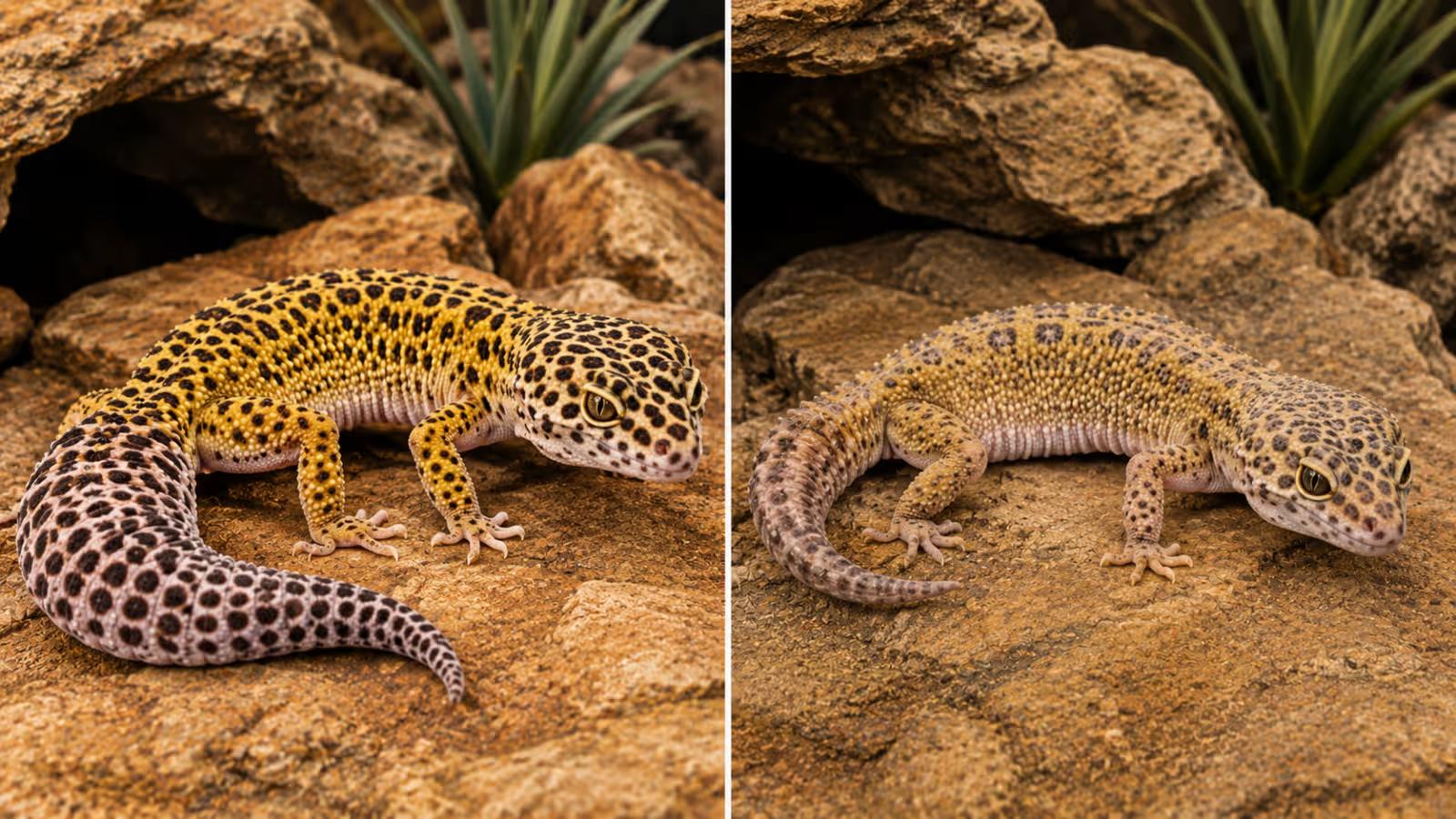
Aging is a natural process, and a gecko slowing down as it gets older is not the same as a gecko that is sick. Learning to tell the difference helps you respond appropriately without unnecessary stress for yourself or your pet.
Normal aging signs include reduced activity levels, slightly longer rest periods, less enthusiasm during feeding, and mild changes in muscle tone. An older gecko may move more slowly and spend more time in hides. This is expected.
Concerning signs that require veterinary evaluation include severe or sudden lethargy, rapid or unexplained weight loss, complete refusal to eat for extended periods, difficulty walking or standing, tremors, and visible deformities. The key distinction is usually the speed and severity of the change. Gradually, a mild slowing is aging. Sudden, dramatic decline is a medical concern.
Male vs. Female Leopard Gecko Lifespan
Both male and female leopard geckos can live long, healthy lives. In practice, males tend to live slightly longer on average. Female geckos that are allowed to produce eggs, whether or not they are bred with a male, carry an additional physiological burden. Egg production draws calcium and energy reserves, which over many reproductive cycles can contribute to earlier decline.
Female geckos housed alone can still become gravid with infertile eggs, so this is not a concern that only applies to breeding situations. Females showing signs of follicle development benefit from extra calcium availability and should be monitored for retained eggs.
Regardless of sex, the quality of husbandry has a far greater impact on lifespan than biological sex alone.
How to Help Your Leopard Gecko Live Longer
These are the habits that consistently separate geckos that reach 20 years from geckos that struggle to reach 10.
- Feed a varied insect diet. Rotate between crickets, dubia roaches, mealworms, and black soldier fly larvae. Gut-load insects before every feeding session. Avoid relying on a single feeder species for extended periods.
- Maintain correct temperatures at all times. Use a digital thermometer with a probe, not stick-on strip thermometers which are inaccurate. Verify temperatures weekly. Install a thermostat on your heat source.
- Supplement consistently. Calcium powder on every feeding, vitamin D3 several times per week, and a reptile multivitamin once a week is a reasonable starting schedule. Adjust based on age and UVB availability.
- Keep the enclosure clean. Remove waste and replace water daily. Clean hides and feeding dishes weekly. Deep clean and sanitize the full enclosure once a month.
- Reduce unnecessary stress. Provide at least three hides so your gecko always has options. Avoid overhandling, especially during feeding windows or shedding. Maintain a consistent light and temperature schedule.
- Schedule annual wellness exams. Even if your gecko appears healthy, a reptile vet can detect subclinical problems. Early intervention is almost always more effective and less expensive than emergency treatment.
Common Mistakes That Shorten Lifespan
Small mistakes repeated over years add up. These are the ones that most frequently cut leopard gecko lifespans short:
- Feeding only mealworms without rotating insect species
- Skipping calcium or vitamin D3 supplementation consistently
- Using loose, particulate substrate for juveniles
- Relying on unchecked heat mats without a thermostat
- Overfeeding adults on a daily schedule
- Providing no UVB light source at all
- Using a single hide instead of a warm hide, cool hide, and moist hide
- Housing two or more leopard geckos together, which causes chronic stress even when no obvious fighting occurs
- Never scheduling a veterinary checkup until the gecko is visibly ill
None of these are difficult to fix. The challenge is learning about them before they cause irreversible damage.
When to Contact a Veterinarian
A gecko refusing food for more than two to three weeks outside of a normal shedding cycle is one of the clearest early warning signs. How Long Can a Leopard Gecko Go Without Eating breaks down safe fasting limits by age and tells you exactly when a vet visit becomes necessary.
Contact a reptile veterinarian promptly if your leopard gecko shows any of the following:
- Significant or rapid weight loss
- Very thin tail indicating depleted fat reserves
- Persistent refusal to eat beyond two to three weeks outside of normal shedding cycles
- Difficulty shedding, especially around toes or eyes
- Swollen limbs or joints
- Muscle tremors or twitching
- Sunken or cloudy eyes
- Labored or irregular breathing
- Abnormal stool or extended constipation
Early treatment gives far better outcomes than waiting to see if symptoms resolve on their own.
Conclusion
Leopard geckos are remarkable long-lived animals, and owning one is a genuine long-term commitment. With proper care, your gecko can share your life for 15 to 20 years or more. That is not unusual. That is what a well-kept leopard gecko does.
The foundation of a long life for these animals is not complicated: correct temperatures, a varied insect diet, consistent calcium supplementation, reliable hydration, a clean enclosure, and periodic veterinary checkups. Getting those basics right from the beginning, and maintaining them consistently over the years, is what separates geckos that thrive into their twenties from those that struggle through their first decade.
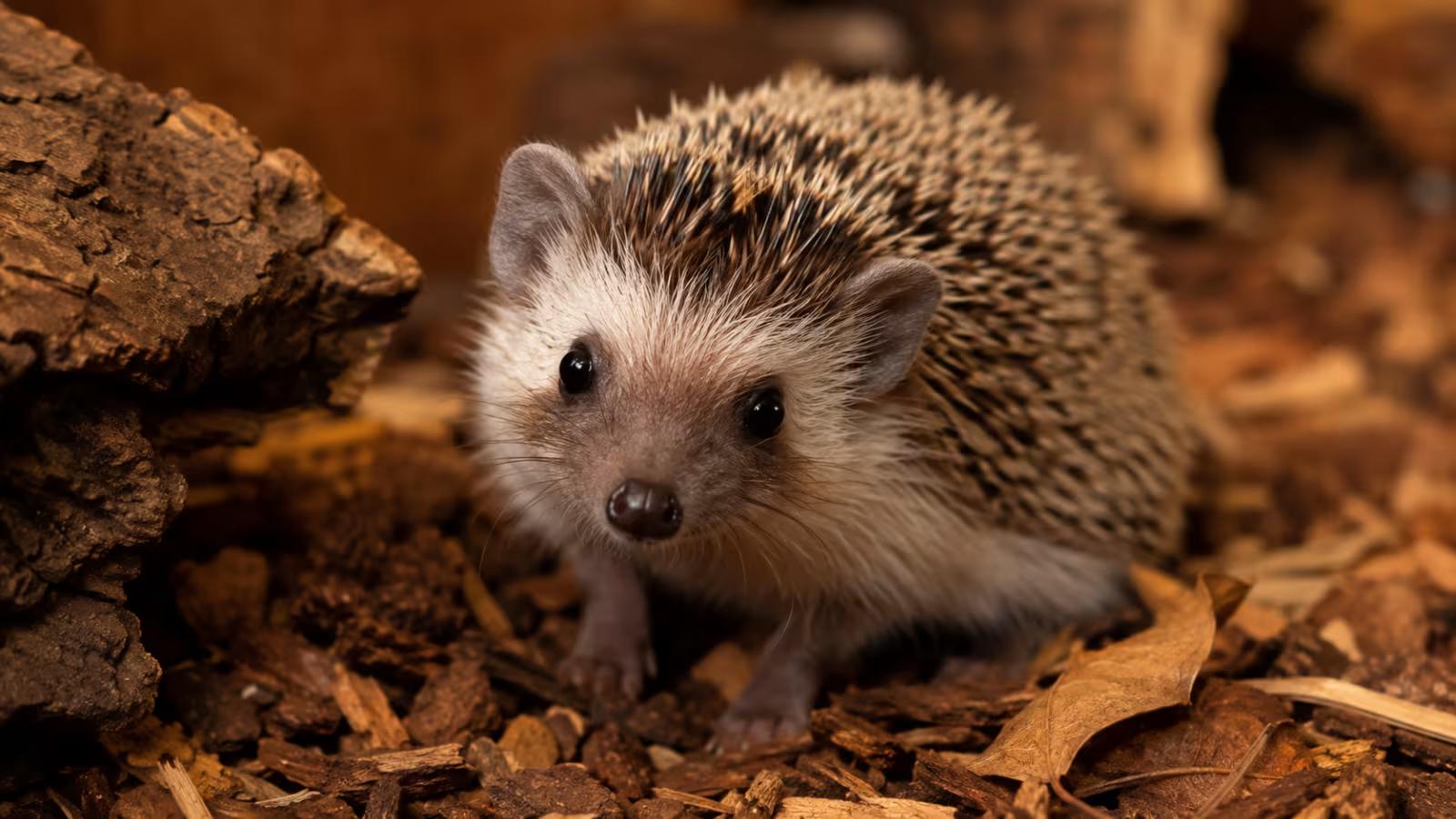
If you are curious how leopard gecko longevity compares to other small pets, it is worth reading about how long pet hedgehogs live or the average life expectancy of a gerbil. Every species tells a different story, and understanding lifespan across pets helps you plan better for the long term.
Most problems that shorten leopard gecko lifespan are preventable. You already know what they are. That puts you in a much better position than most new gecko owners ever start from.