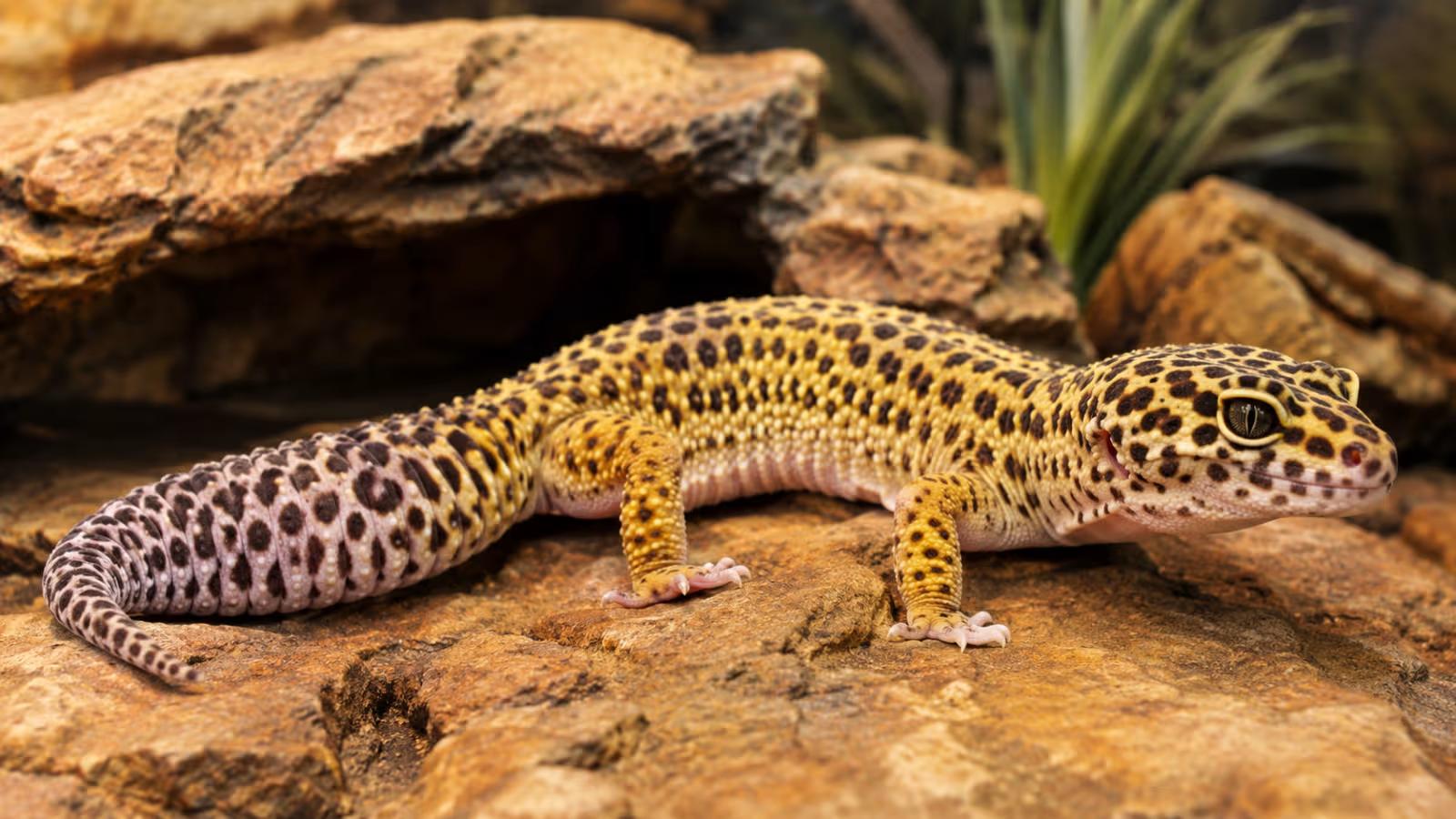
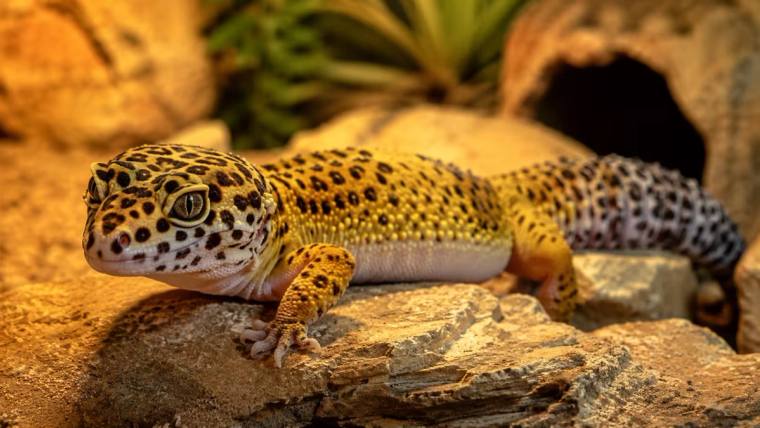
A healthy adult leopard gecko can go several weeks without eating. In some cases, especially during seasonal slowdowns, healthy adults have fasted for a month or longer without lasting harm. That said, survival time and actual health are two very different things.
Age changes everything here. Younger geckos have far less body fat stored and need consistent feeding to support healthy growth. An adult with a thick, rounded tail is in a completely different situation than a juvenile that has skipped a week of meals.
The number of days since the last meal is honestly not the most useful thing to track. What matters far more is your gecko's body condition, weight trend, and behavior. Those three things will tell you more about your gecko's health than any calendar count ever could.
Feeding Frequency and Concern Thresholds by Age
| Age | Normal Feeding Frequency | When to Become Concerned |
|---|---|---|
| Hatchling | Feeds daily | After 2 to 3 days without eating |
| Juvenile | Feeds daily to every other day | After around one week |
| Sub-adult | Feeds every 2 to 3 days | After 1 to 2 weeks |
| Adult | Feeds every 3 to 7 days | After several weeks, depending on body condition |
| Senior | Feeds every 5 to 7 days | After 1 to 2 weeks with weight loss |
Note: These are general guidelines. Always evaluate appetite loss alongside body weight, tail thickness, and behavior.
Why Leopard Geckos Can Go So Long Without Food
Most people compare their gecko to a dog or cat and expect it to need food every single day. Reptiles simply do not work that way. A leopard gecko's biology is specifically adapted for surviving food scarcity, and understanding this makes the whole fasting question much easier to interpret.
The Tail Acts as an Energy Bank
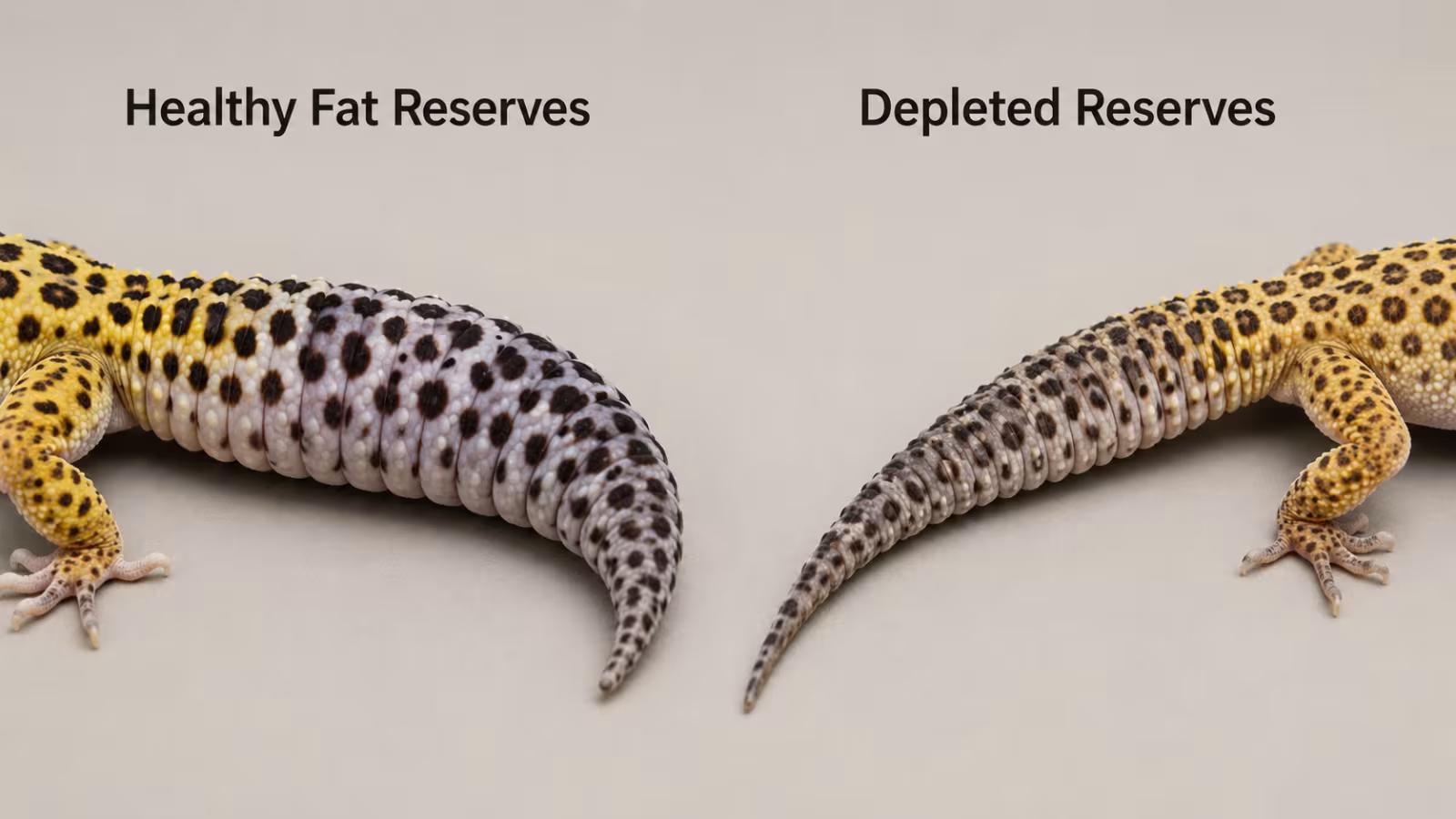
The leopard gecko's tail is one of nature's most practical storage solutions. When food is plentiful, the body converts excess energy into fat and deposits it directly inside the tail. When food becomes scarce, whether from illness, seasonal changes, or environmental stress, the body draws on those reserves to keep essential functions running.
A healthy tail looks thick, rounded, and well-proportioned relative to the gecko's body. When you see a tail thinning over time, it is a visual signal that the gecko is pulling from those stored reserves at a faster rate than they are being replenished. This is exactly why tail condition is one of the first things an experienced keeper checks.
Reptile Metabolism Operates Differently
Leopard geckos are ectothermic, meaning their body temperature is regulated by the environment rather than internal heat production. Because they are not burning energy to maintain a constant internal temperature the way mammals do, their baseline calorie needs are dramatically lower.
A healthy adult gecko at proper temperature can sustain basic functions on very little for a surprisingly long time. This is not a weakness in their design. It is a genuine evolutionary advantage for an animal that evolved in semi-arid regions where prey availability shifts with the seasons.
Built for Seasonal Variation
Wild leopard geckos in Pakistan, Afghanistan, and northwestern India experience natural dry and cool seasons where insect populations drop significantly. Over thousands of generations, these animals developed the ability to slow their activity, reduce appetite, and live off stored fat during lean periods.
The pet leopard gecko on your shelf carries those same instincts, which is why seeing a gecko lose interest in food during autumn and winter is more normal than most new owners realize.
How Long Can Leopard Geckos Go Without Eating by Age?
Hatchlings
Hatchlings have almost no fat reserves when they first emerge. They are growing rapidly and have very little margin for extended fasting. A hatchling that refuses food for more than two or three days warrants close attention. If appetite does not return within the first week, veterinary advice is a good idea. Starting life with consistent nutrition sets the foundation for long-term health.
Juveniles
Juvenile leopard geckos between two and six months old are still building their fat reserves and skeletal structure. They need regular meals to support that growth. A juvenile skipping meals for around a week while also losing visible weight is a situation that needs intervention sooner rather than later.
Some juveniles go through brief appetite dips during shedding or after enclosure changes, but these typically resolve within a few days.
Adult Leopard Geckos
Healthy adults with good body condition have the most resilience when it comes to fasting. Many adult geckos naturally reduce food intake during cooler months, before shedding, or during breeding season.
An adult maintaining weight and tail thickness while showing otherwise normal behavior may simply be going through a natural appetite cycle. This is often the scenario that worries new owners most, and it is frequently the least dangerous situation of all.
Senior Leopard Geckos
Geckos over seven or eight years old sometimes naturally slow down and eat a little less consistently. This is not always a sign of illness, but senior geckos do face higher risks of age-related health issues including kidney disease, reproductive problems, and metabolic conditions.
Any appetite loss in an older gecko should be monitored closely and assessed alongside weight and behavioral changes.
Why Is My Leopard Gecko Not Eating?
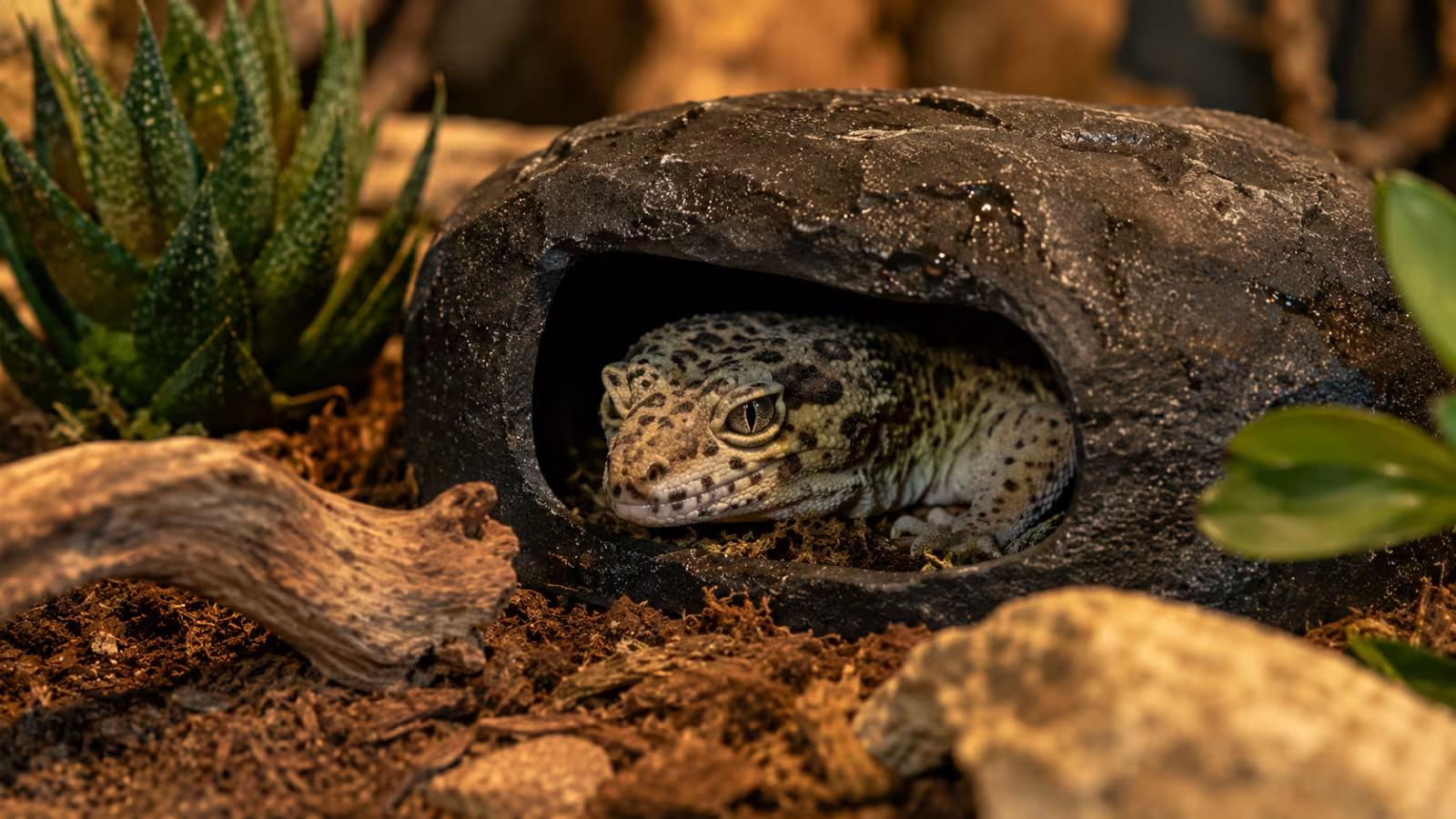
Food refusal in leopard geckos has a long list of possible causes. Some are completely harmless and self-resolving. Others need prompt attention. Knowing the difference saves a lot of unnecessary worry and, in some cases, avoids real health consequences.
Brumation
Brumation is probably the most common reason a healthy adult suddenly goes off food. It is the reptile equivalent of hibernation, a seasonal slowdown triggered by dropping temperatures and shorter daylight hours.
During brumation, geckos become less active, sleep more, hide more often, and often stop eating almost entirely. A gecko in brumation usually still looks healthy and responds normally when handled. Body weight tends to stay relatively stable even through weeks of fasting.
Pre-Shed Behavior
Shedding takes energy and temporarily changes how a gecko feels. In the days before a shed, most geckos become less active, hide more, and lose interest in food. The skin takes on a slightly dull, milky appearance and the gecko often avoids bright light.
This is completely normal. Appetite almost always returns within a day or two after the shed is complete. If the gecko has visible retained shed on the toes, eyes, or body after the process, that needs to be addressed, as retained shed can cause circulation problems.
Stress
Stress is a major appetite suppressor in leopard geckos and it is something many beginners underestimate. Geckos are sensitive to changes in their environment. A new enclosure, a moved hide, a rearranged decoration, or even a nearby television playing at high volume can disrupt a gecko's sense of security and kill appetite for days.
Cohabitating geckos are a common source of chronic stress that owners sometimes miss, especially when one gecko is subtly bullying another. Reducing stress usually means giving the gecko more hides, maintaining a predictable routine, and minimizing unnecessary handling during the adjustment period.
Incorrect Enclosure Temperatures
This is one of the most common husbandry mistakes and one of the easiest to miss without proper measurement. A leopard gecko that is too cold cannot digest food properly. The digestive enzymes in reptiles are temperature-dependent, and a cool gecko is essentially a gecko with a shut-down digestive system.
If the enclosure is running cold, the gecko will stop eating because it physically cannot process food efficiently. The warm basking area should sit around 88 to 92 degrees Fahrenheit, or 31 to 33 degrees Celsius. The cool side should stay between 75 and 80 degrees Fahrenheit, or 24 to 27 degrees Celsius.
Tip: Always verify enclosure temperatures with a quality infrared temperature gun rather than relying on the heater's dial alone.
Feeding-Related Issues
Sometimes the problem is the food itself rather than the gecko. Feeder insects that are too large can intimidate geckos, especially juveniles. Crickets that are overly aggressive may actually stress the gecko rather than trigger a feeding response.
Mealworms that are too old or poorly gut-loaded provide less nutritional value and may be less appealing. Many geckos develop preferences and will ignore certain feeders entirely if they are bored with the rotation. Switching between crickets, dubia roaches, mealworms, and black soldier fly larvae often helps restart a stalled appetite.
Underlying Health Problems
Appetite loss can also signal something medical. Parasites are common in reptiles and can cause weight loss, appetite suppression, and abnormal feces. Impaction, which occurs when a gecko swallows indigestible substrate, can block the digestive tract and cause food refusal alongside bloating and lethargy.
Mouth rot produces visible inflammation inside the mouth and makes eating painful. Respiratory infections, reproductive issues in female geckos, and metabolic bone disease are additional possibilities. Any gecko showing other symptoms alongside appetite loss deserves veterinary evaluation.
Normal vs Dangerous Appetite Loss: How to Tell the Difference
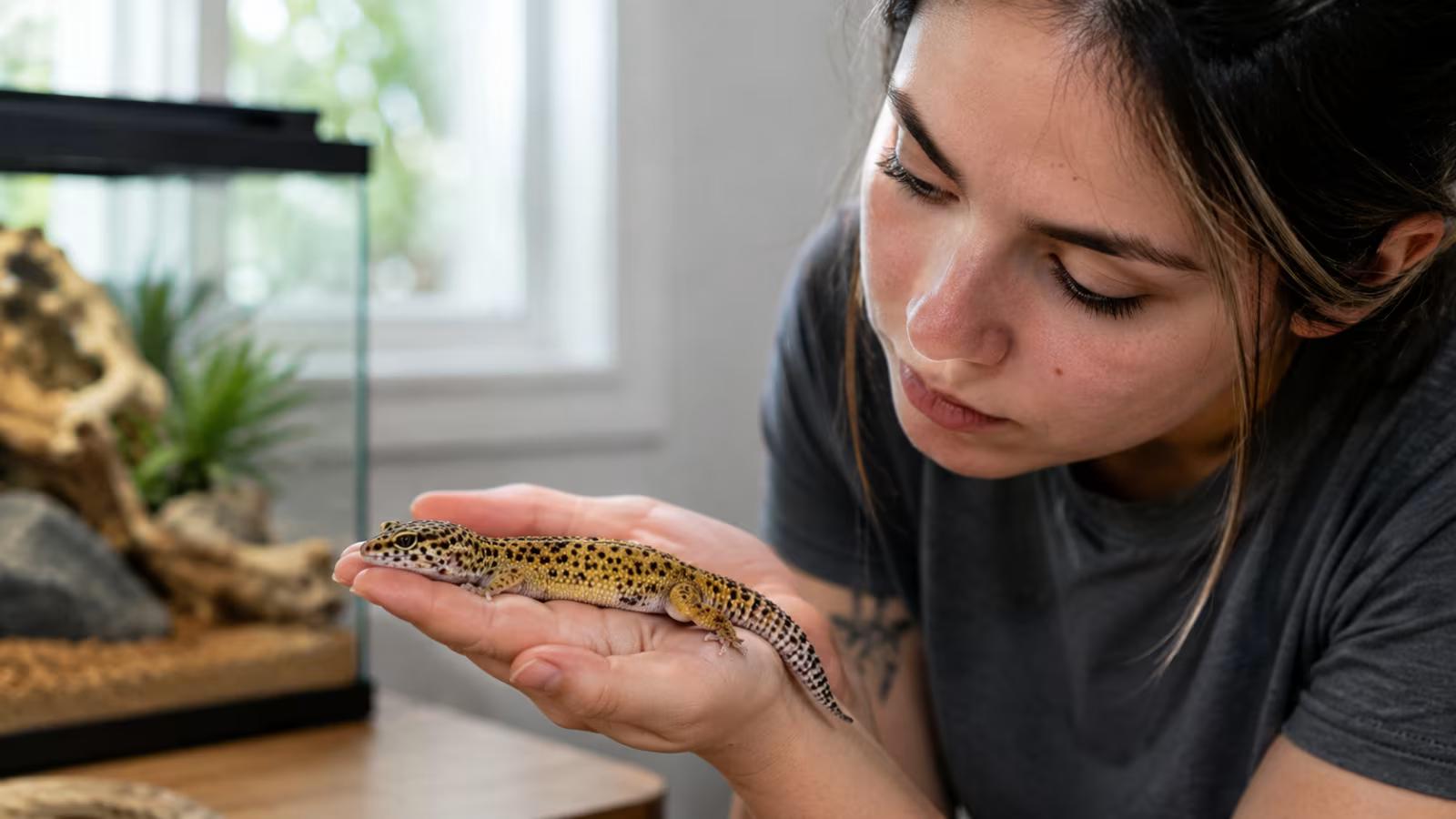
This is the question that keeps gecko owners up at night, and it deserves a clear, honest answer. Not every fasting gecko is sick. But not every fasting gecko is fine either.
Signs That Suggest Appetite Loss Is Likely Normal
- Tail remains thick and rounded
- Body weight is stable or dropping only slightly
- Gecko is alert and responsive when disturbed
- Movement looks normal, with no dragging or weakness
- Skin looks healthy or shows pre-shed dullness only
- Recent enclosure changes or temperature drop in the room
- Gecko is drinking water normally
Signs That Suggest Appetite Loss May Be Serious
- Tail becomes noticeably thinner over a short period
- Measurable weight loss appears on the scale
- Eyes appear sunken or wrinkled skin is visible
- Gecko is unusually lethargic and hard to rouse
- Abnormal feces, bloody stool, or no stool for an extended period
- Swelling appears anywhere on the body
- Open-mouth breathing or labored respiration
- Weakness in the limbs or unusual posture
When multiple warning signs appear together, that combination matters more than any single symptom alone. A gecko losing a small amount of weight might be fine. A gecko losing weight and hiding constantly while also showing sunken eyes is a different situation entirely and needs professional evaluation.
How to Monitor a Leopard Gecko That Stops Eating
Monitoring well is genuinely one of the most useful things an owner can do when a gecko goes off food. It removes the guesswork and gives you real data to share with a vet if needed.
Weigh Your Gecko Weekly
A simple digital kitchen scale that reads in grams is one of the best tools you can own as a reptile keeper. Weigh your gecko once a week at the same time of day and write the number down.
A gecko maintaining weight through weeks of not eating is telling you something completely different than a gecko losing several grams every few days. Weight trends reveal problems early, sometimes well before anything is visible to the naked eye.
Watch the Tail
The tail is your most visible health indicator. Get in the habit of looking at it from above and from the side during regular observation. A healthy tail looks full and symmetrical.
When it starts narrowing at the base or looking noticeably flat when viewed from above, the gecko is depleting stored reserves. This is useful information even when the gecko is otherwise behaving normally.
Check Hydration Regularly
Leopard geckos should always have access to fresh clean water in a shallow dish. Signs of good hydration include bright, full eyes, smooth skin, and normal energy levels.
Dehydration produces sunken eyes, wrinkled or loose-looking skin, sticky saliva, and weakness. A gecko that is not eating but is still drinking water is in a much better position than one refusing both food and water.
Monitor Fecal Output
Even during reduced eating, watch what comes out of your gecko. Normal urates should be white or off-white and solid. Runny, discolored, or bloody stools alongside appetite loss can point toward parasites, infection, or digestive problems.
A complete absence of feces for more than two to three weeks while the gecko is not eating may also warrant discussion with a vet.
What to Do When Your Leopard Gecko Stops Eating
Working through a systematic approach helps you identify the cause without panicking and without missing something important.
Start with temperatures. Verify both the warm side and cool side of the enclosure using a reliable thermometer or infrared temperature gun. Heaters malfunction, thermostats drift, and seasonal changes in room temperature can shift enclosure conditions significantly without an obvious visual clue. Fixing a temperature problem often resolves appetite refusal within a few days.
Next, think about recent changes. Did anything shift in the gecko's environment in the last two to four weeks? New substrate, moved furniture, a different room, a new pet in the house? Even changes that seem minor to you can be significant to a gecko. Give the animal time to settle and reduce unnecessary interaction.
Review what you have been offering as food. Try switching to a different feeder insect. Offer food at a different time of day. Some geckos prefer evening feeding when they are naturally more active. Make sure feeders are an appropriate size, no wider than the space between the gecko's eyes.
If temperatures are correct, the environment is stable, feeding options have been varied, and the gecko is still not eating while also losing weight or showing other symptoms, it is time to contact an exotic animal veterinarian. Fecal testing, physical examination, and in some cases bloodwork or imaging can identify problems that are impossible to diagnose at home.
Can a Leopard Gecko Survive on Water Alone?
A gecko that is drinking but not eating is buying time, not recovering. Water keeps essential systems functioning and prevents dehydration, which genuinely helps in the short term. Over a longer period, though, a gecko without food begins burning through tail fat reserves and eventually starts breaking down muscle tissue.
The immune system weakens, the body becomes susceptible to infections, and organ function begins to decline. Hydration is important and always should be maintained, but it is not a substitute for actual nutrition.
How to Prevent Appetite Problems
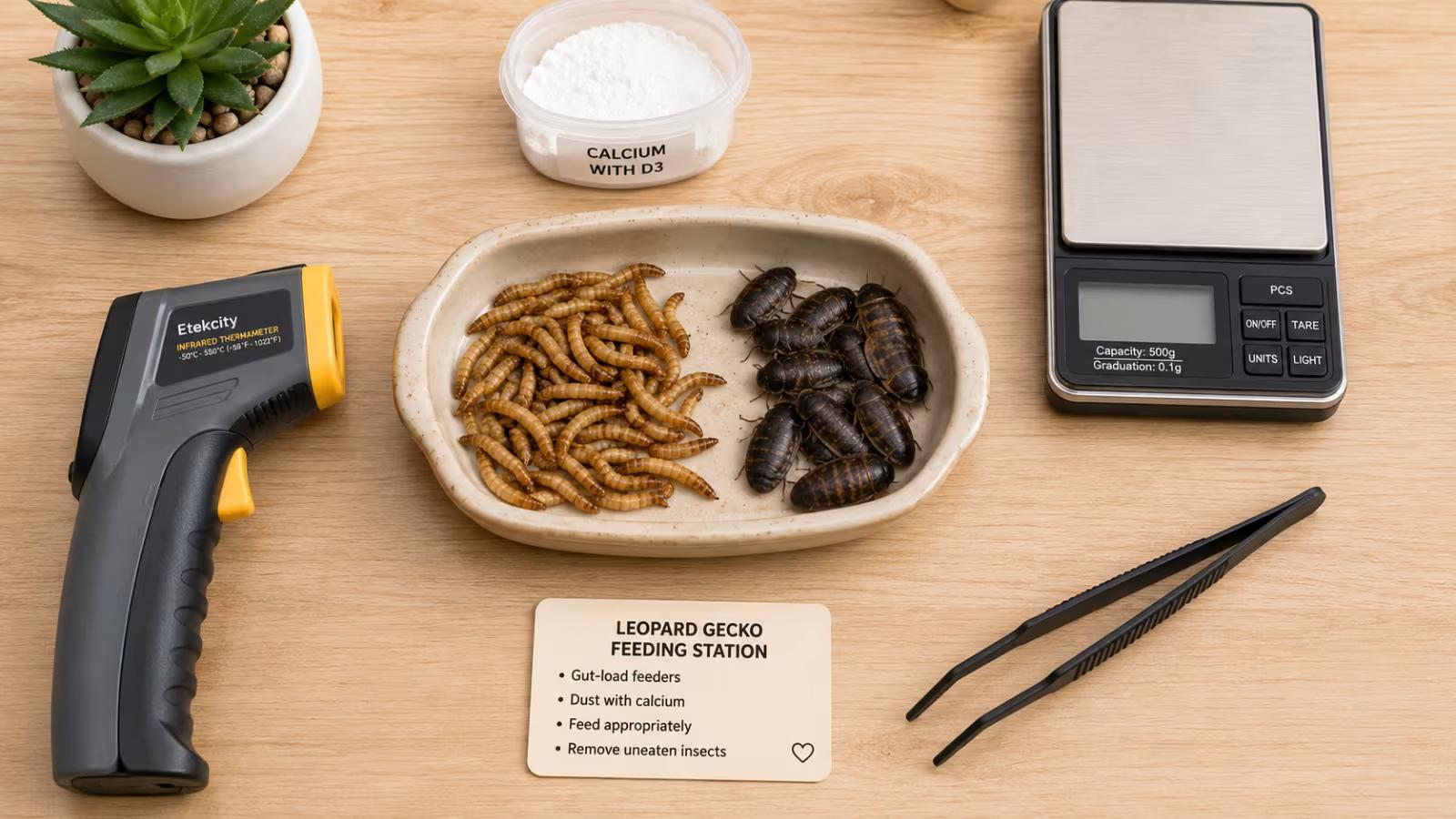
Most appetite issues in leopard geckos trace back to a small number of preventable husbandry mistakes. Getting these right from the start makes a significant difference in long-term gecko health.
Maintaining a consistent and correct temperature gradient is the single most important thing you can do. A reliable thermostat connected to your undertank heater or radiant heat panel ensures the warm side stays where it should be regardless of room temperature changes. Verify it with a temperature gun regularly rather than assuming it is fine.
Feed a varied diet throughout the year. Crickets, dubia roaches, mealworms, and black soldier fly larvae each offer slightly different nutritional profiles and keeping the rotation interesting helps prevent the picky eating habits that develop when geckos become fixated on one prey type. Supplement every feeding with calcium powder and offer a vitamin D3 supplement according to a regular schedule.
Provide at least three hides in the enclosure: one on the warm side, one on the cool side, and one humid hide to support shedding. A gecko that feels secure is a gecko that eats consistently. Stress-related appetite refusal is almost always tied to a gecko that does not feel safe in its space. Keep the enclosure in a quiet area away from heavy foot traffic and loud noise sources.
Weigh your gecko regularly and keep simple records. A notebook, a notes app on your phone, or a basic spreadsheet works perfectly. Knowing your gecko's normal weight range makes it much easier to spot early changes before they become serious problems.
Common Mistakes That Make Things Worse
Many owners make a handful of predictable errors when their gecko stops eating. Recognizing them helps avoid turning a manageable situation into a real crisis.
Focusing on days rather than body condition is probably the most common mistake. Owners count how long it has been since the last meal and panic at two weeks, even when the gecko has a perfect tail and stable weight. Or they wait far too long because "it has only been a week" while the gecko is visibly losing condition. Days are not the primary indicator. Body condition is.
Guessing at temperatures without measuring is another frequent problem. Many owners assume the enclosure is warm enough based on how warm the room feels or what setting the thermostat dial is on. Actual surface temperatures inside the enclosure can be significantly different. Always measure directly with reliable equipment.
Overhandling a gecko that is already stressed is a well-intentioned but counterproductive response. When a gecko stops eating, the instinct to check on it more frequently can actually make the stress worse. Give the gecko space, maintain normal quiet routines, and observe from a distance rather than increasing hands-on interaction.
Attempting to force-feed without veterinary guidance is potentially dangerous. Incorrect technique can cause physical injury, aspiration, and additional severe stress. Force feeding, if genuinely necessary, should be demonstrated and supervised by an exotic veterinarian.
Expert Tips for Keeping Appetite Healthy Long-Term
- Gut-load your feeder insects 24 to 48 hours before offering them. Insects fed on nutritious foods like leafy greens, carrots, and commercial gut-loading diets pass significantly better nutrition to your gecko than feeders kept on dry oats alone.
- Learn your specific gecko's seasonal patterns over the first year or two of ownership. Some individuals slow down dramatically in winter while others show only a minor change.
- Keep a simple feeding and weight log. It takes less than two minutes per week and provides genuinely useful information when something changes.
- Do not offer waxworms more than occasionally. They are high in fat and many geckos become addicted to them, refusing other feeders entirely afterward.
Conclusion
A healthy adult leopard gecko has remarkable natural resilience when it comes to going without food. Their slow metabolism and tail fat reserves make them genuinely capable of surviving short to medium-term fasting periods that would concern most pet owners unfamiliar with reptile biology. That resilience, however, is not unlimited and it is not a reason to ignore appetite changes.
The most useful thing any gecko owner can do is learn their animal's normal baseline and monitor it consistently. Regular weight checks, honest assessment of tail condition, and attention to behavior will tell you far more than any countdown from the last meal.
When body condition stays strong, behavior is normal, and husbandry conditions are correct, a fasting gecko is often simply doing what geckos naturally do. When weight drops, the tail thins, behavior changes, or additional symptoms appear, act early.
Exotic veterinarians who work with reptiles can identify and treat most common causes of appetite loss effectively, especially when caught before the animal is significantly compromised. The gecko owners who tend to have the best outcomes are almost always the ones who monitor closely, act promptly when something feels wrong, and do not wait until the situation becomes an emergency.