
Leopard geckos should not eat fruit as part of their diet. Their digestive system is designed specifically for animal protein and fat from insects, not the sugars, plant fiber, and moisture found in fruit. While a tiny accidental bite is unlikely to cause serious harm, regular fruit feeding can contribute to digestive upset and nutritional imbalances.
A healthy leopard gecko diet consists of gut-loaded crickets, dubia roaches, mealworms, black soldier fly larvae, appropriate calcium and vitamin D3 supplementation, fresh water, and occasional treat insects such as waxworms or hornworms. Fruit has no nutritional role in that feeding plan.
Understanding why fruit is unsuitable, what can happen if your gecko eats it, and which foods should make up a healthy diet will help you make better feeding decisions and avoid common nutritional mistakes.
Understanding the Natural Leopard Gecko Diet
What Is a Leopard Gecko?

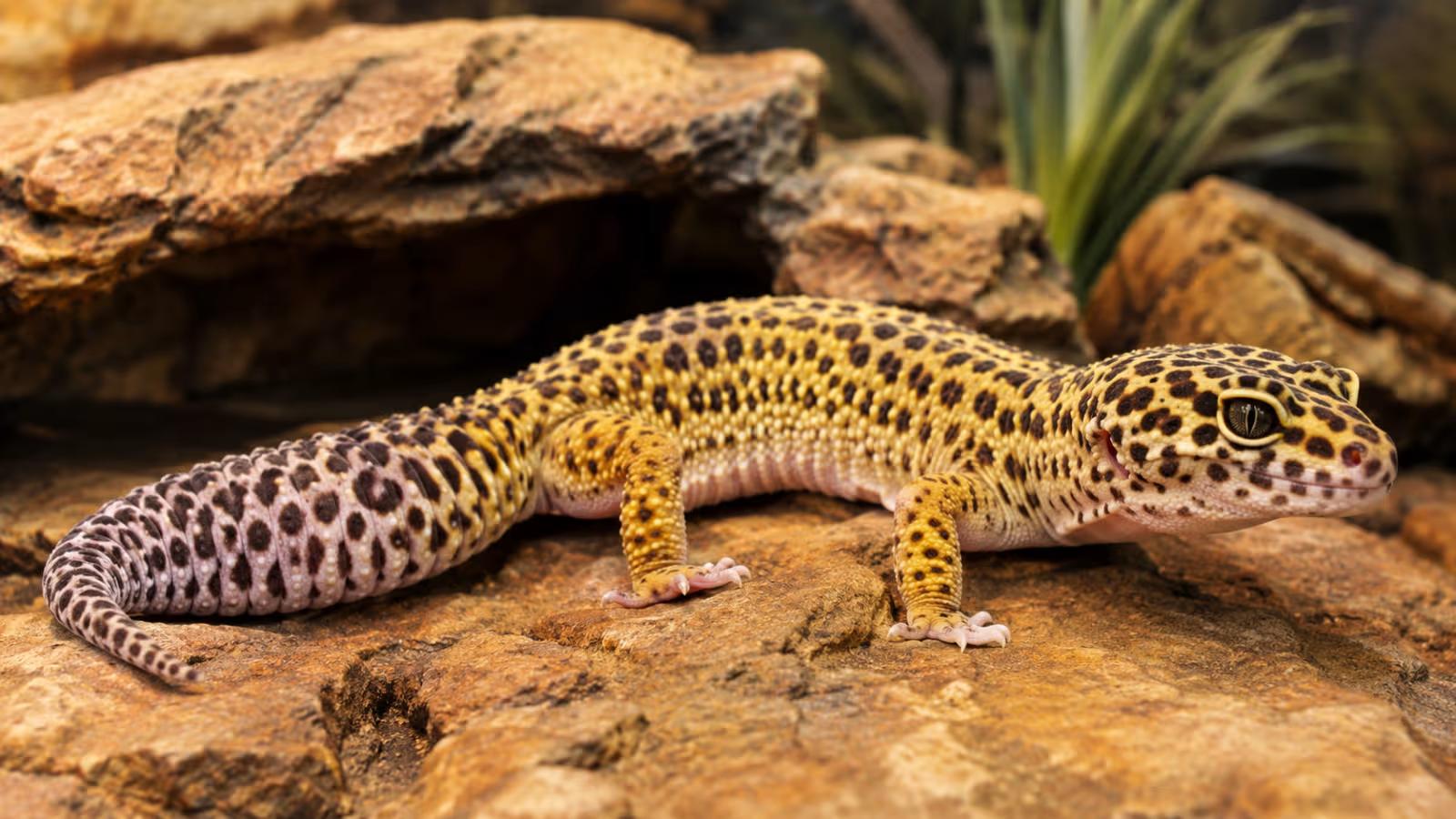
Leopard geckos, also known as Eublepharis macularius, are ground-dwelling lizards native to the arid regions of Afghanistan, Pakistan, northwestern India, and Nepal. Their natural environment is rocky terrain, dry grasslands, and semi-desert scrubland where daytime temperatures can be extreme.
These are not rainforest animals. They did not evolve alongside ripe tropical fruits or lush vegetation. Their world is insects, rocks, and sparse ground cover.
Are Leopard Geckos Carnivores or Insectivores?
Leopard geckos are insectivores. This is an important distinction.
Carnivores eat meat broadly. Insectivores are specifically adapted to thrive on insects and other small invertebrates. In the wild, leopard geckos hunt beetles, crickets, grasshoppers, spiders, larvae, and small roaches. That is essentially the entire menu.
Fruit simply does not appear as a meaningful part of their natural diet. Not as a treat, not as a seasonal variation, not in any context. This dietary history spans thousands of years of evolution, and no amount of captive feeding will change what their digestive system was built to handle.
Why Their Digestive System Matters
Animals evolve digestive systems that closely match their natural food sources. Herbivores develop the gut bacteria and stomach architecture to break down plant cellulose. Omnivores carry equipment for both. Leopard geckos went a very different direction.
Their digestive tract is optimized for breaking down chitin from insect exoskeletons, extracting protein and fat from prey, and processing trace minerals from naturally gut-loaded insects. It is not built for plant sugars, fruit acids, or the fermentation process that plant digestion often requires.
Feeding fruit to a leopard gecko is a bit like putting gasoline in a diesel engine. It will not immediately destroy anything, but it is not the right fuel, and repeated exposure creates problems.
Why Fruit Is Not Recommended for Leopard Geckos
Fruit Is Not Part of Their Natural Diet
In nature, leopard geckos almost never encounter fruit in any meaningful way. Unlike crested geckos or day geckos, which evolved in fruit-bearing forest environments, leopard geckos developed in environments where plant fruit is essentially absent.
A healthy captive diet should mirror the nutritional profile of what they would eat in the wild. Fruit fails to meet this standard on every level.
High Sugar Content Is a Problem
Most fruit contains significant amounts of natural sugars including fructose, glucose, and sucrose. Leopard geckos have no metabolic need for these sugars. Their bodies did not develop pathways to use fruit sugar as energy efficiently.
Excess sugar in their system can contribute to digestive upset, loose stool, and shifts in gut bacteria that may make them more vulnerable to infections. Over time, repeated fruit feeding may also contribute to unhealthy weight gain, which places stress on their organs and joints.
Fruit Provides Almost No Protein
Protein is arguably the single most important macronutrient for a leopard gecko. It supports growth, muscle maintenance, organ function, and reproductive health. Feeder insects provide exactly this, along with healthy fats and the amino acid profile their bodies are designed to use.
Fruit provides almost none of this. A piece of mango or watermelon might seem nutrient-rich by human standards, but to a leopard gecko it offers little more than sugar water. Substituting even a small portion of insect meals with fruit over time creates real nutritional gaps.
Poor Calcium-to-Phosphorus Ratio
Calcium is non-negotiable for leopard geckos. It supports bone density, proper muscle contraction, nerve signaling, and egg production in females. Many commonly offered fruits carry a poor calcium-to-phosphorus ratio, meaning the phosphorus content can actually interfere with calcium absorption.
This matters because calcium deficiency is already one of the most common health problems in captive reptiles. Offering foods that actively work against calcium balance adds unnecessary risk to an already sensitive issue.
Can Leopard Geckos Eat Specific Fruits?
This comes up a lot. Owners want to know if there is any fruit that might be acceptable. The answer is consistently no, but here is why each common option falls short:
- Bananas: High in sugar and carbohydrates. Not appropriate for leopard gecko nutrition.
- Apples: Provide carbohydrates but lack the protein and fat leopard geckos require.
- Strawberries: Not toxic, but offer no meaningful nutritional value for an insectivore.
- Blueberries: Often marketed as a superfood for humans, but the sugar content and nutritional mismatch make them unsuitable.
- Mango: Particularly high in sugar. One of the worst fruit options for this species.
- Watermelon: Mostly water and sugar. Neither offers any benefit.
- Grapes: Unnecessary and nutritionally inappropriate.
- Fruit purees: Concentrated sugars in a form that is even easier to overconsume. Avoid entirely.
- Baby food with fruit ingredients: Fruit-based baby foods are not suitable for insectivorous reptiles.
In every single case, the right replacement is a properly gut-loaded feeder insect. That is not a limitation. That is what these animals are genuinely built for.
What Happens If a Leopard Gecko Eats Fruit?
Not every gecko will react the same way to a one-time accidental exposure. Responses can range from nothing at all to mild digestive distress.
No Symptoms
Many healthy geckos show no reaction after a very small accidental bite. Their system processes the trace amount without issue, especially if their overall health is strong.
Mild Digestive Upset
More commonly, you may notice slightly softer stool or a temporary reduction in appetite. This usually resolves within 24 to 48 hours without any intervention.
Diarrhea
Excess sugar and moisture can trigger loose stool. If diarrhea persists beyond two days, it is worth contacting a reptile veterinarian.
Reduced Appetite
A gecko experiencing digestive discomfort may refuse food for a day or two. This becomes a concern if it stretches beyond 72 hours or coincides with other symptoms.
Nutritional Imbalance Over Time
This is where the real danger lies. Owners who repeatedly offer fruit hoping to add variety may find their gecko starts refusing insects. Once a gecko develops a preference for sweet fruit flavors, getting them back to a balanced insect diet can be genuinely difficult.
Warning Signs That Need Veterinary Attention
Contact a reptile-experienced veterinarian if you notice any of the following after fruit consumption:
- Diarrhea lasting more than 48 hours
- Significant weight loss or visible tail thinning
- Refusal to eat for more than 3 to 4 days
- Severe lethargy or inability to move normally
- Signs of dehydration such as sunken eyes or wrinkled skin
- Mucus or unusual substance in the stool
These symptoms may indicate something more serious than a simple dietary reaction.
Why Some Reptiles Eat Fruit But Leopard Geckos Should Not
This is one of the biggest sources of confusion for new reptile owners, and it is completely understandable. You have probably seen photos of crested geckos happily eating fruit-based diets, or heard that bearded dragons can have berries occasionally. So why are leopard geckos different?
Crested geckos evolved in the tropical rainforests of New Caledonia where ripe fruit and nectar are genuinely abundant. Their digestive system is adapted to process plant sugars alongside insects. Fruit is actually appropriate for them.
Day geckos are similarly adapted to fruit and nectar consumption as part of their natural diet in tropical environments.
Green iguanas are herbivores. Plant matter is their entire dietary foundation. Fruit fits naturally within their nutritional model.
Bearded dragons are omnivores. They evolved to eat both insects and plant material, including some fruits in moderation.
Leopard geckos took an entirely different evolutionary path. They are specialists. Their biology is not compatible with plant-based food sources in any meaningful way, and treating them like a reptile that can safely consume fruit leads to real health consequences over time.
What Leopard Geckos Should Eat Instead
Best Staple Feeder Insects
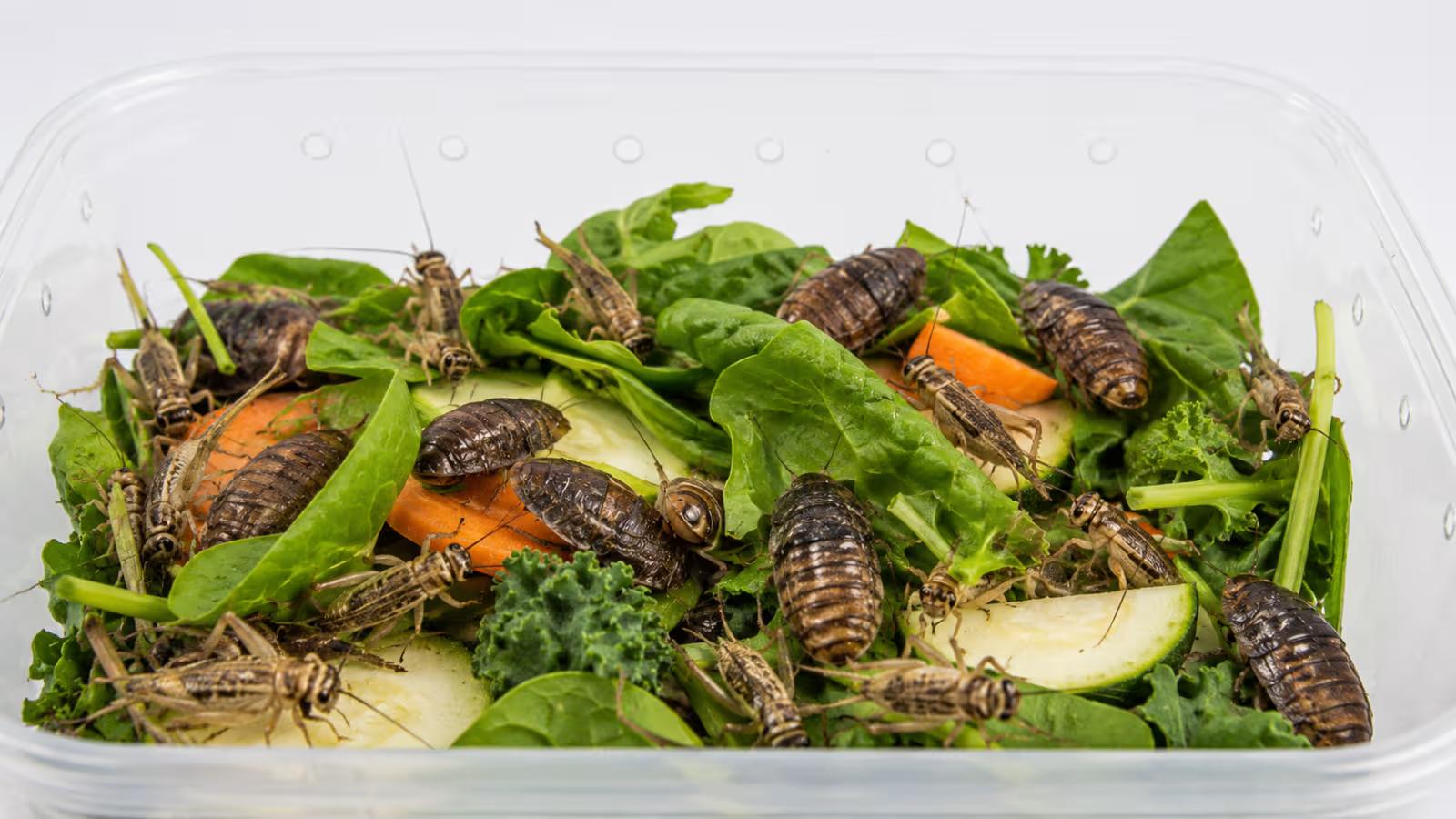
Crickets are the classic staple feeder for a reason. They are nutritious, widely available, and their movement triggers natural hunting behavior in leopard geckos. That activity is genuinely enriching for captive animals.
Dubia roaches are widely considered the best all-around feeder insect available. They have an excellent protein-to-fat ratio, good calcium levels, and are softer-bodied than crickets, making them easier to digest. If you can source them, they should make up a large portion of your gecko’s diet.
Mealworms can be fed regularly but should not be the sole protein source. They have a higher fat content than crickets or roaches, so variety is important.
Black soldier fly larvae, sold as Nutrigrubs or CalciWorms, are a particularly valuable addition because they naturally contain high levels of calcium without supplementation. They are an excellent rotation option.
Occasional Treat Insects
Waxworms, superworms, and hornworms can be used occasionally as enrichment or to encourage a gecko that is temporarily off food. These should never make up more than 10 to 15 percent of the total diet. Waxworms in particular are high in fat and can be addictive for geckos, so use them sparingly.
The Importance of Gut Loading
Gut loading means feeding your feeder insects nutritious foods for 24 to 48 hours before offering them to your gecko. The nutrients in the insect’s gut are passed directly to your gecko at feeding time.
Good gut-load foods include commercial gut-load products, dark leafy greens like collard greens or mustard greens, carrots, butternut squash, and sweet potato. Avoid citrus, onion, and avocado when gut loading.
A nutritionally empty feeder insect is far less valuable than one that has been properly loaded, and this step is where many beginners cut corners without realizing the downstream impact.
Calcium and Vitamin Supplementation
Why Calcium Is Non-Negotiable
Metabolic bone disease remains one of the most heartbreaking and preventable conditions in captive reptiles. It develops when calcium is chronically deficient, causing bones to soften and deform, muscles to weaken, and in severe cases, seizures or death. The saddest part is that it is almost entirely avoidable with consistent supplementation.
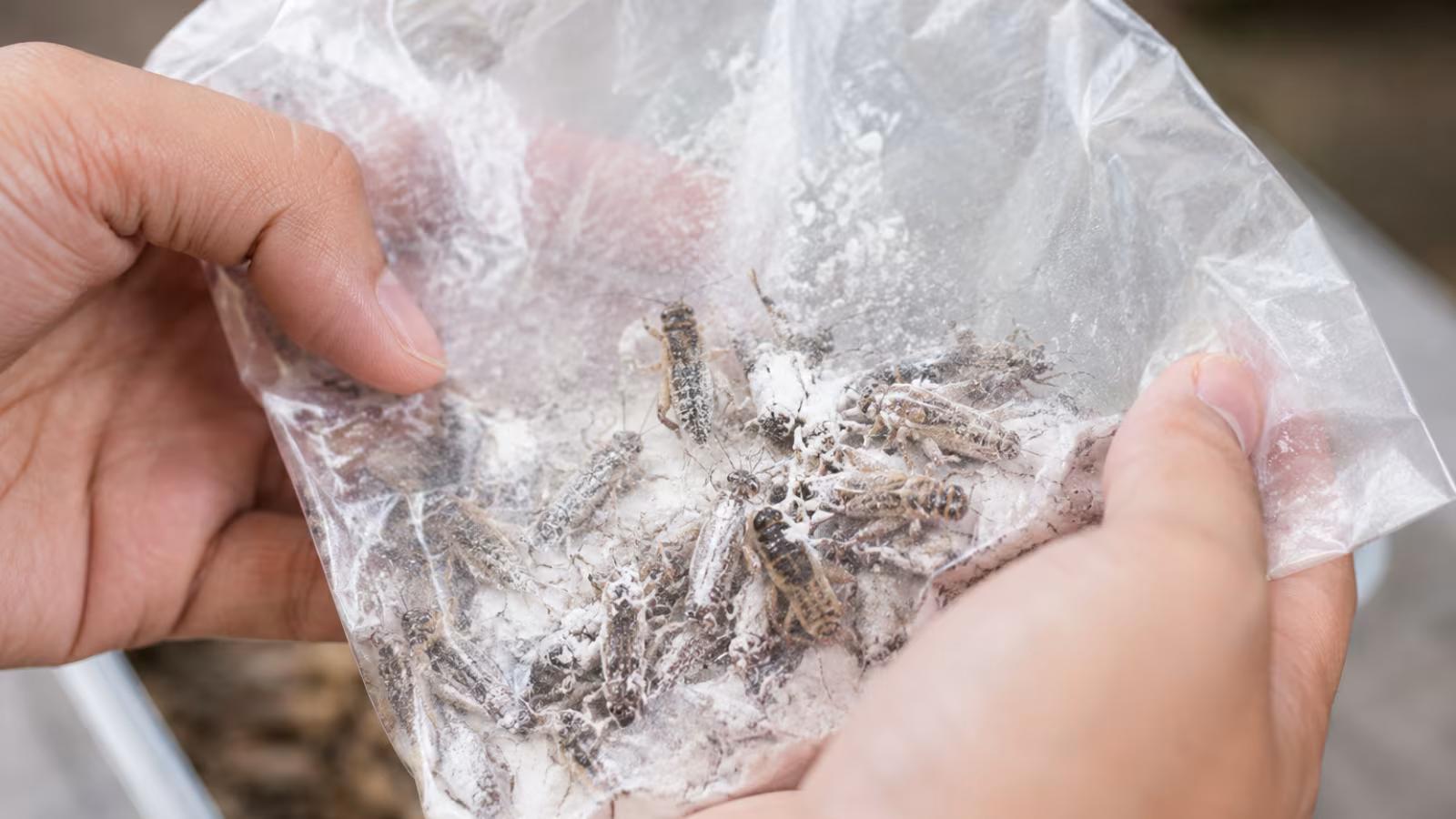
Lightly dust feeder insects with calcium powder before every feeding for juveniles, and every other feeding for adults. This simple step does more for long-term gecko health than almost anything else.
Vitamin D3
Without adequate Vitamin D3, the body cannot absorb calcium properly, even when supplementation is consistent. Leopard geckos kept without UVB lighting need D3 provided through their supplements. Many keepers use an all-in-one product that combines calcium with D3 for simplicity.
Avoid over-supplementing fat-soluble vitamins, however. Vitamin A toxicity is a real concern if owners use multiple products at once without tracking amounts. Follow the manufacturer’s instructions carefully, and if you are uncertain, ask a reptile veterinarian.
Recommended Products
Many experienced keepers rotate between products like Repashy Calcium Plus, Zoo Med Repti Calcium with D3, and Arcadia EarthPro-A. No single product is universally superior. The key is consistency and correct dosing rather than which brand sits on your shelf.
Proper Hydration Without Fruit
Some owners mistakenly offer fruit as a source of hydration, particularly watermelon. This is an unnecessary risk. Fresh water is always the better choice.
Provide a shallow water bowl small enough that your gecko cannot accidentally tip it or drown. Change the water daily, and clean the bowl regularly to prevent bacterial buildup.
A moist hide, which is a small enclosed hide with damp sphagnum moss inside, serves dual purposes. It supports hydration through ambient humidity and creates the right microclimate for healthy shedding. Most keepers keep one moist hide on the cool side of the enclosure at all times.
Fruit provides moisture in a form that comes packaged with sugars and nutritional mismatches. Fresh water and a properly maintained moist hide are the correct tools for hydration management.
Feeding Schedule by Age
Consistency in feeding schedule matters almost as much as what you feed. Here is a reliable framework:
- Juvenile leopard geckos under 6 months: Feed daily. Young geckos are in rapid growth and need consistent nutrition to develop properly. Offer appropriately sized prey, meaning nothing wider than the space between their eyes.
- Subadults 6 to 12 months: Every other day works well for most subadults. Monitor body condition and adjust if they are looking thin or putting on too much weight.
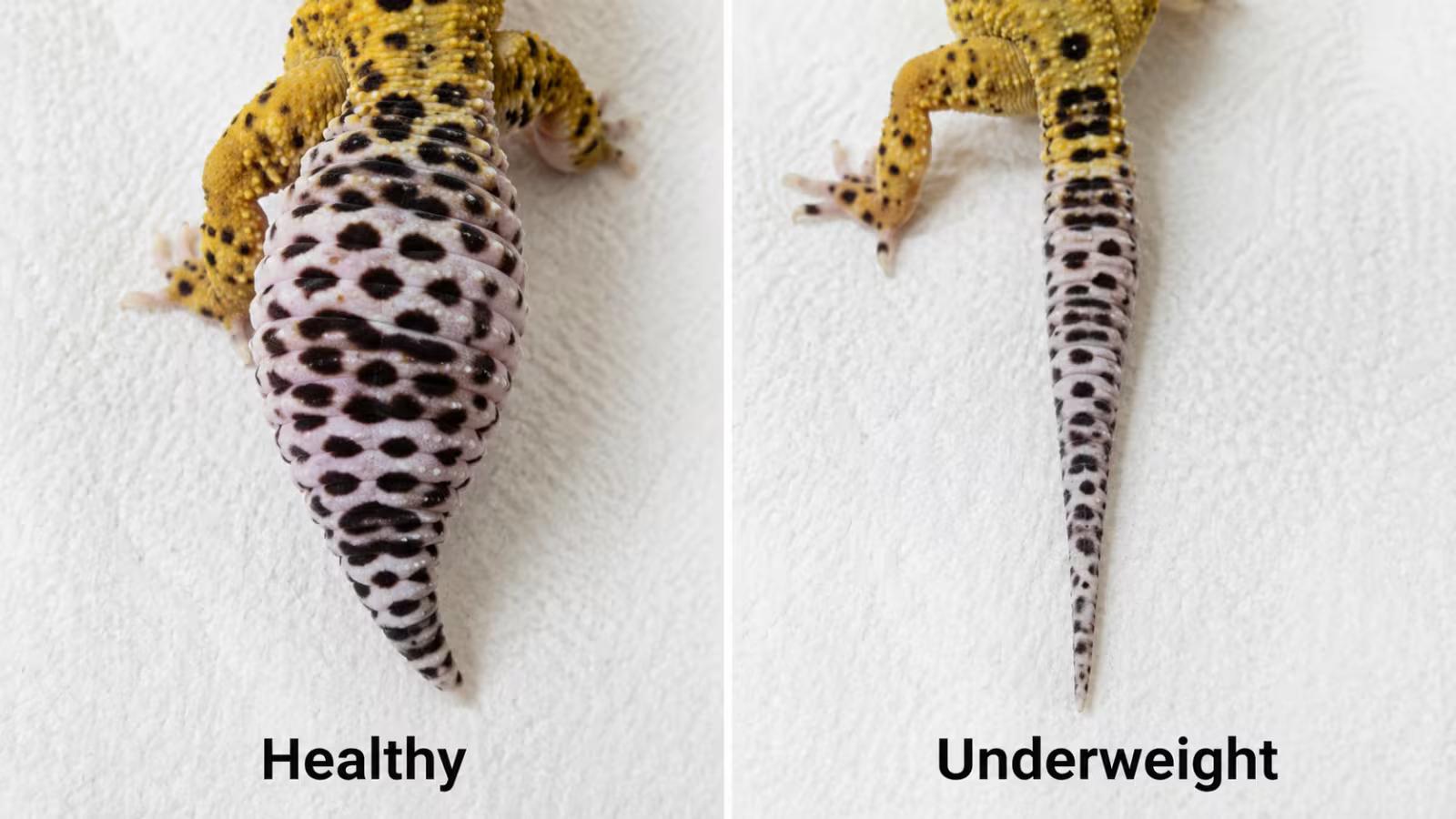
- Adults 12 months and older: Most adults thrive on feeding every two to three days. Watch for a healthy, rounded tail as the best visual indicator of adequate nutrition.
- Seniors 5 years and older: Adjust based on activity level and body condition. Some older geckos eat less, which is normal, but consistent monitoring ensures you catch any unexpected weight loss early.
Common Feeding Mistakes to Avoid
New owners make certain feeding mistakes consistently, and most of them are easy to fix once you know what to look for.
Offering fruit is the biggest one this article covers, but it is far from the only trap. Overfeeding treat insects like waxworms is incredibly common. Geckos can develop strong preferences for fatty, high-calorie feeders and start refusing their staple diet. Once that preference forms, correcting it takes patience.
Ignoring supplements is the other major issue. Many owners gut-load diligently but skip the calcium dusting step because it feels tedious. Over months and years, this creates the deficiency conditions that lead to metabolic bone disease.
Feeding prey that is too large is also worth mentioning. The “no wider than the space between the eyes” rule exists because oversized prey can cause impaction and even neurological damage if it causes stress while swallowing. This rule applies equally to insects as it does to any other feeder.
Poor gut loading, inconsistent temperatures, and overcrowding round out the most common mistakes. The feeding environment matters as much as the food itself.
Signs of a Healthy Leopard Gecko
Knowing what healthy looks like gives you a useful baseline for catching problems early.
A well-nourished, healthy gecko should show a strong appetite at feeding times, have clear and bright eyes, carry a thick rounded tail with no visible thinning, shed regularly without pieces of stuck shed remaining, and behave alertly during their active hours. Weight should remain stable across weeks.
Signs Something Is Wrong
Watch for tail thinning above all else. The tail stores fat reserves and is one of the first places to show nutritional deficiency. Other warning signs include persistent diarrhea, unexplained weight loss, refusal to eat for more than four days, weakness or difficulty holding their body weight, poor shedding, sunken eyes, or unusual discharge.
Any of these signs lasting more than two to three days warrants a call to a reptile-experienced veterinarian. Most reptile illness is far easier to treat when caught early.
Myth Busting: Common Fruit Feeding Misconceptions
Myth: Leopard geckos need fruit for dietary variety.
False. Variety in their diet should come from rotating between different feeder insects. Dubia roaches one day, black soldier fly larvae the next, crickets on another feeding. That is genuine variety that matches their biology.
Myth: Fruit is a natural treat for geckos.
False. A treat that is nutritionally appropriate is something like an occasional waxworm. Fruit simply does not fit the species’ dietary model, regardless of how it is positioned.
Myth: Fruit helps keep leopard geckos hydrated.
False. Fruit introduces sugar and fiber alongside any moisture. A clean water bowl does the job without any of the drawbacks.
Myth: Since other geckos can eat fruit, leopard geckos probably can too.
False. Reptile nutrition is highly species-specific. Crested geckos, day geckos, and gargoyle geckos evolved in environments where fruit is naturally available. Leopard geckos did not. Species-specific evolution produces species-specific dietary needs, and these should never be assumed to transfer between animals.
Conclusion
Leopard geckos are fascinating, long-lived reptiles that thrive beautifully when their one core need is met: a consistent, insect-based diet that closely mirrors what they would eat in the wild.
Fruit falls completely outside that model. It is not a treat, it is not a hydration tool, and it is not an appropriate form of dietary variety. Their bodies are not equipped to handle plant sugars, and regular exposure creates nutritional problems that take a real toll over time.
The good news is that getting the diet right is genuinely straightforward once you understand the basics. Quality feeder insects, consistent gut loading, and regular calcium supplementation cover the vast majority of what a leopard gecko needs to thrive. Most nutrition-related problems in captive geckos trace back to either inconsistent supplementation or well-intentioned but misguided food choices.
Keep the diet insect-based, dust your feeders consistently, and your gecko will reward you with decades of activity, healthy shedding, and that characteristically calm temperament that makes this species such a joy to keep.