You notice sores around your rabbit's nose or genitals. They look crusty and irritated. You worry about your rabbit's health. The condition you are seeing could be bunny syphilis, also known as vent disease or rabbit treponematosis.
Bunny syphilis is a bacterial infection caused by Treponema paraluiscuniculi. According to veterinary sources, this bacterium is related to the one that causes human syphilis but is a different species. The good news is that it does not spread to humans. However, it is highly contagious among rabbits and requires veterinary treatment.
This guide covers everything about bunny syphilis: what it is, how rabbits get it, signs to watch for, treatment options, and prevention strategies. For general rabbit health concerns, see sick bunny. For information on other rabbit diseases, see disease bunnies.
Bunny syphilis (vent disease) is a bacterial infection caused by Treponema paraluiscuniculi. It is highly contagious among rabbits but does not spread to humans. Symptoms include crusty sores on the nose, genitals, and face. Treatment requires veterinary antibiotics.
What Is Bunny Syphilis
Bunny syphilis, also called rabbit syphilis or vent disease, is a bacterial infection caused by Treponema paraluiscuniculi. This bacterium is a type of spirochete, a spiral-shaped bacteria that can cause skin lesions.
Despite the name, bunny syphilis is not the same disease as human syphilis. The bacterium that causes human syphilis is Treponema pallidum. The rabbit version is a different species and does not infect humans. According to veterinary sources, rabbit syphilis is species-specific and does not pose a risk to people.
The infection primarily affects the skin, especially around the genital area, mouth, and nose. It can also cause sores on the face and other parts of the body. Untreated bunny syphilis can become chronic and cause significant discomfort for the rabbit.
Vent disease in rabbits is another name for this condition. The term "vent" refers to the genital area, which is often affected. The disease can cause painful sores and lesions that may become infected with other bacteria if left untreated.
Bunny syphilis is a bacterial infection caused by Treponema paraluiscuniculi. It is different from human syphilis and does not spread to humans. It affects the skin, especially around the genitals, nose, and face.
How Rabbits Get Syphilis
Understanding how rabbits get syphilis helps you prevent the disease. The infection spreads through direct contact with infected rabbits. The bacteria enter through small breaks in the skin, making the disease highly contagious among rabbits.
The infection often spreads during mating, which is why it is sometimes called venereal disease in rabbits. Infected breeding rabbits can transmit the disease to their partners. The bacteria can also be passed from mother to baby during birth or nursing. Newborn rabbits may develop sores around their mouths and noses within a few weeks of birth.
Rabbits can also catch bunny syphilis through grooming, fighting, or sharing space with an infected rabbit. If you have multiple rabbits, an infected rabbit should be isolated from healthy rabbits. According to veterinary sources, quarantine is essential to prevent the spread of the disease.
For more on preventing disease transmission, see disease bunnies.
Bunny syphilis spreads through direct contact with infected rabbits, especially during mating and from mother to baby. The disease is highly contagious and requires isolation of infected rabbits.
Vent Disease in Rabbits
Vent disease in rabbits is another name for bunny syphilis. The infection often affects the genital area, with both male and female rabbits developing lesions on their genitals. These lesions may appear as sores, scabs, or swelling.
Sores around the vent (the area around the genitals and anus) are a common sign of vent disease. The sores may be red, crusty, or ulcerated, and they can be painful. Vent disease can also affect a rabbit's reproductive health. Infected rabbits may be less interested in breeding, and pregnant rabbits with the disease may pass it to their babies.
The lesions associated with vent disease are not limited to the genital area. They can appear on the nose, lips, face, and sometimes other parts of the body. The lesions are typically crusty and may ooze or bleed. A rabbit with vent disease may show signs of irritation, grooming excessively, scratching, or seeming uncomfortable.
Vent disease in rabbits causes sores and lesions on the genitals, nose, and face. The condition is painful and can affect reproductive health. Early treatment is essential.
Signs and Symptoms of Bunny Syphilis
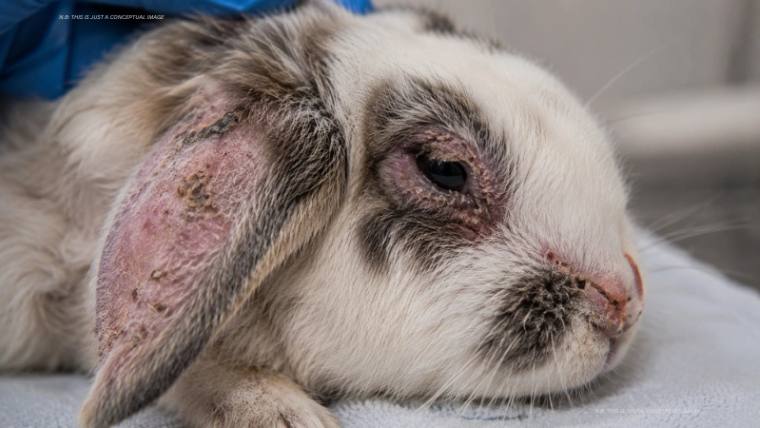
Recognizing the signs of bunny syphilis helps you seek treatment early. Symptoms typically appear 2-4 weeks after exposure. Infected rabbits develop lesions on the skin, most commonly on the genitals, nose, lips, and face. The lesions may be small and crusty or large and ulcerated.
Crusty sores on the nose are a classic sign of bunny syphilis. The sores may appear as scabs or crusts and can be mistaken for injuries or other skin conditions. Lesions on the genitals are also common, and both males and females can develop sores on their genital area. These sores can be painful and may cause difficulty urinating or mating.
Scabs on the face, especially around the eyes and mouth, can also be a sign of bunny syphilis. Infected rabbits may have discharge from the nose or eyes, which can be clear, white, or yellowish. They may also show signs of skin irritation, scratching, grooming excessively, or rubbing against objects. If you notice any of these signs, contact your veterinarian immediately. For more on recognizing a sick bunny, see sick bunny.
Signs of bunny syphilis include crusty sores on the nose, genitals, and face. Infected rabbits may also have discharge, skin irritation, and scabs. Early detection is essential for effective treatment.
Diagnosis and Testing
Diagnosing bunny syphilis requires a veterinary examination. A veterinarian will examine your rabbit for signs of infection, looking for characteristic lesions on the skin, especially around the nose, genitals, and face.
Diagnosis is often based on clinical appearance, history, and response to treatment. Microscopic examination of a lesion sample can help confirm the presence of the bacteria, though this is not always straightforward. The spiral-shaped bacteria may be visible under a microscope, but confirmation can be challenging.
Your vet will also assess your rabbit's overall health and check for other conditions that may be causing similar symptoms. Not all veterinarians are experienced with rabbit diseases, so it is best to find a vet who specializes in exotic pets or has experience with rabbits.
Diagnosis of bunny syphilis is based on clinical appearance, history, and response to treatment. Microscopic examination of a lesion sample can help confirm the presence of the bacteria, though this is not always straightforward.
Treatment Options for Bunny Syphilis
Bunny syphilis is treatable with veterinary care. Treatment usually involves rabbit-safe antibiotics prescribed by a veterinarian, commonly injectable penicillin formulations. According to veterinary sources, penicillin is the most commonly used antibiotic for bunny syphilis, but it must be administered by a professional.
The antibiotic used must be appropriate for rabbits, as not all antibiotics are safe for rabbits. Your vet will prescribe the correct medication and dosage. Treatment usually lasts for several weeks, and the rabbit may need multiple injections or oral medication. Follow your veterinarian's instructions carefully.
With treatment, most rabbits recover fully. Many rabbits improve within a few weeks of treatment, though recovery time varies depending on the severity of the infection, duration before diagnosis, treatment protocol, and whether secondary infections are present. The lesions will heal, and the rabbit will return to normal health. However, the disease can recur if the rabbit is re-exposed.
For more on veterinary care for rabbits, see poorly rabbit and disease bunnies.
Bunny syphilis is treatable with rabbit-safe antibiotics prescribed by a veterinarian. Many rabbits improve within a few weeks of treatment, though recovery time varies. Treatment requires veterinary supervision.
Prevention and Common Questions
Preventing bunny syphilis is easier than treating it. Quarantine new rabbits for 2-4 weeks before introducing them to existing rabbits. Monitor them for signs of illness before allowing contact with other rabbits. Have breeding rabbits checked for bunny syphilis before mating to prevent the spread of the disease to offspring and other breeding partners.
Bunny syphilis does not spread to humans. It is caused by a different bacterium than human syphilis, and according to veterinary sources, it does not infect humans. However, it is highly contagious among rabbits and requires veterinary treatment.
Prevent reinfection by isolating infected rabbits until treatment is complete, cleaning the environment thoroughly, and preventing contact with other rabbits until the infection is cleared. For more on prevention, see ideal rabbit cage and rabbit in cages for housing guidance.
Prevent bunny syphilis by quarantining new rabbits, breeding health checks, and isolating infected rabbits. The disease does not spread to humans. Treatment is effective with veterinary care.
Final Thoughts
Bunny syphilis is a bacterial infection that causes skin lesions on rabbits. It is highly contagious among rabbits but does not spread to humans. Recognizing the signs, seeking veterinary care, and preventing the spread of the disease are essential for rabbit health.
Treatment with rabbit-safe antibiotics is effective. Most rabbits recover fully with prompt treatment. Prevention is the best approach. Quarantine new rabbits, have breeding rabbits checked, and isolate infected rabbits.
For more information on rabbit health, see our guides on sick bunny, disease bunnies, and rabbit in cages.
Trusted Resources for Rabbit Health
- RSPCA Rabbit Health Guide – Expert advice on rabbit health and diseases
- House Rabbit Society Health – Comprehensive health information for pet rabbits
- PDSA Rabbit Health – UK veterinary charity guidance on rabbit health
- Cornell University Rabbit Health – Veterinary research-based health information
- Humane Society Rabbit Care – General rabbit care and health guidance