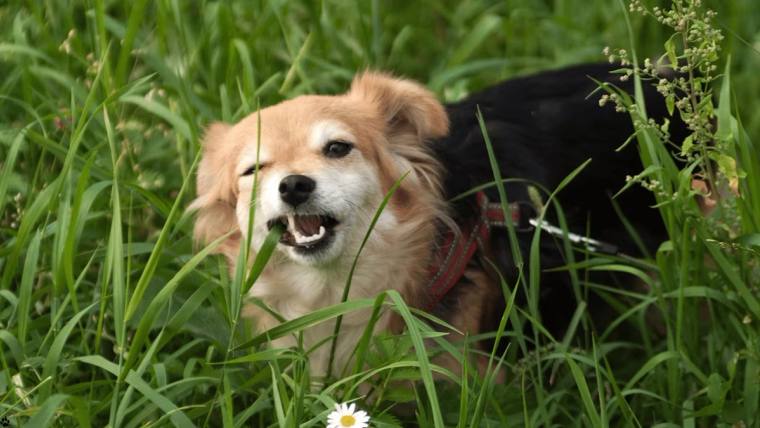
Many dog owners notice their dog suddenly eating grass and wonder if something is wrong. The good news is that grass-eating is very common in dogs and is often normal behaviour. However, if it suddenly becomes frequent, obsessive, or happens alongside other symptoms, it is worth paying closer attention.
Let's start with the most reassuring thing I can tell you: grass-eating in dogs is almost certainly one of the most ancient and deeply ingrained behaviours in the canine repertoire. Dogs are not obligate carnivores like cats. They are, by nature, opportunistic omnivores, and plant material has been part of their diet since long before we started feeding them kibble from a bag.
That said, sudden or obsessive grass-eating, particularly in a dog that has never done it before, or one who is eating grass frantically rather than leisurely, deserves a closer look. There is a meaningful difference between a dog that casually nibbles a few blades on a morning walk and one that is yanking mouthfuls out of the lawn with urgency.
The Real Reasons Dogs Eat Grass
Grass-eating rarely has one single cause. Most of the time, it is a mix of instinct, digestion, boredom, habit, and sometimes discomfort. Here are the most common reasons.
This is the reason many dog owners think of first. Sometimes dogs eat grass because their stomach feels unsettled. They may be dealing with nausea, acid build-up, excess bile, bloating, or mild digestive discomfort.
A dog that eats grass urgently first thing in the morning and then vomits yellow bile may be experiencing stomach irritation after a long overnight fast. If this keeps happening, it is worth discussing with a vet.
Dogs need some fibre to support healthy digestion and stool formation. If a dog has recently changed food, seems constipated, or has irregular stools, grass-eating may be their way of seeking extra roughage.
Most complete dog foods contain enough fibre for the average dog, but every dog is different. Some dogs may need small diet adjustments depending on their digestion and routine.
Pica means repeatedly eating things that are not normal food, such as soil, stones, fabric, or large amounts of grass. A small amount of grass is usually normal, but obsessive eating that cannot be redirected may point to a wider issue.
Pica can be linked with anxiety, stress, nutritional issues, or digestive problems. If your dog is eating grass compulsively, a vet check is sensible.
Dogs need physical movement and mental stimulation. If a dog is not getting enough walks, play, training, sniffing time, or attention, grass-eating can become something to do.
This is especially common in active working breeds. If the behaviour happens more when your dog is left alone, bored, or under-exercised, stimulation may be part of the answer.
Sometimes dogs eat grass because they like it. Fresh grass can smell interesting, feel satisfying to chew, and taste different depending on the season.
Puppies often explore the world with their mouths, and grass is one of the first textures they discover outdoors. For many dogs, it simply becomes a harmless habit.
Some dogs become uncomfortable when they go too long without food. Stomach acid can build up, especially overnight, and this may lead to morning grass-eating.
If your dog eats once a day, splitting the food into two smaller meals may help. A small change in feeding time can make a big difference for some dogs.
Intestinal parasites can irritate the digestive system and may increase grass-eating in some dogs. Dogs recovering from stomach illness or antibiotics may also show temporary changes in gut behaviour.
If the grass-eating is sudden and heavy, and you cannot find another reason, ask your vet whether a faecal test or parasite check is needed.
Wild canids such as wolves and foxes naturally consume plant material at times. Domestic dogs may still carry some of those old instincts.
This helps explain why grass-eating is so common across breeds, ages, and lifestyles. In many cases, it is not strange behaviour at all. It is simply part of being a dog.
In most cases, clean and untreated grass is not the main problem. What matters more is the pattern: how often your dog is eating it, how urgently they are eating it, and whether other symptoms appear at the same time.
When Should You Actually Be Worried?
The vast majority of grass-eating is harmless. But there are some signs that should not be ignored.
- Repeated vomiting after eating grass — occasional vomiting may happen, but frequent vomiting should be checked.
- Sudden frantic grass-eating — especially if your dog normally ignores grass.
- Refusing normal food — grass-eating alongside appetite loss can suggest nausea or illness.
- Diarrhoea — especially if it contains blood or mucus.
- Low energy or unusual behaviour — hiding, weakness, restlessness, or not acting like themselves.
- Weight loss — especially if it happens over several weeks.
- Abdominal pain or swelling — this needs urgent attention.
- Eating treated grass or toxic plants — pesticides, fertilisers, and some garden plants can be dangerous.
Your dog is retching without producing vomit, their stomach looks swollen or hard, they seem unable to settle, they collapse, or they appear very weak. These can be signs of a serious emergency and need immediate veterinary help.
The grass itself is usually not the issue. The important thing is what your dog’s behaviour is trying to tell you.
What the Research Tells Us
Research suggests grass-eating is common in dogs and does not always mean illness. Many dogs eat grass without showing signs of sickness and without vomiting afterwards.
| What We Measure | What the Data Shows | What It Means |
|---|---|---|
| Grass-eating in dogs | Common behaviour | Usually normal |
| Illness before eating grass | Less common | Most dogs are not obviously sick first |
| Vomiting after grass | Only some dogs vomit | Grass does not always cause vomiting |
| Younger dogs | May eat grass more often | Age and curiosity can play a role |
| Parasites | Can increase gut discomfort | Worth ruling out if behaviour changes suddenly |
The key point is context. Grass-eating by itself is usually not a problem. Grass-eating with vomiting, appetite loss, diarrhoea, pain, or sudden behaviour change should be taken more seriously.
What You Can Do About It
If your dog is eating grass often, there are practical steps you can try.
If your dog eats once daily, try two smaller meals. This may help reduce stomach acid build-up overnight.
Puzzle feeders, sniff mats, training games, and scent work can help reduce boredom-based behaviours.
Longer walks, sniffing time, and more play can help dogs who eat grass because they are under-stimulated.
Pet-safe wheatgrass grown indoors can give your dog a clean option if they simply enjoy chewing grass.
Speak with your vet before adding supplements. Some dogs may benefit from small diet adjustments.
Make sure your dog’s parasite protection is current and ask your vet if a faecal test is needed.
Avoid letting dogs eat grass treated with weed killer, fertiliser, pesticides, or other chemicals.
If grass-eating is new, frequent, frantic, or linked with other symptoms, a vet check is the safest option.
Avoid punishing your dog for eating grass. If the behaviour is caused by discomfort, punishment will not solve the cause. Calm redirection and checking for the reason is a better approach.
A Note on Age, Breed, and Individual Differences
Puppies and young dogs may eat grass more often because they explore the world with their mouths. This is usually normal and often reduces with age.
Breed can also play a role. Active working breeds may eat grass when bored or under-stimulated, while some dogs may do it because of digestion or simple enjoyment.
Older dogs who suddenly begin eating grass after years of ignoring it should be watched more closely. New behaviours in senior dogs can sometimes point to changes in health, pain, digestion, or routine.
The Bottom Line
Grass-eating is one of the most common and misunderstood dog behaviours. In most cases, it is nothing to worry about, especially if your dog is eating normally, acting normally, and only chewing clean, untreated grass.
What matters is a sudden change. If your dog becomes frantic for grass, stops eating normal food, vomits repeatedly, has diarrhoea, seems uncomfortable, or behaves differently, it is best to speak to a vet.
Your dog cannot explain discomfort in words. Behaviour is their way of communicating. Learning to read those changes is one of the most important parts of caring for them.
Frequently Asked Questions About Dogs Eating Grass
Why is my dog suddenly eating grass so much?
Your dog may suddenly eat more grass because of an upset stomach, boredom, hunger, diet changes, a need for more fibre, or simple curiosity. Occasional grass-eating is common, but sudden frantic grass-eating should be watched closely.
Is it normal for dogs to eat grass?
Yes, it is normal for many dogs to eat grass from time to time. Some dogs like the taste or texture, while others may eat it when they feel mild stomach discomfort or need more stimulation.
Does eating grass mean my dog has an upset stomach?
Not always. Some dogs eat grass when their stomach feels unsettled, but many dogs eat grass without being sick. The pattern matters more than the behaviour alone.
Do dogs eat grass to make themselves vomit?
Some dogs may vomit after eating grass, but most do not. Grass-eating does not always mean your dog is trying to make itself sick.
Should I stop my dog from eating grass?
You do not usually need to stop occasional grass-eating if the grass is clean and untreated. Keep your dog away from grass treated with weed killer, pesticides, fertiliser, or chemicals.
When should I worry about my dog eating grass?
You should be concerned if your dog eats grass frantically, vomits repeatedly, has diarrhoea, refuses food, seems tired, loses weight, or shows signs of stomach pain.