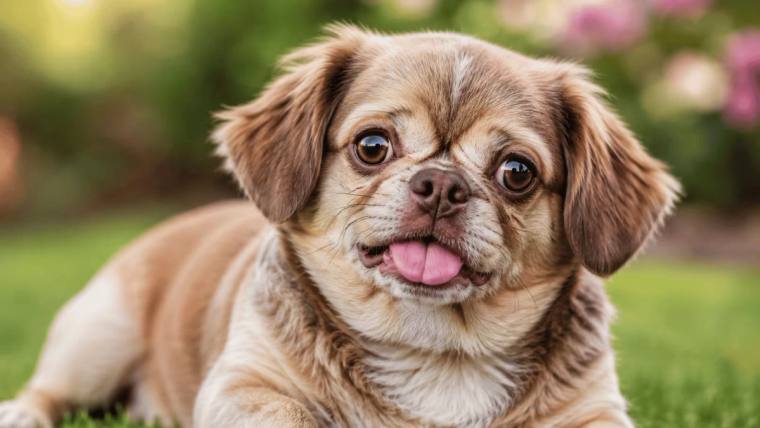
It happens all the time. Someone sees a dog with an unusual face or a slightly different way of moving and immediately starts wondering whether the dog has Down syndrome. The question gets searched thousands of times a month, and it spikes every time a photo of a distinctively looking dog goes viral. As someone who works closely with canine health and genetics, I understand why people land on that label. It is the most familiar reference point available. The actual answer, though, requires a bit more unpacking than a yes or no.
Can Dogs Have Down Syndrome?
From a clinical standpoint, no. Down syndrome is a specific chromosomal condition in humans caused by the presence of three copies of chromosome 21, rather than the usual two. That extra chromosome disrupts normal development in well-documented ways. The reason this condition cannot occur in dogs is straightforward: dogs have 39 pairs of chromosomes, while humans have 23. The chromosomes are numbered, structured, and organised completely differently across the two species. There is no canine equivalent of chromosome 21, so trisomy 21 as humans experience it simply has no parallel in dogs.
That said, this does not mean dogs are immune to chromosomal or genetic problems. They are not. Dogs can and do develop their own genetic abnormalities, some of which produce physical features and behavioural traits that genuinely resemble what people picture when they think of Down syndrome. Wide-set eyes, a flattened face, slow development, coordination difficulties. These things can and do occur in dogs, but they stem from entirely different underlying causes. Getting the cause right is what allows a vet to provide the right care, which is why the distinction matters beyond semantics.
Why People Think Some Dogs Have Down Syndrome
When a dog looks or behaves in a way that falls outside the norm, people naturally reach for the most recognisable explanation they know. Down syndrome fits the visual description well enough in many cases, so it sticks. This is the same impulse behind the way people react to certain intimidating-looking breeds — appearance shapes perception before any facts are considered. But what specific traits actually drive that comparison?
Unusual Facial Appearance
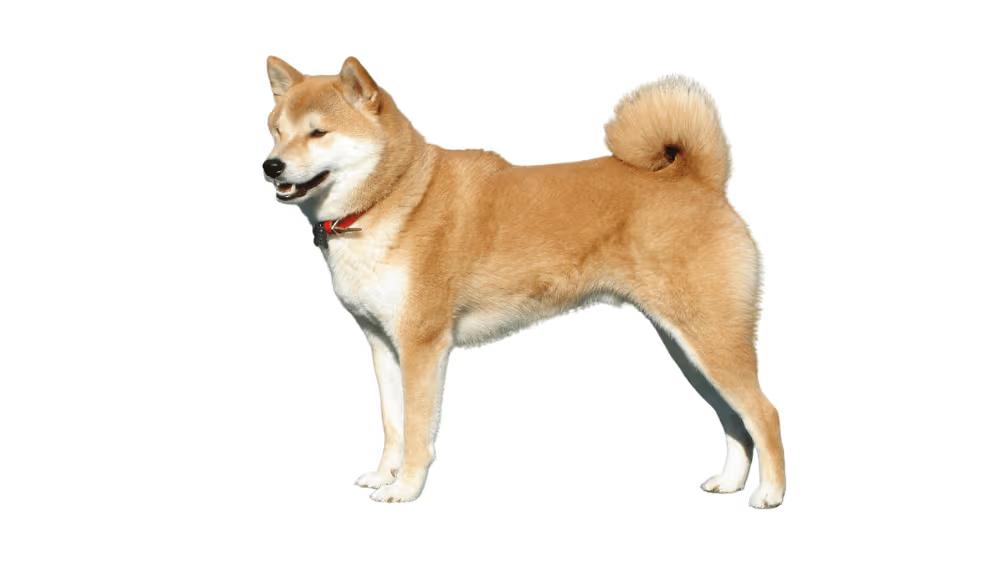
Some dogs are born with faces that differ noticeably from the standard look of their breed. Wide-set eyes, a flattened or shortened muzzle, a disproportionately small head, a tongue that rests permanently outside the mouth, or a neck that looks unusually short can all contribute to an appearance that reads as Down syndrome to an untrained eye. These features can arise from a wide range of causes, some minor and some significant. A short muzzle in a Pug is a breed characteristic, just as the pointed snout of a Shiba Inu or Pomeranian is simply what those breeds look like — as explored in this guide to domestic dogs that look like foxes. The same feature in a mixed-breed dog alongside other signs may point to something worth investigating.
Developmental Delays
A puppy that is slower to reach expected milestones, struggles to respond to its name, takes far longer than its littermates to learn basic commands, or seems generally less alert and engaged raises understandable concern. Owners searching for answers often land on Down syndrome because the pattern feels familiar. In practice, these signs are more likely to point to a neurological issue, a hormonal imbalance such as hypothyroidism, or a congenital problem that has nothing to do with chromosomes.
Balance and Coordination Problems
A dog that stumbles frequently, walks with an odd gait, seems clumsy on stairs, or struggles to control its movements can look as though something developmental is wrong. In many cases there is, but the cause tends to be neurological rather than chromosomal. Inner ear disorders, cerebellar abnormalities, and brain lesions are among the more common explanations for coordination problems in dogs, and each requires a different diagnostic and treatment approach.
Conditions That Can Be Mistaken for Down Syndrome in Dogs
Several real and diagnosable conditions produce the kinds of signs that get labelled as Down syndrome online. Understanding each one helps owners ask better questions and helps vets narrow things down more quickly.
Congenital Birth Defects
Congenital defects are present from birth and can affect virtually any body system. A dog may be born with structural abnormalities involving the heart, spine, skull, or limbs. The causes vary and can include genetic factors, nutritional deficiencies during pregnancy, toxic exposures, or problems during foetal development. The range of outcomes is equally wide. Some defects are minor and cosmetic, while others have significant consequences for health and longevity. A thorough examination shortly after birth is the best way to identify these early.
Hydrocephalus
Hydrocephalus is one of the conditions I see most commonly confused with Down syndrome, and it is worth explaining carefully. It occurs when cerebrospinal fluid accumulates abnormally inside the skull, creating pressure on the brain. The result is often a domed-shaped head, eyes that appear wide-set or angled slightly downward and outward, seizures, poor coordination, and behavioural changes including confusion and reduced responsiveness. Toy breeds and brachycephalic breeds such as Chihuahuas, Bulldogs, and Pugs are particularly vulnerable. Mild cases can sometimes be managed with medication, while more severe cases may require surgical intervention.
Pituitary Dwarfism
This condition arises when the pituitary gland fails to produce adequate growth hormone. Affected dogs remain significantly smaller than expected for their breed and often retain a puppy-like facial appearance well into adulthood. Their coats tend to be soft and woolly rather than developing into the adult coat typical of the breed, and their physical and cognitive development may lag behind. German Shepherds and Czechoslovakian Wolfdogs have a well-documented genetic predisposition to this condition. When caught early, hormone replacement therapy can make a real difference to the dog's development and quality of life.
Neurological Disorders
A range of neurological conditions can produce signs that overlap considerably with what people imagine Down syndrome to look like. Cerebellar hypoplasia causes coordination problems because the cerebellum, which governs movement control, does not develop fully. Epilepsy can cause behavioural changes and cognitive fog. Degenerative myelopathy affects the spinal cord and progressively impacts movement. Each of these conditions has a distinct profile, and distinguishing between them requires proper neurological assessment rather than visual judgement alone.
Genetic Abnormalities
Dogs can experience chromosomal abnormalities that do not correspond to any single named condition. Canine genetics is a field that is still developing, and some dogs with unusual presentations may have genetic changes that have not yet been fully characterised in the literature. Advanced genetic testing is becoming more accessible for dogs and can sometimes identify abnormalities even when a clear diagnosis has not been reached through clinical examination alone.
Symptoms Often Associated With Dogs and Down Syndrome Searches
The table below brings together the signs that most commonly prompt owners to search for Down syndrome in dogs, alongside the conditions that are more likely to be responsible.
| Possible Sign | May Be Linked To |
|---|---|
| Unusually small size | Growth hormone disorders, pituitary dwarfism |
| Wide-set or downward-slanting eyes | Hydrocephalus, congenital genetic variation |
| Slow learning or poor responsiveness | Neurological conditions, hypothyroidism |
| Poor coordination or clumsiness | Cerebellar disorders, brain abnormalities |
| Hearing difficulties | Congenital deafness, inner ear conditions |
| Vision problems | Congenital eye defects, genetic conditions |
| Persistent tongue protrusion | Dental or jaw abnormalities, macroglossia, neurological issues |
| Flattened facial features | Brachycephalic anatomy, congenital facial defects |
How Vets Diagnose Developmental Disorders in Dogs
When a dog presents with signs like these, the diagnostic process is not about finding a label that fits. It is about building a complete picture of what is happening so that the right support can be offered. Here is how that process typically unfolds.
It starts with a thorough physical examination and a detailed medical history. The vet will want to know when symptoms were first noticed, whether the dog was the smallest in the litter, and any available information about the parents. From there, blood panels help rule out metabolic causes such as thyroid dysfunction or nutritional deficiencies. Imaging studies, including X-rays and MRI scans, allow the brain and spine to be examined for structural abnormalities. A neurological assessment tests reflexes, sensory responses, and motor control. In cases where a hereditary or chromosomal cause is suspected, genetic testing may be recommended. It is not always conclusive, but it has become a genuinely useful tool in complex cases.
The goal throughout is not to attach a name to the dog's condition for its own sake. It is to understand what the dog is dealing with so that treatment decisions and care adjustments can be grounded in accurate information.
Caring for a Dog With Special Needs
Whether or not a diagnosis has been confirmed, caring for a dog with developmental or physical differences calls for some thoughtful adjustments to everyday life. The following areas are worth paying close attention to.
Nutrition
Dogs with growth disorders, hormonal conditions, or digestive sensitivities often have nutritional needs that differ from what is typical for their breed or size. Your vet can guide you on appropriate food types, portion sizes, and whether specific supplements are warranted. For owners who want more control over what goes into their dog's food, vet approved homemade dog food recipes can be a practical option worth exploring. If you occasionally offer human foods as extras, it is worth checking each one carefully first — something as seemingly harmless as dairy deserves a look, and our guide to whether dogs can eat cottage cheese is a useful example of how to think through those decisions. Do not rely on general breed feeding guidelines alone for a dog with known health differences, as those guides are built around healthy, typical animals.
Safe Home Environment
A dog with coordination problems or visual impairment benefits enormously from a home that minimises hazards. Non-slip mats on hard floors reduce the risk of falls. Baby gates at the top and bottom of stairs protect a dog that struggles with steps. Keeping furniture in consistent positions allows a dog to build a reliable mental map of its space. A comfortable, low-sided bed that is easy to get in and out of reduces physical strain at rest.
Gentle Exercise
Regular movement is important for physical and mental wellbeing, but exercise needs to be calibrated to what the dog can handle. Short, predictable walks on familiar routes tend to work better than long or unpredictable outings. Hydrotherapy and swimming are worth considering for dogs with joint or muscle issues, as water reduces the load on the body while still providing meaningful movement. Watch for signs of fatigue or pain during and after activity and adjust accordingly.
Routine Veterinary Care
Dogs with developmental conditions benefit from more frequent veterinary contact than a typical healthy dog. Conditions evolve over time, and regular monitoring gives the vet the opportunity to catch changes early. Keep vaccinations, parasite prevention, and dental care up to date. Do not wait for the next scheduled appointment if something seems off between visits. Early conversations are almost always more productive than late ones.
Patience and Training Approaches
A dog with cognitive delays or learning difficulties will not respond well to training methods that rely on speed or precision. Short sessions work better than long ones. Clear, consistent cues reduce confusion. Positive reinforcement with immediate rewards is the most effective tool available, and it applies as much to a dog with a developmental condition as to any other dog. Progress may be slower and the ceiling lower, but most dogs can learn something, and the process of training itself builds confidence and strengthens the bond between dog and owner.
Can Dogs With Developmental Disorders Live Normal Lives?
This is the question I hear most often from owners after a diagnosis, and it deserves a straightforward answer. It depends on the condition, how severe it is, and how well it is managed. There is no single answer that covers every dog in every situation.
What I can say with confidence is that many dogs with developmental differences live long, genuinely happy lives. Dogs do not carry the same psychological weight around their limitations that humans do. They are not aware of what they cannot do in the way a person might be. A dog that is safe, comfortable, stimulated, and loved tends to be a content dog regardless of what a diagnostic report says. The dogs I have seen thrive in these situations almost always have owners who adapted their expectations and their routines rather than trying to force the dog into a standard template.
Some conditions do carry a reduced life expectancy or ongoing health challenges, and it would not be honest to pretend otherwise. But the quality of daily life, for a dog, is shaped far more by the care it receives than by the diagnosis it carries.
Famous Viral Dogs Mistaken for Having Down Syndrome
Social media has introduced many people to dogs with unusual appearances, and the comment sections on these posts are full of well-intentioned but medically unsupported claims. A dog with a wide face, prominent tongue, or slow movements gets labelled as having Down syndrome, the post is shared thousands of times, and the label becomes part of the dog's public identity whether or not it reflects anything real.
In most of these cases, no veterinary diagnosis was ever made or shared publicly. The label comes from visual pattern matching by people who have no clinical information about the animal. That is not a criticism of those people. They are doing what humans naturally do. But it reinforces the importance of separating what a dog looks like from what a dog actually has. An appearance can suggest that something is worth investigating. It cannot confirm what that something is.
Worth remembering: If you have seen a viral dog described as having Down syndrome, that description almost certainly came from a caption or comment rather than a vet. If your own dog shares similar traits, the right move is a consultation with your vet, not a search for a matching photo online.
When You Should Contact a Vet
Some signs should prompt a vet visit without delay rather than a period of monitoring at home. Sudden changes in behaviour or personality in a dog that was previously stable are always worth taking seriously. This includes things like a sudden urge to eat grass compulsively, which can signal digestive discomfort or anxiety — something we cover in detail in why dogs suddenly eat grass so much. A new loss of balance or coordination in an otherwise steady dog deserves prompt attention. Any seizure activity, whether brief or prolonged, requires investigation. Difficulty eating or swallowing, especially in a young dog, can signal a structural problem that needs assessment early. In puppies, significant developmental delays compared to littermates are a clear reason to get a professional opinion sooner rather than later. When in doubt, contact your vet. A phone call to describe what you are seeing costs nothing and may save significant time.
Final Thoughts
Dogs cannot develop Down syndrome in the way humans do. The chromosomal biology simply does not work that way across species. But dogs can and do develop genetic and developmental conditions that produce traits people recognise from their understanding of Down syndrome, and those conditions are real, diagnosable, and in many cases manageable with the right care.
The most useful thing any owner can do when they notice something unusual about their dog is to resist the urge to find a label online and instead find a vet who can actually examine the animal. Understanding what is genuinely going on opens the door to appropriate treatment, realistic expectations, and a care plan that fits the dog in front of you. Special-needs dogs ask for the same things every dog asks for: consistency, safety, affection, and someone paying attention. That part, at least, is straightforward.
FAQ Section: Questions You Might Have
Not in the clinical sense that humans experience it. Down syndrome results from an extra copy of chromosome 21, which is a human chromosomal condition. Dogs have 39 pairs of chromosomes structured entirely differently from human chromosomes, so the same trisomy cannot occur. Dogs can develop other chromosomal and genetic abnormalities that produce some similar-looking traits, but these are separate conditions that require their own diagnosis and approach.
Several conditions can produce features that people visually associate with Down syndrome. Hydrocephalus, pituitary dwarfism, congenital birth defects, and various neurological disorders can all cause wide-set eyes, flattened facial features, coordination problems, or delayed development. Some dogs also simply have natural variation in their appearance that falls outside the typical range for their breed. A proper vet examination is the only reliable way to find out what is actually going on.
It depends entirely on the specific condition. Many developmental disorders cause no pain whatsoever. Others can lead to discomfort if they involve joint problems, increased pressure within the skull, or progressive degeneration of nerves or organs. Your vet is best placed to assess whether your dog is experiencing discomfort and to advise on pain management options if they are needed. Regular check-ins help catch changes in comfort level early.
Many can be managed effectively, even if a complete cure is not always possible. Pituitary dwarfism responds well to hormone replacement therapy when diagnosed early. Hydrocephalus can be managed with medication to reduce fluid pressure or, in more serious cases, with surgery. Neurological conditions are often supported through medication, physiotherapy, and environmental modifications. The key is getting an accurate diagnosis so that the most appropriate treatment plan can be put in place.
Many do. Dogs with mild or well-managed conditions often live full, happy lives well into old age. Others with more complex or progressive conditions may have a shorter lifespan, though this varies considerably depending on the nature of the condition and the care provided. Good veterinary management, a safe home environment, appropriate nutrition, and attentive ownership all contribute meaningfully to how well a special-needs dog does over time.
Yes, certain breeds carry higher risks for specific conditions. Brachycephalic breeds including Bulldogs, Pugs, and Chihuahuas have an elevated incidence of hydrocephalus due to their skull structure. German Shepherds and related breeds are disproportionately affected by pituitary dwarfism. Breeds that have been selectively bred for extreme physical traits over many generations tend to carry more congenital health risks in general. Choosing a reputable breeder who conducts health testing on breeding dogs can help reduce the likelihood of inherited conditions.