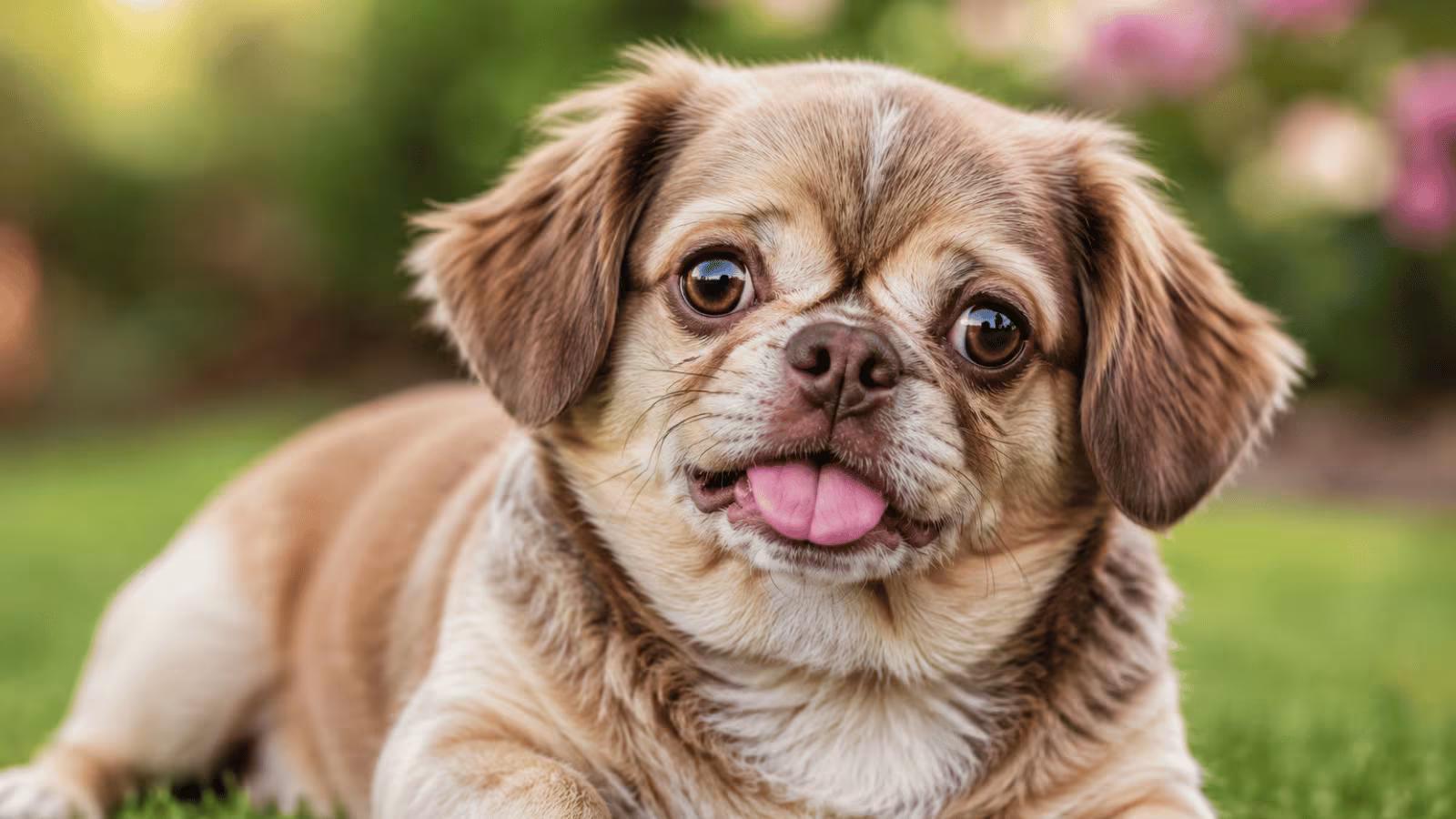
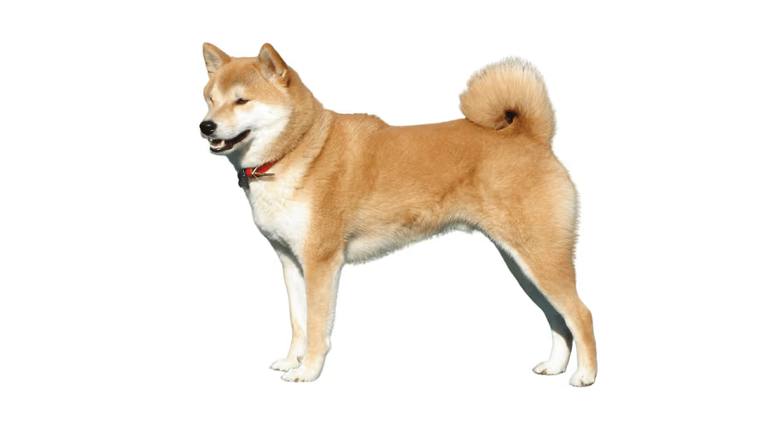
There is something genuinely captivating about a dog that carries the look of a wild fox. The narrow face, the perked ears, the thick tail curling up over the back — it all adds up to an appearance that feels slightly untamed, even when the dog in question is happily napping on your sofa. People are drawn to that combination: the aesthetic of wildlife paired with the warmth and loyalty of a domestic companion.
Foxes have a reputation for looking clever and alert, and that is part of the appeal. But foxes are wild animals. They have entirely different needs, instincts, and social structures compared to dogs. What people really want, in most cases, is a dog that looks like a fox but behaves like a dog. Fortunately, there are quite a few breeds that deliver exactly that.
The resemblance between certain dogs and foxes is not coincidental. Both belong to the family Canidae, which means they share a common ancestry stretching back millions of years. That shared lineage explains why so many physical features overlap. But dogs and foxes are still distinct species, and the similarities are largely a product of convergent physical traits rather than close genetic kinship.
This article covers the most well-known domestic dogs that look like foxes, what makes each of them visually similar to their wild counterparts, and what it is actually like to own one.
Why Do Some Dogs Look Like Foxes?
The answer lies mostly in the Spitz family of dogs. Spitz breeds are some of the oldest domesticated dog types in the world, and they consistently share a set of physical characteristics that also happen to appear in foxes. Upright, triangular ears. A pointed muzzle. Thick double coats. A tail that curls or arches over the back. Almond-shaped eyes that give them a watchful, perceptive expression. These traits are common across breeds like the Shiba Inu, Finnish Spitz, Pomeranian, and several others.
Foxes evolved these same features through completely separate pressures in the wild. Their upright ears help them pick up sounds from great distances. Their narrow muzzle is suited to hunting small prey. Their thick fur protects them through harsh winters. The fact that certain dog breeds ended up with similar traits is partly a coincidence of evolution and partly the result of humans selectively breeding dogs that thrived in cold, rugged environments where those same features were useful.
Coat colour also plays a big role in the visual comparison. Red, orange, sable, and tan coats are common among fox-like dog breeds, and those warm tones immediately bring foxes to mind. Some breeds even carry white markings on the chest, legs, and face in patterns that are strikingly similar to the red fox's typical colouring.
Beyond the Spitz group, a few non-Spitz breeds have ended up looking fox-like through their own distinct physical traits. The Pembroke Welsh Corgi, for example, is not a Spitz but has a facial structure and colouring that regularly draws comparisons to foxes. The Basenji from Central Africa has large upright ears and a lean, alert expression that reads as fox-like despite being a very different type of dog altogether.
Domestic Dogs That Look Like Foxes
Shiba Inu
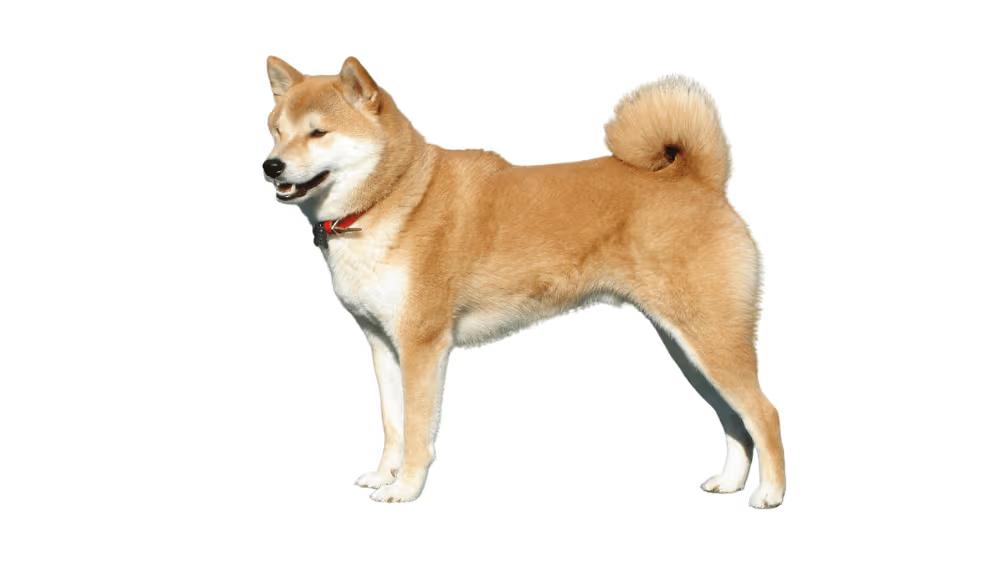
The Shiba Inu is probably the first breed that comes to mind for most people when they think about dogs that look like foxes. Originating in Japan, this breed was developed for hunting in mountainous terrain, and its compact, athletic build reflects that history. Shibas typically stand between 13 and 17 inches tall and weigh anywhere from 17 to 23 pounds, making them a medium-small breed with a sturdy, confident presence.
The resemblance to a fox is striking. Shibas have a pointed muzzle, small upright ears set wide on the skull, and deeply set eyes that carry an expression best described as self-assured. Their coat comes in red, sesame, black and tan, or cream, and the red variety in particular looks almost identical to a red fox at a glance. They also carry the characteristic Spitz tail, thick and curling upward over the back.
In terms of personality, Shibas are not the easiest dogs for first-time owners. They are independent, sometimes stubborn, and have a strong prey drive. They are also remarkably clean animals with a cat-like fastidiousness about their grooming. They tend to bond closely with their primary person but can be reserved around strangers. Training a Shiba requires patience and consistency because they respond poorly to harsh methods but can be persuaded with the right motivation. Life expectancy runs from 13 to 16 years, and their double coat requires brushing a few times a week with heavier shedding in spring and autumn.
Finnish Spitz
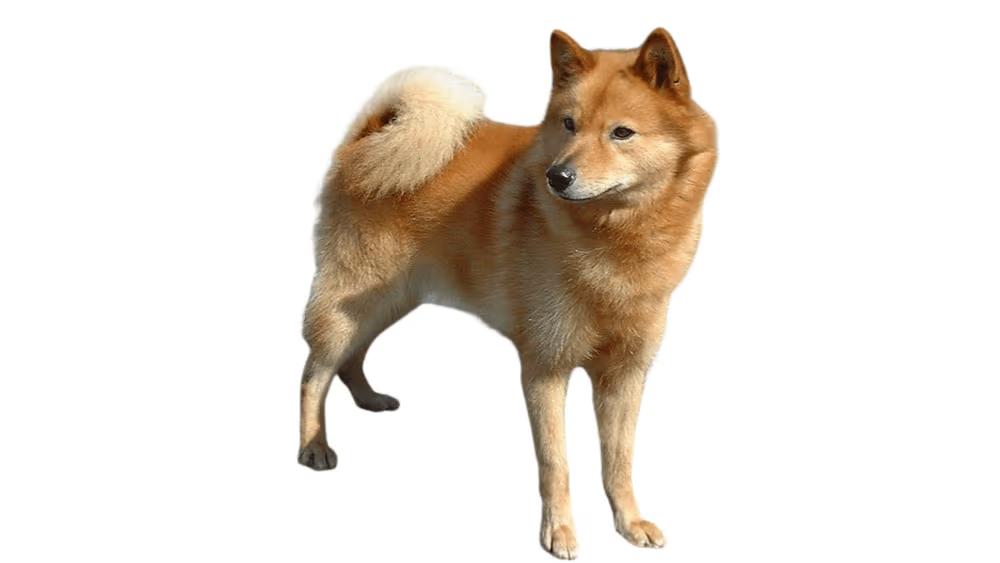
The Finnish Spitz is the national dog of Finland and was bred to hunt birds by pointing and barking to alert hunters. That barking instinct is deeply ingrained and something anyone considering this breed needs to understand upfront. They are known as "bark pointers," and they can be extremely vocal.
Standing 15 to 20 inches tall and weighing 20 to 35 pounds, the Finnish Spitz has a golden-red to honey-coloured coat that is one of the most fox-like of any breed. The coat is dense and stand-off, meaning it does not lie flat but fans out slightly, giving the dog a full, luxurious look. The muzzle is pointed, the ears upright and sharply defined, and the tail curls tightly over the back in classic Spitz fashion. When you see one moving through a field, the fox comparison is immediate.
They are lively, friendly, and intelligent, but their independence can make training a challenge. They do well with active families and tend to get along with children and other dogs, though the hunting instinct means small animals may not be safe around them. Life expectancy is typically 13 to 15 years. Their coat needs regular brushing to prevent matting and to manage shedding.
Pomeranian
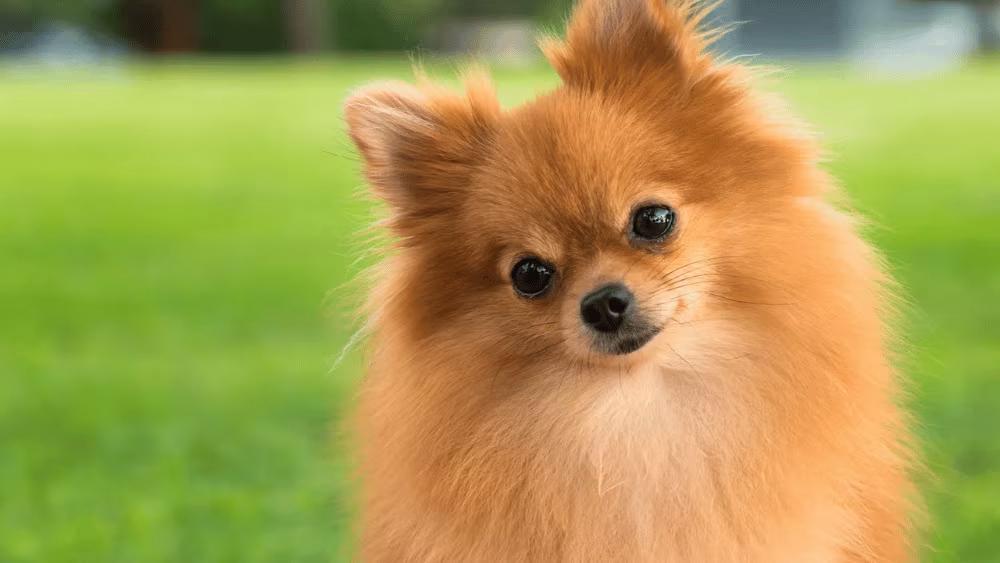
The Pomeranian packs an enormous amount of fox-like appearance into a very small package. These dogs typically weigh between 3 and 7 pounds and stand no more than 7 inches tall, yet their thick double coat, pointed muzzle, and large upright ears give them a presence well beyond their size.
The classic orange or red Pomeranian is the one most people compare to a fox, and it is easy to see why. The coat fans out dramatically around the neck and chest, the face is sharp and foxy, and those small triangular ears sit alert at the top of the skull. They look like tiny foxes wandering around someone's living room.
Personality-wise, Pomeranians are bold and lively with a level of self-confidence that does not match their size at all. They are curious, playful, and tend to be quite vocal. They can be a little suspicious of strangers but warm up readily enough once comfortable. Training them is generally achievable but requires patience because they can be stubborn. They are intelligent dogs and respond well to positive reinforcement. Life expectancy is 12 to 16 years, and their coat requires regular brushing to prevent tangles, with professional grooming every few months keeping them looking their best.
Volpino Italiano
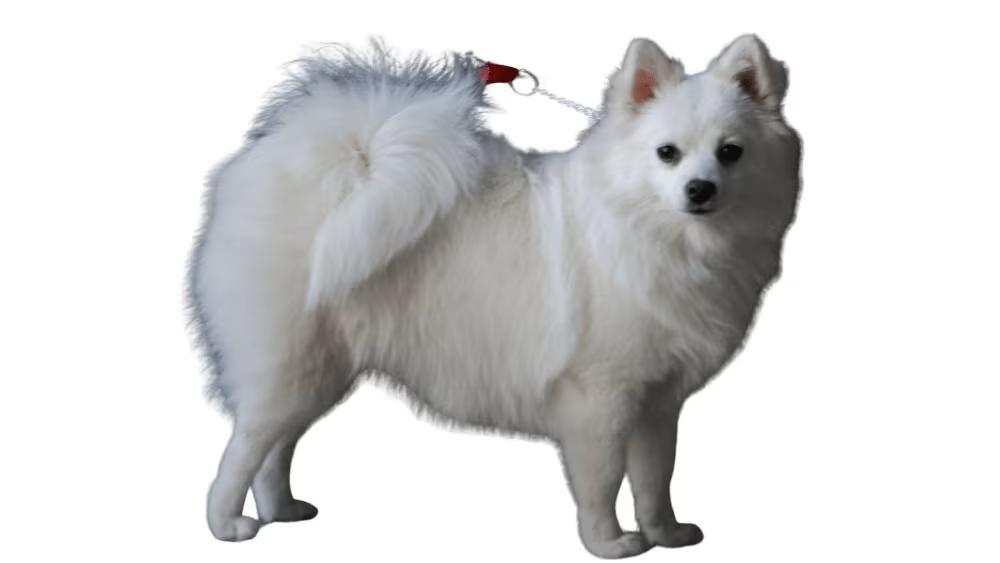
The Volpino Italiano is a breed that many people outside Italy have never encountered, which is a shame because it is one of the most visually interesting fox-like dogs around. The name itself translates roughly to "little Italian fox," which tells you everything you need to know about how Italians themselves see this breed.
These are small dogs, usually weighing between 9 and 14 pounds and standing around 10 to 12 inches tall. Their coat is long, fluffy, and white in most cases, though other colours exist. The face is sharp and narrow, framed by that characteristic Spitz ruff around the neck, and the tail curls up over the back like a plume. While the white coat differs from a typical fox's colouring, the facial structure and body shape are unmistakably fox-like.
Volpinos are energetic, alert, and deeply devoted to their families. They have been kept as companion dogs for centuries in Italy, including among Italian nobility. They can be vocal watchdogs and are quite playful. Training them is generally manageable since they are eager to engage, though their independent streak requires a consistent approach. They tend to live 14 to 16 years, which is a long commitment, and their coat needs regular brushing to stay in good condition.
Icelandic Sheepdog
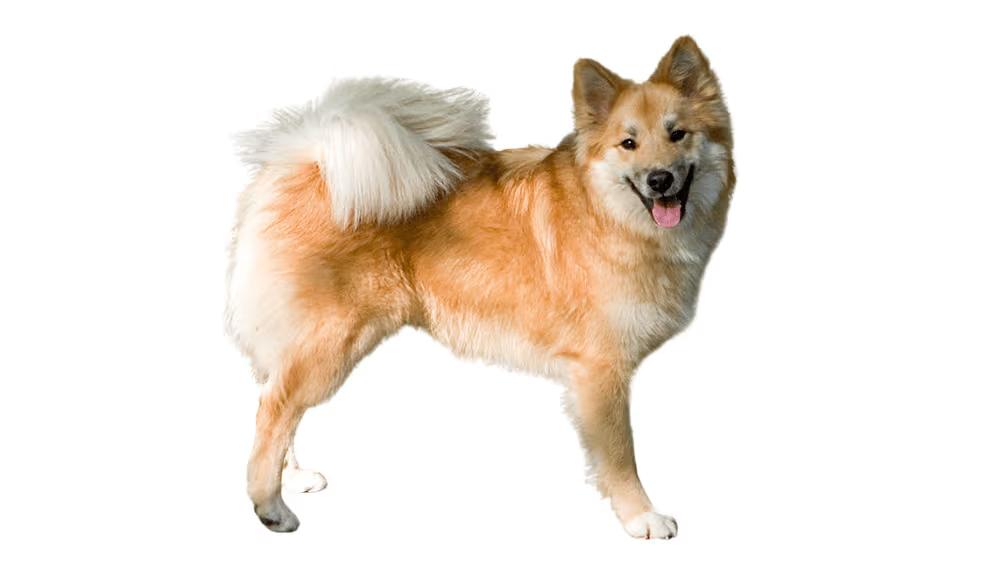
The Icelandic Sheepdog is Iceland's only native dog breed and has been herding sheep on the island for over a thousand years. It is a medium-sized Spitz with a friendly, cheerful temperament that makes it one of the more approachable fox-like breeds on this list.
They stand around 16 to 18 inches tall and weigh 20 to 30 pounds. Their coat can be either short or long and comes in a wide range of colours including sable, gold, red, and black and white combinations. The face has that classic Spitz structure: upright ears, pointed muzzle, bright almond-shaped eyes. Their tail is thick and curves over the back. The warmer-coloured versions especially carry a noticeable fox resemblance.
What sets Icelandic Sheepdogs apart in personality is their remarkably outgoing and friendly nature. They are enthusiastic about pretty much everything, tend to get along well with children and other animals, and are eager to please. They are one of the more trainable breeds on this list. They do have a herding instinct and can be quite active, so regular exercise is important. Life expectancy is around 12 to 14 years, and their double coat needs brushing a couple of times a week.
Japanese Spitz
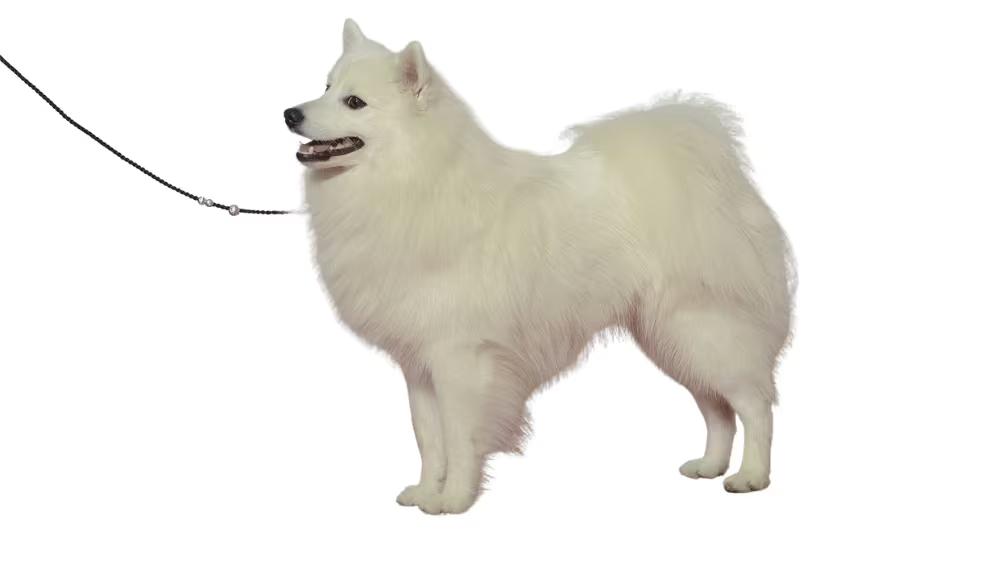
The Japanese Spitz looks almost like a miniature Samoyed: pure white, fluffy, and with a cheerful expression. Standing 12 to 15 inches tall and weighing 11 to 20 pounds, this breed has the classic Spitz build combined with a striking bright white coat.
The fox-like quality here is more about structure than colour. The pointed muzzle, the upright ears, and the alert, intelligent expression all carry that sharp, observant look associated with foxes. The tail curls up over the back in the Spitz tradition, and when you look at the face, there is no mistaking the family resemblance to other Spitz breeds that more closely match the fox in colouring.
Japanese Spitz dogs are friendly, playful, and affectionate with their families. They can be a bit wary with strangers at first but warm up quickly. They are intelligent enough to train without too much difficulty and respond well to positive methods. Despite their fluffy appearance, their coat is surprisingly low-maintenance since the texture tends to repel dirt. A good brush a couple of times a week is usually enough. Life expectancy is around 12 to 14 years.
Alaskan Klee Kai
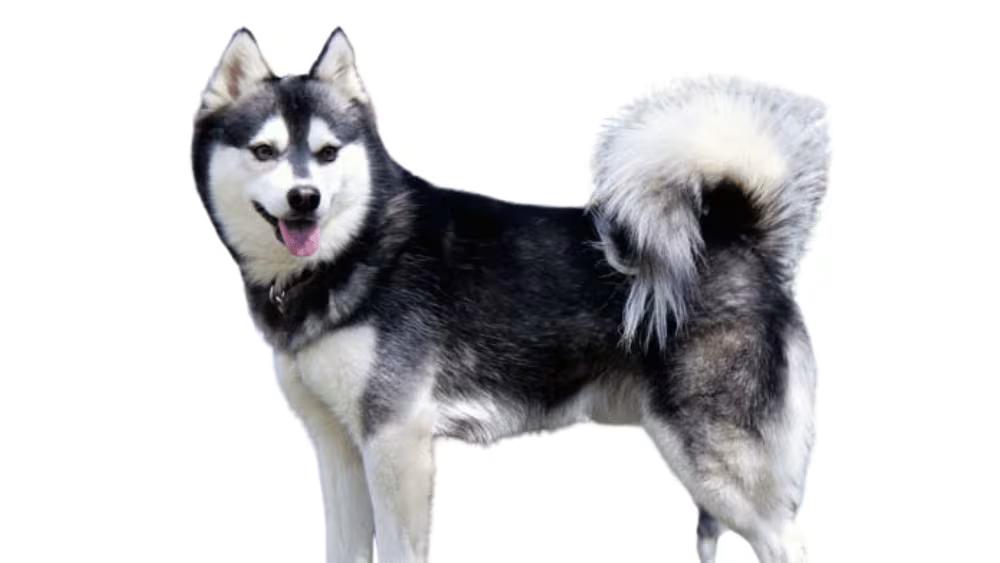
The Alaskan Klee Kai is essentially a miniaturised Husky, developed in Alaska in the 1970s and 1980s as a companion-sized version of the working sled dog. They come in three size categories: toy (up to 13 inches), miniature (13 to 15 inches), and standard (15 to 17 inches), with weights ranging from around 6 to 22 pounds depending on size.
Their resemblance to foxes comes from their sharp, striking facial structure: a well-defined muzzle, large upright ears, and the masked face pattern that gives them an almost theatrical appearance. Coat colours include black and white, grey and white, and red and white, with the latter being the most fox-like combination. Their eyes are often blue, brown, or one of each, which adds to the wild, striking look.
Klee Kais are energetic, intelligent, and deeply bonded to their owners, but they can be reserved or cautious with strangers. They are not dogs for a casual owner since they require significant mental stimulation and physical activity to stay out of trouble. They can be vocal and occasionally destructive if under-stimulated. Training is generally successful with patience and positive methods. Life expectancy is 12 to 16 years, and their coat requires regular brushing especially during shedding season.
Pembroke Welsh Corgi
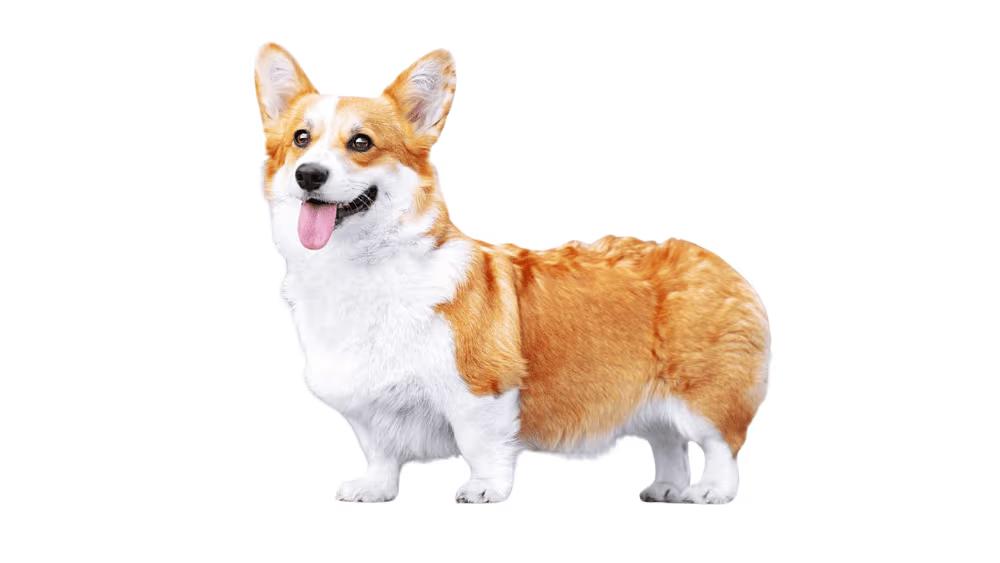
The Pembroke Welsh Corgi is an unusual entry on this list because it is not a Spitz at all. It belongs to the herding group and has a completely different ancestral background. Yet the fox comparison comes up constantly with Corgis, and it is not hard to understand why.
Corgis stand about 10 to 12 inches tall and weigh 20 to 30 pounds, with a long body on short legs. Their colouring, particularly the fawn, red, and sable varieties, closely matches the warm tones of a red fox. The facial structure also contributes: a pointed muzzle, large upright ears set wide, and bright, alert eyes give the Corgi a face that reads as distinctly fox-like. Queen Elizabeth II famously kept Corgis for decades, and the breed has become one of the most recognised in the world.
Their personality is cheerful, energetic, and surprisingly bossy for such a small dog. Corgis were bred to herd cattle and have the confidence to match. They are intelligent, highly trainable, and generally get along well with families. They do need regular exercise despite their short legs and can become vocal if under-stimulated. Life expectancy is 12 to 13 years, and their medium-length coat sheds fairly heavily, requiring regular brushing.
Basenji
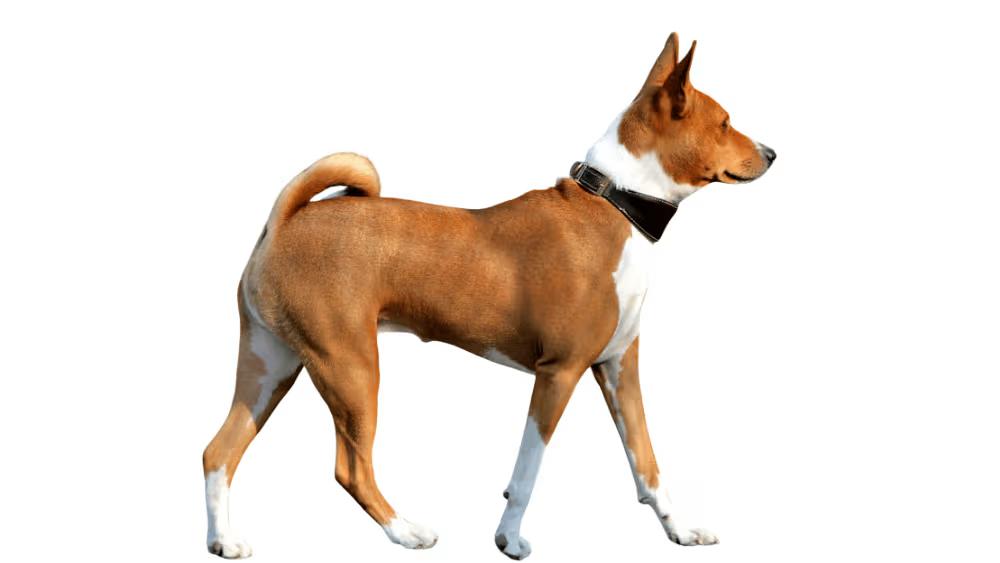
The Basenji is one of the oldest known dog breeds, originating in Central Africa where it was used for hunting. It is often called the "barkless dog" because it does not bark in the conventional sense but instead produces a yodel-like sound called a barroo. Standing around 16 to 17 inches tall and weighing 22 to 24 pounds, the Basenji is lean, athletic, and elegant.
The fox resemblance comes from the large, upright ears, the fine-boned, narrow head, and the overall alertness of expression. Basenjis come in red and white, black and white, brindle, and tricolour, with the red and white combination being the most fox-like. They also groom themselves obsessively, much like cats, and have virtually no dog odour, which makes them popular among people who want a dog but dislike the smell.
Basenjis are independent, curious, and mischievous. They have a strong prey drive and will chase anything that moves, so a secure garden is essential. Training them requires creativity because they are highly intelligent but also easily bored and not particularly motivated to please. They are better suited to experienced dog owners. Life expectancy is around 13 to 14 years, and their short coat is extremely low-maintenance.
Schipperke
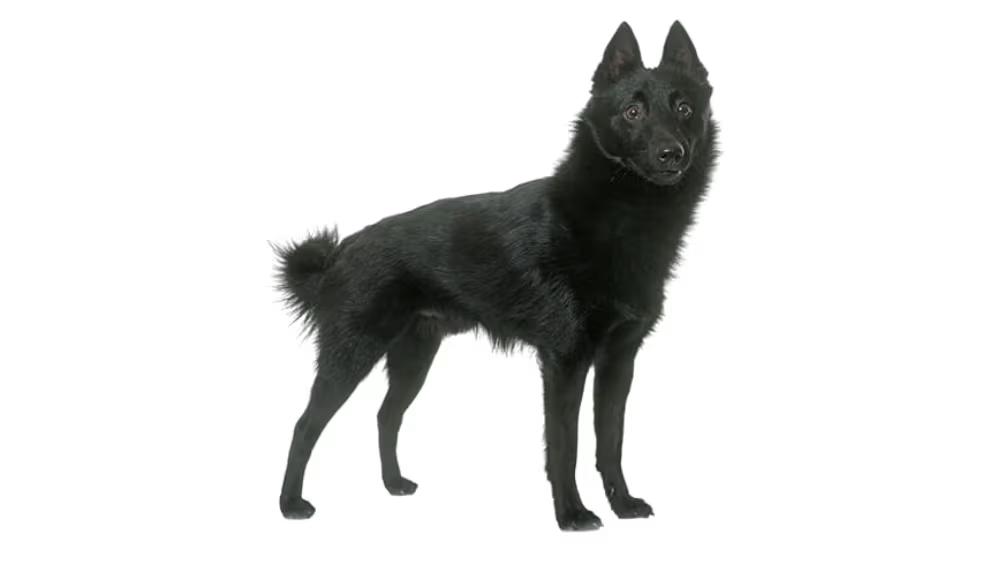
The Schipperke is a small Belgian breed that was originally used on canal barges to control rats. Standing around 10 to 13 inches tall and typically weighing 10 to 16 pounds, the Schipperke is almost always black, though other colours exist. The solid black coat combined with the small, pointed face and upright ears gives it a distinctly fox-like silhouette even without the typical warm colouring.
Their small, pointed muzzle and alert expression are the main visual connections to the fox. They have a thick ruff of fur around the neck that frames the face nicely, and the overall compact, rounded shape of the body combined with that sharp face creates an impression of a small animal with big ideas.
Schipperkes are lively, curious, and tenacious. They are confident dogs that rarely seem to realise how small they are. They can be stubborn and have a mischievous streak, but they are also loyal and alert, making them good watchdogs. They need regular exercise and mental stimulation to stay well-behaved. Life expectancy is typically 13 to 15 years, and their coat requires moderate grooming.
Keeshond
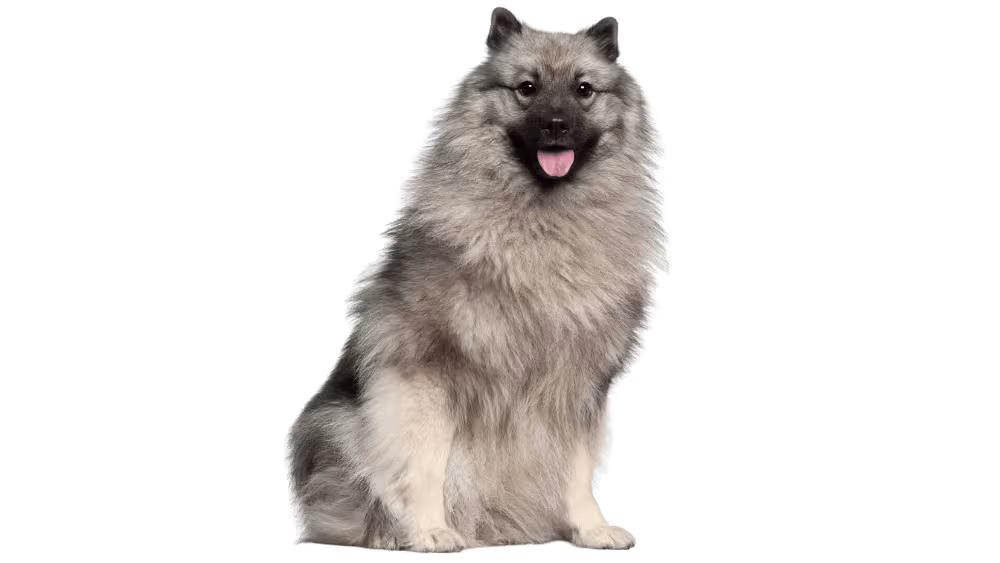
The Keeshond is a medium-sized Dutch Spitz breed that was traditionally kept on barges as a companion and watchdog. Standing 17 to 18 inches tall and weighing 35 to 45 pounds, the Keeshond has one of the most distinctive coats of any breed on this list: a thick, dense, silver and black double coat with characteristic spectacle markings around the eyes.
The fox resemblance in the Keeshond is found in the facial structure: a narrow muzzle, upright ears, and an alert, intelligent expression. The tail curls in classic Spitz fashion. The overall impression is of a very fluffy, dignified dog with a sharp, attentive face.
Personality-wise, Keeshonds are outgoing, affectionate, and friendly with just about everyone. They are sometimes called "people dogs" for their love of human company. They are intelligent and generally easy to train, and they tend to do well with families including children. They can be vocal and require regular grooming to maintain their thick coat. Life expectancy is around 12 to 15 years.
Indian Spitz
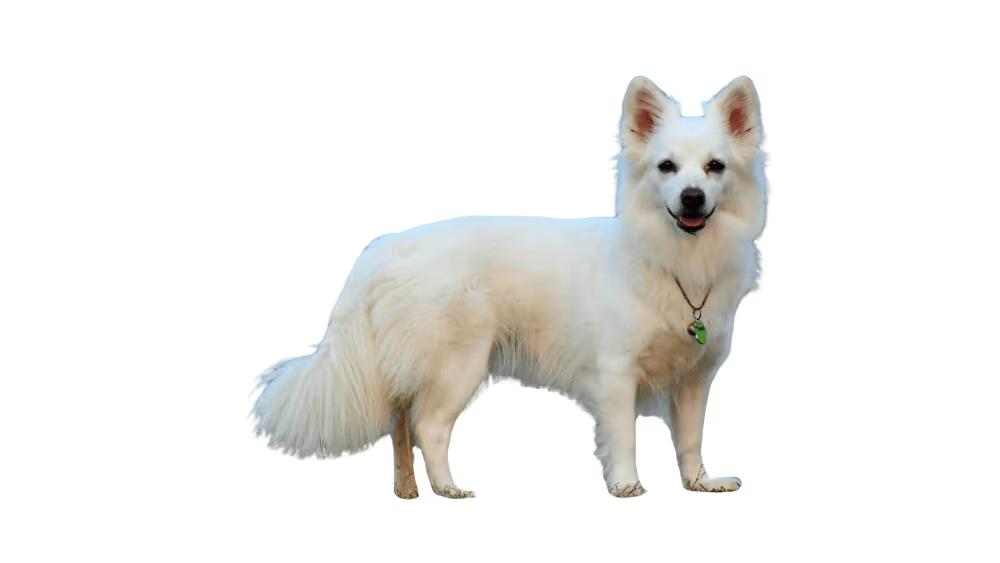
The Indian Spitz is closely related to the German Spitz and is one of the most popular dog breeds in India. It was developed during British rule as an adaptation of imported German Spitz dogs to better suit the Indian climate. They come in two sizes: the smaller variety stands around 8 to 10 inches and weighs 5 to 7 pounds, while the larger variety reaches up to 18 inches and 15 to 20 pounds.
Their appearance is strongly Spitz: white or cream coat, pointed muzzle, upright ears, and a thick, fluffy tail carried over the back. The fox comparison here is more about shape and expression than colouring, similar to the Japanese Spitz. The alert, sharp-featured face is the giveaway.
Indian Spitz dogs are known for being adaptable, playful, and good with families. They are lively and curious but not overly demanding in terms of exercise. They tend to be vocal and make good watchdogs. Training is generally straightforward with positive reinforcement. Life expectancy is around 12 to 14 years, and their coat needs regular brushing to prevent matting.
Akita
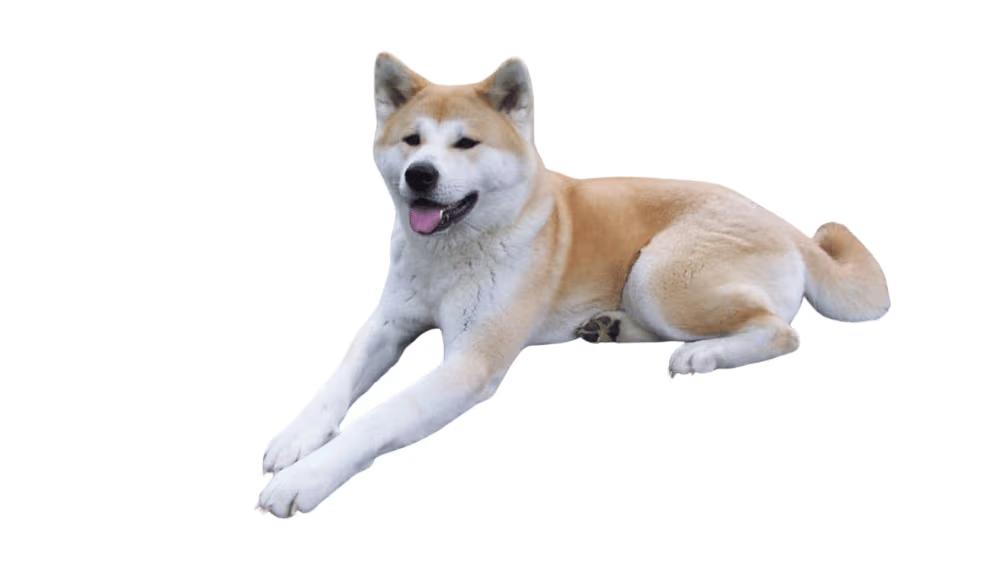
The Akita is a large, powerful Japanese breed with a history as a hunting and guard dog. They stand 24 to 28 inches tall and weigh 70 to 130 pounds, making them significantly bigger than most breeds on this list. Their fox-like quality is found in the broad, bear-like head combined with small, upright, forward-angled ears and a thick Spitz tail curling over the back.
The resemblance to a fox is subtler in the Akita than in smaller Spitz breeds. The face is broad rather than narrow, but the ears, the expression, and the coat texture all carry that wild Canidae look. Their coat can come in various colours including red, sesame, brindle, and white, with the red and sesame shades being the most fox-like.
Akitas are dignified, loyal, and deeply devoted to their families but can be aloof or even unfriendly toward strangers. They are not dogs for inexperienced owners. They require confident handling, early socialisation, and consistent training. They tend to be dominant with other dogs, particularly of the same sex. Life expectancy is 10 to 13 years, and their thick double coat requires regular grooming.
Korean Jindo
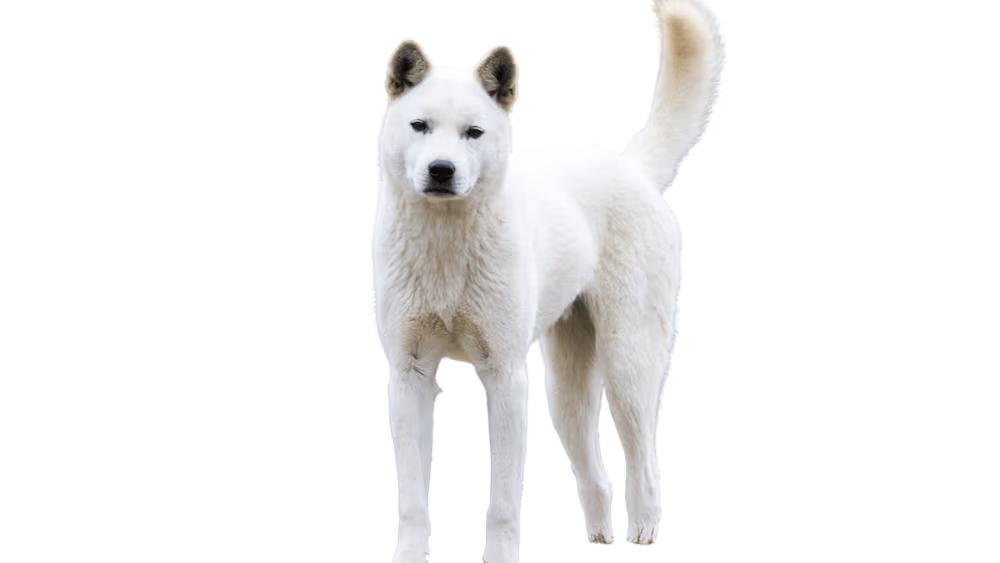
The Korean Jindo is a hunting dog from Jindo Island in South Korea and is considered a national treasure there. Standing 18 to 22 inches tall and weighing 30 to 50 pounds, the Jindo is a medium-sized breed with a lean, athletic build and a refined, clean look.
The fox comparison is strong in the Jindo. The face is narrow and refined with upright ears, almond-shaped eyes, and a composed, watchful expression. Coat colours include white, fawn, red, brindle, and black and tan, with the fawn and red varieties especially echoing the fox in appearance. The tail curls over the back in the Spitz manner.
Jindos are loyal almost to a fault with their primary family but intensely suspicious of strangers and new animals. They are highly intelligent, very clean, and have a strong hunting instinct. They are known for their ability to find their way home over extraordinary distances, which speaks to their sharp senses and independent nature. They require experienced owners and good fencing. Life expectancy is 14 to 15 years, and grooming needs are moderate.
German Spitz
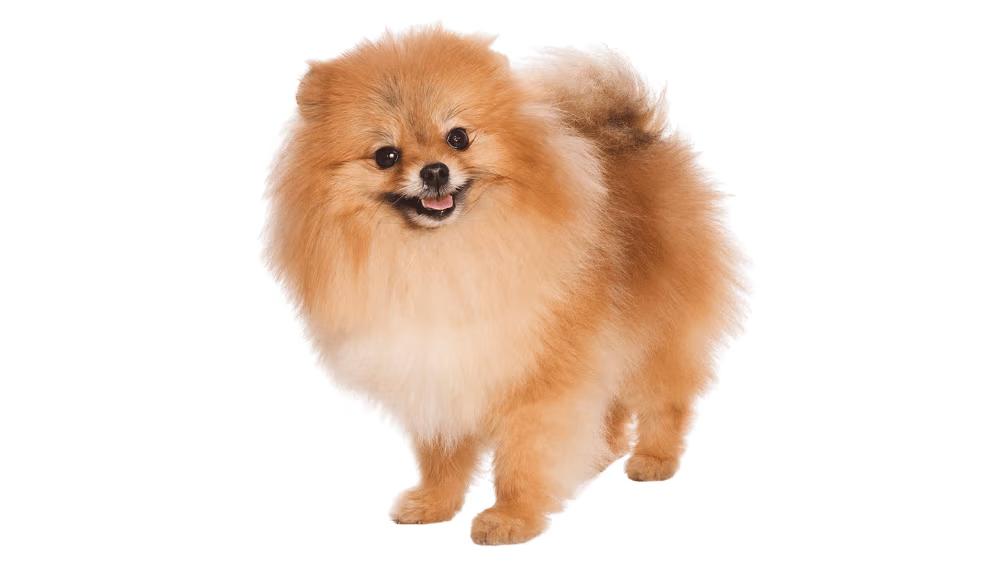
The German Spitz is the direct ancestor of many of the breeds on this list and comes in five size varieties: Wolfsspitz (Keeshond), Giant, Standard, Medium, and Toy. The Standard German Spitz stands around 12 to 15 inches tall and weighs 15 to 25 pounds. Coat colours include white, black, brown, orange, grey, and various combinations.
Like all Spitz breeds, the German Spitz has a pointed muzzle, upright ears, and a heavily plumed tail carried over the back. The fox resemblance is particularly strong in the orange and red colour variants. The face is sharp, alert, and full of expression.
German Spitz dogs are lively, curious, and devoted to their families. They can be a bit stubborn but are generally trainable with patience. They tend to be vocal and make good watchdogs. Their thick double coat requires regular brushing, especially during shedding season. Life expectancy is around 13 to 15 years.
Small Dogs That Look Like Foxes
For people living in apartments or smaller homes, the good news is that some of the most fox-like dogs are also among the smallest. The Pomeranian is an obvious choice: compact, manageable in a smaller space, and visually one of the most fox-like breeds you can find. They do bark, which is worth considering for apartment living, but they are otherwise well-suited to indoor life as long as they get daily walks and some playtime.
The Volpino Italiano and the Indian Spitz (smaller variety) are also worth considering. Both are small enough for apartment living, have that characteristic pointed Spitz face and upright ears, and are energetic without being overwhelming. The Japanese Spitz, slightly larger but still a manageable size, is another option. Its white coat may not match the fox's typical colouring, but the structural similarity is clear.
The Toy German Spitz falls into the small category and is directly related to the Pomeranian in ancestry. The Schipperke, while not technically a Spitz, is compact and fox-like in its facial structure and is manageable in smaller spaces with adequate exercise.
Large Dogs That Look Like Foxes
If you want a larger fox-like dog, the Akita is the most prominent example. It is a big, powerful animal with that distinctive Spitz structure, and the larger build gives it an imposing presence. The Korean Jindo is a medium-large dog with a refined, fox-like face. The Keeshond sits in the medium range but carries more mass than its height suggests due to its thick coat.
The Icelandic Sheepdog and the Finnish Spitz both sit in the medium category and offer a more accessible size for owners who want something bigger than a Pomeranian but more manageable than an Akita. These breeds also tend to have more sociable personalities than the larger, more independent types like the Akita or Jindo, making them more suitable for families who want an active but approachable companion.
Are Fox Looking Dogs Good Family Pets?
The answer depends heavily on the specific breed. As a general group, fox-like dogs have enough variation in temperament that there is no single answer. Some, like the Icelandic Sheepdog, Finnish Spitz, and Keeshond, are outgoing, friendly, and well-suited to family life including children and other pets. Others, like the Shiba Inu, Akita, or Korean Jindo, are more independent and can be harder to manage in a busy household.
Most of these breeds have at least some prey drive, which is worth factoring in if you have cats, rabbits, or other small animals at home. Early socialisation makes a significant difference in how well these dogs accept other animals, but the instinct is never fully eliminated in hunting breeds.
Energy levels across this group range from moderate to high. Very few fox-like dogs are couch potatoes. Most were bred for active work of some kind, whether hunting, herding, or guarding, and they bring that energy to domestic life. Regular exercise is not optional for these breeds; it is genuinely important for their wellbeing and for keeping destructive behaviour in check.
Training varies considerably. The smaller Spitz breeds can be trained effectively with patience and the right motivation. Larger or more independent breeds like the Akita and Basenji require more experience and a clear, consistent approach. For first-time dog owners, breeds like the Japanese Spitz, Icelandic Sheepdog, or Pembroke Welsh Corgi are generally more forgiving choices within the fox-like category.
Apartment living is possible for some of these breeds, particularly the smaller ones, but most fox-like dogs will be happier with access to outdoor space. The key is exercise; a dog that gets adequate daily activity will settle indoors regardless of size.
Dogs That Look Most Like a Red Fox
The following comparison gives a quick overview of how closely different breeds match the red fox's appearance and suitability as family pets:
| Breed | Size | Fox Similarity | Energy Level | Family Friendly |
|---|---|---|---|---|
| Shiba Inu | Small-Medium | Very High | High | Moderate |
| Finnish Spitz | Medium | Very High | High | Good |
| Pomeranian | Small | High | Moderate-High | Good |
| Pembroke Welsh Corgi | Small-Medium | High | High | Very Good |
| Alaskan Klee Kai | Small-Medium | High | Very High | Moderate |
| Korean Jindo | Medium | High | High | Moderate |
| Volpino Italiano | Small | Moderate-High | Moderate-High | Good |
| German Spitz | Small-Medium | Moderate-High | Moderate | Good |
| Basenji | Medium | Moderate | High | Moderate |
| Akita | Large | Moderate | Moderate | Lower |
Can Dogs and Foxes Breed Together?
No, dogs and foxes cannot breed together. Despite being in the same family (Canidae) and sharing some physical similarities, they are entirely different species with different chromosome counts. Dogs have 78 chromosomes, while red foxes have 34. This genetic incompatibility makes reproduction biologically impossible, regardless of what myths or internet stories might suggest.
There is a persistent rumour, particularly around the Pomeranian and other fox-like small breeds, that they must be part fox to look so similar. This is not accurate. The resemblance is entirely a product of shared ancient ancestry and, in the case of domesticated breeds, selective breeding that favoured certain physical traits. No domestic dog has fox DNA as a result of recent interbreeding.
There are also occasional claims that wild hybrids called "doxes" or "fogs" exist. These are myths. No confirmed wild or captive hybrid between a domestic dog and a fox has ever been verified by science. The chromosome difference makes it a non-starter at the biological level.
Things to Know Before Getting a Fox Looking Dog
If you are seriously considering one of these breeds, there are some practical realities worth thinking through before you commit.
Shedding is a significant factor with most Spitz breeds. These dogs have thick double coats designed for cold climates, and when they shed, they shed in volume. The process happens twice a year in most Spitz breeds during coat "blows," and the amount of fur involved can be surprising the first time you experience it. Regular brushing during these periods is essential, and a good vacuum cleaner is almost as essential. Breeds like the Basenji and Schipperke are lower shedders by comparison.
Grooming needs vary. While most of these breeds do not need professional grooming as frequently as, say, a Poodle, they do require regular home brushing to prevent the coat from tangling and to keep it in healthy condition. The Pomeranian and Keeshond in particular benefit from grooming sessions several times a week.
Exercise is non-negotiable for the majority of fox-like breeds. These are active, intelligent animals that need physical activity and mental stimulation. A dog that is under-exercised and under-stimulated will find its own ways to entertain itself, and those ways rarely align with what you want for your furniture or garden.
Barking is something to think about carefully. Several breeds on this list, including the Finnish Spitz, German Spitz, Keeshond, and Pomeranian, are known to be vocal. This is partly a product of their history as watchdogs and alert dogs. If you live in close proximity to neighbours, this is a real consideration.
Training effort varies by breed. Some fox-like dogs are highly trainable and eager to please. Others are intelligent but independent, which can make them more challenging. It is worth researching the specific breed you are interested in and being realistic about how much time and consistency you can commit to training.
Cost is another factor. Popular breeds like the Shiba Inu and Pembroke Welsh Corgi can command high prices from reputable breeders. Rarer breeds like the Volpino Italiano or Alaskan Klee Kai may also be expensive and harder to find. Ongoing costs including food, grooming, and veterinary care should also factor into the decision.
Final Thoughts
There is a real appeal to dogs that carry the look of a wild fox while still being affectionate, trainable companions. Whether you are drawn to the compact elegance of a Shiba Inu, the fluffy charm of a Pomeranian, or the bold presence of a Corgi, there is a fox-like breed for almost every lifestyle and living situation.
The most important thing is to look past the appearance and understand the temperament and care requirements of the breed you are considering. A Shiba Inu is a very different daily experience from an Icelandic Sheepdog, even if both carry that pointed face and curling tail. Taking the time to match a breed to your actual lifestyle, not just your aesthetic preference, will make the difference between a rewarding companionship and an overwhelming responsibility.
Fox-like dogs tend to be smart, energetic, and visually striking. With the right preparation and commitment, they make genuinely rewarding pets.
FAQ Section: Questions You Might Have
The Shiba Inu and the Finnish Spitz are widely considered the two breeds that most closely resemble a fox. The Shiba Inu's red coat, pointed muzzle, upright ears, and compact athletic frame mirror the red fox almost perfectly. The Finnish Spitz goes even further in some respects, with its golden-red stand-off coat and sharp facial features. Both breeds belong to the ancient Spitz group and share physical characteristics with foxes that go beyond coat colour to include overall body structure and expression.
The Pomeranian is probably the most recognised small dog with a strong fox resemblance, particularly in the orange and red colour varieties. Other small fox-like dogs include the Volpino Italiano, the Toy German Spitz, the smaller variety of Indian Spitz, and the Japanese Spitz. The Pembroke Welsh Corgi, while not a Spitz, is also frequently compared to a fox due to its facial structure and warm colouring, and it sits in the small to medium size range. All of these breeds are manageable for apartment or smaller home living with appropriate exercise.
No, dogs and foxes cannot breed with each other. Although both belong to the Canidae family, they are separate species with incompatible chromosome counts. Dogs have 78 chromosomes while red foxes have 34, making reproduction impossible at the biological level. Stories about hybrid "fox-dogs" are myths with no scientific basis. The physical similarities between certain dog breeds and foxes come entirely from shared ancient ancestry and from selective breeding, not from any recent interbreeding between the two species.
It depends on the breed. Popular fox-like dogs like the Shiba Inu and Pembroke Welsh Corgi typically cost between £1,000 and £2,500 from a reputable breeder in the UK, though prices vary significantly by region and lineage. Rarer breeds such as the Volpino Italiano, Alaskan Klee Kai, and Korean Jindo can be considerably more expensive and harder to source. Ongoing costs including food, grooming, veterinary care, and pet insurance also add up over a dog's lifetime. Adopting through a rescue organisation is always worth exploring as an alternative to buying from a breeder.
Shiba Inus are not related to foxes in any meaningful recent sense. Both belong to the broader Canidae family, which is true of all dogs and foxes, but the Shiba Inu is a domesticated dog with no closer genetic link to foxes than any other breed. The remarkable visual resemblance is a result of the Shiba Inu being an ancient Spitz-type breed that retained primitive physical characteristics, many of which happen to overlap with fox traits. The red colouring, pointed muzzle, and upright ears are simply features that evolved independently in both animals and do not indicate a direct ancestral relationship.
For a close match to the red fox specifically, the Finnish Spitz and the Shiba Inu are the strongest contenders. Both have warm red or golden-red coats, narrow pointed faces, upright triangular ears, and a build that is strikingly similar to the red fox. The red Pomeranian and the red and tan Pembroke Welsh Corgi also draw frequent comparisons to the red fox, as do certain colour variants of the German Spitz and the Alaskan Klee Kai. The key combination is always the warm orange-red coat paired with sharp facial features and upright ears.
Most fox-like dogs are moderate to heavy shedders, particularly those belonging to the Spitz group. Breeds like the Keeshond, Finnish Spitz, Shiba Inu, and Alaskan Klee Kai have thick double coats that shed significantly twice a year during seasonal coat changes. Regular brushing is essential during these periods. The Pomeranian sheds consistently throughout the year in addition to its seasonal blows. Exceptions include the Basenji, which has a short, low-maintenance coat and sheds minimally, and the Schipperke, which is considered a relatively low-shedding breed compared to most Spitz types.
Some fox-like dogs are excellent family pets while others are better suited to experienced owners without young children. The Icelandic Sheepdog, Keeshond, Finnish Spitz, and Pembroke Welsh Corgi are all known for being friendly, sociable, and generally good with families. The Shiba Inu, Akita, and Korean Jindo are more independent and can be more challenging in a busy household. For families with young children, a breed's temperament, socialisation history, and energy level all matter more than appearance. Early socialisation and consistent training are key factors regardless of which breed you choose.
References
- American Kennel Club — Shiba Inu Breed Information: https://www.akc.org/dog-breeds/shiba-inu/
- American Kennel Club — Finnish Spitz Breed Information: https://www.akc.org/dog-breeds/finnish-spitz/
- American Kennel Club — Pomeranian Breed Information: https://www.akc.org/dog-breeds/pomeranian/
- American Kennel Club — Icelandic Sheepdog Breed Information: https://www.akc.org/dog-breeds/icelandic-sheepdog/
- American Kennel Club — Alaskan Klee Kai Breed Information: https://www.akc.org/dog-breeds/alaskan-klee-kai/
- American Kennel Club — Pembroke Welsh Corgi Breed Information: https://www.akc.org/dog-breeds/pembroke-welsh-corgi/
- American Kennel Club — Basenji Breed Information: https://www.akc.org/dog-breeds/basenji/
- American Kennel Club — Schipperke Breed Information: https://www.akc.org/dog-breeds/schipperke/
- American Kennel Club — Keeshond Breed Information: https://www.akc.org/dog-breeds/keeshond/
- American Kennel Club — Akita Breed Information: https://www.akc.org/dog-breeds/akita/
- The Kennel Club UK — German Spitz Breed Information: https://www.thekennelclub.org.uk/dog-breeds/utility/german-spitz-klein/
- The Kennel Club UK — Volpino Italiano Breed Information: https://www.thekennelclub.org.uk/dog-breeds/utility/volpino-italiano/
- National Geographic — Canidae Family Overview: https://www.nationalgeographic.com/animals/mammals/facts/domestic-dog
- NCBI — Chromosome counts in domestic dogs and red foxes: https://www.ncbi.nlm.nih.gov/pmc/articles/PMC3531812/