
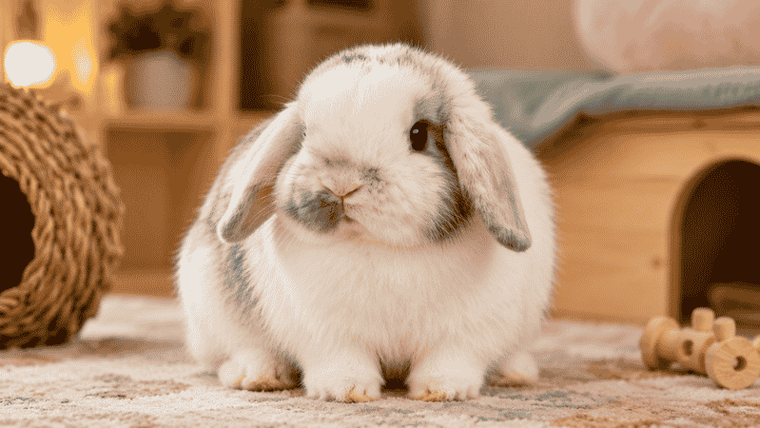
Rabbit Species Pictures
You see a rabbit in your backyard. Is it a wild cottontail or someone's escaped pet? You scroll online and see a fluffy white rabbit with floppy ears. Is that a Holland Lop or a Mini Lop? Rabbit species pictures help answer these questions. Visual comparison is the easiest way to identify rabbits.
This visual guide covers domestic rabbit breeds and wild rabbit species. Each entry includes image placeholders where you can add your own pictures. For a complete overview of all rabbit breeds, see our main guide on types of rabbits. If you have a rabbit and want to identify its breed, see what rabbit breed do I have.
Quick Identification Box
- Floppy ears → Holland Lop
- Velvet fur → Mini Rex
- Woolly mane → Lionhead
- Tiny size, tiny ears → Netherland Dwarf
- Massive size → Flemish Giant
- Long woolly coat → English Angora
- White body, dark points → Californian
- White fluffy tail → Eastern Cottontail
- Tiny ears, tiny body → Pygmy Rabbit
- Short rounded ears → Volcano Rabbit
- Very long ears → Hare (Jackrabbit, Snowshoe Hare)
Rabbit species pictures help identify domestic breeds and wild species. Use the quick identification box above to narrow down your search, then scroll to find detailed information on each rabbit.
Holland Lop Rabbit
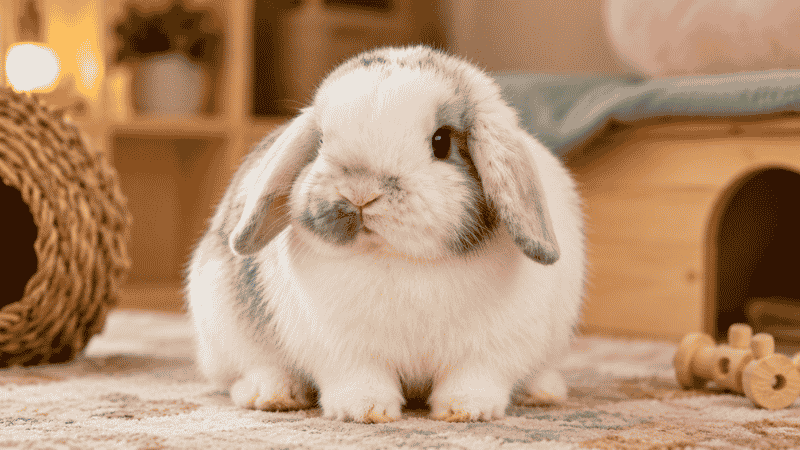
The Holland Lop is one of the most popular pet rabbit breeds. It has distinctive floppy ears that hang down on both sides of the head, a compact rounded body, and a short, broad head with chubby cheeks. It weighs 2 to 4 pounds.
Quick Visual Traits
- Floppy ears
- Compact body
- Rounded face
- Small size
- Calm appearance
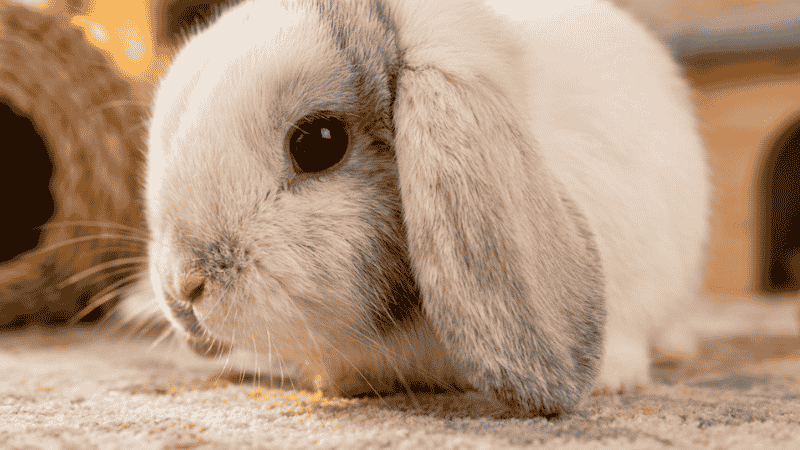
Holland Lops are known for their floppy ears and calm, gentle temperament. They weigh 2-4 lbs and come in many colors including tortoiseshell, black, blue, and chocolate.
Mini Rex Rabbit
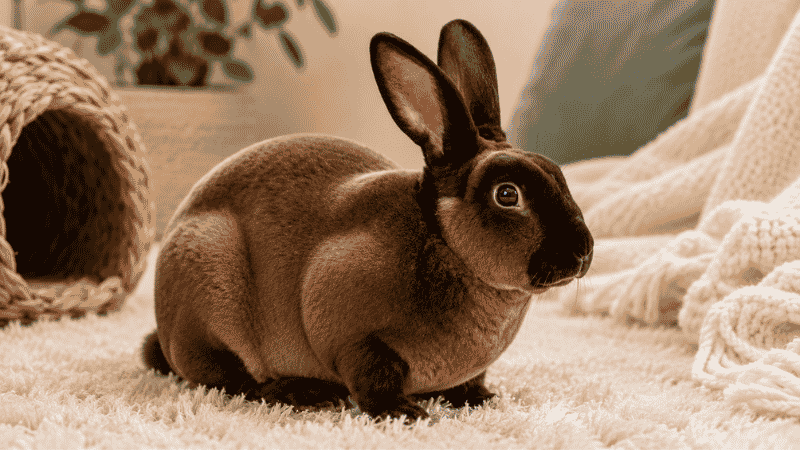
The Mini Rex has very short, dense, plush fur that feels like velvet. When stroked from tail to head, the fur stands upright. It has upright ears, a compact rounded body, and weighs 3 to 4.5 pounds.
Quick Visual Traits
- Velvety fur texture
- Upright ears
- Compact body
- Small to medium size
- Friendly expression
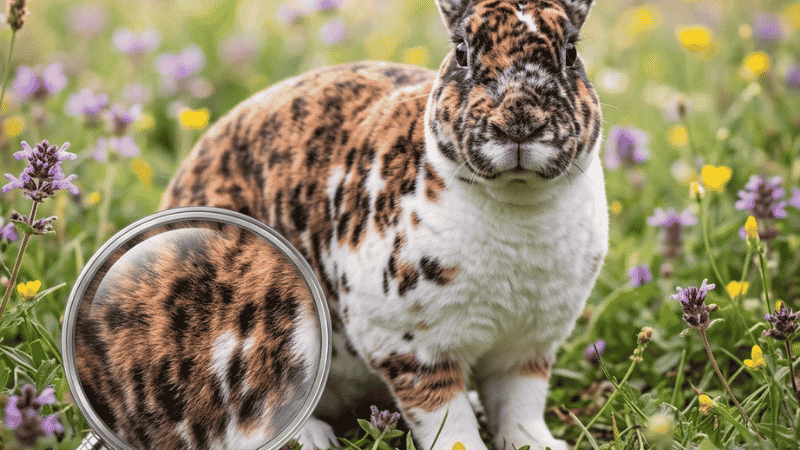
Mini Rex rabbits are known for their unique velvety fur that feels like plush velvet. They weigh 3-4.5 lbs and require minimal grooming because their short fur does not mat easily.
Lionhead Rabbit
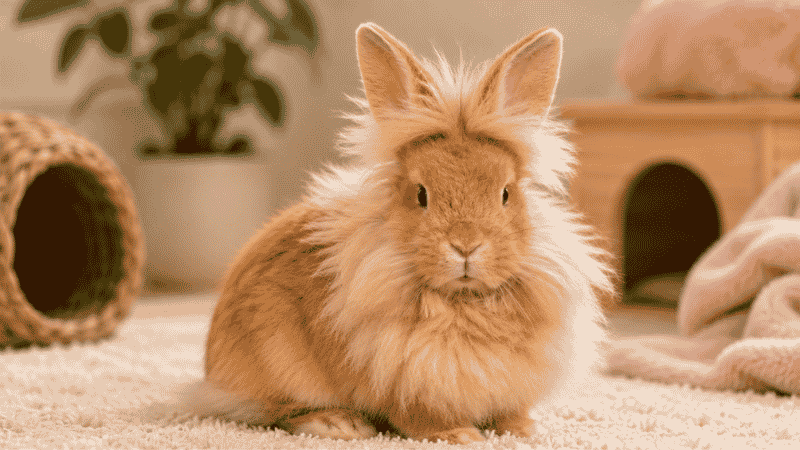
The Lionhead rabbit has a distinctive woolly mane around its head, resembling a lion's mane. The rest of the body has normal short fur. It has upright ears, a compact body, and weighs 2.5 to 3.75 pounds.
Quick Visual Traits
- Woolly mane around head
- Upright ears
- Compact body
- Small size
- Playful expression
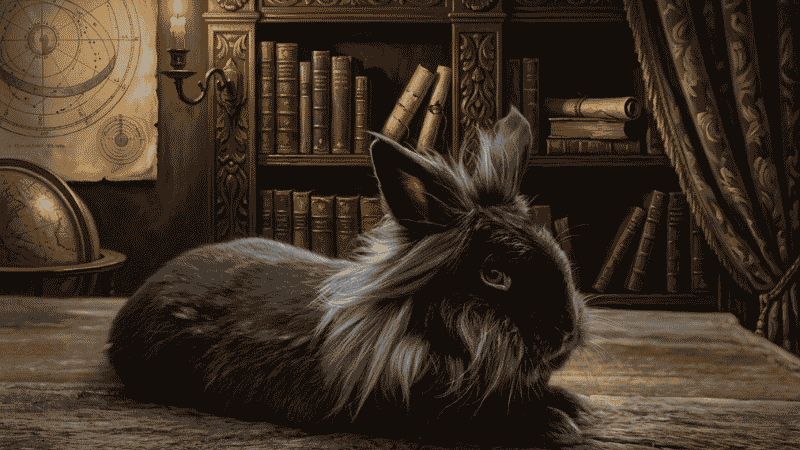
Lionhead rabbits are known for their distinctive woolly mane. They are friendly, playful, and enjoy human interaction. They weigh 2.5-3.75 lbs and need regular grooming to prevent matting.
Netherland Dwarf Rabbit
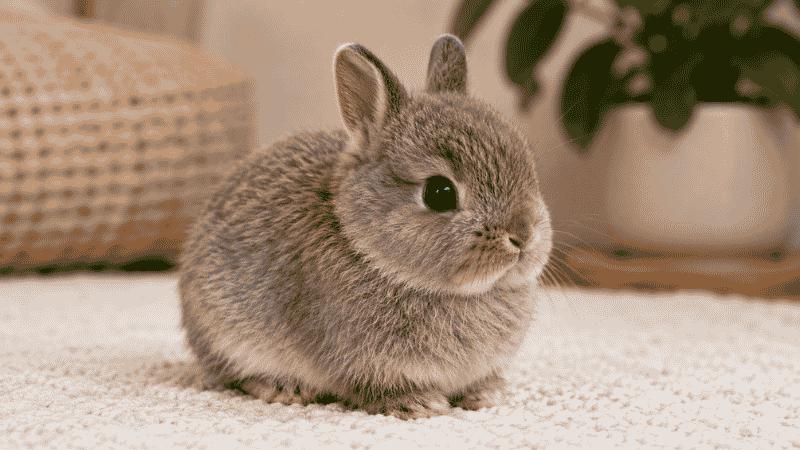
The Netherland Dwarf is one of the smallest rabbit breeds, weighing only 1.5 to 2.5 pounds. It has very short, tiny, upright ears, a round, short head with a flattened profile, and large, bold eyes.
Quick Visual Traits
- Tiny size
- Very short ears
- Rounded head
- Large eyes
- Compact body
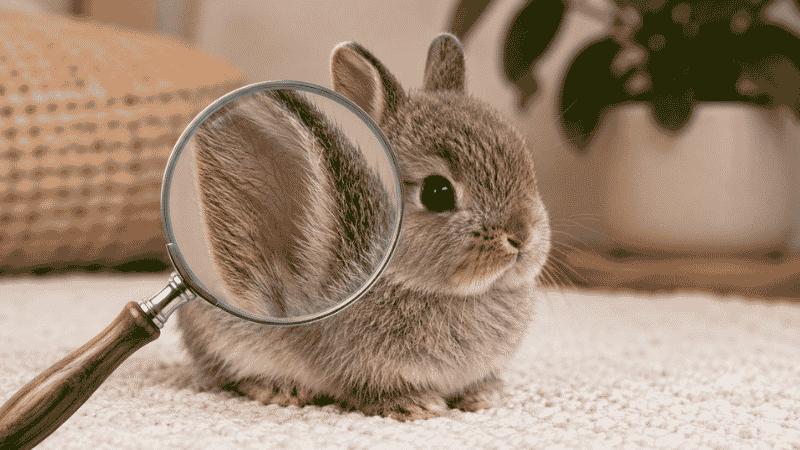
Netherland Dwarfs are the smallest domestic rabbit breed, weighing only 1.5-2.5 lbs. They have very short, tiny ears and a rounded, baby-like face. They can be energetic and sometimes skittish.
Flemish Giant Rabbit
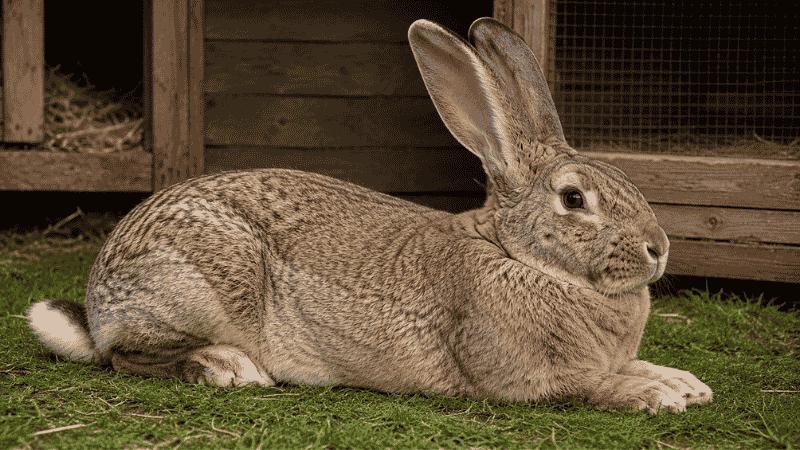
The Flemish Giant is the largest domestic rabbit breed, weighing 12 to 20+ pounds. It has long, upright ears, a semi-arch body type (back arches behind the shoulders), and short, dense fur.
Quick Visual Traits
- Massive size
- Long upright ears
- Semi-arch body
- Gentle expression
- Large head
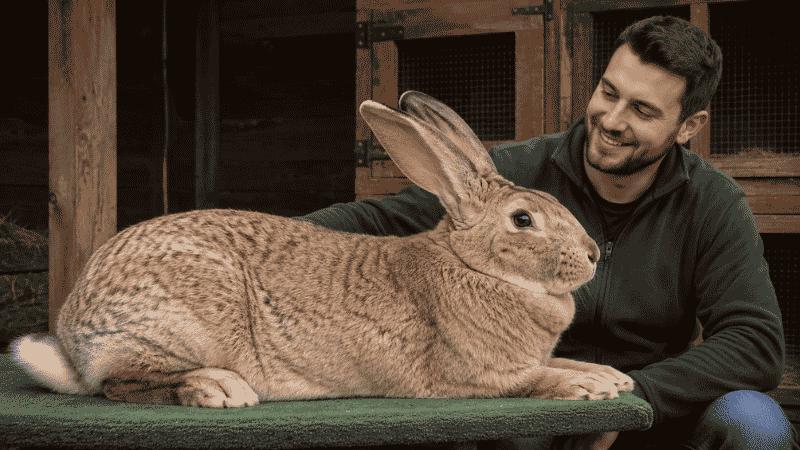
Flemish Giants are known as gentle giants. They weigh 12-20+ lbs and have a calm, patient temperament. They need significantly more space than smaller breeds and are prone to joint issues.
English Angora Rabbit
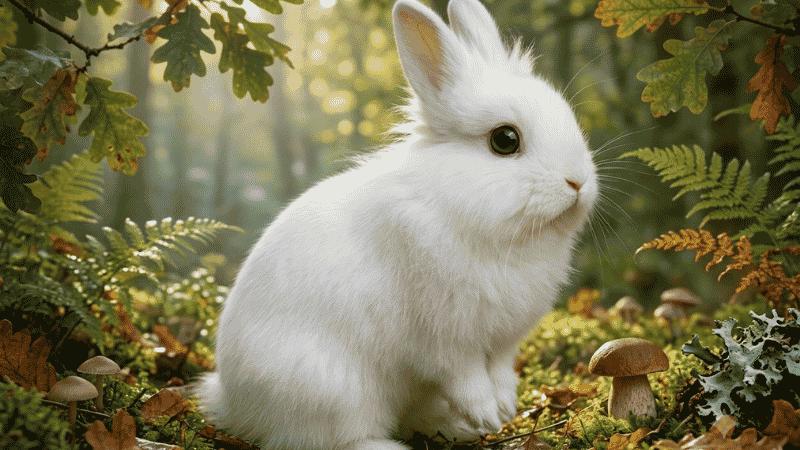
The English Angora is covered in long, dense, woolly fur that obscures its body shape. Only the face and ears are clearly visible. It has upright ears with wool tufts and weighs 5 to 7.5 pounds.
Quick Visual Traits
- Long woolly coat
- Upright ears with wool tufts
- Compact body hidden by fur
- Medium size
- Fluffy appearance
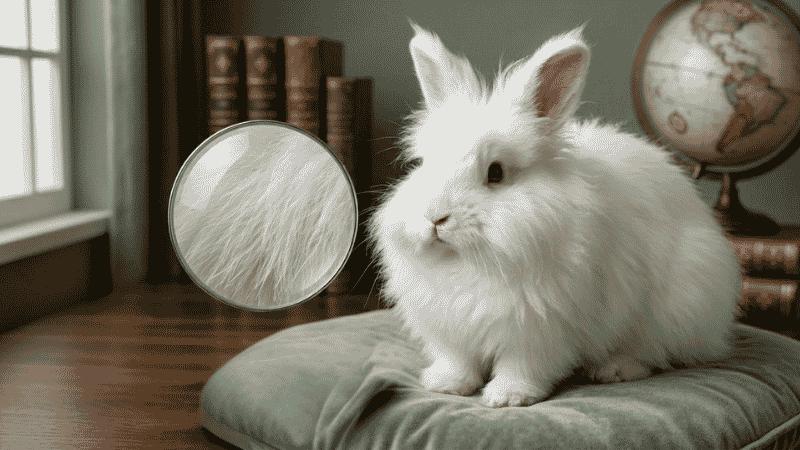
English Angoras are known for their long, luxurious wool. They weigh 5-7.5 lbs and need regular grooming or shearing to prevent matting. Their wool is harvested for spinning.
Californian Rabbit
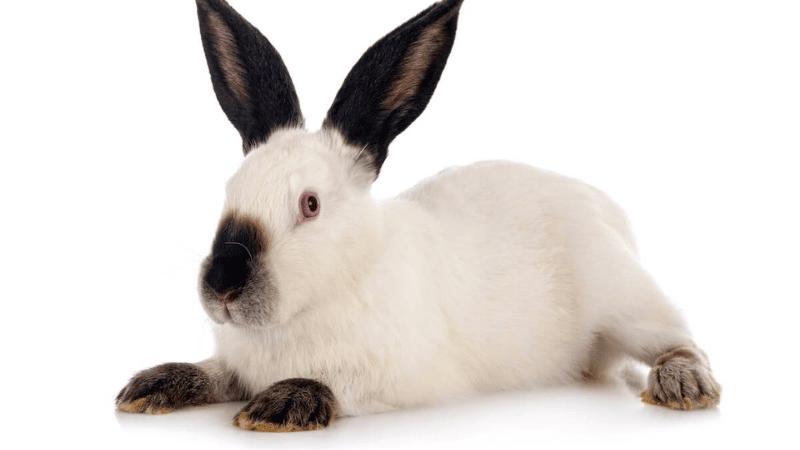
The Californian rabbit has a pure white body with dark points on the nose, ears, feet, and tail. It has pink eyes (albino), upright ears, a well-rounded commercial body type, and weighs 8 to 10 pounds.
Quick Visual Traits
- White body with dark points
- Pink eyes
- Upright ears
- Well-rounded body
- Medium-large size
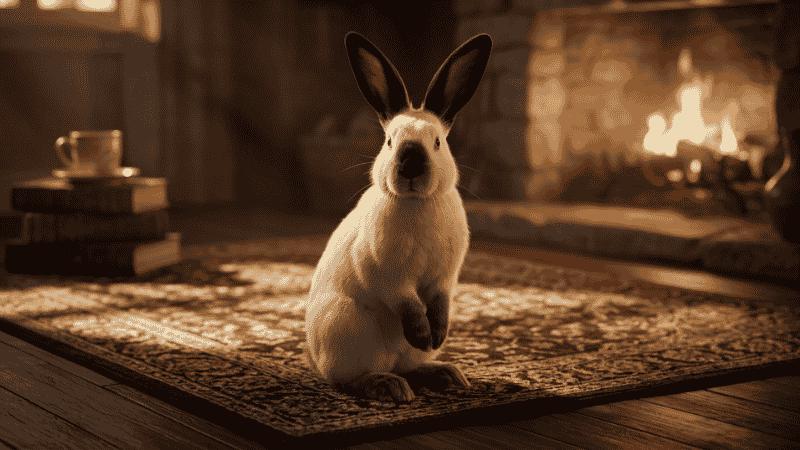
Californian rabbits are known for their distinctive color pattern of a white body with dark points. They weigh 8-10 lbs and have a calm, gentle temperament. They are a popular meat rabbit breed.
New Zealand Rabbit
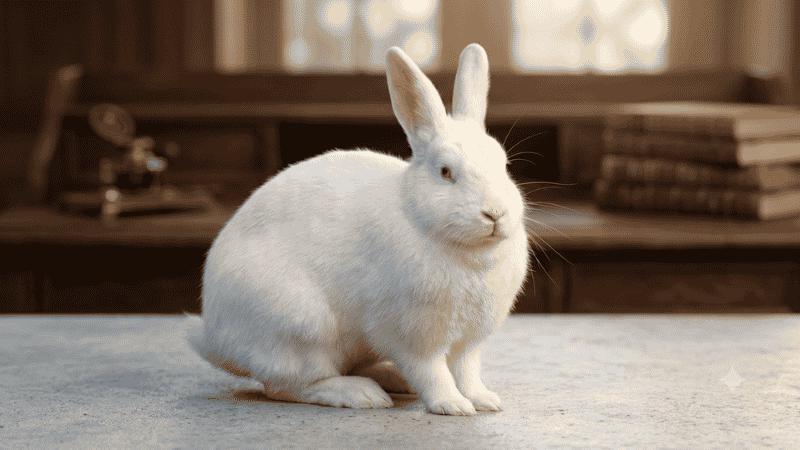
The New Zealand rabbit is a large, muscular breed weighing 9 to 12 pounds. The most common color is white with red eyes (albino), but red and black varieties exist. It has upright ears and a well-rounded commercial body type.
Quick Visual Traits
- Large, muscular body
- Red eyes (white variety)
- Upright ears
- Rounded commercial body
- Large size
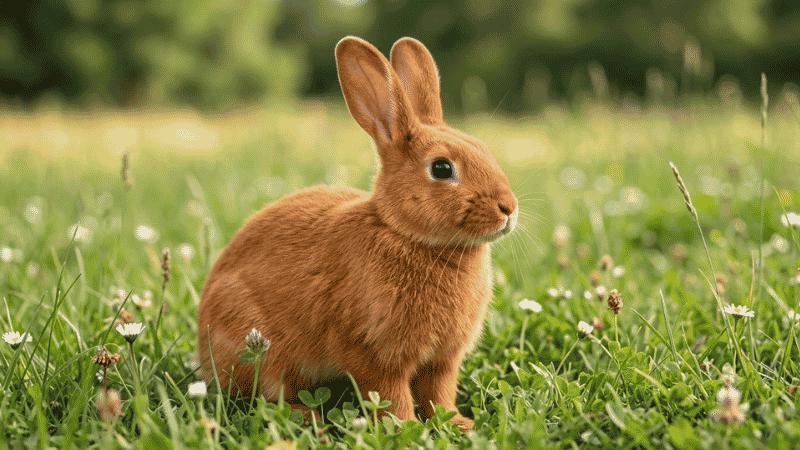
New Zealand rabbits are the most popular meat rabbit breed. The white variety has red eyes. They weigh 9-12 lbs and have a calm temperament. They are efficient feed converters.
Wild Rabbit Species
Eastern Cottontail Rabbit
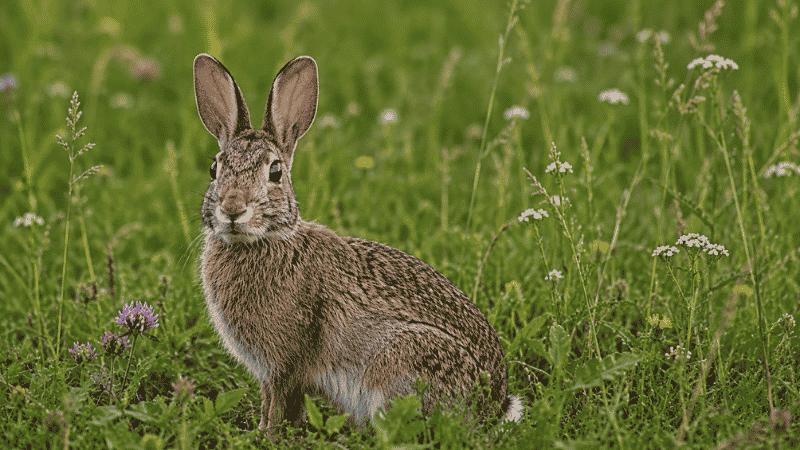
The Eastern Cottontail is the most common wild rabbit in North America. It has brownish-gray fur on the back, white fur on the belly, and a distinctive white, fluffy tail (the "cottonball"). It has upright ears with black tips.
Quick Visual Traits
- White fluffy tail
- Brownish-gray body
- White belly
- Ears with black tips
- Medium size
Eastern cottontails are wild rabbits, not domestic pets. They are identified by their brownish-gray fur and distinctive white, fluffy tail. They weigh 2-3 lbs and are found throughout North America.
Pygmy Rabbit (Short Eared Rabbit)
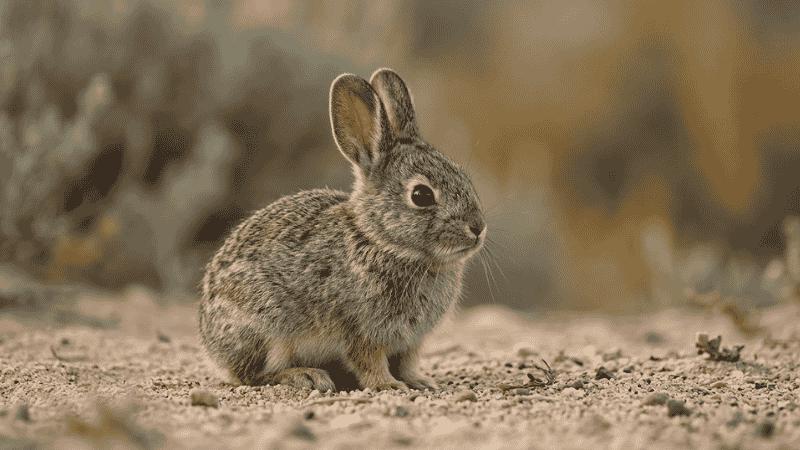
The Pygmy Rabbit is the smallest rabbit species in the world. It has very short, rounded ears (not pointed), grayish-brown fur, and a small, compact body. It weighs under 1 pound.
Quick Visual Traits
- Tiniest rabbit species
- Very short, rounded ears
- Grayish-brown fur
- Compact body
- Very short legs
The pygmy rabbit is the world's smallest rabbit species, weighing under 1 pound. It has very short, rounded ears. It is endangered and found only in the northwestern United States.
Volcano Rabbit (Short Eared Rabbit)
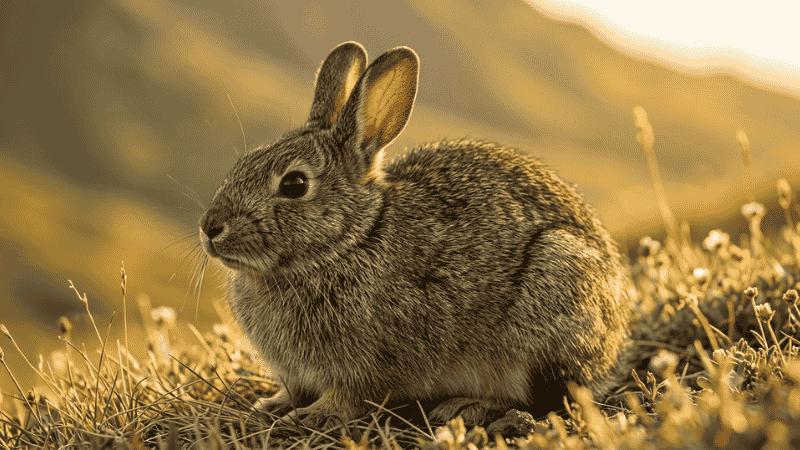
The Volcano Rabbit has short, rounded ears similar to the pygmy rabbit but is slightly larger (1 to 1.5 pounds). Its fur is dark brownish-yellow with black speckling. It has short legs and a compact body.
Quick Visual Traits
- Short, rounded ears
- Dark brown speckled fur
- Compact body
- Short legs
- Small size
The volcano rabbit is another short eared rabbit species, found only on the slopes of four volcanoes in Mexico. It is critically endangered. It has short, rounded ears and dark speckled fur.
European Rabbit (Wild Ancestor)
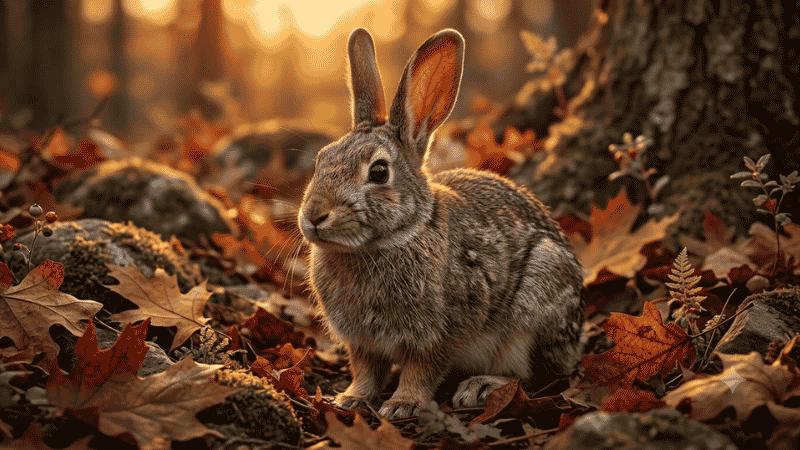
The European Rabbit is the species from which all domestic rabbits descend. It has grayish-brown fur, upright ears, and long hind legs. It weighs 3 to 5 pounds.
Quick Visual Traits
- Grayish-brown fur
- Upright ears
- Long hind legs
- Medium size
- Wild appearance
The European rabbit is the wild ancestor of all domestic rabbit breeds. It is native to southwestern Europe and has been introduced worldwide. It is not a pet.
Hare Species (Not True Rabbits)
Snowshoe Hare
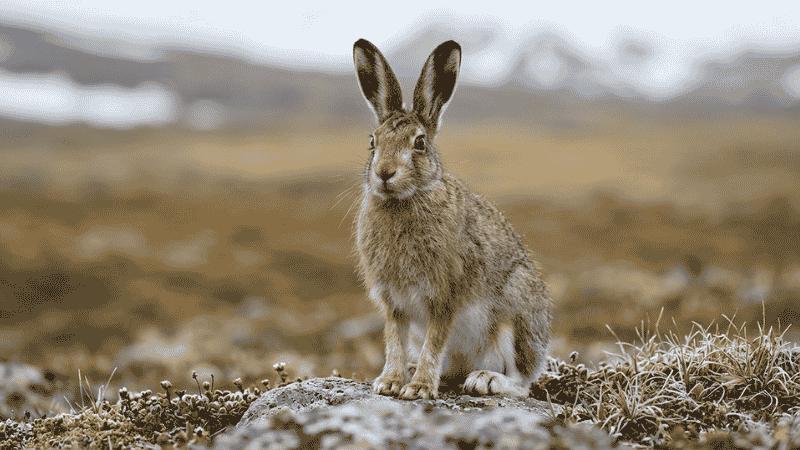
The Snowshoe Hare has very long ears (tipped with black), long, powerful hind legs, and large feet (snowshoes). Its fur changes color seasonally: brown in summer, white in winter. This is a hare, not a true rabbit.
Quick Visual Traits
- Very long ears with black tips
- Seasonal color change (brown to white)
- Large hind feet
- Long legs
- Lean body
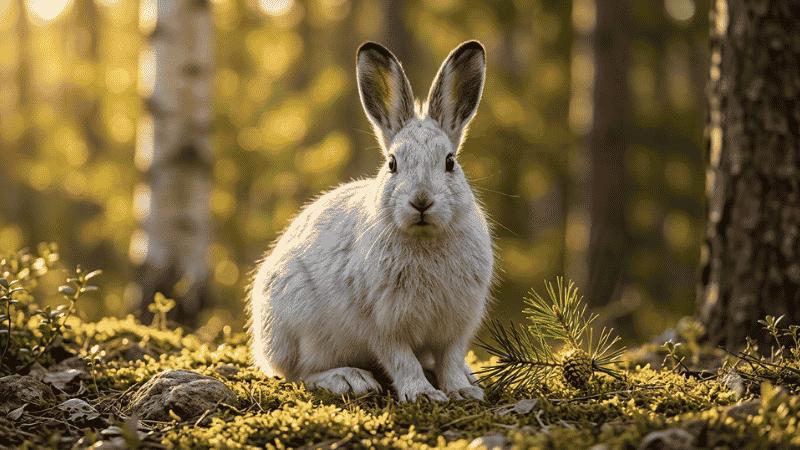
The snowshoe hare is a hare, not a true rabbit. It changes color seasonally from brown in summer to white in winter. It has very long ears and large hind feet.
Black-Tailed Jackrabbit (Hare)
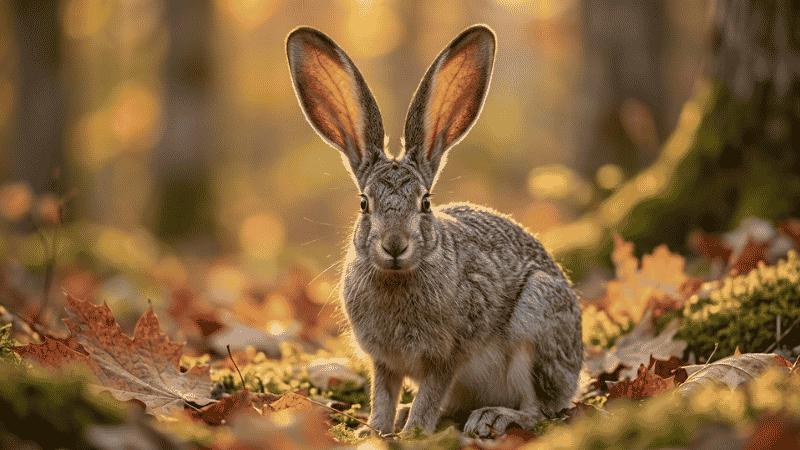
The Black-Tailed Jackrabbit has very long ears (tipped with black), very long, powerful hind legs, and brownish-gray fur. It has a black stripe on top of the tail. This is a hare, not a true rabbit.
Quick Visual Traits
- Very long ears with black tips
- Very long hind legs
- Black stripe on tail
- Lean, muscular body
- Large size
Black-tailed jackrabbits are hares, not true rabbits. They have very long ears and very long hind legs. They are found throughout the western United States and Mexico.
Wild Rabbit vs Domestic Rabbit Comparison
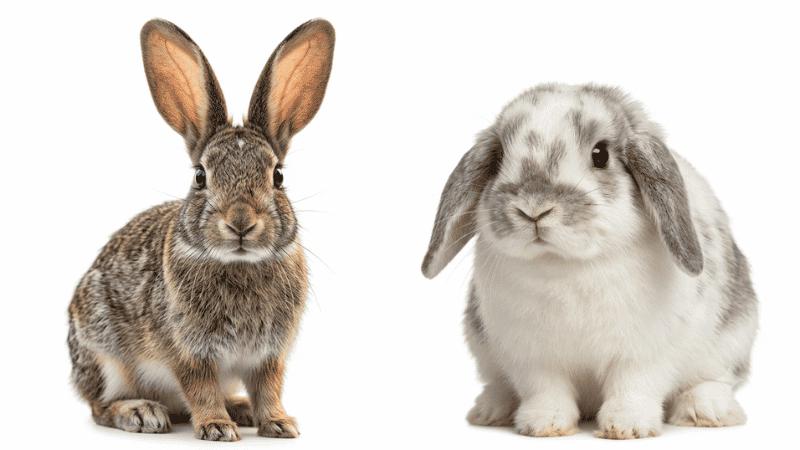
This side-by-side comparison shows the key differences between a wild Eastern Cottontail (left) and a domestic Holland Lop (right).
| Wild Rabbit | Domestic Rabbit |
|---|---|
| Thin, lean body | Round, compact body |
| Longer legs | Shorter, stockier legs |
| Nervous, alert posture | Relaxed, calm posture |
| Brown-gray fur | Many colors (white, black, tortoiseshell) |
| Cannot be pets | Domesticated pets |
Wild rabbits have thinner bodies, longer legs, and nervous postures. Domestic rabbits have rounder bodies, shorter legs, and relaxed postures. Wild rabbits cannot be kept as pets.
Rabbit vs Hare Pictures
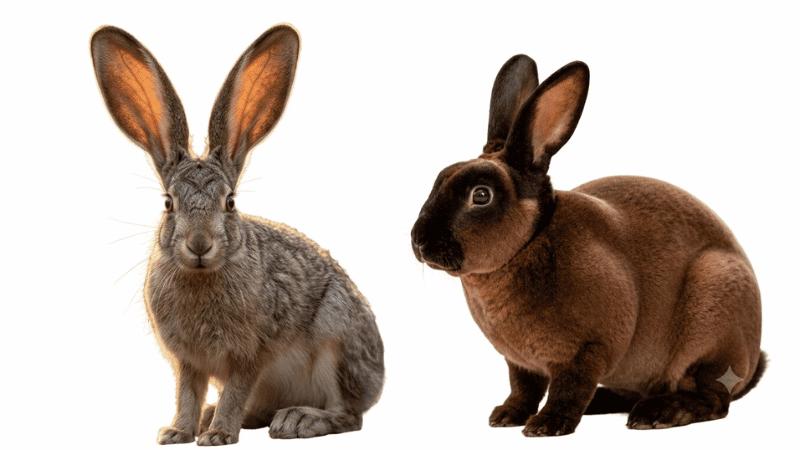
This side-by-side comparison shows the key differences between a hare (Snowshoe Hare, left) and a true rabbit (domestic rabbit, right).
| Hare | Rabbit |
|---|---|
| Much longer ears | Shorter ears |
| Much longer hind legs | Shorter hind legs |
| Born fully furred with open eyes | Born hairless and blind |
| Faster runner | Better burrower |
| Leaner, more muscular body | Rounder, more compact body |
Hares have much longer ears and hind legs than rabbits. Hares are born fully furred with open eyes; rabbits are born hairless and blind. Hares are faster runners; rabbits are better burrowers.
Where to Find More Rabbit Species Pictures
To find high-quality rabbit species pictures for each breed or species:
- Domestic breeds: Search the American Rabbit Breeders Association (ARBA) breed gallery or the British Rabbit Council (BRC) breed standards
- Wild species: Search the IUCN Red List species pages or the National Wildlife Federation
- Short eared rabbits: Search "pygmy rabbit ears" or "volcano rabbit zacatuche" for close-up images
Final Thoughts
Rabbit species pictures are the best way to identify both domestic breeds and wild species. From the tiny short eared pygmy rabbit to the massive Flemish Giant, each rabbit has unique visual characteristics. Use the quick identification box, side-by-side comparisons, and detailed descriptions in this guide to identify any rabbit you encounter.
For more information on rabbit breeds, see our types of rabbits guide. For help identifying your own rabbit, see what rabbit breed do I have.
Trusted Resources for Rabbit Species Pictures
- American Rabbit Breeders Association (ARBA) Breed List – Official breed standards and images
- IUCN Red List Species Pages – Wild rabbit species photos and conservation status
- RSPCA Rabbit Care Guide – Domestic rabbit breed information
- National Wildlife Federation – Wild rabbit species photography
- The Livestock Conservancy – Heritage and rare rabbit breed images