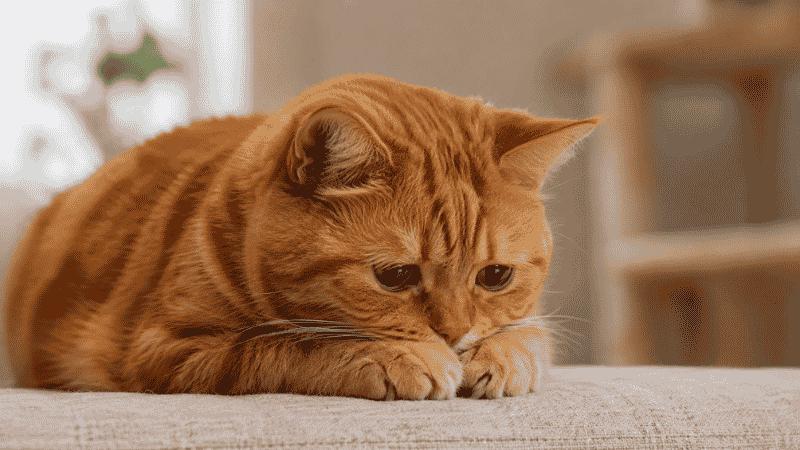
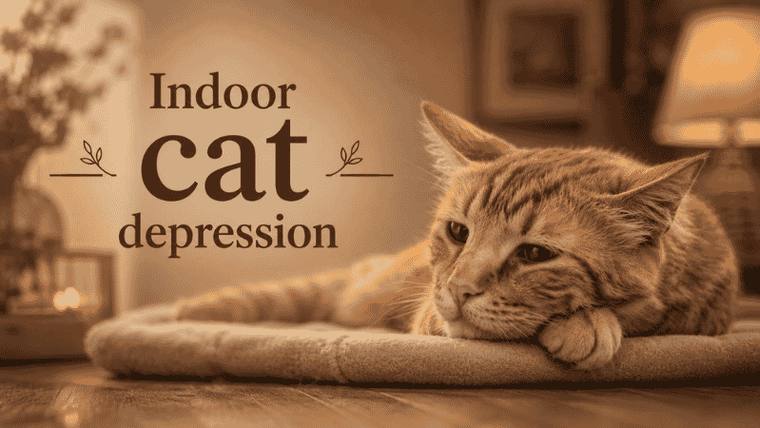
Your cat may be hiding more than toys. Many people assume cats are naturally independent and low‑maintenance, but the truth is more complex. A growing body of feline behaviour science shows that indoor cat depression is not only real — it is common. When a cat stops playing, sleeps all day, or ignores you, it is not "being lazy." Those could be depressed cat symptoms that need attention.
The modern indoor cat lifestyle keeps felines safe from traffic and predators, yet it also removes nearly everything a cat evolved to do. Without hunting, roaming, or climbing, many cats develop cat emotional wellbeing issues that owners mistake for normal aging or personality. Understanding indoor cat depression starts with looking at the world through your cat's eyes — a world often confined to four walls.
Why Indoor Cats Get Depressed
To solve indoor cat depression, you first need to understand its root causes. Unlike outdoor cats, indoor felines rely entirely on owners to provide mental stimulation, exercise, and emotional security. When those needs are not met, a bored indoor cat behavior emerges.
The number one driver of indoor cat depression is chronic understimulation. Cats in the wild spend 6‑8 hours daily hunting, exploring, and patrolling territory.
Without environmental enrichment, a lonely indoor cat develops repetitive pacing, overeating, or depression. Cat separation anxiety often intensifies when owners return to office work after remote schedules. Cats bond strongly to routines; sudden absence creates indoor cat depression similar to grief.
Indoor cat depression is not a character flaw. It is a response to an environment that fails to meet a cat's natural instincts. You can reverse it with the right changes.
12 Signs of Depression in Cats
Recognising the signs of indoor cat depression requires close observation. These symptoms often overlap with medical issues, so always consult a vet if you are unsure.
More than 18 hours daily and showing zero interest in wakeful activities. A depressed cat sleeps not because they are rested, but because nothing else feels worth doing.
Retreating under beds, inside closets, or behind appliances for most of the day. Hiding becomes their default state rather than a temporary response to noise or visitors.
Leaving food uneaten or showing little excitement at mealtime. A cat that once ran to the kitchen now walks away or only nibbles.
No longer seeking attention, avoiding petting, or turning away when you approach. The cat who demanded lap time now sits alone in another room.
Ignoring favourite toys, laser pointers, or wand games that once excited them. Even high‑value toys sit untouched.
Reluctance to jump, climb, or explore; moving slowly from one spot to another. Stairs become obstacles.
Fixated gazing at nothing, sometimes for long periods. This differs from hunting focus — there is no target.
No greeting at the door, no rubbing against legs, no vocal response. Your presence no longer matters to them.
Irritability, hissing, or uncharacteristic aggression toward people or other pets. Depression can make cats defensive.
Overgrooming to the point of bald spots or skin irritation. This self‑soothing behaviour becomes harmful.
Urinating or defecating outside the litter box without medical cause. Emotional distress often shows up here first.
Unusual howling, yowling, or crying, especially at night. A depressed cat may call out for no clear reason.
If you notice three or more of these signs persisting for over two weeks, your cat likely suffers from indoor cat depression or a related emotional disorder.
Psychological Causes Beyond Boredom
While boredom plays a major role, deeper psychological factors also contribute to indoor cat depression.
Owner absence stress and separation anxiety
After the pandemic, many owners returned to full‑time office schedules. Cats who grew accustomed to constant companionship developed acute separation anxiety. The sudden silence and empty house trigger genuine grief‑like responses. Indoor cat depression in these cases responds well to gradual alone‑time training and automated interactive toys.
Indoor isolation effects on cats
A cat that never sees outside, feels fresh air, or experiences changing light cycles can develop what behaviourists call "sensory deprivation." Small apartment cat stress is real — limited square footage with no vertical escape leads to chronic anxiety, which then morphs into indoor cat depression.
Lack of hunting instinct fulfillment
Cats are obligate carnivores designed to stalk, chase, and capture prey multiple times daily. When a bowl of kibble replaces hunting, the brain misses essential dopamine hits. Without cat enrichment ideas that mimic hunting, indoor cat depression becomes almost inevitable.
| Psychological trigger | How it leads to depression | What to change |
|---|---|---|
| Owner absence | Cat feels abandoned, routines broken | Automated toys, short departures training |
| No hunting outlet | Dopamine deficiency, learned helplessness | Puzzle feeders, wand play before meals |
| No vertical space | Loss of territory control, constant vigilance | Cat shelves, climbing trees |
| Unpredictable schedule | Stress from not knowing when food/play happens | Fixed daily routine for meals and interaction |
Modern Indoor Cat Problems
Today's indoor environments create unique challenges that previous generations of cats never faced. Many of these factors quietly contribute to indoor cat depression.
Screen addiction in cats and TV effects
While some owners put "cat TV" on YouTube, excessive screen exposure can backfire. Constant flickering, unnatural colours, and sounds without physical reward confuse cats. A window perch with real birds offers far more psychological value for treating indoor cat depression.
Overweight indoor cat lifestyle
Physical health and mental health are linked. An overweight indoor cat moves less, which reduces environmental exploration and positive feedback loops. Regular exercise through play breaks this cycle.
How to Help a Depressed Cat
The good news is that indoor cat depression is highly treatable. Most cats respond within weeks to consistent environmental enrichment.
Interactive cat toys
Automatic fluttering butterflies, treat balls, and motorised mice engage the hunting instinct.
Vertical space for cats
At least one tall cat tree over 5 feet near a window gives territory control.
Window perch for cats
Secure hammock or platform with a view of birds, trees, or street activity.
Indoor hunting games
Hide kibble around the apartment; use puzzle feeders for every meal.
Daily cat routine
Fixed wake‑up, play, feed, and bedtime schedule reduces anxiety.
Cat mental stimulation
Clicker training, scent work, and rotating toys weekly keep the brain active.
Two 10‑minute play sessions daily using a wand toy that mimics a bird or mouse. Always let your cat "catch" the toy at the end to satisfy the hunting sequence. This single change often reverses mild indoor cat depression within days.
When to See a Vet
If your cat shows signs of serious depression — refusing to eat for more than 24 hours, self‑mutilating from overgrooming, or hiding continuously for days — schedule a veterinary visit. Indoor cat depression sometimes overlaps with medical conditions like arthritis, dental pain, or hyperthyroidism.
A vet will run blood work and a physical exam. If no medical cause is found, ask for a referral to a veterinary behaviourist. They can prescribe short‑term anti‑anxiety medication while you implement environmental changes. Chronic indoor cat depression weakens the immune system and can trigger idiopathic cystitis or overeating disorders.
The bottom line
Recognising indoor cat depression is the first step toward a happier, healthier cat. Your cat does not need a bigger house — it needs a more interesting one. With daily play, vertical space, puzzle feeding, and a stable routine, most depressed cats rediscover their natural curiosity and joy. Your indoor cat can thrive, not just survive.
Frequently Asked Questions
How do I know if my cat is depressed or just lazy?
A lazy cat still shows interest in food, treats, and occasional play. A cat with indoor cat depression loses interest in almost everything: favourite toys, treats, petting, and social interaction. Lethargy plus loss of appetite and hiding behaviour points to depression.
Can two indoor cats get depressed if one dies?
Yes. Cats grieve. After losing a companion, a surviving cat may show all classic depressed cat symptoms: sleeping too much, loss of appetite, and searching behaviour. Indoor cat depression after a loss usually improves within 4‑6 weeks with extra attention and routine stability.
How long does indoor cat depression last?
With proper enrichment and routine changes, mild indoor cat depression often lifts within 2‑4 weeks. Chronic cases may take 2‑3 months to fully resolve, especially if environmental poverty has been present for years. Consistency is key.
Does getting a second cat cure depression?
Not always. Introducing a new cat can increase stress and worsen indoor cat depression if the resident cat is territorial or anxious. Only add a second cat if your current cat has previously lived with other felines peacefully.
What is the fastest way to help a depressed indoor cat?
Implement a predictable routine: play with a wand toy for 10 minutes, then serve a puzzle feeder meal. Add a window perch and a cardboard box for hiding. Most cats show improvement in indoor cat depression within one week of this daily protocol.
Can indoor cat depression cause physical illness?
Yes. Chronic stress and depression weaken the immune system. Indoor cat depression correlates with higher rates of feline lower urinary tract disease, chronic skin conditions, and obesity. Treating the depression often improves physical health.
What is the difference between cat stress and cat depression?
A stressed cat shows flattened ears, dilated pupils, tail twitching, and sudden aggression. A cat with indoor cat depression shows constant low energy, sleeping too much, and complete disinterest in play. For a complete guide on stress signals, read our article on Signs of Stress in Cats.
Scientific & Veterinary Resources
For cat owners who want to go deeper into feline behaviour, mental health, and environmental enrichment, these independent organisations provide peer‑reviewed information and free guides.