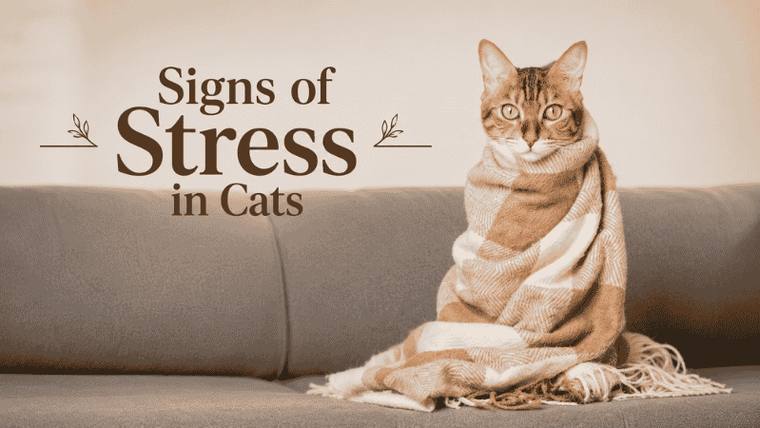
Your cat may be secretly stressed right now. Unlike dogs, cats hide pain and stress as a survival instinct. A stressed indoor cat rarely complains loudly. Instead, she withdraws, overgrooms, or changes her litter box habits. Most owners miss these early signs of stress in cats until the behaviour becomes severe. Understanding feline mental wellbeing is not complicated, but it does require looking beyond the obvious.
The first signs of stress in cats are often subtle: a tucked tail, flattened ears, or hiding under the bed. Many cat owners mistake these for normal quiet behaviour. But cats communicate distress through body language, not meows. Learning to read the early signs can prevent chronic anxiety, depression, and even physical illness.
Signs of Stress in Cats: Hidden Feline Anxiety Signals
This guide covers every major category: body language, behaviour changes, physical symptoms, and environmental triggers. Whether your cat hides, overgrooms, or acts aggressive, you will find answers here.
What Causes Stress in Cats?
Cats are creatures of habit. Any disruption to their environment or daily rhythm can trigger emotional distress. The most common triggers include environmental changes, loud noises, lack of stimulation, and social conflicts.
Environmental changes and household disruption
Moving house is one of the biggest stressors for cats. New smells, unfamiliar layouts, and different sounds overwhelm a cat's senses. Even small changes like rearranging furniture or hosting guests can cause anxiety. Indoor cats especially feel trapped when their territory changes without warning.
Loud noises and overstimulation
Fireworks, construction, vacuum cleaners, or shouting create overstimulation. A cat's hearing is far more sensitive than ours. Repeated exposure to loud noises can cause chronic stress that lasts for weeks after the noise stops.
Important: Never punish a cat for hiding, scratching, or urinating outside the litter box. Punishment increases fear and makes stress dramatically worse. Always address the root trigger.
Loneliness and lack of mental stimulation
Without environmental enrichment, a lonely indoor cat develops repetitive pacing, overeating, or depression. Cat separation anxiety often intensifies when owners return to office work after remote schedules. Cats bond strongly to routines — sudden absence can feel like abandonment.
How to Tell If a Cat Is Stressed
Many owners overlook daily details that reveal stress. Below are the most reliable symptoms, divided into physical changes and behavioural red flags.
Physical and behavioural warning signs
- Hiding: Retreating under beds, inside closets, or behind appliances for hours.
- Excessive grooming: Overgrooming leads to bald patches, especially on the belly, inner legs, or tail.
- Appetite changes: Suddenly eating significantly less or binge eating without medical explanation.
- Sleeping too much: Sleeping beyond the normal 16–18 hours plus losing interest in play or treats.
- Aggression: Hissing, swatting, or biting family members without apparent provocation.
- Personality shift: A once-social cat becomes avoidant; an independent cat follows you obsessively.
- Litter box avoidance: Urinating or defecating on beds, rugs, or laundry.
- Excessive vocalisation: Unusual howling, yowling, or crying especially at night.
Subtle body language signals
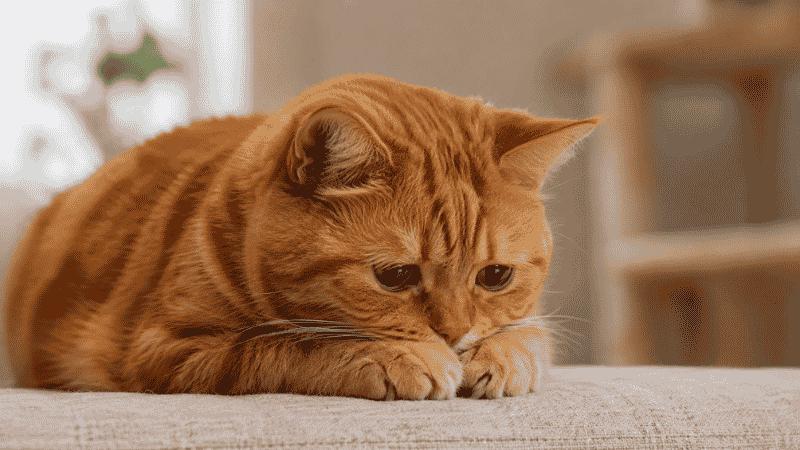
A stressed cat often shows flattened ears, dilated pupils, and a tucked tail. These signs appear long before obvious behavioural problems develop. Other silent signals include a crouched low posture, excessive lip licking, freezing in place, whiskers pulled back against the face, and avoidant eye contact.
| Body part | Stressed signal | Relaxed signal |
|---|---|---|
| Ears | Flattened, rotated sideways | Forward, upright |
| Eyes | Dilated pupils, fixed stare | Slow blink, normal pupils |
| Tail | Low, tucked, puffed, rapid lashing | Upright with curved tip |
| Posture | Crouched low, muscles tense | Loaf position, side lying |
Indoor Cat Depression
Despite safety and regular meals, many indoor cats develop depression. The indoor lifestyle eliminates natural behaviours: hunting, roaming, climbing, and exploring. Without these, stress symptoms become more severe over time. Mental stimulation is not a luxury — it is a biological requirement.
A barren apartment with only a food bowl leads to emotionally unhappy cats. Symptoms include persistent lethargy, neglect of grooming, indifference to treats, and hiding most of the day. These signs are often mistaken for normal aging or laziness.
Boredom signs include repetitive pacing along walls, tail chasing, excessive meowing, or destructive scratching of furniture. Puzzle feeders, window perches with outdoor views, and scheduled interactive play sessions mimic natural hunting sequences and significantly reduce stress.
Overstimulation and Modern Lifestyle
Televisions left running all day, constant notifications, loud gaming sessions, and background podcasts create an unpredictable environment for cats. A cat needs quiet zones and predictable routines.
After the pandemic, many cats developed stress after owners returned to the office. They had grown accustomed to full-time companionship. Sudden silence triggers separation anxiety and behaviours like excessive vocalisation or destructive scratching.
Creating a dedicated calm zone away from loud appliances and high-traffic areas reduces overstimulation. Provide multiple hiding spaces where the cat can retreat without being disturbed.
How to Reduce Stress and Calm an Anxious Cat
Once you recognise the signs, take action. You can reduce feline anxiety without medication using these methods:
- Interactive toys: Puzzle feeders and treat balls engage the hunting instinct.
- Vertical space: Cat climbing trees and shelves give cats control over their territory.
- Safe hiding spot: A covered bed or cardboard box in a quiet corner reduces sensory overload.
- Window perch: Visual access to birds and outdoor movement provides natural stimulation.
- Predictable daily routine: Feed, play, and clean litter at the same times every day.
Use short ten-minute play sessions with wand toys that mimic prey movement. Always schedule play before meals to satisfy the hunting instinct. Consider calming pheromone diffusers as a supportive measure.
Helpful Products for Stress Relief
- Calming diffuser: Synthetic feline facial pheromones reduce urine marking and hiding.
- Puzzle feeders: Slow down eating and provide mental stimulation.
- Window perch: Strong suction-cup hammocks give vertical observation posts.
- Automatic toys: Motion-activated toys keep a cat engaged while you are away.
- Climbing tree: Multi-level trees with hidey caves satisfy climbing instincts.
When to See a Vet
If your cat shows severe anxiety — constant trembling, self-inflicted wounds from excessive grooming, complete food refusal for over 24 hours, or aggression that injures family members — schedule a veterinary visit immediately.
A veterinarian will first rule out medical causes such as pain, hyperthyroidism, dental disease, or urinary issues. They may then recommend a behaviourist or short-term anti-anxiety medication. Chronic stress can directly cause feline lower urinary tract disease, chronic skin conditions, and overeating disorders.
Recognising stress in your cat is about paying attention to small changes: tail position, ear angle, litter box habits, and sleeping locations. By learning these signals and adjusting your home environment, you prevent years of chronic psychological distress.
Resources: International Cat Care | Journal of Feline Medicine and Surgery