Can Guinea Pigs Eat Grapes?
The short answer is yes. Guinea pigs can eat grapes. They are not toxic, and most healthy adult guinea pigs can enjoy them without any immediate harm. The real issue is not whether grapes are safe at all. It is how much you give, how often, and whether your guinea pig's overall diet can handle the extra sugar load.
This guide covers everything you actually need to know, including safe portion sizes, the difference between red and green grapes, what to do if your guinea pig has an upset stomach, and why moderation matters more than most owners initially realize.
Are Grapes Safe for Guinea Pigs?
Yes, grapes are safe for healthy adult guinea pigs when fed correctly. Neither red grapes nor green grapes are toxic to guinea pigs, which means occasional feeding is perfectly fine with the right approach.
Important: Grapes should be washed thoroughly, seeds should be removed, portions should be tiny, and feeding should happen no more than once or twice a week.
Why Guinea Pigs Are So Attracted to Grapes
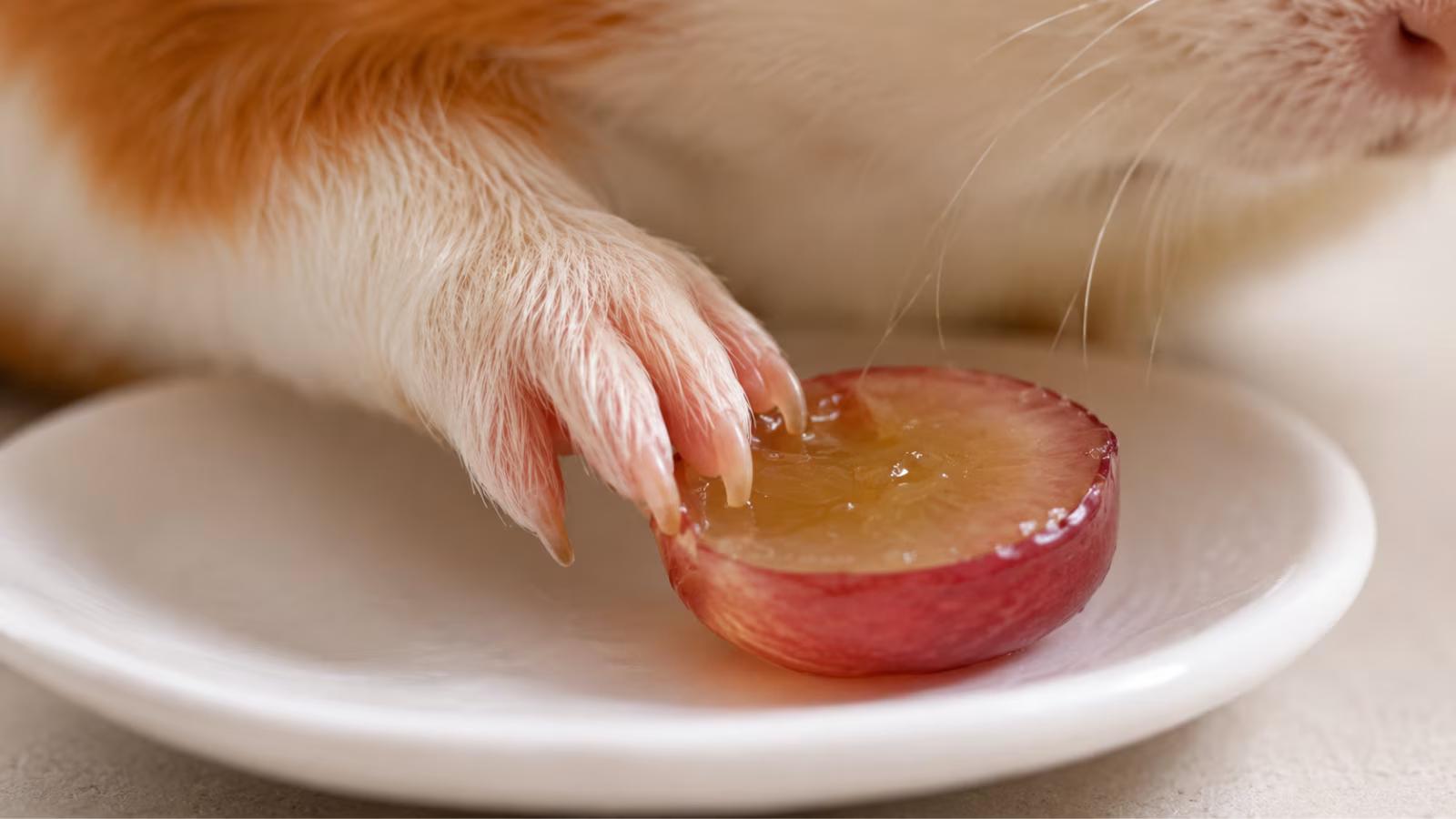
Guinea pigs are naturally drawn to sweet smells and flavors. Grapes have a strong, fruity scent that stands out immediately compared to hay or leafy greens.
This attraction is completely natural. In the wild, small herbivores opportunistically eat fruit when it is available. The problem is that wild guinea pigs would not encounter fruit in large quantities every day.
Guinea pigs that get too many sweet treats too often can start ignoring their hay. That is a serious problem because hay is the foundation of healthy digestion, dental wear, and gut movement.
Nutritional Value of Grapes for Guinea Pigs
Grapes do contain some nutrients that benefit guinea pigs in small doses.
- Vitamin C
- Water content
- Natural antioxidants
- Small amounts of potassium
- Trace fiber in the skin
However, grapes are relatively high in natural sugars compared to vegetables. Too much sugar can disrupt gut bacteria, encourage weight gain, and lead to digestive upset.
Grapes are best understood as a small treat with a minor nutritional bonus, not a reliable vitamin C source.
Can Guinea Pigs Eat Green Grapes?
Yes, green grapes are safe for guinea pigs. They may be slightly less sweet than some red grape varieties, but the nutritional difference is not dramatic enough to matter much in practice.
The same rules apply: wash thoroughly, remove seeds, cut into small pieces, and feed sparingly.
Can Guinea Pigs Eat Red Grapes?
Red grapes are also safe for guinea pigs in moderation. They contain antioxidants, including resveratrol, but this does not mean guinea pigs should eat more of them.
Red grapes are a fine occasional treat, but sweeter varieties may be more tempting, so portion control is important.
Can Guinea Pigs Eat Grape Skin?
Yes, guinea pigs can eat grape skin as long as the grapes are washed properly before feeding. The skin contains a small amount of fiber and antioxidants.
Tip: Wash grapes under running water for at least thirty seconds before feeding them to your guinea pig.
Can Guinea Pigs Eat Grape Seeds?
No. Grape seeds should always be removed before feeding grapes to your guinea pig. Seeds can be a choking hazard and may be difficult to digest.
The easiest option is to buy seedless grapes. If you only have seeded grapes, cut each grape open and remove the seeds before serving.
Can Baby Guinea Pigs Eat Grapes?
Baby guinea pigs should not eat grapes. Young guinea pigs have delicate digestive systems, and sugary foods can disrupt their developing gut bacteria.
Baby guinea pigs should focus on hay, high-quality pellets, and age-appropriate leafy greens.
How Many Grapes Can Guinea Pigs Eat?
A safe serving size is half a small grape, or one small grape cut into bite-sized pieces. This should only be offered once or twice per week at most.
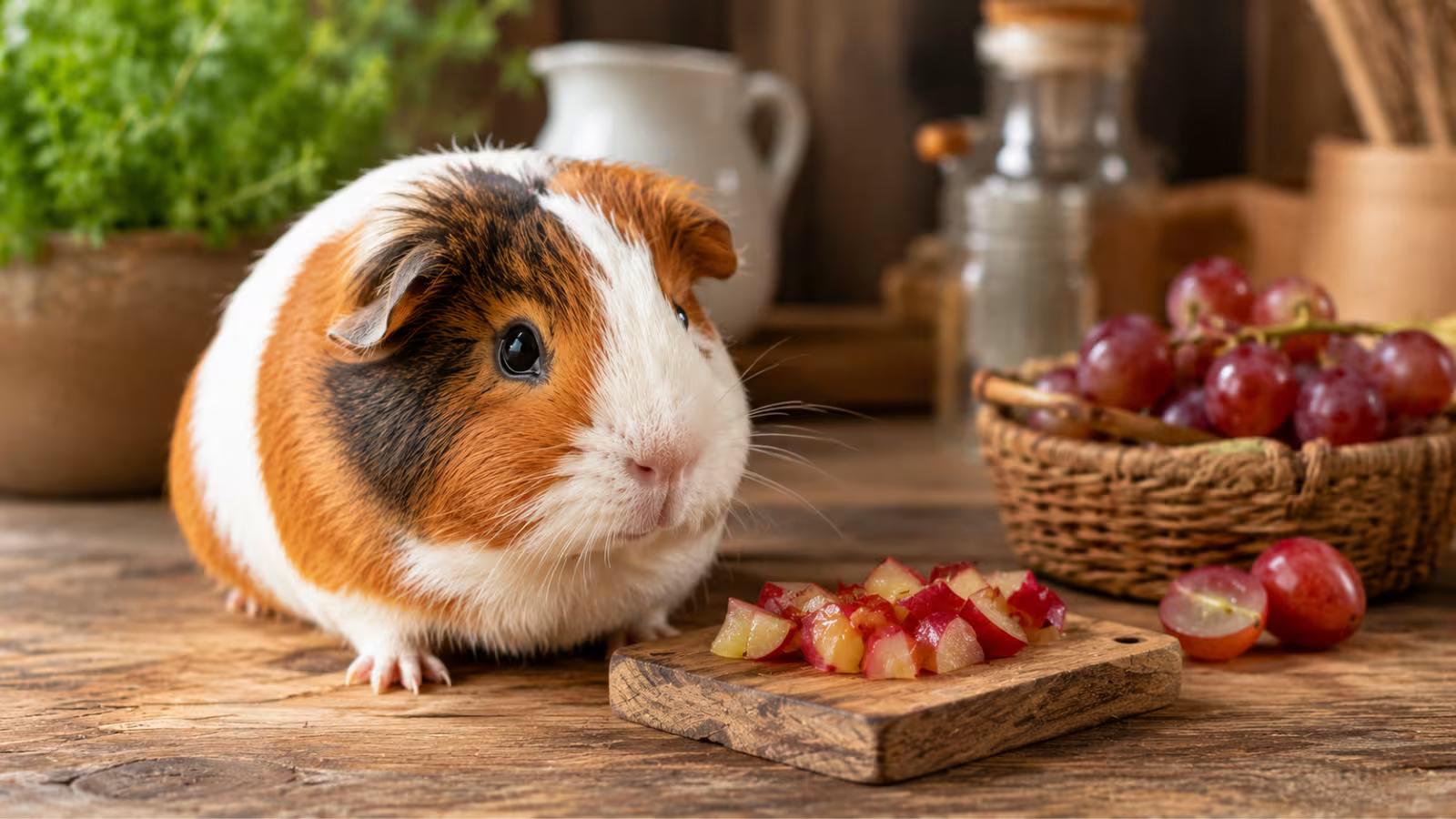
Even a small-looking portion of fruit can deliver a meaningful sugar load for a guinea pig. Feeding too much may increase the risk of soft stool, diarrhea, bloating, weight gain, and picky eating.
How to Feed Grapes to Guinea Pigs Safely
- Wash the grapes thoroughly under running water.
- Choose seedless grapes or remove the seeds manually.
- Cut the grape into small pieces.
- Offer grapes only as a rare treat.
- Monitor your guinea pig afterward for any digestive changes.
Warning Signs That Grapes Are Causing Problems
Watch for these signs after feeding grapes:
- Soft or watery droppings
- Diarrhea or loose stool
- Visible bloating
- Reduced appetite
- Refusing hay
- Lethargy
- Gradual weight gain
If you notice soft stool or reduced appetite, stop feeding grapes immediately and return to a hay-focused diet with fresh leafy greens.
Warning: Seek veterinary care quickly if diarrhea lasts more than twenty-four hours, your guinea pig stops eating, droppings disappear, or bloating worsens.
Why Hay Will Always Matter More Than Fruit
Hay is not a supplement or side food. It is the foundation of a guinea pig's diet.
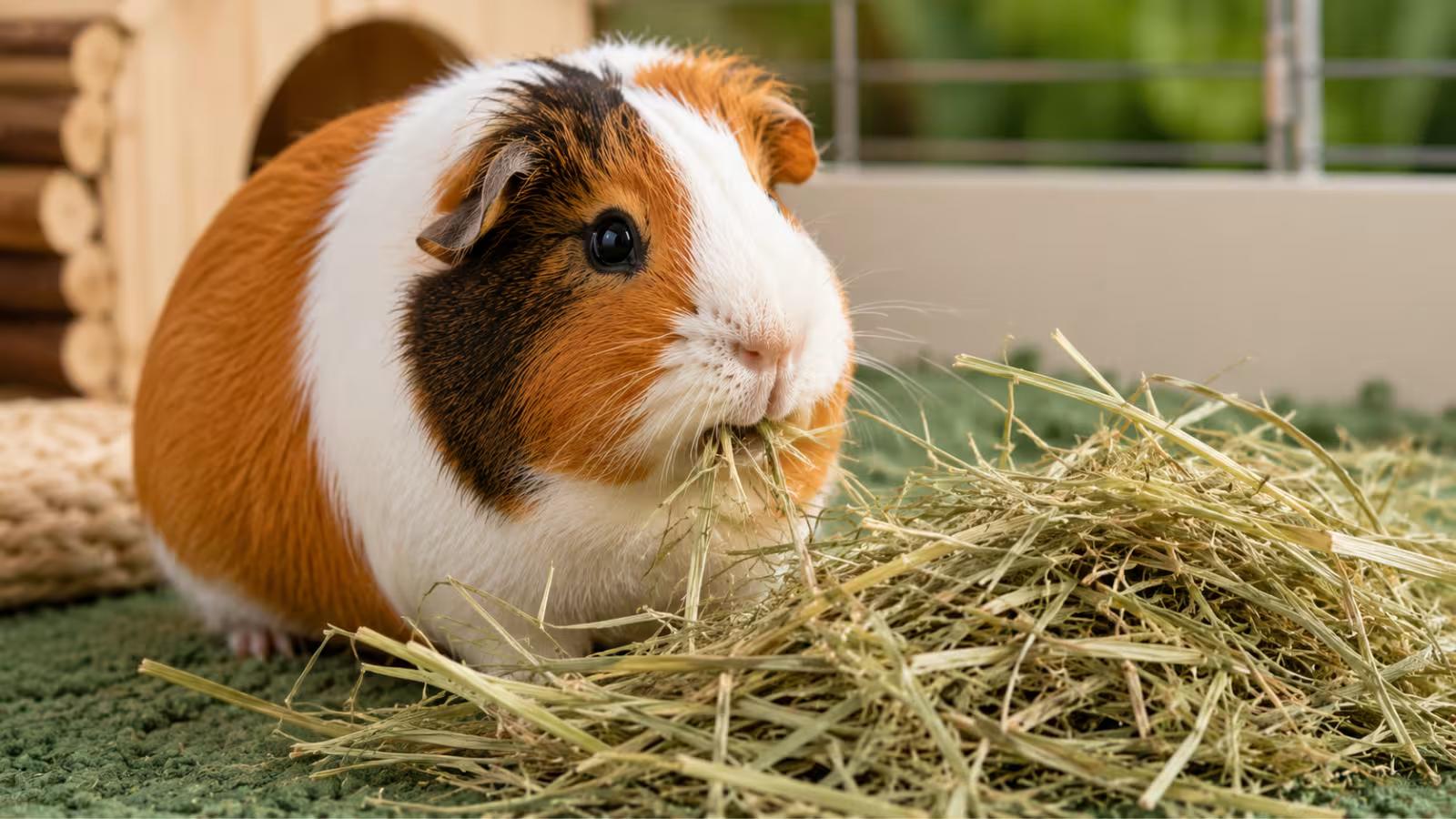
Timothy hay provides essential fiber and helps wear down continuously growing teeth. Fruit can compete with hay intake because sweet foods are more exciting to guinea pigs.
Hay should always be available in unlimited amounts.
Best Fruits for Guinea Pigs
Safe occasional fruit options include:
- Strawberries
- Blueberries
- Kiwi
- Apple slices without seeds
- Small pieces of pear
- Small banana slices
All fruit should still be fed in small amounts and only occasionally.
Fruits and Foods Guinea Pigs Should Avoid
- Avocado
- Rhubarb
- Fruit pits
- Apple seeds
- Dried fruit
- Artificial fruit snacks
- Fruit-flavored treats with added sugar
- Foods with preservatives
Citrus fruits like oranges and lemons are not toxic, but their acidity may cause mouth sores or digestive discomfort.
Common Myths About Guinea Pigs and Grapes
Myth: Grapes are toxic to guinea pigs
This is false. Grapes are safe for guinea pigs in appropriate amounts.
Myth: More vitamin C means unlimited grapes are fine
This is false. The vitamin C in grapes does not cancel out the sugar content.
Myth: Seedless grapes mean you can feed as many as you want
This is false. Seedless grapes still contain sugar and require strict portion limits.
Myth: Guinea pigs need fruit every day
This is false. Fruit is a treat, not a dietary requirement.
Realistic Weekly Feeding Example
| Day | Food Example |
|---|---|
| Monday | Fresh bell pepper and romaine lettuce |
| Tuesday | Cucumber slices and cilantro |
| Wednesday | Hay-focused day with parsley |
| Thursday | Half a small grape with leafy greens |
| Friday | Kiwi slice and fresh herbs |
| Saturday | Blueberries and cucumber |
| Sunday | Timothy hay focus with no fruit |
When to Avoid Grapes Completely
Avoid feeding grapes if your guinea pig:
- Is overweight
- Has chronic digestive problems
- Develops soft stool easily after fruit
- Has dental disease
- Is elderly and less active
- Is recovering from illness or surgery
Guinea pigs do not need fruit to be healthy. Their diet can work very well without grapes as long as hay, greens, pellets, and water are provided consistently.
Conclusion
Grapes are not a danger to guinea pigs. They are simply a treat that requires respect for portion size and feeding frequency. When you offer half a small seedless grape once or twice a week alongside a solid diet of Timothy hay, leafy greens, pellets, and fresh water, grapes are a perfectly enjoyable addition to your guinea pig's routine.
The real risk with grapes is never the fruit itself. It is the pattern of overfeeding that causes problems over time. Sugar accumulates, hay intake drops, digestion becomes unstable, and weight creeps up gradually in ways that are easy to miss until the damage is already done.
Keep portions tiny, rotate fruits throughout the week, watch your guinea pig's droppings and behavior, and always prioritize hay above everything else. Do that consistently and your guinea pig can enjoy the occasional sweet treat without any negative consequences.