
Big Ear Rabbit
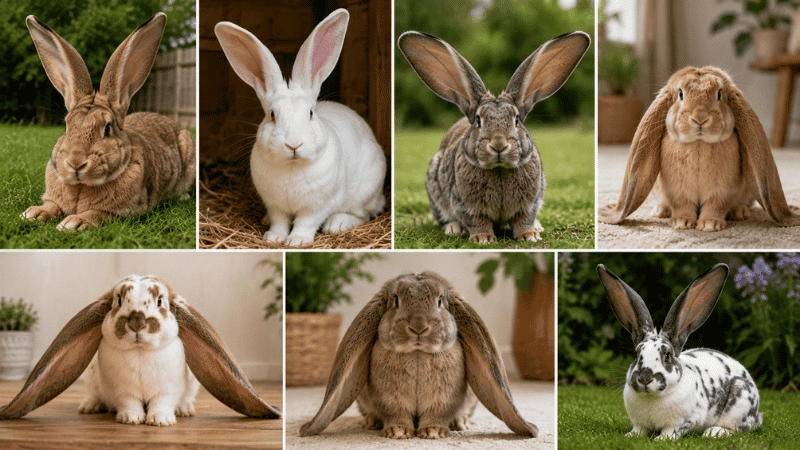
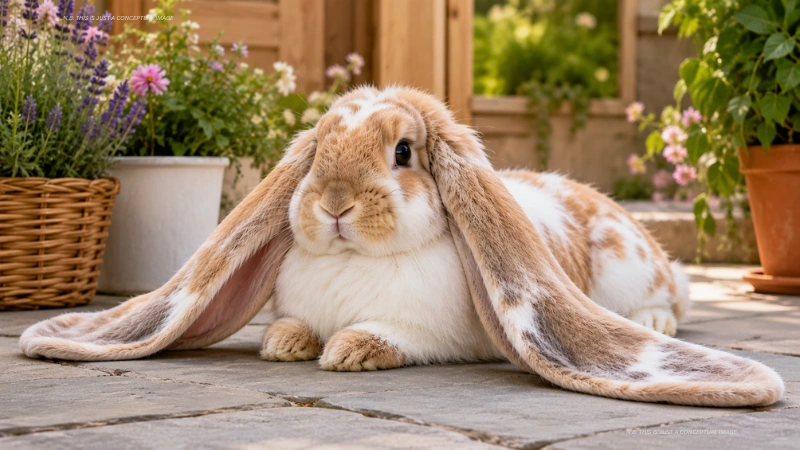
You see a rabbit with enormous floppy ears. They drag on the ground when it hops. You cannot look away. The ears are longer than its body. This is a big ear rabbit, and it is one of the most distinctive animals in the rabbit world.
A big ear rabbit is typically a lop breed. According to the American Rabbit Breeders Association (ARBA), lop rabbits have ears that hang down rather than stand upright. The English Lop holds the record for the longest ears of any rabbit breed, with ears reaching up to 21 inches from tip to tip. For comparison, the rabbit’s body is only 14 to 16 inches long.
This guide covers the most popular big ear rabbit breeds, including giant lop rabbits, their personalities, care requirements, and common health issues. For a complete overview of all rabbit breeds, see our main guide on types of rabbits. If you are interested in giant breeds with floppy ears, see our Flemish Giant rabbit guide.
A big ear rabbit is typically a lop breed with ears that hang down. The English Lop has the longest ears of any rabbit, reaching up to 21 inches. Other big ear rabbit breeds include French Lop, Holland Lop, and Mini Lop. Their floppy ears are caused by a genetic mutation.
Why Some Rabbits Have Big Ears
Rabbit ear evolution explains why some breeds have long, upright ears while others have floppy ears. Understanding rabbit ear anatomy helps you appreciate these unique animals.
Rabbit hearing abilities: Rabbits have excellent hearing. Their large ears can rotate independently to detect sounds from multiple directions. They hear frequencies up to 49,000 Hz. Humans top out around 20,000 Hz. A rabbit’s ear is its primary defense against predators.
Large rabbit ears purpose: In wild rabbits, large ears serve two main functions: hearing and temperature regulation. Blood vessels in the ears expand to release heat when the rabbit is hot and contract to conserve heat when the rabbit is cold. This is why wild rabbits have long, upright ears.
Lop ear genetics: Lop ears are a genetic mutation. The gene that causes ears to flop is recessive. According to Wikipedia, the exact genetic mechanism is not fully understood. What is known is that the cartilage at the base of the ear is softer, causing the ear to droop. This mutation does not occur in wild rabbits; it is only found in domestic breeds.
Evolutionary disadvantage of floppy ears: In the wild, floppy ears would be a disadvantage. They reduce hearing ability and cannot be used for temperature regulation effectively. Lop rabbits are more prone to ear infections because their floppy ears trap moisture and debris. For more on rabbit anatomy, see anatomy of a rabbit.
Wild rabbits have upright ears for hearing and temperature regulation. Lop ears are a genetic mutation that causes the cartilage to soften, making ears floppy. This mutation is only found in domestic rabbits and comes with health disadvantages like increased ear infection risk.
Lop Eared Rabbit Breeds (Big Ear Rabbit)
Lop eared rabbit breeds are the most common big ear rabbit types. Their ears hang down rather than standing upright. Here are the main lop breeds recognized by ARBA.
English Lop: The English Lop has the longest ears of any rabbit breed. Ears measure 19 to 21 inches from tip to tip. The ears drag on the ground when the rabbit moves. Weighs 9 to 12 pounds. Body type is semi-arch. This big ear rabbit is not recommended for beginners due to its special ear care needs.
French Lop: The French Lop has shorter, thicker ears than the English Lop. Ears measure 5 to 8 inches long and hang close to the head. Weighs 10 to 15 pounds. Body type is commercial (well-rounded). This big ear rabbit is calm and good for families. For more on large breeds, see our meat rabbit breeds guide.
Holland Lop: The Holland Lop is one of the most popular pet rabbit breeds. Ears are floppy but short (4 to 5 inches) and fit close to the head. Weighs 2 to 4 pounds. Body type is compact. This small big ear rabbit is excellent for families and first-time owners. For more on friendly breeds, see friendliest rabbit breeds.
Mini Lop: The Mini Lop is larger than the Holland Lop. Ears are floppy and wider than the Holland Lop’s ears. Weighs 3 to 6 pounds. Body type is compact. This big ear rabbit is friendly and good with children.
American Fuzzy Lop: The American Fuzzy Lop has floppy ears and a woolly coat. Ears are floppy and medium length. Weighs 3.5 to 4 pounds. Body type is compact. This big ear rabbit needs daily grooming. For more on fluffy breeds, see long haired bunny rabbit.
Cashmere Lop: The Cashmere Lop is similar to the American Fuzzy Lop but recognized in the UK. Has floppy ears and a soft woolly coat. Weighs 4 to 5 pounds. Body type is compact. This big ear rabbit is less common in North America.
Velveteen Lop: The Velveteen Lop is a newer breed developed to have the long ears of an English Lop but the velvety fur of a Rex. Ears are long (up to 10 inches) and floppy. Weighs 6 to 8 pounds. This big ear rabbit is rare.
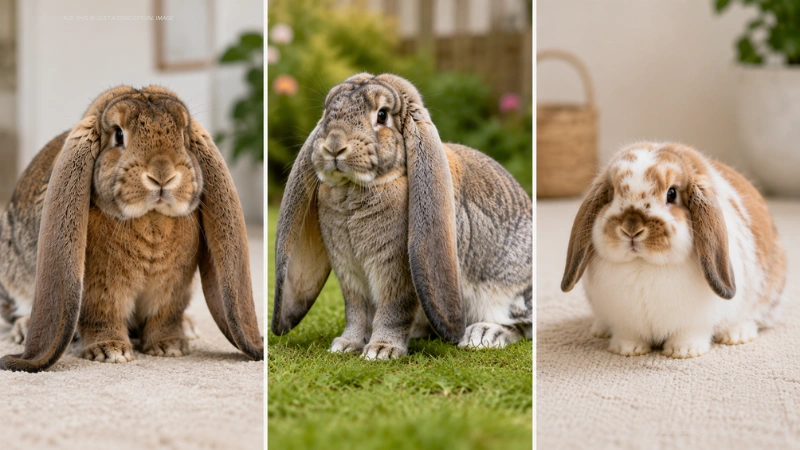
The main lop eared rabbit breeds are English Lop (longest ears), French Lop (largest lop), Holland Lop (smallest, most popular), Mini Lop, American Fuzzy Lop (woolly), Cashmere Lop, and Velveteen Lop (rare). Each has different ear length and care requirements.
Giant Lop Rabbits
Giant lop rabbits are the largest big ear rabbit breeds. Their massive size and floppy ears make them stand out.
Giant lop rabbit breeds: The term “giant lop” most commonly refers to the French Lop and English Lop. These are the largest lop breeds. The French Lop weighs 10 to 15 pounds. The English Lop weighs 9 to 12 pounds. Both have significantly larger ears than smaller lop breeds.
Giant lop bunny appearance: A giant lop bunny has a large, muscular body and long, floppy ears. The French Lop has shorter, thicker ears (5-8 inches) that hang close to the head. The English Lop has extremely long, thin ears (19-21 inches) that drag on the ground. Both have a calm, gentle temperament.
Large lop eared rabbit breeds comparison: The French Lop is heavier and more muscular. The English Lop has longer ears but a lighter body. Both need significantly more space than smaller rabbits. For housing guidance for giant breeds, see ideal rabbit cage.
Giant floppy eared bunny care: Giant lop rabbits need special care. Their large size means they need a bigger enclosure (minimum 8×4 ft). Their floppy ears need regular cleaning to prevent infections. Their weight puts them at risk for sore hocks. For foot health, see rabbit paw anatomy.
The table below compares the giant lop rabbit breeds:
| Breed | Weight (lbs) | Ear Length | Body Type | Temperament | French Lop | 10-15 | 5-8 inches | Commercial | Calm, gentle | English Lop | 9-12 | 19-21 inches | Semi-arch | Gentle, laid-back | Velveteen Lop | 6-8 | 8-10 inches | Commercial | Friendly, active |
|---|
Giant lop rabbit breeds include French Lop (10-15 lbs, 5-8 inch ears) and English Lop (9-12 lbs, 19-21 inch ears). English Lops have the longest ears of any rabbit breed. Both need large enclosures (minimum 8×4 ft) and regular ear cleaning to prevent infections.
Fluffy & Floppy Eared Bunnies
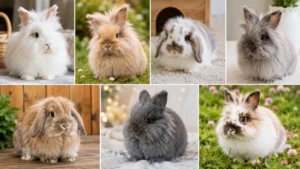
Some big ear rabbit breeds have both floppy ears and long, woolly coats. These fluffy lop rabbits are stunning but require significant grooming.
American Fuzzy Lop: This big ear rabbit has floppy ears and a dense, woolly coat. Weighs 3.5 to 4 pounds. Needs daily grooming to prevent matting. Friendly and good with families. For grooming guidance, see long haired bunny rabbit.
Cashmere Lop: Similar to the American Fuzzy Lop but recognized in the UK. Has floppy ears and a soft woolly coat. Weighs 4 to 5 pounds. Needs daily grooming. Less common in North America.
Big floppy eared bunny breeds: Any lop breed can be described as a big floppy eared bunny. However, the English Lop has the floppiest ears due to their extreme length. A brown floppy eared bunny could be any lop breed in a brown color variety (chocolate, chestnut, or sable).
Cute lop rabbits: Holland Lops are often considered the cutest big ear rabbit breed due to their small size, rounded faces, and short floppy ears. They look like teddy bears. French Lops are also cute in a larger, more substantial way.
Fluffy lop rabbits include American Fuzzy Lop and Cashmere Lop. These big ear rabbit breeds have floppy ears and woolly coats requiring daily grooming. Holland Lops are often considered the cutest due to their small size and teddy bear appearance.
Most Popular Big Ear Rabbit Breeds
The following big ear rabbit breeds are the most popular among pet owners. Each has unique characteristics and care needs.
Holland Lop: The most popular lop breed in the United States. Small size (2-4 lbs), short floppy ears, compact body. Calm, gentle, good with families. Excellent for first-time owners. For more on choosing a family rabbit, see best bunny for kids.
Mini Lop: The second most popular lop breed. Larger than Holland Lop (3-6 lbs), wider ears. Friendly, good with children. Slightly more active than Holland Lops.
French Lop: A giant lop breed (10-15 lbs). Short, thick floppy ears. Calm, gentle, good with older children. Needs a large enclosure.
English Lop: The most extreme big ear rabbit. Extremely long ears (19-21 inches). Needs special care for ears. Not recommended for beginners.
Long ear rabbit breeds comparison: The table below compares ear length across popular breeds.
| Breed | Ear Type | Ear Length | Weight | Good for Beginners | English Lop | Floppy (extreme) | 19-21 inches | 9-12 lbs | No | French Lop | Floppy (thick) | 5-8 inches | 10-15 lbs | Yes (with space) | Holland Lop | Floppy (short) | 4-5 inches | 2-4 lbs | Yes | Mini Lop | Floppy (wide) | 4-6 inches | 3-6 lbs | Yes |
|---|
The most popular big ear rabbit breeds are Holland Lop (small, calm), Mini Lop (medium, active), French Lop (giant, gentle), and English Lop (extreme ears, not for beginners). Ear length varies significantly from 4 inches (Holland Lop) to 21 inches (English Lop).
Personality and Temperament
Big ear rabbit breeds are known for their gentle, friendly personalities. Lop rabbits are among the most popular pets because of their calm temperaments.
Friendly lop rabbit breeds: Holland Lops, Mini Lops, and French Lops are all known for being friendly and affectionate. They enjoy human interaction and tolerate handling well. English Lops are also gentle but need experienced handling.
Calm bunny breeds: Lop rabbits are generally calmer than upright-eared breeds. Their laid-back personalities make them excellent indoor pets. French Lops are particularly calm, earning them the “gentle giant” reputation.
Family friendly rabbits: Holland Lops and Mini Lops are excellent with children who are gentle. French Lops are good with older children. English Lops are not recommended for families with young children due to their delicate ears.
For more on friendly rabbit breeds, see our friendliest rabbit breeds guide. For choosing a rabbit for a child, see best bunny for kids.
Lop rabbits are known for their calm, friendly temperaments. Holland Lops and Mini Lops are excellent for families. French Lops are gentle giants. English Lops need experienced handling due to their delicate ears.
Care for Big Ear Rabbits
Caring for a big ear rabbit requires attention to their unique needs. Their floppy ears are prone to infections. Their large size (in giant breeds) requires more space.
Cleaning rabbit ears: Check lop rabbit ears weekly. Look for redness, swelling, discharge, or foul odor. Clean the outer ear with a damp cotton ball. Never insert anything into the ear canal. Signs of ear infection include head shaking, scratching at ears, discharge, and odor. Seek veterinary care if you suspect an infection.
Lop rabbit ear infections: Lop rabbits are prone to ear infections because their floppy ears trap moisture and debris. According to veterinary sources, ear infections are one of the most common health problems in lop breeds. Prevention: check ears weekly, keep the ears dry, and ensure good ventilation in the enclosure.
Large rabbit housing: Giant lop rabbits (French Lop, English Lop) need a large enclosure. Minimum size is 8 feet by 4 feet of continuous floor space. They also need 3-4 hours of daily exercise outside the enclosure. For housing guidance, see ideal rabbit cage.
Safe bedding for rabbits: Use dust-free bedding. Avoid pine and cedar shavings, which can cause respiratory issues. Use paper-based bedding, aspen shavings, or fleece blankets. For giant breeds, thick hay or straw bedding provides cushioning for their weight.
Rabbit grooming needs: Lop rabbits with normal coats need weekly brushing. Fluffy lop breeds (American Fuzzy Lop, Cashmere Lop) need daily grooming. All lop breeds need their ears checked weekly. For grooming guidance, see long haired bunny rabbit.
Healthy rabbit diet: Unlimited hay (timothy or orchard grass), 1/2 to 1 cup of pellets daily (depending on breed size), 2 to 4 cups of fresh leafy greens daily, and fresh water always available. Giant lop breeds eat significantly more than small lop breeds.
Care for big ear rabbits includes weekly ear checks, cleaning the outer ear with a damp cotton ball, and watching for signs of infection. Giant lop breeds need large enclosures (minimum 8×4 ft). Fluffy lop breeds need daily grooming.
Health Problems in Lop Rabbits
Lop rabbits are prone to specific health problems related to their ear shape and, in giant breeds, their large size.
Ear infections in lop rabbits: This is the most common health problem in big ear rabbit breeds. The floppy ear traps moisture and debris, creating an ideal environment for bacteria and yeast. Signs: head shaking, scratching at ears, discharge, foul odor, and tilting of the head. Treatment requires veterinary care. Prevention: weekly ear checks and keeping ears dry.
Dental issues in lop rabbits: Some lop breeds, particularly Holland Lops, have shorter faces (brachycephalic). This can lead to dental problems because the teeth do not align properly. Signs: drooling, reduced appetite, weight loss, and wet chin. Prevention: unlimited hay to wear down teeth and annual veterinary dental checks.
Hearing problems in rabbits: Lop rabbits have reduced hearing compared to upright-eared rabbits. The floppy ear blocks sound waves. This is not a health problem but a breed characteristic. Owners should approach from the front so the rabbit can see them, as they may not hear approaching footsteps.
Obesity in giant rabbits: French Lops and English Lops are prone to obesity. Their large size and calm temperaments mean they need encouragement to exercise. Prevention: measure food portions, limit pellets, and provide daily exercise opportunities.
Mobility issues in large rabbits: Giant lop breeds are prone to arthritis and sore hocks due to their weight. Prevention: soft flooring (fleece, foam mats), low-sided litter boxes, and joint supplements as recommended by a vet. For foot health, see rabbit paw anatomy.
Common health problems in lop rabbits include ear infections (most common), dental issues (in brachycephalic breeds), reduced hearing (breed characteristic), obesity (giant breeds), and mobility issues (giant breeds). Regular veterinary checkups are essential.
Comparison Table: Big Ear Rabbit Breeds at a Glance
The table below summarizes the key characteristics of the major big ear rabbit breeds.
| Breed | Ear Length | Weight | Coat Type | Temperament | Grooming | Good for Beginners | English Lop | 19-21″ | 9-12 lbs | Normal | Gentle | Weekly | No | French Lop | 5-8″ | 10-15 lbs | Normal | Calm, gentle | Weekly | Yes (with space) | Holland Lop | 4-5″ | 2-4 lbs | Normal | Calm, affectionate | Weekly | Yes | Mini Lop | 4-6″ | 3-6 lbs | Normal | Friendly, active | Weekly | Yes | American Fuzzy Lop | 4-5″ | 3.5-4 lbs | Woolly | Affectionate | Daily | Yes (with grooming commitment) |
|---|
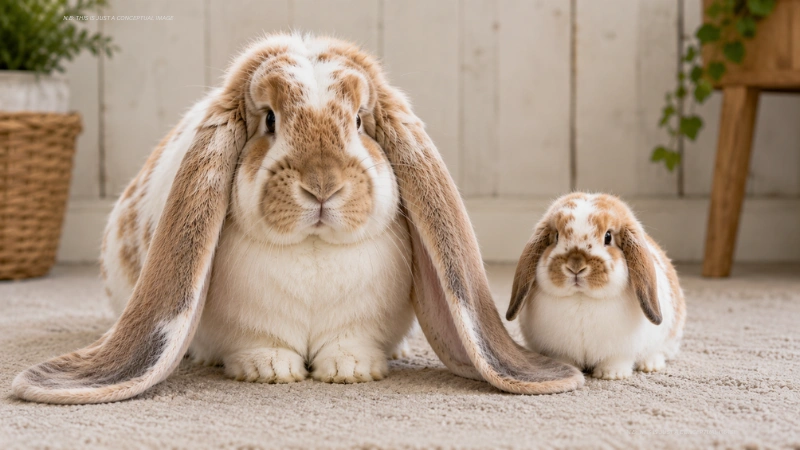
Big ear rabbit breeds vary significantly in ear length (4 to 21 inches), weight (2 to 15 lbs), and grooming needs. English Lops have the longest ears but are not for beginners. Holland Lops are the most popular family pet.
Final Thoughts
Big ear rabbit breeds are among the most distinctive and beloved pets in the rabbit world. From the tiny Holland Lop with its teddy bear face to the English Lop with its record-breaking 21-inch ears, each breed has its own charm. Their floppy ears give them a gentle, friendly appearance that matches their calm personalities.
However, owning a big ear rabbit comes with responsibilities. Lop rabbits are prone to ear infections because their floppy ears trap moisture. Giant lop breeds need large enclosures and are prone to joint issues. Fluffy lop breeds need daily grooming. Potential owners must research their chosen breed’s specific needs.
For a complete overview of all rabbit breeds, see our main guide on types of rabbits. For breed-specific information, see our guides on Flemish Giant rabbit, long haired bunny rabbit, and friendliest rabbit breeds.
Trusted Resources for Big Ear Rabbit Care
- American Rabbit Breeders Association (ARBA) – Official breed standards for all lop breeds
- RSPCA Rabbit Care Guide – Welfare guidelines for all rabbit breeds
- House Rabbit Society Ear Care – Information on cleaning rabbit ears and preventing infections
- PDSA Rabbit Care – UK veterinary charity guidance
- Humane Society Rabbit Care – General rabbit care information
FAQ Section: Questions You Might Have
A big ear rabbit is typically a lop breed with ears that hang down rather than stand upright. The English Lop has the longest ears of any rabbit breed, reaching up to 21 inches from tip to tip. Other big ear rabbit breeds include French Lop, Holland Lop, and Mini Lop.
The French Lop is the largest lop eared rabbit breed by weight, weighing 10 to 15 pounds. The English Lop has the longest ears (19-21 inches) but weighs less (9-12 pounds). Both are considered giant lop breeds.
The Holland Lop is the smallest lop eared rabbit breed, weighing only 2 to 4 pounds. Mini Lops are slightly larger at 3 to 6 pounds. Holland Lops are the most popular pet rabbit breed in the United States.
The English Lop has the longest ears of any rabbit breed. Ears measure 19 to 21 inches from tip to tip. For comparison, the rabbit’s body is only 14 to 16 inches long. The English Lop holds the record for longest rabbit ears.
Yes, lop rabbits are prone to ear infections because their floppy ears trap moisture and debris. This creates an ideal environment for bacteria and yeast. Prevention includes weekly ear checks and keeping the ears dry. Seek veterinary care if you notice head shaking, discharge, or odor.
No. Some big ear rabbits have upright ears. For example, the Flemish Giant has large upright ears (6-8 inches long). However, “big ear rabbit” most commonly refers to lop breeds with floppy ears. Upright-eared rabbits are not called “big ear rabbits” even though their ears are large.
French Lops are considered the calmest lop rabbit breed. They are known as “gentle giants” due to their large size (10-15 lbs) and placid temperament. Holland Lops are also very calm and affectionate. English Lops are gentle but need experienced handling due to their delicate ears.
Check your lop rabbit’s ears weekly. Clean only the outer ear with a damp cotton ball. Never insert anything into the ear canal. Signs of infection include redness, swelling, discharge, foul odor, head shaking, and scratching at ears. Seek veterinary care if you notice any of these signs.
Lop rabbits have reduced hearing compared to upright-eared rabbits. Their floppy ears block sound waves. This is a breed characteristic, not a health problem. Owners should approach from the front so the rabbit can see them, as they may not hear approaching footsteps.
Holland Lops and Mini Lops are best for families with children. They are small (2-6 lbs), calm, and tolerant of gentle handling. French Lops are good for families with older children who can handle a large rabbit. English Lops are not recommended for families with young children due to their delicate ears.