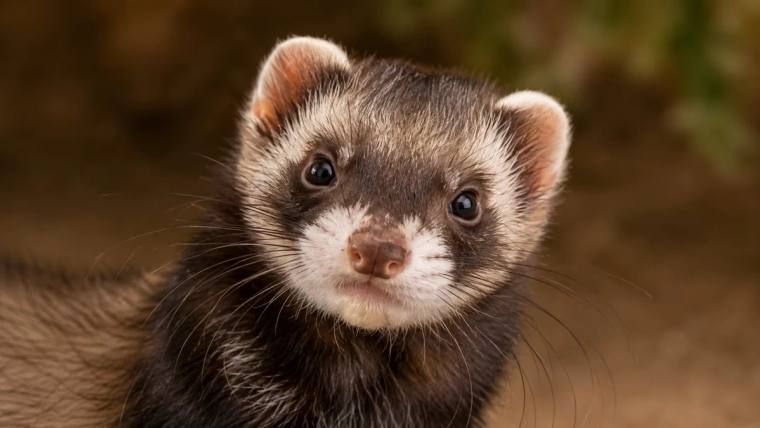
Why Do Ferrets Smell?
Ferrets smell. That is just the honest truth. But there is a big difference between the mild musky scent of a healthy ferret and the eye-watering odor of a ferret with a real problem.
Your ferret will never smell like a fresh linen closet. But if the smell is suddenly stronger, foul, or coming from a specific spot on their body, something is usually off. It could be dirty bedding, an ear infection, a poor diet, or in some cases, a health condition like adrenal disease.
Most causes are easy to fix once you know what you are looking for. By the end of this guide, you will know the difference between normal ferret odor and a warning sign, plus exactly what to do about both.
Do All Ferrets Smell?
Yes, every ferret has some level of natural odor. That is not a flaw. It is just how they are built.
Unlike cats, ferrets have active sebaceous glands in their skin that produce oils constantly. They also have scent glands that release pheromones used for social communication. Put those two things together with a small enclosed living space and fabric bedding that absorbs everything, and you get a noticeable smell.
The realistic goal for any ferret owner is not zero odor. It is manageable odor. A healthy, well-cared-for ferret should have a mild musky scent you only really notice up close. If the smell is filling the room, something in their care routine or health needs attention.
Understanding Natural Ferret Musk
Sebaceous Glands and Skin Oils
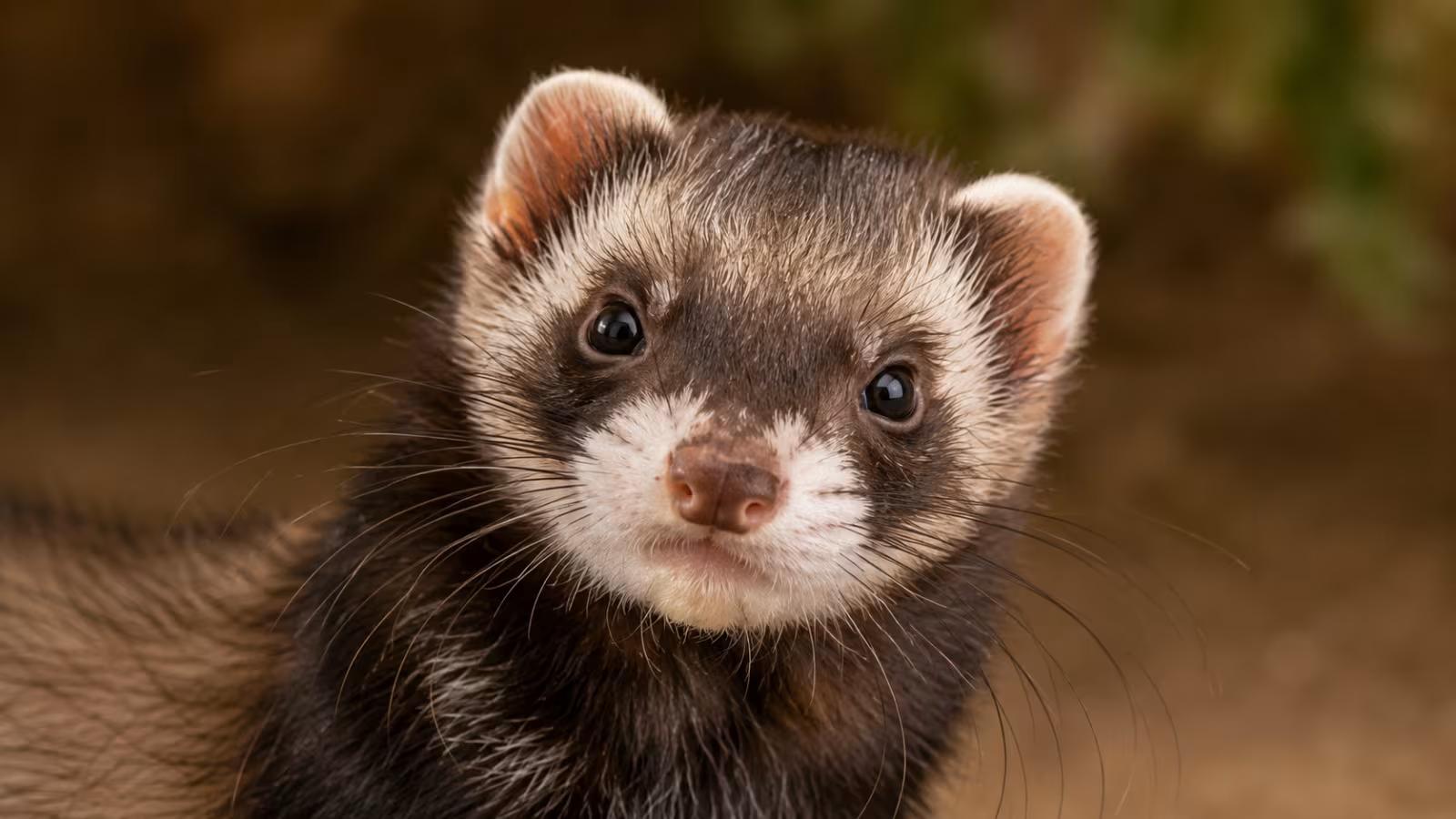
Ferrets have sebaceous glands spread throughout their skin. These glands produce oils that protect the skin, keep the coat healthy, and support natural scent communication between ferrets.
Those oils do not wash away easily. They build up in bedding, hammocks, and soft furnishings over time. That slow accumulation is what most people are actually smelling when they walk into a room with a ferret.
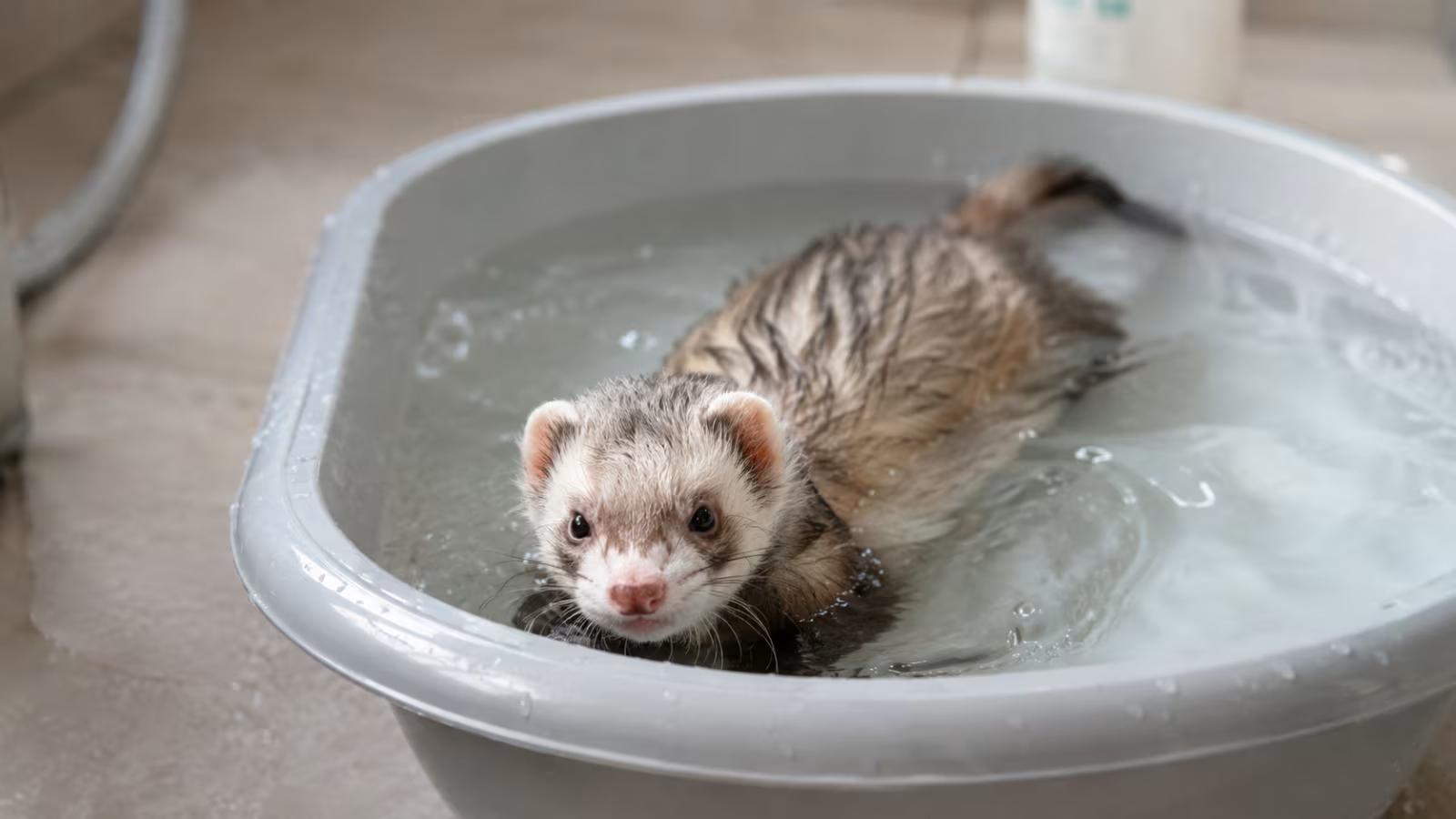
Note: Over-bathing often backfires. When natural oils are stripped away, a ferret’s skin may produce even more oil, making the smell stronger instead of weaker.
Scent Glands and Pheromones
Ferrets also have paired scent glands that release pheromones. These scent signals serve real social functions. Ferrets use them to recognize each other, mark territory, communicate reproductive status, and express stress or excitement.
Most pet ferrets in the United States are sold already descented, meaning the anal scent glands have been surgically removed. However, descenting does not eliminate ferret odor. The sebaceous glands throughout the skin are still fully active, and those are responsible for the majority of everyday musk.
Many new owners are surprised to discover their descented ferret still smells. That surprise usually comes from a misunderstanding of what descenting actually removes.
Why Ferrets Smell Different From Other Pets
Cats are meticulous self-groomers and produce relatively little body oil. Dogs vary a lot, but most have less active scent communication systems than ferrets.
Ferrets produce more skin oils, have stronger scent signaling, and spend most of their day sleeping in enclosed, fabric-lined spaces that trap and concentrate odor. The combination makes their smell more persistent and more noticeable than most common household pets.
Understanding this upfront helps you set realistic expectations and focus on what actually works.
What Makes Ferrets Smell Stronger?
A mild baseline smell is normal. But several things can push that smell from manageable to overwhelming.
Dirty Bedding
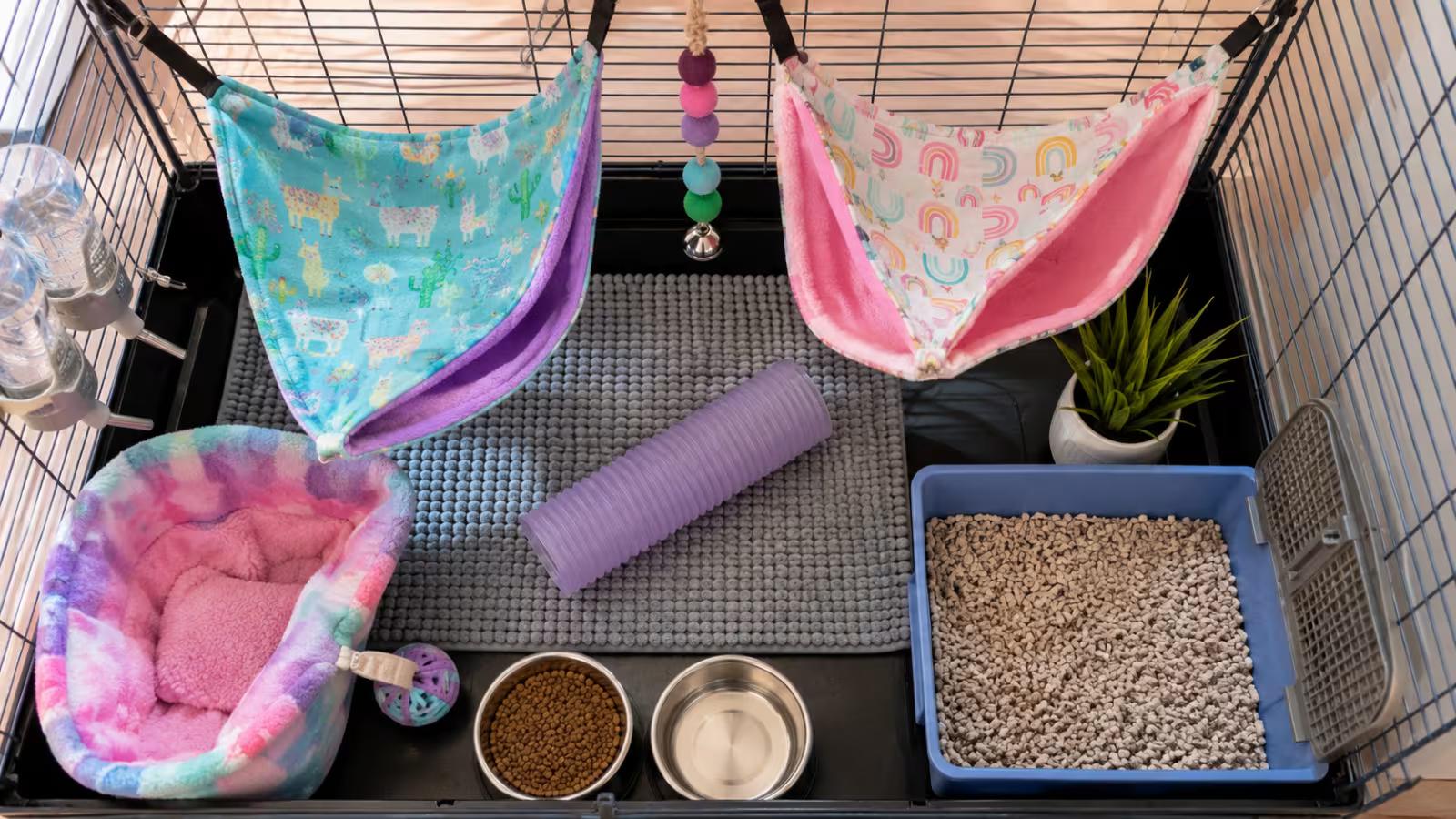
Bedding is the single biggest odor source in most ferret setups. Ferrets sleep up to 18 hours a day, often in hammocks, blankets, sleep sacks, and tunnels. Those materials absorb body oils, saliva, urine, and food particles continuously.
If you only wash bedding once every few weeks, you are basically letting the smell bake in. By the time it smells obvious to you, it has been building for a while.
Spot-clean daily and wash all soft bedding at least once a week. That single habit change solves a large portion of ferret odor complaints.
Dirty Litter Boxes
Ferret waste has a strong odor, and ferrets tend to use their litter boxes frequently. An uncleaned litter box becomes one of the dominant smells in the room within 24 hours.
Scoop at least once daily. In a household with two or more ferrets, you may need to scoop twice. A full litter change and scrub should happen weekly. This is not optional if you want odor under control.
Ear Wax Buildup
This one surprises most new owners. Ferret ears naturally produce wax, and that wax has a strong, distinct smell. If you have ever gotten close to a ferret and noticed a sour or musty smell near the head, earwax is often the cause.
Check the ears every one to two weeks. You should see a small amount of light brown wax. Dark wax, excessive buildup, or a foul smell from the ears is a sign to clean them and monitor for infection.
Use a ferret-safe ear cleaner and cotton balls. Never push anything deep into the ear canal.
Poor Diet
Ferrets are obligate carnivores. Their digestive systems are built for high animal protein and very low carbohydrates. When they eat poor-quality food with corn, wheat, soy, or excess fillers, the effects show up in their coat and their waste.
Low-quality diets often produce greasier skin, stronger stool odor, and a more pungent general body smell. Switching to a high-quality, meat-first ferret or raw diet frequently reduces odor noticeably within a few weeks.
Look for foods with named animal proteins listed first. Avoid anything with corn syrup, vegetable proteins, or grain-heavy fillers as primary ingredients.
Poor Ventilation
Even a spotlessly clean ferret setup will smell bad in a room with no airflow. Odor particles settle into carpets, curtains, and furniture when air is stagnant. A room that smells like nothing on a windy day can smell strongly of ferret on a still one.
Open windows regularly. A HEPA air purifier with an activated carbon filter placed near the enclosure makes a real difference. Good airflow is one of the most underrated tools in ferret odor management.
Normal vs. Concerning Ferret Odor
Knowing the difference between a normal smell and a warning sign is one of the most practical skills you can develop as a ferret owner.
Normal ferret odor is mild and musky. It is consistent over time. It comes from the general body rather than a specific localized spot. The ferret looks healthy, eats normally, and shows no skin or coat changes.
Concerning odor is sudden, strong, or foul. It may smell rotten, sour, or like infection. It might be localized to the ears, mouth, or skin. It often comes with other signs like hair loss, scratching, reduced appetite, or lethargy.
Tip: The most important signal is change. A ferret that smells the same as always is probably fine. A ferret whose smell has noticeably changed in a short period of time needs attention.
Can Health Problems Cause Strong Ferret Odor?
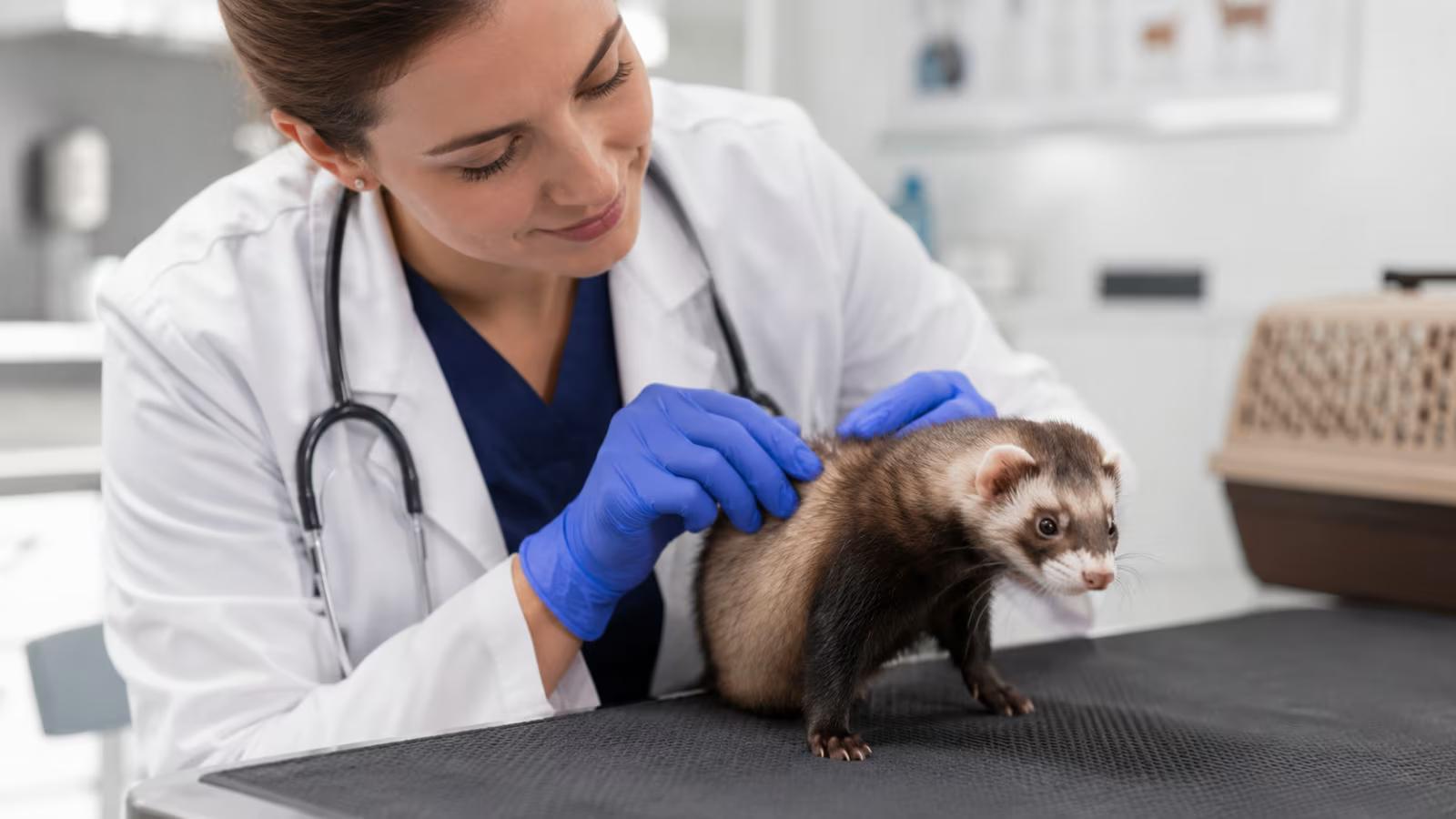
Yes, and this is the part many owners miss. If you have cleaned the cage, washed the bedding, checked the ears, and improved the diet, but the smell is still bad or getting worse, a health issue may be the cause.
Adrenal Gland Disease
Adrenal disease is one of the most common health problems in pet ferrets, especially those over three years old. The adrenal glands produce hormones, and when they malfunction, hormone imbalances affect many systems including the skin.
Ferrets with adrenal disease often develop noticeably increased body odor alongside hair loss, itching, a pot-bellied appearance, and behavioral changes like increased aggression or sexual behaviors in neutered animals. Females may develop an enlarged vulva.
If increased odor appears alongside any of these symptoms, schedule a veterinary exam promptly. Adrenal disease is treatable, but early intervention produces better outcomes.
Skin Infections
Bacterial or fungal skin infections cause the skin to produce more oil, develop an unpleasant odor, and sometimes show redness, scabs, or patchy hair loss. These infections require veterinary treatment and do not resolve on their own.
Ear Infections
An ear infection smells distinctly foul and different from normal earwax buildup. Affected ferrets usually scratch at their ears frequently, shake their heads, and may show redness or discharge in the ear canal. A vet visit and prescription treatment are necessary.
Dental Disease
Many owners attribute bad breath to general body odor without realizing it is coming from the mouth. Dental infections and gum disease are common in ferrets and can cause a strong, unpleasant oral smell.
If your ferret's breath suddenly smells foul, check for drooling, difficulty eating, facial swelling, or pawing at the mouth. These are signs that require veterinary attention.
Digestive Problems
Gastrointestinal problems often produce unusually strong stool odor, diarrhea, weight loss, or appetite changes. If the litter box smell is dramatically worse than normal, the ferret's digestion may be struggling.
How to Reduce Ferret Odor: A Practical Plan
Odor management works best as a consistent routine rather than occasional bursts of cleaning.
Daily Tasks
- Scoop the litter box.
- Remove any soiled bedding spots.
- Dispose of uneaten fresh food.
- Observe the ferret's behavior and appearance.
Weekly Tasks
- Wash all bedding, hammocks, and sleep sacks in hot water with unscented detergent.
- Scrub and fully replace litter.
- Wipe down cage surfaces with a pet-safe cleaner.
- Check and clean ears if needed.
Monthly Tasks
- Deep clean the entire enclosure.
- Sanitize all accessories and toys.
- Inspect ventilation and airflow in the room.
- Evaluate the ferret's coat, skin, and weight.
This kind of routine keeps odor from accumulating and makes any sudden changes easier to notice.
Feed a Better Diet
High-quality nutrition is one of the most powerful long-term tools for odor management. A meat-first diet improves skin health, reduces greasiness, and produces less pungent waste.
If you are currently feeding a grain-heavy kibble, transitioning to a higher-quality option or a raw diet often produces noticeable results within two to four weeks. Introduce dietary changes gradually to avoid digestive upset.
Improve Airflow Around the Enclosure
Position the enclosure in a well-ventilated area. Avoid tucking it into a corner with no airflow or inside a small enclosed room. A HEPA air purifier with an activated carbon filter near the cage helps capture odor particles before they settle into furniture and carpet.
Avoid using air fresheners or scented sprays around ferrets. Their respiratory systems are sensitive, and masking the smell does not address the source anyway.
Does Bathing Reduce Ferret Odor?
This is one of the most common misconceptions about ferret care. Frequent baths do not reduce ferret odor. In most cases, they make it worse.
When you bathe a ferret, you strip the natural oils from their skin. The skin senses this and responds by producing more oil to restore the protective barrier. More oil means more smell, and the rebound often happens within a few days of the bath.
Most healthy ferrets need only a few baths per year, and many do fine with even less than that. Spot cleaning with a damp cloth addresses specific dirty areas without triggering the oil rebound cycle.
When a bath is genuinely needed, use a ferret-specific shampoo or a gentle, unscented small animal shampoo. Keep the water warm, not hot, and dry the ferret thoroughly afterward to avoid chilling.
Does Neutering Reduce Ferret Odor?
In most cases, yes. Hormones influence how strongly the sebaceous glands produce oil and how actively the scent glands communicate. Intact ferrets, especially intact males called hobs, tend to smell significantly more intensely than neutered animals.
Most pet ferrets sold in the United States are already neutered before purchase. If you have an intact ferret, neutering usually produces a meaningful reduction in overall odor intensity.
That said, neutering does not eliminate ferret smell entirely. A neutered ferret still has fully active sebaceous glands and will still produce the characteristic musky scent. Neutering reduces the intensity, not the presence, of ferret odor.
Common Odor Problems and What They Usually Mean
The Ferret Smells Fine but the Room Still Stinks
The smell is almost certainly in the soft furnishings. Dirty bedding, a full litter box, or poor ventilation are the most common causes. Focus on enclosure hygiene and airflow first.
The Ferret Suddenly Smells Much Worse
Check the ears, inspect the skin and coat, and think about any recent diet changes. If the change is significant and you cannot identify a cause, contact a veterinarian. Sudden odor changes are one of the more reliable early warning signs of illness.
The Ferret Smells Unusually Oily
This often points to over-bathing, hormonal changes, or a skin condition. If you have been bathing frequently, stop and let the oils normalize. If the oiliness persists without recent baths, a vet check is warranted.
The Ferret Smells Like Urine
Soiled bedding or fur contaminated during litter box use is the usual cause. Check whether the ferret is using the litter box properly and whether any bedding is soaked with urine. Increase cleaning frequency and reassess the litter box placement.
Ferret Odor Myths Worth Debunking
Myth: Ferrets Need Frequent Baths to Stay Clean
False. Frequent bathing increases oil production and makes the smell worse. Most ferrets need only a handful of baths per year.
Myth: All Ferrets Smell Terrible
False. Well-cared-for ferrets with a good diet, clean enclosure, and regular grooming typically have a mild, manageable odor that most owners barely notice after the first few weeks.
Myth: Air Fresheners and Candles Solve Ferret Odor
False. Masking the smell does not remove it. Odor sources need to be addressed directly. Heavily scented products near ferrets can also irritate their respiratory systems.
Myth: A Strong Smell Is Just Normal for Ferrets
False. A sudden increase in odor intensity or a foul, unusual smell is often a sign of illness, infection, or a care problem that needs fixing.
Long-Term Ferret Odor Prevention
Odor prevention is simpler than odor correction. Once you have the basics working, you will rarely need to do anything special.
Keep bedding clean, litter boxes scooped daily, and ears checked regularly. Feed a high-quality diet and make sure the room has decent airflow. Schedule an annual veterinary wellness exam where you can discuss any changes you have noticed, including odor.
Watch for changes. A ferret that suddenly smells different has something going on. It might be as simple as a missed bedding wash or as serious as an infection. The faster you identify the cause, the easier it is to fix.
Most odor problems that ferret owners struggle with come down to one or two habits that need adjusting. Once those are in place, daily life with a ferret becomes much more comfortable for both of you.

Conclusion
Ferrets have a natural smell, and that will never fully go away. But there is a wide gap between the mild musky scent of a healthy, well-cared-for ferret and the kind of overpowering odor that makes a room unpleasant. Most of the time, that gap comes down to bedding hygiene, diet quality, litter box maintenance, and airflow.
The cases where odor becomes a real problem are usually either care-related or health-related, and both are fixable. Keep the enclosure clean, feed a quality diet, check the ears regularly, and pay attention to sudden changes. That simple routine handles the vast majority of ferret odor issues before they become serious.
If you have addressed the basics and the smell is still getting worse, or if it is accompanied by hair loss, skin changes, or other symptoms, a veterinary visit is the right next step. Ferrets are good at hiding illness, and odor is sometimes one of the first signs something is off.
References and External Resources
-
American Ferret Association – Ferret Health and Care Guidelines
https://www.ferret.org -
VCA Animal Hospitals – Ferret Care: General Information
https://vcahospitals.com/know-your-pet/ferret-care-general-information -
PetMD – Adrenal Gland Disease in Ferrets
https://www.petmd.com/ferret/conditions/endocrine/c_ft_adrenal_gland_disease -
Merck Veterinary Manual – Ferrets: Routine Health Care
https://www.merckvetmanual.com/all-other-pets/ferrets/routine-health-care-of-ferrets -
Journal of Exotic Pet Medicine – Ferret Dermatology and Skin Conditions
https://www.journalofexoticpetmedicine.com -
House Rabbit Society (for general small animal care comparisons)
https://www.rabbit.org