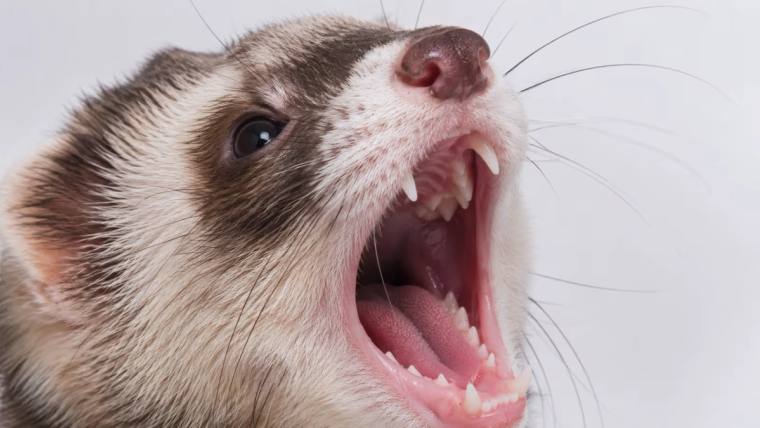
What ferrets should eat is one of the most important and most misunderstood topics in ferret care. This guide covers their nutritional needs, the best food options, dangerous foods to avoid, feeding schedules, and everything else you need to feed your ferret correctly.
Most people underestimate how specific a ferret's diet really needs to be. Ferrets are not like rabbits or hamsters. They are not omnivores. They cannot thrive on fruit, vegetables, or grains.
Getting their diet wrong is one of the leading causes of serious illness in pet ferrets, and it happens more often than most owners realize.
Ferrets Are Obligate Carnivores: What That Actually Means
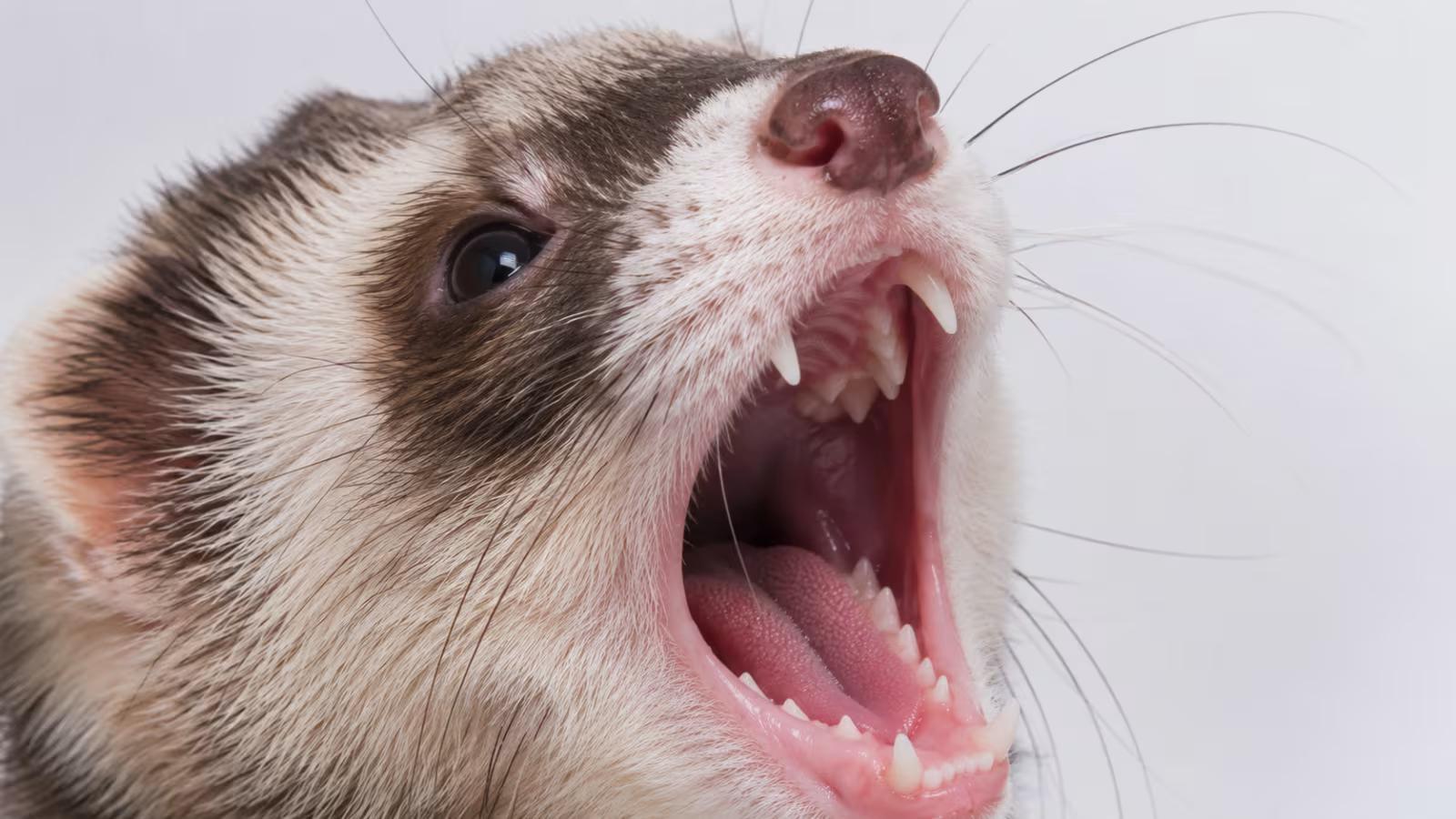
Ferrets are obligate carnivores. That word "obligate" matters. It means their bodies are biologically incapable of getting the nutrition they need from anything other than animal protein and fat.
This is not a preference. It is a physiological fact.
A ferret's digestive tract is short, roughly three to four hours from mouth to exit. That rapid transit time means there is almost no opportunity to extract nutrients from plant matter, fiber, or complex carbohydrates.
Plants move through their system mostly undigested. Fiber provides no benefit and can actually cause intestinal blockages or irritation.
Their liver lacks the enzymes to process plant-based proteins efficiently. They cannot synthesize taurine on their own, a critical amino acid that must come from meat.
They rely entirely on dietary fat for energy rather than carbohydrates. Every single system in their body is built around animal tissue as the primary fuel source.
Note: Understanding that ferrets are obligate carnivores shapes every feeding decision you will make for them.
What Nutrients Ferrets Actually Need
Before looking at which specific foods are best, it helps to understand what ferrets need at the nutrient level. Their diet should be built around three things: high protein, high fat, and very low carbohydrates.
Protein should make up roughly 30 to 40 percent of the total diet, and it must come from animal sources. The amino acid profile in animal protein closely matches what ferrets need for muscle maintenance, organ function, immune support, and coat health.
Plant proteins like soy or corn gluten simply do not provide the right amino acid balance and are poorly absorbed.
Fat should make up around 15 to 20 percent of the diet. Ferrets use fat as their primary energy source.
A diet too low in fat leaves ferrets lethargic, underweight, and with a dull coat. Dietary fat also supports brain function, hormone production, and the absorption of fat-soluble vitamins.
Carbohydrates should be kept as close to zero as possible. A ferret's pancreas is not designed for high carbohydrate intake, and chronic sugar or starch consumption is one of the main suspected contributors to insulinoma.
Taurine, arginine, and arachidonic acid are essential nutrients that ferrets cannot produce on their own and must get from meat. A diet built entirely on quality animal protein naturally provides all three without supplementation.
The Best Foods You Can Feed a Ferret
Raw Whole Prey and Raw Meat
The best possible diet for a ferret is one that most closely resembles what their wild ancestors ate. Ferrets are descended from European polecats, which hunt and eat small mammals, birds, and eggs.
A raw diet modeled on this natural eating pattern is widely considered the gold standard by exotic veterinarians and experienced ferret owners.
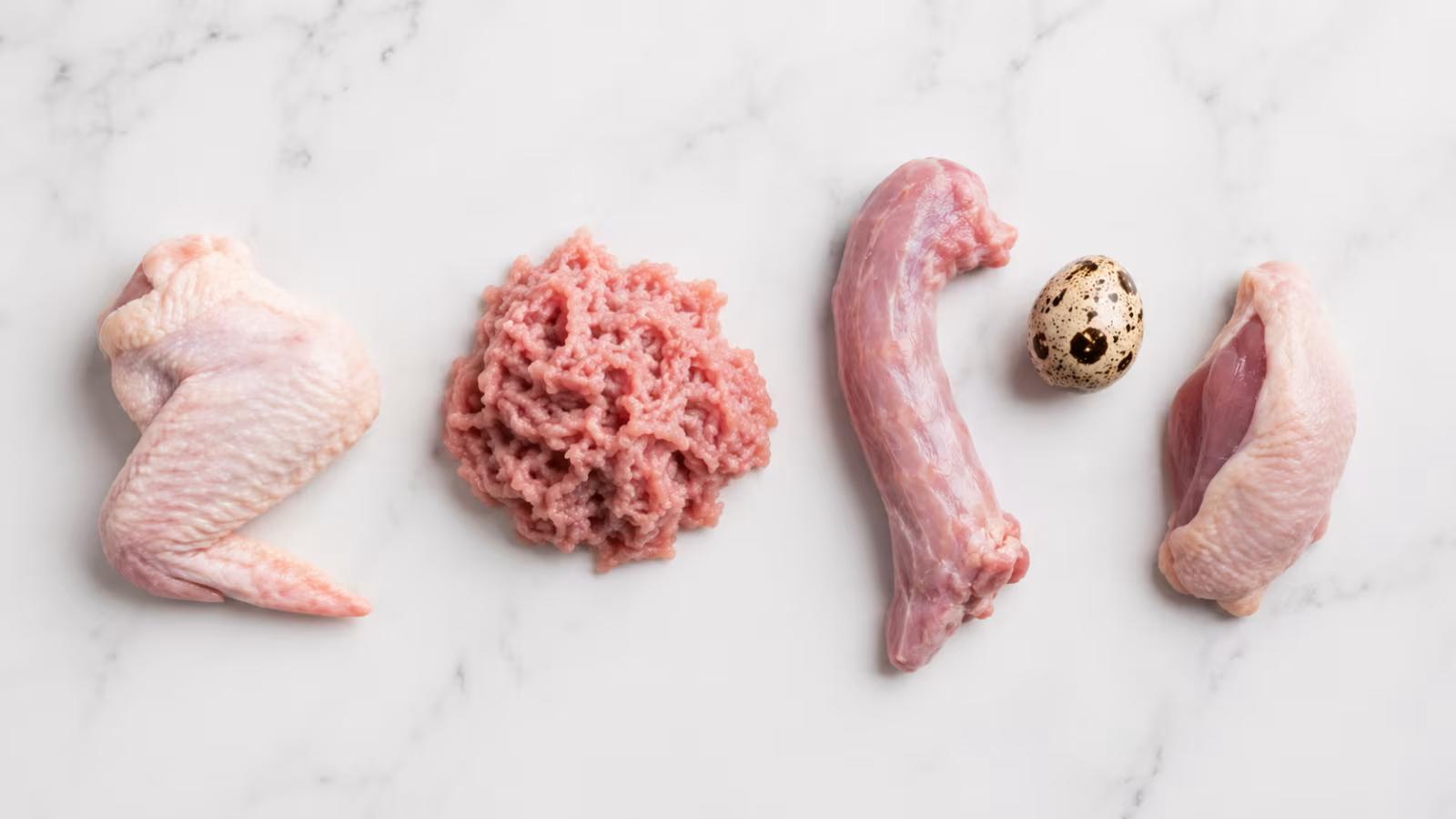
Raw chicken is one of the most accessible and nutritious options. Chicken wings, thighs, necks, and legs all provide the right balance of muscle meat, fat, bone, and connective tissue.
The bone in raw chicken wings and necks is soft enough for ferrets to chew safely and provides calcium.
Important: Never feed cooked chicken bones. Cooked bones can splinter and cause serious internal injuries.
Raw turkey, rabbit, quail, and duck are all excellent additions. Variety matters in a raw diet because different proteins provide slightly different nutrient profiles.
Rotating proteins also prevents ferrets from becoming fixated on one food, which can make dietary transitions much harder later in life.
Whole prey items, including day-old chicks, pinkies, and whole small rodents, are considered by many exotic vets to be the most nutritionally complete option available.
The organs, bones, fur, and tissue together create a natural nutritional balance that is extremely difficult to replicate with any processed food.
Organ meat should make up roughly ten to fifteen percent of the total raw diet. Liver, kidney, and heart are nutrient-dense and provide vitamins and minerals not found in muscle meat alone.
Too much organ meat, particularly liver, can cause loose stools due to its high vitamin A content, so it is best offered in moderation rather than as a daily staple.
A well-structured raw diet gives ferrets the closest thing to optimal nutrition available. Their coats tend to be shinier, their energy levels higher, their stools firmer and less odorous, and their long-term health outcomes generally better compared to ferrets fed solely on processed food.
High-Quality Commercial Ferret Food
Raw feeding is not practical for every owner, and that is completely understandable. A high-quality commercial ferret food or high-protein cat food is a workable alternative when chosen carefully.
When evaluating any commercial ferret food, the first thing to check is the ingredient list. The first two or three ingredients must be named animal proteins, such as chicken, turkey, duck, lamb, or salmon.
Ingredients listed simply as "meat meal" or "poultry by-product meal" without a named species are lower quality.
Avoid any product where the first few ingredients include corn, wheat, soy, potato, pea, or any form of sugar or syrup.
Guaranteed protein content should be 36 percent or higher on a dry matter basis. Fat content should sit between 15 and 20 percent. Carbohydrate content should be as low as possible.
Quick tip: If the food lists multiple grains or plant-based ingredients, it is not suitable for ferrets regardless of what the packaging says.
Some cat foods marketed for kittens or high-performance cats can work if they meet the same criteria. Brands such as Zupreem, Marshall Premium, and several high-protein kitten foods are commonly used.
Always verify the current formula, as manufacturers can change recipes without notice.
No commercial food, even the best ones, perfectly replicates the nutritional completeness of a raw whole prey diet. But a quality commercial ferret food or kitten food is vastly better than an inappropriate diet and is a realistic option for owners who cannot manage raw feeding.
Cooked Meat as a Supplement
Lightly cooked plain meat can be used as an occasional supplement or treat, though it is not ideal as a primary diet.
Cooking destroys some heat-sensitive nutrients, alters protein structure in ways that reduce bioavailability, and removes moisture.
Cooked meat should always be plain with no seasoning, no sauces, no onion, no garlic, and no marinades of any kind.
If cooked meat is used as part of the diet, it should be thought of as a complement to either a raw diet or high-quality commercial food, not a replacement for either.
Can Ferrets Eat Dry Kibble?
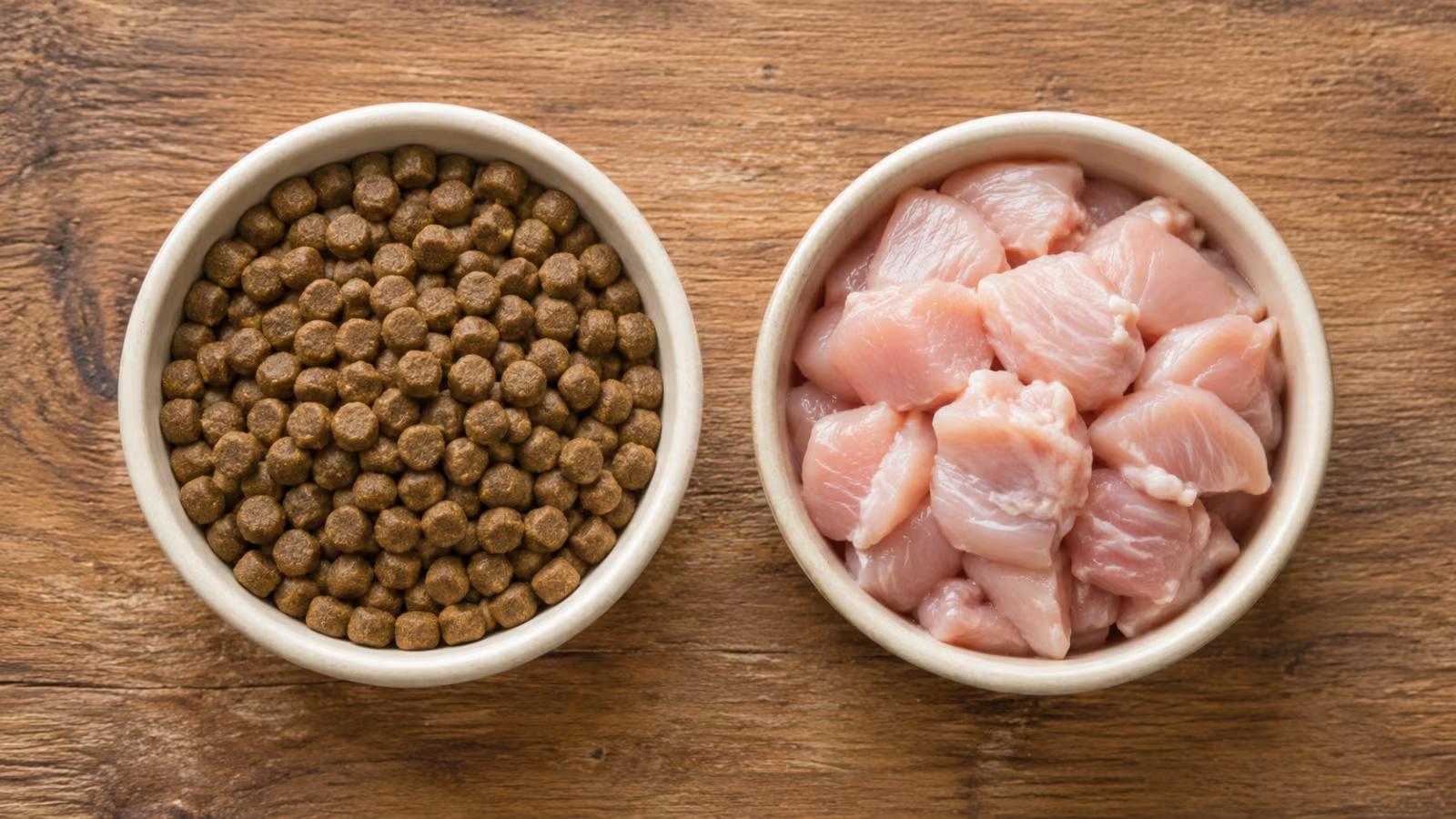
Dry kibble is the most commonly fed diet for ferrets in many countries, largely because it is convenient and widely available. Whether it is appropriate depends entirely on its composition.
A dry food formulated specifically for ferrets, or a high-protein dry kitten food, can be adequate if it meets the nutritional criteria described above.
The main limitation of dry food is its carbohydrate content. Even premium dry foods contain some level of starch as a binding agent for the kibble shape, which means no dry food is truly zero carbohydrate.
Another consideration is moisture. Ferrets on a dry-only diet often do not drink enough water to compensate for the lack of moisture in their food.
Chronic mild dehydration can stress the kidneys and urinary tract over time. If dry food is the primary diet, a water fountain or multiple fresh water bowls placed around the living area encourages better hydration.
Dry food also contributes to tartar buildup more than raw bones or wet foods. Adding raw meaty bones a few times per week helps maintain dental health even for ferrets primarily on kibble.
The worst kibble choices are those sold in general pet stores without specific formulation standards, often marketed broadly as "ferret food" but full of corn, wheat, and low-grade fillers. These should be avoided entirely.
Foods Ferrets Should Never Eat
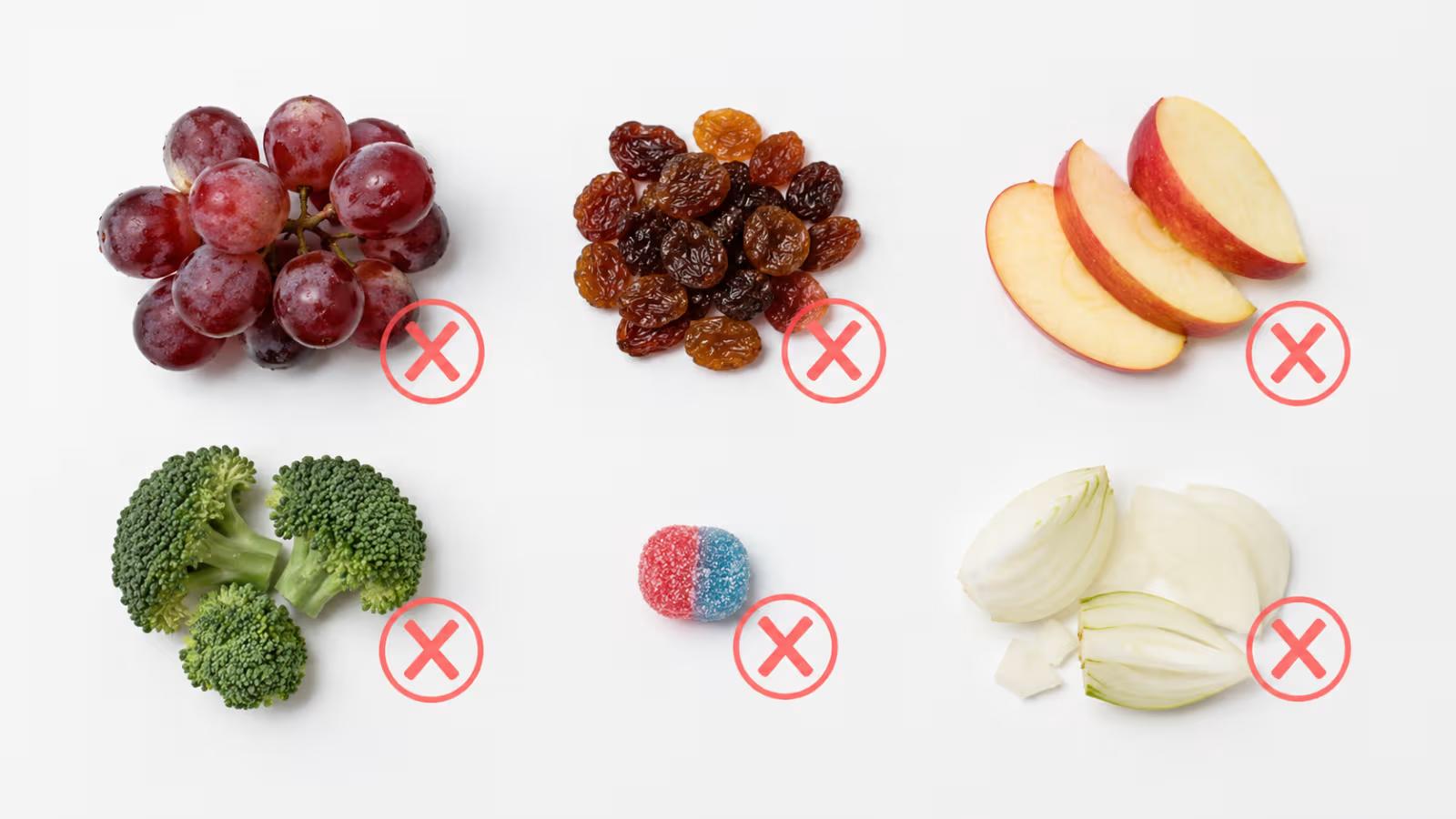
Getting this section right could genuinely extend your ferret's life. There are several categories of food that are harmful or outright toxic to ferrets.
Fruits and sweet foods are one of the most important categories to avoid. The high sugar content is directly linked to the development of insulinoma in ferrets.
This includes bananas, grapes, raisins, apples, berries, dried fruit, fruit juices, and any food containing added sugar.
Dairy products should not be fed. Ferrets are lactose intolerant and cannot properly digest milk, cheese, yogurt, or cream. These can cause digestive upset, diarrhea, and discomfort.
Vegetables and plant-based foods are poorly digested and provide no meaningful nutrition to ferrets. Onions and garlic are particularly dangerous and can cause hemolytic anemia.
Avocado, tomatoes, and raw potato should also be completely avoided.
Grains and carbohydrates including bread, cereal, pasta, rice, and crackers are inappropriate. Even small amounts given regularly contribute to sugar spikes and long-term pancreatic stress.
Dog food is not suitable for ferrets. Dog food is formulated for omnivores with completely different protein and fat requirements. It is too low in protein, too high in carbohydrates, and often contains plant-based ingredients that ferrets cannot use.
Cooked bones of any kind are dangerous. Cooking makes bones brittle and prone to splintering into sharp fragments that can puncture or block the digestive tract.
Unsafe Foods for Ferrets
- Fruit of any kind, including dried fruit and fruit juice
- Vegetables, especially onions, garlic, and avocado
- Dairy products including milk, cheese, and yogurt
- Any food with added sugar, including sweets and flavored treats
- Dog food or general small animal food
- Cooked bones
- Bread, rice, pasta, cereals, and grains
- Processed human snacks including chips, crackers, and cookies
Safety rule: If you ever have any doubt about whether a specific food is safe, the default answer should be no.
Ferrets do not need dietary variety beyond appropriate proteins, and the risks of getting it wrong are significant.
Feeding Schedule and Portion Sizes
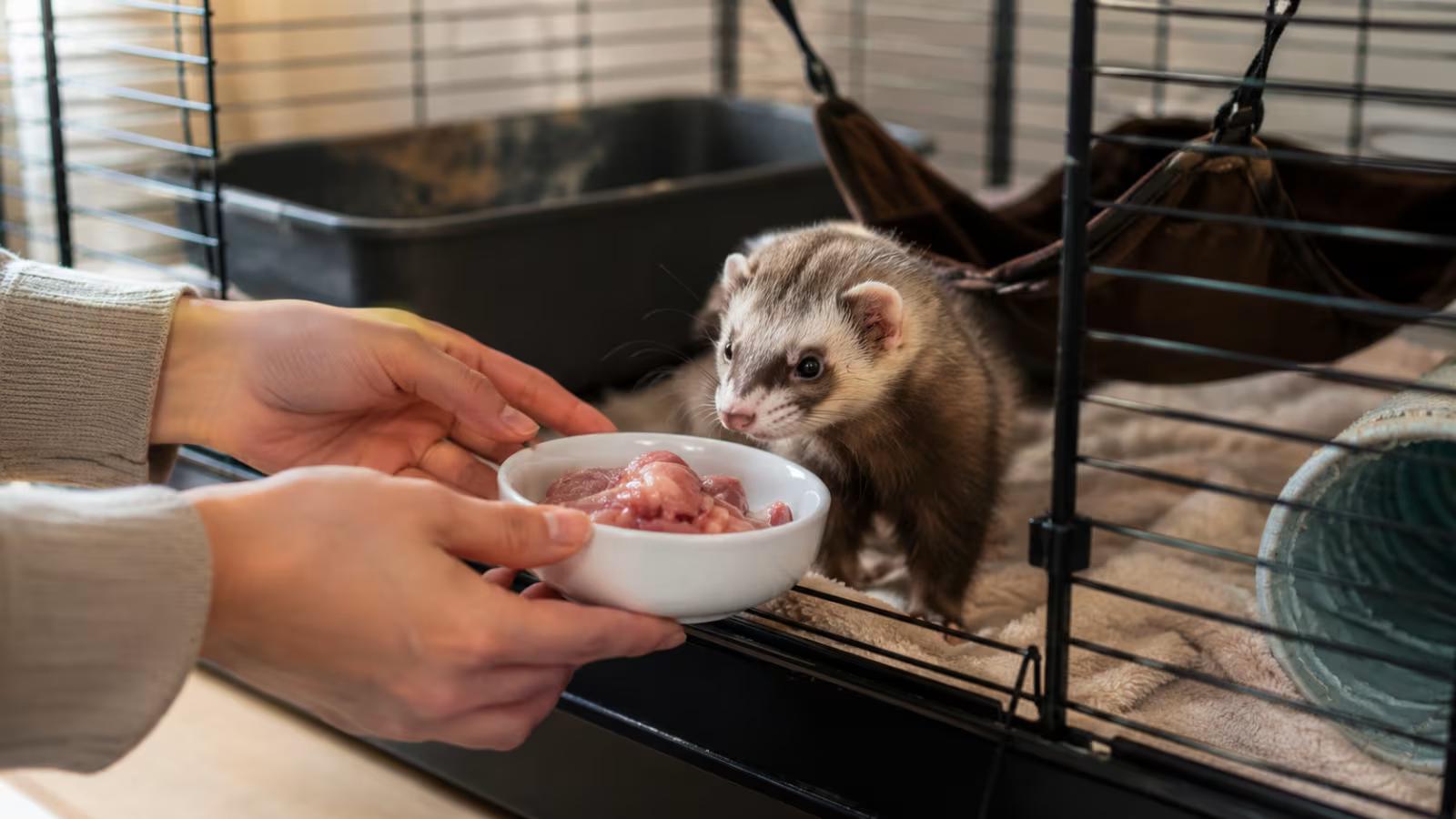
Ferrets have a high metabolic rate and a short digestive transit time, which means they need to eat frequently throughout the day.
Unlike cats or dogs that can be fed on a strict twice-daily schedule, ferrets do best with constant or near-constant access to food.
Most ferret owners and exotic veterinarians recommend using a free-feeding approach for dry or commercial foods, where a bowl is kept consistently stocked and the ferret eats whenever it chooses.
Ferrets are generally self-regulating and will not overeat a protein and fat-based diet the way they might overeat high-carbohydrate foods.
For raw feeding, two to three meals per day is a practical approach. Most adult ferrets eat roughly 5 to 7 percent of their body weight daily, though this varies with age, activity level, and the season.
A typical adult ferret weighing around 1 kg, or 2.2 lbs, eats roughly 50 to 70 grams of raw food per day.
In winter or when naturally putting on pre-winter weight, ferrets may eat noticeably more.
Kittens and juvenile ferrets under one year old have even higher energy demands and should be given unrestricted access to food at all times.
Senior ferrets over five years old may need slightly smaller, more frequent meals if they have dental issues or digestive sensitivity.
Fresh water must always be available. Both a sipper bottle and an open bowl are recommended, as some ferrets prefer one over the other.
Water should be changed daily and containers cleaned regularly to prevent bacterial growth.
Transitioning a Ferret to a New Diet
One of the most common and frustrating challenges ferret owners face is dietary transition.
Ferrets imprint strongly on foods they were introduced to early in life, often between the ages of three and six months.
A ferret that grew up on a specific dry food may flatly refuse anything else for weeks or even months.
This stubbornness is not just pickiness. It is a hardwired survival instinct. In the wild, this behavior prevents animals from eating unfamiliar foods that might be unsafe.
In domestic ferrets, it creates genuine difficulty when owners want to switch to a healthier diet.
The most effective approach is gradual introduction. Start by mixing a very small amount of the new food with the existing food.
Over several weeks, slowly shift the ratio until the new food makes up the majority of the diet. Going too fast typically results in complete refusal and stress for both owner and ferret.
For transitioning to raw meat, some owners start with cooked meat and slowly reduce the cooking over time until the meat is fully raw.
Others use whole prey items warmed slightly to enhance the scent, which triggers a ferret's natural hunting and feeding instincts.
Tip: Be patient. Some ferrets transition within a couple of weeks, while others may take three to six months.
The process is worth it, and the improvement in health, coat quality, and energy levels is often dramatic once a ferret fully accepts a better diet.
Ferret Treats: What Is Actually Safe
Most commercial ferret treats found in pet stores are inappropriate. They are often made with sugars, dried fruit, dairy, or low-quality fillers designed to appeal to human buyers rather than ferret biology.
Safe treat options are simple: small pieces of raw or cooked plain meat.
A tiny piece of cooked chicken breast, a small sliver of raw duck, or a lick of unseasoned chicken broth made without onion or garlic are all appropriate.
Freeze-dried single-ingredient meat treats, with no added ingredients, are one of the few commercial options that can work well.
Treats should be small and infrequent. The goal of a treat is behavioral reinforcement or bonding, not nutrition.
A piece of raw chicken the size of a fingernail is more than adequate and far safer than anything with a flashy label.
Never use fruit, raisins, or yogurt drops as treats, despite these appearing in many pet stores specifically marketed for ferrets.
The marketing does not change the biology. These items are harmful regardless of how they are packaged.
Hydration and Water Needs
Ferrets need fresh water available at all times. Their kidneys and urinary system are sensitive, and even mild dehydration can contribute to urinary tract problems over time.
Ferrets on a raw diet naturally absorb more moisture from their food and may drink less water, which is normal.
Ferrets eating dry food exclusively should be encouraged to drink more. Many ferrets are attracted to moving water, and a small pet water fountain can significantly increase daily water intake.
Water bowls should be heavy enough that they cannot be tipped over. Ferrets are notoriously playful with their environment and will flip lightweight bowls regularly.
Stainless steel or ceramic bowls are easier to keep clean than plastic, which can harbor bacteria in scratches over time.
Supplements: Do Ferrets Need Them?
A ferret eating a complete and varied raw diet of muscle meat, organ meat, and whole prey generally does not need additional supplements.
The nutrients they require are present in appropriate proportions within a well-structured raw diet.
Ferrets on a commercial dry food diet may benefit from occasional raw meaty bones for dental health and the addition of variety through supplemental raw meat.
Omega-3 fatty acids from fish oil can support coat and skin health, particularly in ferrets showing dry skin or a dull coat.
Salmon oil or krill oil in very small amounts, a few drops per week, is a commonly recommended addition.
Taurine supplementation is rarely necessary for ferrets eating quality animal protein.
However, if a ferret has been on a poor diet for an extended period, a veterinarian may recommend temporary supplementation during dietary recovery.
Vet note: Always consult an exotic animal vet before adding supplements. Over-supplementation can cause problems, especially with fat-soluble vitamins like A and D.
Conclusion
Ferrets are not complicated animals to feed once you understand what they actually need.
They are obligate carnivores that thrive on animal protein and fat, require almost no carbohydrates, and are genuinely harmed by many foods commonly found in pet stores.
The best diet you can offer is a varied raw diet built around muscle meat, organ meat, and whole prey.
If that is not practical, a high-quality commercial ferret food or high-protein kitten food that prioritizes named animal proteins is a legitimate alternative.
The most important thing is to be deliberate about what goes into your ferret's bowl, because diet more than almost any other factor determines how long and how well your ferret lives.
If you are new to ferret ownership, start by evaluating the food you are currently using against the criteria in this article.
If it does not meet the standard, transition gradually. Your ferret's health, energy, and lifespan are directly shaped by what you feed them, and the right diet makes a real and measurable difference.