There's something genuinely magical about the moment you first spot a cluster of axolotl eggs beginning to hatch. After weeks of careful monitoring, those tiny wriggling shapes emerge - barely the size of a grain of rice, almost translucent, and entirely dependent on you for survival. If you've never raised a newborn axolotl before, the experience can feel equal parts thrilling and overwhelming.
I've been keeping axolotls for over eight years now, and I still get excited every single time a new batch hatches. But I also remember how confused I was the first time it happened to me - frantically searching online, getting conflicting advice, and making more than a few mistakes along the way. This guide is what I wish someone had handed me back then.
Whether you're dealing with your first clutch or you've been through it before but want to sharpen your approach, we're going to cover everything from what a newborn axolotl looks like in those first critical hours, through to the feeding schedule that actually works, and the common pitfalls that can cost you a healthy hatchling.
What Does a Newborn Axolotl Actually Look Like?
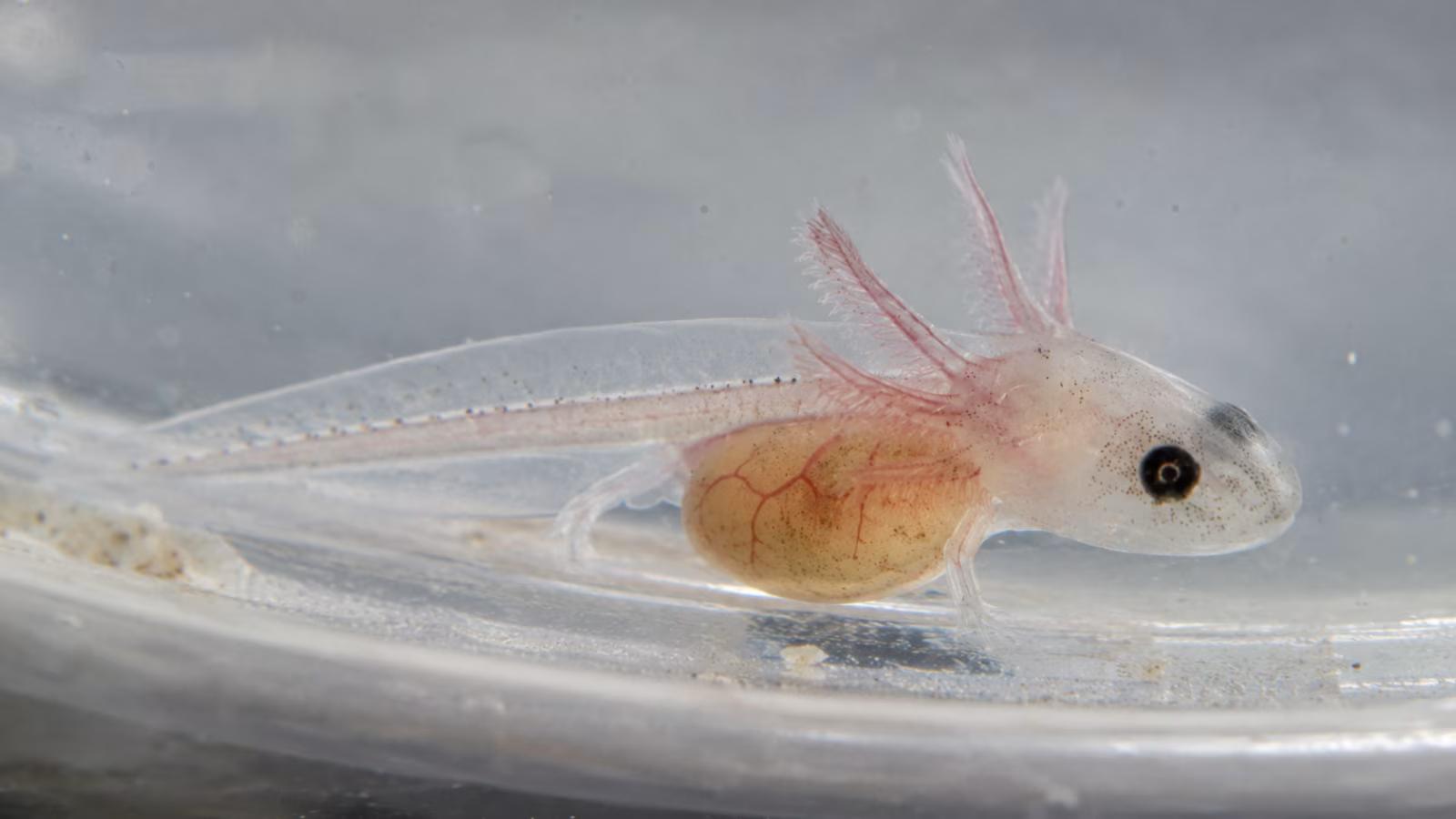
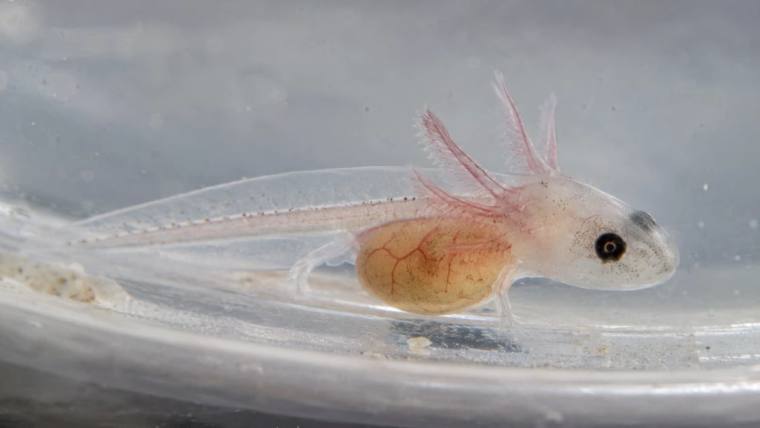
This might sound like a silly question, but you'd be surprised how many people panic the first time they see a freshly hatched axolotl newborn because they look so different from the adults. We're talking about creatures that are roughly 11–15mm long at hatching - about half an inch. They're almost see-through, with a faint yellowish or pinkish hue, and you can literally watch their tiny hearts beating through their skin.
At this stage, newborn axolotls don't yet have functional mouths. This is a crucial point that trips up a lot of new owners: for the first 48–72 hours after hatching, they are living off their yolk sac. They don't need food, and more importantly, they can't eat it yet. Trying to introduce food too early is one of the most common mistakes I see.
Their external gills - those feathery, branching structures that make axolotls so distinctive - are already beginning to develop at this point, though they're far smaller and less dramatic than what you'll see in a juvenile or adult. The legs are barely there, more like little paddles than proper limbs, and they move with an awkward, spiralling motion that's oddly hypnotic to watch.
One thing worth knowing: it's normal for some hatchlings to look slightly different from others in the same clutch. Some will be more active straight away, some will linger near the surface, others will settle at the bottom. As long as they're moving and look physically intact, this variation is nothing to worry about.
The First 72 Hours: Setting Up for Success
Before we even get to the question of what to feed newborn axolotls, the environment matters enormously. Hatchlings are extraordinarily sensitive, and a lot of them are lost in those first few days not because of feeding errors but because of water quality or temperature problems.
Water Temperature
Axolotls are cold water animals, and this is even more critical for newborns. You want to aim for 14–18°C (57–64°F). At temperatures above 22°C (72°F), even healthy adults start to suffer. For hatchlings, the margin for error is much smaller. If you're raising them in summer or in a warm house, a small aquarium chiller is genuinely worth the investment.
Water Quality
Ammonia is the number one killer of newborn axolotls. Their tiny systems have almost no tolerance for it. At this stage, I typically use a bare-bottom container - often just a large plastic tub or a dedicated hatchling tank - and do small daily water changes of around 20–30% using dechlorinated water that's been matched to the same temperature. Don't use water straight from the tap; chlorine and chloramines are lethal to hatchlings.
Separate Them Early
Here's something many guides gloss over: axolotl newborns are cannibalistic. Once they're old enough to eat (usually around day 3–5), they will attempt to eat each other if they're hungry or if one hatchling is noticeably smaller than the others. Separate them into individual containers or very small groups of similar-sized animals as soon as feeding begins. Yes, it's more maintenance. No, there isn't really a shortcut around this if you want good survival rates.
What Do Newborn Axolotls Eat? The Complete Feeding Guide
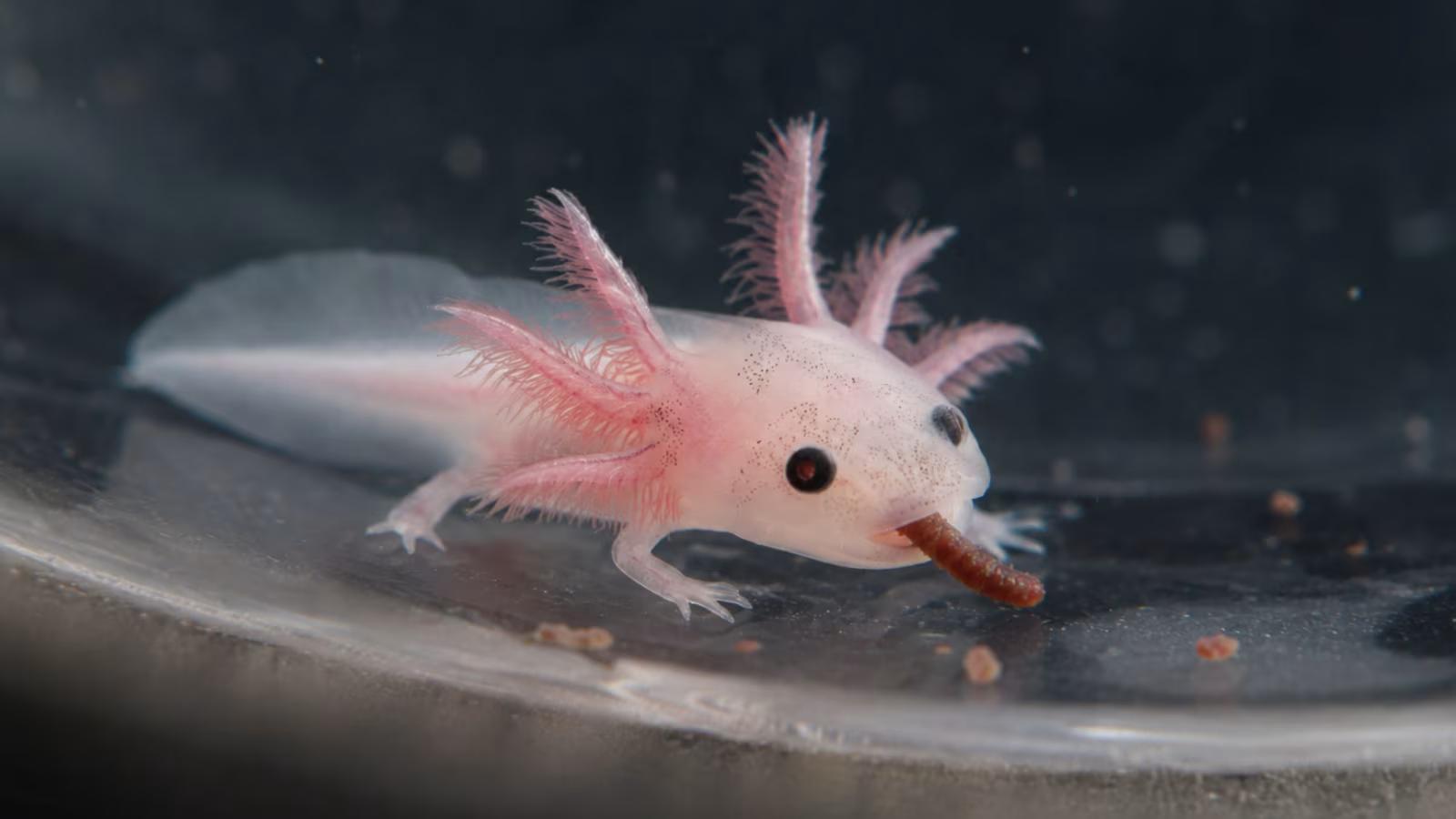
Alright, this is the question most people arrive here with: what do newborn axolotls eat? The short answer is that they need live food, and specifically live food that is small enough for them to detect, chase, and consume. Axolotls are visual hunters who respond to movement - a motionless piece of food simply doesn't register to them as something edible, especially at this young age.
The good news is that the food options are well-established. The bad news is that some of them require a little preparation or sourcing in advance. I'd strongly recommend having your food cultures going before the eggs hatch, not after - scrambling to find baby brine shrimp when you've got hungry three-day-old hatchlings is stressful and sometimes results in a bad start.
Baby Brine Shrimp (Artemia nauplii) - The Gold Standard
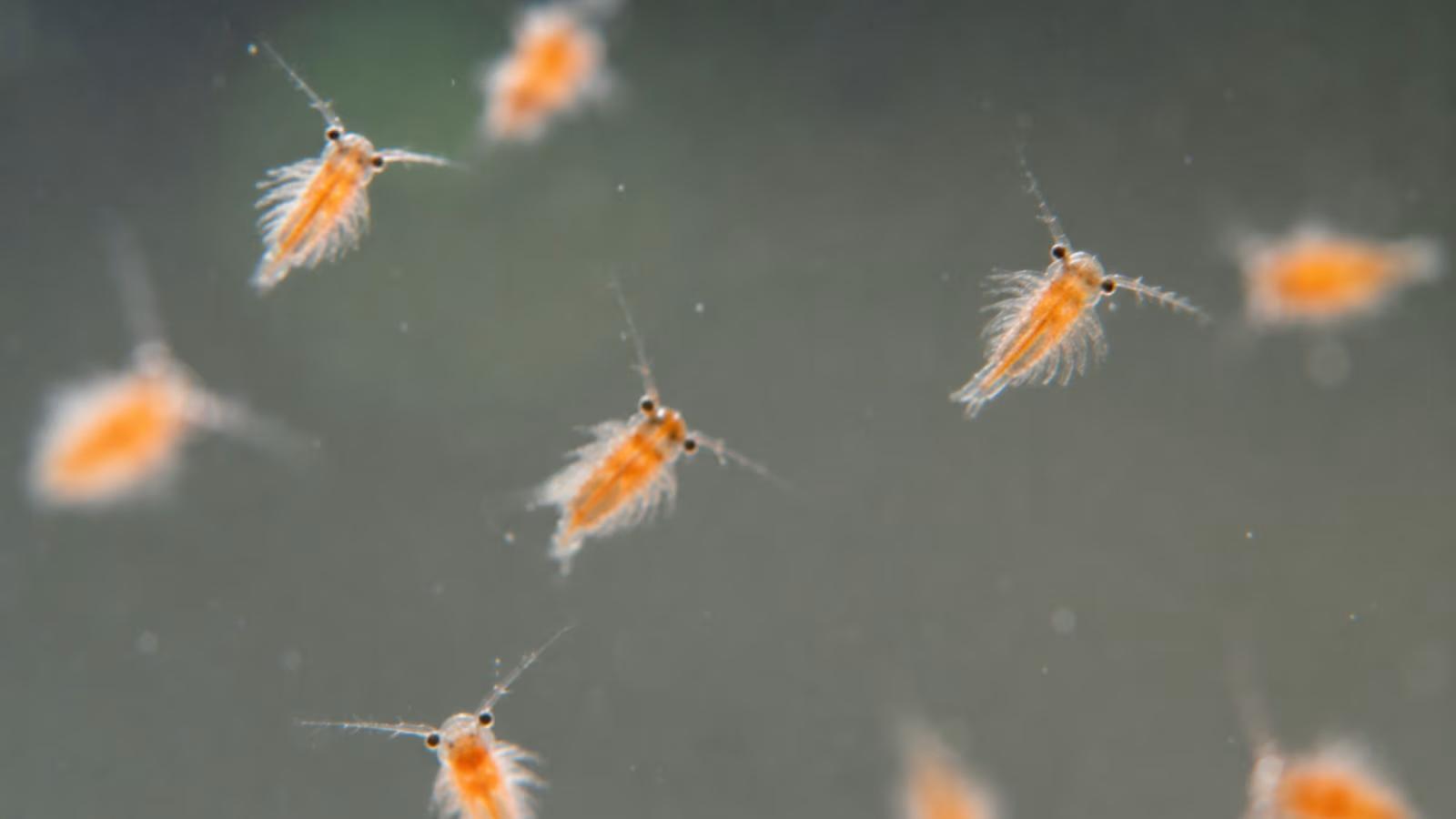
Baby brine shrimp, specifically the freshly hatched nauplii (larvae), are almost universally recommended as the first food for newborn axolotls, and for good reason. They're the right size, they move constantly (which triggers the hunting response), they're nutritious at the nauplii stage, and hatching your own is relatively straightforward once you get the hang of it.
You'll need brine shrimp eggs (available from most aquarium shops or online), a hatching setup - a plastic bottle, an air pump, and some airline tubing is all you really need - plus non-iodised salt and warm water at around 26–28°C. The eggs hatch in 24–48 hours. Harvest the nauplii by shining a torch near the bottom of the bottle (they're phototactic, meaning they swim toward light), which lets you siphon them out while leaving the empty shells behind. Rinse them briefly in fresh water before feeding.
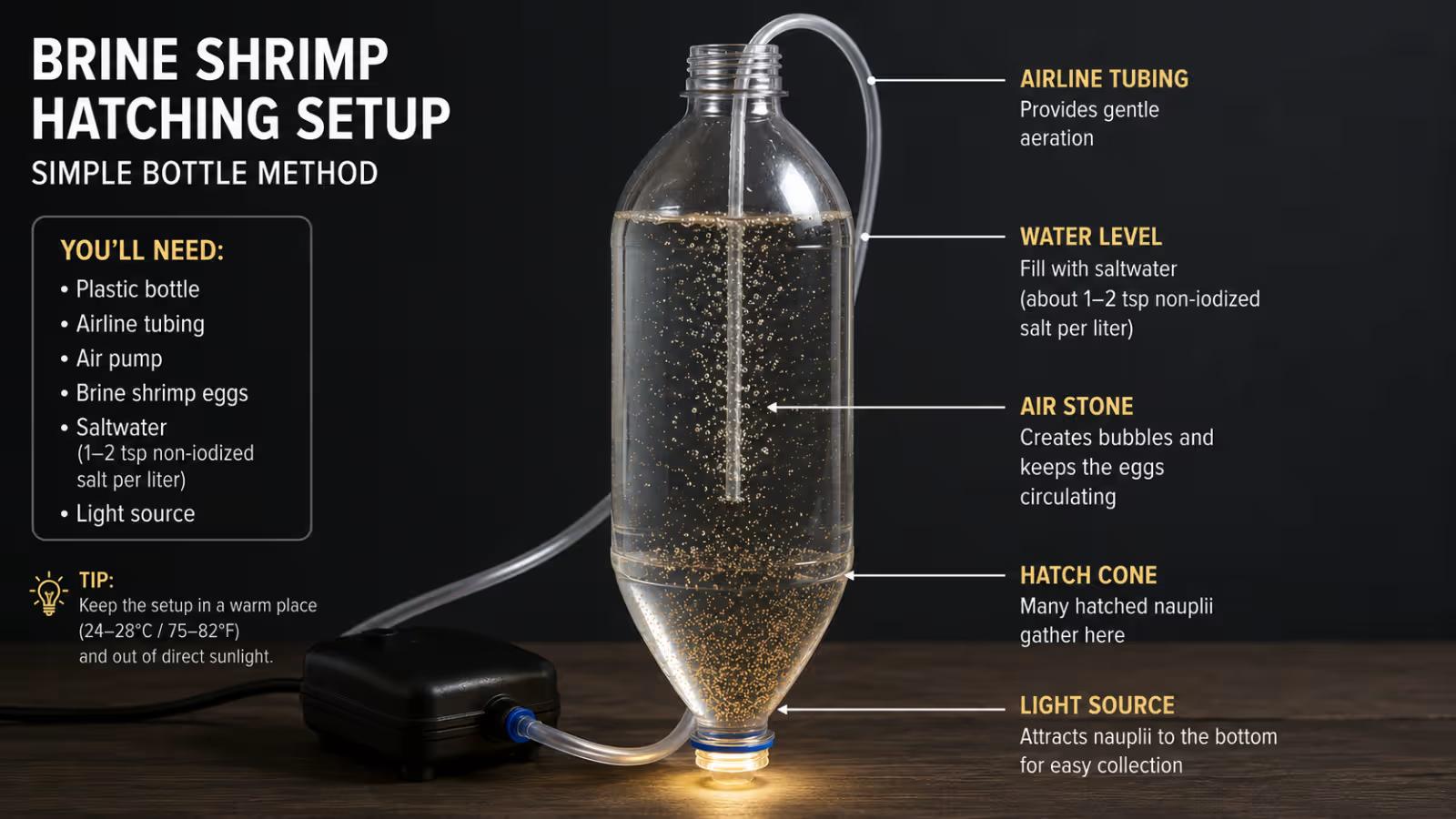
One important caveat: baby brine shrimp are nutritious when they first hatch, but their nutritional value drops significantly after about 12 hours. You want to feed them fresh, ideally within a few hours of hatching. This is why having a rolling hatching schedule - two bottles on different days - means you always have a fresh supply ready.
Microworms - A Practical Alternative
Microworms (Panagrellus redivivus) are a popular alternative or supplement to baby brine shrimp, and many breeders prefer them because a culture is much easier to maintain long-term. Once you have a starter culture going - usually in a container of oats and a little yeast - it will keep producing for weeks with minimal attention.
Axolotl hatchlings will eat microworms readily, and they're particularly useful as a backup when your brine shrimp hatch is delayed. The downside is that microworms sink to the bottom fairly quickly, which can lead to fouling the water faster than floating brine shrimp would. Small, frequent feeding portions and diligent water changes solve this.
Daphnia - Worth Having in Your Toolkit
Daphnia (water fleas) are another excellent live food, especially as hatchlings grow into their second and third weeks. They're slightly larger than newly hatched brine shrimp, so they're better suited to hatchlings that are a week or two old rather than day-one feeders. You can culture daphnia at home, or source them fresh from aquarium suppliers.
What to Avoid Feeding Newborn Axolotls
Just as important as knowing what to feed newborn axolotls is knowing what not to give them:
- Pellets or sinking wafers - Even the smallest commercial axolotl pellets are far too large for hatchlings, and young axolotls don't recognise still food as edible anyway.
- Bloodworms - A staple for adult axolotls but not suitable for newborns. Frozen bloodworms don't move, and live bloodworms are too large and can carry disease.
- Tubifex worms - A risky food even for adults due to disease transmission risk; definitely not appropriate for hatchlings.
- Overfeeding - Uneaten live food decays quickly and spikes ammonia. Feed small amounts, observe what's being eaten, and remove uneaten food promptly.
How Often Should You Feed Newborn Axolotls?
Frequency matters as much as what you're feeding. In those first few weeks, axolotl newborns need to eat often - typically two to three times per day for hatchlings under two weeks old. Their metabolisms are fast, their stomachs are tiny, and they burn through energy quickly.
- Days 1–3 post-hatch: No feeding required. Let them absorb their yolk sac.
- Days 4–14: Feed freshly hatched baby brine shrimp and/or microworms twice to three times daily in small portions. Watch to make sure they're hunting and consuming.
- Weeks 3–6: Twice daily feedings, gradually introducing larger live foods such as slightly older brine shrimp or small daphnia as the hatchlings grow.
- 6 weeks onward: By this point, well-fed hatchlings are beginning to look like miniature adult axolotls. You can start transitioning toward larger worms and eventually pellets.
Growth Milestones: What to Expect Week by Week
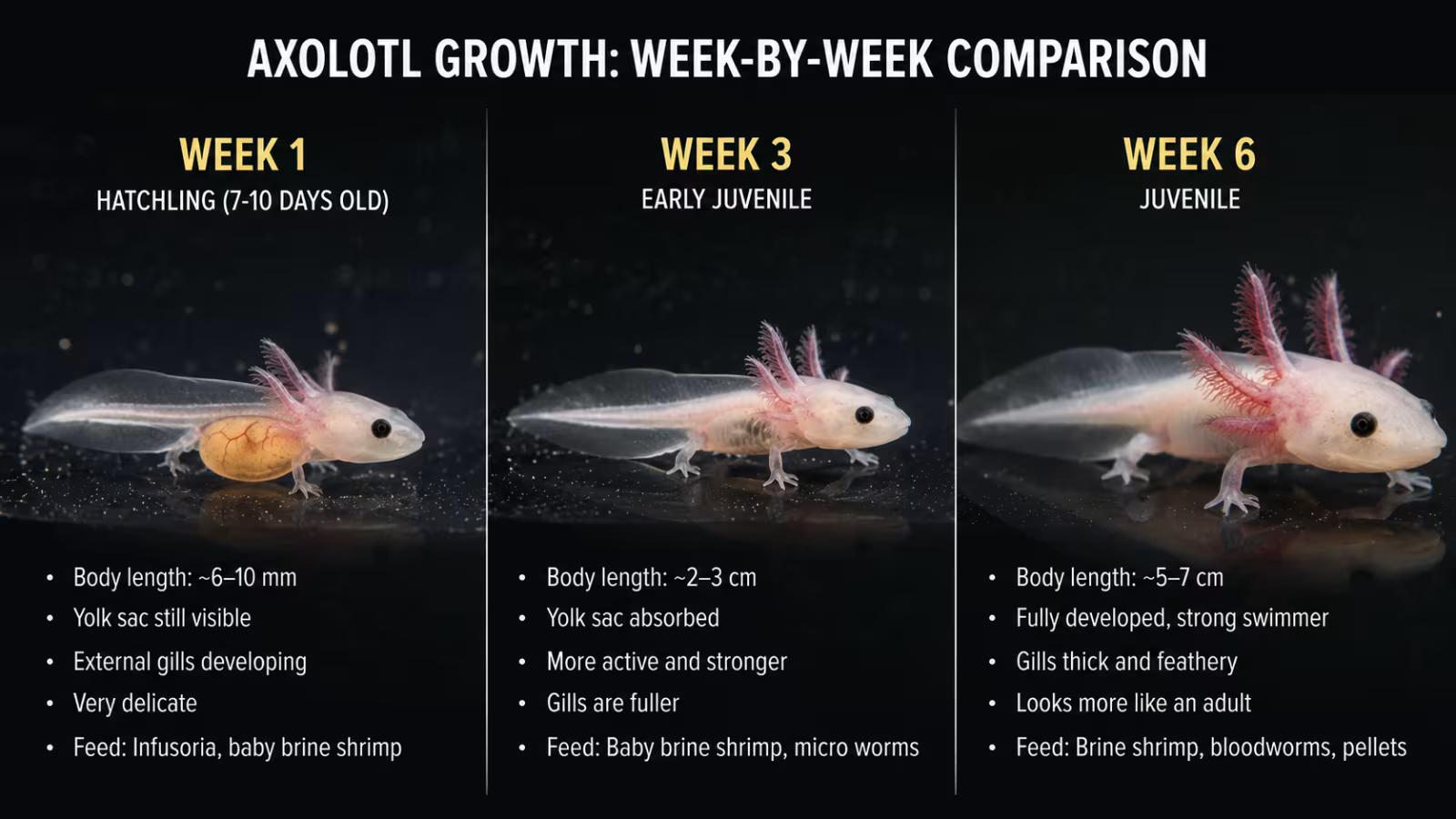
One of the most satisfying parts of raising newborn axolotls is watching how quickly they change. The first four to six weeks are genuinely astonishing in terms of developmental speed, and keeping a loose log of their growth can help you spot problems early.
Week 1
Hatchlings absorb their yolk sac and begin developing mouths and functional gills. Active swimming begins. Feeding starts toward the end of the week once mouths are functional.
Weeks 2–3
Rapid growth with good feeding - hatchlings can roughly double in size during this window. Legs are becoming more defined. The hunting behaviour is now obvious; you'll see them actively stalking brine shrimp. This is also when cannibalism risk is highest, so maintain separation.
Weeks 4–6
External gills are becoming more prominent. Coloration begins to develop - you can often start guessing what morph each hatchling might be around this point. By six weeks, a well-fed hatchling should be around 3–4cm long. Underfed animals will be noticeably smaller and may have thinner, less developed gill stalks.
Common Problems and How to Handle Them
Hatchlings Not Eating
If your hatchlings don't seem to be eating, the first thing to check is whether they're actually old enough to eat. If it's been fewer than 72 hours since hatching, they likely don't need food yet. If they're past that window, check the food itself - brine shrimp nauplii that have been stored too long or not rinsed properly are less appealing. Also check water temperature; cold hatchlings can become very sluggish and uninterested in food.
High Mortality in Early Days
Some attrition in a clutch is completely normal and shouldn't cause alarm. Not every egg produces a viable hatchling, and not every hatchling survives its first week regardless of how good your husbandry is. If you're losing the majority of a clutch, however, the most likely culprit is water quality - check ammonia levels, temperature, and whether dechlorinator was properly used.
Stunted Growth
If some hatchlings are noticeably smaller than their clutch-mates after a week or two of feeding, the cause is almost always underfeeding or competition for food. Separate the smaller animals, increase feeding frequency, and ensure the food is fresh and actively moving.
Final Thoughts
Raising newborn axolotls is genuinely rewarding work, but it requires consistency and attention during that critical early window. The fundamentals aren't complicated: clean, cold water; the right live food offered at the right time; separation to prevent cannibalism; and daily observation so you can catch problems early.
What I'd leave you with is this: don't be discouraged if your first clutch doesn't all make it. Even experienced breeders lose animals. What you're learning with each clutch - the small adjustments, the reading of behaviour, the water change rhythm - compounds over time.
If you're just getting started, set up your brine shrimp hatching culture now, get your water parameters dialled in, and enjoy the ride. There are few things in the hobby quite like watching a newborn axolotl grow from a translucent sliver of life into a healthy, fully-formed juvenile.
Quick Reference: Newborn Axolotl Care at a Glance
- Temperature: 14–18°C (57–64°F)
- First feeding: Day 3–5 (not before)
- Best first food: Freshly hatched baby brine shrimp (Artemia nauplii)
- Feeding frequency: 2–3x daily for the first two weeks
- Water changes: 20–30% daily with dechlorinated, temperature-matched water
- Separate by size: Required from day 5 onward to prevent cannibalism
- Avoid: Pellets, frozen food, bloodworms, overfeeding