
Sugar Glider Care Guide
The truth is that sugar glider ownership sits much closer to exotic animal management than it does to keeping a hamster or a guinea pig. These are colony animals from the forests of Australia and Papua New Guinea that communicate through a range of vocalizations, depend on companions for emotional stability, and require a carefully calibrated diet that most pet store advice fails to describe accurately. When their needs go unmet, sugar gliders do not simply become unhappy. They develop serious health conditions, engage in self-destructive behaviors, and can deteriorate rapidly.
This guide exists to change that outcome. Whether you are considering adopting your first sugar glider or you already have one and feel uncertain about your care routine, you will find honest, veterinarian-informed guidance here on every aspect of sugar glider care from diet and habitat to bonding, behavior, and emergency health recognition. Proper care absolutely can be learned, routines do become manageable with practice, and sugar gliders that receive what they need genuinely thrive as affectionate, interactive companions.
What Is a Sugar Glider?
Scientific Classification and Natural Origins
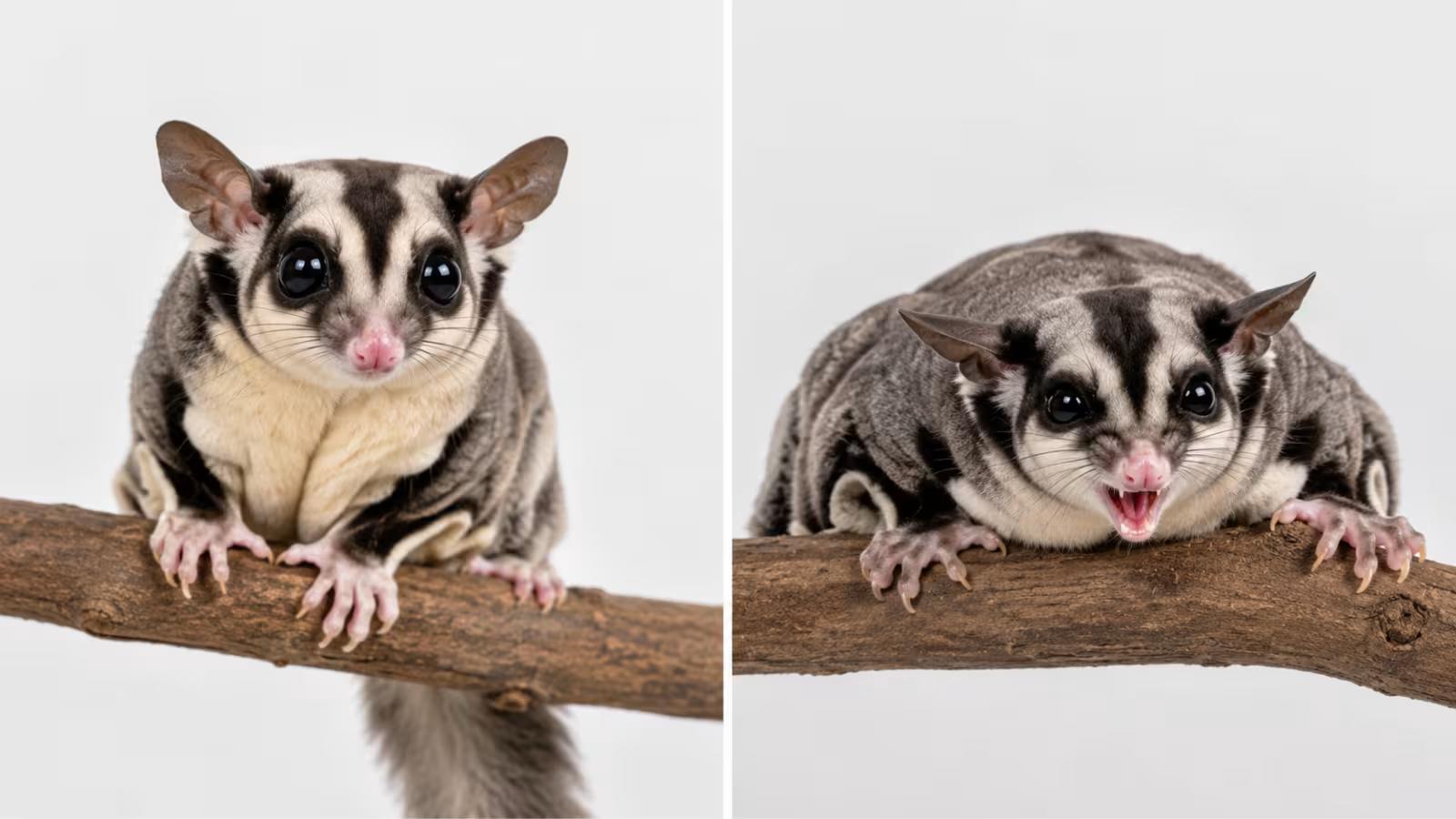
Sugar gliders belong to the species Petaurus breviceps, which translates roughly to "short-headed rope dancer." They are arboreal marsupials, meaning they are pouched mammals that live and move through the treetops. In the wild, sugar gliders inhabit the forests of mainland Australia, Tasmania, Indonesia, and Papua New Guinea, where they glide between trees using a thin membrane called a patagium that stretches from their wrists to their ankles.
Their name comes from two of their favorite natural food sources: the sweet nectar and sap of flowering trees. In the wild, they supplement this with insects, tree gum, and small invertebrates to meet their protein needs. Understanding this natural diet is foundational to understanding why captive sugar gliders so frequently develop health problems when fed primarily fruit.
The Nocturnal Lifestyle
Sugar gliders are strictly nocturnal. They sleep deeply during daylight hours, usually curled inside a warm pouch or nest hollow, and become active at night. This sleep cycle is not merely a preference; it is hard-wired into their biology. Disturbing a sugar glider during its sleep cycle repeatedly causes chronic stress, immune suppression, and behavioral problems.
New owners who expect an interactive pet available throughout the day are often surprised by this reality. Sugar gliders need quiet, undisturbed rest from roughly sunrise to late evening. Their primary period of activity, feeding, and interaction begins after dusk, which means their owners must be available and engaged during nighttime hours.
Why Sugar Gliders Cannot Live Alone
In the wild, sugar gliders live in colonies of 10 to 15 individuals. They sleep together in communal pouches, groom each other, communicate constantly, and rely on social contact for emotional regulation. A sugar glider kept alone is, from a behavioral standpoint, an animal under permanent stress.
Solitary sugar gliders commonly develop what exotic veterinarians describe as depression-like states. Signs include excessive sleeping beyond normal daytime hours, refusal to eat, aggression, repetitive behaviors, and eventually self-mutilation. A sugar glider that barbars its own tail or limbs is almost always experiencing severe psychological distress, often rooted in isolation. Keeping at least two sugar gliders together is not a luxury. It is a fundamental welfare requirement.
Sugar Glider Diet Guide
What Do Sugar Gliders Eat in the Wild?
Wild sugar gliders are opportunistic omnivores with a strong preference for sweet, energy-dense foods. Their natural diet includes tree sap and gum, flower nectar, pollen, insects, larvae, and occasionally small lizards or bird eggs. This combination delivers a broad spectrum of nutrients: simple carbohydrates and sugars from plant sources, protein and essential fatty acids from insects, and a range of vitamins and minerals from diverse botanical sources.
The critical takeaway is diversity. Wild sugar gliders are rarely eating the same foods two nights in a row. Their diet shifts with the seasons, the trees available in their territory, and the insect populations in their environment. Captive diets that consist of only a few repeated food items cannot replicate this nutritional breadth without intentional planning.
The Calcium-to-Phosphorus Ratio: Why It Matters More Than Anything Else
Before listing specific foods, every sugar glider owner must understand the calcium-to-phosphorus ratio, because this single nutritional factor is responsible for one of the most common and devastating health conditions in pet sugar gliders: metabolic bone disease and hind leg paralysis.
Important: Sugar gliders require a dietary calcium-to-phosphorus ratio of approximately 2:1.
Many common feeder foods, particularly fruits and certain insects like mealworms, are heavily skewed toward phosphorus. When a sugar glider's diet is chronically high in phosphorus and low in calcium, the body begins pulling calcium from the bones to maintain blood calcium levels. Over time, this causes progressive bone demineralization, weakness in the hind limbs, tremors, and eventually the complete inability to use the back legs. Hind leg paralysis from nutritional secondary hyperparathyroidism is almost entirely preventable through proper diet.
Foods that contribute to poor calcium-to-phosphorus balance include excessive mealworms without calcium dusting, too much fruit relative to protein, and commercially prepared diets that are not formulated to the correct ratio. This is why simply buying "sugar glider food" from a pet store and adding some fruit is not an adequate approach to feeding.
Recommended Protein Sources
Protein should make up roughly 30 to 40 percent of a sugar glider's diet. The best protein sources for captive sugar gliders include:
- Crickets and calcium-dusted mealworms: Live or freeze-dried insects closely mimic natural prey. Mealworms alone are high in phosphorus, so they must be gut-loaded and dusted with calcium carbonate powder.
- Boiled eggs: Scrambled or hard-boiled egg is an excellent, easily digestible protein source. Offer small quantities, roughly a teaspoon at a time for one sugar glider.
- Lean cooked chicken: Plain, unseasoned poached or baked chicken breast can be offered several times per week.
- Cooked tofu: A good supplemental protein, particularly for owners who prefer not to handle live insects.
- Plain low-fat yogurt: Provides protein and calcium simultaneously in small amounts.
Safe Fruits and Vegetables
Fruits and vegetables should make up roughly 50 percent of the diet, but with awareness of their calcium-to-phosphorus profiles. Higher-calcium fruits and vegetables are preferable. Safe and beneficial options include papaya, blueberries, cantaloupe, mango, figs, and kiwi. Vegetables like sweet potato, carrots, leafy greens such as collards and kale, bell peppers, and squash provide important micronutrients.
Apples and grapes are popular with sugar gliders but should be offered in moderation because they are high in natural sugars and offer limited nutritional diversity. High-sugar feeding contributes to obesity and dental disease when overdone.
Nectar and Staple Diet Mixtures
Because wild sugar gliders consume significant quantities of tree nectar and sap, captive diets should include a nectar replacement component. Many experienced owners and exotic veterinarians recommend following structured, proven feeding systems rather than improvising. The two most widely respected captive diets are the BML diet and the TPG diet. Both have been refined over years by sugar glider communities and veterinary input to meet nutritional needs.
These staple mixture systems involve blending ingredients such as fruit juice, honey, hard-boiled eggs, and vitamin supplements into a base that is frozen in ice cube trays and thawed nightly for feeding. Following one of these established systems is strongly recommended over creating a home diet from scratch, as they are designed to achieve proper calcium-to-phosphorus balance and full nutritional coverage.
Foods Sugar Gliders Should Never Eat
Certain foods are toxic or severely harmful to sugar gliders and must be kept away from them completely. Chocolate contains theobromine, which is toxic to many small mammals. Onion and garlic cause oxidative damage to red blood cells. Caffeine in any form is dangerous. Rhubarb contains oxalic acid which binds calcium and worsens mineral deficiency. Artificial sweeteners, particularly xylitol, are potentially fatal. Canned fruits with added syrup, processed human snack foods, and anything containing preservatives, salt, or artificial coloring should never be offered.
Raw corn should also be avoided due to its extremely poor calcium-to-phosphorus ratio. Raw meat poses pathogen risks and should not replace properly cooked protein sources.
Feeding Schedule and Water Requirements
Sugar gliders should be fed every evening, shortly after they wake at dusk. Because they are nocturnal, they will not reliably eat food left out from the daytime, and stale food left in the cage poses hygiene risks. Offer fresh food nightly and remove uneaten portions in the morning before your sugar glider goes to sleep.
Fresh water must be available at all times. Both water bottles with ball-tip nozzles and small ceramic water bowls are acceptable, provided they are cleaned daily to prevent bacterial growth. Dehydration in sugar gliders can progress quickly and is a veterinary emergency.

Sugar Glider Habitat Setup
Cage Size and Design Requirements
Sugar gliders are arboreal animals that move vertically through their environment far more than they move horizontally. This makes the height of their enclosure far more important than the floor area. The absolute minimum recommended cage size is 24 inches wide by 24 inches deep by 36 inches tall, but larger is always better. Cages measuring 36 inches wide by 24 inches deep by 48 inches tall are considered more appropriate for a pair of sugar gliders.
Bar spacing must be no wider than half an inch to prevent escape and to prevent small limbs or heads from getting trapped. Horizontal bars are preferable because they give sugar gliders more climbing surface. Powder-coated steel wire cages are the most popular choice because they are durable, easy to clean, and allow full ventilation. Avoid cages with sharp edges, flaking paint, or galvanized wire, as zinc from galvanized surfaces is toxic if chewed.
Essential Cage Accessories
A well-equipped sugar glider cage should include natural wood or vine branches for climbing, rope perches, a solid-surface exercise wheel, sleeping pouches, and at least one hammock. Branches from apple, pear, or maple trees that have not been treated with pesticides are safe natural options. Branches provide both physical climbing surfaces and opportunities for nail wear, which reduces the frequency of nail trimming needed.
Sleeping pouches are one of the most important accessories. Sugar gliders are instinctively drawn to enclosed, dark spaces to sleep. A fleece pouch hung inside the cage provides security and comfort. Fleece is the preferred fabric because it does not fray into dangerous threads when chewed, unlike terrycloth or braided fabrics. Multiple pouches give sugar gliders choices and give owners time to wash pouches without leaving the animal without a sleeping space.
Safe Exercise Wheels
Exercise wheels are important enrichment tools that allow sugar gliders to express natural movement drives. However, not all wheels are safe. Traditional hamster wheels with rungs or spokes are extremely dangerous for sugar gliders because their long tails and delicate feet can become caught in the gaps, causing serious injuries. A sugar glider must have a wheel with a solid, continuous running surface and no center axle that runs through the wheel's interior.
Recommended designs include the Wodent Wheel and similar solid-track wheels with a minimum diameter of 11 to 12 inches. Smaller wheels force an unhealthy arched spine posture during running and can cause spinal strain over time.
Cage Placement and Environmental Conditions
Cage placement significantly affects sugar glider wellbeing. Their enclosure should be in a room that is relatively quiet during daylight hours, away from household foot traffic during their sleeping window. Temperature stability is critical; sugar gliders should be kept between 65 and 80 degrees Fahrenheit. Temperatures below 60 degrees Fahrenheit risk inducing a torpor-like state that stresses the body. Drafts, air conditioning vents blowing directly onto the cage, and direct sunlight through windows are all hazards.
Humidity between 50 and 70 percent is comfortable for most sugar gliders. Excessively dry environments contribute to respiratory irritation. The cage should never be placed in a kitchen where cooking fumes, steam, and non-stick cookware fumes can accumulate, as PTFE fumes from heated Teflon-coated pans are rapidly fatal to small mammals.
Cleaning and Maintenance
Daily spot cleaning involves removing uneaten food, soiled bedding near the cage floor, and checking water sources. Weekly deep cleaning should include washing the cage floor tray, rotating or washing pouches and hammocks, wiping down branches, and disinfecting hard surfaces with a pet-safe cleaner that leaves no residue. Avoid bleach-heavy products or strongly scented cleaners, as sugar gliders are sensitive to chemical odors and residues.
Sugar Glider Bonding and Socialization
How Long Bonding Actually Takes
One of the most common sources of frustration for new sugar glider owners is misaligned expectations about bonding timelines. Sugar gliders do not warm up to humans quickly. Depending on the individual animal's history, age at acquisition, and the consistency of the owner's approach, meaningful trust can take anywhere from three weeks to several months to develop. Animals that were not handled from a young age or that experienced negative interactions may take even longer.
Patience is not optional in this process. Owners who become frustrated and increase handling pressure, attempt to force interaction, or respond angrily to biting will consistently damage the relationship and make the timeline longer, not shorter.
Why Sugar Gliders Bite and What to Do About It
Biting in sugar gliders almost always communicates something specific. A frightened sugar glider bites as a defensive response. A sleeping sugar glider woken abruptly may bite from startled disorientation. A sugar glider that has not yet bonded to its owner bites from uncertainty about whether the large warm thing reaching into its pouch is a predator. These bites are not aggression in the true sense; they are communication.
Responding to a bite by pulling away quickly, making loud sounds, or shaking the hand actually reinforces biting because it confirms to the sugar glider that the behavior successfully drove away the perceived threat. Experienced handlers recommend maintaining calm stillness after a bite, speaking softly, and allowing the sugar glider to settle before continuing interaction. Over time, as the animal learns that human contact does not lead to negative outcomes, biting frequency decreases dramatically.
Building Trust Through Scent and Proximity
The foundation of bonding with a sugar glider is scent familiarization. Sugar gliders rely heavily on scent to identify colony members and distinguish safe individuals from strangers. Wearing a small piece of recently worn clothing inside the cage as a pouch liner or nesting material allows the sugar glider to acclimate to your scent without requiring direct handling.
Bonding pouches, small mesh pouches worn against the body on a neck strap or belt loop, allow owners to carry their sugar gliders during the daytime while the animals sleep. The combination of your scent, your heartbeat, and your body warmth communicates safety at a very deep biological level. Many owners report that consistent bonding pouch use produces more rapid progress than any other single intervention.
Signs Your Sugar Glider Is Beginning to Trust You
Trust builds in observable stages. Early signs include willingness to eat from your hand without running away, reduced crabbing when you reach into the cage, and approaching your hand out of curiosity rather than retreating from it. As trust deepens, a sugar glider may voluntarily climb onto your arm, groom your fingers, or seek the warmth of your hands during evening handling sessions.
Forced handling, waking animals from deep sleep, and ignoring stress signals consistently delay or permanently damage the bonding process. Sugar gliders that are handled roughly, especially during early ownership, sometimes never fully recover the capacity for trust with that individual.
Normal vs Abnormal Sugar Glider Behavior
Understanding Normal Vocalizations
Sugar gliders are surprisingly vocal for their size. Crabbing is the most recognized sound: a sharp, insect-like buzzing or hissing noise produced when the animal feels threatened. New owners sometimes mistake this for illness, but crabbing is entirely normal defensive communication. Barking sounds like a small, high-pitched dog bark and is typically a contact call used to locate companions or seek attention. A sugar glider that barks repeatedly at night is often trying to communicate with a companion or expressing the need for interaction.
Chirping and soft chattering are social sounds made during calm interactions. A purring-like sound during handling is a positive indicator of contentment. Hissing or prolonged distressed sounds that are out of character for the individual animal warrant closer observation.
Recognizing Stress Behaviors
Stress in sugar gliders manifests in several recognizable ways. Pacing along cage bars, obsessive climbing without natural variation, and repetitive movements at the same spot in the cage are stereotypies that indicate chronic psychological stress. Fur loss not explained by a health condition, refusal to eat across multiple nights, or sudden increased aggression toward a bonded companion are all stress indicators.
The most alarming stress behavior is self-mutilation, in which a sugar glider chews, bites, or claws at its own body. This is almost always rooted in severe isolation stress, though pain from an underlying injury can also cause self-directed attention. A sugar glider exhibiting self-mutilation requires both veterinary evaluation to rule out physical causes and an immediate reassessment of its social environment.
When Behavioral Changes Mean Veterinary Attention
Not every behavioral change is a welfare issue, but some changes are medical emergencies in disguise. A sugar glider that suddenly becomes completely inactive, shows no interest in food for more than two consecutive nights, develops a tremor in the limbs, moves in circles, or appears unable to grip properly with its hind feet needs veterinary evaluation immediately. These can be signs of metabolic bone disease, poisoning, head injury, or systemic infection, all of which deteriorate quickly in small exotic animals.
Sugar Glider Health Problems
Hind Leg Paralysis and Metabolic Bone Disease
Hind leg paralysis resulting from nutritional secondary hyperparathyroidism is one of the most common causes of death in pet sugar gliders, and it is almost entirely preventable. The condition develops over months of calcium-deficient, phosphorus-heavy feeding before symptoms become visible. By the time a sugar glider is showing hind limb weakness, the bone loss is already significant.
Prevention is straightforward but requires consistency: follow a proven staple diet system, supplement with calcium carbonate powder on insects, avoid overcorrecting with high-phosphorus foods, and have the diet reviewed by an exotic veterinarian at least annually. Animals showing early signs of hind limb weakness should receive veterinary evaluation immediately, as calcium supplementation and diet correction can sometimes halt progression if caught early.
Obesity and Malnutrition
These two problems seem like opposites but often occur together in sugar gliders fed poorly balanced diets. An animal eating primarily fruit and commercial pellets can become overweight on excess sugar while remaining severely deficient in protein, specific amino acids, and calcium. Signs of obesity include difficulty gliding, fat deposits at the neck or base of the tail, and lethargy. Malnutrition signs include fur that appears dull or thin, muscle wasting, poor wound healing, and chronic susceptibility to infection.
Respiratory Infections
Sugar gliders are susceptible to respiratory infections, particularly when exposed to drafts, cold temperatures, or airborne irritants. Symptoms include nasal discharge, labored breathing, wheezing, open-mouth breathing, and lethargy. Respiratory infections in sugar gliders progress rapidly and require exotic veterinary treatment, typically with antibiotics appropriate for marsupials. Many antibiotics safe for cats and dogs are toxic to sugar gliders, which is one of the strongest reasons to seek an experienced exotic animal veterinarian rather than a general practice vet.
Parasites and Dental Disease
Internal parasites can be acquired through live feeder insects sourced from unreliable suppliers. Annual fecal examinations with an exotic vet are recommended. Dental disease, including tartar buildup and tooth root infections, develops in sugar gliders fed diets high in refined sugars and sticky foods. Hard, natural food items and proper dietary balance reduce dental disease risk.
Emergency Symptoms That Require Immediate Veterinary Care
The following symptoms in a sugar glider constitute medical emergencies:
- Seizures or convulsions of any kind
- Labored, open-mouth, or audibly wheezing breathing
- Complete unresponsiveness or near-unconscious lethargy
- Active bleeding from any location
- Refusal to eat for more than two consecutive nights combined with lethargy
- Complete inability to use hind limbs or hold onto cage surfaces
- Visible wounds with signs of self-mutilation
Emergency note: Exotic pets have a much narrower window between early illness and critical decline than domestic animals. Delaying veterinary care by even 24 hours in a sugar glider showing severe symptoms can be the difference between recovery and death. Identifying an exotic-specialist veterinarian before you need one is not optional preparation.
Daily Sugar Glider Care Routine
Morning Tasks
Morning care for sugar gliders is brief because they will be sleeping. Remove any uneaten food from the night before, check and refill water, spot-clean the cage floor of droppings and soiled substrate, and observe the sleeping pouch to confirm the animal is breathing normally and resting without visible distress. Morning is also a good time to prepare the evening meal, especially if you use a frozen staple mixture that needs time to thaw.
Evening Routine
The evening routine begins at dusk when your sugar glider wakes and becomes active. Offer fresh food as the animal emerges from its sleeping pouch. Provide at least one to two hours of social interaction outside the cage, either through direct handling or by allowing supervised free-ranging in a safe room with no escape points, no open toilets, and no electrical cord hazards. Allow access to the exercise wheel during active nighttime hours. Replenish any toys or foraging items that were used the previous night.
Health Monitoring
Daily observation is your most powerful health tool. A sugar glider that is eating normally, moving energetically, producing normal droppings, maintaining its coat, and engaging with its environment is generally healthy. Changes in any of these parameters deserve attention. Track eating and drinking patterns so you notice deviations early, and weigh your sugar glider monthly on a postal scale to catch gradual weight changes that might not be visible to the eye.
Sugar Glider Enrichment
Why Mental Stimulation Matters
Sugar gliders in the wild spend their entire active period foraging, climbing, gliding, social grooming, and exploring. A captive sugar glider in a minimally furnished cage with predictable food provided in the same dish every night has almost none of these behavioral outlets. Chronic under-stimulation leads directly to the stereotypies and stress behaviors described earlier in this guide.
Enrichment is not decoration. It is the provision of experiences and challenges that allow natural behavior patterns to be expressed in a captive setting.
Enrichment Ideas That Work
Foraging activities are among the most effective forms of enrichment. Hiding food inside foraging toys, tucking insects into a cluster of artificial leaves, or freezing food into ice balls creates the experience of finding and obtaining food rather than simply consuming it from a bowl. Rotating toys and climbing structures so the cage layout changes every few weeks prevents habituation to a static environment.
Safe natural materials like untreated wood, dried grass, and cork bark offer texture variation and chewing enrichment. Out-of-cage exploration in a safe, supervised space provides stimulation that no in-cage enrichment can fully replace. The consistent presence of a bonded companion remains the single most important and irreplaceable form of enrichment for any sugar glider.
Common Beginner Mistakes
New sugar glider owners make many of the same errors, and most of them are preventable with good information early on.
- Buying a single sugar glider is perhaps the most common and most harmful mistake. The impulse is understandable: one animal is cheaper, easier to manage, and easier to bond with. But a solitary sugar glider is a stressed and emotionally deprived animal. Even the most dedicated owner cannot provide the constant companionship a conspecific companion provides.
- Feeding primarily fruit without adequate protein or attention to calcium balance is the dietary mistake most directly linked to preventable death. It looks like healthy feeding, which is why so many owners continue doing it. Fruit is only one component of a properly balanced diet.
- Using hamster-style wire-rung exercise wheels causes a disproportionate number of tail and foot injuries in sugar gliders. Only solid-track wheels with no center axle should ever be placed in a sugar glider enclosure.
- Ignoring nocturnal needs by scheduling interaction during the day, keeping lights bright in the cage area at night, or repeatedly waking the animal during daylight hours causes chronic sleep disruption and cumulative stress.
- Skipping exotic veterinary care due to the perceived expense or difficulty of finding a qualified vet leaves health problems undetected and untreated until they become crises. Annual wellness exams with a veterinarian experienced with exotic marsupials are an essential part of responsible ownership.
Are Sugar Gliders Legal to Own?
Sugar glider legality varies significantly by location. In the United States, they are legal to keep as pets in most states, but California, Hawaii, Alaska, and a small number of other states or municipalities prohibit them entirely. In Australia, where they are native, private ownership without a specialized wildlife license is generally not permitted.
Before acquiring a sugar glider, verify your local and state or provincial laws, as possession of a prohibited exotic animal can result in confiscation of the animal and legal penalties. Some US states require a permit for exotic mammal ownership even when it is otherwise legal.
Long-Term Ownership Expectations
Lifespan and Financial Commitment
Healthy, well-cared-for sugar gliders live between 12 and 15 years in captivity, with some individuals reaching older ages. This is a long-term commitment comparable to adopting a cat. Owners must be prepared not just for initial costs such as cage, accessories, and acquisition cost of a bonded pair, but for ongoing expenses including fresh food, supplements, exotic veterinary care, and periodic replacement of accessories.
Annual exotic veterinary exams, occasional illness treatment, and emergency veterinary care can be significant costs. Pet insurance for exotic animals is available through some providers and is worth investigating.
When You Should Reconsider Getting Sugar Gliders
Sugar gliders are not the right pet for everyone, and acknowledging this honestly is part of responsible guidance. If you work very long hours and are rarely home in the evenings, you cannot provide the nightly interaction sugar gliders require. If you or household members are very sensitive to noise, the nighttime barking of sugar gliders will be disruptive. If there is no exotic animal veterinarian within reasonable travel distance of your home, you lack access to adequate medical care. If your budget does not comfortably accommodate exotic pet ongoing costs, the financial stress will compromise care quality. In any of these circumstances, a different pet is a kinder choice for both you and the animal.
Conclusion
Sugar gliders are extraordinary animals that reward patient, informed ownership with years of genuine affection and personality. They glide across a room, bark softly for attention, peek out of a fleece pouch with curious eyes, and form bonds with their human caregivers that are unlike almost any other small pet experience. But that reward is conditional on meeting needs that are genuinely complex.
The most important things to remember from this guide are these: sugar gliders must live with at least one companion, their diet must be carefully balanced for calcium-to-phosphorus ratio, their cage must be tall and enriched, their sleep cycle must be respected, and they require access to an experienced exotic veterinarian. Every other aspect of care flows from getting these foundations right.
Most beginner mistakes are correctable when caught early, and proper routines become second nature within a few weeks. Sugar gliders that receive what they need do not just survive. They thrive, bond deeply, and bring a unique kind of joy to households prepared to meet them where they are.
References Links
- VCA Animal Hospitals - Sugar Glider Care (Most directly relevant - practical sugar glider health and care guidance)
- Merck Veterinary Manual - Exotic and Laboratory Animals (Gold standard veterinary reference for exotic animal diseases and nutrition)
- Association of Exotic Mammal Veterinarians (AEMV) (Specialist organization - strongest authority for exotic mammal care)
- American Veterinary Medical Association (AVMA) (Broad veterinary authority that adds overall credibility to health claims)
- Veterinary Partner (Trusted client-facing veterinary resource with exotic pet content)