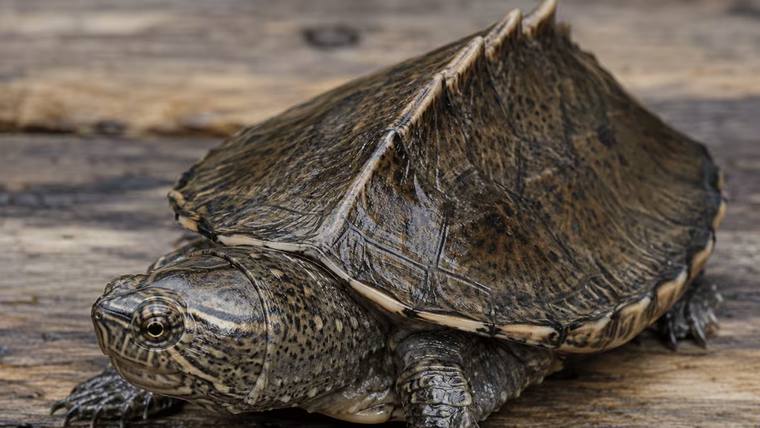
Ask most people to name a pet turtle and they'll say red-eared slider. Mention the razor-backed musk turtle and you'll often get a blank look - which is a genuine shame, because this is one of the most characterful, manageable, and genuinely interesting aquatic turtles available in the hobby today.
They stay small, they're active during daylight hours more often than most musk species, they have a personality that ranges from boldly inquisitive to comically grumpy depending on the individual, and they don't need the kind of sprawling setup that puts a lot of people off keeping aquatic turtles in the first place. I've kept a pair for going on six years now and they remain some of my favourite animals in the collection.
This guide covers everything a new or prospective keeper needs to know - what razor-backed musk turtles are, how long they live, whether they smell, how they sleep, and the full care requirements to keep them healthy and thriving long-term.
What Is a Razor-Backed Musk Turtle?
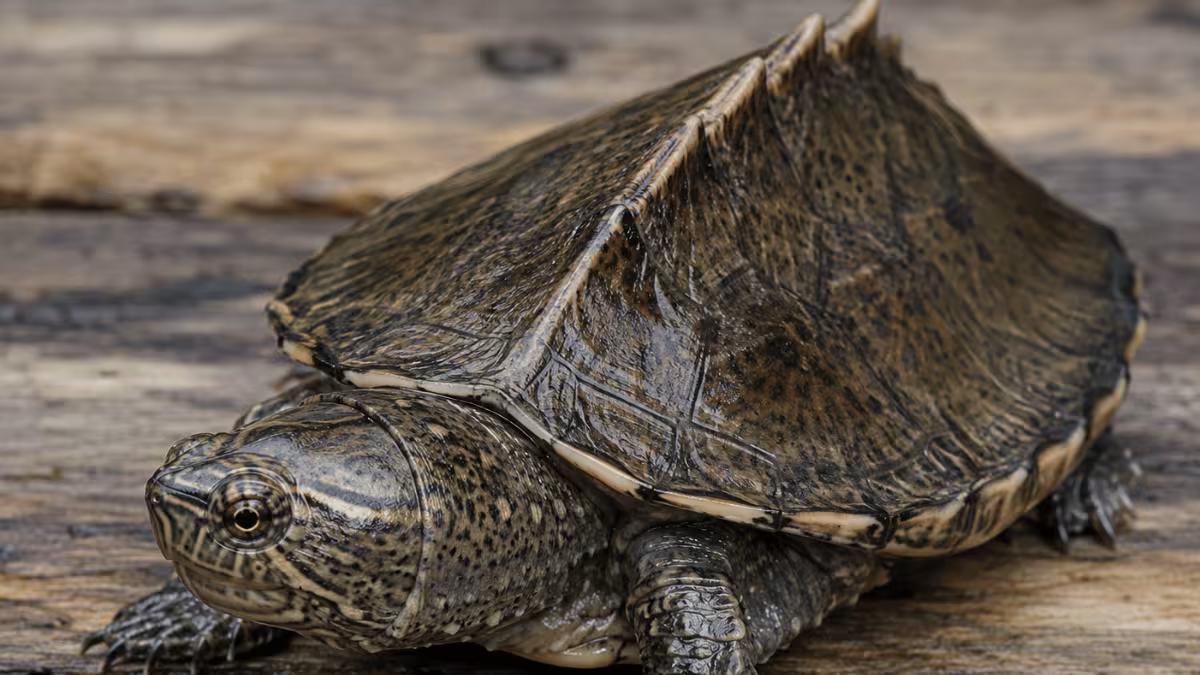
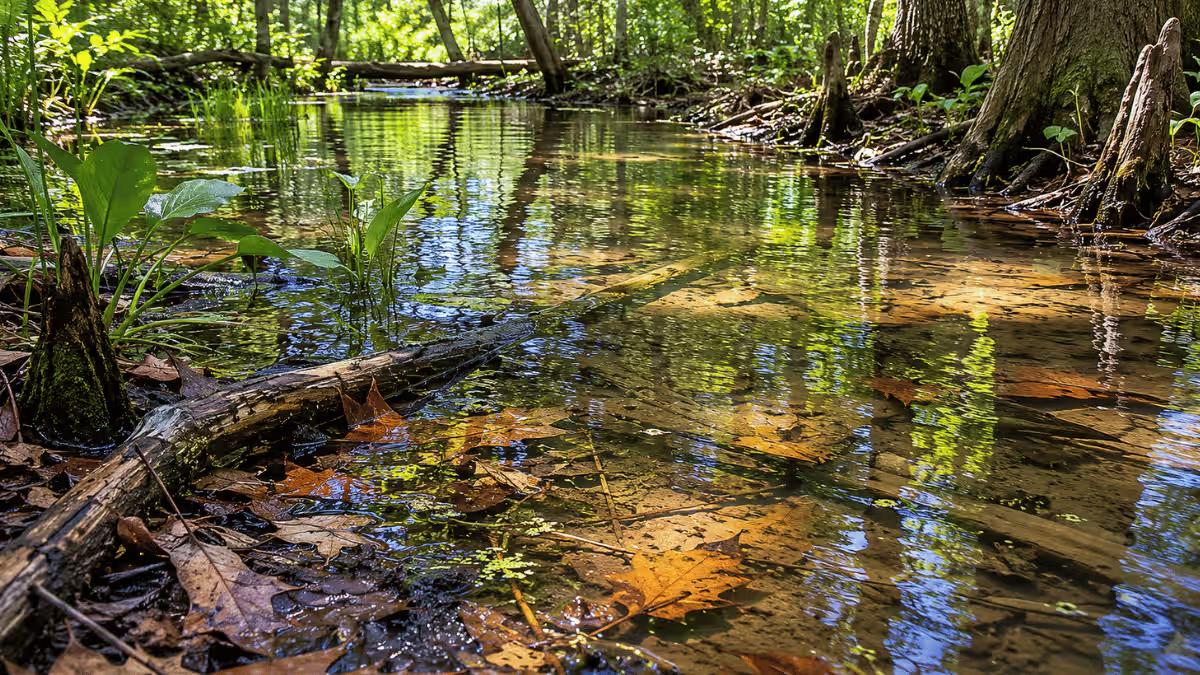
The razor-backed musk turtle (Sternotherus carinatus) is a small semi-aquatic turtle native to the south-central United States, found across states including Oklahoma, Arkansas, Mississippi, Louisiana, and Texas. Their preferred habitat is slow-moving or still freshwater - shallow creeks, swamps, bayous, and muddy-bottomed ponds with plenty of aquatic vegetation and submerged wood. According to the IUCN Red List assessment for Sternotherus carinatus, the species is currently listed as Least Concern and is considered common throughout most of its range.
The name comes from the highly distinctive ridge - called a keel - that runs along the centreline of the shell from front to back. In younger animals especially, this ridge is sharp and pronounced enough to genuinely deserve the razor description. It softens slightly with age as the shell grows and broadens, but remains clearly visible throughout the animal's life and is the easiest way to distinguish them from related species at a glance.
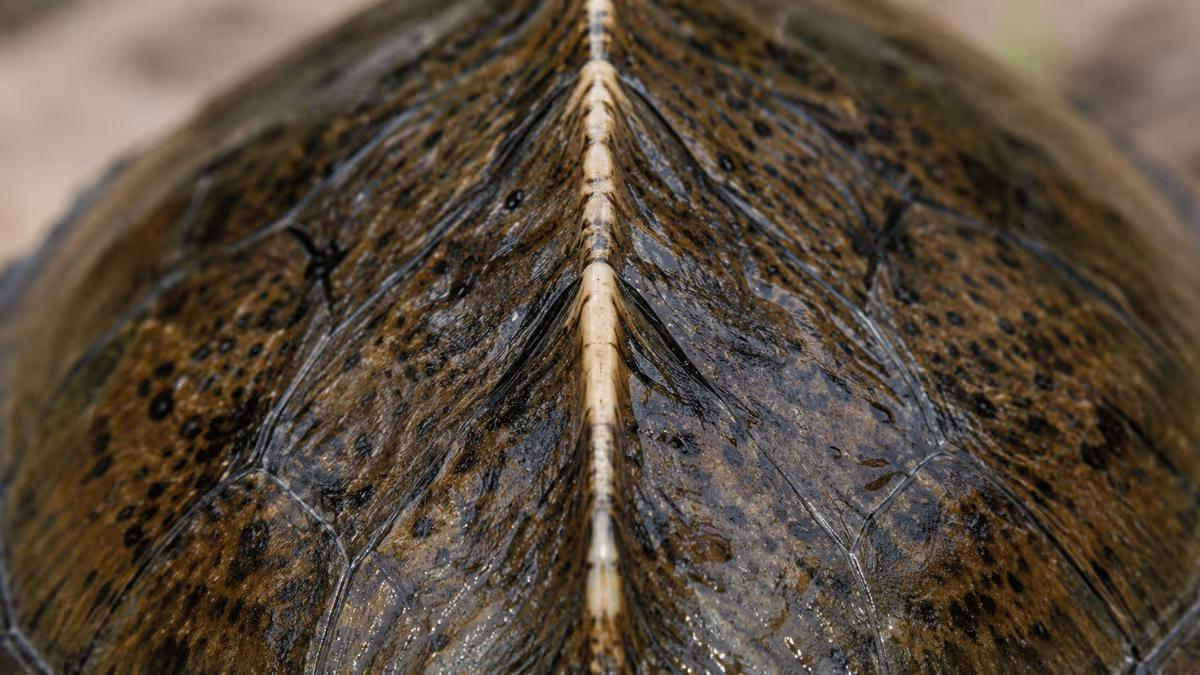
Razor-backed musk turtles are part of the family Kinosternidae. They're closely related to common musk turtles (Sternotherus odoratus), loggerhead musk turtles, and the various mud turtle species. As noted in the species overview on Wikipedia, razor backs are the largest member of the Sternotherus genus, reaching a maximum recorded shell length of 17.6cm. Within this group they sit toward the larger end of the musk turtle size range, though they're still considerably smaller than sliders, map turtles, or cooters.
In terms of appearance beyond the keel, they have a brown to olive-grey shell with scattered darker markings, a relatively large head for their body size, and skin that tends toward grey-brown with some mottling. The head size is actually quite useful in the wild - it gives them the jaw power to crack open snails and other hard-shelled invertebrates that other small turtle species can't manage.
How Long Do Razor-Backed Musk Turtles Live?
This is one of the first questions worth researching before bringing any turtle home, because the commitment involved is significant. How long do captive razor-backed musk turtles usually live? In well-managed captivity, you should expect 20 to 30 years as a realistic lifespan. Some individuals kept under excellent conditions have exceeded this.
Wild lifespans are harder to pin down precisely but are generally assumed to be somewhat shorter due to predation pressure, drought, habitat loss, and food variability. Captive animals with consistent nutrition, clean water, appropriate temperatures, and low stress have a meaningful advantage over their wild counterparts in terms of longevity.
The factors that most significantly affect captive lifespan are water quality (chronically poor water is the single biggest killer of captive aquatic turtles), temperature stability, diet variety and supplementation, and avoiding the respiratory and shell infections that arise from incorrect husbandry. Get those right consistently and a razor-backed musk turtle acquired today could still be with you well into the 2040s and beyond.
That lifespan is worth sitting with before you commit. These are not short-term pets. They're animals that will outlive most dogs, require consistent daily care, and deserve a keeper who has genuinely planned for that timeframe.
Do Razor-Backed Musk Turtles Smell?
Honestly? Sometimes. But far less than the reputation of musk turtles in general might lead you to expect, and almost always only in specific circumstances.
Like all members of the Sternotherus and Kinosternon families, razor-backed musk turtles have musk glands located along the sides of their body just inside the shell margin. When threatened or stressed, they can release a yellowish, pungent secretion from these glands. It's an effective deterrent against predators in the wild - unpleasant enough that many animals will drop them rather than deal with the smell.
In captivity, the question of do razor back musk turtles smell largely comes down to how they're handled and how well-settled they are. A stressed, newly acquired animal picked up suddenly will often musk. A calm, established turtle that has been handled gently and regularly over months or years very rarely does. Many long-term keepers report that their animals haven't musked in years.
The other smell factor - and the more relevant one for most keepers - is water quality. An aquatic turtle tank with poor filtration or infrequent water changes will smell, and it will smell significantly. This is not a turtle-specific problem but an aquatic setup problem. A properly filtered, regularly maintained tank housing razor-backed musk turtles is not noticeably smelly. Sort the water, sort the smell.
Do Razor-Backed Musk Turtles Sleep?
Yes - and their sleep behaviour is one of the more interesting aspects of keeping them, once you know what you're looking at.
Do razor-backed musk turtles sleep in the conventional sense? They do rest, but it looks quite different from mammalian sleep. In warmer months, they tend to rest at night wedged under a piece of wood, tucked into a corner of the tank, or settled on the bottom, sometimes with their eyes partially or fully closed. They remain responsive to disturbance but are clearly in a lower-activity, resting state.
During daylight hours they're often more active than many turtle species - foraging, swimming, basking, investigating their enclosure. This diurnal tendency is one of the things keepers enjoy about razor-backed musk turtles compared to some other aquatic species that seem to spend most of their visible time doing very little.
In cooler conditions - particularly if kept in an unheated room over winter - they may enter a period of reduced activity that approaches brumation, the reptile equivalent of hibernation. They become much less active, eat less or stop eating entirely, and spend long periods resting on the bottom. This is normal and not a cause for alarm provided water temperatures are being monitored and the animal is otherwise healthy. Most captive keepers in heated homes don't see full brumation, just a seasonal slowing.
One behaviour that surprises new keepers: razor-backed musk turtles sometimes sleep floating at the surface with limbs outstretched, or wedged into a position where they look alarmingly still. As long as the animal responds when gently disturbed and is eating and behaving normally at other times, this is fine.
Razor-Backed Musk Turtle Care Guide
Razor-backed musk turtle care is more accessible than many aquatic turtle species, but it does require attention to water quality and setup in a way that terrestrial or semi-terrestrial species don't demand. The fundamentals are not complicated - but they do need to be consistently right.
Enclosure and Water Setup
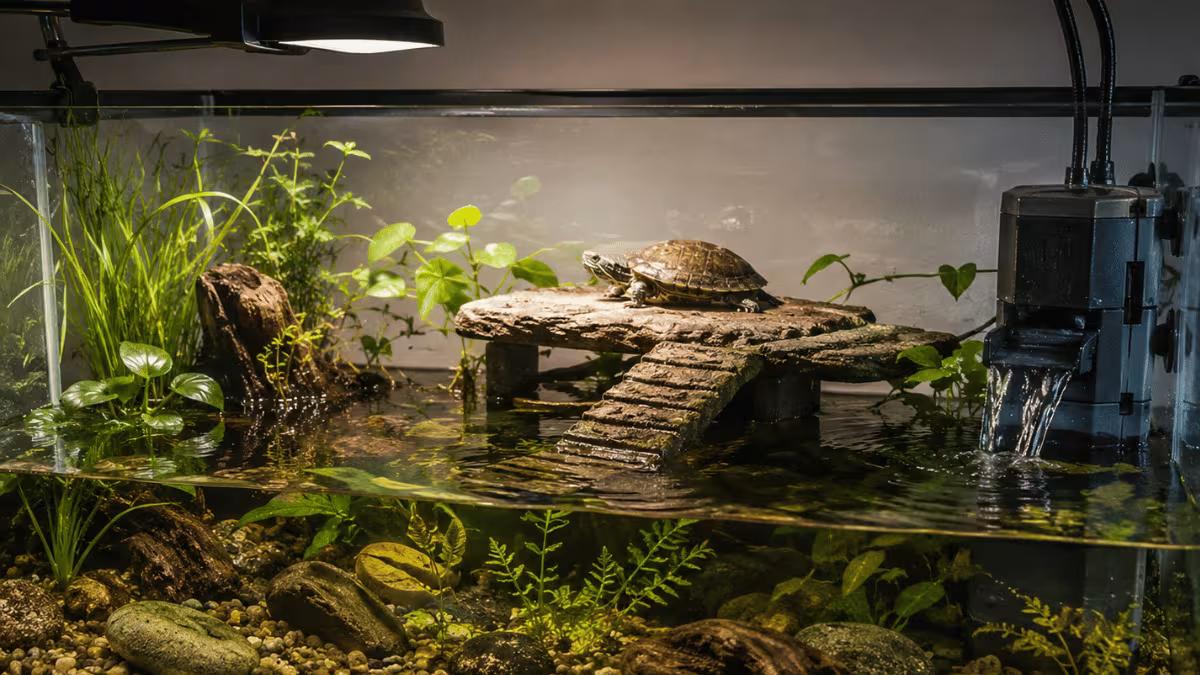
A single adult razor-backed musk turtle needs a minimum of a 75 to 100 litre tank (roughly a standard 2-foot aquarium). A pair or two adults need 150 litres or more. Bigger is always better with aquatic turtles - more water volume means more stable water parameters and a more forgiving margin for error between water changes.
Water depth is a topic worth considering carefully. Razor-backed musk turtles are not strong swimmers and in the wild spend much of their time in shallow water where they can walk along the bottom rather than swim. Many keepers keep water depth at around 20 to 30cm for adults, deep enough to swim but shallow enough that they can reach the surface easily from the bottom. Deeper setups work but require the turtle to be genuinely comfortable swimming and should include plenty of resting spots at different depths.
The enclosure should include a dry basking area the turtle can fully exit the water onto. Cork bark, commercial turtle docks, or custom-built ramps all work. The basking spot needs to be positioned under the UVB and heat source and be large enough for the animal to sit on comfortably with its shell clear of the water.
In terms of furniture, submerged wood, smooth rocks, and artificial or real aquatic plants all add enrichment and give the turtle places to rest and shelter. Avoid anything with sharp edges or small gaps a head or limb could get stuck in.
Water Temperature and Heating
Water temperature for razor-backed musk turtles should be maintained at 22 to 26 degrees Celsius (72 to 79 Fahrenheit). A submersible aquarium heater on a thermostat is the standard approach. Ensure the heater is rated for the volume of water in your setup and position it where the turtle cannot rest directly against it and burn itself - heater guards are a worthwhile addition.
The basking spot should reach 30 to 33 degrees Celsius (86 to 91 Fahrenheit) directly under the heat source. A combination of a basking lamp and UVB tube or a mercury vapour bulb handles both heat and UVB in one unit, which simplifies the setup.
Night temperature drops to the low-to-mid 20s Celsius are acceptable and natural. Avoid temperatures below 18 degrees Celsius in the water if you're aiming for year-round active, feeding animals rather than a semi-brumation period.
Basking and UVB Lighting
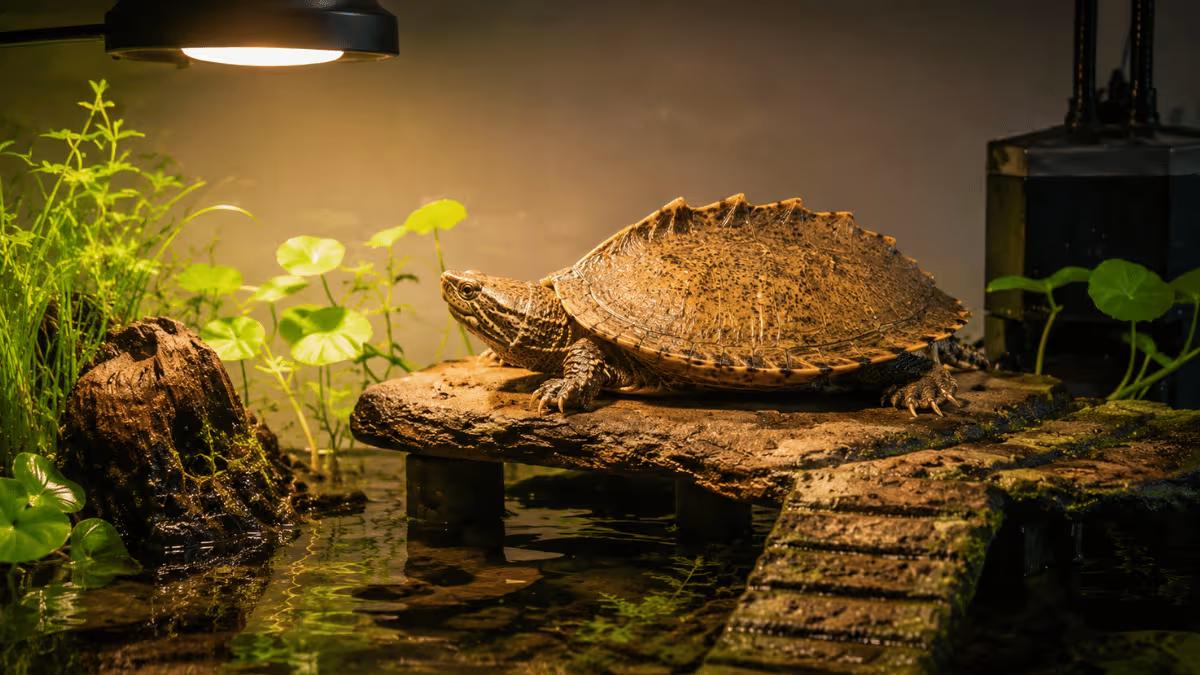
UVB lighting is not optional for razor-backed musk turtles. They require UVB exposure to synthesise vitamin D3, which is essential for calcium metabolism and healthy shell development. Without it, metabolic bone disease and soft shell conditions develop over time - even when calcium is being supplemented in the diet, the body cannot process it effectively without D3. ReptiFiles has an excellent in-depth breakdown of why all reptiles need UVB light that is well worth reading for the full scientific context.
A 5.0 or 10% UVB tube positioned above the basking area, with the basking surface within the manufacturer's recommended distance from the bulb (check the specific product - this varies), running for 10 to 12 hours daily on a timer is the standard setup. Replace UVB bulbs every 6 to 12 months even if they still appear to be working, as UV output degrades before visible light output does.
Razor-backed musk turtles do bask, though perhaps less obsessively than some larger turtle species. Providing the option is essential even if they don't use it every day - and most captive animals do use the basking area regularly once they're settled and the setup feels safe to them.
Water Quality and Filtration
Water quality is the cornerstone of razor-backed musk turtle care and the area where most health problems originate when they go wrong. Turtles are messy animals - they produce significant waste relative to their size and they eat in the water, leaving food debris behind.
A canister filter or a powerful internal filter rated for two to three times the actual water volume in the tank is the starting point. Turtle keepers consistently find that filters rated for the actual volume are inadequate. Over-filtration is not a problem; under-filtration always is.
Regardless of filtration quality, partial water changes of 25 to 30% weekly are the standard maintenance routine. Test water regularly for ammonia, nitrite, and nitrate - ammonia and nitrite should be at zero in an established, cycled tank. If you're new to managing an aquatic setup, The Aquarium Guide has a clear explanation of how the nitrogen cycle works in a tank, which is essential reading before setting up any aquatic enclosure. Elevated ammonia is the most common cause of respiratory infections, shell problems, and unexplained lethargy in captive aquatic turtles.
Allow the filter to cycle fully before introducing turtles to a new setup - this establishes the beneficial bacteria colony that processes waste. Rushing this step causes new tank syndrome and puts the animal under immediate stress.
Feeding and Diet
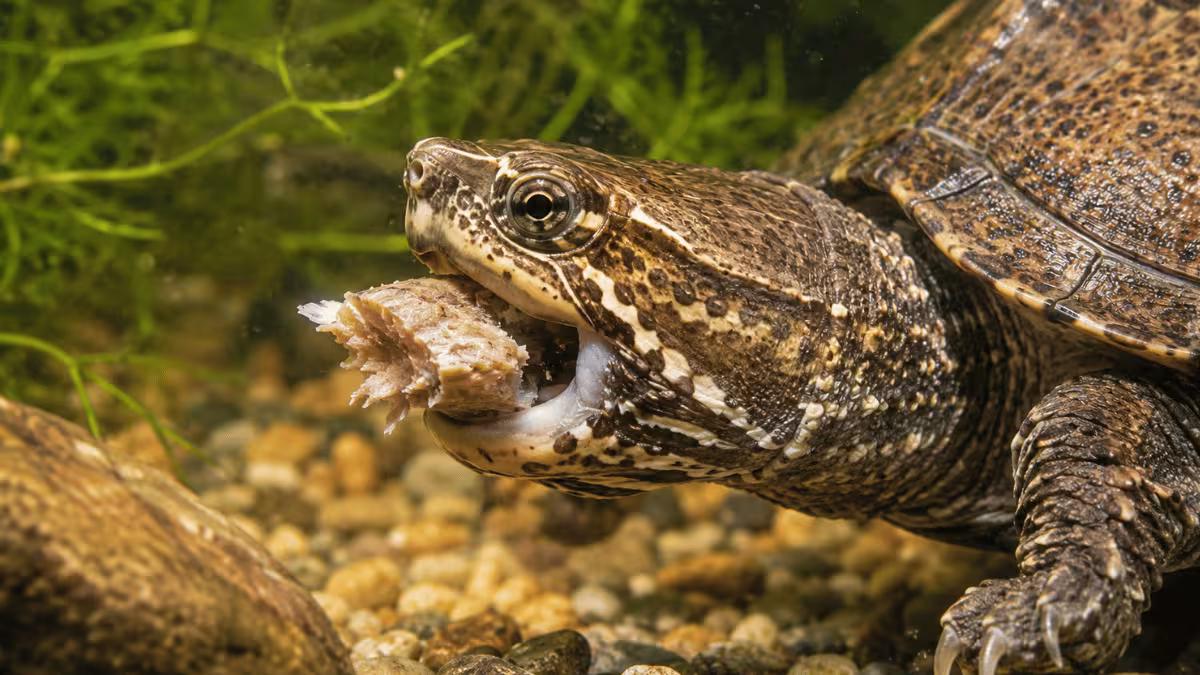
Razor-backed musk turtles are omnivores with a strong lean toward protein, particularly in younger animals. In the wild their diet includes aquatic invertebrates, snails, small fish, carrion, and some plant material. Captive diets should reflect this variety.
A good quality aquatic turtle pellet forms a useful base - brands like Mazuri and ZooMed are widely used and nutritionally solid. But pellets alone are not sufficient. Supplement regularly with live or frozen bloodworms, earthworms, small feeder fish (used as enrichment rather than a staple), shrimp, snails, and occasional pieces of lean fish or prawn. The variety matters for long-term health.
Feed juveniles daily or every other day. Adults do well on feeding three to four times per week. Remove uneaten food promptly after feeding - leaving it in the water accelerates water quality decline significantly. Many keepers feed in a separate container to keep the main tank cleaner, which is a sensible practice if you can manage it.
Calcium supplementation is important, particularly for growing animals and females. Cuttlebone placed in the tank where the turtle can access it is a simple way to provide ongoing calcium access. Dusting food with a reptile calcium supplement a few times per week is an alternative approach.
Handling and Temperament
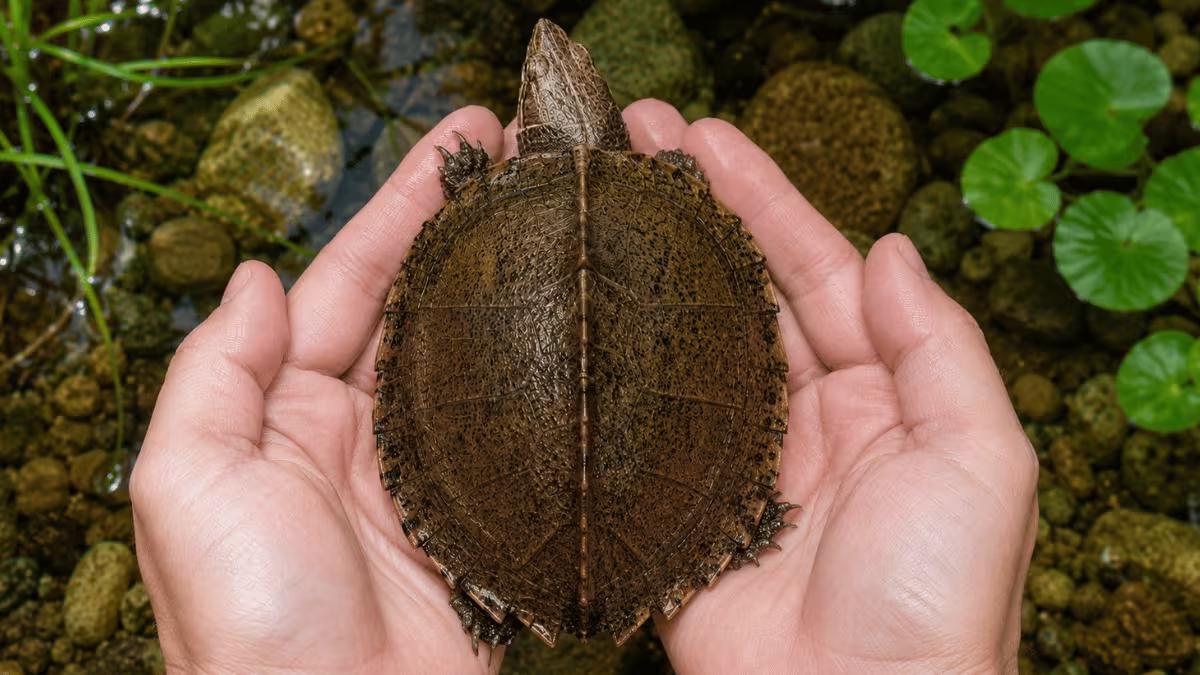
Temperament varies considerably between individuals, but razor-backed musk turtles have a reputation for being feistier than their small size might suggest. Many will attempt to bite when first handled, and their jaws are strong enough to be unpleasant - that large head and strong jaw that helps them crack snails in the wild is equally capable of drawing blood on an unwary finger.
With patient, regular, low-stress handling over time, most animals settle and become more tolerant. The key is short sessions, confident handling without squeezing, and approaching from the side rather than above. Never pick them up by a single limb or by the tail.
Some individuals remain defensive throughout their lives and this should be respected - they're aquatic animals first and a hands-off display animal is perfectly valid. For keepers who want a species primarily for observation, razor-backed musk turtles are genuinely excellent in this regard: they're active, visible, and entertaining to watch going about their daily routines in a well-set-up tank.
Common Health Issues to Watch For
Respiratory infections are among the most common health problems in captive aquatic turtles. Signs include wheezing, open-mouth breathing, listing to one side while swimming, or spending unusual amounts of time at the surface. The most common causes are cold water, poor water quality, or drafts. A vet visit is required - respiratory infections can deteriorate quickly.
Shell rot presents as soft patches, discolouration, or pitting on the shell, sometimes with an unpleasant smell. It is caused by bacterial or fungal infection, almost always linked to poor water quality or physical damage. Early-stage shell rot can often be treated at home with veterinary guidance; advanced cases need professional treatment.
Soft shell and metabolic bone disease are caused by calcium deficiency, insufficient UVB, or both. A shell that flexes when gently pressed, deformed growth patterns, or swollen limb joints are warning signs. Prevention through correct husbandry is far easier than treatment.
Eye problems including swollen or closed eyes are commonly related to vitamin A deficiency or water quality issues. Varied diet and clean water are the preventative measures.
Parasites are a consideration for wild-caught animals. If you acquire a turtle of unknown origin that shows weight loss, abnormal droppings, or unexplained lethargy, a faecal test through a reptile vet is a sensible first step.
Final Thoughts
Razor-backed musk turtles are a genuinely underrated choice in the aquatic turtle hobby. They're compact enough to keep without dedicating a room to their setup, active enough to be interesting to observe, and they have a lifespan that rewards the investment of setting things up properly from the start.
The non-negotiables are water quality and UVB lighting. Get both right consistently and the rest of the care falls into place around them. Get either wrong chronically and you'll be dealing with health problems that are almost always preventable.
If you're prepared for the long-term commitment and willing to maintain an aquatic setup properly, a razor-backed musk turtle is one of the most rewarding smaller turtle species you can keep.
Quick Reference: Razor-Backed Musk Turtle Care at a Glance
- Adult size: 10 to 15cm shell length
- Lifespan: 20 to 30 years in captivity
- Minimum tank size: 75 to 100 litres for one adult
- Water temperature: 22 to 26 degrees Celsius
- Basking temperature: 30 to 33 degrees Celsius
- UVB: Required - 5.0 or 10% tube, 10 to 12 hours daily
- Diet: Quality pellets plus varied live and frozen protein, occasional plant matter
- Feeding frequency: Daily for juveniles, 3 to 4 times per week for adults
- Water changes: 25 to 30% weekly minimum
- Do they smell: Rarely in settled captive animals with good water quality