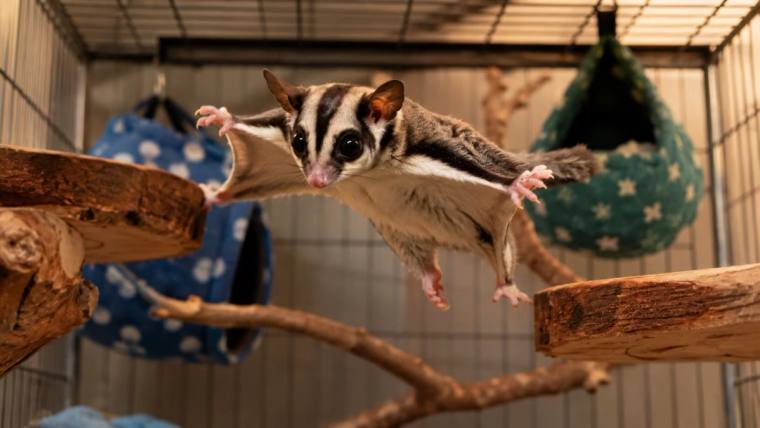
How Long Can a Sugar Glider Live?
Sugar gliders are not goldfish you replace after a year. They are intelligent, emotionally complex animals that form deep bonds with their owners and require daily attention, species-specific nutrition, proper housing, and routine exotic veterinary care.
When those needs are met consistently, sugar gliders reward their owners with years of companionship. When those needs are ignored, even briefly over a long period, the consequences for their health and lifespan can be severe.
This guide covers everything you need to know about sugar glider lifespan, from average numbers in captivity versus the wild, to the specific factors that determine how long any individual glider lives. You will also find information on common health problems, signs of aging, senior care strategies, and the most frequent owner mistakes that accidentally cut a glider's life short.
Average Sugar Glider Lifespan: The Numbers You Need to Know
A healthy captive sugar glider typically lives between 10 and 15 years. That is the honest, realistic range that experienced exotic pet owners and veterinarians consistently report.
Under exceptional conditions, with premium nutrition, low-stress environments, and attentive veterinary care, some sugar gliders have reportedly reached 17 to 18 years. These longer-lived individuals are not the norm, but they are not impossible either.
In the wild, the picture is dramatically different. Wild sugar gliders in Australia, Indonesia, and Papua New Guinea typically live around 5 to 9 years.
This shorter lifespan is not a reflection of any inherent biological limitation. It is a direct result of the constant pressures wild animals face: predation from owls, kookaburras, and snakes; food competition; habitat destruction; parasites; injury; and the metabolic toll of perpetual survival stress.
Key point: A sugar glider removed from survival pressures and given proper nutrition, shelter, and medical attention can live nearly twice as long as its wild counterpart.
It is also worth noting that while 10 to 15 years is the standard range, many gliders kept under average or slightly below-average conditions only reach 7 or 8 years.
The difference between a glider that lives 8 years and one that lives 15 years often comes down to a handful of consistent, knowable care decisions made every single day.
Sugar Glider Lifespan in Captivity vs. the Wild
Life in Captivity
Captive sugar gliders benefit from conditions that simply do not exist in the wild. Food arrives reliably without hours of foraging. Predators are absent. Temperatures remain stable. Infections can be caught early and treated.
These advantages compound over time, giving captive gliders a meaningful biological advantage in terms of longevity.
The best-performing captive gliders in terms of lifespan share several consistent traits. Their owners feed balanced, veterinarian-approved diets with proper calcium-to-phosphorus ratios. They live in pairs or groups rather than in isolation.
Their cages are tall, enriched, and cleaned regularly. They receive annual wellness exams from exotic animal veterinarians who are familiar with marsupial physiology.
Captive gliders kept in suboptimal conditions, such as single-glider households, small cages, high-sugar diets, or no veterinary care, often live only half as long as their potential lifespan.
Life in the Wild
Wild sugar gliders are communal animals that live in social groups of 10 to 15 individuals in eucalyptus forests across Australia and nearby regions.
They are nocturnal, spending nights foraging for nectar, sap, insects, and pollen. Every night represents an energy expenditure and a predation risk that captive gliders never experience.
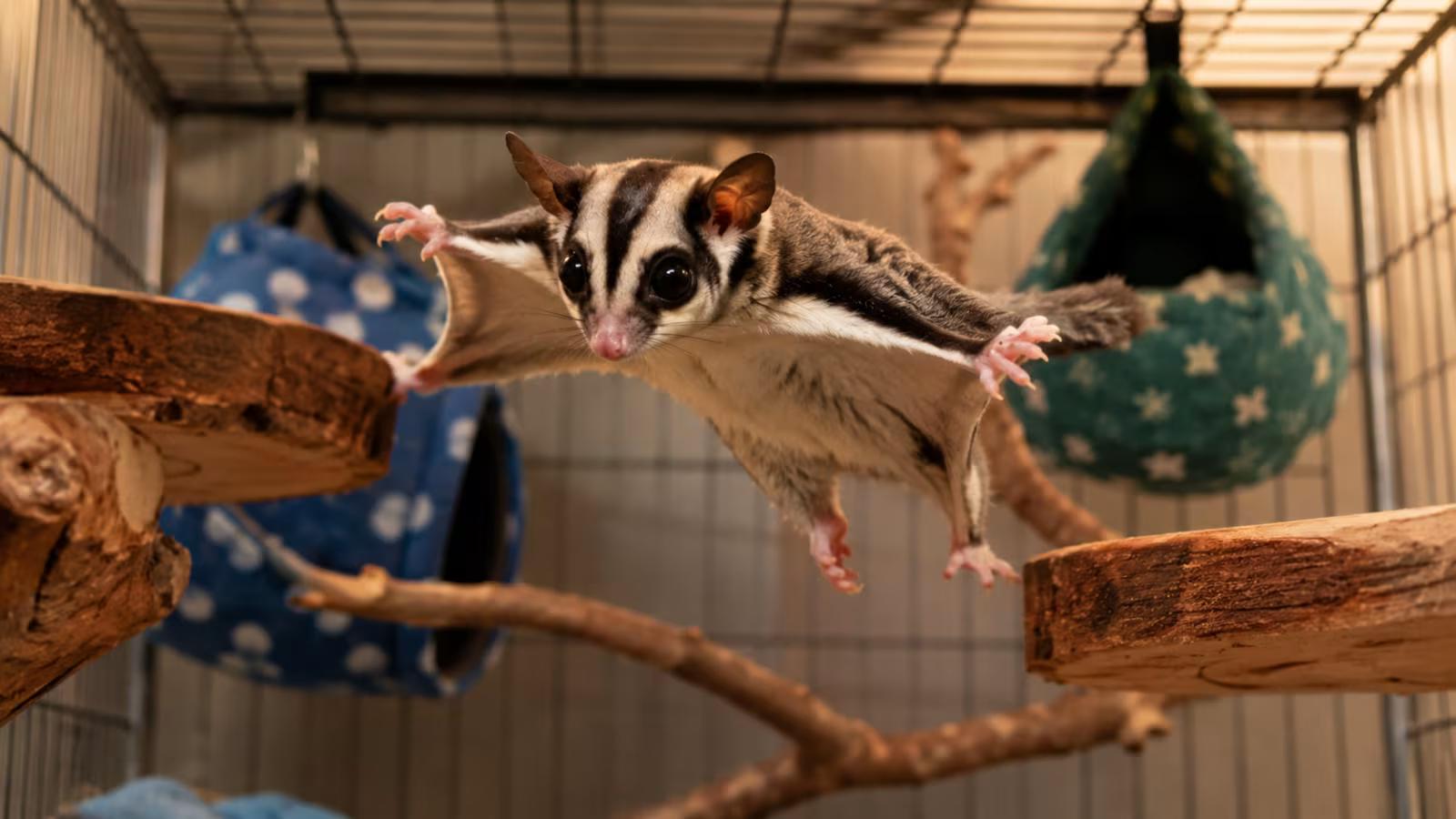
The chronic physical and psychological stress of wild life accelerates biological aging in ways that are difficult to fully quantify.
Wild gliders also have no access to treatment for parasitic infections, dental disease, metabolic conditions, or injuries. That medical safety net is arguably the single biggest contributor to the lifespan gap between captive and wild populations.
What Factors Affect a Sugar Glider's Lifespan?
Lifespan is never random. For sugar gliders specifically, a small number of variables have outsized influence on how many years a glider lives.
Diet and Nutrition
Diet is the single most influential factor in sugar glider lifespan, and it is also the area where most owners make their most serious mistakes.
Sugar gliders have highly specific nutritional requirements that differ dramatically from other small pets. A diet built around commercial seed mixes, fruit scraps, or random table foods is inadequate, even if the glider appears to eat enthusiastically.
The most widely recommended dietary frameworks for captive sugar gliders include the BML diet and the TPG diet. These diets are formulated to approximate the nectar, sap, insect, and pollen ratios that wild sugar gliders consume.
Calcium deficiency deserves special attention because it is so common and so damaging. Sugar gliders require a calcium-to-phosphorus ratio of approximately 2:1 in their diet.
Over time, poor calcium balance can lead to metabolic bone disease, fractures, weakness, and eventually paralysis.
Important: A sugar glider can be eating every day and still be slowly starving of the right nutrients if the diet is not properly formulated.
Obesity is the other major diet-related lifespan threat. Sugary treats, dried fruits, meal worms in excess, and high-fat foods contribute to weight gain that stresses the liver, heart, and joints.
Social Interaction and Mental Health
Sugar gliders are not solitary animals. In nature, they live in tight-knit colonies and depend on social bonding for both emotional and physical wellbeing.
A sugar glider kept alone, even with frequent human interaction, often experiences chronic stress. This stress may appear as self-mutilation, appetite loss, excessive vocalization, and lethargy.
The most experienced sugar glider owners and reputable breeders consistently recommend keeping gliders in compatible bonded pairs at minimum.
Mental stimulation is also a meaningful factor. Enrichment through climbing structures, foraging opportunities, novel toys, and regular out-of-cage bonding time significantly reduces stress over a glider's lifetime.
Habitat Quality and Cage Setup
The cage a sugar glider lives in affects its physical health, mental wellbeing, and activity levels every single day.
Sugar gliders are arboreal animals that naturally spend their lives moving vertically through tree canopies. They need height above all else.
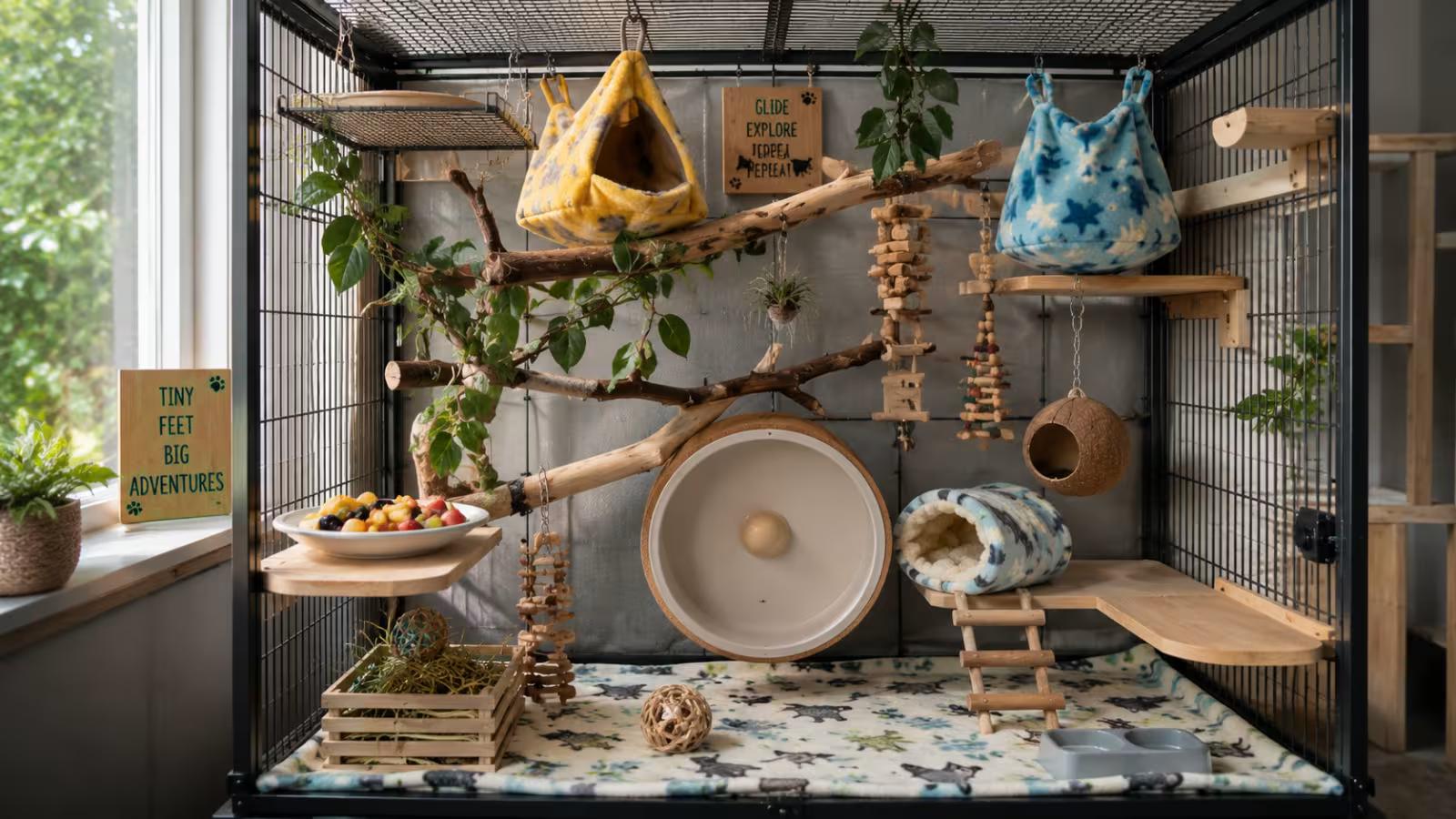
A cage that is at least 3 feet tall, and ideally 4 to 6 feet, allows proper climbing, gliding practice, and physical activity.
Wire spacing should be no wider than half an inch to prevent entrapment of feet or limbs. Exercise wheels must be solid-surfaced with no crossbars or spokes where tails or feet can be caught.
Sleeping pouches, climbing branches, and enrichment toys complete a proper habitat setup. Clean fleece pouches positioned in a quiet area contribute to better rest and lower daily stress.
Temperature and Environmental Stability
Sugar gliders are sensitive to temperature in ways that many owners underestimate. Sustained exposure to temperatures below 65 degrees Fahrenheit can cause torpor, respiratory illness, and immune suppression.
The ideal temperature range for captive sugar gliders is generally between 70 and 88 degrees Fahrenheit, with 75 to 80 degrees often considered the sweet spot.
Noise levels and environmental stability also matter. Consistent loud sounds, sudden disruptions, or frequent environmental changes elevate stress levels over time.
Veterinary Care
Finding an exotic animal veterinarian before you bring a sugar glider home is not optional. Sugar gliders are masters at concealing illness, a survival trait common to prey animals.
Annual wellness exams allow a veterinarian to catch early signs of metabolic disease, dental problems, parasites, weight changes, and other health issues before they become life-threatening.
Emergency access to an exotic vet is equally critical. A sugar glider that stops eating, shows sudden lethargy, or develops an injury can deteriorate very quickly.
Genetics and Breeding Quality
Not all sugar gliders start life with the same biological foundation. Animals bred responsibly from genetically diverse, healthy parent stock tend to have stronger immune systems and fewer congenital health issues.
Buyers who source gliders from reputable breeders with transparent health histories give their animals a better starting point regardless of how excellent their husbandry becomes later.
Common Health Problems That Shorten Sugar Glider Lifespan
Metabolic Bone Disease
Metabolic bone disease is one of the most serious and common health crises in captive sugar gliders.
It develops when the diet provides insufficient calcium or the wrong calcium-to-phosphorus ratio over an extended period.
Symptoms include hindlimb weakness, difficulty climbing, tremors, and in severe cases, spontaneous fractures from normal activity.
MBD is largely preventable through proper diet and calcium supplementation. It is also treatable in early stages if caught before bone loss becomes severe.
Dental Disease
Dental disease in sugar gliders is underdiagnosed because the signs are subtle until the condition becomes severe.
Symptoms include drooling, reluctance to eat hard foods, pawing at the face, weight loss, visible swelling around the jaw or mouth, and a noticeable change in breath odor.
High-sugar diets significantly increase dental disease risk. Limiting sugary foods and monitoring dental health during veterinary exams dramatically reduces this risk.
Obesity and Related Metabolic Disease
Captive obesity in sugar gliders is a quiet killer. Owners often do not notice gradual weight gain until the animal is significantly overweight.
Obese sugar gliders face elevated risks of fatty liver disease, cardiac stress, joint problems, and reduced mobility.
Appropriate portion control, balanced nutrition, and regular exercise opportunities through cage enrichment are the most effective preventive measures.
Stress-Related Illness and Self-Mutilation
Chronic psychological stress manifests physically in sugar gliders in ways that can be severe and even fatal.
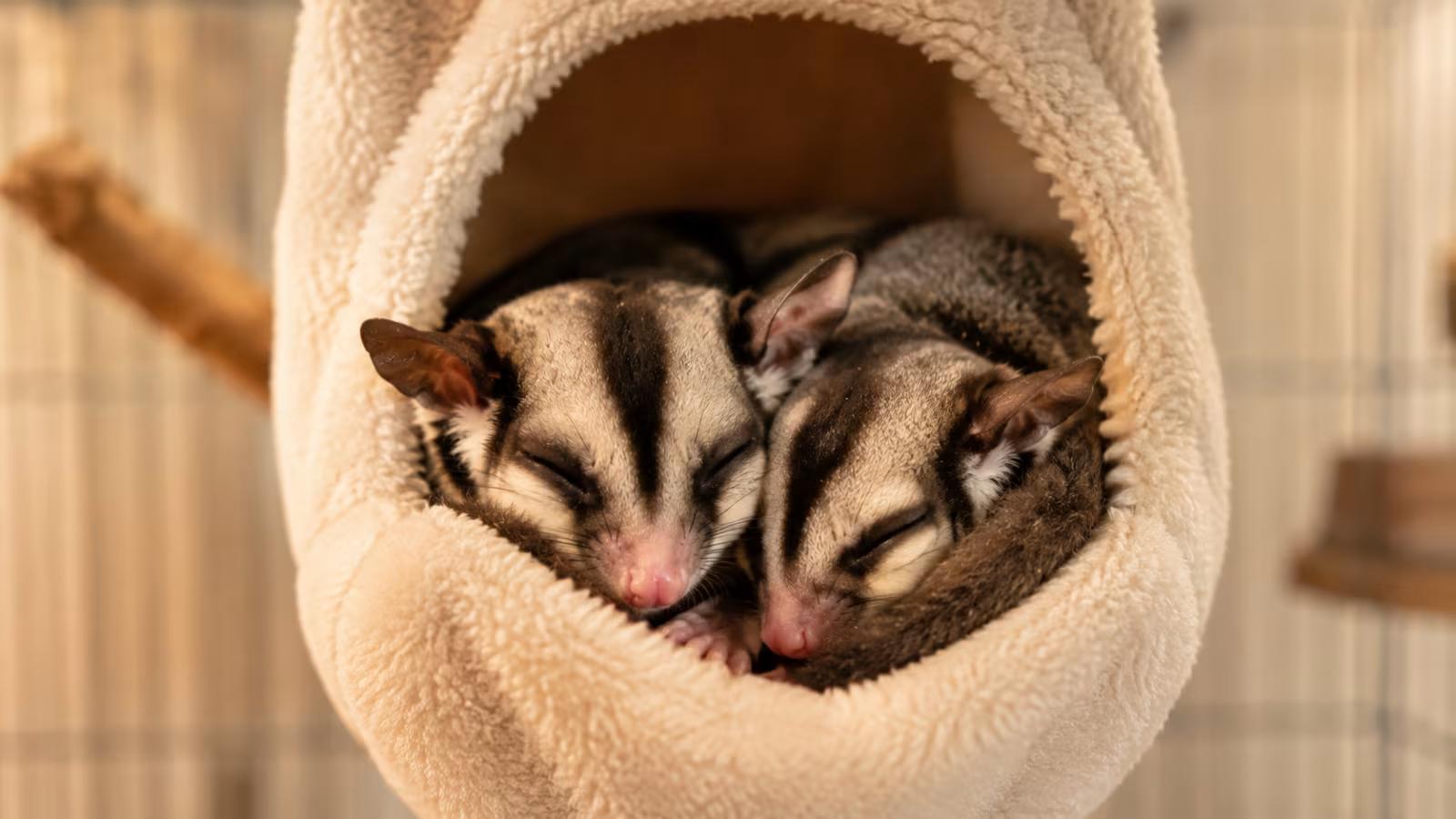
A distressed sugar glider may chew or bite its own tail, pouch, or genital area to the point of causing serious injury.
Warning: Self-mutilation is never a minor behavior to monitor and hope improves on its own. It requires immediate veterinary attention.
Stress reduction through appropriate social housing, stable environments, enrichment, and gentle handling is both a welfare and longevity intervention.
Signs of Aging in Sugar Gliders: What to Expect
Senior sugar gliders usually age gradually over months or years rather than changing suddenly.
Common signs of normal aging include reduced activity levels, longer resting periods, lower gliding frequency, and a preference for climbing or walking instead of dramatic leaps.
Fur may thin slightly or lose some of its previous shine. Grip strength may reduce, making some perches and toys more difficult to use.
Body weight may shift, either declining if appetite decreases or increasing if activity drops without diet adjustment.
Any sudden or rapid change in a senior glider's behavior or physical condition should be evaluated by a veterinarian promptly.
Sudden weight loss, refusal to eat for more than 24 hours, difficulty breathing, loss of coordination, open wounds, tremors, or severe lethargy are never acceptable as “just old age.”
How to Help Your Sugar Glider Live Longer
The gap between an average sugar glider lifespan and an exceptional one is bridged by consistent, informed daily care choices.
Follow a Proper Diet
Use a veterinarian-supported feeding plan designed specifically for sugar gliders. Measure portions, maintain proper calcium supplementation, and limit high-sugar or high-fat treats.
Keep Gliders Socially
Keep gliders in compatible pairs or small groups. If a companion dies, monitor the remaining glider carefully and consider finding a new companion through proper introduction protocols.
Provide a Safe, Enriched Cage
Prioritize cage height, safe materials, enrichment variety, and cleanliness. A dirty cage is a disease risk. A barren cage is a psychological hazard.
Build a Veterinary Relationship
Establish a relationship with an exotic animal veterinarian before emergencies happen. Schedule annual wellness exams and never dismiss behavioral changes as insignificant.
Reduce Stress
Learn your individual glider's normal behavior and treat deviations from that baseline as meaningful information.
Reduce noise, provide a consistent routine, ensure adequate darkness during sleeping hours, and handle your glider with patience and predictability.
Do Male or Female Sugar Gliders Live Longer?
There is no robust scientific evidence establishing a clear lifespan difference between male and female sugar gliders in captive settings.
Both sexes can live equally long lives under equivalent care conditions.
Intact males may sometimes develop self-barbering behaviors related to scent gland frustration or social stress. Neutering may be recommended by some exotic veterinarians for behavioral management.
Female sugar gliders that are bred repeatedly face cumulative physical strain from pregnancy and joey-rearing. Females kept as pets without breeding do not experience this same drain.
In general, reproductive status and care quality are far more meaningful predictors of lifespan than biological sex alone.
What Is the Oldest Sugar Glider Ever Recorded?
Verified records for exceptional sugar glider longevity are difficult to find in peer-reviewed scientific literature, but the exotic pet community consistently reports individual gliders reaching 17 to 18 years.
The oldest reported gliders usually share several characteristics: compatible companions, carefully formulated diets, regular veterinary care, low-stress environments, and experienced owners.
Cases beyond 18 years are rare enough to be considered genuinely exceptional rather than aspirational targets.
Common Beginner Mistakes That Reduce Sugar Glider Lifespan
Many gliders die years before they should because well-meaning owners did not know what they did not know.
Feeding incorrect diets is the most common and harmful mistake. This includes diets based mainly on commercial pellets, seed mixes, excessive fruit, or homemade plans not reviewed by a veterinarian.
Housing a single glider is the second most damaging choice. The social nature of sugar gliders is not a preference. It is a biological reality.
Using inappropriate cages, especially cages that are too small, too short, or have dangerous wire spacing, creates physical and psychological harm.
Other common mistakes include failing to find an exotic veterinarian, disturbing gliders too much during daylight sleeping hours, and assuming sugar gliders are low-maintenance pets.
Are Sugar Gliders the Right Long-Term Pet for You?
Sugar gliders are deeply rewarding companions for the right owners. They are intelligent, expressive, and capable of forming genuine bonds with the people who care for them.
But their 10 to 15-year lifespan, combined with their specialized care requirements, makes them a commitment that demands honest self-assessment before purchase.
Owning a sugar glider means planning for years of daily care, sourcing specific foods consistently, budgeting for exotic veterinary visits, and being present enough to notice subtle health changes early.
For people who understand these realities and choose sugar gliders with open eyes, the relationship can be extraordinary.
For people who expect an easy, low-maintenance exotic pet, the mismatch often ends poorly for both the owner and the animal.
Conclusion
Sugar gliders are one of the exotic pet world's most misunderstood animals. Their small size and seemingly simple appearance lead too many people to underestimate both their care requirements and their lifespan.
A sugar glider in a loving, knowledgeable home is not a novelty with a shelf life of a year or two. It is a companion animal that can be part of your life for a decade and a half or more.
The answer to how long a sugar glider can live is ultimately a reflection of how it is cared for. The biology supports a lifespan of 10 to 15 years in captivity, with some exceptional individuals reaching close to 18 years.
The factors that determine whether any individual glider reaches that potential are almost entirely within an owner's control: diet quality, social housing, habitat setup, temperature stability, veterinary care, and consistent stress reduction.
Wild gliders rarely reach 9 years. Captive gliders in excellent homes routinely reach 12, 13, or 14 years. The difference is care.
If you are considering adding a sugar glider to your life, let that lifespan inform your decision fully. You are not choosing a starter pet. You are choosing a long-term responsibility that will require daily attention, ongoing learning, and genuine emotional investment.
For owners who embrace that reality, sugar gliders offer something rare in the world of small pets: a bond that grows richer and deeper over many years.
References
- VCA Animal Hospitals - Sugar Gliders: General Information
- Australian Museum - Sugar Glider (Petaurus breviceps) Fact Sheet
- Association of Exotic Mammal Veterinarians (AEMV) - Sugar Glider Care Guidelines
- Booth, R. (2003) - Sugar Gliders. Seminars in Avian and Exotic Pet Medicine, Elsevier
- The Pet Glider - TPG Fresh Diet Guide