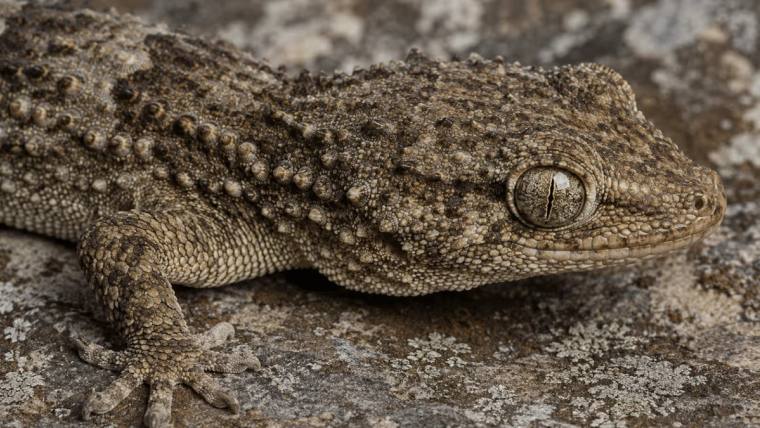
If you've stumbled across a crocodile gecko for the first time, you probably did a double take. There's something almost prehistoric about them - that heavily textured, ridged skin, the flattened body, the way they press themselves completely flat against a surface when they feel observed. They look like something that wandered off a film set for a dinosaur documentary, and that's a big part of why interest in keeping them has grown steadily over the past few years.
I've kept a lot of gecko species over the years, and crocodile geckos occupy a genuinely interesting niche. They're not as immediately flashy as crested geckos or leopard geckos, and they're not a handling-focused pet. But for keepers who enjoy watching natural behaviour, studying a species with real ecological depth, or simply want something different from the mainstream reptile options, they're a deeply rewarding animal to keep.
This guide covers everything you need to know about crocodile gecko care - size, lifespan, enclosure, lighting, feeding, and the questions that come up most often from new keepers.
What Is a Crocodile Gecko?
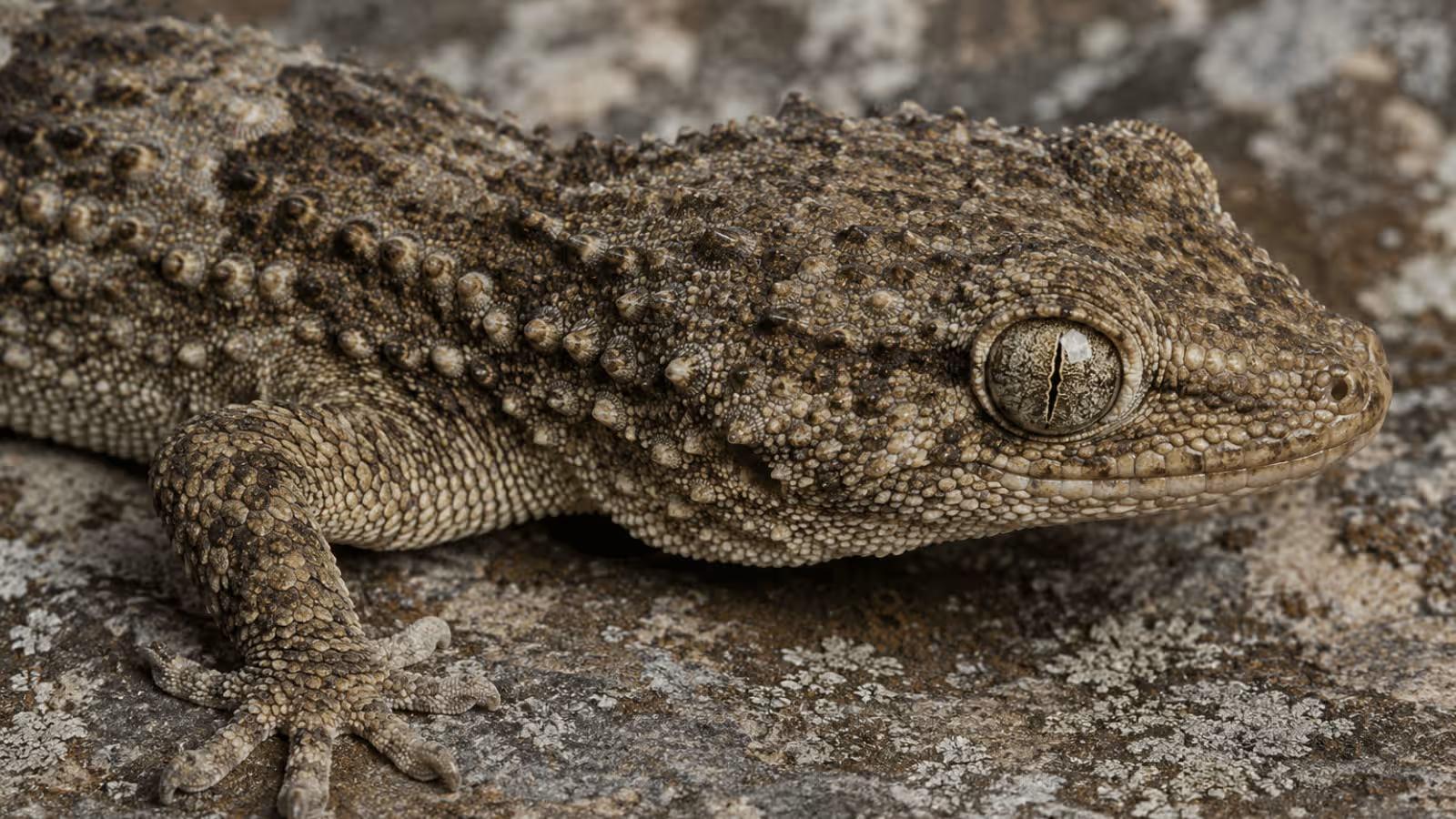
The crocodile gecko (Tarentola mauritanica) is a medium-sized wall gecko native to the Mediterranean basin. You'll find them across southern Europe and North Africa - Spain, Portugal, France, Italy, the Canary Islands, Morocco, Algeria - typically on stone walls, rocky outcrops, and old buildings where they hunt insects after dark.
They're also commonly called the Moorish gecko or wall gecko, though "crocodile gecko" has become the name most widely used in the hobby, and it's easy to see why. The scales along the back and tail are heavily keeled and raised, forming ridged rows that look strikingly similar to crocodile or caiman skin. It's entirely superficial - these are small, entirely harmless lizards - but the visual effect is striking enough that it stops people in their tracks.
In the wild, the gecko crocodile connection goes beyond looks. They share that same low-slung, deliberate movement. They're ambush hunters rather than active chasers. They flatten themselves against surfaces and rely on camouflage as a first line of defence. If you watch a crocodile gecko hunting in its enclosure, there's a patience and stillness to it that feels more reptilian than most geckos you'll encounter.
They're a crepuscular and nocturnal species, meaning most of their activity happens at dusk, through the night, and into the early morning hours. During the day they shelter under bark, in wall crevices, or in any tight, dark space they can wedge themselves into. Replicating this behaviour in captivity is one of the key things to get right for their wellbeing.

Crocodile Gecko Size: How Big Do They Get?
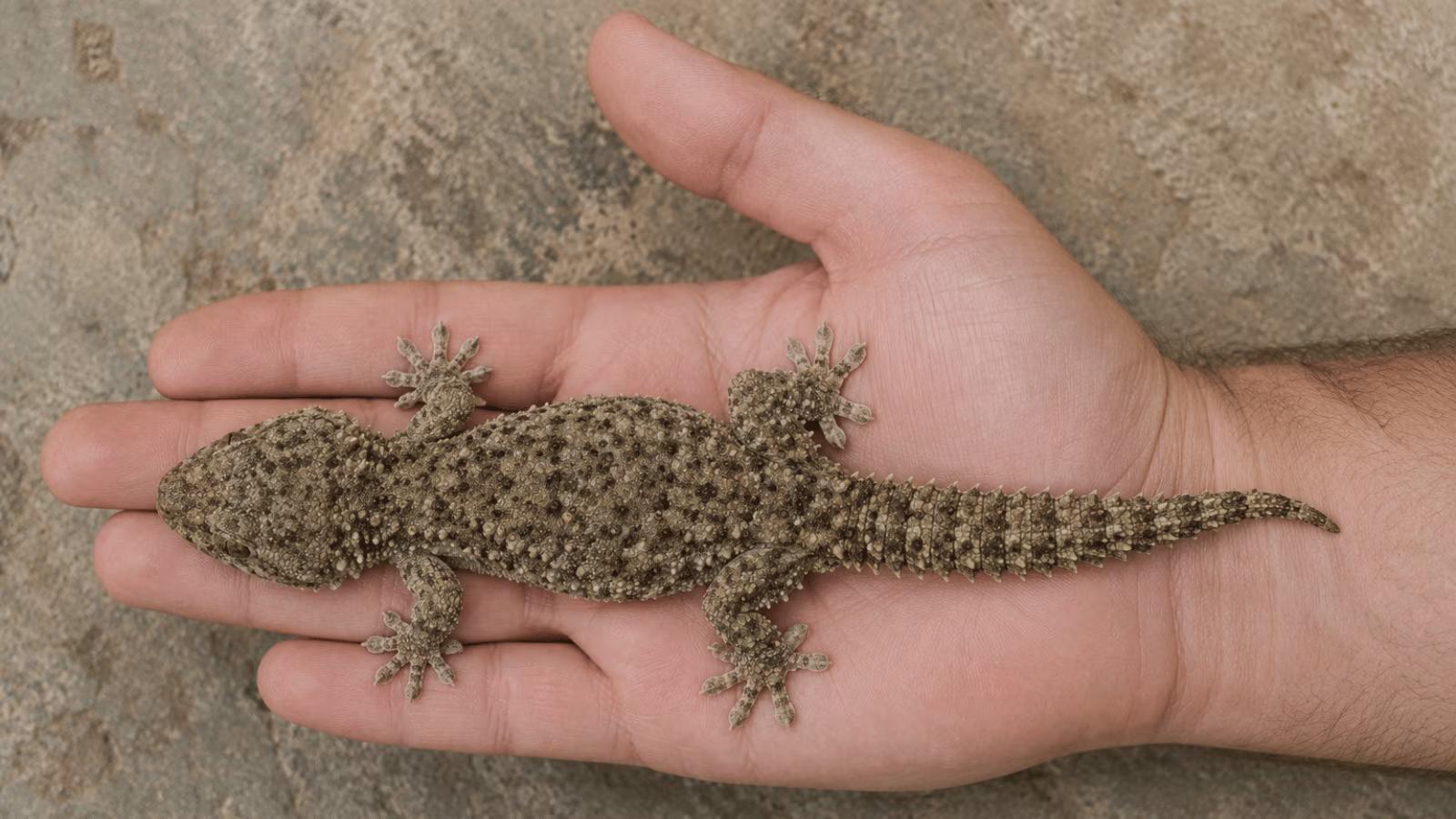
One of the most common questions people ask before acquiring one is: how big do crocodile geckos get? The answer is modest. Adults typically reach 12 to 15cm (roughly 5 to 6 inches) in total length, with the tail accounting for about half of that. Males tend to sit toward the larger end of this range and are noticeably more robust through the body. Females are generally slightly smaller and slimmer.
In terms of weight, adults usually land somewhere between 15 and 30 grams depending on condition and sex. They're solidly built for their size - not fragile like some smaller gecko species - but they're not large animals by any measure.
Hatchlings emerge at around 4 to 5cm and grow reasonably quickly in their first year with good feeding. Most animals reach close to their adult size within 12 to 18 months, though they continue to fill out and gain condition into their second and third years. How big does a crocodile gecko get is really a question with a reassuring answer for anyone without a huge amount of space: this is a species that does well in a sensibly sized enclosure without needing a large footprint.
Crocodile Gecko Lifespan: How Long Do They Live?
How long do crocodile geckos live is a question worth researching before you commit to keeping one, because the answer is longer than many people expect for a small gecko species.
In captivity with good husbandry, crocodile geckos regularly live 10 to 15 years. There are reports of well-kept individuals reaching 20 years, though this is on the longer end. Wild lifespans are harder to pin down but are generally shorter due to predation, environmental stress, and food availability variation.
The key factors that influence lifespan in captivity are temperature management (keeping them cool enough is critical - this is a Mediterranean species, not a tropical one), diet quality and variety, access to clean water, and avoiding the chronic stress that comes from inappropriate housing or excessive handling. Get those right and you have an animal that will be with you for a significant stretch of time. That's worth factoring into your decision before you bring one home.
Crocodile Gecko Care Guide
Learning how to take care of a crocodile gecko is largely about understanding their natural history and translating it into a captive setup. They are not a demanding species in terms of equipment or expense, but they do have specific requirements - particularly around temperature and the need for a naturalistic, hide-rich environment. Get the basics right and they're genuinely robust animals.
Enclosure and Setup
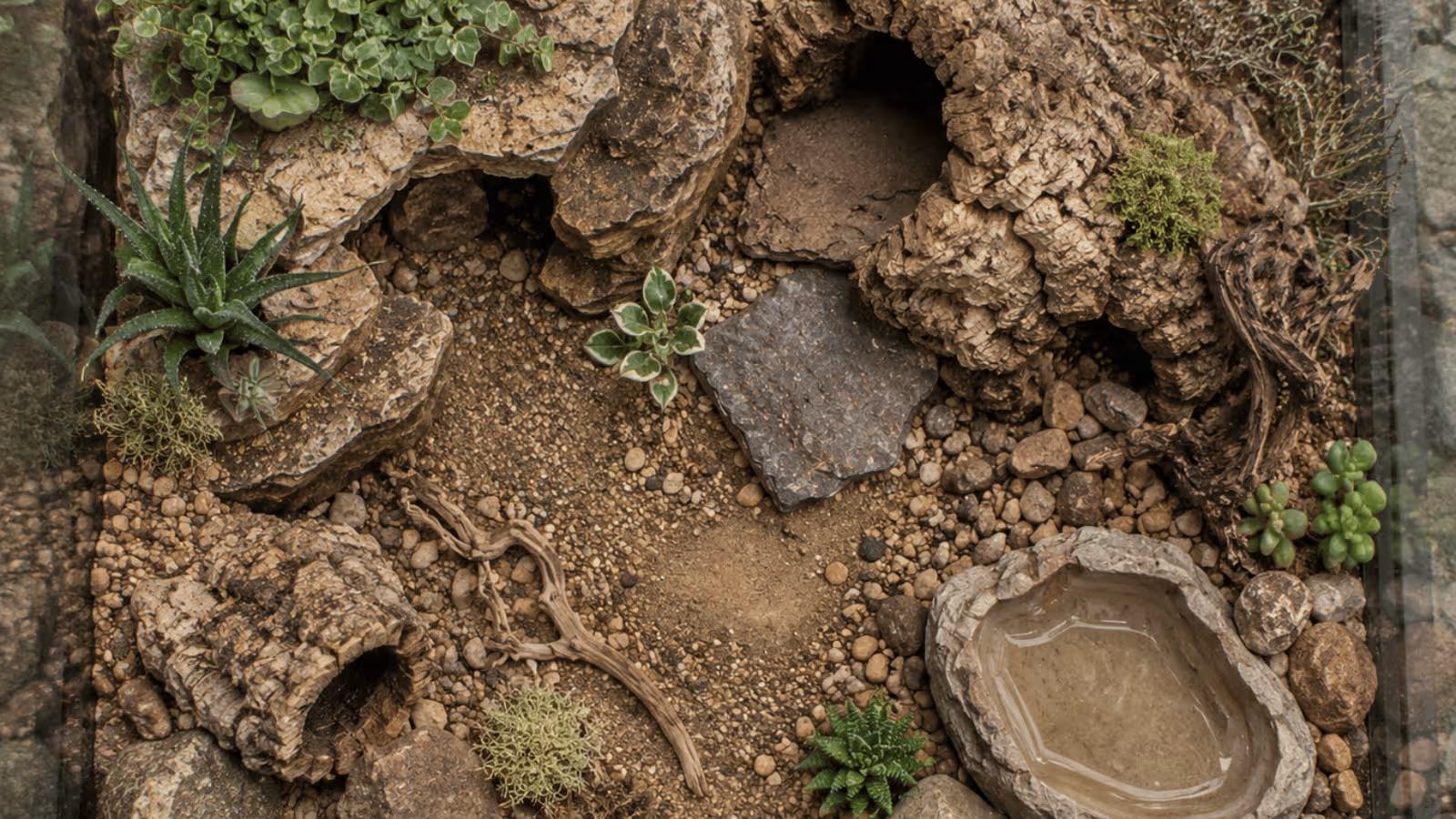
A single adult crocodile gecko does well in an enclosure of around 45 x 30 x 30cm (roughly 18 x 12 x 12 inches). A pair or small group needs proportionally more space - a 60 x 30 x 30cm footprint is a reasonable minimum for two animals. Taller enclosures are appreciated as crocodile geckos are competent climbers and will use vertical space if it's available.
The enclosure should be escape-proof. These are nimble animals and they will exploit any gap larger than their head. Front-opening vivariums with tight-fitting doors tend to work better than top-opening tanks for this reason, and they're also easier to work with during feeding and maintenance.
For decor, aim for a setup that provides plenty of hides at ground level and at different heights. Cork bark flats and tubes are excellent - they're lightweight, naturalistic, and easy to clean. Stacked slate or sandstone creates additional surface area for climbing and basking. Leave open floor space too, as crocodile geckos do spend time on the ground patrolling and hunting.
Temperature and Heating
Temperature is one of the areas where crocodile gecko care differs from tropical gecko species, and it's worth paying close attention to. These are Mediterranean animals. They're adapted to warm days and noticeably cooler nights, with a genuine winter cool-down period in their natural range.
Aim for a thermal gradient with a warm end of around 28 to 30 degrees Celsius (82 to 86 Fahrenheit) and a cool end of 22 to 24 degrees Celsius (72 to 75 Fahrenheit) during the day. Night temperatures can and should drop to 18 to 20 degrees Celsius (64 to 68 Fahrenheit). Many keepers in the UK find that room temperature handles the cool end naturally for much of the year.
A low-wattage heat mat on a thermostat provides a warm zone without overheating the enclosure. A small basking spot can be created with a low-wattage incandescent or halogen bulb on a timer, giving them the option to thermoregulate actively during their active hours.
Avoid keeping them too warm consistently. Chronic heat stress is one of the most common husbandry errors with this species, and it shortens lifespan significantly.
Do Crocodile Geckos Need UVB?
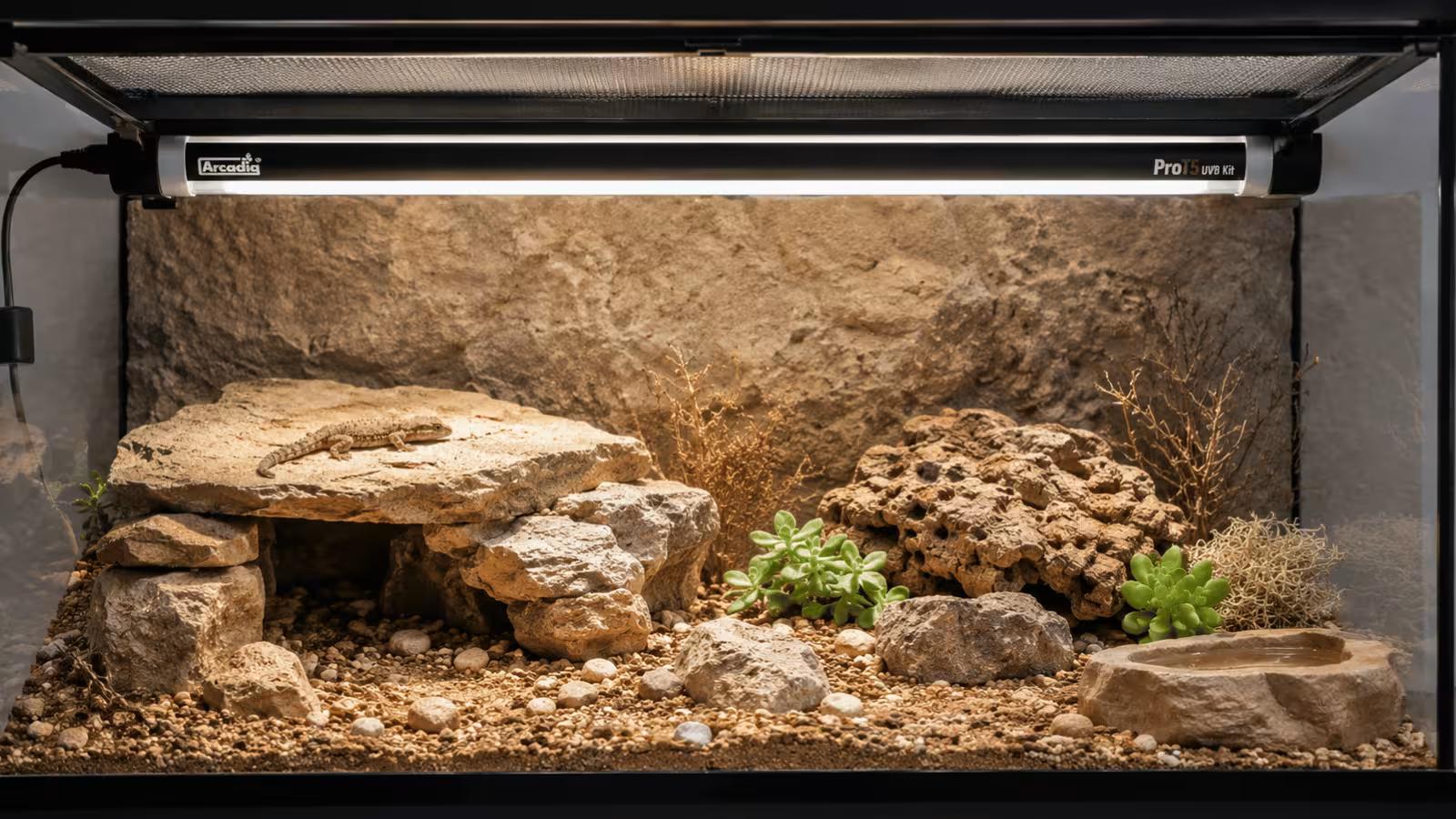
This is a question that's generated a fair amount of debate in the keeping community, and the short answer is: probably yes, and it won't hurt to provide it either way.
Do crocodile geckos need UVB? In the wild, Tarentola mauritanica is primarily crepuscular and nocturnal, but they do bask opportunistically in low-level natural light, particularly during the cooler months when they need to warm up quickly. Research into reptile UVB requirements has shifted significantly in recent years, and the current consensus among reptile vets and experienced keepers is that most gecko species benefit from low-level UVB exposure even if they're not dedicated daytime baskers.
A 5.0 or 6% UVB tube covering roughly two thirds of the enclosure length, running for 10 to 12 hours during the day on a timer, is the recommended approach. This allows your gecko to access UVB when it chooses to during its active hours, without forcing exposure. A shaded end where they can retreat from the light entirely is important - they should always have the option to avoid it.
The benefit is primarily supporting D3 synthesis and calcium metabolism. Even if it turns out to be technically optional for this species, providing low-level UVB is a low-cost, low-effort way to cover your bases and provide a more naturalistic photoperiod.
Humidity and Substrate
Crocodile geckos come from a semi-arid Mediterranean environment. They do not need or tolerate high ambient humidity. A dry enclosure with a localised damp hide is the correct approach.
For substrate, a mix of topsoil and sand (roughly 70/30) works well, gives a naturalistic appearance, holds shape for burrowing without staying damp, and is easy to partially replace during cleans. Reptile-grade calcium sand, coco coir, or cork granules are all reasonable alternatives. Avoid anything that holds moisture throughout - damp substrate leads to respiratory issues and scale problems over time.
Provide a small hide or corner of the enclosure with slightly moistened substrate or sphagnum moss. This gives them access to a humid retreat for shedding and helps ensure clean, complete sheds without needing to mist the whole enclosure. Lightly misting one end every few days is fine; misting the whole tank is not.
Feeding and Diet
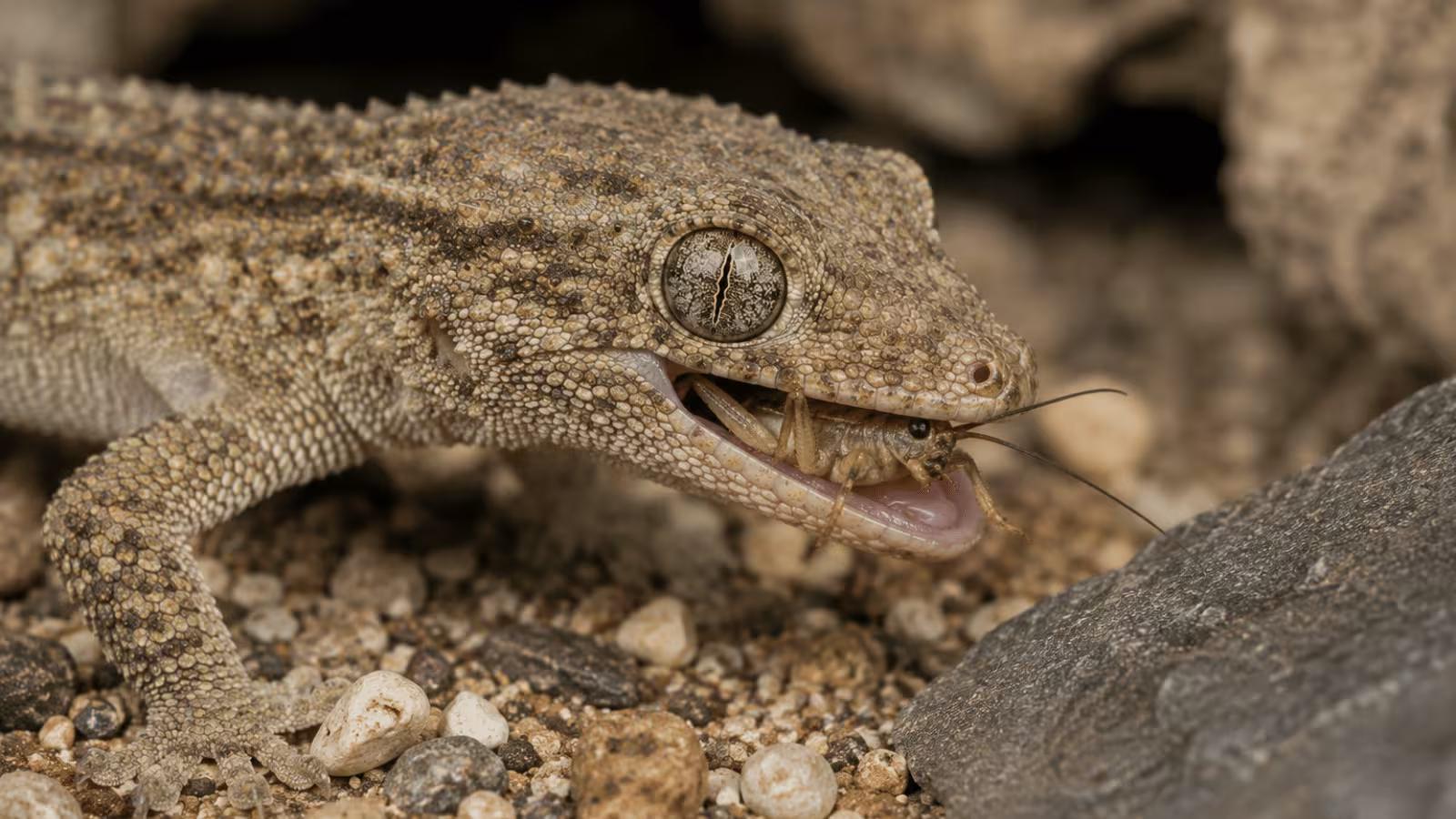
Crocodile geckos are insectivores. In captivity they do well on a rotating diet of appropriately sized live insects. The variety matters - a single food source leads to nutritional gaps over time.
Good staple feeders include brown crickets, black crickets, and small dubia roaches. Waxworms and mealworms can be offered occasionally as a treat but should not make up the bulk of the diet due to their high fat content. Locusts and calci-worms are excellent additions when available.
Feed insects that are no larger than the width of your gecko's head. For juveniles this typically means small or medium crickets; adults can handle standard-sized crickets and small locusts comfortably. Offer food every two to three days for adults, and daily or every other day for growing juveniles.
Dust feeder insects with a calcium supplement (without D3) at most feedings, and a complete multivitamin supplement containing D3 every one to two weeks. Gut-loading your feeders with quality food for 24 to 48 hours before offering them makes a meaningful difference to nutritional value. Fresh water should always be available in a shallow dish.
Handling and Temperament
It's worth being honest here: crocodile geckos are not a species that typically becomes comfortable with regular handling in the way that leopard geckos or crested geckos can. They're naturally defensive, fast when they want to be, and most individuals tolerate rather than enjoy being picked up.
That said, some animals do settle with patient, low-pressure interaction over time. Short, calm handling sessions - keeping the gecko at a low height, moving slowly, allowing them to walk between hands rather than being gripped - can gradually reduce stress responses in more settled individuals. Never grab from above; that triggers a predator response. Come from the side and let them step onto your hand.
Like many gecko species, they can drop their tail as a defence mechanism. The tail regenerates but never looks quite the same. Avoid situations that cause this - it's stressful for the animal and unnecessary with careful handling.
Common Health Issues to Watch For
Crocodile geckos are generally hardy animals when kept correctly, but there are a handful of issues worth knowing about.
Dysecdysis (incomplete shedding) is the most common problem keepers encounter. It's usually caused by low humidity during the shed cycle. A damp hide resolves most cases. If shed skin is retained around toes or the eye area, a warm damp cotton bud and patience - or a vet visit - is needed. Never pull shed skin aggressively.
Metabolic bone disease is preventable with correct supplementation and UVB access. Signs include soft jaw, difficulty moving, or limb deformities. It's almost always a husbandry issue rather than an inherent disease risk.
Respiratory infections are typically caused by chronic damp or cold conditions. Fast, laboured, or audible breathing warrants a vet visit promptly.
Parasites can be present in wild-caught animals, which do still appear in the trade. Any new animal showing unexplained weight loss, loose droppings, or lethargy should be checked by a reptile-experienced vet, ideally with a faecal sample.
Final Thoughts
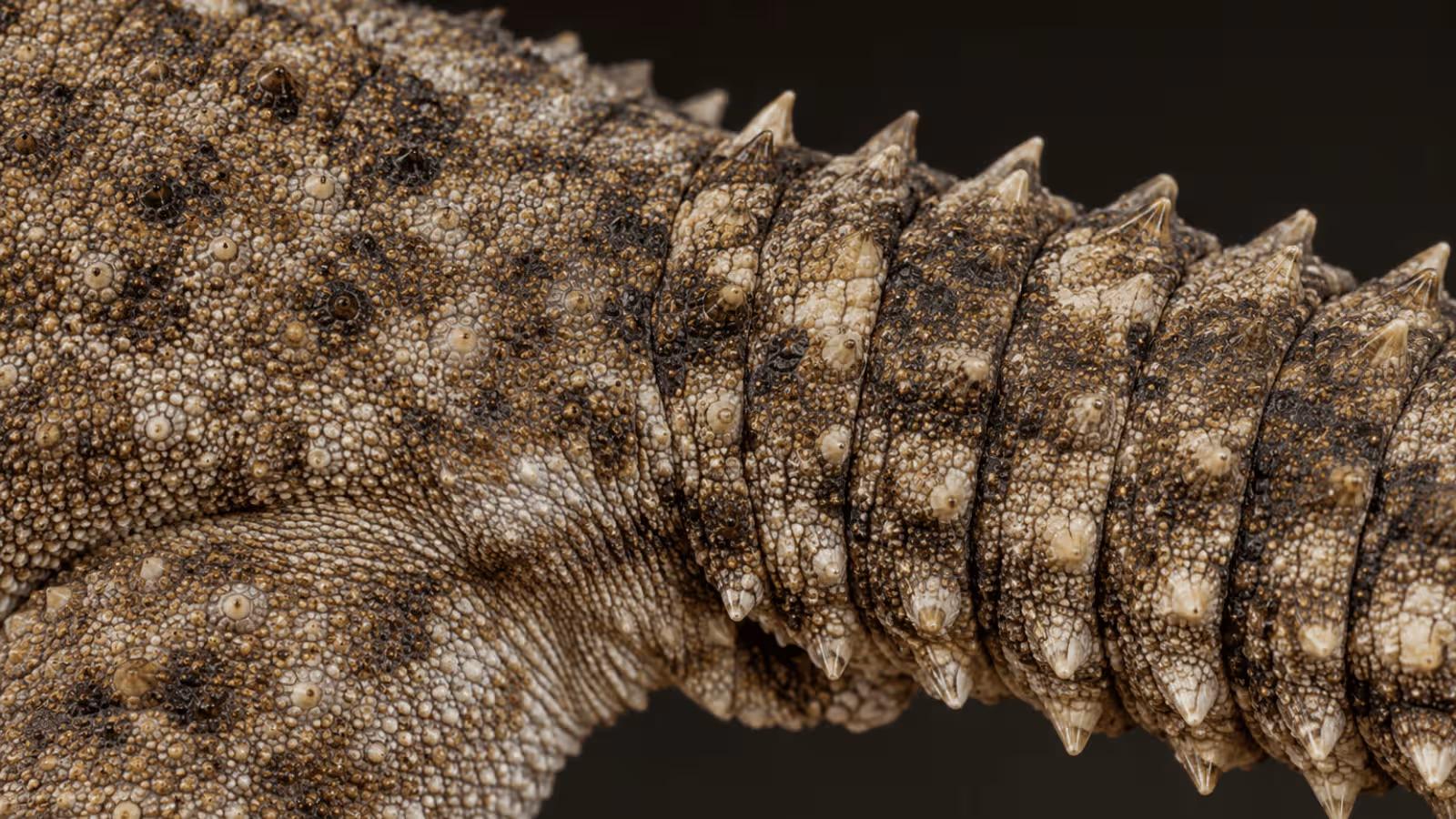
Crocodile geckos are one of those species that reward the keeper who takes the time to understand them on their own terms. They're not going to sit on your shoulder or come running to the glass when you walk in the room. What they will do is give you a genuinely fascinating animal to observe - one with real behavioural depth, a striking appearance that gets better the more closely you look at it, and a lifespan that makes the investment of setting them up properly well worthwhile.
If you're coming from more mainstream gecko species and looking for something different, or if you're a newer keeper drawn in by that prehistoric look, they're a solid choice. Get the temperature right, keep the enclosure dry, feed varied and well-supplemented insects, and give them plenty of places to hide. That's most of what they need.
Quick Reference: Crocodile Gecko Care at a Glance
- Adult size: 12 to 15cm (5 to 6 inches)
- Lifespan: 10 to 15 years in captivity
- Enclosure: Minimum 45 x 30 x 30cm for one adult
- Warm end temperature: 28 to 30 degrees Celsius
- Cool end temperature: 22 to 24 degrees Celsius
- Night temperature: 18 to 20 degrees Celsius
- UVB: Recommended - 5.0 or 6% tube, 10 to 12 hours daily
- Humidity: Low ambient, damp hide provided
- Diet: Live insects - crickets, roaches, locusts - dusted with calcium and vitamins
- Feeding frequency: Every 2 to 3 days for adults, daily or every other day for juveniles