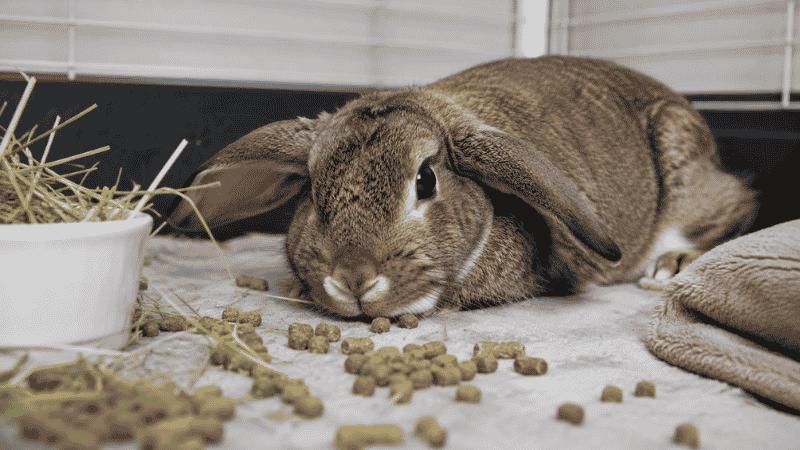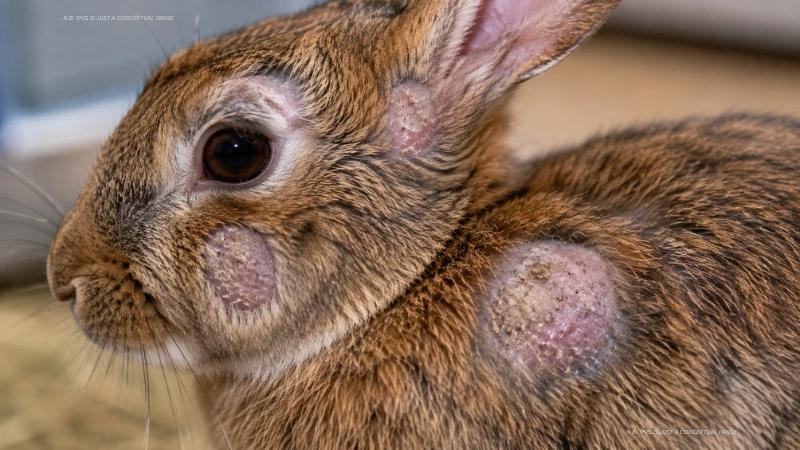
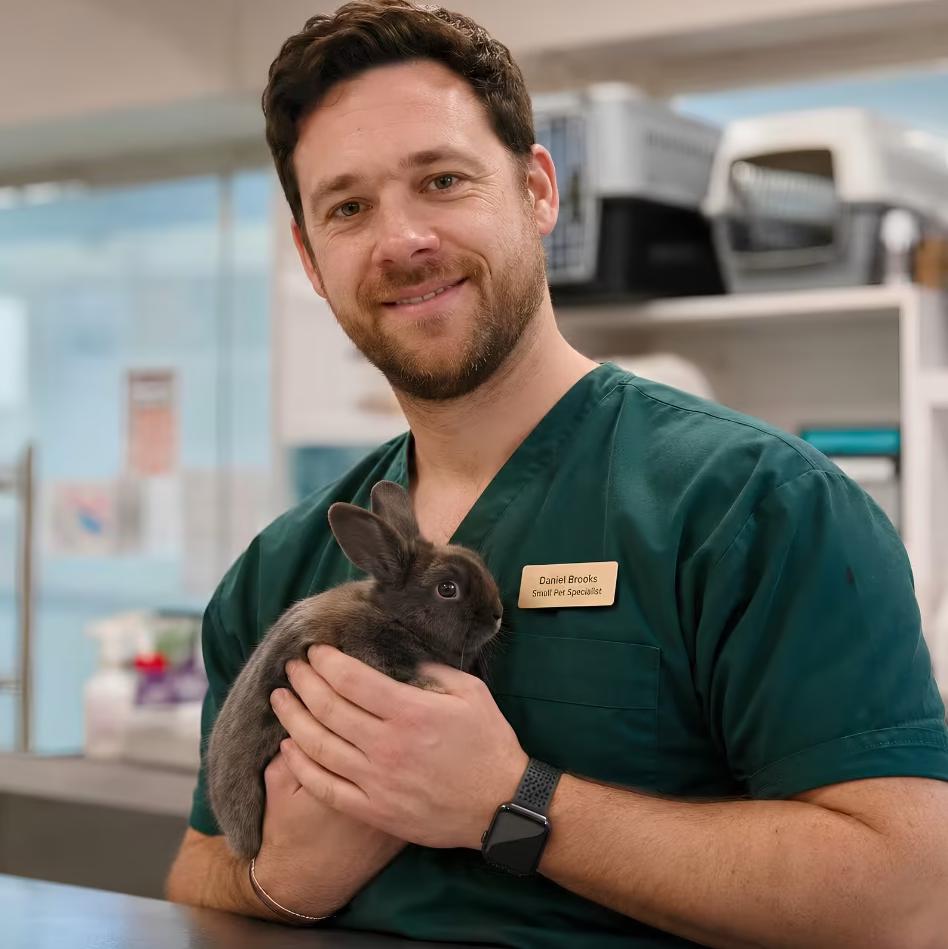
This confusion is extremely common, and honestly, it makes complete sense. The word "bunny" is everywhere. It shows up on pet store signs, children's books, Easter decorations, and social media captions. Meanwhile, veterinarians, animal shelters, and wildlife experts almost always use the word "rabbit." So which one is correct?
The short answer is both words refer to the same animal. But the full explanation goes deeper than most people expect. Understanding where the confusion comes from, what baby rabbits are actually called, how domestic rabbits differ from wild ones, and why rabbits are not rodents will completely change how you think about these animals and how you care for them.
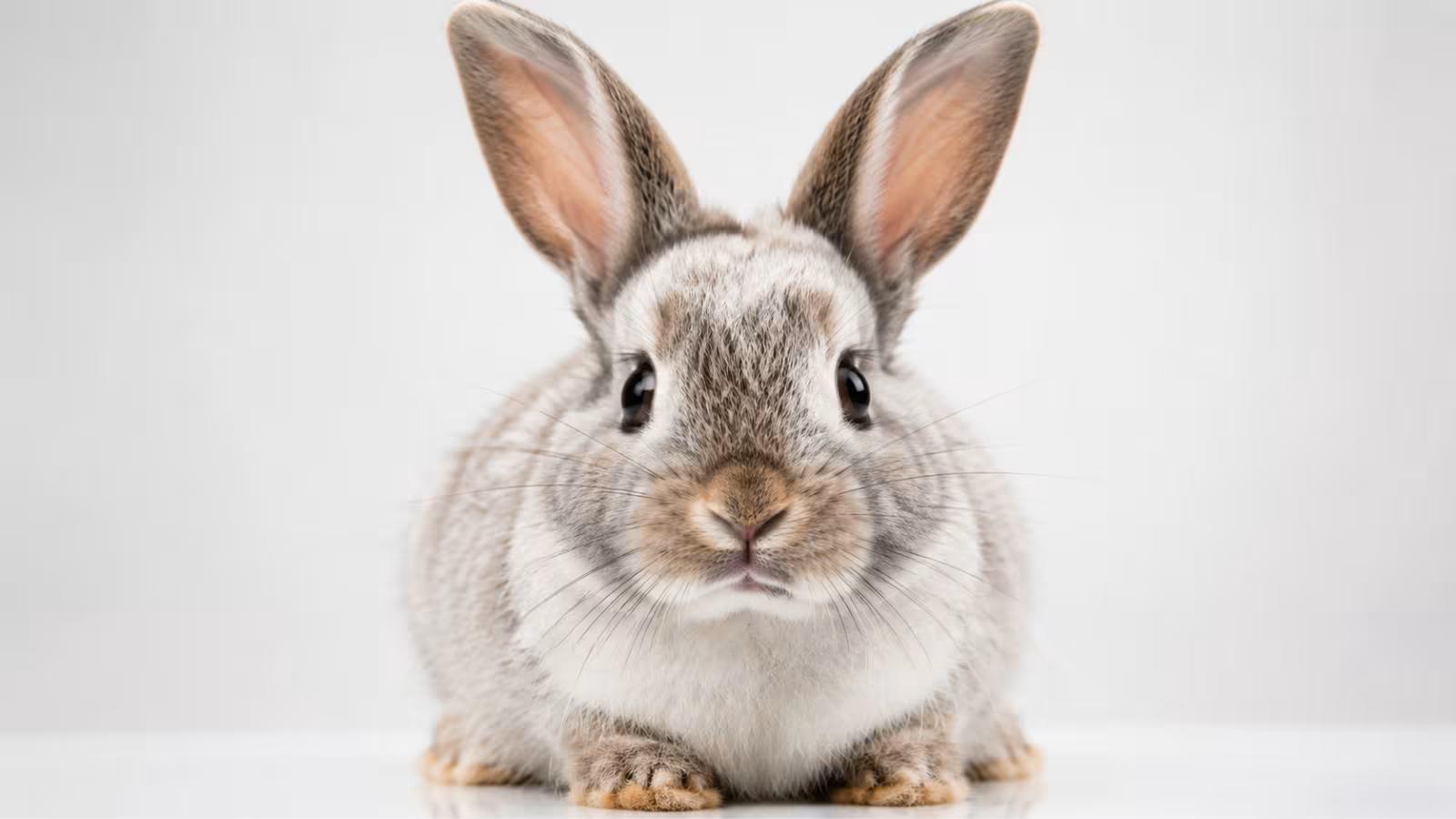
What Is a Rabbit? The Formal Definition
A rabbit is a small herbivorous mammal belonging to the order Lagomorpha and the family Leporidae. The domestic rabbit most commonly kept as a pet is scientifically classified as Oryctolagus cuniculus. This is the species you find in homes, rescue centers, and pet stores around the world.
One of the biggest mistakes beginners make is assuming rabbits are rodents. They are not. Rabbits belong to a completely separate animal order called Lagomorpha, which distinguishes them from mice, rats, hamsters, and guinea pigs. This distinction matters enormously when it comes to diet, medical care, and understanding their behavior.
Rabbits are recognized by their long upright ears, powerful hind legs, continuously growing teeth, and sensitive digestive systems. They are crepuscular animals, meaning they are naturally most active during dawn and dusk. They are also prey animals by nature, which explains why they can be cautious, alert, and quick to hide even in a safe home environment.
Key Characteristics of Rabbits
- Long upright ears that help detect predators
- Strong back legs built for fast, powerful movement
- Teeth that never stop growing, requiring constant chewing
- Digestive systems that need high-fiber diets to function correctly
- Social behavior, particularly in domestic breeds
- Burrowing instincts that are present even in indoor rabbits
- Crepuscular activity patterns, meaning they are most active at dawn and dusk
- A natural prey-animal instinct that influences how they respond to stress
Rabbits have been domesticated for centuries and are now among the most popular small pets globally. They exist in over 50 recognized breeds, ranging from the tiny Netherland Dwarf to the large Flemish Giant. Despite their popularity, they are frequently misunderstood animals with care needs that go far beyond what most beginners expect.
What Does "Bunny" Actually Mean?
"Bunny" is not a scientific term. It has no biological classification, no formal definition in zoology, and does not describe a separate species. It is simply an informal, affectionate nickname that people have used for rabbits for centuries.
The word likely evolved from the old English term "bun," which historically referred to a rabbit or squirrel's tail. Over time, it became a general term of endearment for rabbits, especially young or particularly fluffy ones. Today the word is used so casually and so widely that many people genuinely believe it means something different from "rabbit."
Pet owners use the word bunny when talking about their pets in everyday conversation. Children's books popularized it for young audiences. The Easter Bunny tradition embedded it into Western culture. Pet stores adopted it because it tested better with customers emotionally. The word sounds softer, rounder, and more approachable than "rabbit," and language follows emotion.
In casual usage, "bunny" and "rabbit" are completely interchangeable. You will hear experienced rabbit owners say "my bunny" the same way you hear cat owners say "my kitty." Neither word is wrong in conversation. The distinction only becomes important when you are searching for medical advice, care guides, or scientific information, where the proper terminology consistently delivers better results.
Bunny vs Rabbit: Are They Different Animals?
No. A bunny and a rabbit are the same animal.
Think of the relationship this way. A dog is still a dog whether you call it a pup, a pooch, or a doggie. A cat is still a cat whether you say "kitty" or "cat." Similarly, a rabbit is still a rabbit whether someone calls it a bunny. The informal nickname does not create a separate creature.
Where Each Word Is Used
Formal contexts such as veterinary clinics, wildlife conservation, animal shelters, and scientific literature always use "rabbit." You will see this in phrases like rabbit gastrointestinal stasis, rabbit dental disease, domestic rabbit housing, and rabbit vaccination schedules. Using the correct term when searching for health information genuinely matters because it connects you to more accurate, detailed, and professional resources.
Informal contexts such as social media posts, children's books, pet store signage, and casual conversation almost always use "bunny." Phrases like "house bunny," "bunny proofing," and "bunny toys" are completely normal and widely understood. Neither usage is incorrect in its context. The problem only arises when people begin to believe the two words describe genuinely different animals.
The confusion causes real-world consequences for rabbit care. Some beginner owners search for "bunny care" and find general fluffy pet content. Others search "rabbit care" and find detailed, evidence-based guides from veterinarians and rabbit rescue organizations. Same animal, very different quality of information depending on terminology.
What Is a Baby Rabbit Actually Called?
This is where even people who know rabbits get tripped up. Many people assume that "bunny" is the correct term for a baby rabbit. It is not.
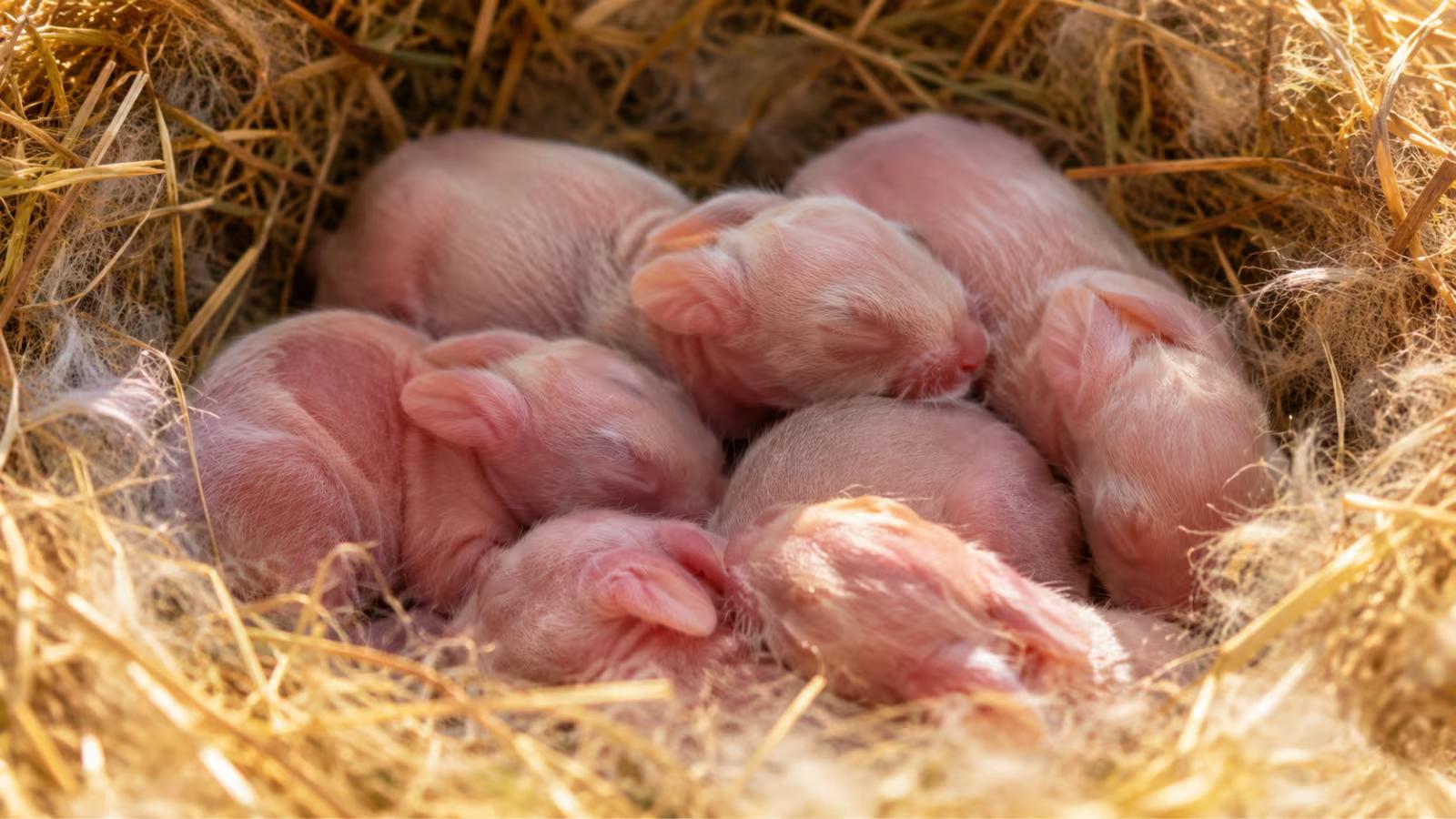
The proper terms for a baby rabbit are "kit" or "kitten." The word "kit" is used most commonly. A mother rabbit giving birth produces a litter of kits, typically ranging from two to twelve babies depending on the breed and individual animal. The mother rabbit herself is called a doe. The father is called a buck.
Calling a baby rabbit a "bunny" is not scientifically accurate, but it is culturally normal. The word stuck because baby rabbits are particularly small, delicate, and visually appealing to human instincts. When people see a tiny rabbit nestled in hay, "bunny" is often the first word that comes out. In casual settings, this is completely fine. In veterinary or breeding contexts, knowing the correct terms helps you communicate more clearly with professionals.
Rabbit Life Stages at a Glance
- Newborn Kit (0 to 3 weeks): Born hairless, blind, and completely dependent on the mother. Kits remain in the nest and nurse frequently. They are extremely fragile during this stage and should not be handled unnecessarily.
- Juvenile Rabbit (3 to 12 weeks): Eyes open, fur develops fully, and the rabbit begins exploring outside the nest. They start eating hay and solid foods alongside nursing.
- Adolescent Rabbit (3 to 6 months): Rapid growth, increased energy, and the beginning of hormonal development. This is when chewing, digging, and territorial behaviors often increase.
- Adult Rabbit (6 months and beyond): Personality becomes established. Social bonds form. Behavioral patterns stabilize. Most breeds are considered fully adult between 6 and 12 months depending on size.
- Senior Rabbit (5 to 8 years and beyond): Activity decreases, sleep increases, and joint health becomes more important. Regular veterinary checkups become especially valuable at this stage.
Many people continue calling their adult rabbits "bunnies" long after the juvenile phase. A seven-year-old house rabbit is often still affectionately called a bunny by its owner. That is simply the nature of the informal nickname.
Bunny vs Rabbit vs Hare: Three Different Things
Most people treat these three words as interchangeable. Two of them actually refer to the same animal, but the third is genuinely a different creature.
Rabbits and hares are related but are not the same animal. They belong to the same family, Leporidae, but are classified into different genera with significant biological differences. Hares are generally larger, longer-legged, and faster than rabbits. Their ears are typically longer and often tipped with black.
The most fundamental difference is how their young are born. Baby rabbits, called kits, are born hairless, with closed eyes, and completely dependent on their mother. Baby hares, called leverets, are born with full coats of fur, open eyes, and the ability to move almost immediately after birth. This is called being precocial, and it reflects the fact that hares evolved to survive in open grasslands without burrows, where a helpless newborn would not survive predator pressure.
Hares are also generally more solitary than rabbits. Domestic rabbits have been bred specifically for social behavior and human companionship over centuries. Wild hares largely operate alone outside of breeding season. The behavioral differences are significant enough that hares are rarely, if ever, kept as pets the way domestic rabbits are.
The word "bunny" is never applied to hares in any formal or informal context. When someone says "bunny," they always mean a rabbit, not a hare. This is one additional reason why understanding the distinction helps you access more accurate information about the animal you are actually caring for or curious about.
Why Did the Confusion Between Bunny and Rabbit Become So Widespread?
The fact that two words exist for the same animal is not accidental. Several cultural forces pushed "bunny" into everyday language so effectively that many people genuinely believe it means something different.
Children's literature and cartoons played a massive role. From Beatrix Potter's Peter Rabbit to modern animated characters, storytellers consistently used "bunny" because it sounds softer, friendlier, and more appropriate for young audiences. Peter Rabbit and the Velveteen Rabbit use the more formal name, but countless other stories adopted "bunny" as the go-to word for these characters.
The Easter Bunny tradition is arguably the single most powerful cultural driver. This tradition spread across Western culture over the 19th and 20th centuries, embedding the word "bunny" into seasonal celebrations, children's memories, and commercial marketing on an enormous scale. The Easter Rabbit simply never caught on the same way.
Pet store marketing leaned heavily into the emotional appeal of the word. "Bunny" tests better with customers because it triggers warmth and affection. Marketing materials, store signage, and product labeling for rabbit supplies often default to "bunny" specifically because it drives emotional connection.
Social media completed the cultural shift. Pet rabbit accounts on platforms like Instagram and TikTok almost universally use "bunny" in their usernames, captions, and hashtags. This reinforces casual usage for millions of viewers daily, making "bunny" feel like the standard term rather than the informal one.
None of these forces created genuine confusion about biology on purpose. Language simply evolved the way language always does, following emotion and culture rather than scientific accuracy. The consequence for rabbit owners is that knowing the correct terminology gives you access to a completely different tier of care information.
Wild Rabbits vs Domestic Rabbits: Not the Same Experience
A common mistake beginners make is assuming that the small brown rabbit they see in the backyard and the soft rabbit at the pet store behave the same way. They do not.
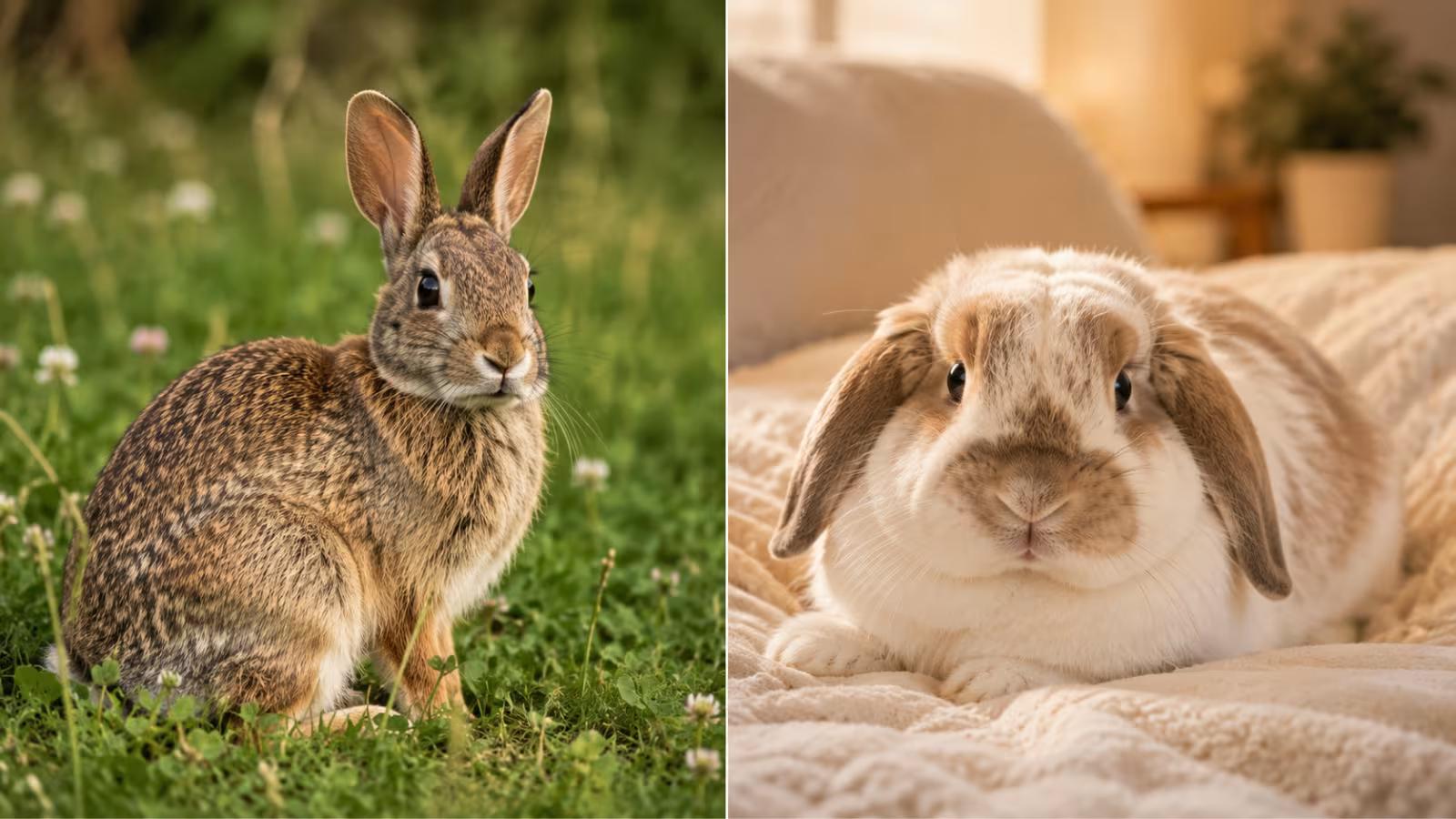
Wild rabbits, such as the Eastern Cottontail in North America, are highly alert prey animals with strong survival instincts and a natural fear of humans. They rely on speed, camouflage, and burrowing to survive. Handling a wild rabbit causes extreme stress and can genuinely harm or kill the animal through a condition sometimes called capture myopathy, where stress-induced muscle damage occurs. Wild rabbits do not make suitable pets, and in many regions it is illegal to keep them.
Domestic rabbits have been selectively bred over centuries specifically for tolerance of human interaction, docile temperament, and life in human environments. They still retain prey-animal instincts, which is why sudden movements, loud noises, and improper handling still stress them. But domestic rabbits can bond closely with their owners, learn litter training, recognize their names, and actively seek human interaction when properly socialized.
This distinction matters for anyone who finds a baby rabbit in their yard. Well-meaning people sometimes bring wild cottontail kits inside thinking they are helping, when in fact the mother rabbit is almost certainly nearby and the babies are not abandoned. Wild rabbits also carry different parasites and diseases than domestic rabbits and require specialized wildlife rehabilitation care if they are genuinely injured or orphaned.
If you are looking for a pet rabbit, always source from a reputable rescue organization or responsible breeder working with domestic breeds. The experience of living with a domestic rabbit is fundamentally different from any encounter with a wild one.
Rabbit Terminology Every Owner Should Know
Learning the correct vocabulary around rabbit ownership helps you find better information, communicate clearly with your veterinarian, and understand what you read in care guides. Here are the essential terms:
- Doe: An adult female rabbit.
- Buck: An adult male rabbit.
- Kit or Kitten: A baby rabbit.
- Litter: A group of baby rabbits born together from a single birth.
- Binky: A spontaneous joyful leap and twist in the air that rabbits perform when they feel happy and safe.
- Thumping: A behavior where a rabbit slams their hind feet on the ground to signal danger or express displeasure.
- Bonded Pair: Two rabbits that have formed a close, stable social bond through a gradual introduction process.
- GI Stasis: Gastrointestinal stasis, one of the most dangerous conditions in rabbits. It occurs when the digestive system slows or stops and requires immediate veterinary attention.
- Cecotropes: Soft droppings produced by rabbits that they eat directly from their bottom. This is normal and essential for their nutrition.
Knowing these terms transforms how effectively you can research rabbit care and communicate with professionals who work with these animals.
Common Myths About Bunnies and Rabbits
There is a surprising amount of misinformation circulating about rabbits, much of it spread through outdated pet advice, cartoon representations, and casual social media content. Clearing these up directly protects the animals in your care.
- Myth: A bunny is a different animal from a rabbit. False. They are the same animal. "Bunny" is an informal nickname with no separate biological meaning.
- Myth: Baby rabbits are officially called bunnies. False. The correct terms are kit or kitten. "Bunny" is a cultural nickname, not a developmental classification.
- Myth: Rabbits are rodents. False. Rabbits are lagomorphs. This matters because it affects everything from nutritional needs to appropriate medications.
- Myth: Rabbits love carrots and should eat them daily. False. Carrots are high in sugar and should only be offered as occasional treats. The foundation of a healthy rabbit diet is unlimited Timothy hay.
- Myth: Rabbits are easy starter pets for children. False. Rabbits require significant daily care, appropriate housing, a carefully managed diet, regular veterinary attention, and gentle handling.
- Myth: Wild rabbits and domestic rabbits are basically the same. False. Wild rabbits are not suitable pets. Domestic rabbits are bred for life around humans.
These myths genuinely harm rabbits because owners make decisions based on incorrect information. A rabbit fed mostly carrots will develop dental and digestive problems. A rabbit kept in a small cage will develop stress-related behaviors and health issues. Accurate information saves lives.
Basic Rabbit Care: What You Actually Need to Know
Even though the central question of this article is about terminology, most people searching about bunnies and rabbits are actively considering rabbit ownership or are new to caring for one. Covering the basics here directly serves that need.
Housing
Rabbits need far more space than most beginners expect. The commonly sold small pet store cages are inadequate for long-term housing. Rabbits should have access to areas where they can hop at least three to four body lengths in a row and stand fully upright on their back legs.
Indoor housing setups using exercise pens or rabbit-proofed rooms are safer and healthier than traditional hutches. Outdoor hutches expose rabbits to weather extremes, predator stress, parasites, and isolation. Indoor rabbits statistically live longer, healthier lives with more social interaction.
Diet
Hay is the single most important food in a rabbit's diet and should be available at all times without restriction. Timothy hay is the most commonly recommended for adult rabbits. It keeps the digestive system moving, wears down constantly growing teeth, and provides mental stimulation through foraging behavior.
Fresh leafy greens such as romaine lettuce, cilantro, and parsley can be offered daily in moderate amounts. High-fiber rabbit pellets can be offered in limited quantities as a supplement, not a main meal. Sugary treats, fruit, and starchy vegetables should be given rarely if at all.
Enrichment
Bored rabbits develop destructive behaviors, stress-related health problems, and depression. Rabbits need chew toys, tunnels, digging boxes, and space to explore. Many rabbits enjoy rearranging objects in their space, tossing lightweight toys, and investigating new items placed in their environment.
Veterinary Care
Not every veterinarian has deep experience with rabbits. Seek out a rabbit-savvy exotic animal vet for routine checkups and any health concerns. Annual checkups, spaying or neutering, and dental monitoring are standard components of responsible rabbit ownership.
Warning Signs That a Rabbit Needs Veterinary Attention
Rabbits evolved as prey animals and instinctively hide signs of illness to avoid appearing vulnerable to predators. By the time a rabbit looks visibly sick, the condition may already be serious. Knowing what to watch for is one of the most important skills a rabbit owner can develop.
Watch for these warning signs and treat them as urgent:
- Complete refusal to eat or drink for more than a few hours
- No droppings, unusually small droppings, or droppings that appear very soft or liquid
- Visible bloating or a hard, tense abdomen
- Severe lethargy or inability to move normally
- Labored or rapid breathing
- Teeth grinding loudly, as opposed to soft tooth clicking, which indicates contentment
- Head tilting to one side, which can indicate an inner ear problem or neurological issue
- Sudden, unexplained aggression in a previously gentle rabbit
```Important: GI stasis can kill rabbits quickly and is often not recognized until too late. If your rabbit has not eaten for four to six hours and is not producing droppings, contact a veterinarian immediately. This is not a wait-and-see situation.
Conclusion
The bunny and rabbit difference comes down to one simple fact: they are the same animal. "Rabbit" is the correct scientific and formal name. "Bunny" is a cultural nickname that has been used for centuries in casual, emotional, and commercial contexts. Neither word is wrong in everyday conversation, but understanding the distinction genuinely matters for anyone who owns or plans to own one of these animals.
Knowing that baby rabbits are properly called kits, that hares are genuinely different animals, that domestic and wild rabbits behave completely differently, and that rabbits are lagomorphs rather than rodents, all of this shapes how you research, care for, and advocate for these animals. Better terminology leads directly to better information and better outcomes for the rabbit in your care.
These are intelligent, sensitive, social animals with real needs that go far beyond a small cage and a daily carrot. Once you understand who they actually are, caring for them well becomes a genuinely rewarding experience.